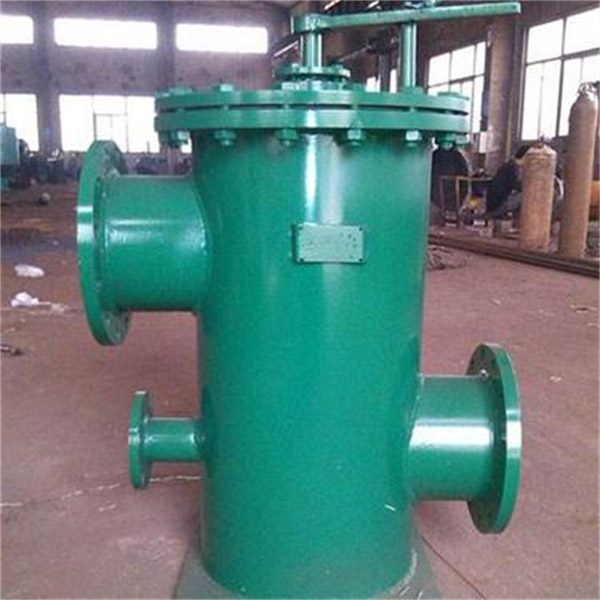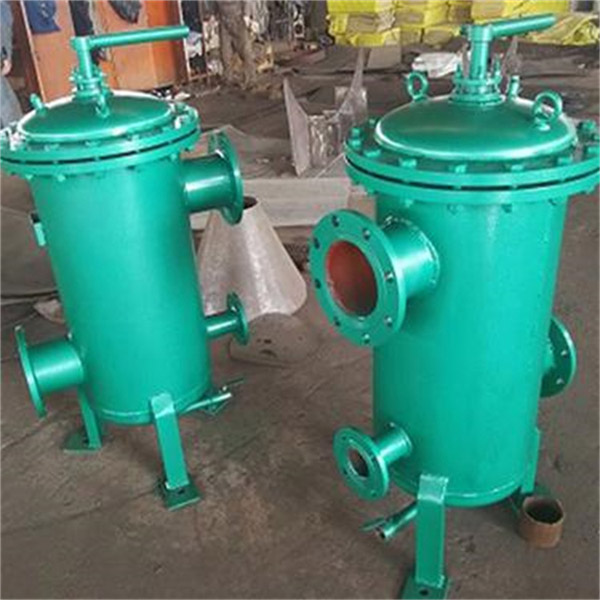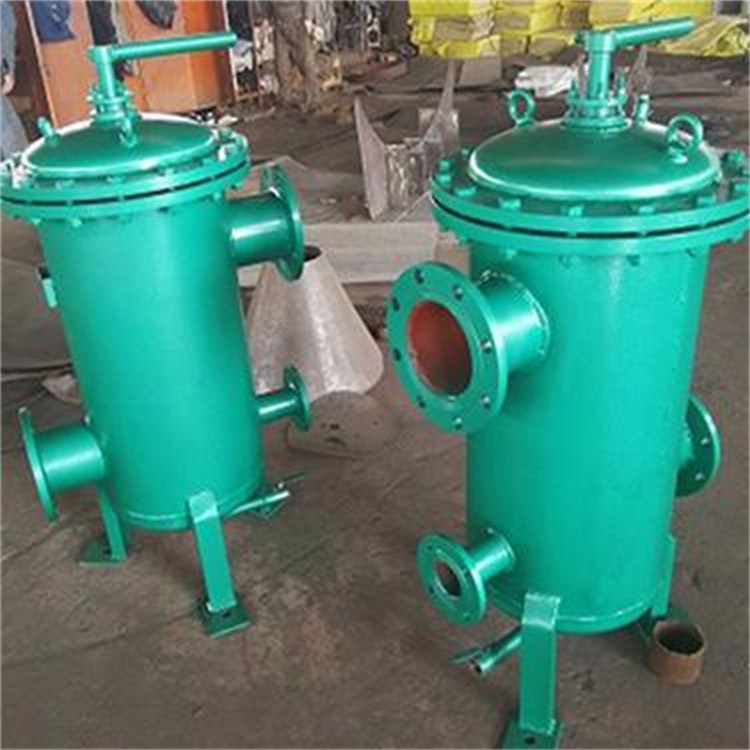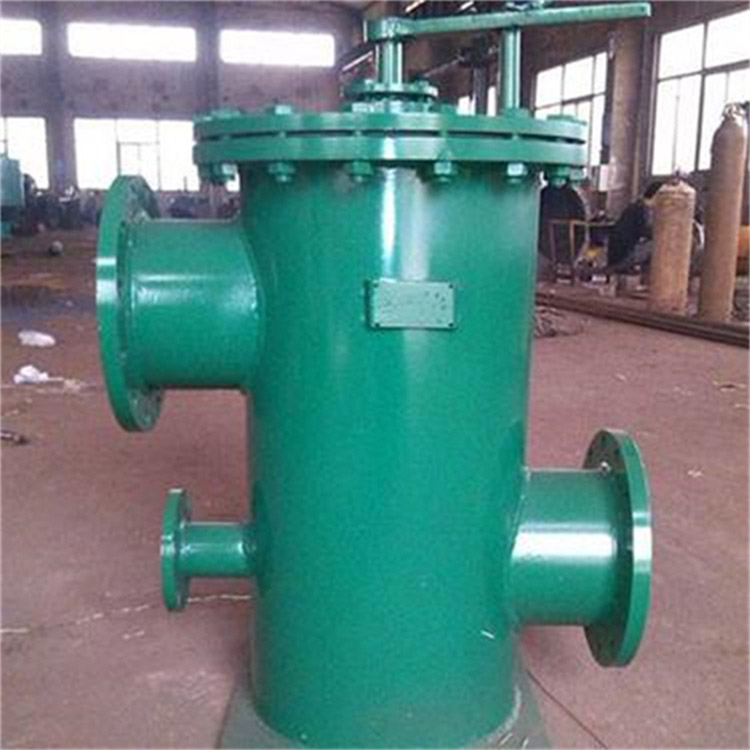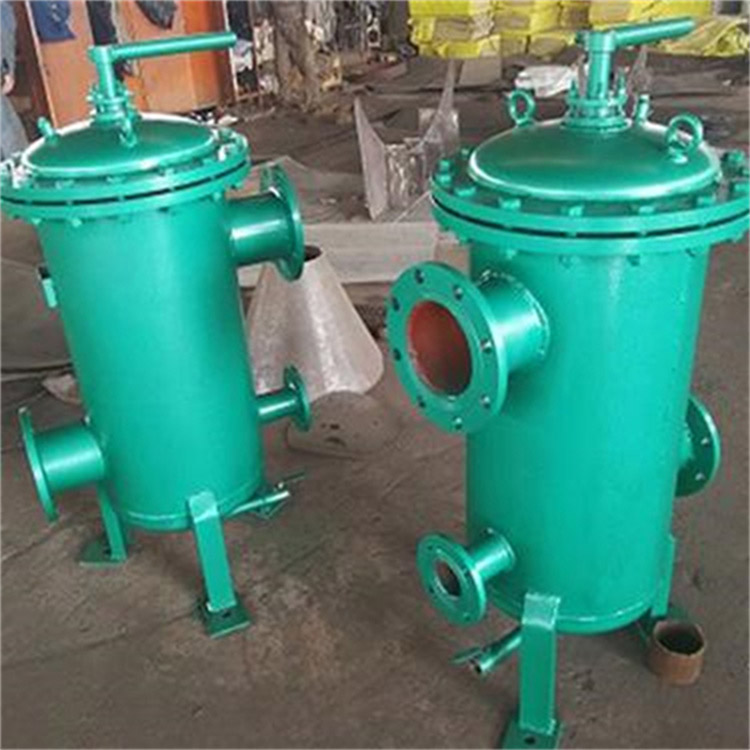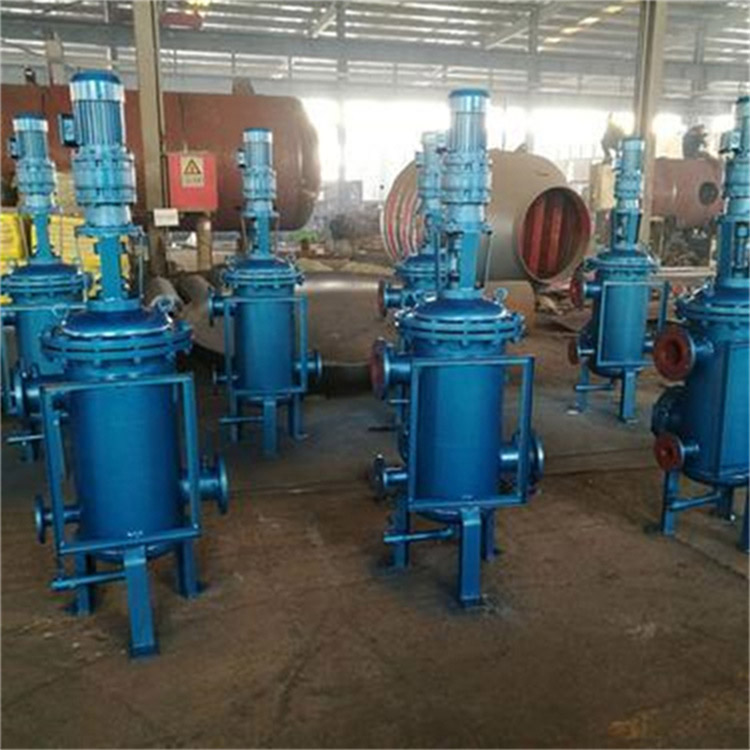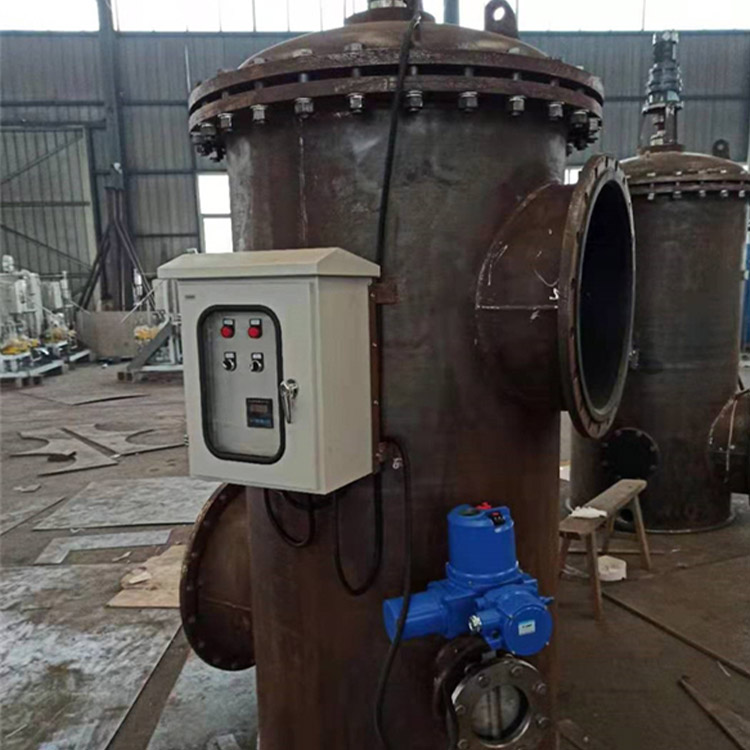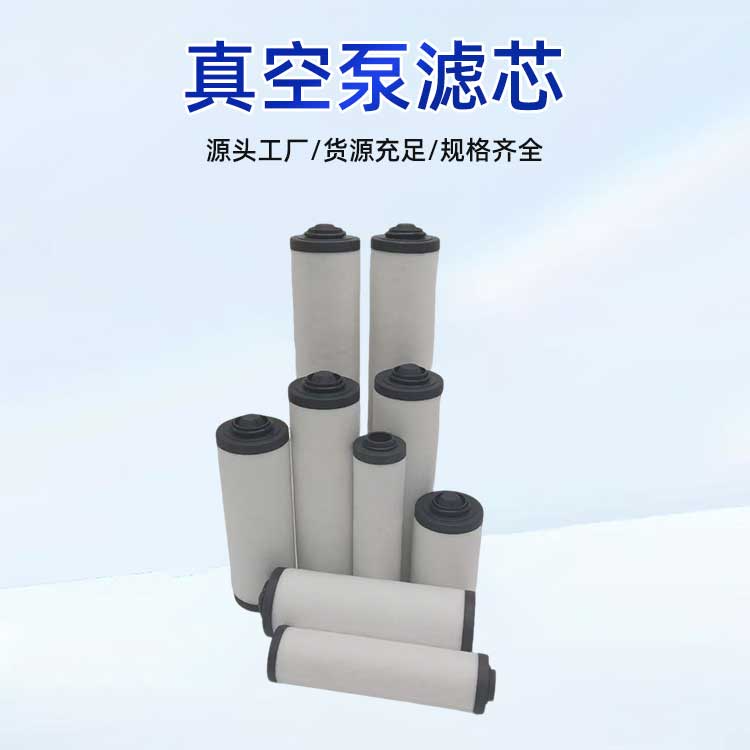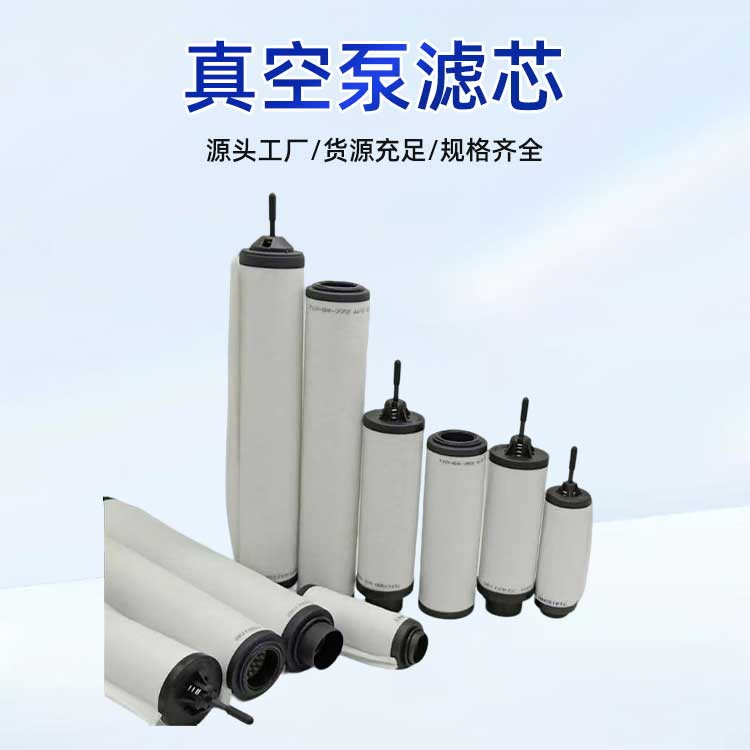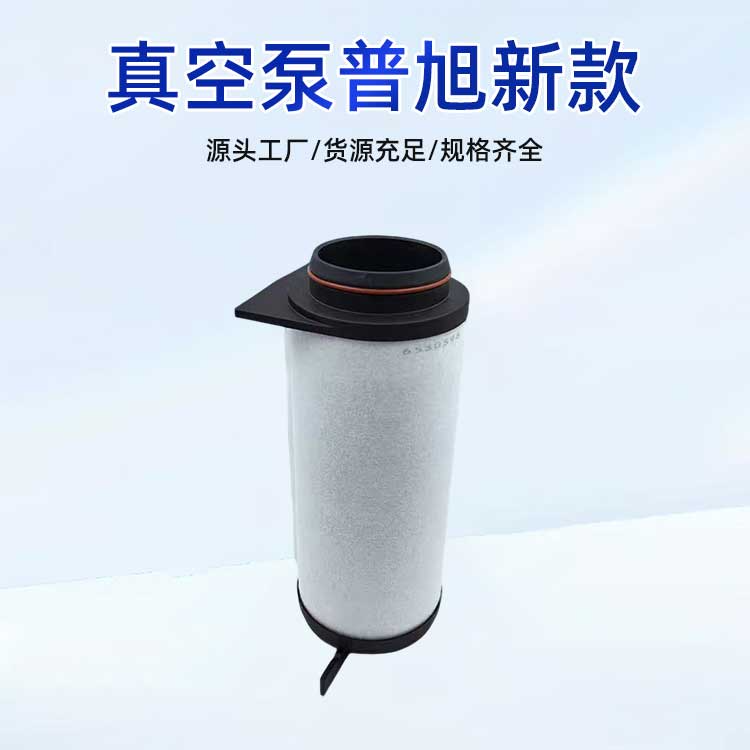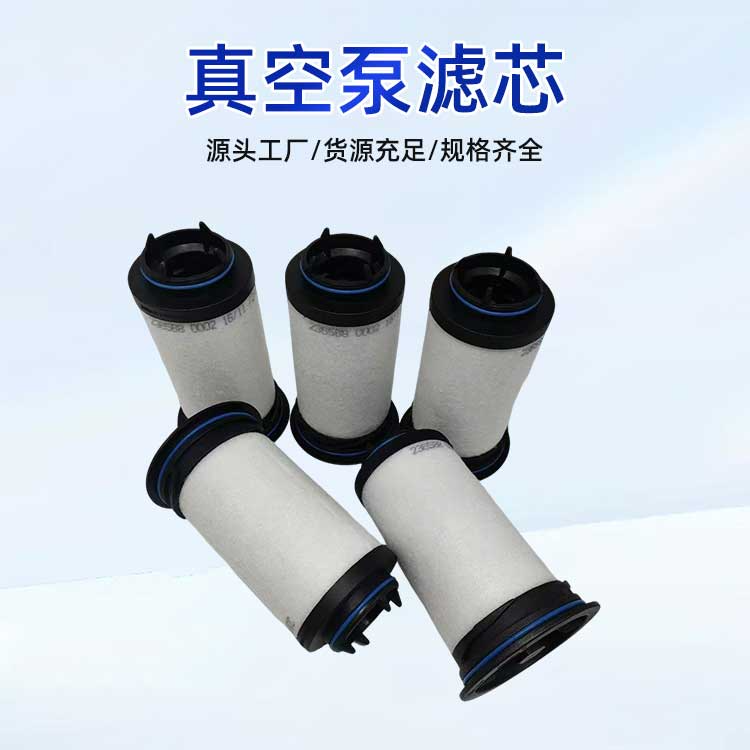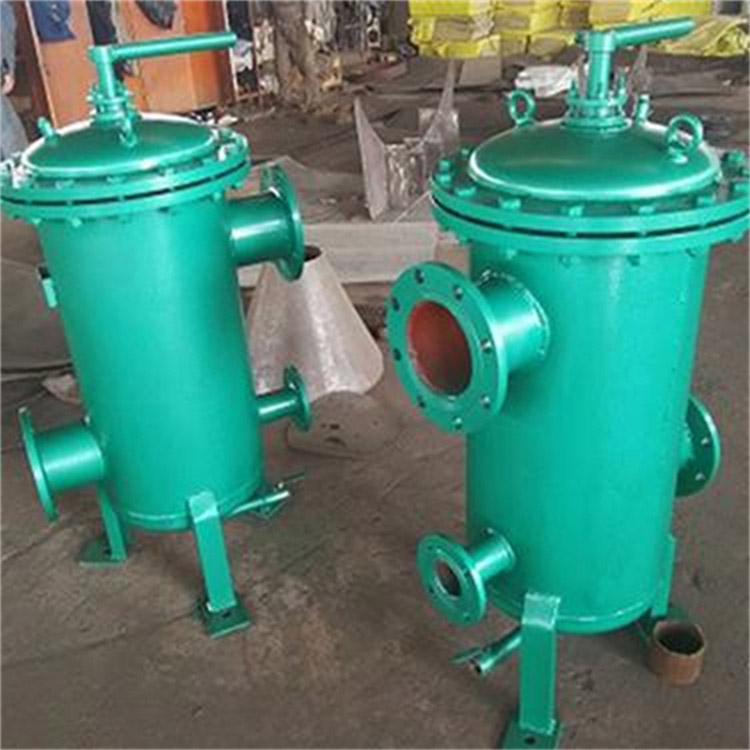

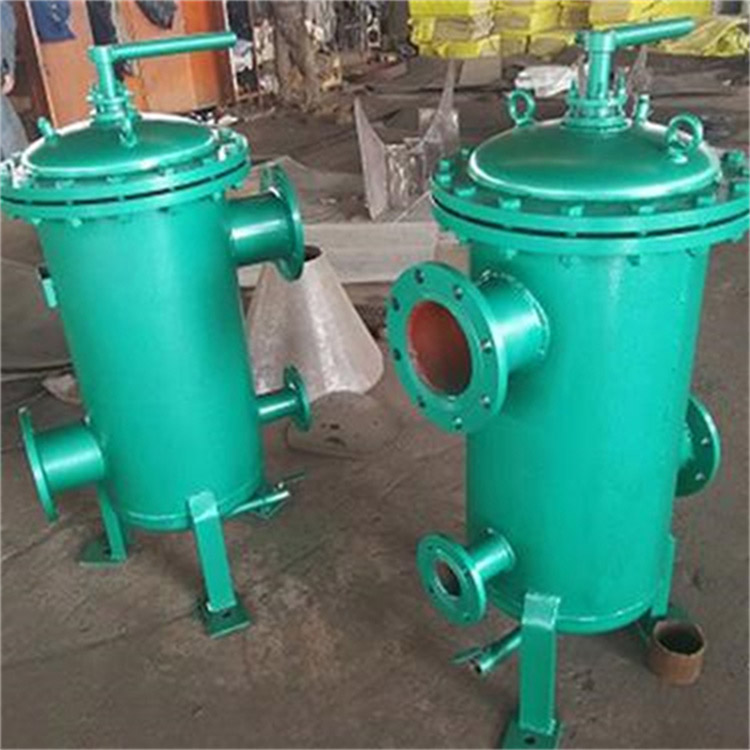
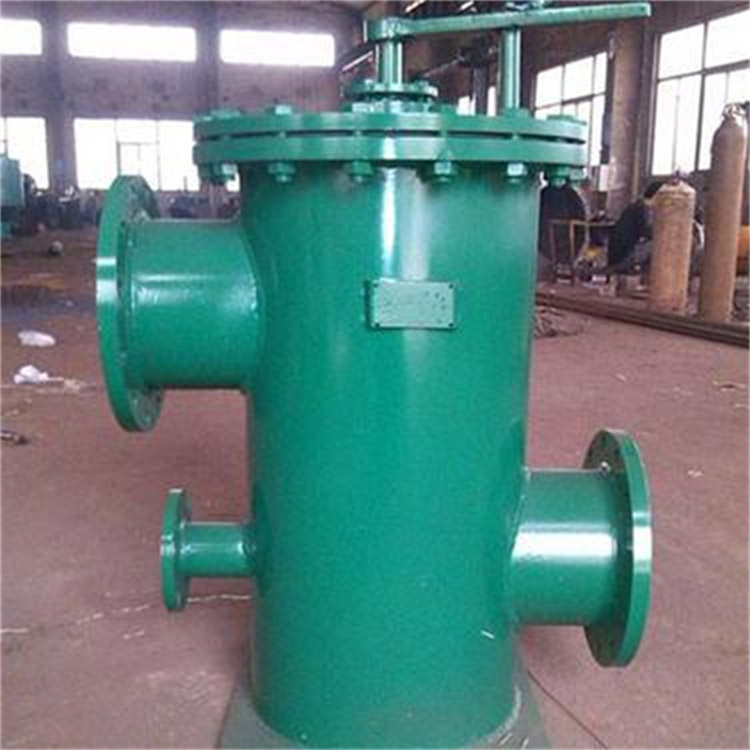
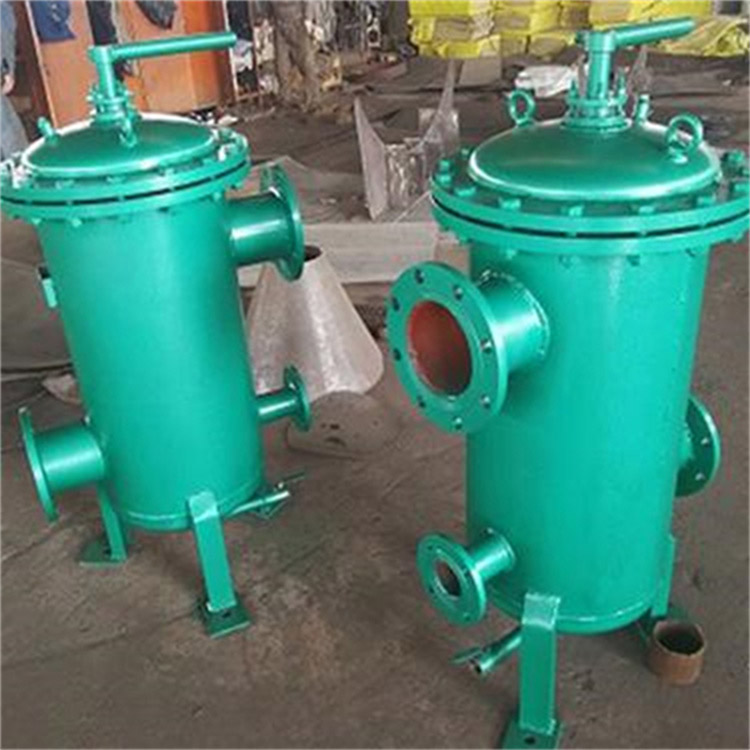


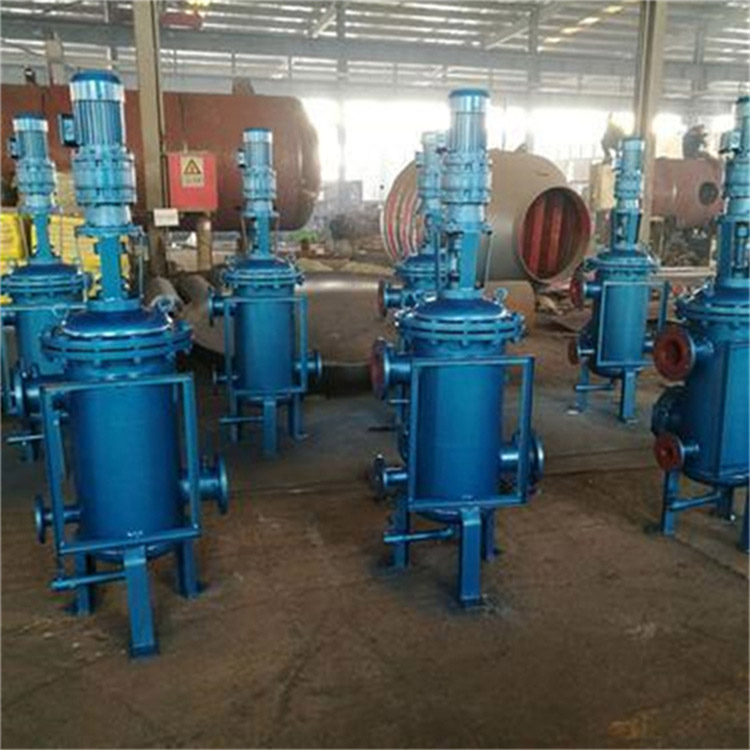
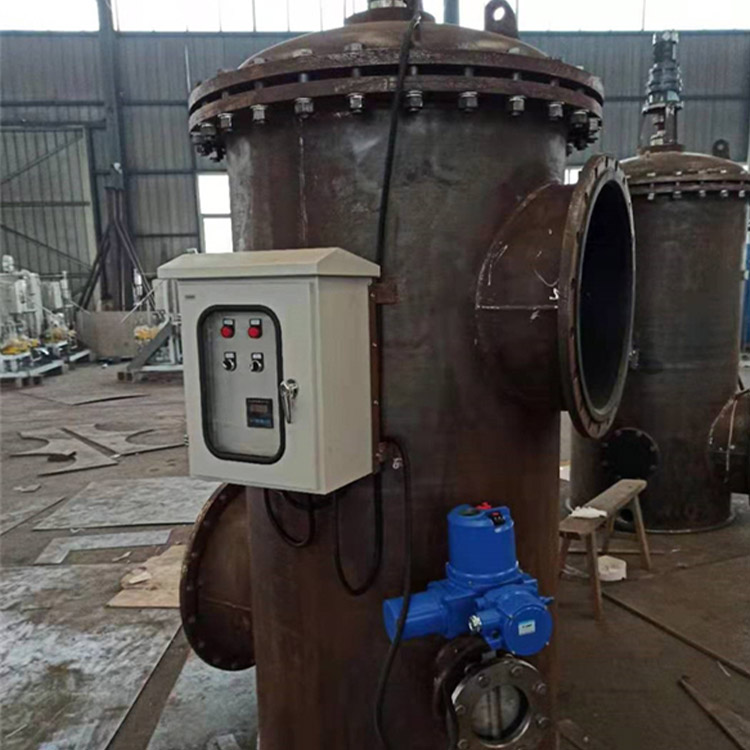






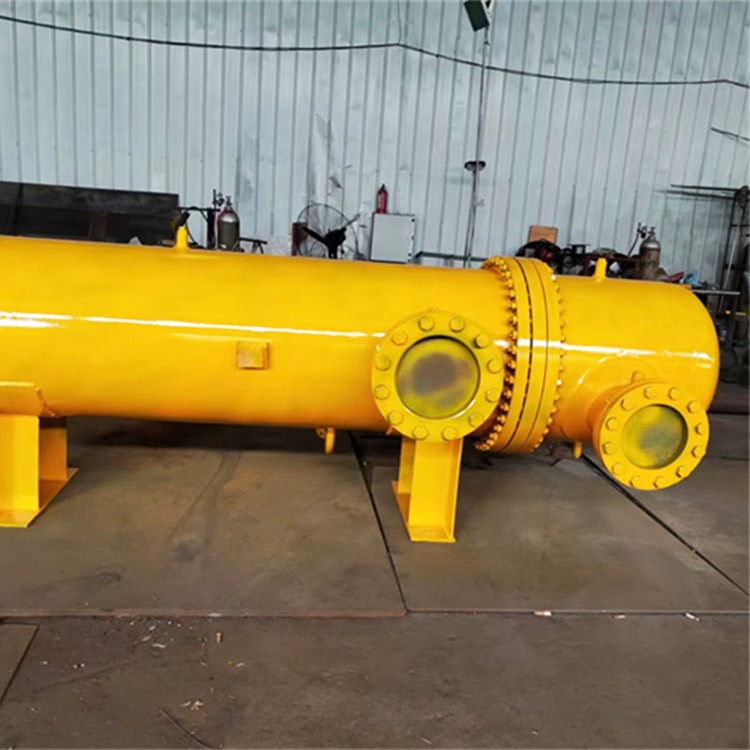
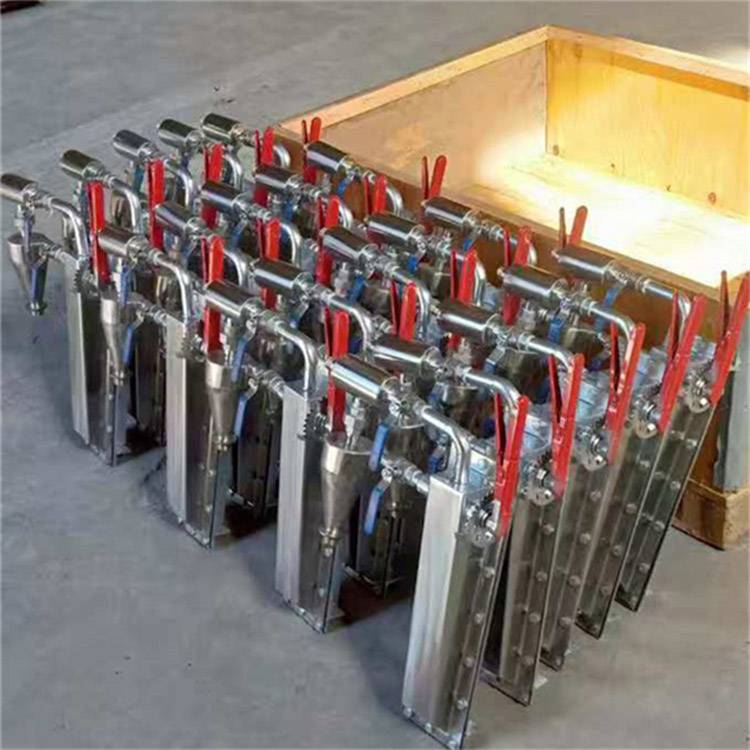
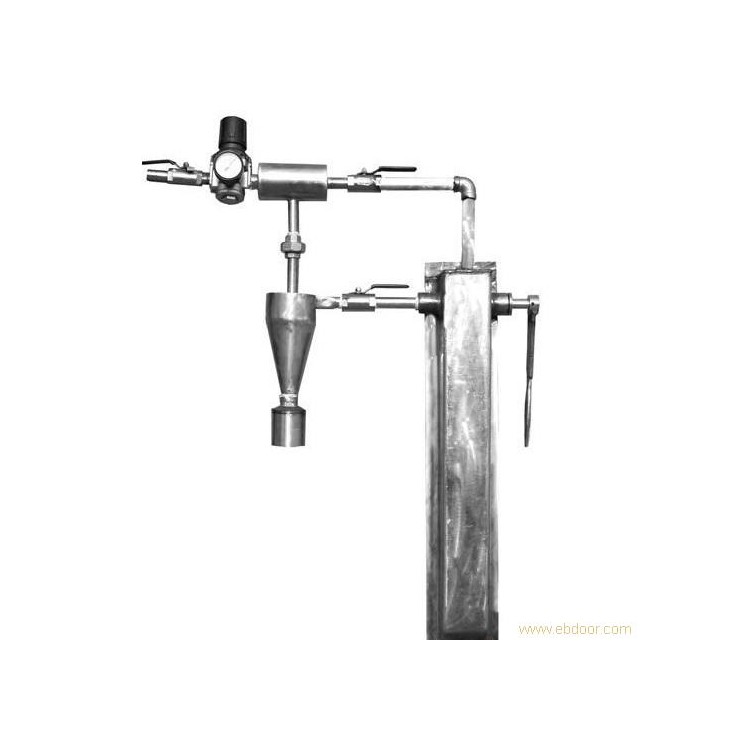
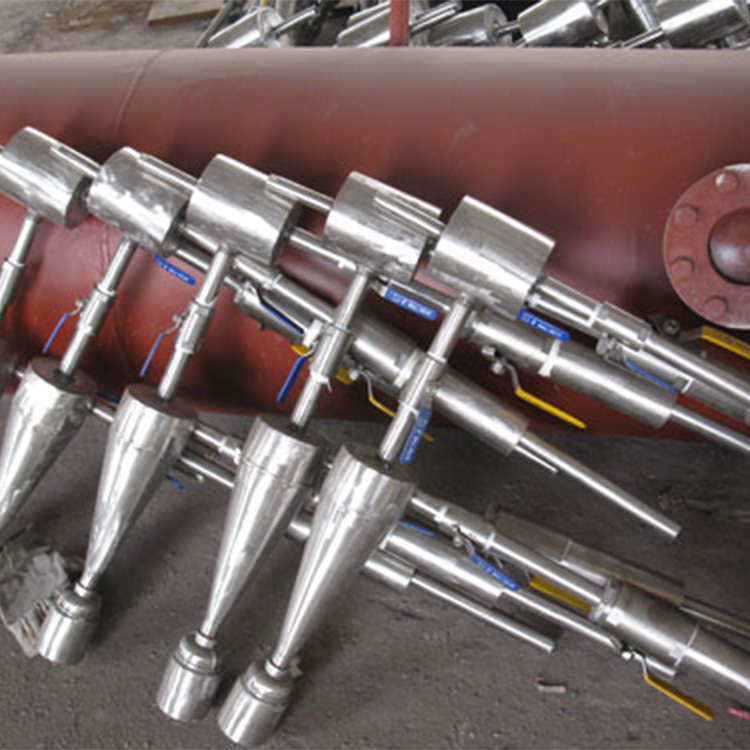
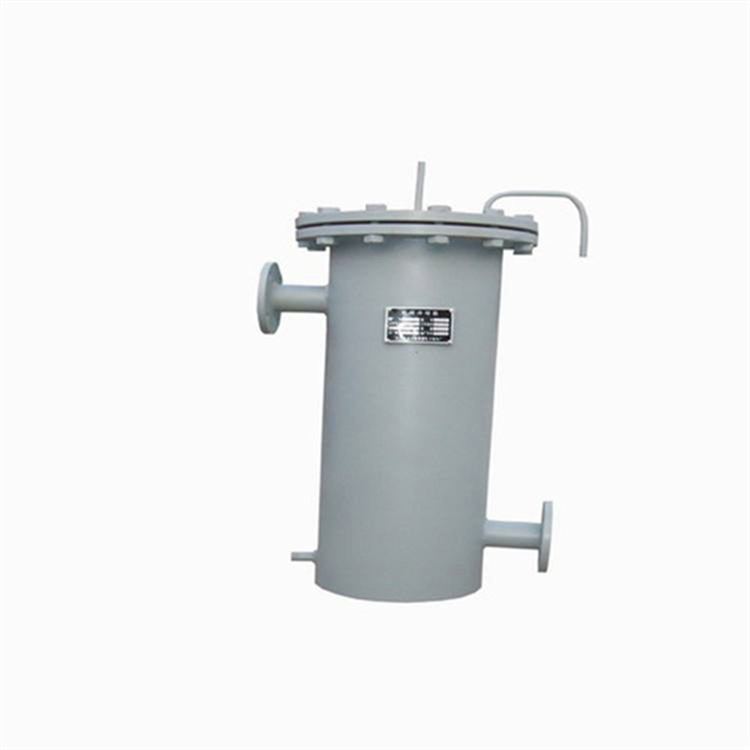
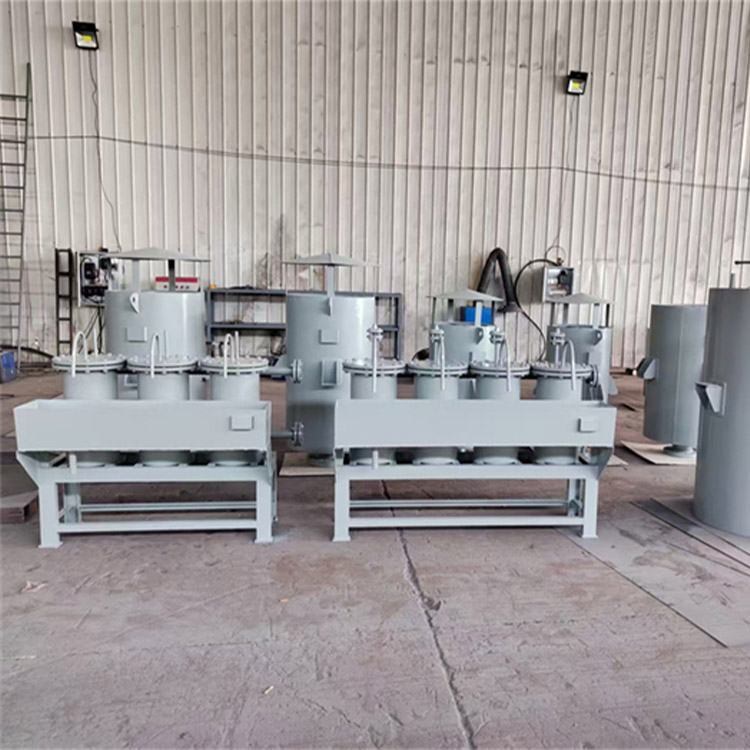
Industrial Water Filter (Industrial Filtration System), a crucial water treatment equipment in industrial settings for removing suspended solids, particulates, colloids, and other impurities from water. It protects downstream equipment, ensures process water quality, or meets emission standards, and is widely used in industries such as power, chemicals, steel, food, and municipal.
Main Shell: 304/316 stainless steel, carbon steel with corrosion resistance, withstands industrial high pressure and high temperature.
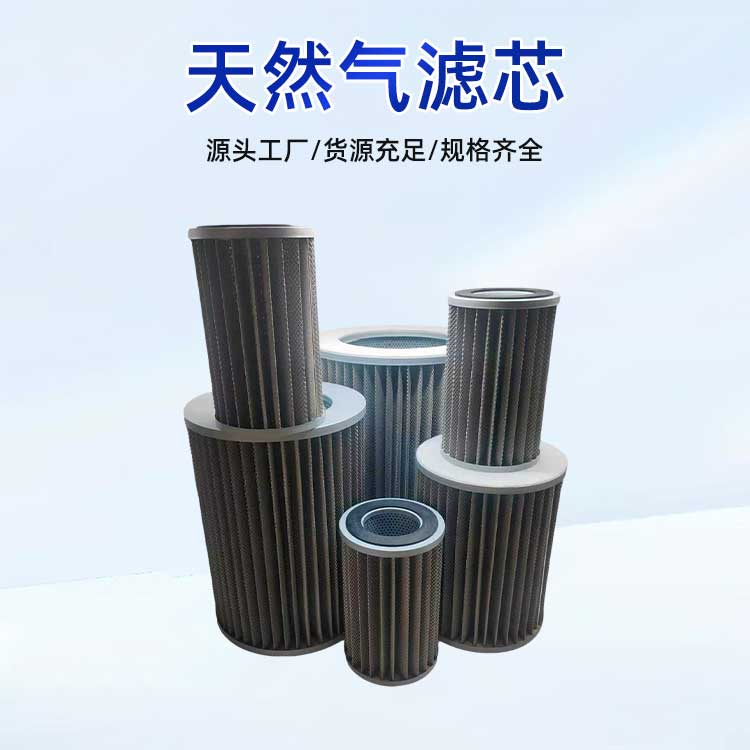
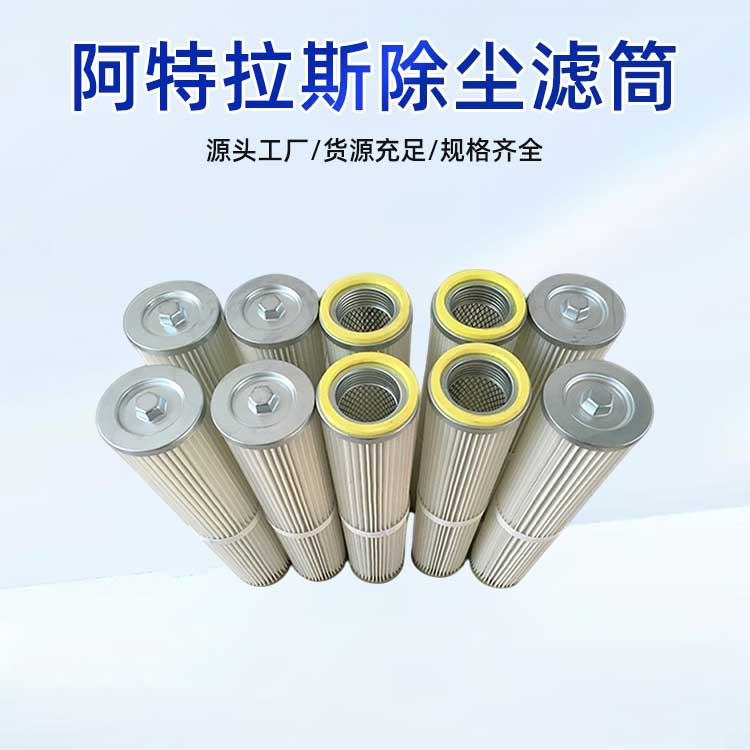
Filter Unit: Filter Mesh, Filter Bag, Filter Media Layer, Membrane Module
Control & Cleaning System: Differential Pressure Transmitter, PLC, Electric Sludge Discharge Valve, for automatic backflush/scrubbing.
Process: Raw water in → Filter unit retains impurities → Clean water out; Impurity accumulation increases pressure difference → Triggers automatic / manual cleaning and waste water discharge, restoring filtration capacity.
Key Selection Points
Define raw water turbidity/SS, target accuracy, flow rate, working pressure, and temperature.
Consider water quality corrosiveness and select corresponding shell and filter material (such as 316L acid-resistant material).
Continuous production prefers self-cleaning or back-flush type; bag filter + ultrafiltration combination.
Calculate backwash water consumption, maintenance cycle, and spare parts cost.
Recommended Daily Maintenance
Regularly monitor the pressure difference between import and export (normal control range: 0.05–0.1MPa; clean or replace filter materials promptly if out of range).
Self-cleaning filters require checking the motor and drain valve operation, and regular calibration of differential pressure and time parameters.
Filter bags and cores should be replaced promptly to avoid damage and leakage.
Winter frost prevention: For long-term disuse, drain accumulated water and maintain the seals.