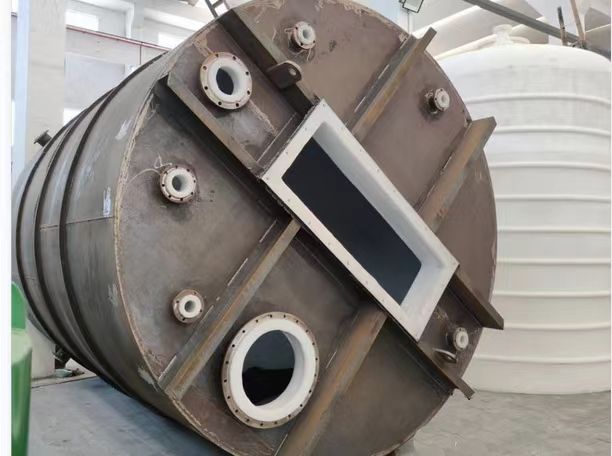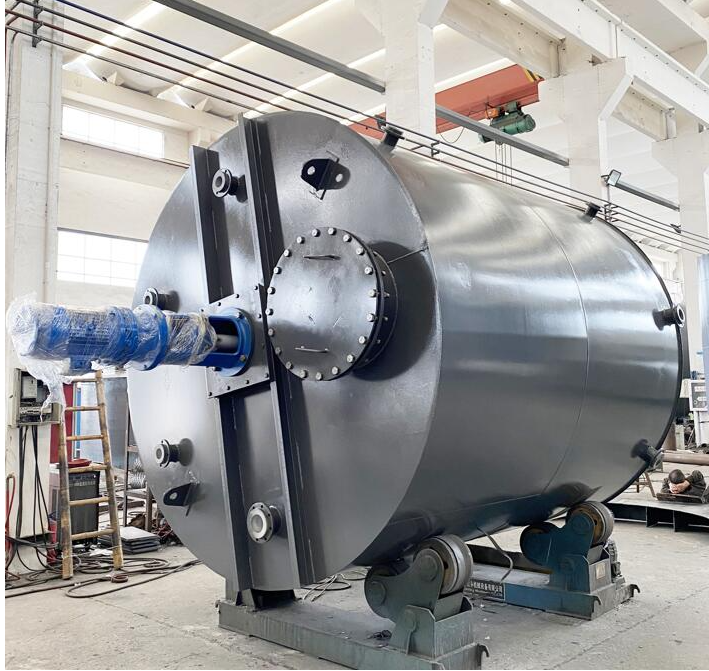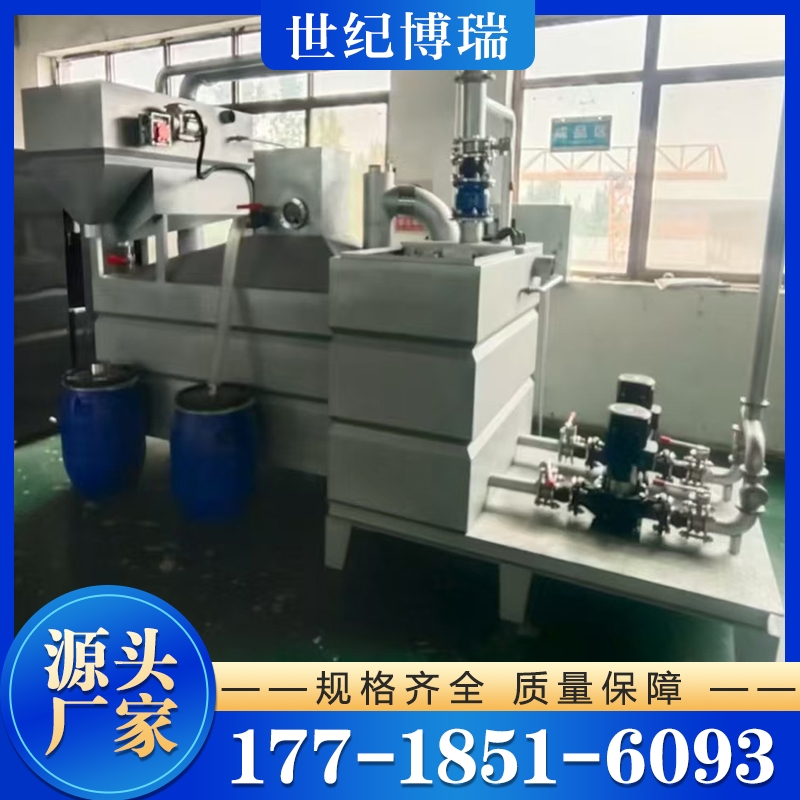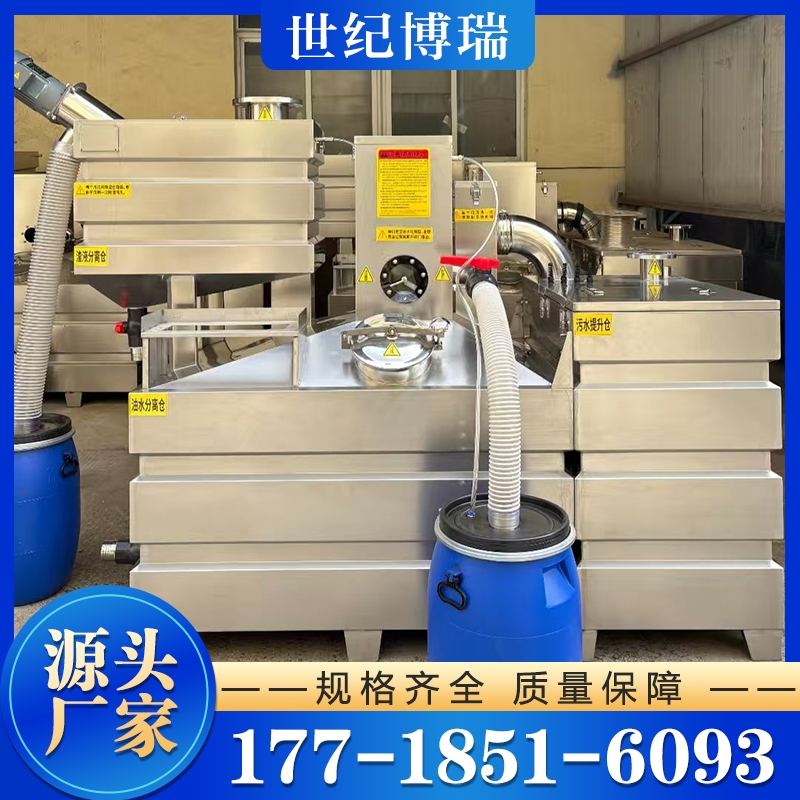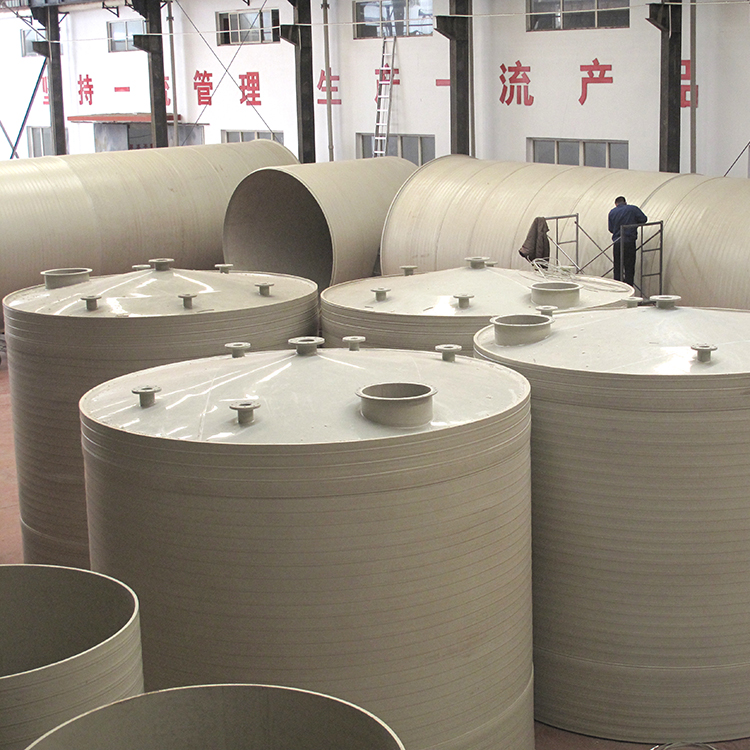


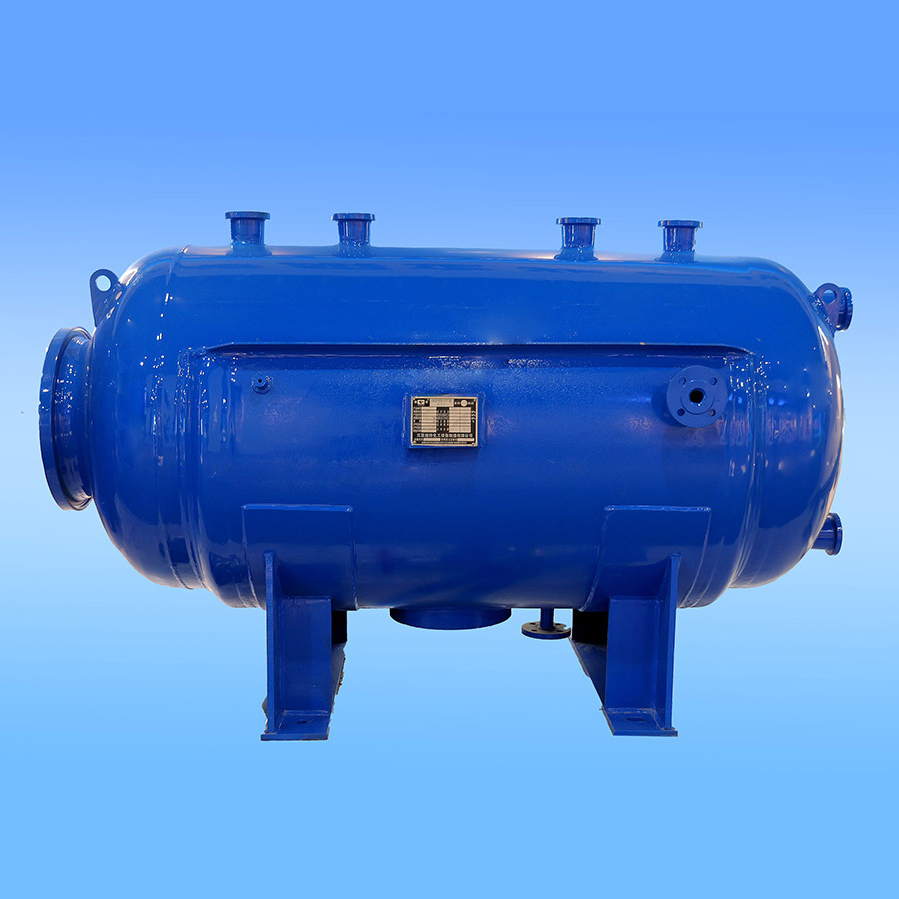
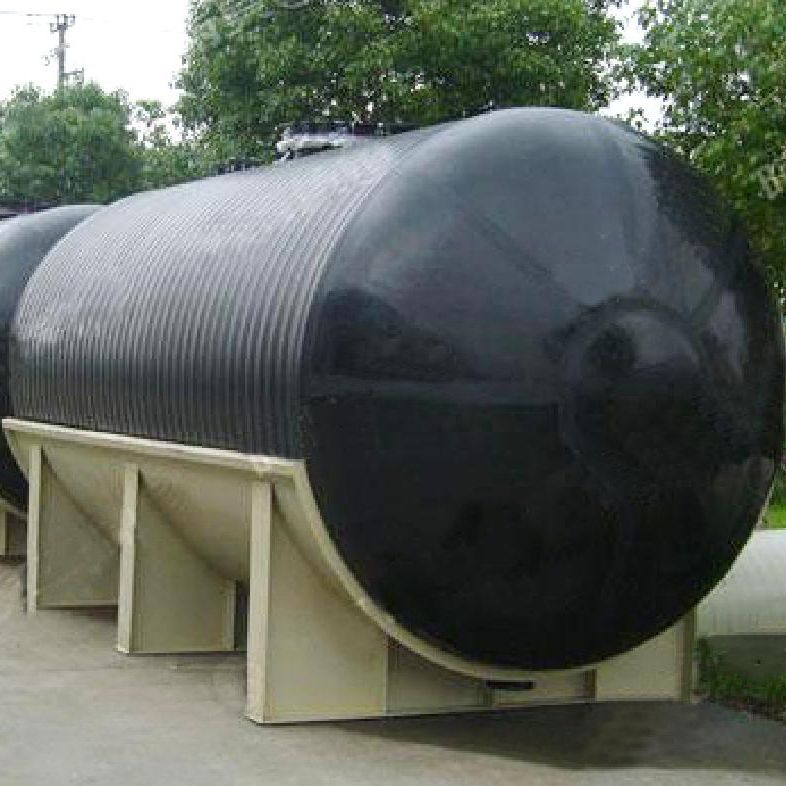
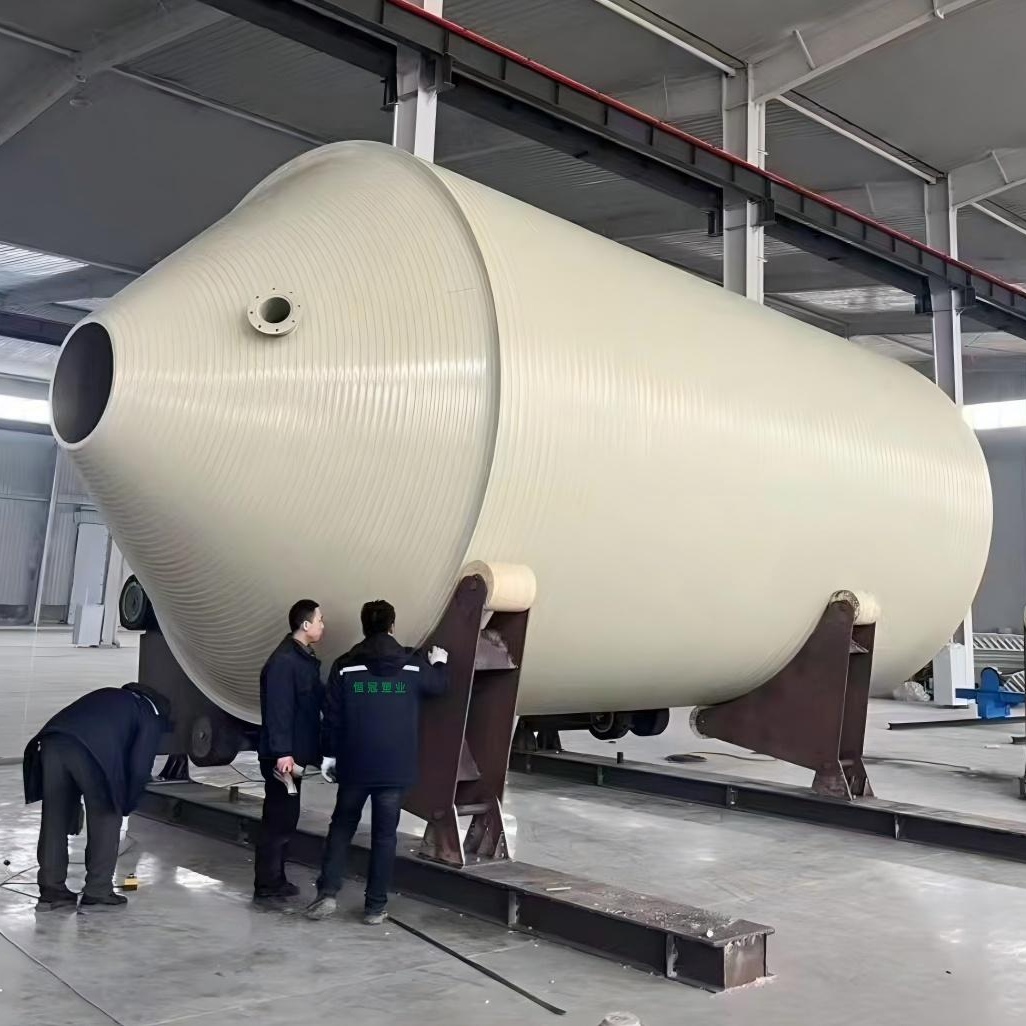
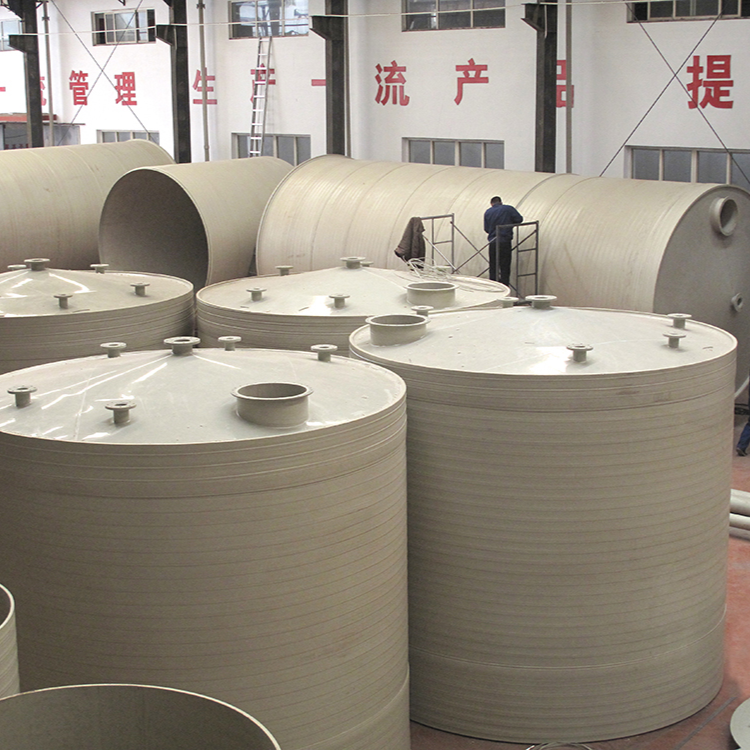
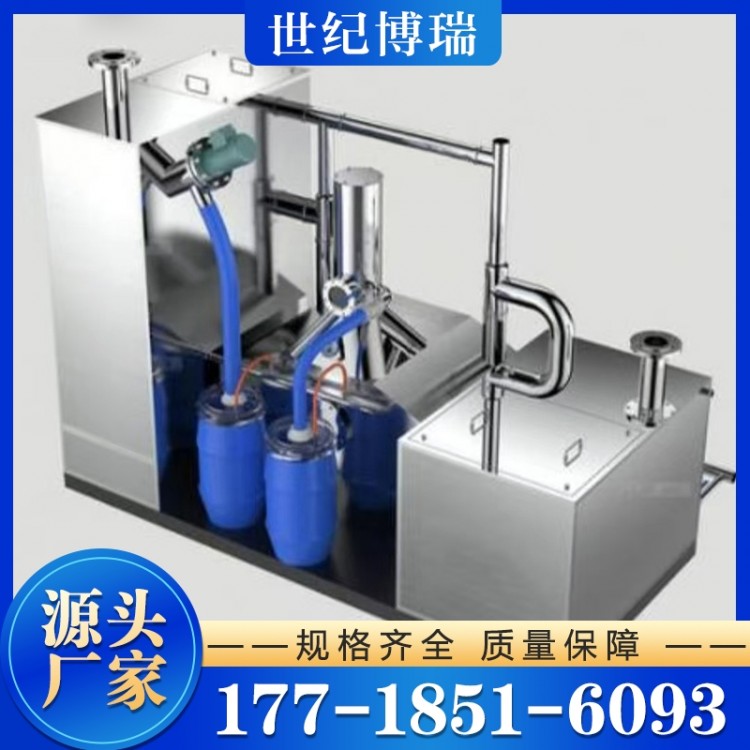





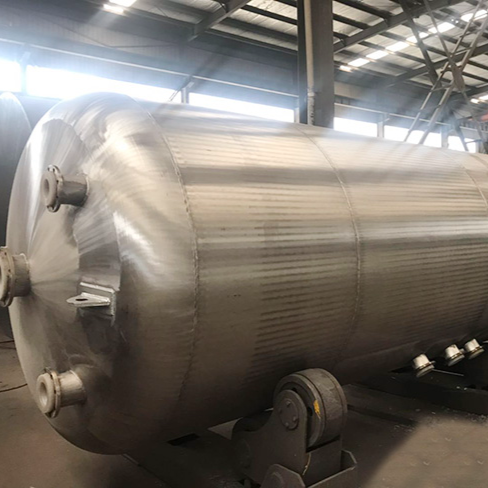
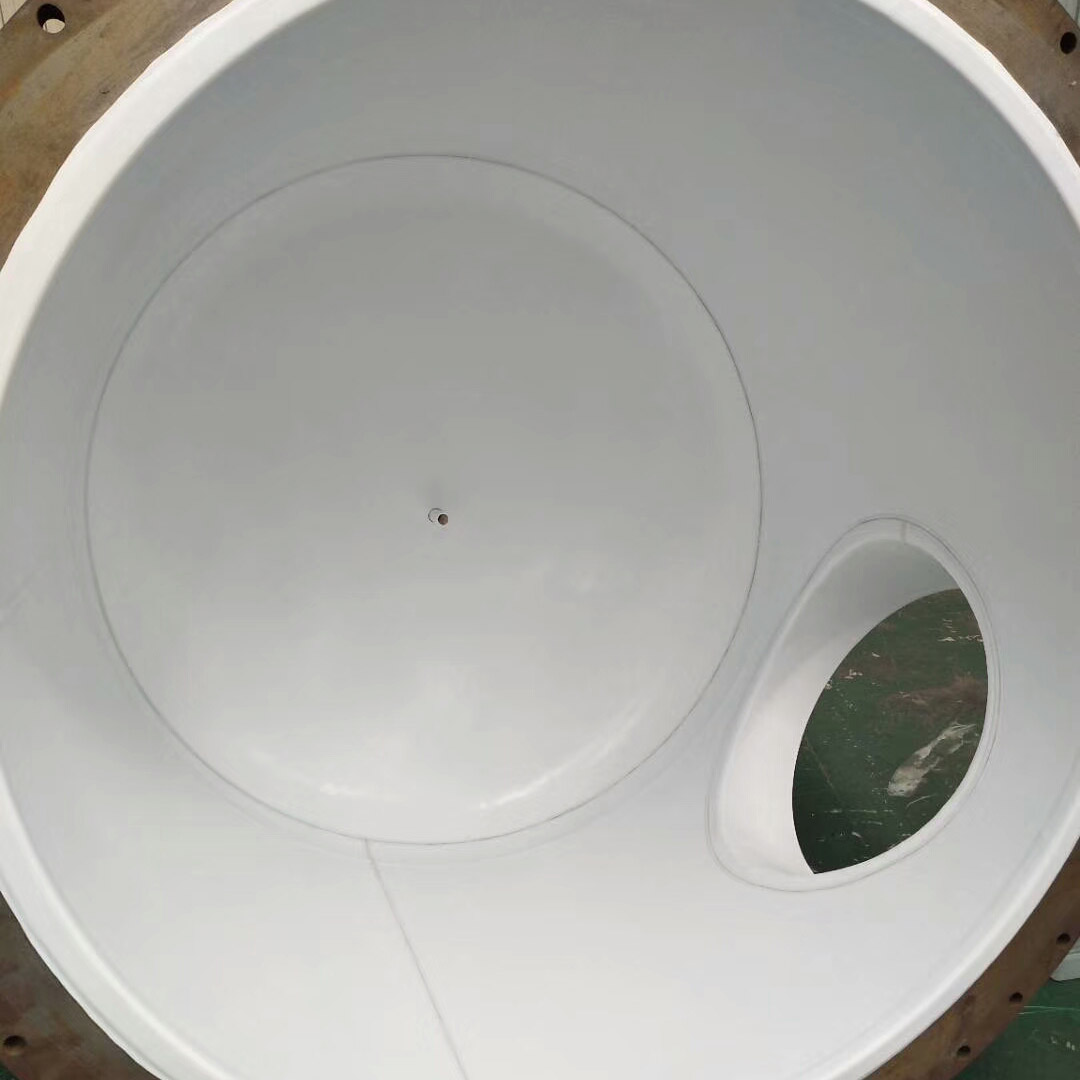
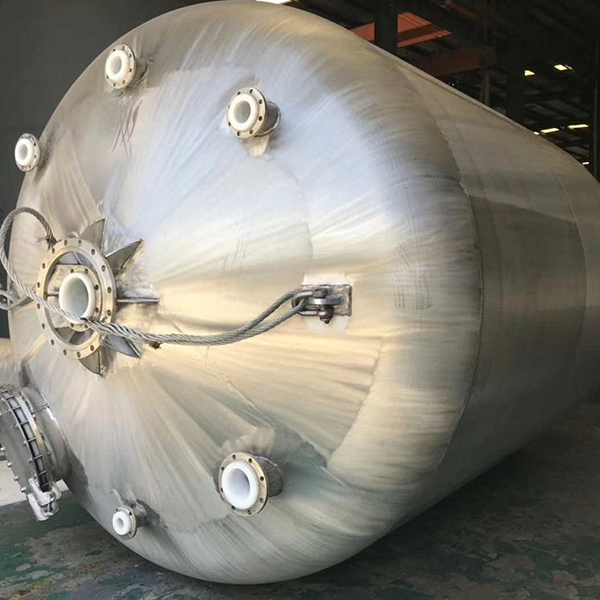
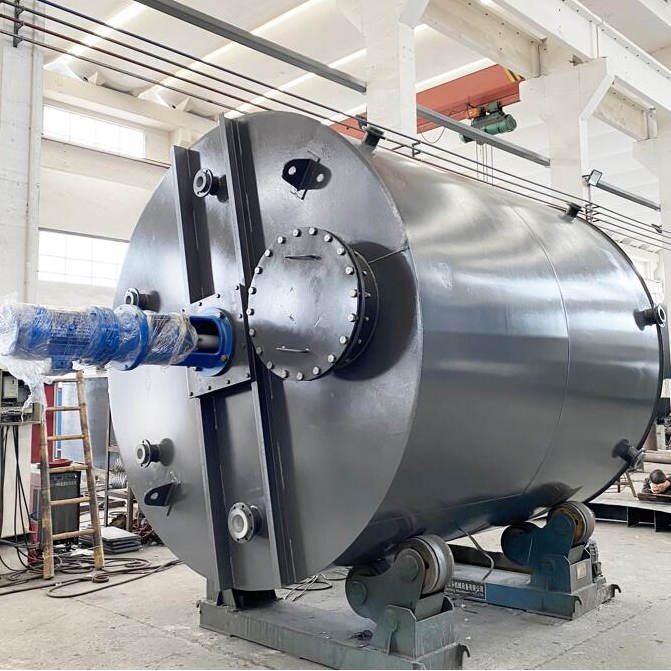
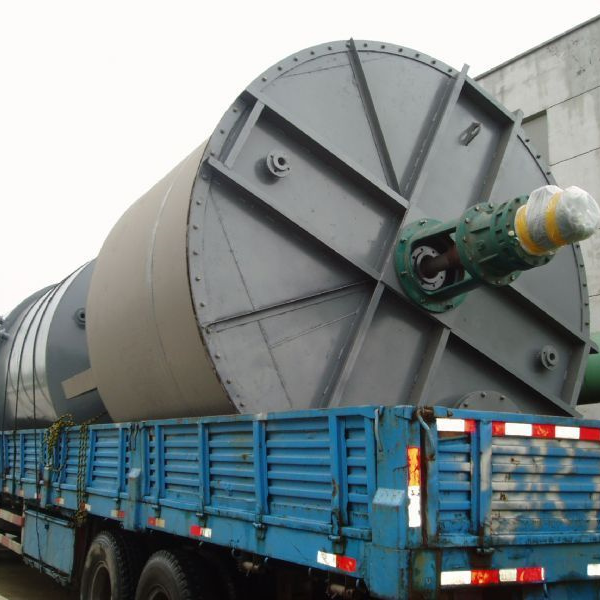
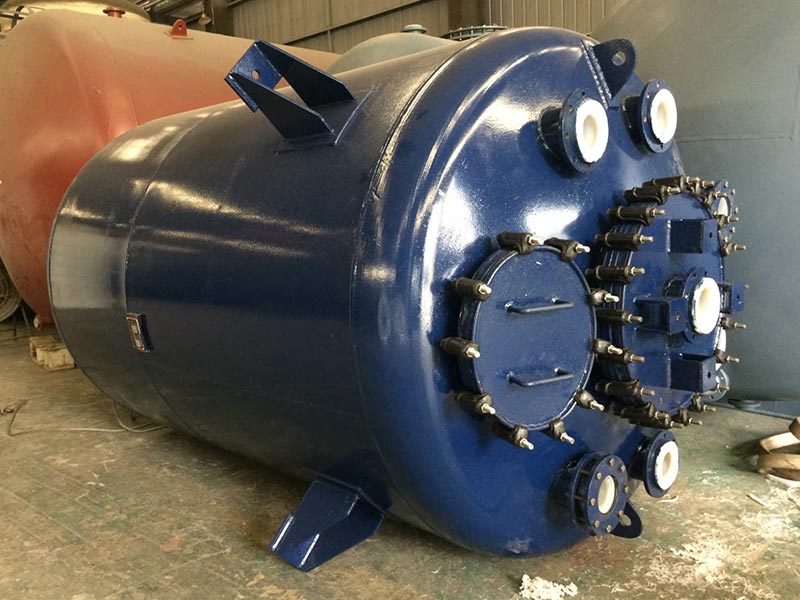
Steel-lined plastic reactor tank: 1. Full plastic corrosion-resistant lining for the steel shell. 2. Special process for one-time molding, with seamless joints and flanges, no leakage, high strength, and aesthetically pleasing appearance. 3. Excellent corrosion resistance with a wide range of corrosive media tolerance. 4. Good material toughness, resistant to impact without damage.
Steel-lined Plastic Reactor Design Requirements: The mixing conditions to be set include the volume of the mixing tank, tank type, nature of the material inside, mixing purpose, operating temperature and pressure, whether it is batch or continuous operation, etc. This is undoubtedly the foundation for designing steel-lined plastic reactors, typically provided by the supplier of the mixing equipment. However, for some items, users often cannot specify them precisely and need to communicate with the designer to determine them, particularly for the nature of the material and the mixing purpose. For example, for non-Newtonian fluids like polymer melt, the viscosity in the operating state is related to the shear rate, which in turn is related to the type and speed of the impeller; for operations like solid-liquid suspension, gas-liquid dispersion, etc., the designer of the mixing equipment needs the user to specify the required mixing intensity levels, which often require coordination and communication between the designer and the user, with both parties ultimately confirming the mixing conditions. Steel-lined plastic reactors have relatively high requirements for mixing equipment. Tanks using steel-lined plastic have a temperature resistance of generally below 90 degrees Celsius, with a single molding of the inner lining without welds, significantly enhancing safety and service life, offering a significant advantage over products lined with rubber.