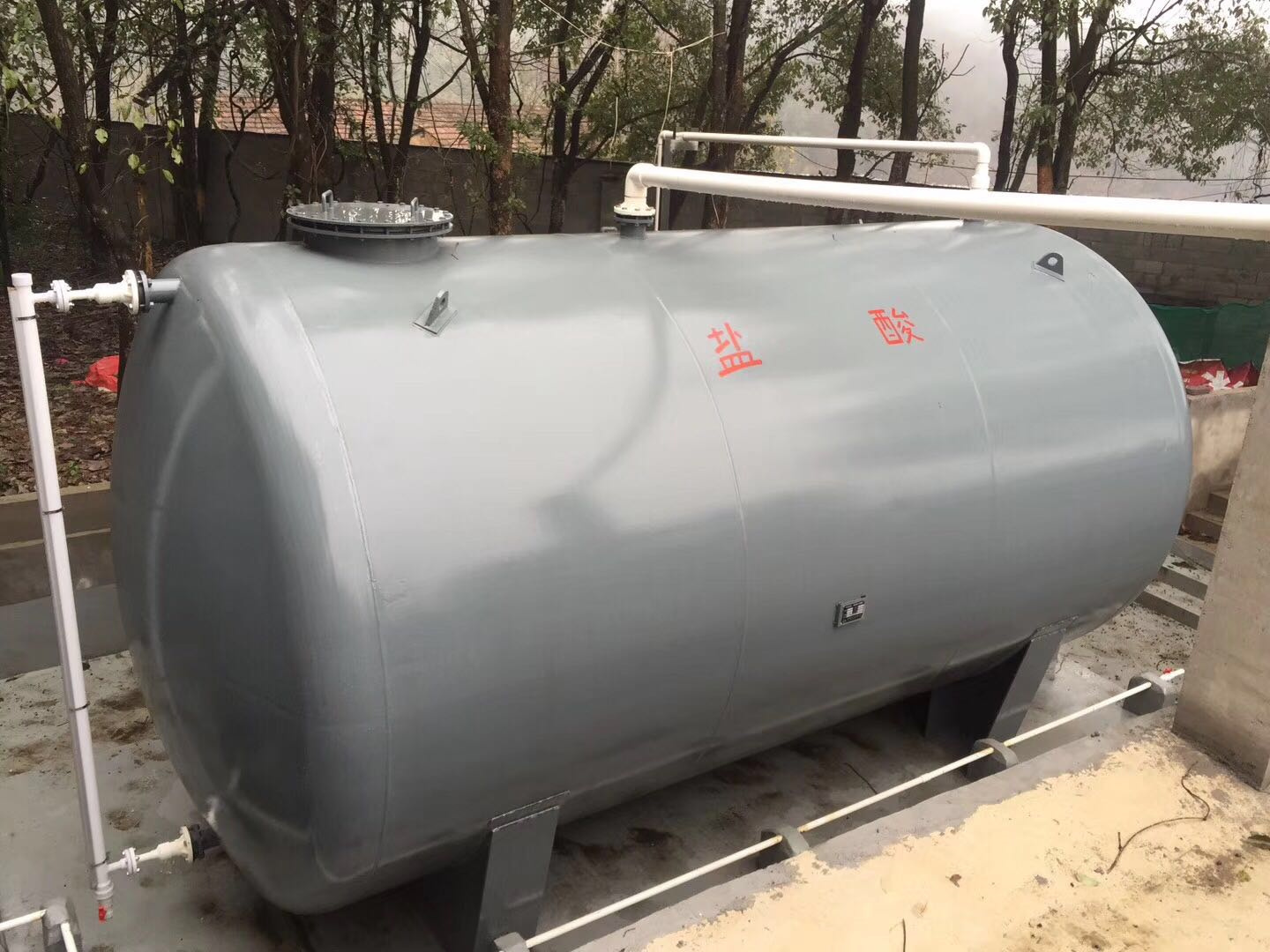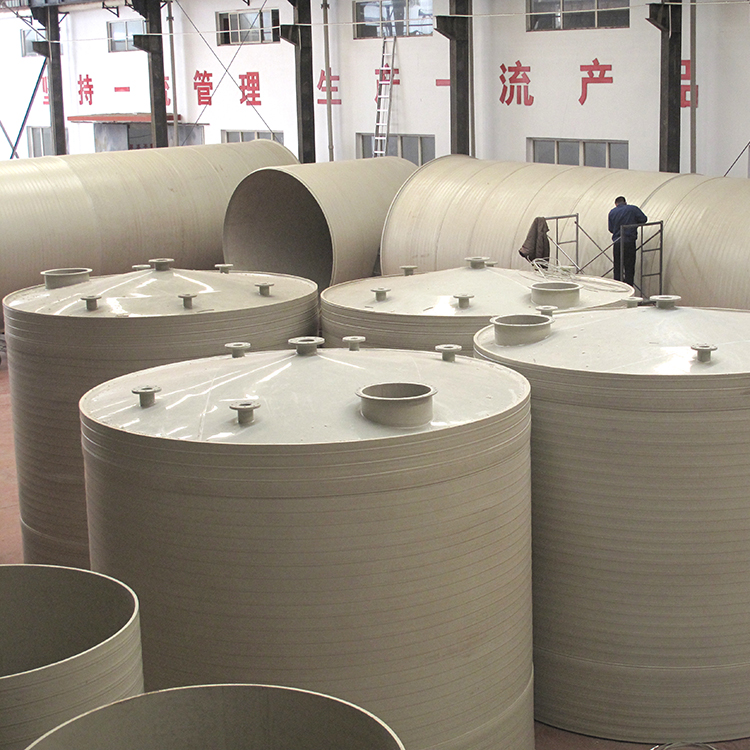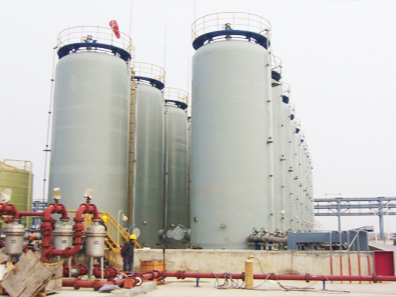

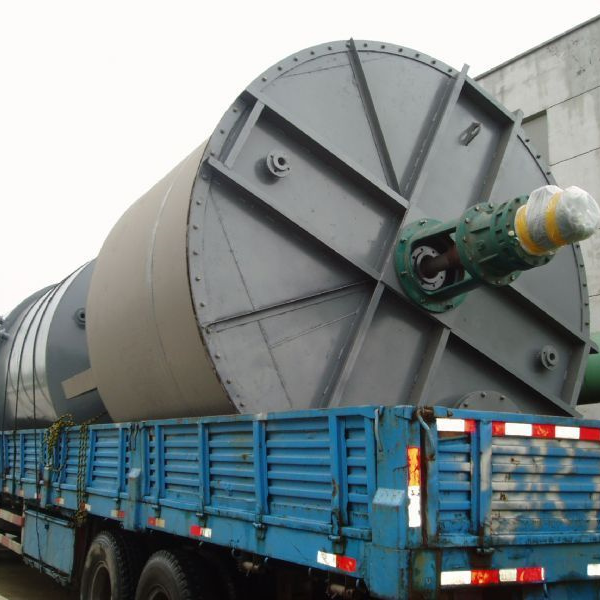


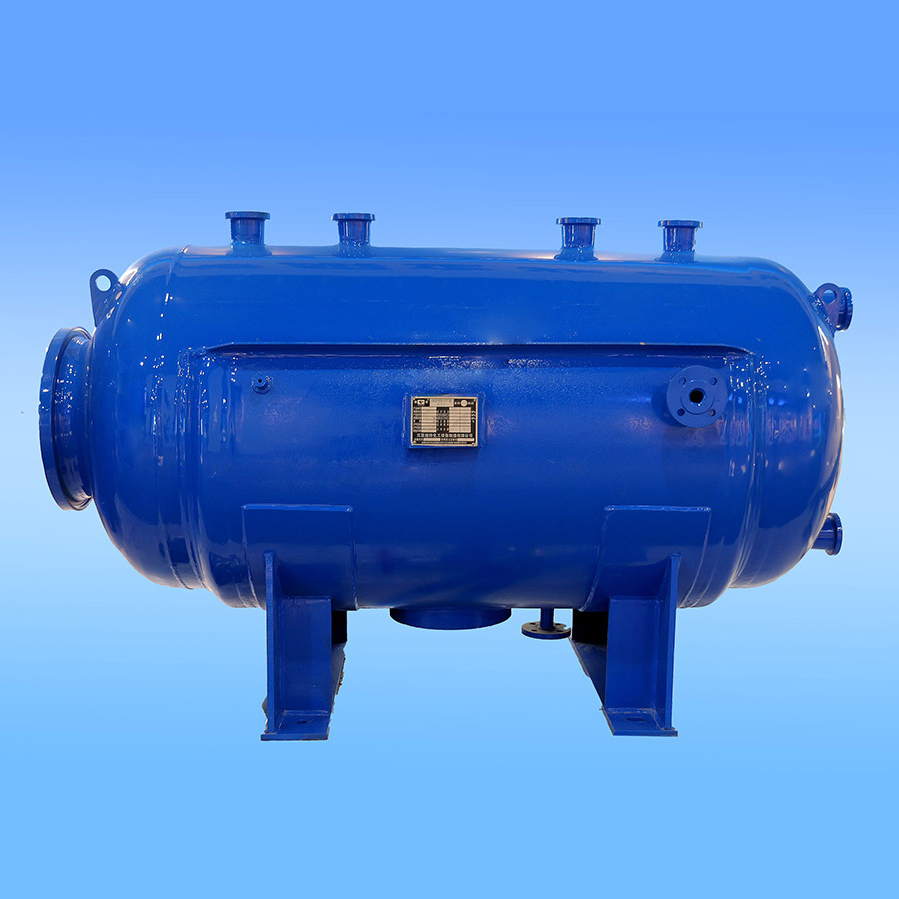
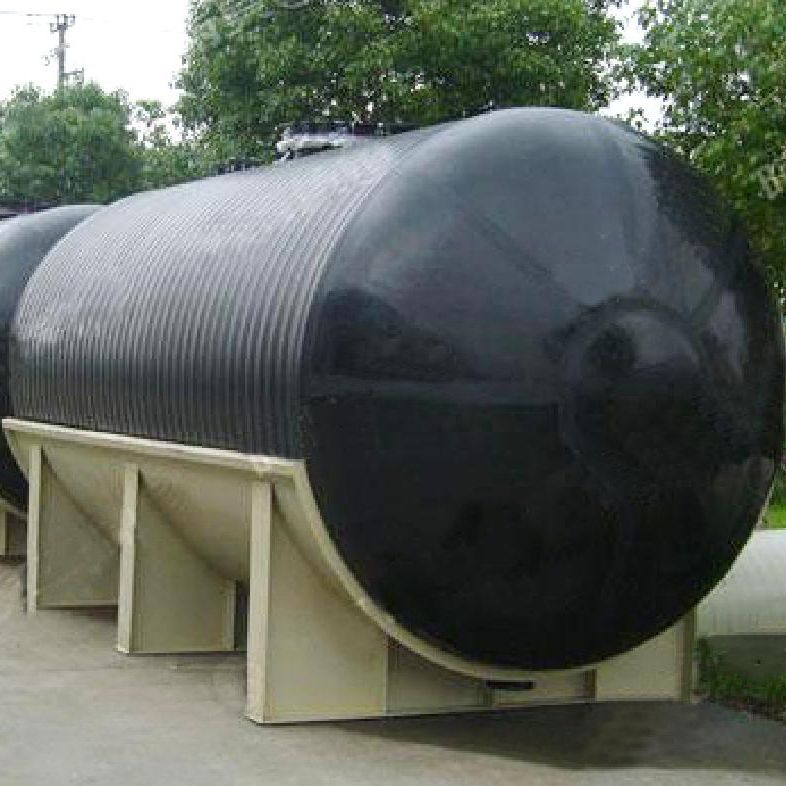
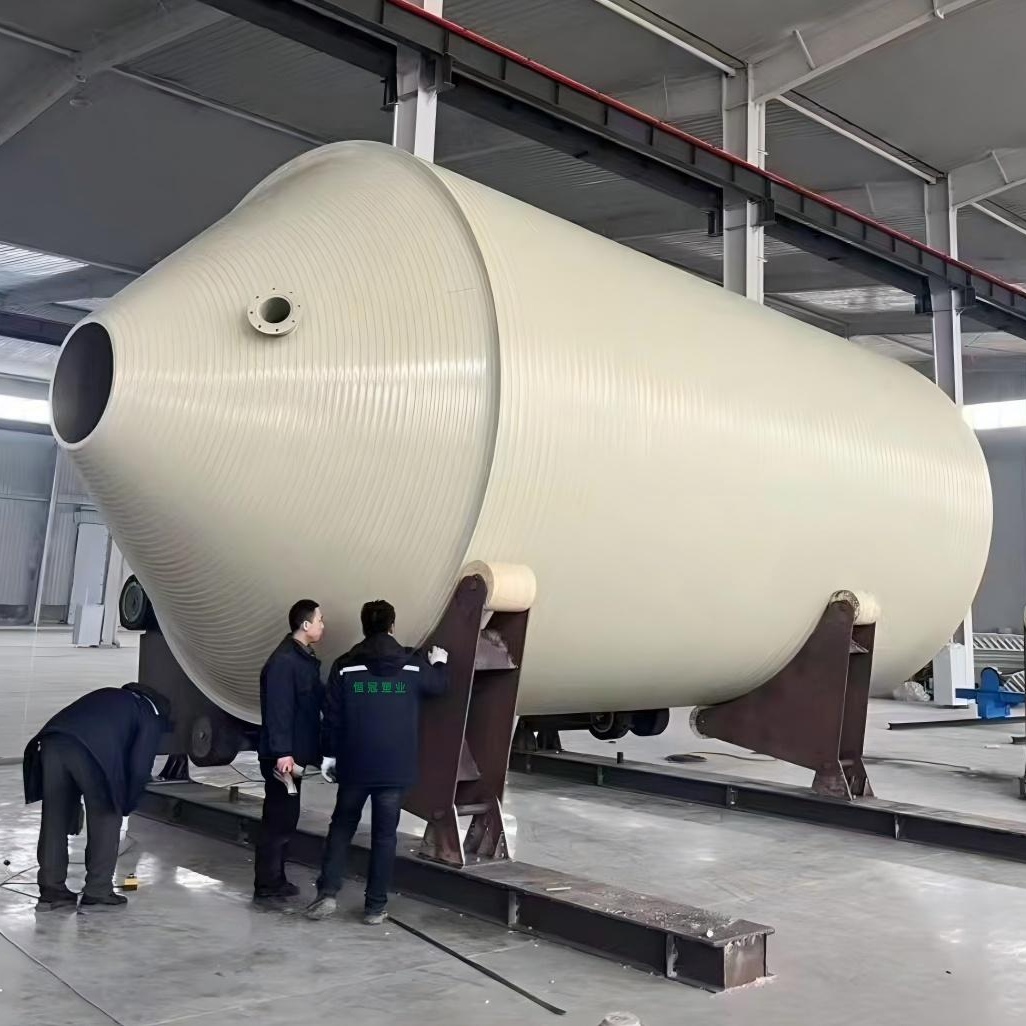
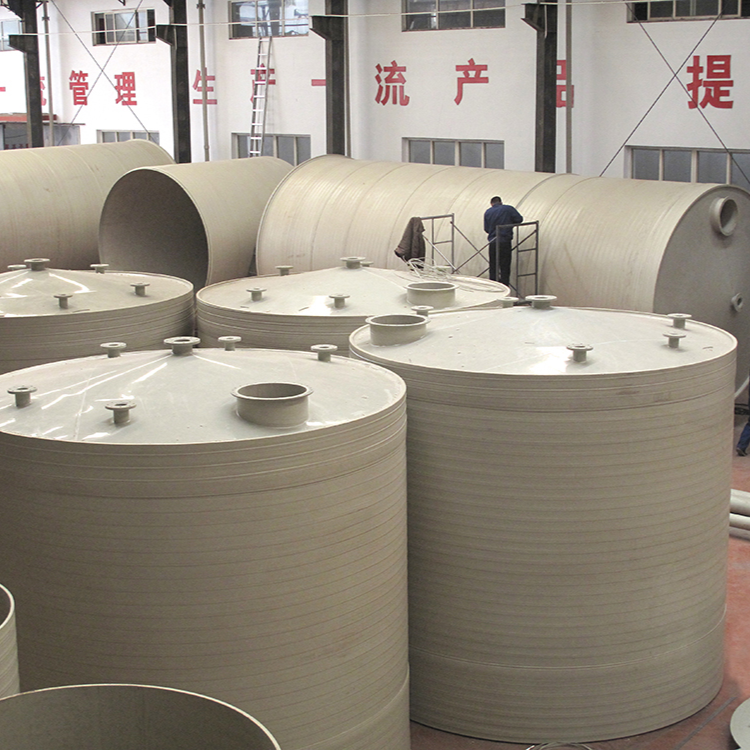





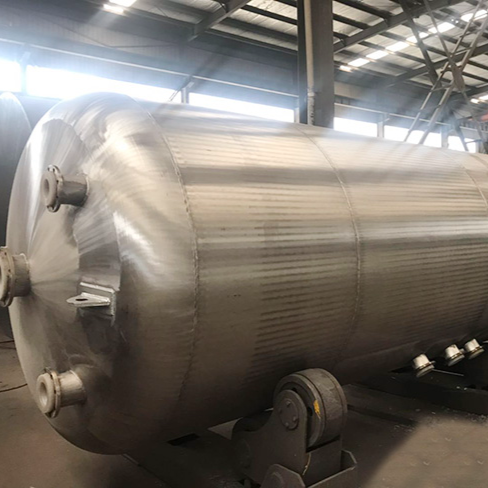
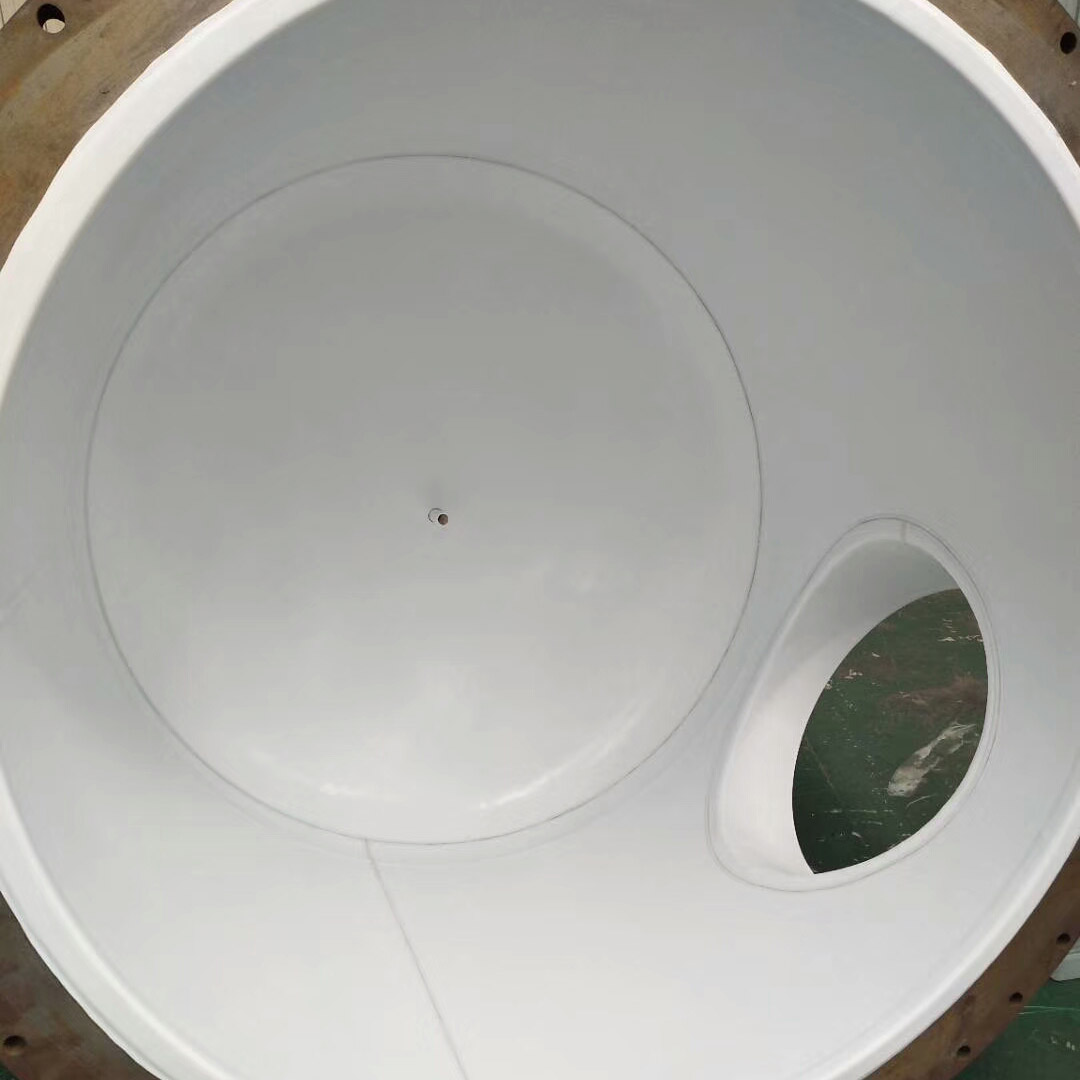
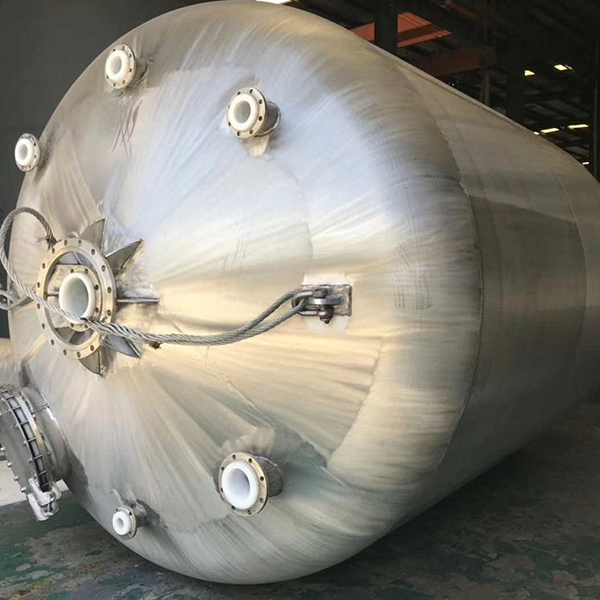

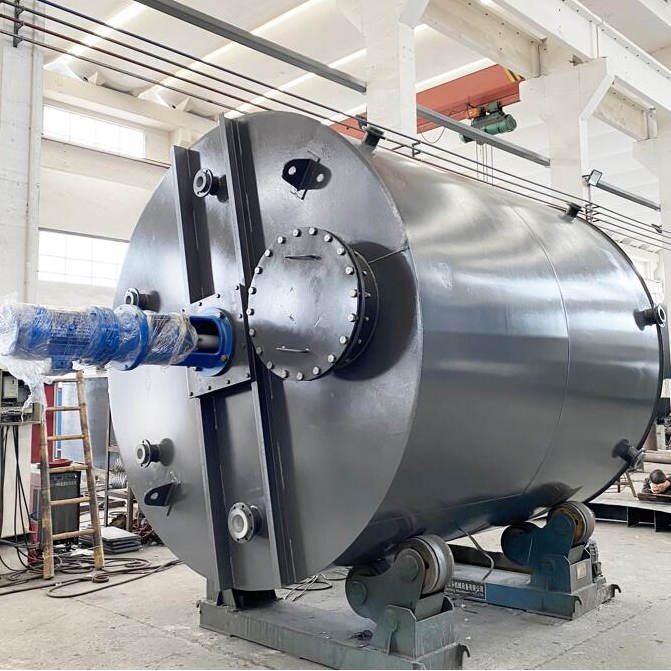
Steel-plastic lined (tortoise shell lining - steel, mesh, plastic integrated) is the essence of the steel-plastic composite product series. It utilizes a special rotational molding process. The process involves welding steel mesh (tortoise shell) onto the steel body surface, using pure low-density polyethylene (LLDPE) as the raw material, and integrating the steel plate, steel mesh (tortoise shell), and polyethylene into a single entity through rotational molding. The polyethylene is firmly adhered to the steel body surface. The plastic layer of the tank features seamless joints, resistance to aging and impact, corrosion resistance, long service life, and meets hygiene standards. It addresses the shortcomings of all-plastic rotational molding tanks, such as poor rigidity and strength, low pressure resistance, and temperature sensitivity. The product's inner lining is flat, smooth, and sturdy, offering superior corrosion resistance, non-leakage, non-flaking, wear resistance, high-temperature tolerance, and a longer service life compared to conventional mixers of the same specification. It is also more affordable than traditional reaction tank reactors of the same size, making it an ideal container for corrosive reaction liquids.
Vertical steel-lined (polyethylene) mixing tanks and vertical steel-lined round-bottom (conical-bottom) mixing tanks are equipped with steel supports. They feature easy installation, small footprint, and the ability to be shaped to customer requirements. Internal stainless steel and plastic coil pipes can heat or cool the solution. They have good thermal resistance, suitable for solutions at -30 to 90°C. Suitable for reaction tanks, sedimentation tanks, and crystallization tanks with moderate temperature requirements.
Instructions for Use of Steel Lined Plastic Mixing Tank
1. During transportation, installation, and hoisting, steel wire should be inserted into the lifting lug for hoisting if available; for those without, wire should be tied around the drum body for hoisting. Avoid impacts that may deform the drum and sharp objects contacting the plastic layer during the hoisting process.
2. During transportation, if the impeller blade is long or heavy when placed horizontally, it must be reinforced. Prevent deformation of the impeller blade due to transportation vibration.
3. Ensure the vertical alignment of the reducer and propeller, as well as the horizontal position of the cover, during installation.
4. Check the reducer gear box lubricating oil, and it must be refilled to the designated level.
5. The motor's shaft rotates in a clockwise direction upon electrical connection.
6. Due to its特殊性, soft gaskets should be used when mating flanges. Bolts must be tightened in an alternating sequence, strictly avoiding a rigid, uniform tightening to prevent damaging the flange face. The bolt-tightening process for flanges can be divided into two stages: the initial assembly stage and the operational stage. During the initial assembly stage, tighten until no leakage occurs, and during the operational stage, bolts can be tightened completely.
7. The mixing tank is not specified as sealed. Since the large flange on the tank cover and the manhole are not sealed, the working liquid level of the mixing tank cannot exceed the large flange and the manhole.
8. The steel-plastic lined agitator tank must be used under conditions and environments that comply with the physical and chemical properties of polyethylene. The conditions must meet the specifications of the design drawings.
9. The plastic layer is a high-resistance material; therefore, when using high-resistance organic solvents for mixing and batching, anti-static measures must be taken.
10. Additional accessories for steel-lined plastic mixers (such as liquid level pipe valves, flange gaskets, temperature measuring tubes, pipeline valves, pipes, etc.) must be made of materials resistant to the solution of the substances to be contained.
11. When exporting or importing steel-lined plastic mixers and installing pumps or other mechanical equipment, avoid damaging the flange with excessive vibration, and install pipe damping pipes.
12. To extend the service life of steel-lined plastic mixers, avoid installation in highly corrosive environments. Regularly inspect the corrosion protection of the steel body's exterior and perform proper corrosion prevention measures. In unavoidable high-corrosive conditions, apply epoxy resin to the steel surface and ensure daily corrosion prevention work is carried out.
13. Promptly detect any liquid leakage at the flange manhole, to prevent corrosive fluid from seeping into the steel and plastic sandwich, thereby affecting service life.
钢衬塑搅拌罐制造工艺
The steel-lined plastic agitator tank is manufactured using the rotational molding process, integrating carbon steel, diamond steel mesh, and corrosion-resistant plastic. The diamond steel mesh is spot-welded to the inner surface of the steel body. After high-temperature heating, the plastic powder melts and adheres to the inner surface of the tank. The combination of these materials ensures the tank has excellent strength, temperature resistance, and corrosion resistance to acids and alkalis, thereby extending its service life. Additionally, a matching agitation device is provided according to the material parameters supplied by the customer.
Steel-lined plastic mixing tank structure
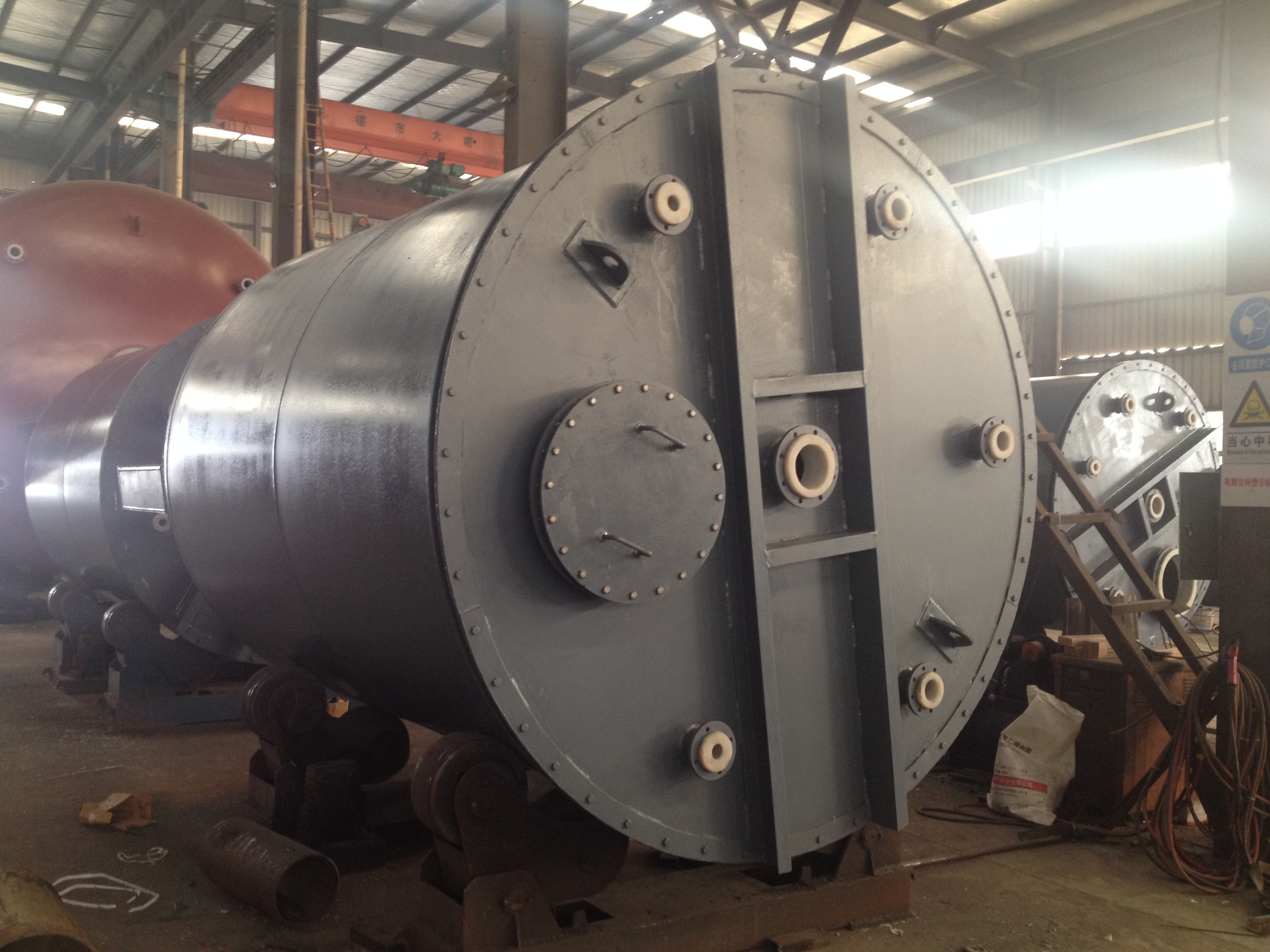
One, drum
The internal plastic lining of the mixing tank is made by rotation molding, with the in/out material ports integrated into one piece. The material used is PE, with a thickness of 16-18mm. The plastic layer features seamless joints, resistance to aging and impact, corrosion resistance, long lifespan, compliance with hygiene standards, smoothness, durability, and more, which overcomes the drawback of easily aging in welded plastics. The plastic layer can withstand temperatures of 90-100°C. The plastic anticorrosion layer is tested according to standard Q/320206 GNNN01-2012.
The tank body is made of Q235-B carbon steel, with different thicknesses of carbon steel chosen based on the tank size and strength requirements, ranging from 6 to 10mm. The tank shapes include flat top flat bottom, flat top round bottom, flat top conical bottom, round top flat bottom, round top round bottom, round top conical bottom, and flat bottom conical top. The position and diameter of the tank flange can be adjusted and designed according to customer requirements. The steel body can be inspected in accordance with the JB/T 4735-1997 standard for steel-welded atmospheric pressure vessels.
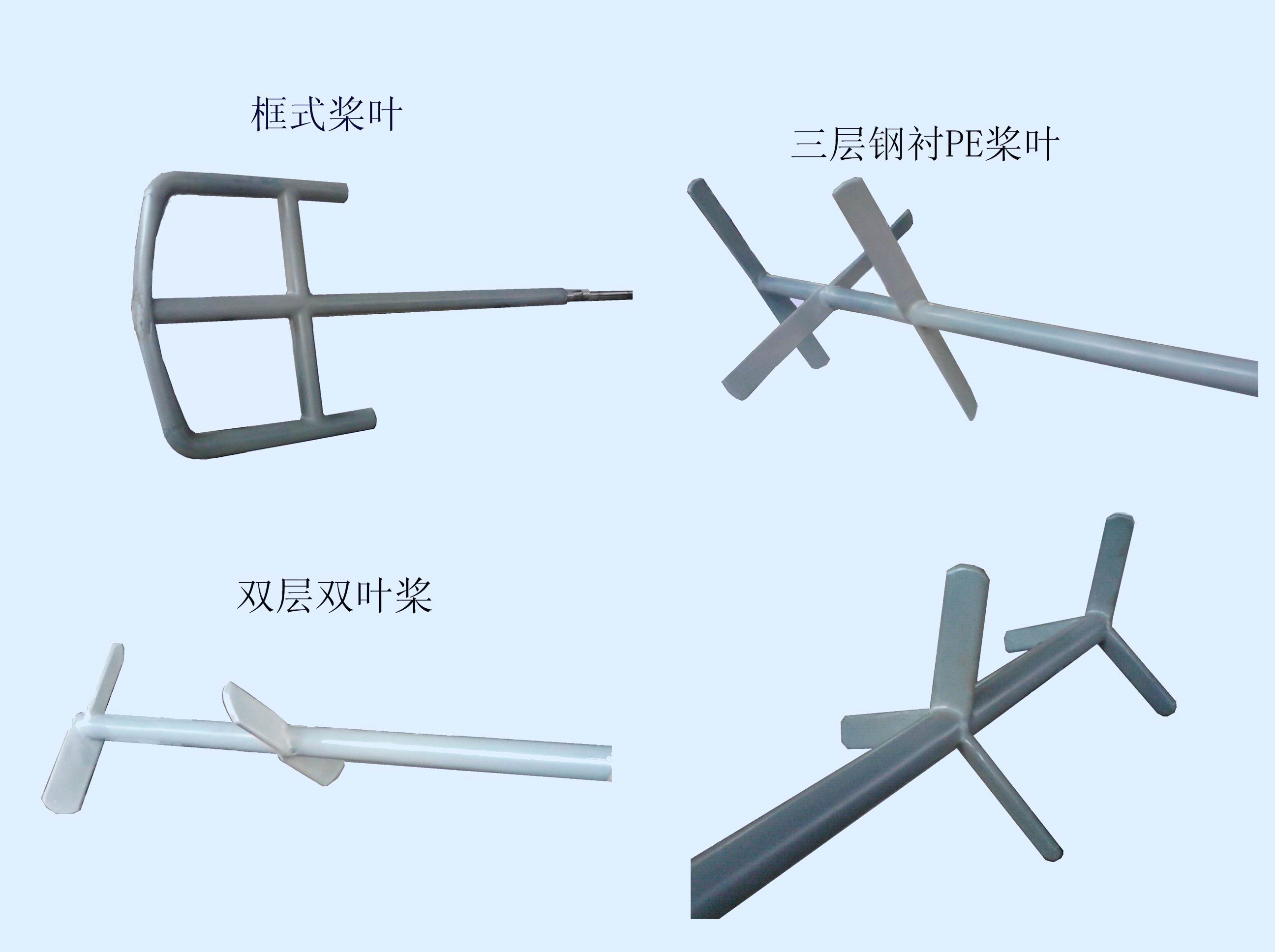
Two,AgitatorSelect the appropriate stirrer based on the physical properties of the liquid and the process requirements.
1. Agitator bladeAcid and alkali resistant, corrosion proof
MaterialSteel-lined plastic
StyleTilted paddle design with two blades tilted opposite directions at 45°, thus creating an axial liquid flow. The paddle mixer design is simple and commonly used for mixing low-viscosity liquids as well as dissolving and suspending solid particles. Anchor paddle design has blade outer edges that match the interior wall of the mixing tank, suitable for slow mixing, and mixing of medium to high-viscosity liquids and reactions.
2. Electric motors, reducers, frames
MotorThe impeller of a mixing device is typically driven by an electric motor. The motor power selection is related to the tank size, impeller dimensions, speed, liquid viscosity, and density. Since the rotation speed of mixing devices is usually low, the electric motor is mostly used in combination with a speed reducer, and sometimes a variable frequency drive is used to directly control the speed. Therefore, when selecting a motor, special consideration should be given to the matching issue with the speed reducer.
Gearbox
Helical Bevel Gearbox - High speed ratio and high efficiency, compact structure with small volume, smooth operation with low noise, the most commonly used type in steel-lined plastic mixing tanks.
Gearbox reducer for low-speed, high-torque transmission equipment.
RackDetachable Frame, Single-point Frame (Middle-point Frame and Bottom-point Frame). Detachable Frame: The frame itself has no pivot point, with the stirrer shaft supported by two bearing points on the output shaft of the reducer. Suitable for low-power transmission, minimal or only slight axial load, and less aggressive stirring equipment; the stirrer shaft must be connected to the reducer with a rigid coupling. Single-point Frame: Suitable for motors or reducers that can serve as a pivot point, or when intermediate and bottom bearings can be installed inside the mixing tank. (Middle-point Frame is generally used for small-sized mixing tanks, while Bottom-point Frame is suitable for larger tanks with longer stirrer shafts.)
Section 3: Sealing Devices
Mechanical SealFor applications involving flammable, explosive, or toxic materials, where general sealing requirements are needed.
Filling SealingIts structure is simple and easy to assemble/disassemble, suitable for low-pressure and low-speed applications.
IV.Internal components
Deck boardIncrease the degree of fluid turbulence, enhance the mixing effect, and be more effective for the horizontal fluid movement. They are divided into welded baffles and integrated molding baffles. The size of the baffles is generally 1/10 to 1/12 of the diameter of the tank.
Inner tubePolyethylene (PE) coils are suitable for water cooling and hot water heating. Stainless steel coils are suitable for electric heating and steam heating.
Thermometer TubeCommon material for temperature measuring tubes is stainless steel.