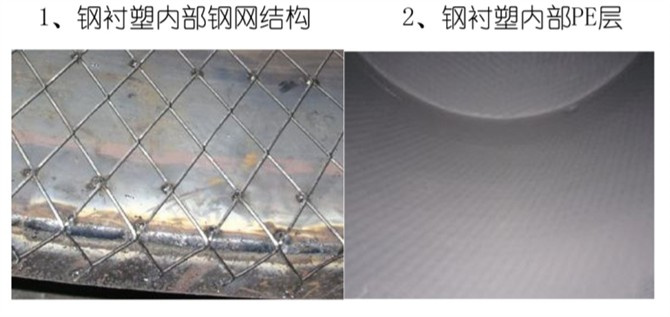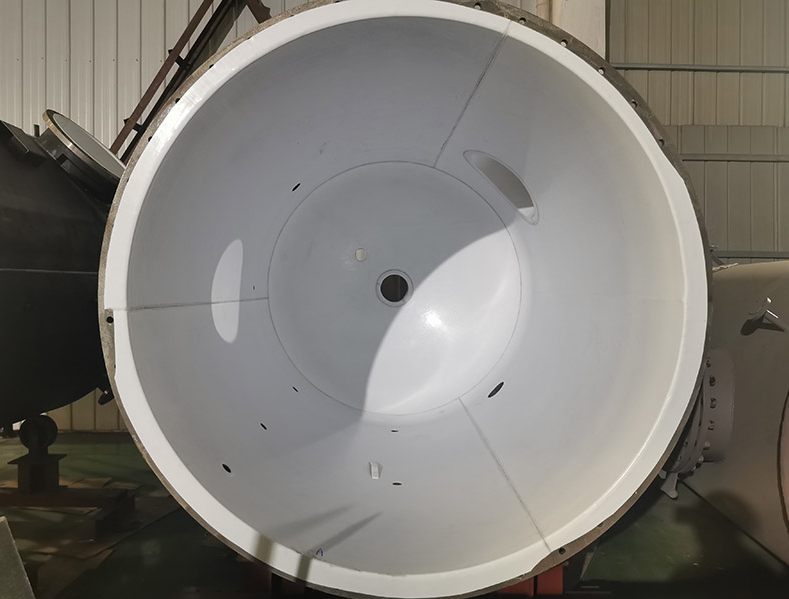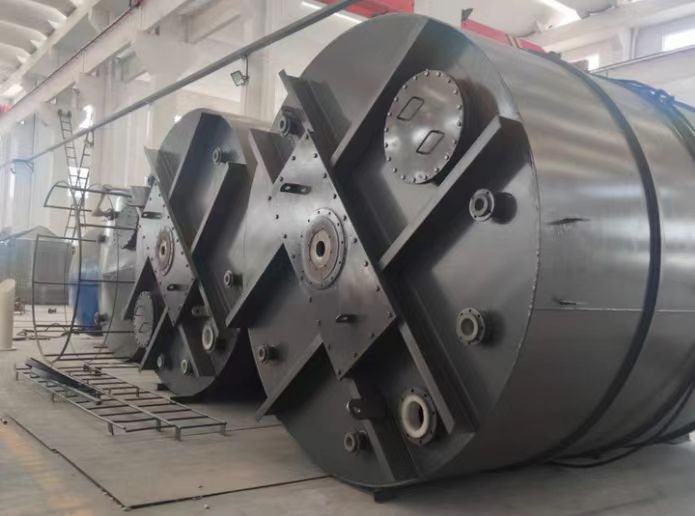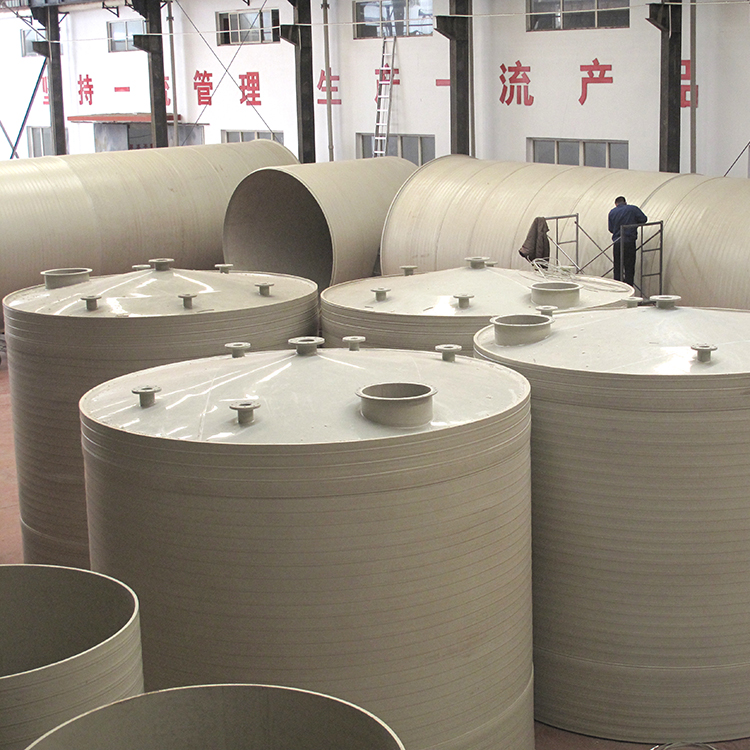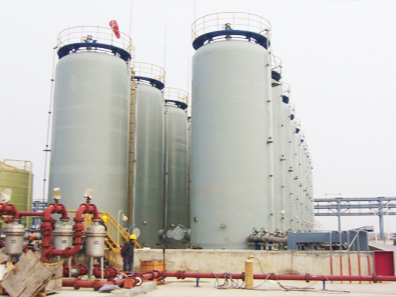

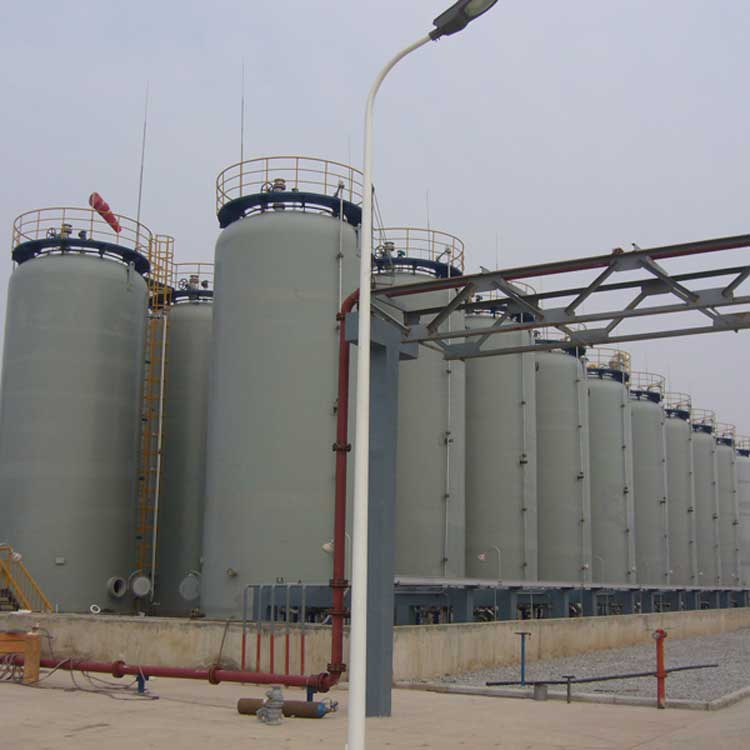


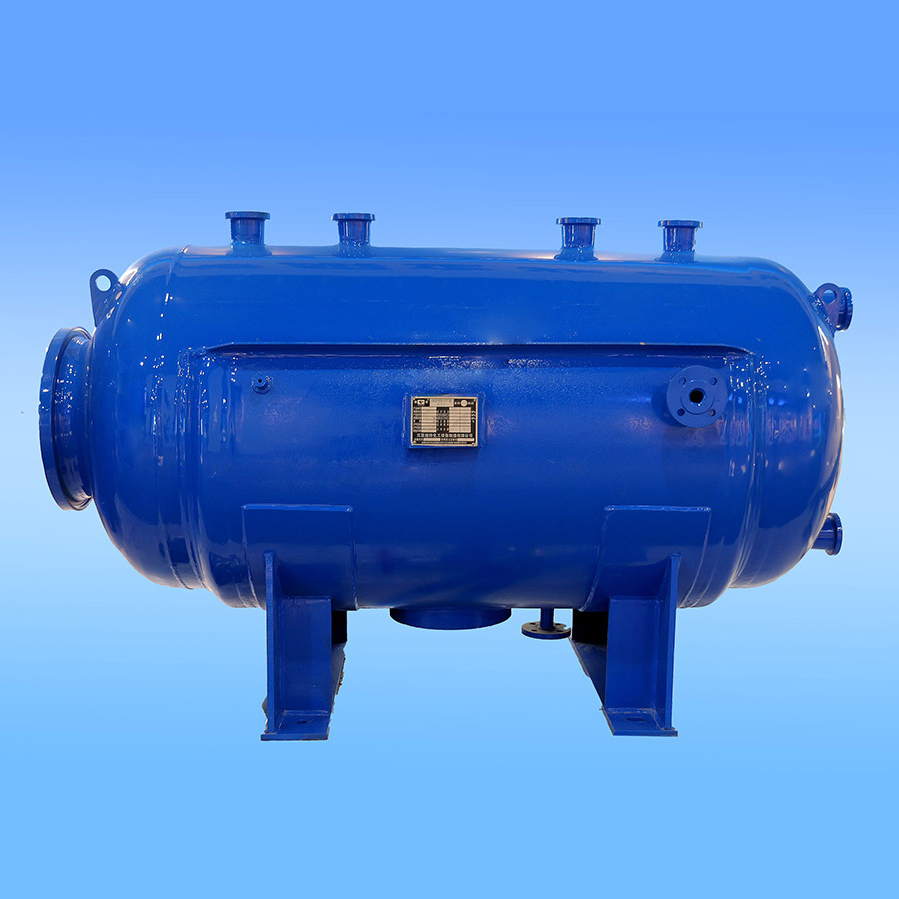
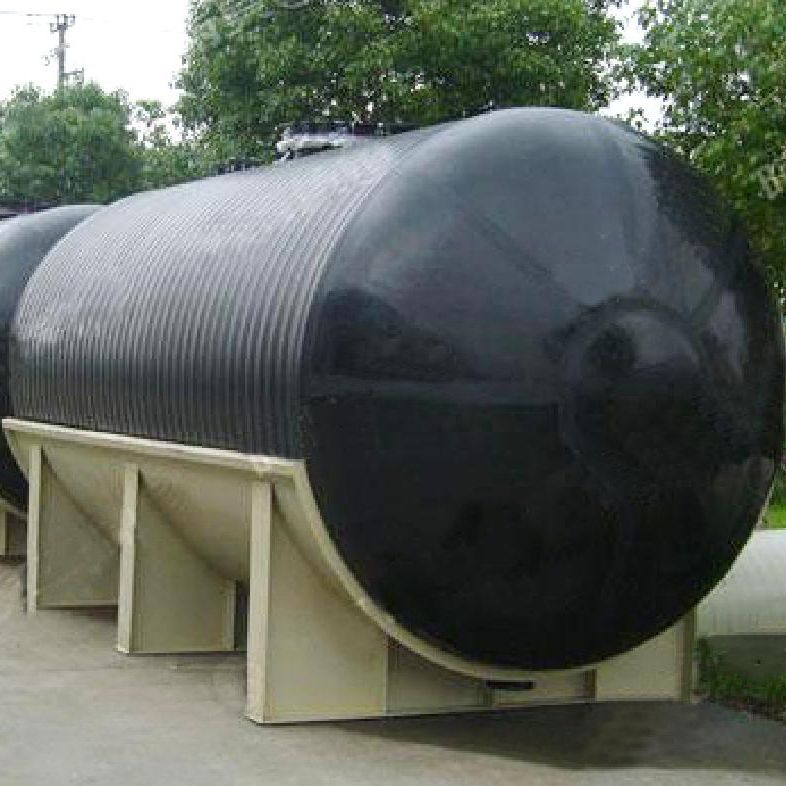
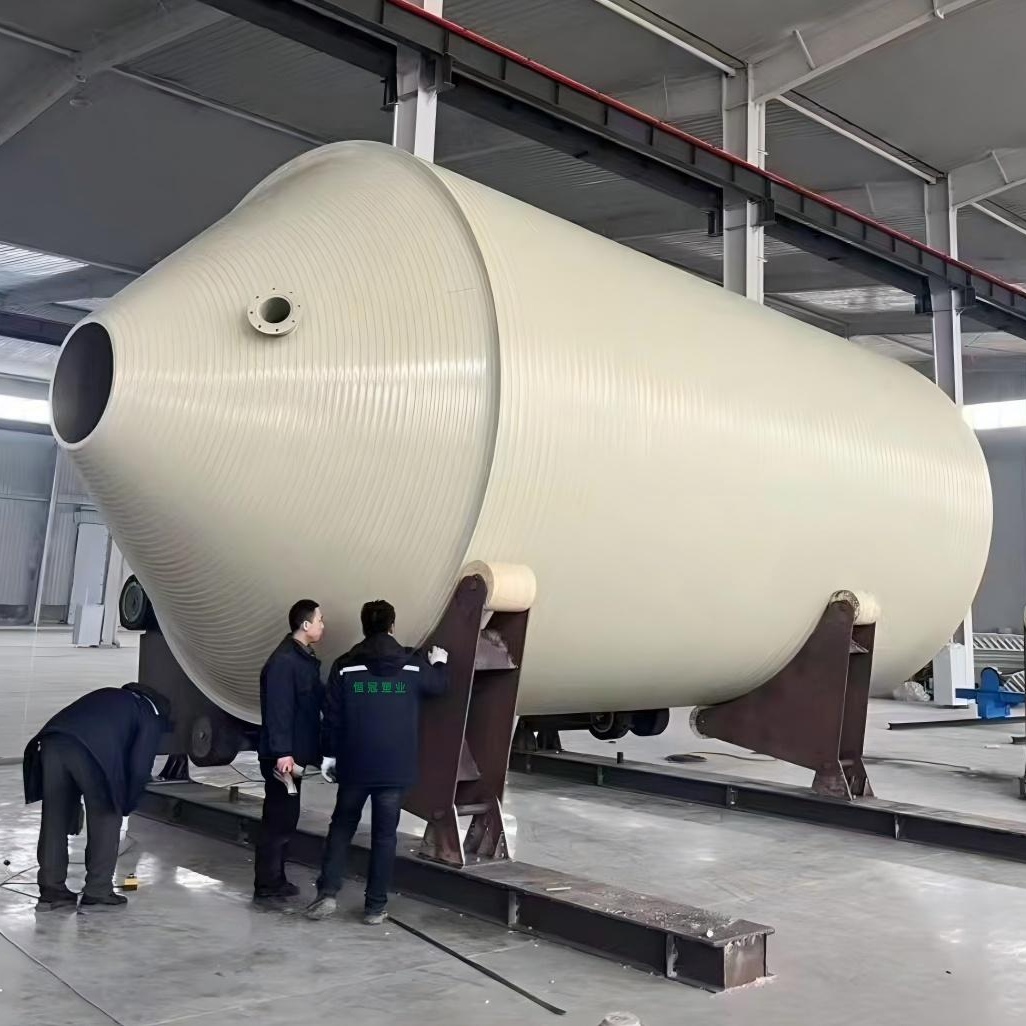
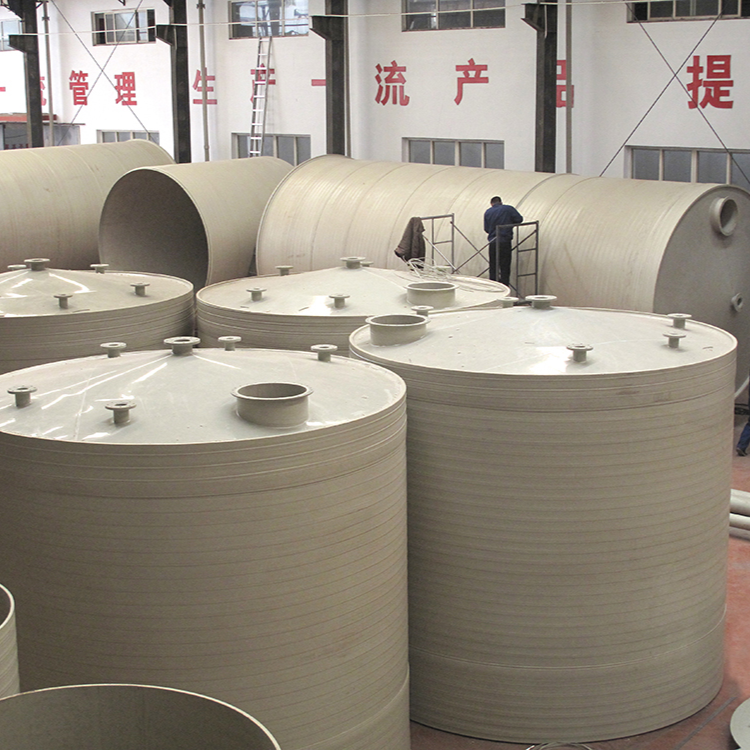





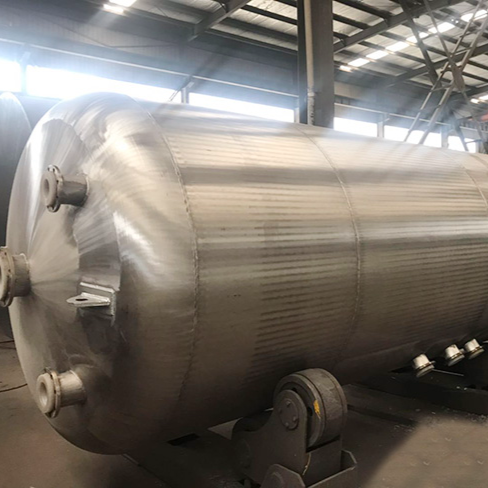
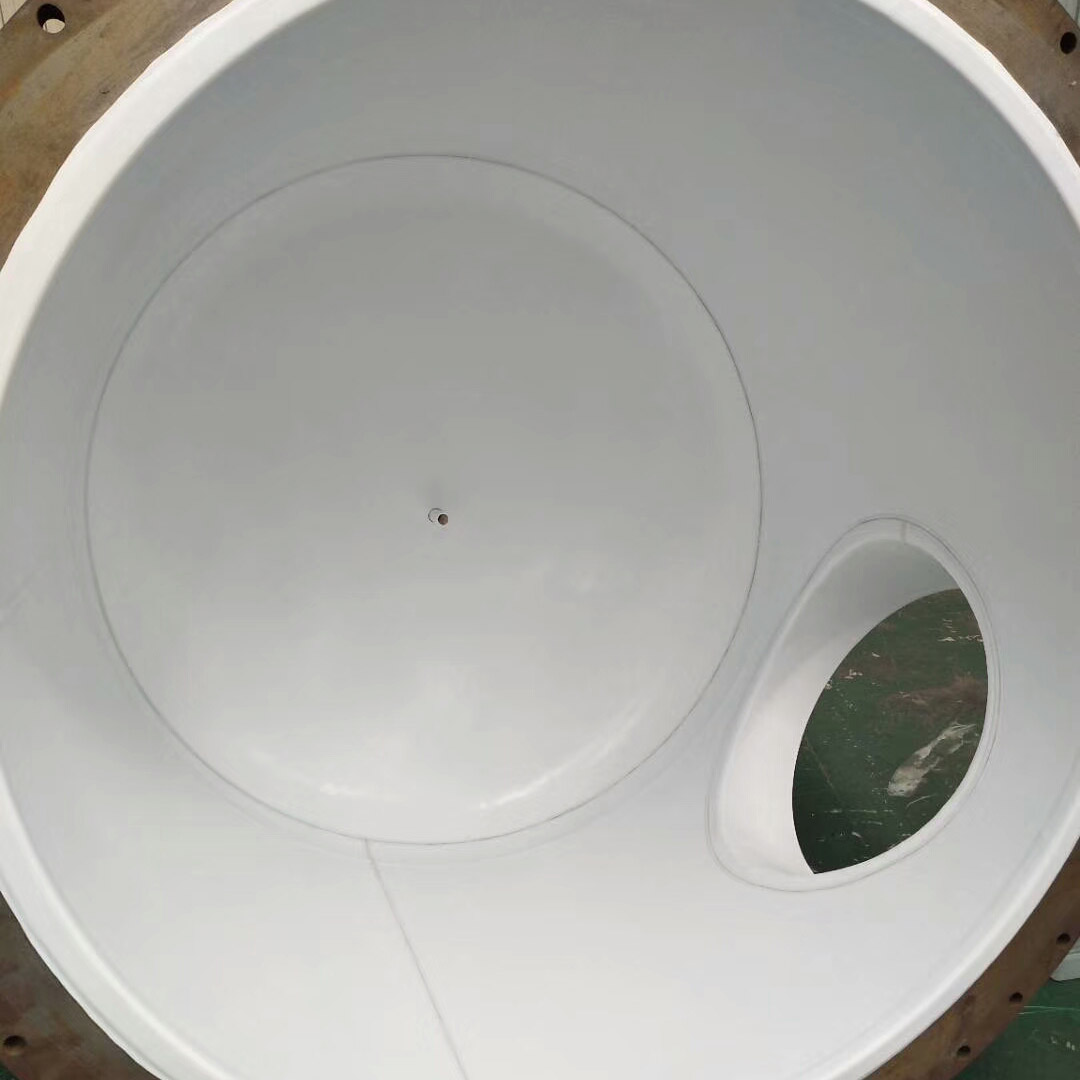
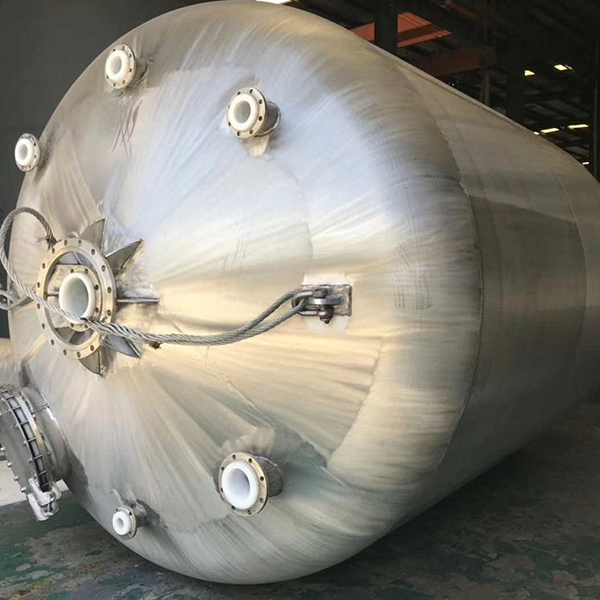

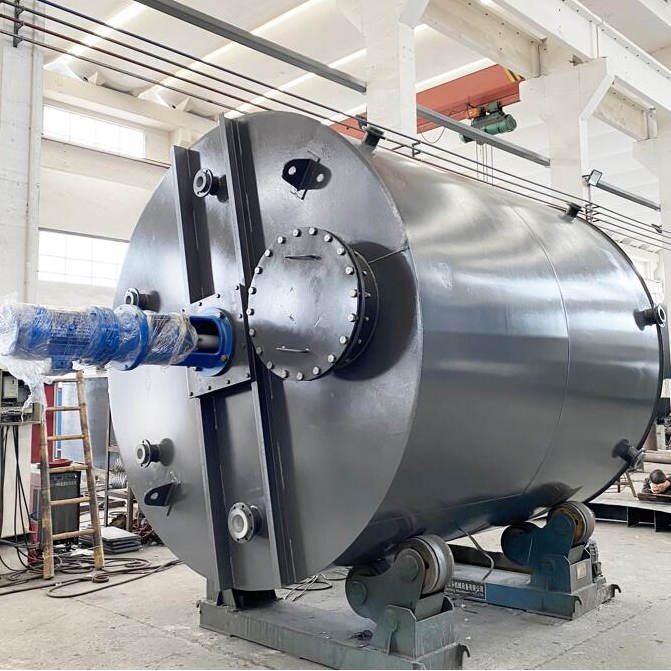
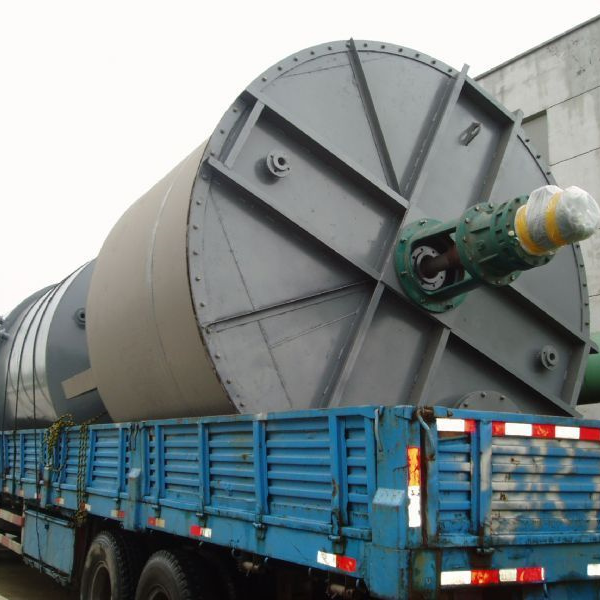
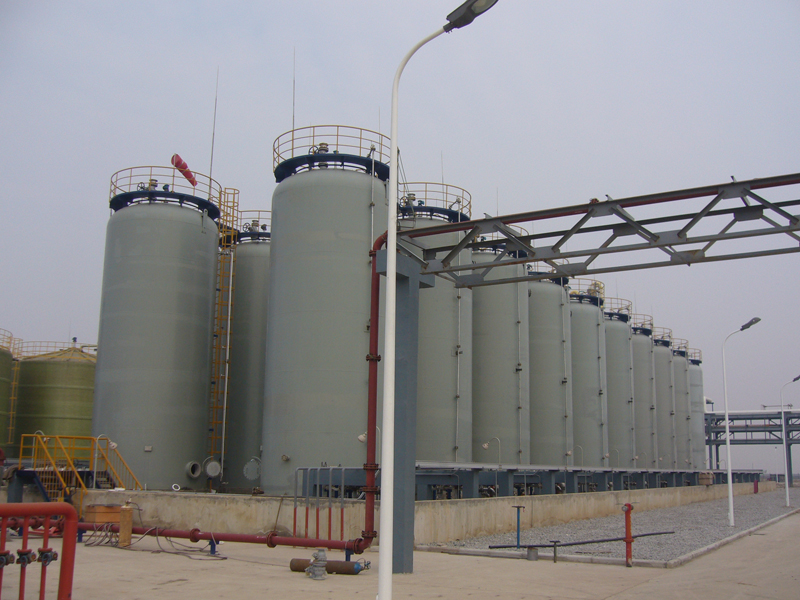
Steel-plastic composite (steel, mesh, plastic integrated) is the essence of the steel-plastic composite product series. It involves welding a steel mesh (tortoise shell) onto the surface of the steel body, using polyethylene as the raw material, and forming it into one piece on the steel surface through rotational molding (rotomolding) technology. Due to the integration of the steel mesh (tortoise shell) with the polyethylene and the welding of the mesh to the steel body, the polyethylene is difficult to脱离 from the steel surface. Therefore, it is an extremely corrosion-resistant product. The inner lining of the product is flat, smooth, and sturdy, offering superior corrosion and wear resistance, and longer lifespan compared to traditional steel-lined plastic or steel-lined fiberglass. It is an ideal product for transporting corrosive liquids and can also be used in tanker trucks, low-pressure tanks, vacuum tanks, reactors, and exchange columns with temperatures below 90 degrees Celsius. It has been widely used in industries such as chemicals, rare earths, metallurgy, medicine, and pesticides, and is highly favored by customers.
Primarily suitable for storing and transporting corrosive liquids such as acids, alkalis, salts, etc. The product is formed in one piece through rotational molding with no welds, offering superior performance compared to existing glass fiber reinforced plastics, PP, PVC, steel-lined rubber, and steel-lined glass fiber reinforced plastics. It also outperforms stainless steel, enameled, and glass-lined products in terms of usage performance, at a lower cost. The product is odorless and non-toxic, suitable for clean production, and most importantly, its service life is twice that of ordinary glass fiber reinforced plastics. The company has introduced the world's most advanced rotational molding technology and has been the first to develop and produce a series of large-scale all-plastic storage tanks. Due to the use of imported polyethylene as raw material, the product features one-piece molding (no seams), high strength, corrosion resistance, no leakage, resistance to aging and impact, non-toxicity, and long service life. It is suitable for storing and transporting most inorganic and organic chemical liquids, with superior corrosion resistance and strength compared to glass fiber reinforced plastic products, making it an upgraded and replaced product for glass fiber reinforced plastics. It can also replace stainless steel products in a wide range, becoming a new generation of safe, efficient, and cost-effective storage and transportation product.