
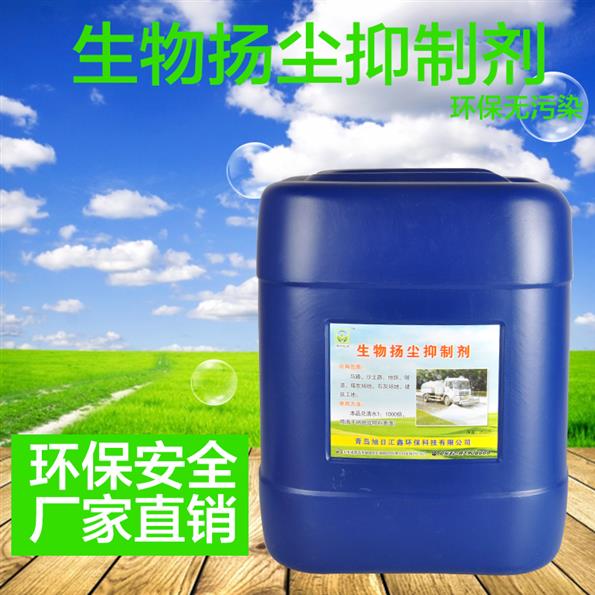

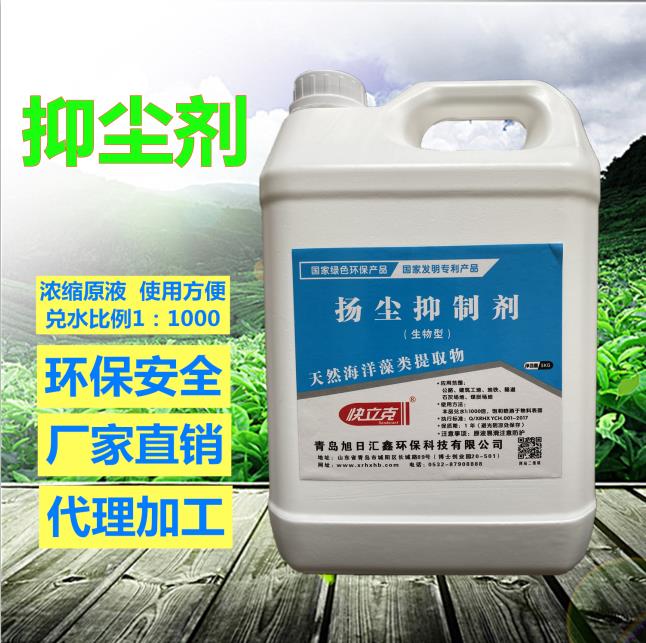
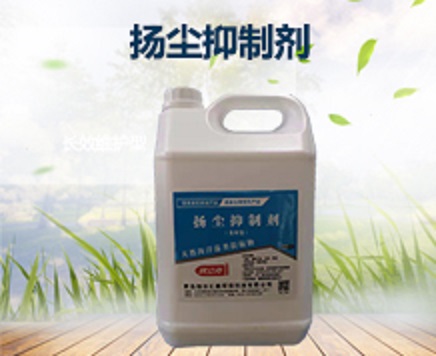







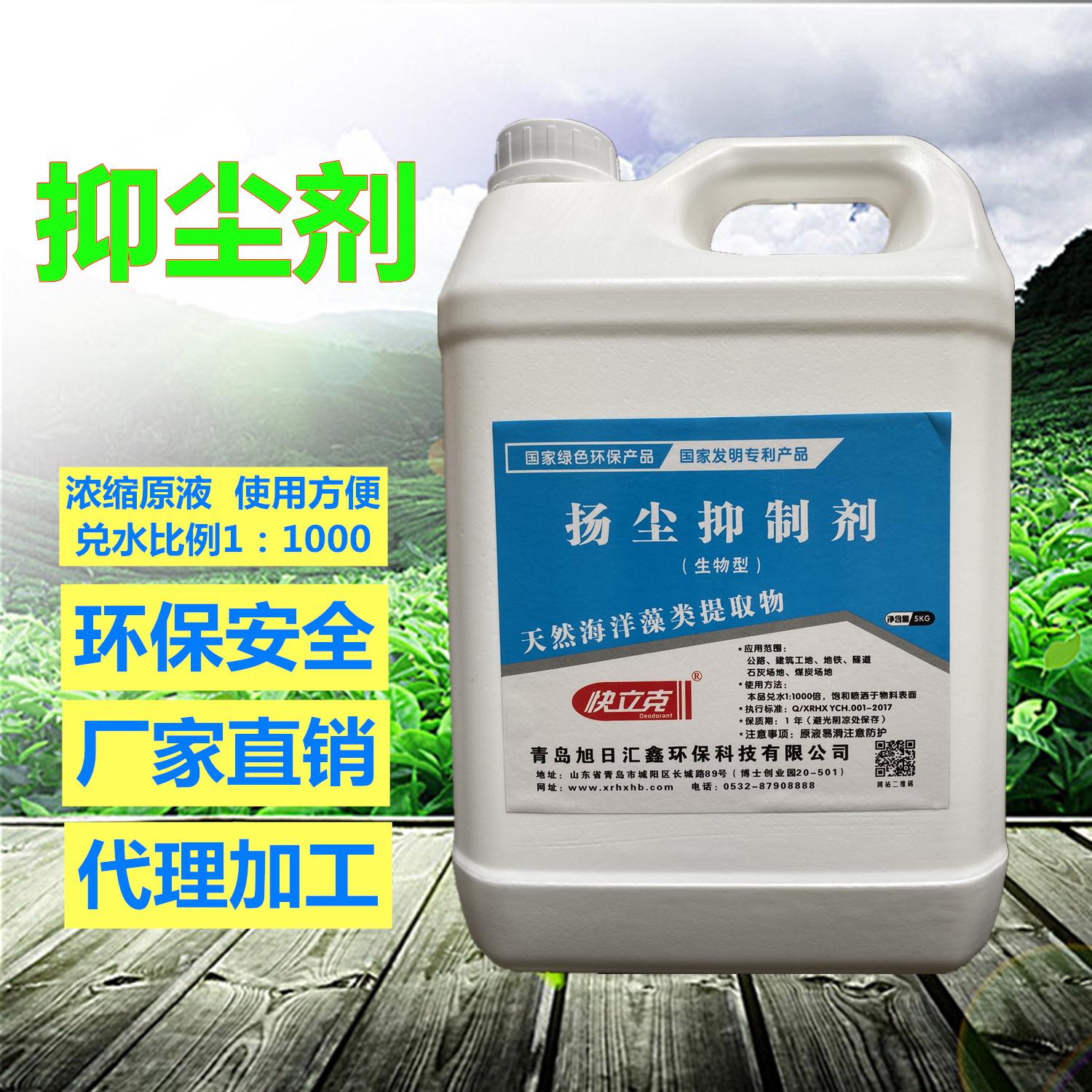

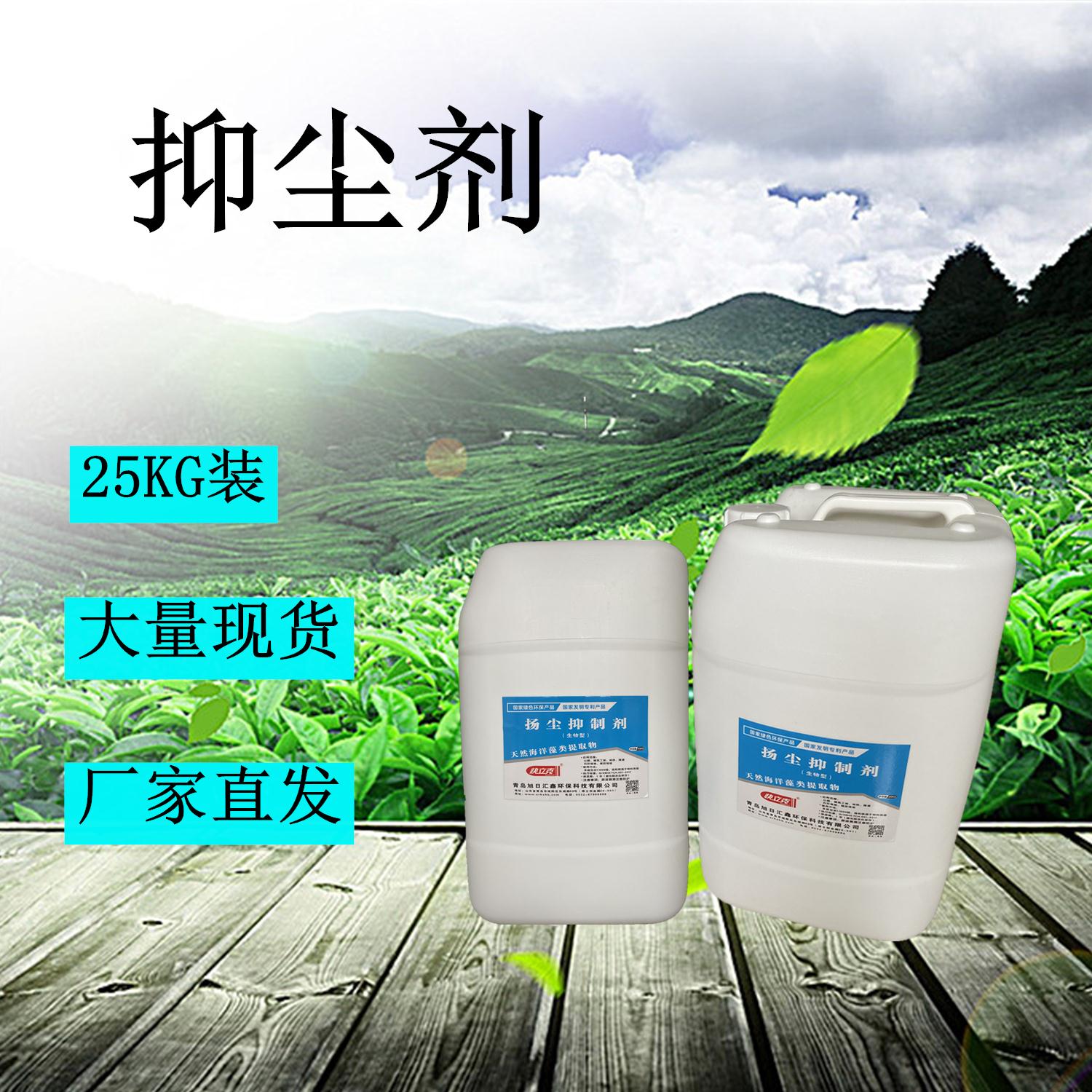
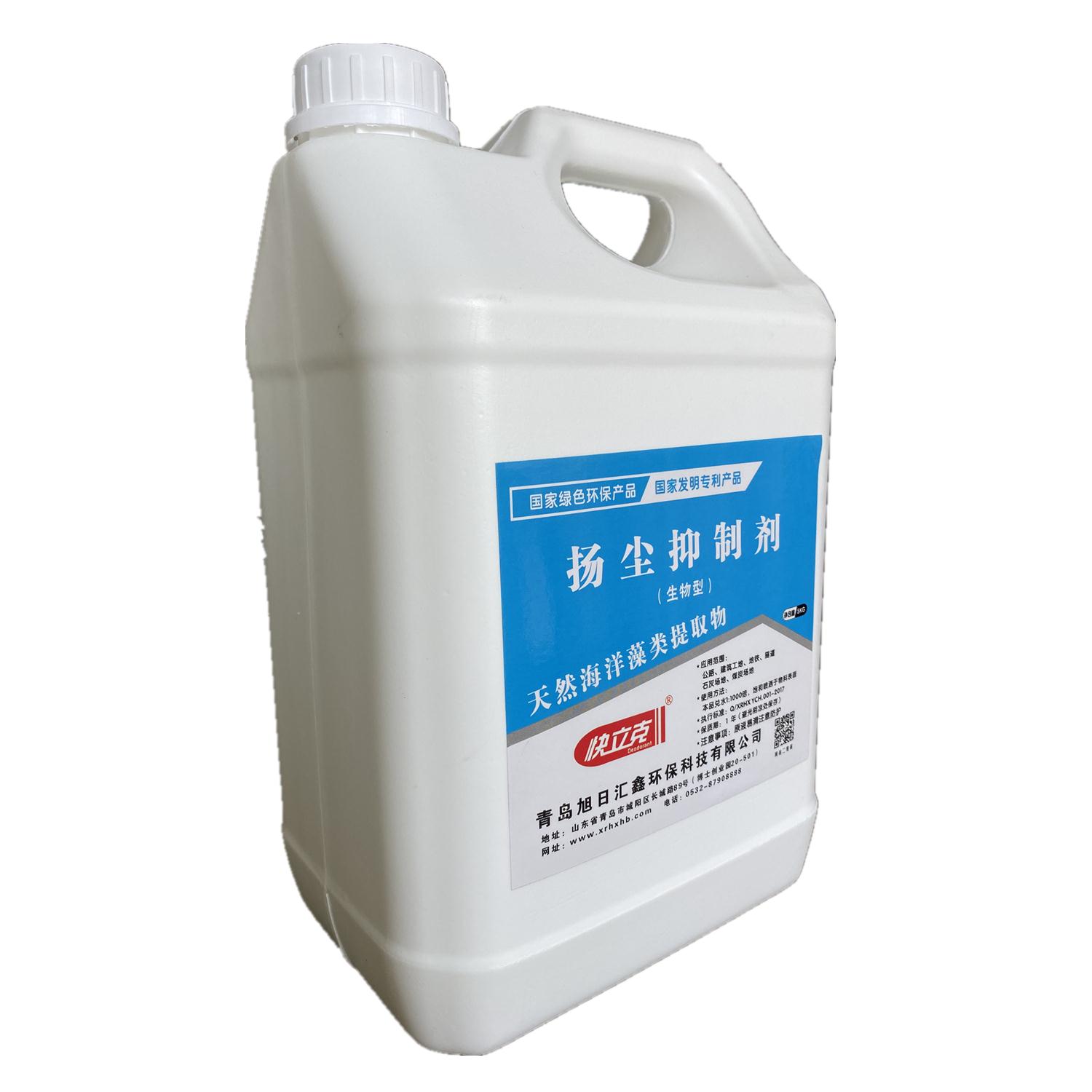
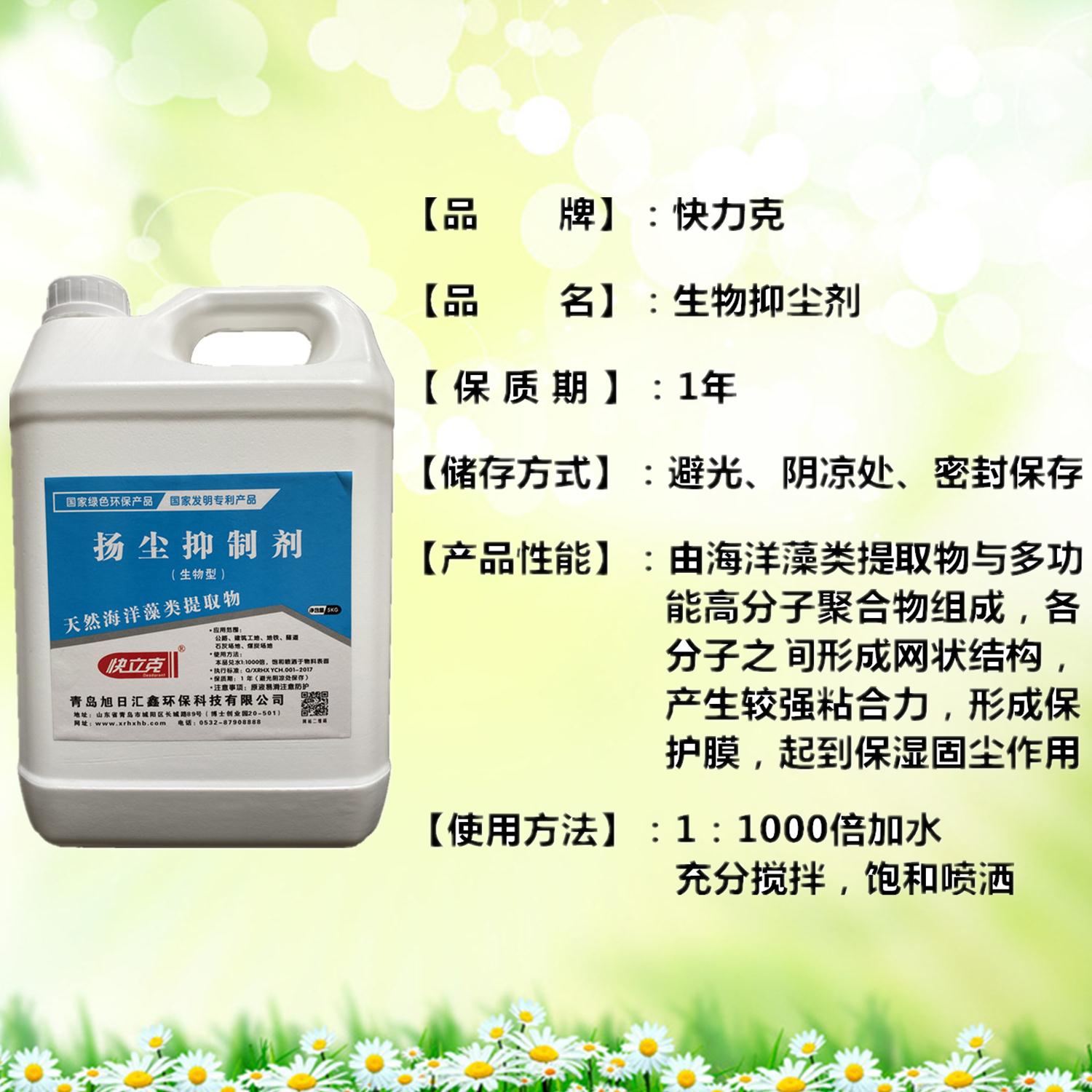
Advantages of Environmental Dust Suppressant:
Can adsorb dust particles larger than 2.5 micrometers in the air, effectively purify the air, and protect the health of surrounding populations.
2. Effectively reduces and minimizes material loss during transportation, significantly saving resources.
3. Non-corrosive, non-flammable.
4. Biodegradable; does not cause secondary pollution.
5. Excellent water solubility, suitable for all types of spraying equipment.
Dust suppressant, composed of a new-generation, multi-functional polymer, the cross-linked molecules form a network structure with various ionic groups. Due to their high charge density, they generate a strong affinity with ions, rapidly capturing and firmly adsorbing fine particles through coagulation and adhesion, thereby exhibiting excellent dust suppression and prevention properties.
Effective dust suppression duration on roads can reach 3 to 7 days, and on land, it can last up to 60 to 90 days. It boasts high dust suppression efficiency, long-lasting effect, environmental friendliness, no secondary pollution, and low operational costs. It effectively addresses the shortcomings of traditional dust suppression methods, such as short duration, high overall costs, poor suppression results, and the tendency to cause secondary pollution. It also avoids the frequent watering of construction roads, which wastes water resources.
Application Fields:
This environmentally friendly dust suppression is widely applicable in sites such as demolition, construction projects, non-metallic mining areas, mineral slag stockpiles, building dismantling, along construction roads, coal storage areas of power plants, civil engineering projects involving earth and stone, open land, roadside greenery, beaches, and desertified regions.
Dust suppressants can typically be applied manually, mechanically, or through professional sprinkler stations and fixed spray systems. By evenly spraying the diluted suppressant solution onto the material surface or dust-prone areas, dust control and reduction can be achieved. The specific application methods and quantities should be adjusted according to the on-site conditions to achieve the desired results.
WeChat Official Account

Scan to follow Official Account