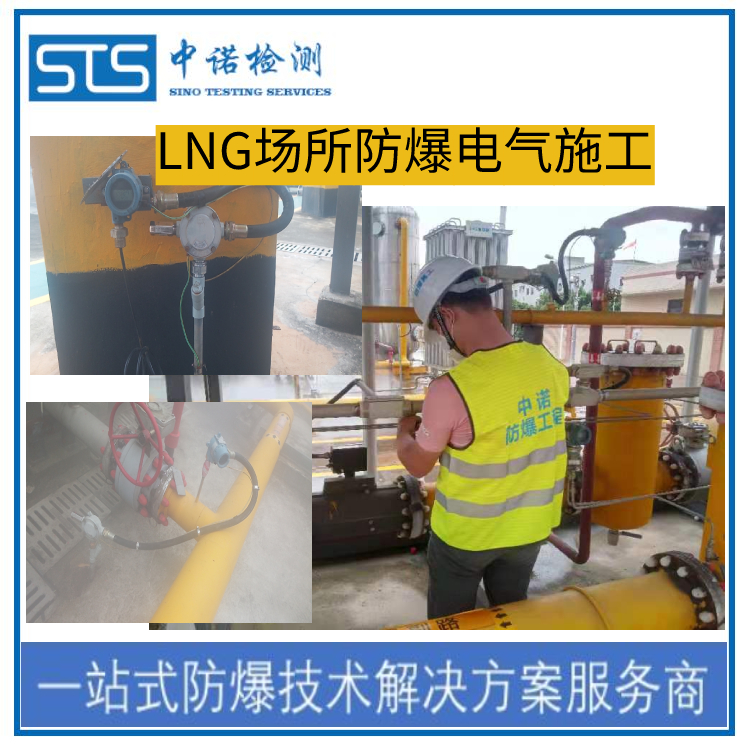
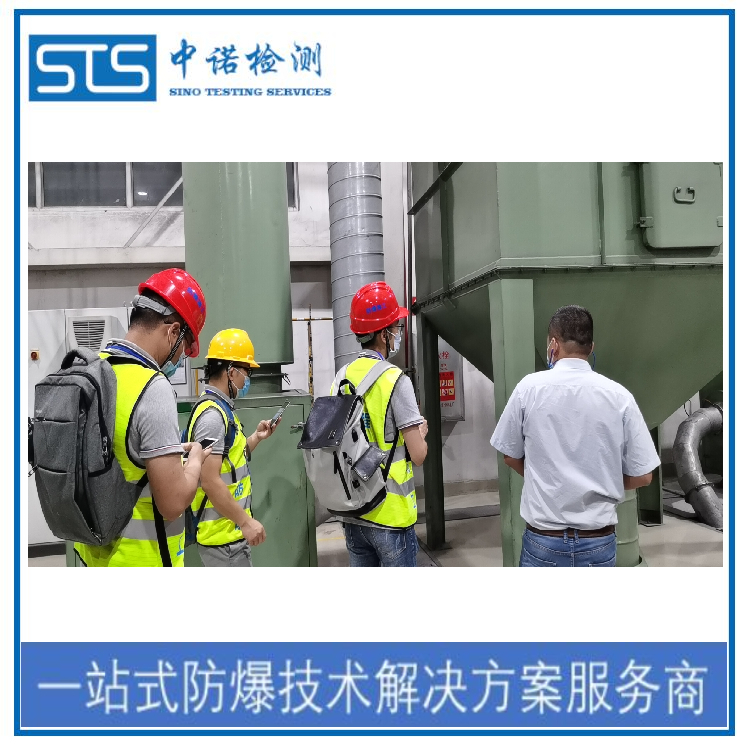











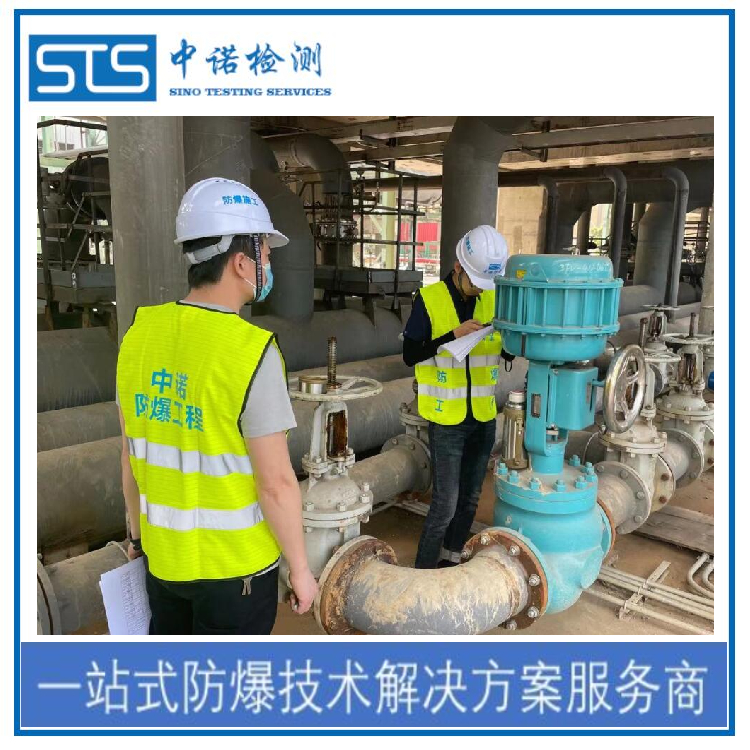
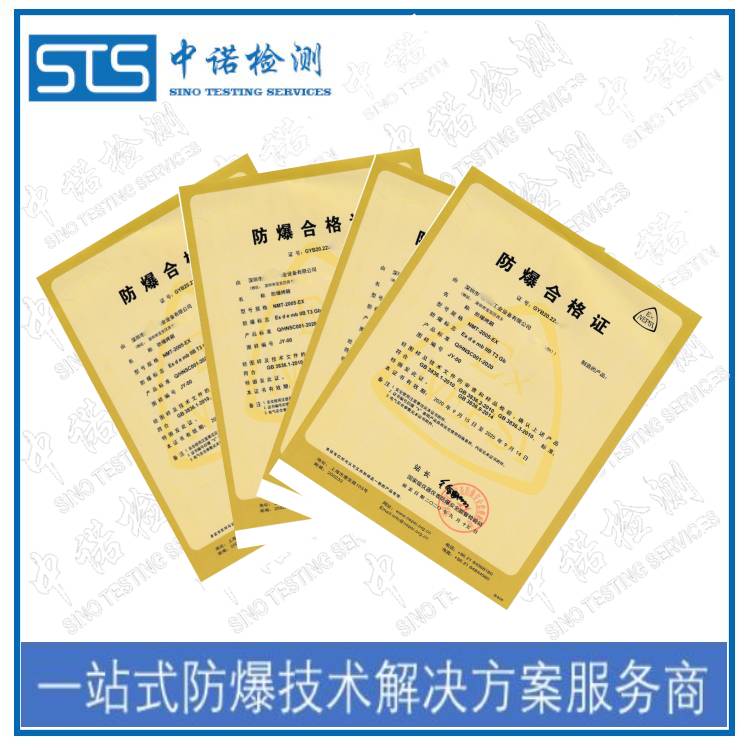
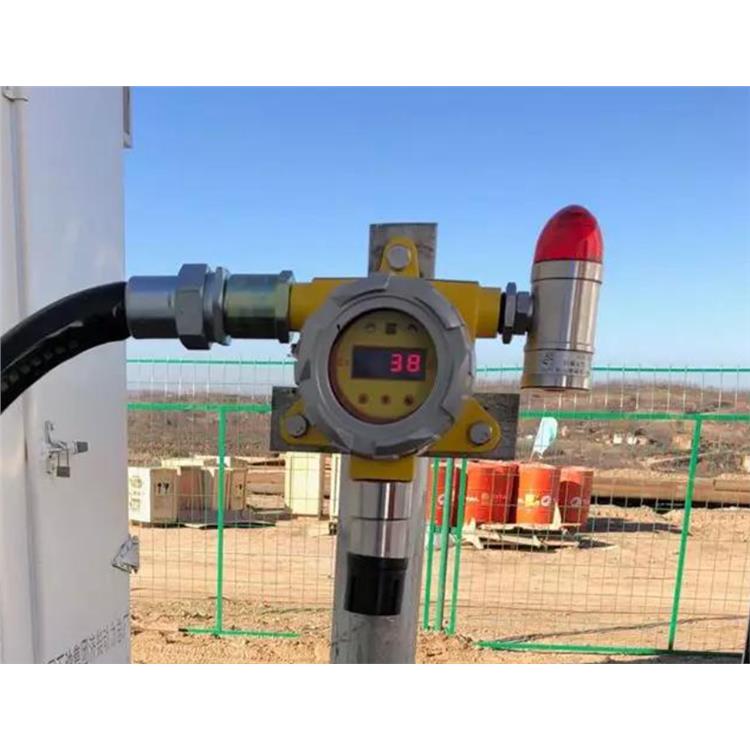
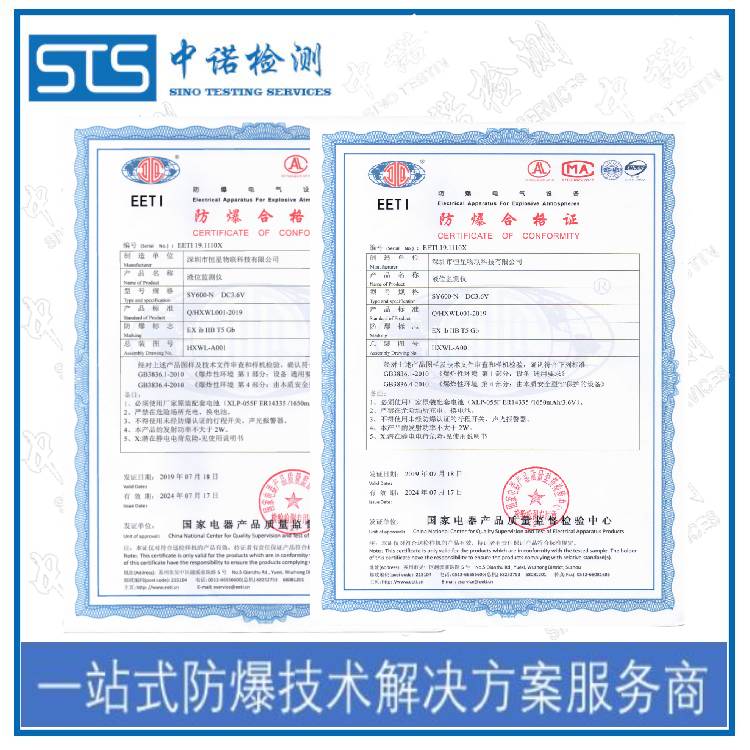


Shenzhen Zhongnuo Testing Technology Co., Ltd. is based in South China, offering on-site explosion-proof construction, safety inspections, renovations, project acceptance, and explosion-proof installation consulting services. We are well-versed in explosion-proof construction standards, boasting experienced construction teams and a wealth of practical experience. We have served major corporations such as PetroChina, LG, Hanlan Environment, BOE, and Sinovac Biotech, receiving consistent praise and trust from our clients!
Installation of electrical wiring in explosive atmosphere environments shall comply with the following regulations (shared by Shenzhen ZhongNuo Testing Technology Co., Ltd.)
Electrical wiring should be installed in environments with low explosion hazards or far from release sources, and should comply with the following regulations:
1) When the material is heavier than air, electrical wiring should be installed at a higher level or directly buried; overhead installation should use cable trays; when using a cable trench, sand should be filled in the trench and drainage measures should be in place.
2) Electrical wiring should be laid outside the walls of buildings or structures where explosion hazards exist.
3) In environments with explosive dust, cables should be laid in areas where dust does not accumulate easily and is easily dispersed.
(2) Holes in walls or floors between different areas traversed by electrical cable trenches, cable bridges, or conduits should be tightly sealed with non-combustible materials.
(3) When laying electrical lines, it is advisable to avoid areas susceptible to mechanical damage, vibration, corrosion, ultraviolet radiation, and potential heat exposure. If avoidance is not possible, preventive measures should be taken.
(4) Steel pipe wiring may use insulated single-core or multi-core conductors without sheath. When the steel pipe contains three or more conductors, the total cross-sectional area of the conductors including the insulation should not exceed 40% of the steel pipe's cross-sectional area. Steel pipes should be used with low-pressure fluid transmission, locked zinc-welded steel pipes. The threaded part of the steel pipe connection should be coated with lead oil or phosphating paste. At locations where condensation or condensate water may form, sealed joints to expel condensate water should be installed on the pipeline.
(5) Electrical wiring for piping in explosive gas environments must be properly insulated and sealed, and should comply with the following regulations:
1) During normal operation, the 450mm area around all ignition source enclosures should be sealed off.
2) Steel pipes with a diameter of 50mm or more should be isolated and sealed within 450mm of the incoming junction box.
3) Isolation and sealing should be conducted between adjacent explosive environments, as well as between explosive environments and adjacent other hazardous or non-hazardous environments. During sealing, the inner surface of the seal should be lined with a fibrous layer as the bottom or separator layer. The effective thickness of the filling layer should not be less than the inner diameter of the steel pipe, and it must not be less than 16mm.
4) Components for isolation sealing should not be used for wire connections or branching.
(6) Intermediate joints are strictly prohibited in cable lines within Zone 1, and intermediate joints should not be present in Zones 2, 20, or 21.
(7) When connecting the ends of cables or wires, if the internal wires are stranded, the ends should be connected using a molded connector or a wire lug. The connection and termination of aluminum-core insulated wires or cables should be done by crimping, soldering, or brazing. When connecting to equipment (excluding lighting fixtures), a copper-aluminum transition connector should be used.
(8) Overhead power lines must not cross explosive gas environments. The horizontal distance between overhead lines and explosive gas environments should not be less than 1.1 times the height of the tower. In special cases, after taking effective measures, the distance may be appropriately reduced.
Explosive circuit protection should comply with the following regulations (shared by Shenzhen ZhongNuo Testing Technology Co., Ltd.)
In the 1st zone, the phase wires and neutral lines in the single-phase network should be equipped with short-circuit protection, and appropriate switches should be used to simultaneously disconnect both the phase wires and the neutral line.
(2) For 3kV-10kV cable lines, it is advisable to install zero-sequence current protection, with protective devices in Zones 1 and 21 ideally operating to trip.
In the design of industrial factory buildings, different production processes have varying requirements for the structures. Precision instrument and equipment production facilities require constant temperature, humidity, and cleanliness; while certain hot workshops and dust-laden workshops demand adequate ventilation and dust removal systems. For industrial enterprises in the chemical, pharmaceutical, and petrochemical sectors, due to the risk of explosions during production, the design of the factory buildings must not only meet production process requirements but also seriously consider explosion prevention measures. In the event of an explosion, efforts should be made to minimize the loss of life and property. Shenzhen Zhongnuo Testing Technology Co., Ltd. shares its views on the design of buildings for explosive areas and electrical wiring systems, for your reference only.
Basic explosion-proof technical measures in factory building design
(1) For factories (such as plants) with the risk of explosion throughout the entire factory area, the overall planning and design should consider factors like the production process, product types, production characteristics, and degree of danger for hazardous materials within the buildings. After determining the danger level of the buildings, zoning plans should be developed. The distance between buildings in the hazardous material production area and surrounding villages, highways, railways, towns, and the factory's living facilities should be calculated based on the danger level of the buildings and the amount of stored drugs, and the maximum value should be selected according to regulations. When the required distances cannot be met due to site limitations, protective barriers should be established, such as using protective levees or reinforced concrete walls. Protective barriers must be set for Class A buildings. The actual conditions and local topography should be taken into account to achieve an optimal and reasonable layout.
(2) For production and storage facilities within a general industrial area, it is advisable to cluster them within the same region. The distance between these facilities and general workshops should meet safety requirements, facilitating unified management of firewalls and other explosion-proof structural elements.
(3) Workshops with explosive hazards should be located in single-story buildings. If the workshop needs to be multi-story due to the process requirements, it should be placed on the upper floor.
(4) When local explosion-proof rooms are installed in general factory buildings or workshops, these rooms should be as close to the exterior wall as possible. Use specially designed windows that are easy to open outward, which makes it easier to address the venting area and facilitates firefighting.
(5) Within the factory, workshops with high and low hazards should be separated by sturdy fire-resistant walls (brick or reinforced concrete walls). It is advisable to open doors on the exterior walls to facilitate communication between workshops using corridors or balconies; or create a double-door vestibule on the fire-resistant wall, attempting to stagger the doors as much as possible. Use the vestibule to mitigate the impact of the explosion shockwave and reduce the range of the explosion's effects.
(6) For equipment prone to explosion, it should be placed as close to the exterior wall or windows as possible, or outdoors, to minimize its destructive force.
(7) Production and storage of hazardous materials of different natures should be separated, such as those requiring separation from oxygen.
(8) Do not locate the hazardous explosive areas in basements or semi-basements due to poor ventilation, which can significantly impact accidents and is unfavorable for evacuation and rescue efforts.
Basic Explosion-Proof Design Standards for Hazardous Areas (Shared by Shenzhen ZhongNuo Inspection Technology Co., Ltd.)
1. First, conduct the overall explosion protection design
2.定向 release of explosive energy. Utilize anti-explosion and venting technologies around the explosion source, setting anti-explosion walls and windows in directions with high population density, office areas, and critical equipment; and venting walls and windows in directions with low human traffic and no critical equipment.
3. Determine the safe distance. Minimize the establishment of office areas, residential zones, and critical equipment areas within the range less than the safe distance unless necessary; if set up, necessary anti-explosion measures should be taken.
4. Conversion of non-blast-resistant buildings to blast-resistant structures. Buildings within the range of less than the safe distance should undergo blast resistance assessment, and those not meeting the blast resistance requirements should be reinforced with blast-resistant measures: to prevent building collapse; to prevent the breakage of brittle materials such as bricks, concrete, glass, etc., and the subsequent generation of debris.
5. Place explosion-proof shelters in hazardous blast zones.
Explosion-proof electrical retrofits for hazardous areas and on-site explosion-proof construction consulting services - Shenzhen ZhongNuo Testing Technology Co., Ltd.
WeChat Official Account

Scan to follow Official Account