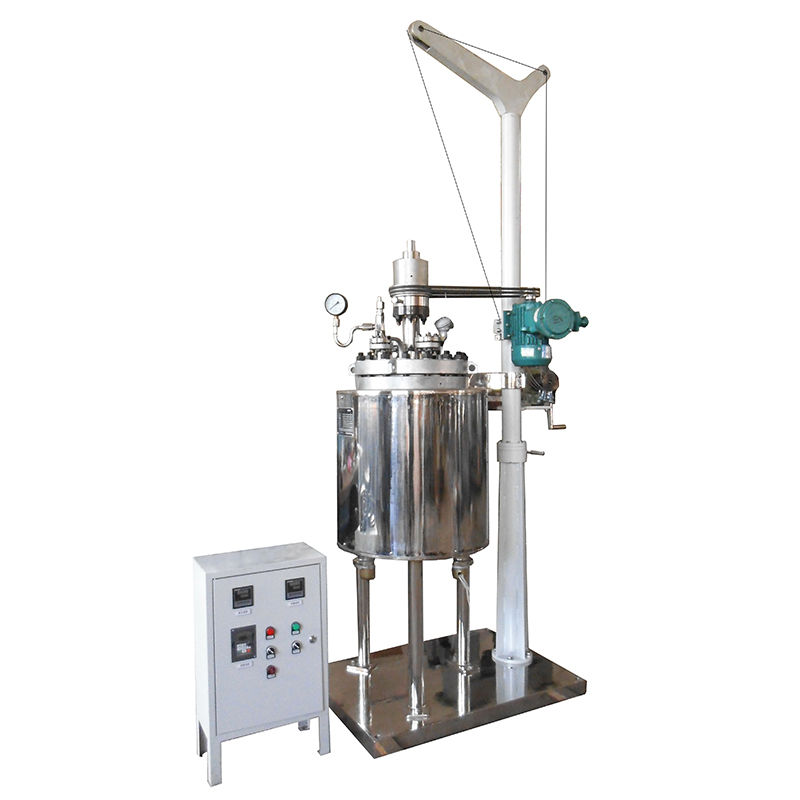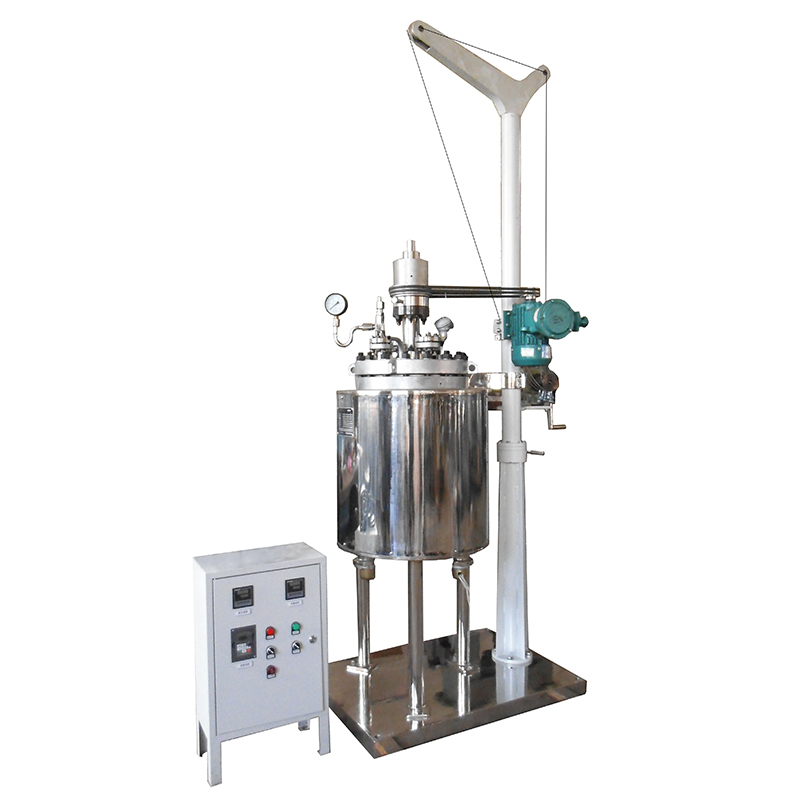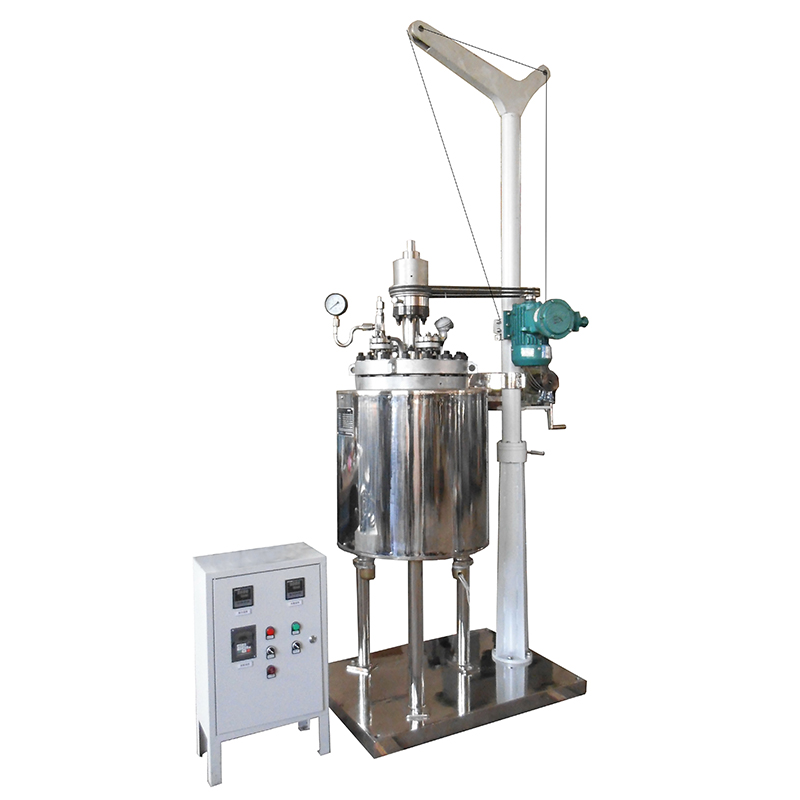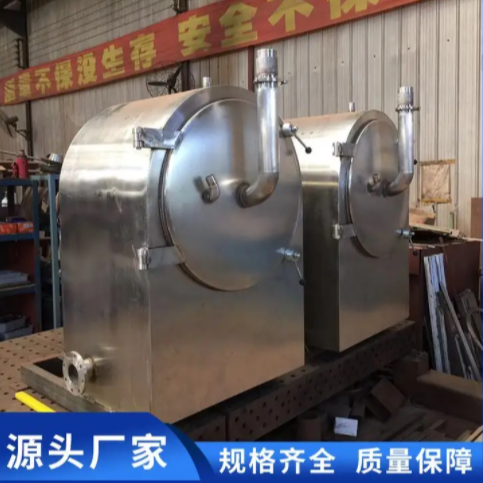


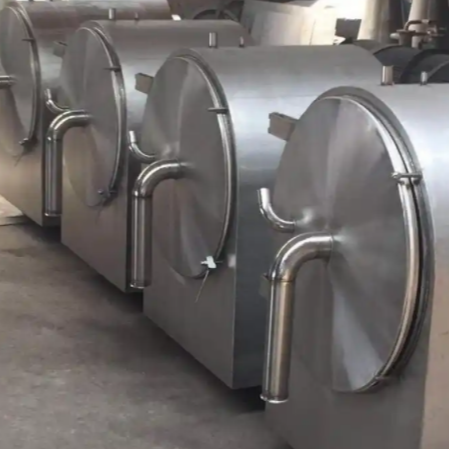
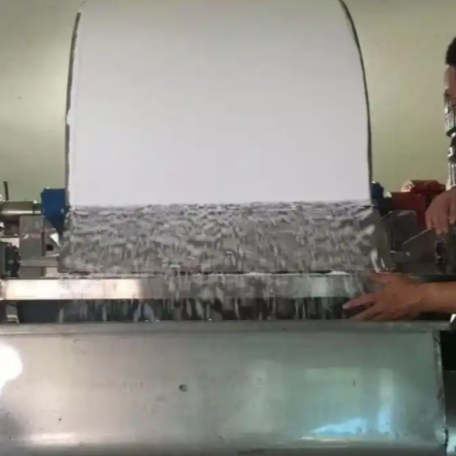
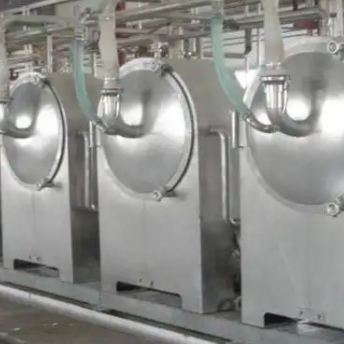
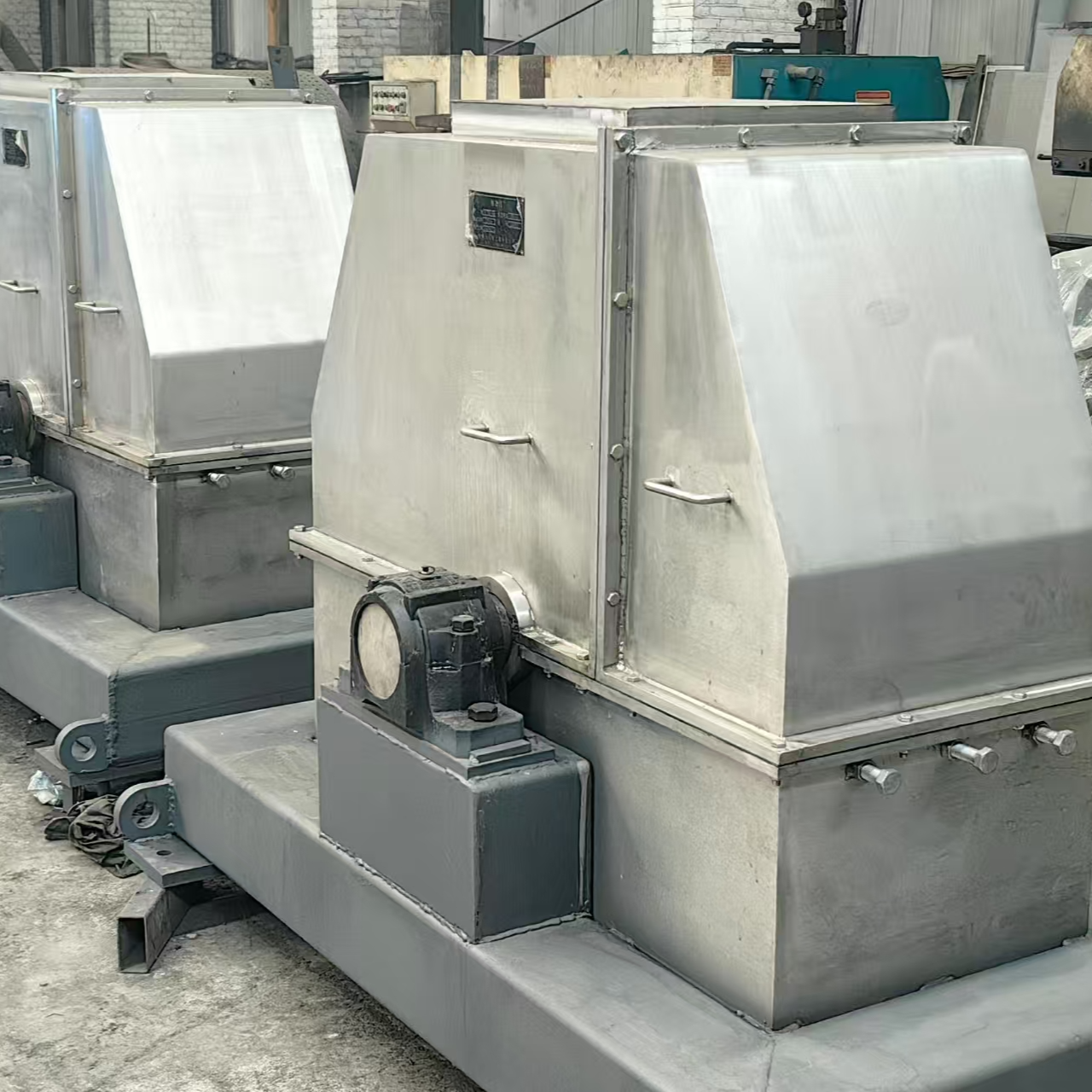
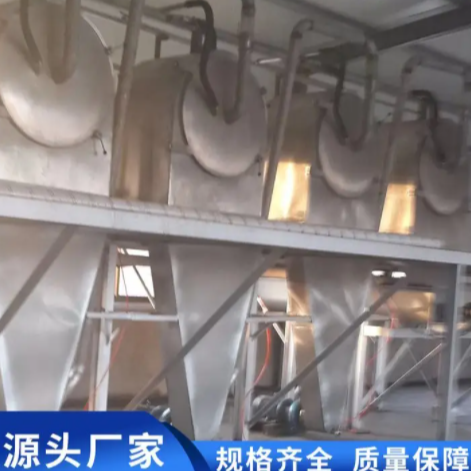





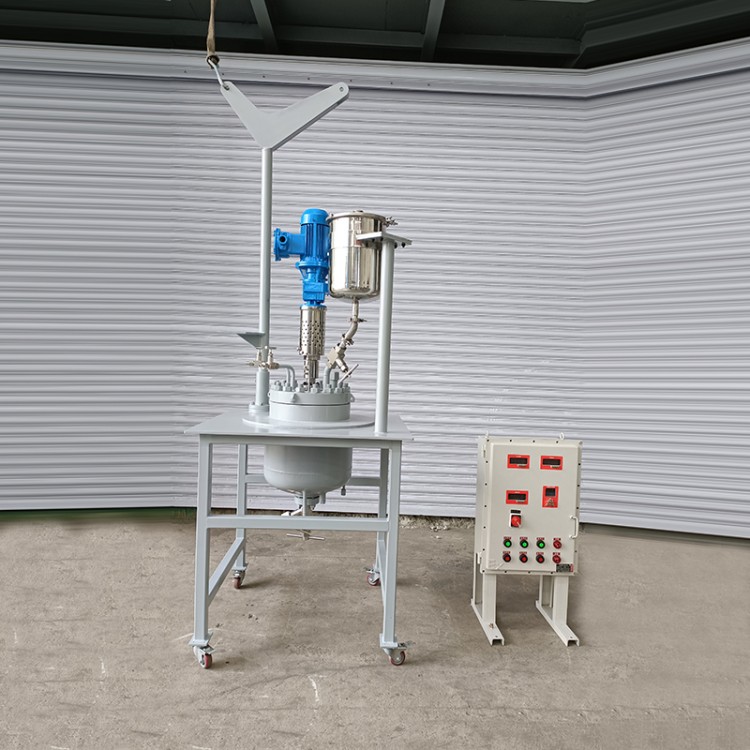
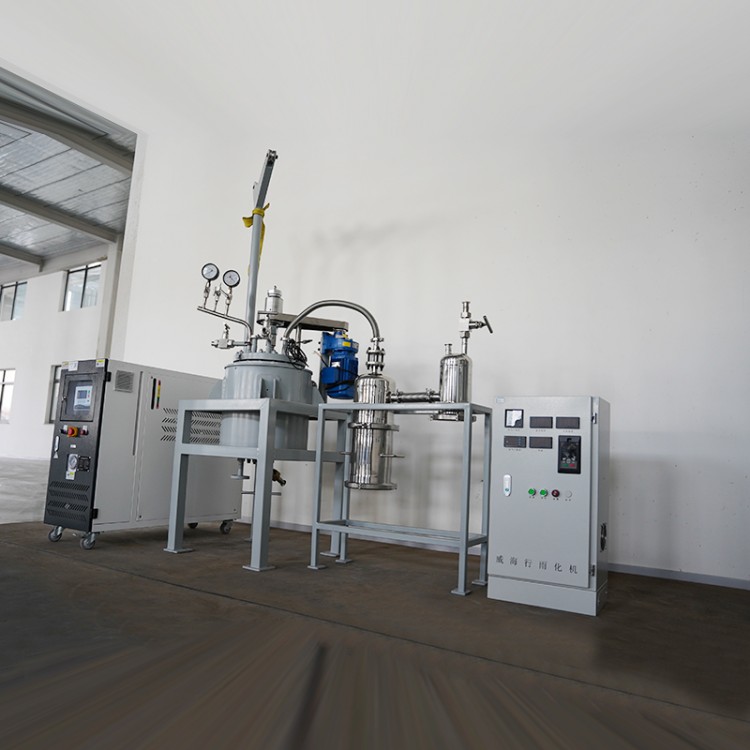
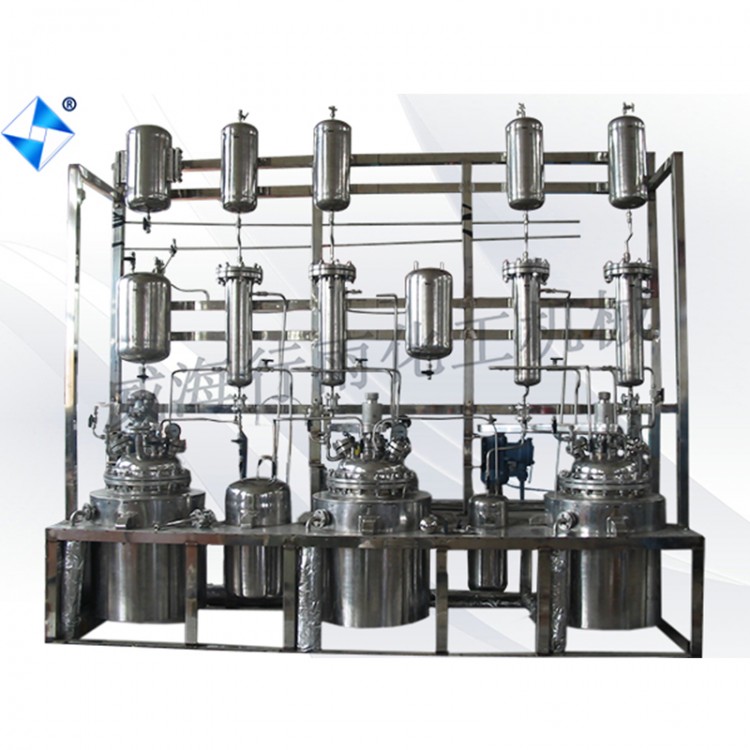
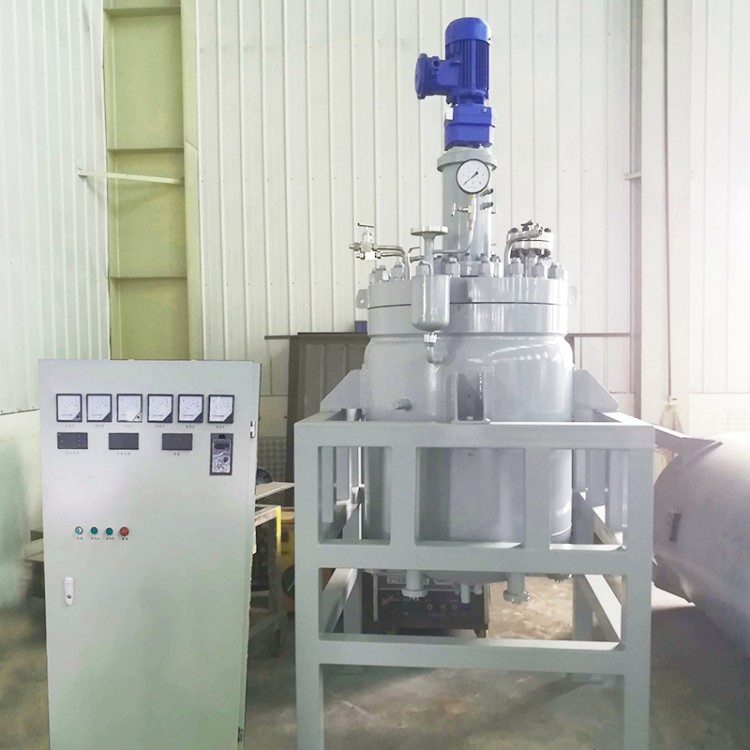
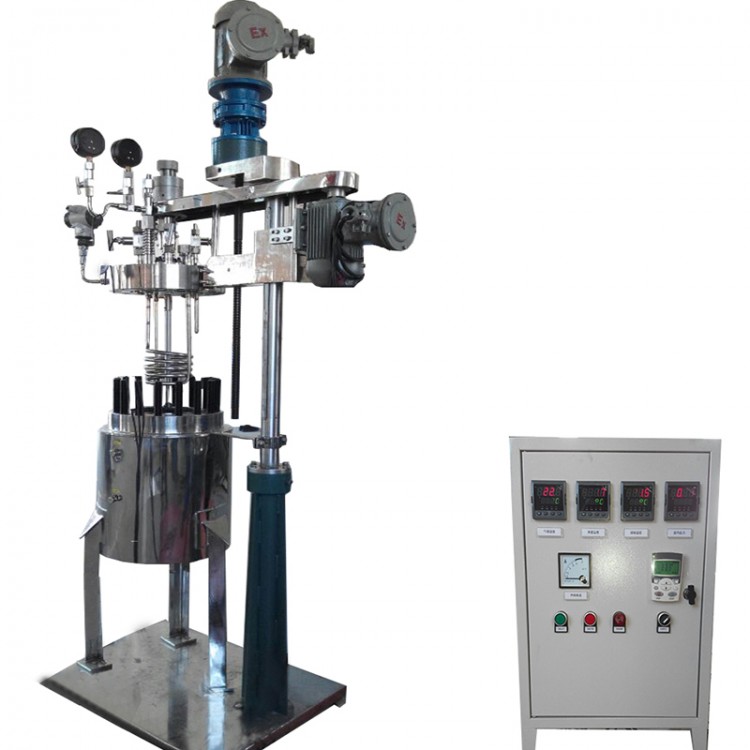

The pilot reaction kettle is user-friendly, with a reasonable system layout, serving as a crucial link in the scaling-up process from laboratory to pilot production. The design specifications of the pilot reaction kettle range from 10 to 50 times that of the pilot scale, or can be customized to meet specific process requirements.
Mechanical and connecting structures: The connecting structures feature bolted or quick-release buckle connections for effortless and rapid opening. The kettle lid can be lifted, and the kettle body can be removed.
Stirring Method: Utilizes a strong magnetic cylindrical reciprocating coupling structure, with a stirring speed of 0-500 r/min, and the stirring capacity can be adjusted according to user requirements.
Safety: The reactor is equipped with a safety valve, which uses a bursting diaphragm. The bursting value has a small error and the exhaust speed is fast, ensuring safety and reliability.
Each valve uses a needle valve design with a reciprocating shut-off mechanism, ensuring reliable and durable sealing. The valves are installed rationally with smooth discharge and no blind spots.
Heating Methods: Electric heating is used. Electric, liquid, or dual electric-liquid heating options can be provided as per customer requirements.
Control System: Equipped with relevant intelligent control instruments, these instruments utilize intelligent digital control gauges to provide data collection and control for motor speed, reaction temperature and pressure inside the kettle, etc. They feature high precision, easy operation, and strong anti-interference capability.
Misconceptions in selecting pilot plant reactors, generally starting from small-scale trials with success and scaling up to pilot or full-scale production. However, experimenters often use data from the pilot scale for the reactor design, which is不合理. Typically, the design and manufacturing of the pilot plant reactor need to be locally altered even if the process remains unchanged after scaling up.