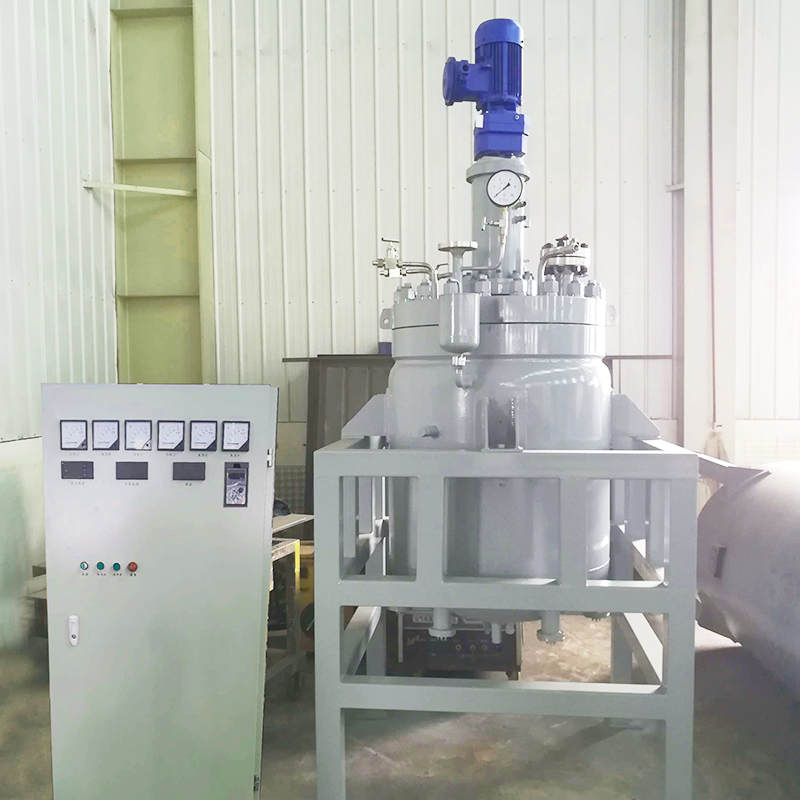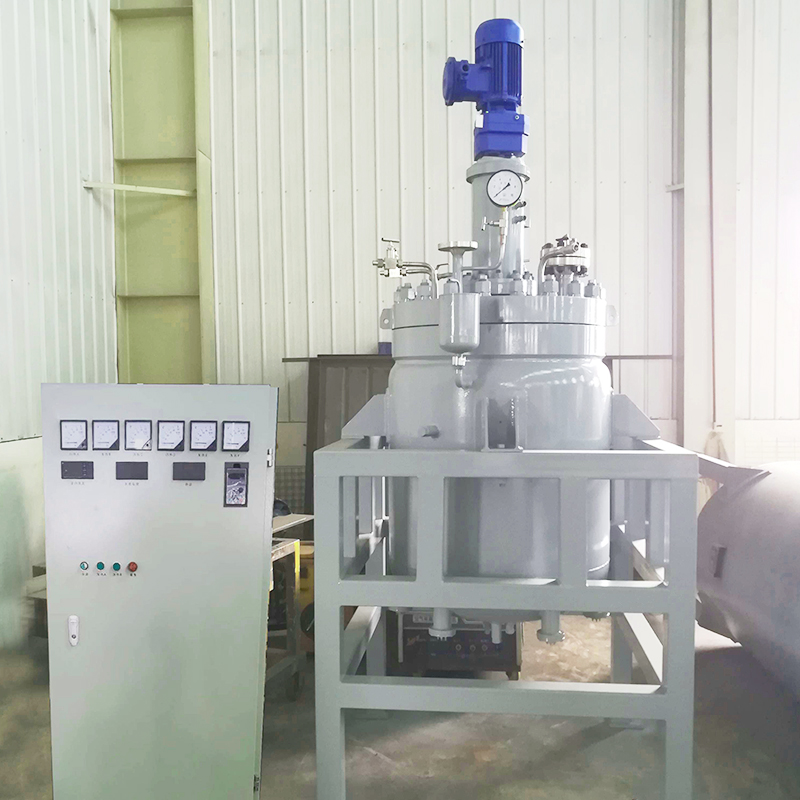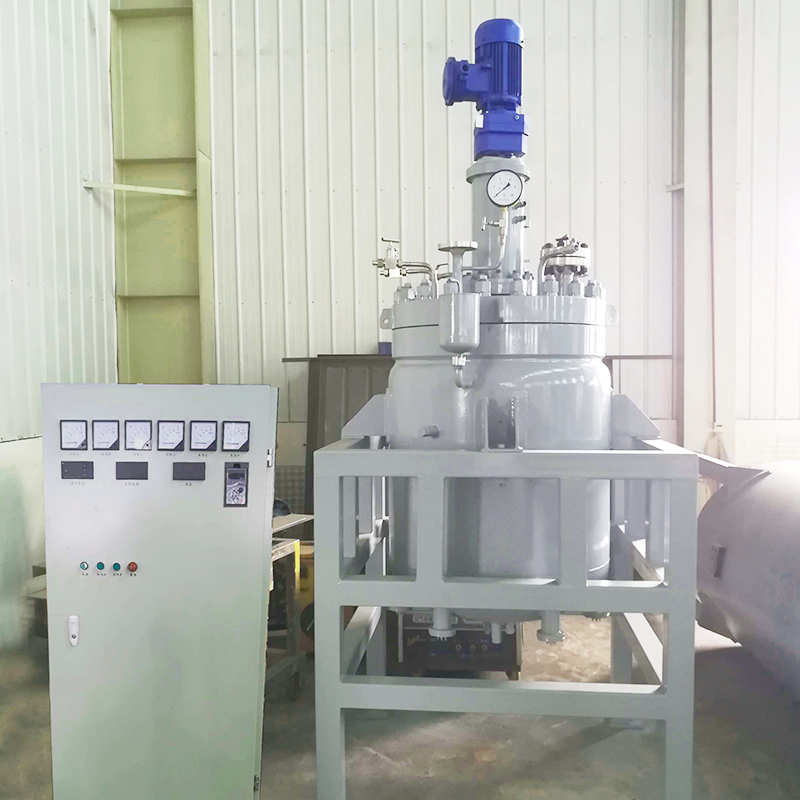

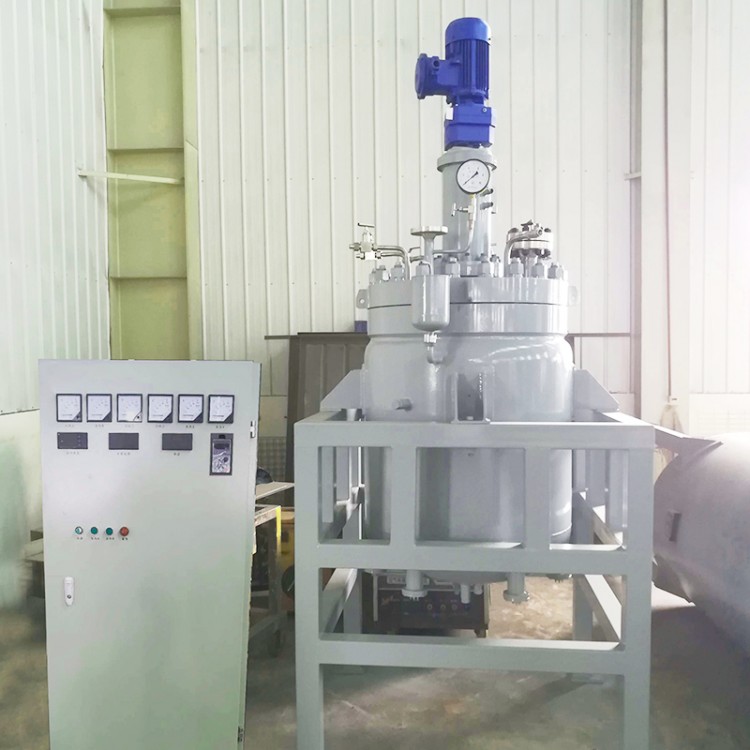

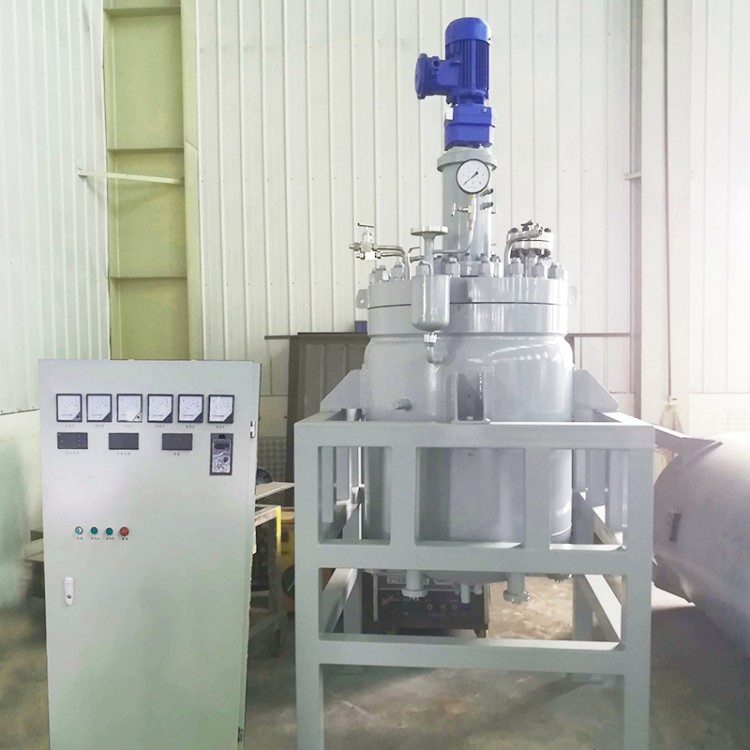
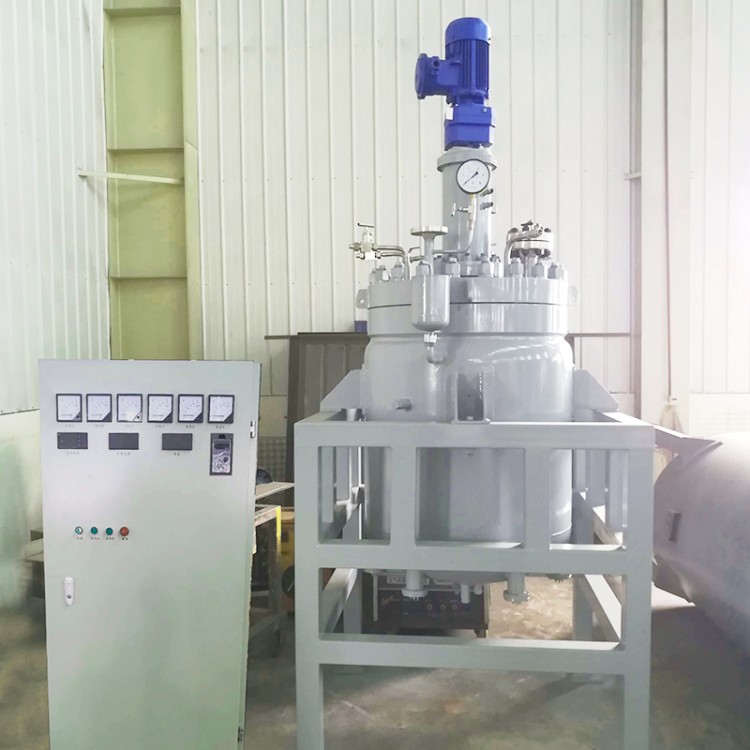
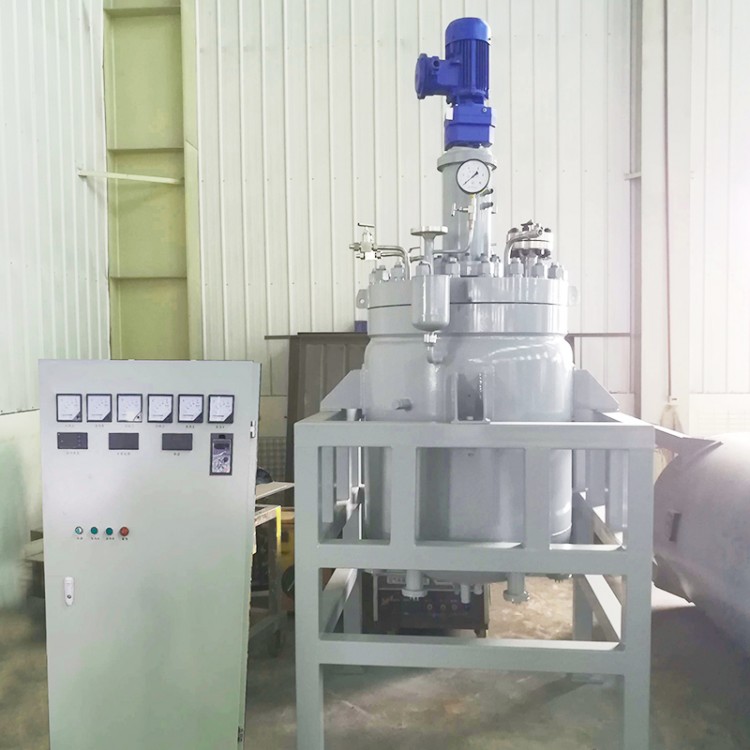







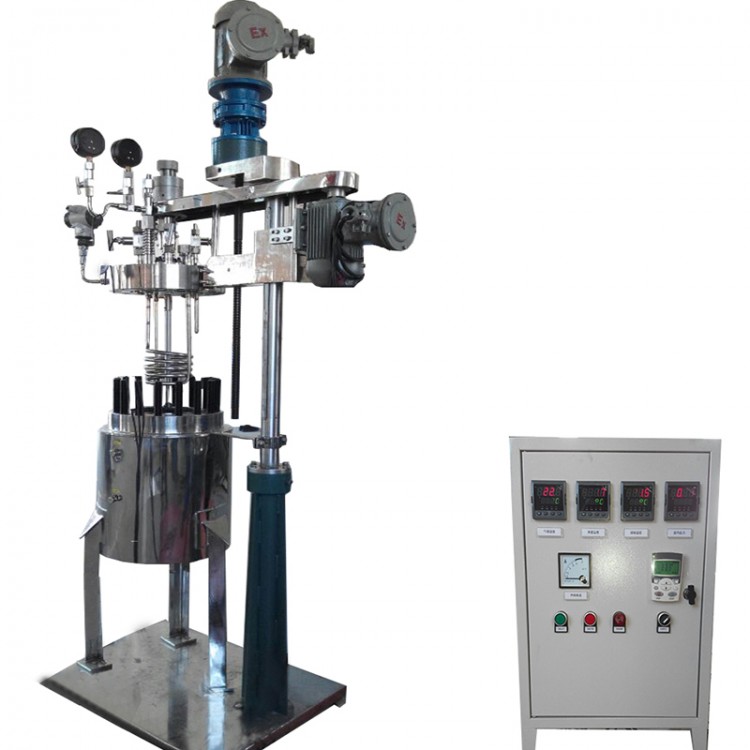
(1) Installation Location: The reactor should be installed in a high-pressure operation room that meets explosion-proof requirements. When multiple reactors are equipped, they should be separated, with explosion-proof walls between every two reactors. Each operation room should have an exit leading to the outside, and good ventilation should be ensured at the installation site when explosive media are present.
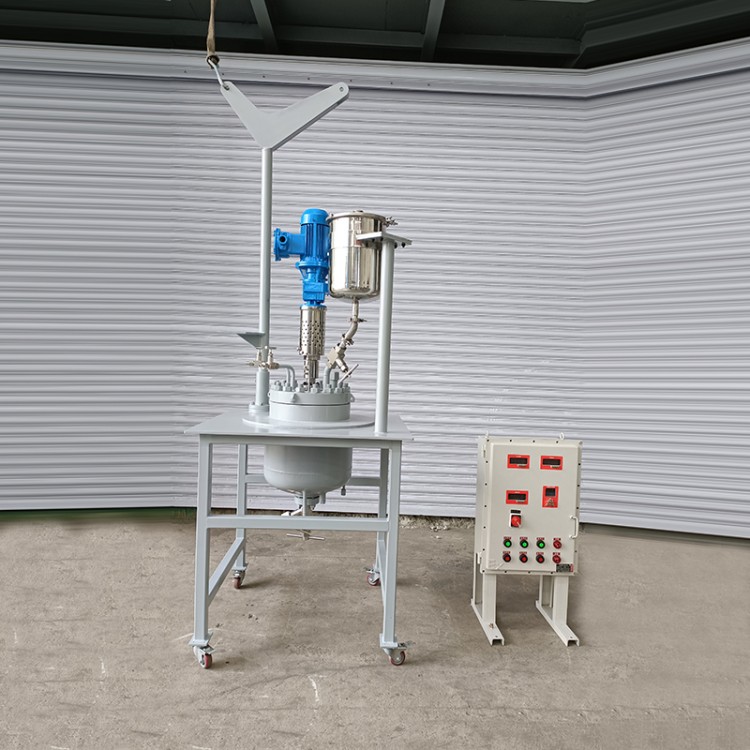
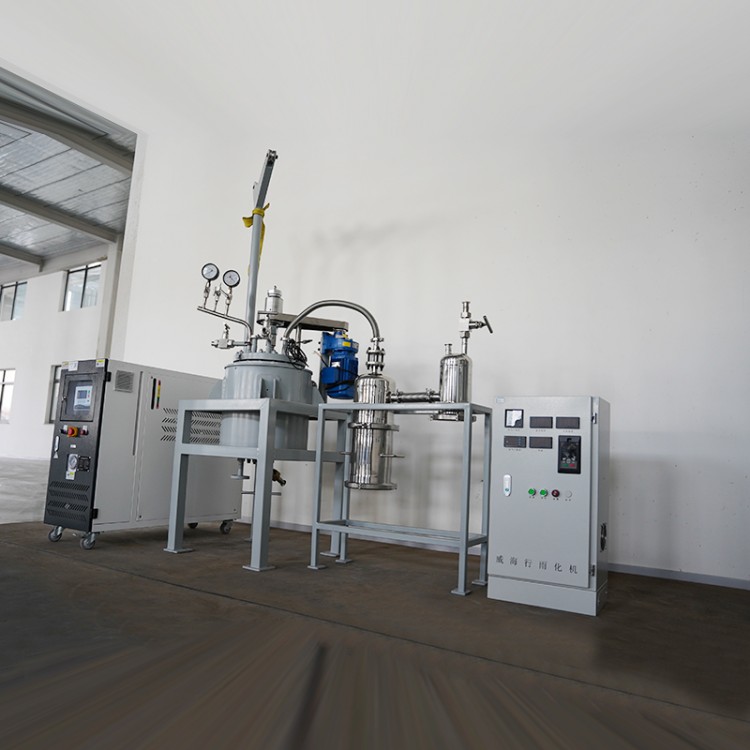
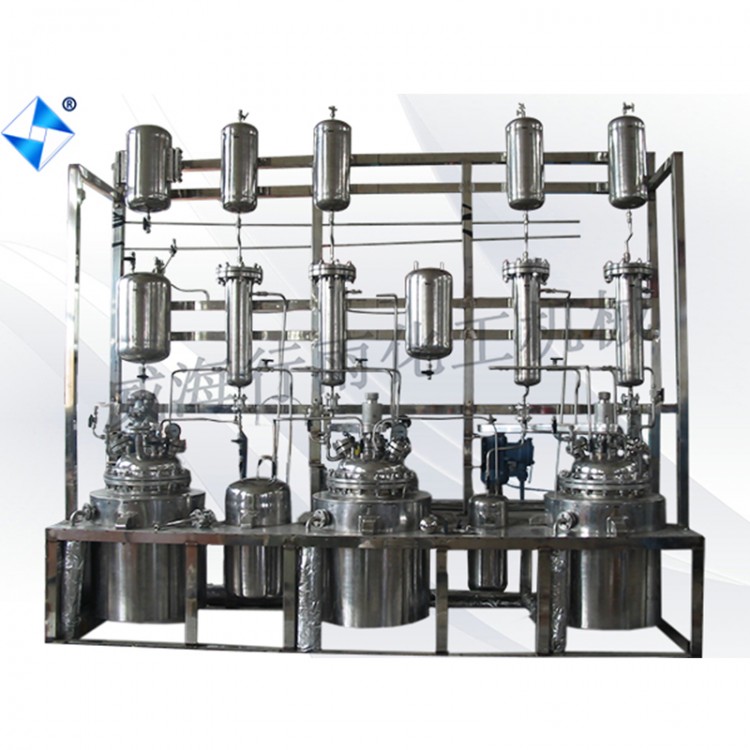
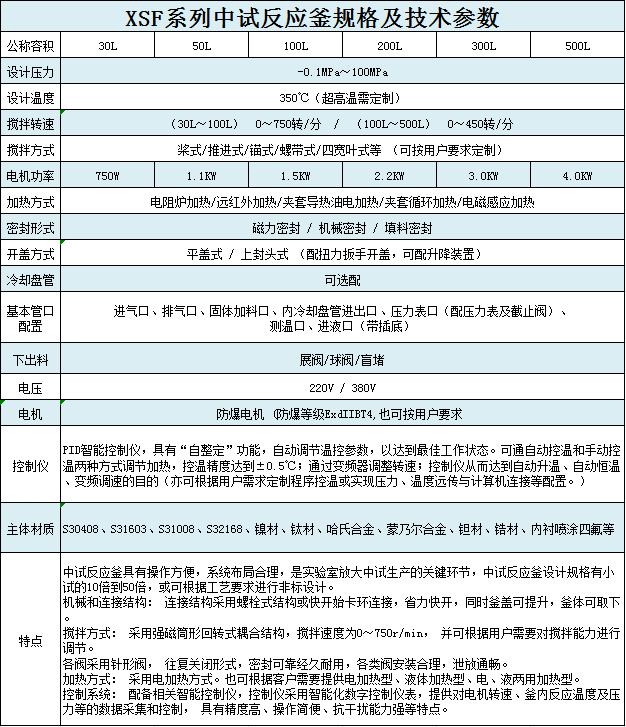
(2) Upon unpacking, inspect the equipment for any damage. Assemble the equipment according to the structural diagram based on the model, and ensure all components are accounted for as per the packing list. If the heating method is electrically heated by thermal oil, purchase the corresponding type of thermal oil at the operating temperature (note: thermal oil must not contain water). Add the oil by opening the filling port at the top of the jacket and the oil level port in the upper part of the jacket. Pour oil through the filling port until oil starts to flow from the oil level port; then tighten the oil level port but do not tighten the filling port to avoid pressure buildup.
(3) Vessel Body and Lid Installation & Sealing: The vessel body and lid are sealed using gaskets or conical surfaces in line contact with the arc surfaces, achieving a tight seal by tightening the main nut. When tightening the nuts, apply force diagonally symmetrically, multiple times, gradually, and evenly, ensuring the lid does not tilt to one side for optimal sealing. Do not exceed the specified torque range of 40~120N.M when tightening the main nut to prevent damage to the sealing surfaces or overloading. Treat the sealing surfaces with extra care, cleaning them with a soft paper or cloth before each installation to avoid damaging the sealing surfaces of the vessel body and lid. With proper operation, they can be used over ten thousand times. After the sealing surface is damaged, it must be reworked to achieve good sealing performance. When removing the lid, slowly lift it up and down to prevent the sealing surfaces between the vessel body and lid from colliding. If the seal is achieved using gaskets (aluminum, copper, asbestos, etc.), a good seal can be achieved by simply tightening the main nut.
(4) The installation of valves, pressure gauges, and explosion-proof valves is achieved by tightening the male and female nuts, thereby creating a seal. The circular sealing surfaces at both ends of the connection must not rotate relative to each other. When assembling all screw connections, it is necessary to apply a lubricant or a mixture of oil and graphite to prevent them from seizing. Valve usage: Needle valves are a linear seal; simply turn the valve pin gently to press the sealing surface for a good seal. Excessive force is prohibited to avoid damaging the sealing surface.
(5) After equipment installation, introduce a certain amount of nitrogen to maintain pressure for 30 minutes. Check for any leaks. If leaks are found, use soapy water to locate the leak points along the pipeline and pipe openings. After identifying them, release the gas, tighten the connections, and then reintroduce nitrogen for a pressure maintenance test. Ensure there are no leaks before commencing normal operations.