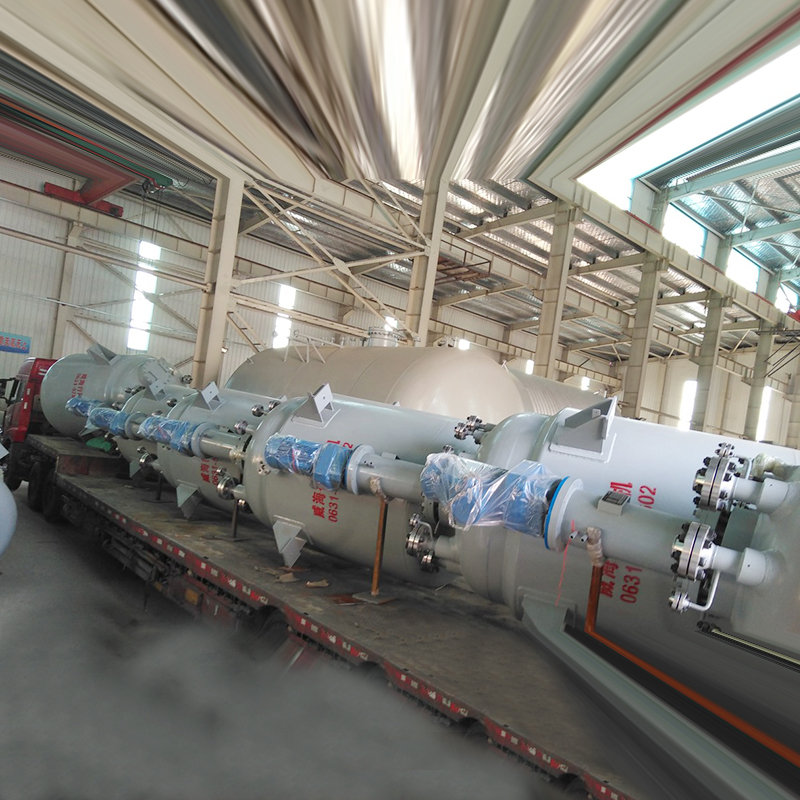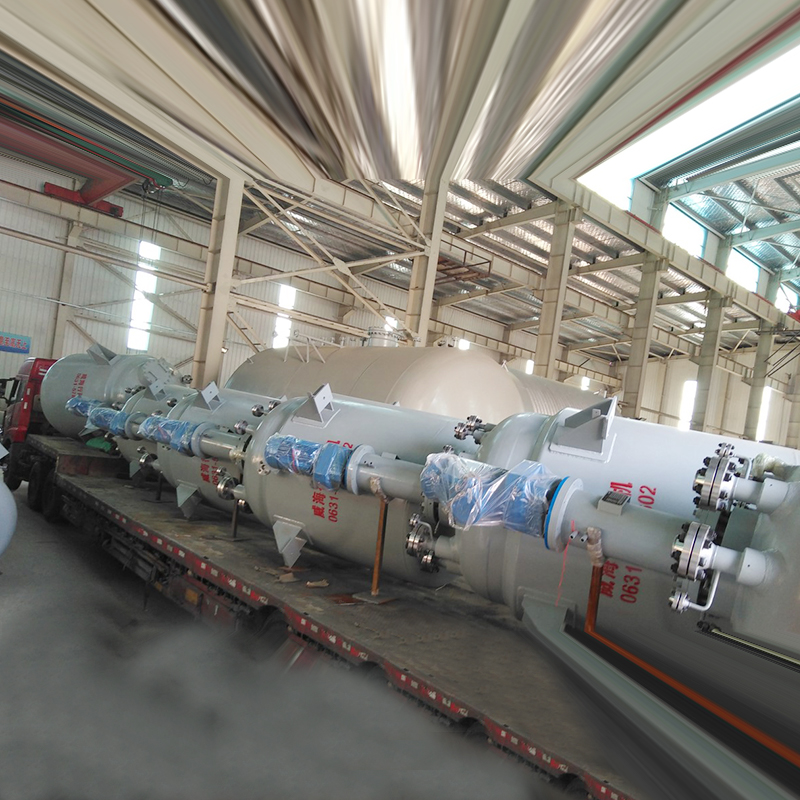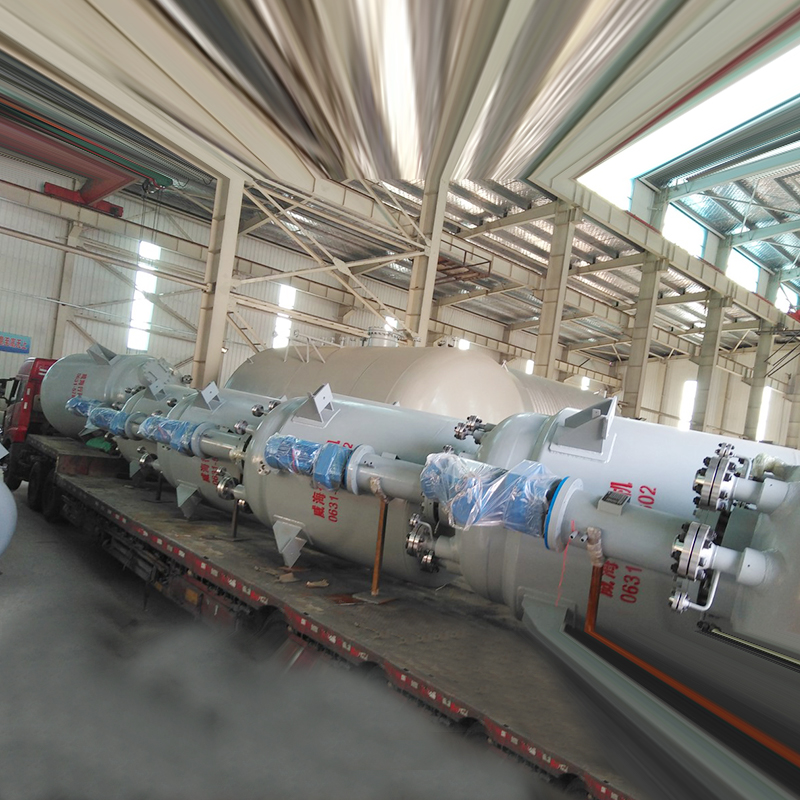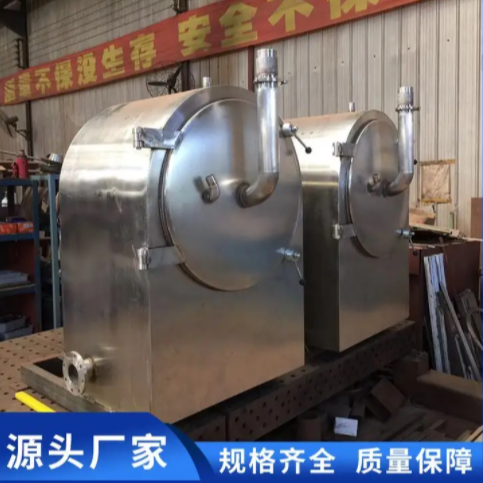


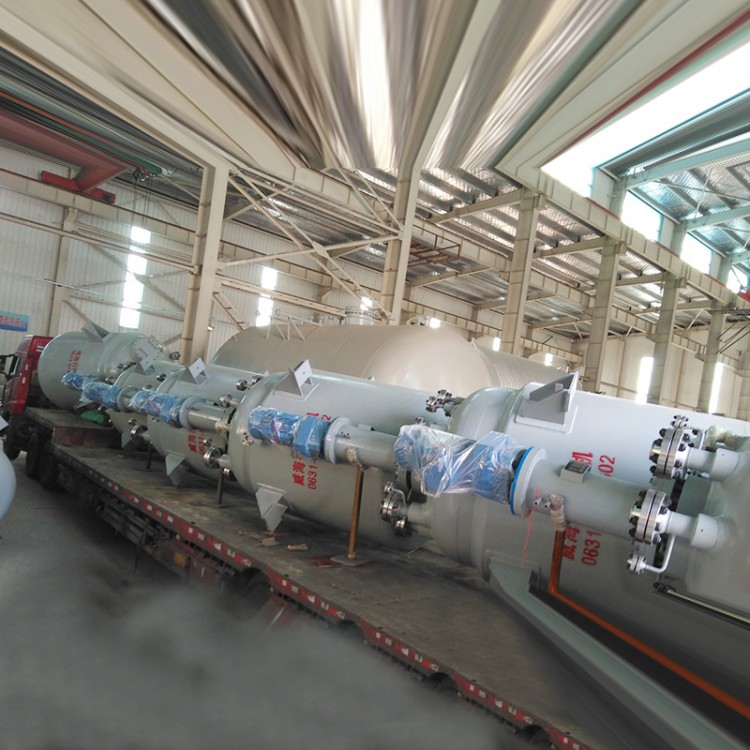
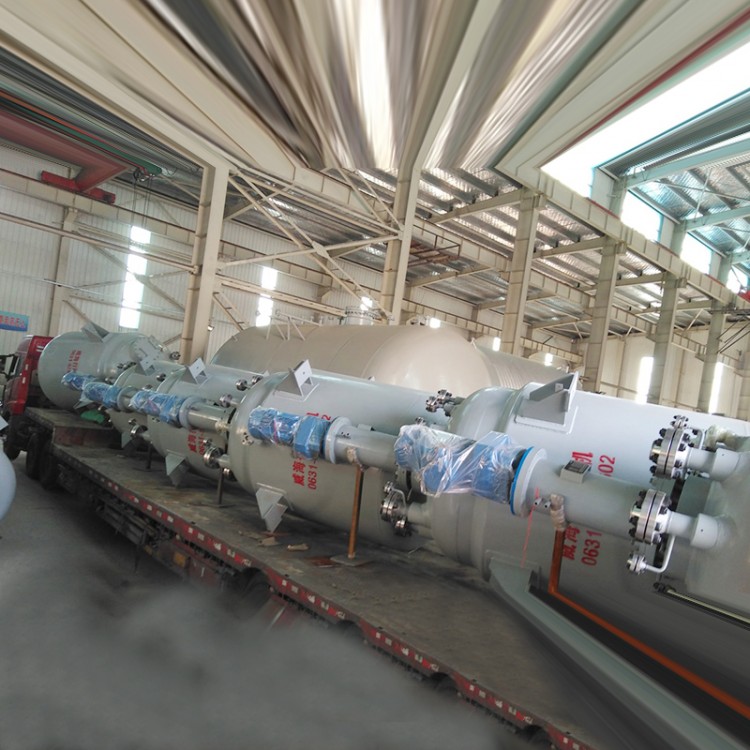
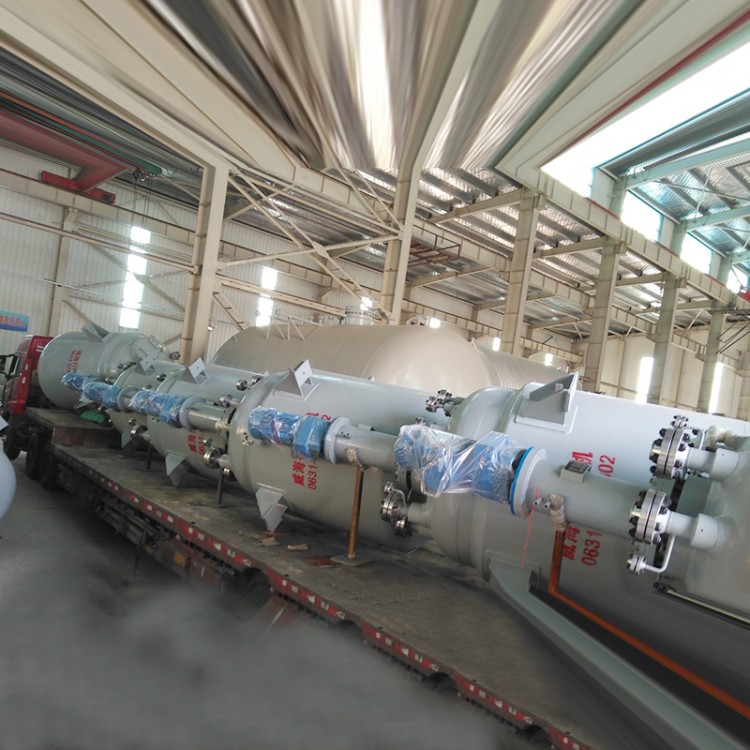


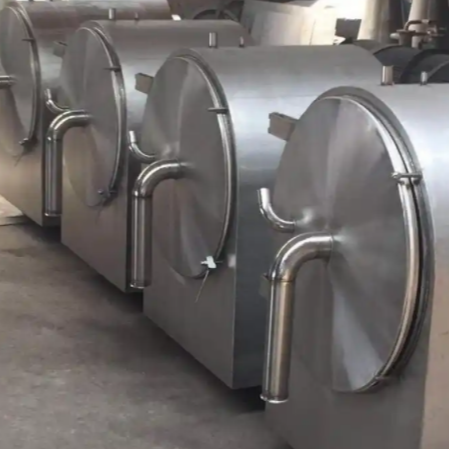
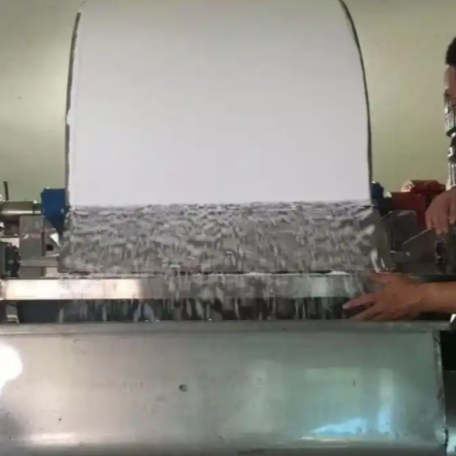
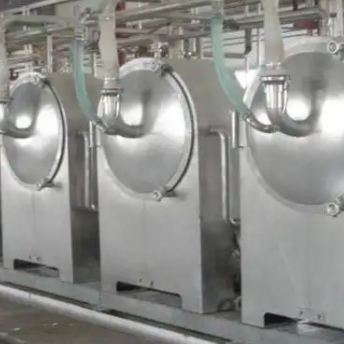
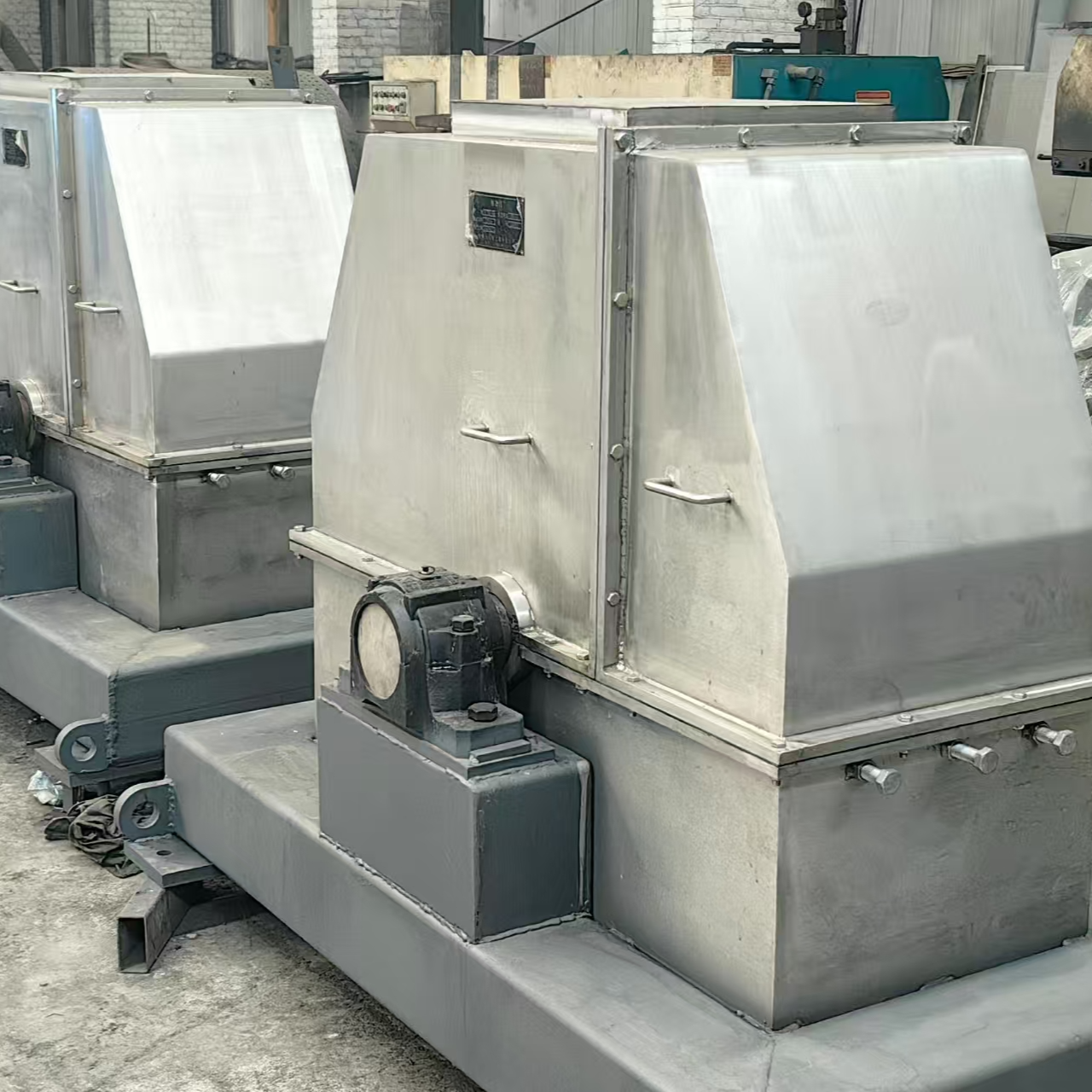
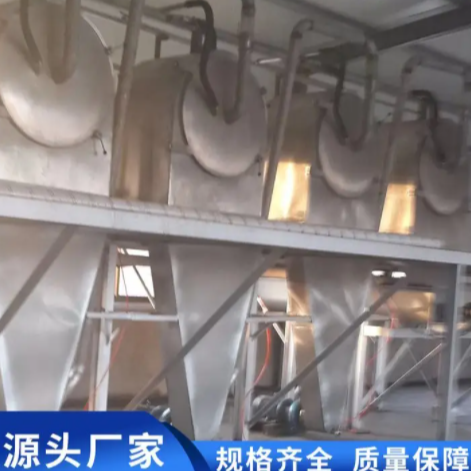





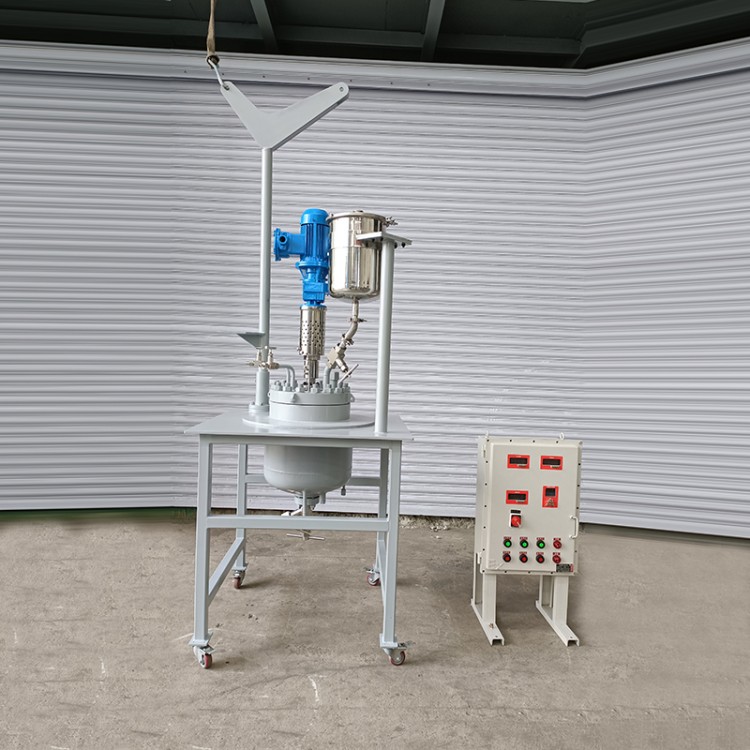
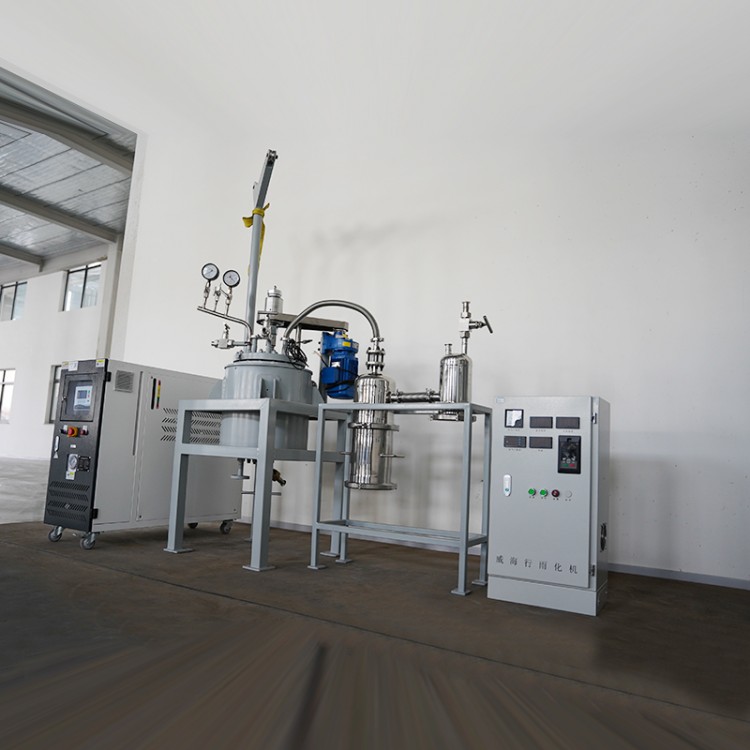
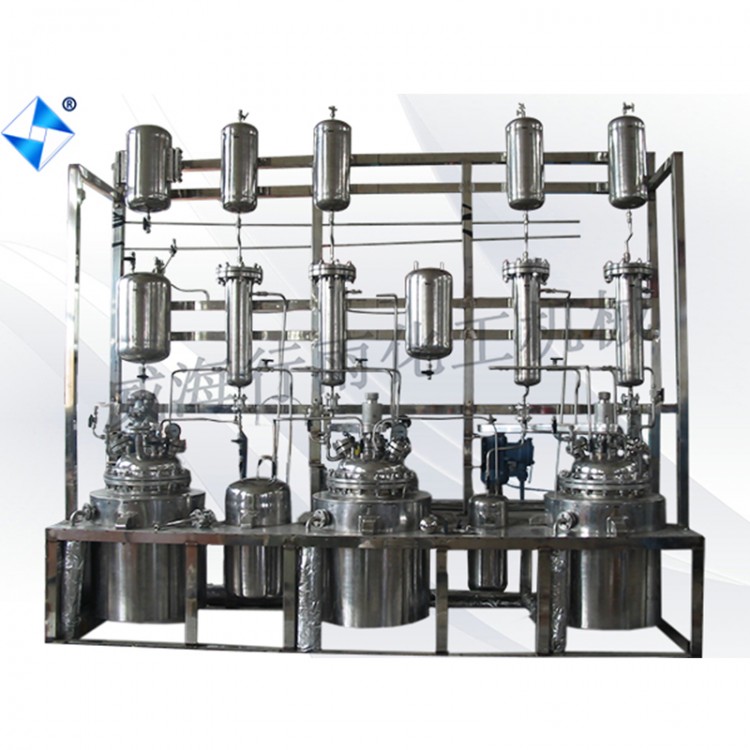
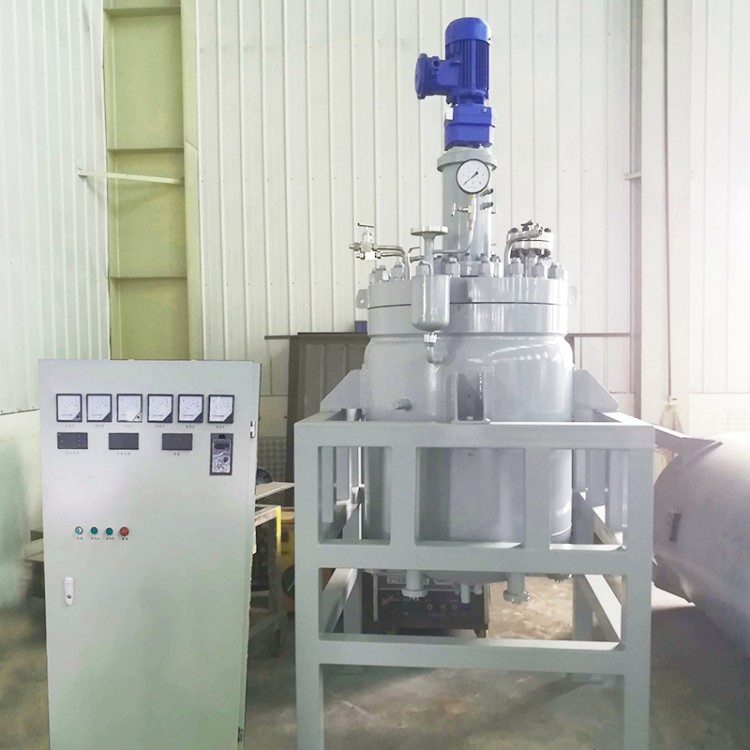
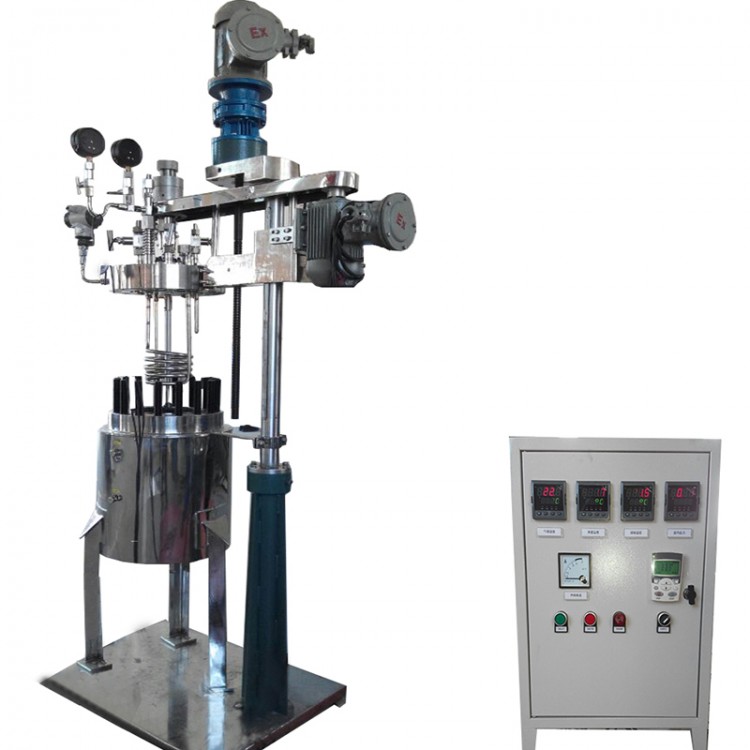
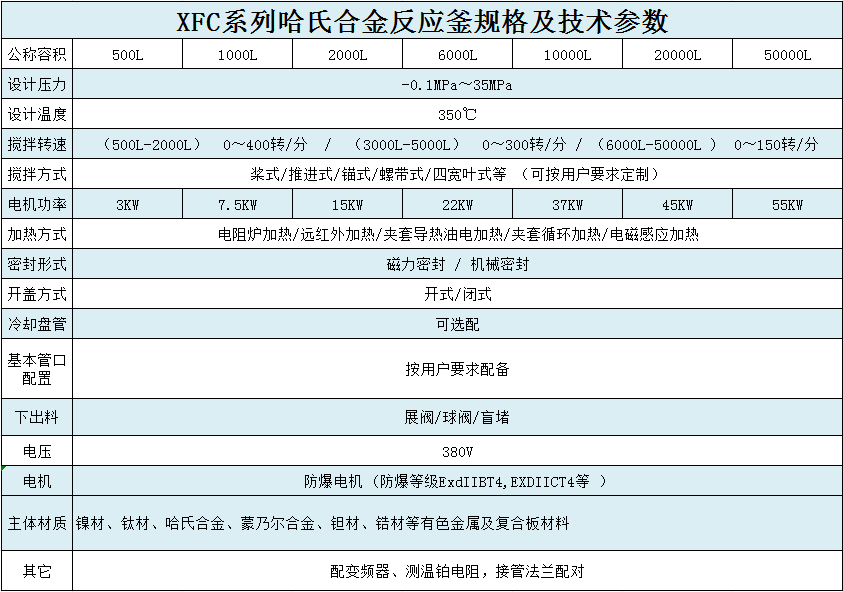
Hastelloy reactors are suitable for various chemical industries involving oxidizing and reducing media. The higher molybdenum and chromium content makes the alloy resistant to chloride ion corrosion, while the tungsten element further enhances its corrosion resistance. Additionally, the C-276 Hastelloy tube is one of the few materials that withstand corrosion from moist hypochlorite and chlorine dioxide solutions, exhibiting significant resistance to high-concentration chloride salt solutions such as copper chloride.
Hastelloy exhibits exceptional mechanical properties, characterized by high strength and ductility, which makes it somewhat challenging to machine. Additionally, it has a strong strain-hardening tendency; at a deformation rate of 15%, it is approximately twice as much as 18-8 stainless steel. Hastelloy also features a medium-temperature sensitization zone, with its sensitization tendency increasing with the deformation rate. At higher temperatures, Hastelloy is prone to absorbing harmful elements, which can degrade its mechanical and corrosion-resistant properties.