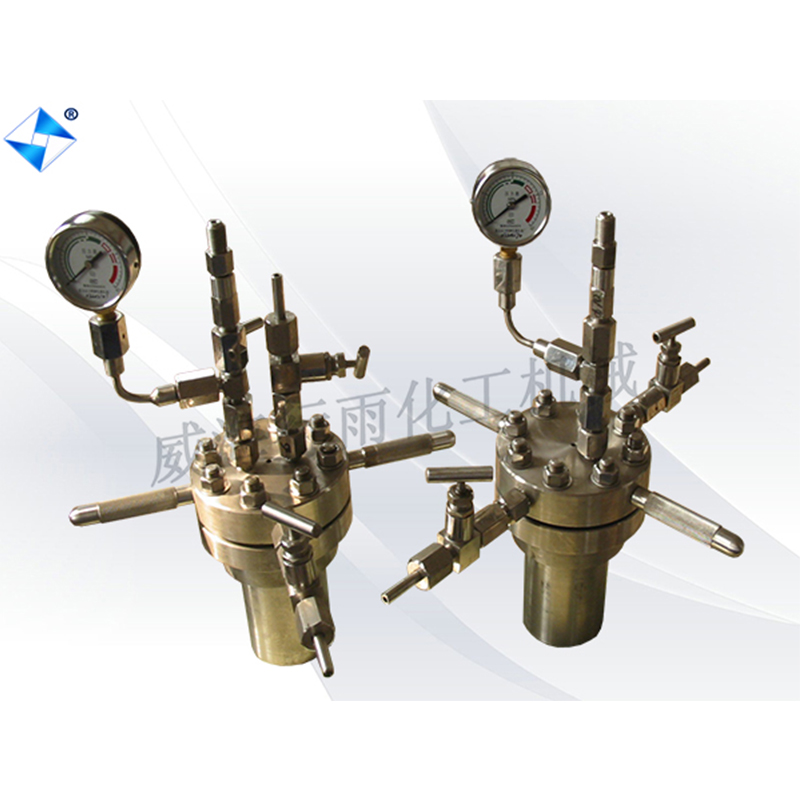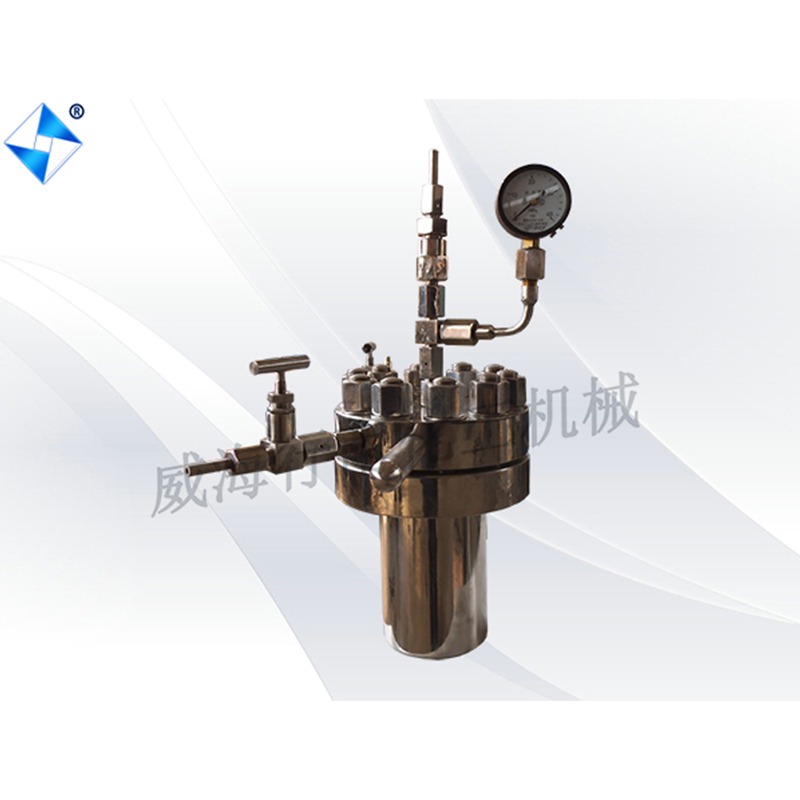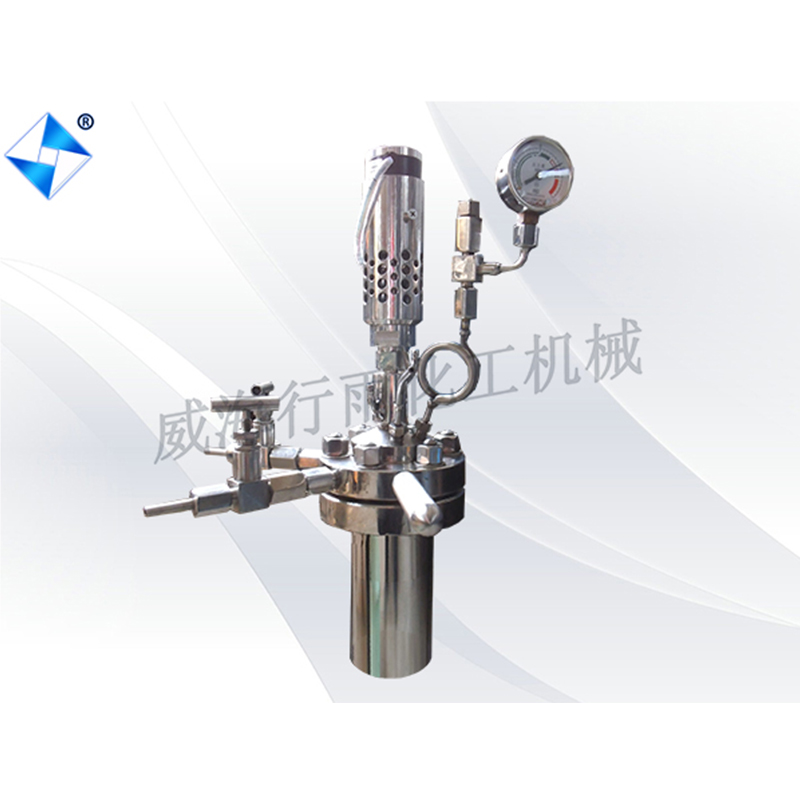

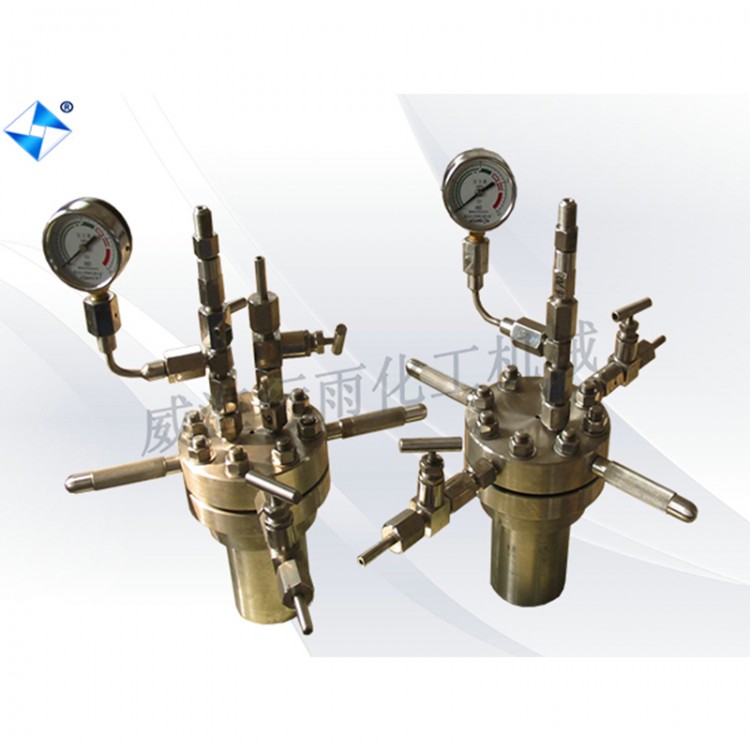

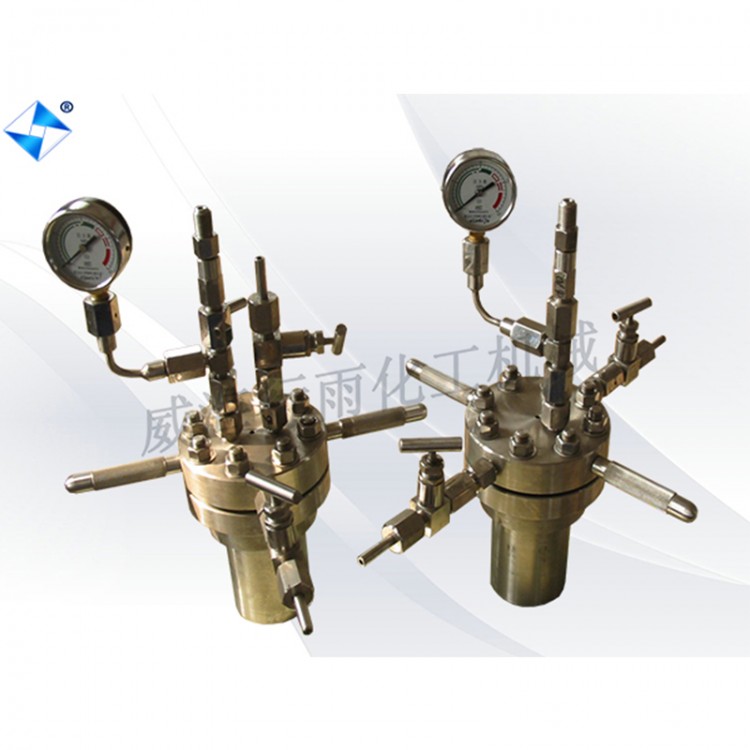
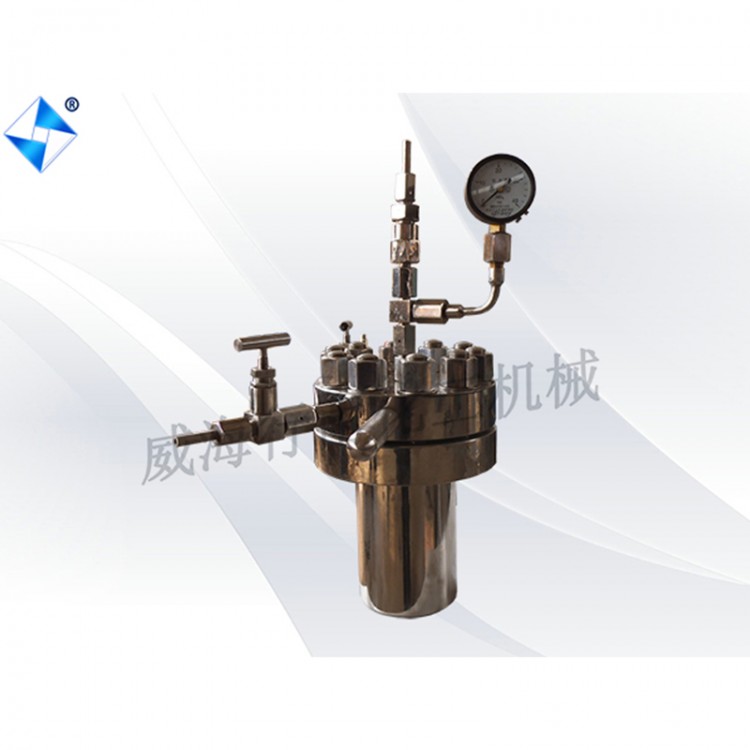
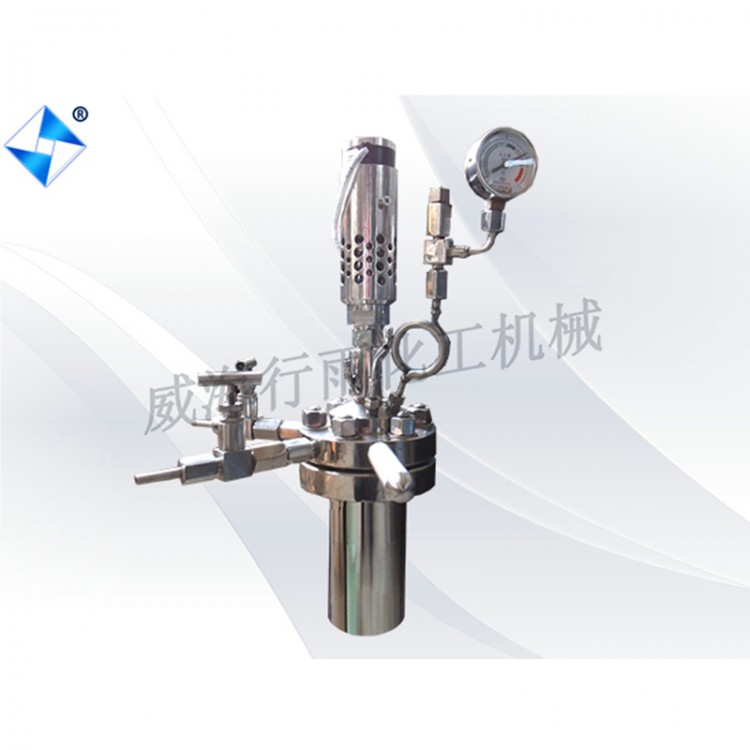


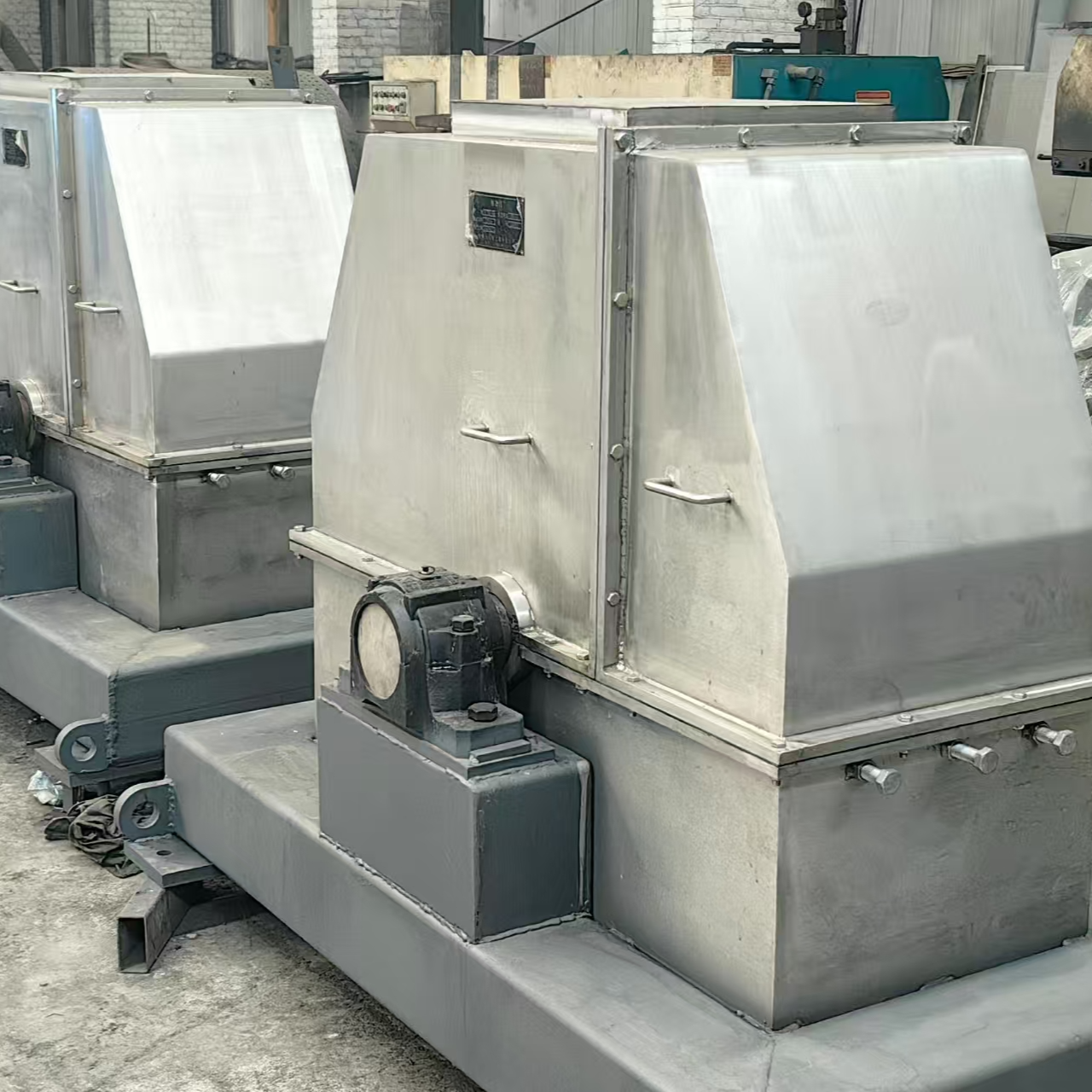





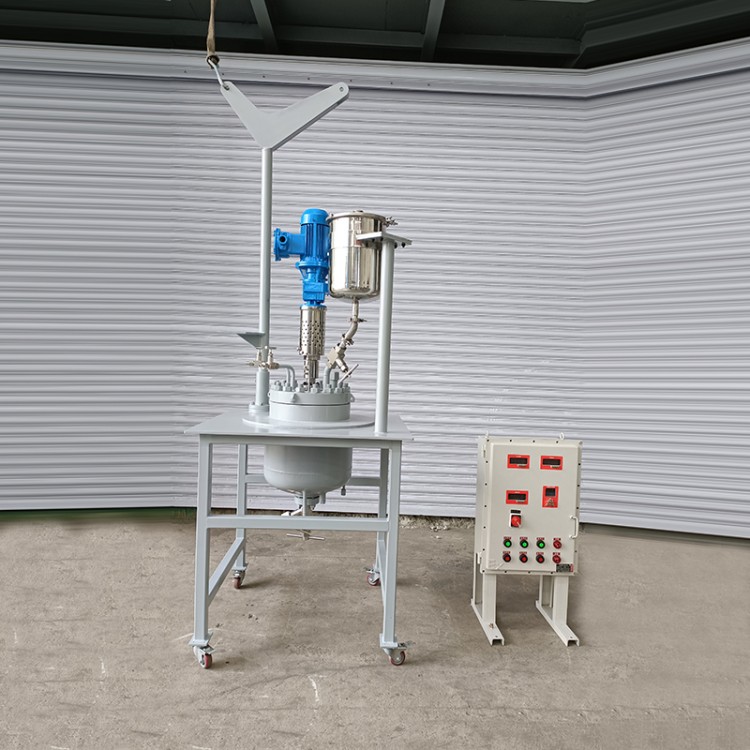
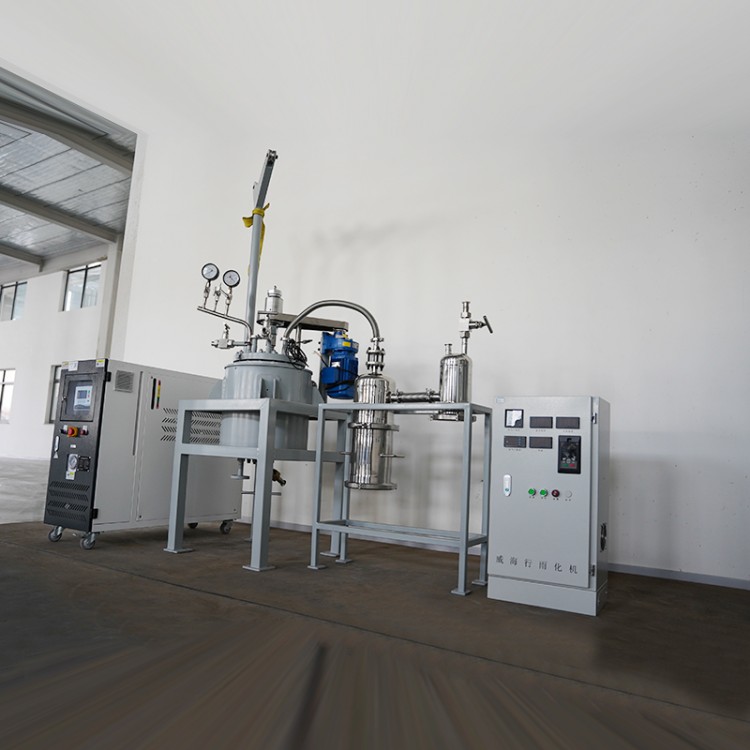
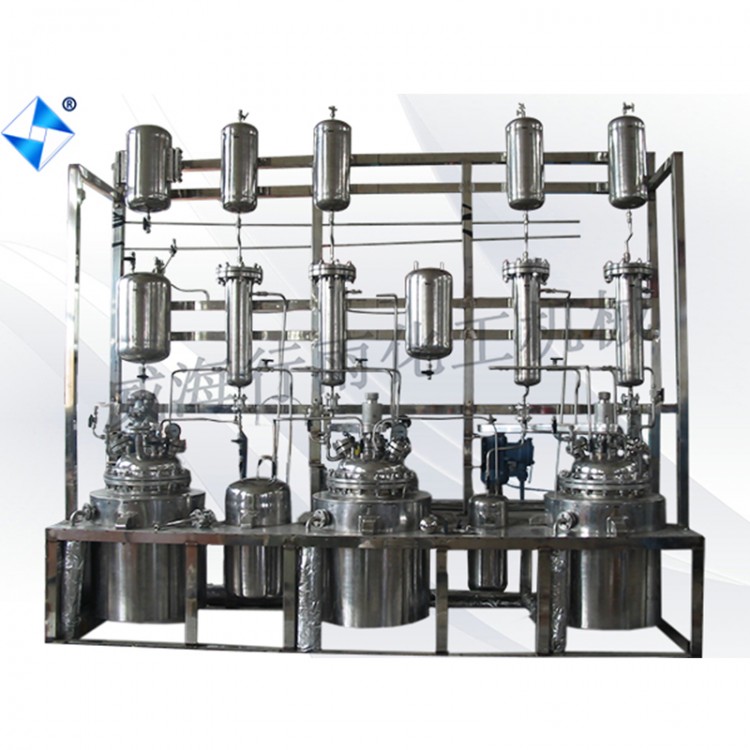
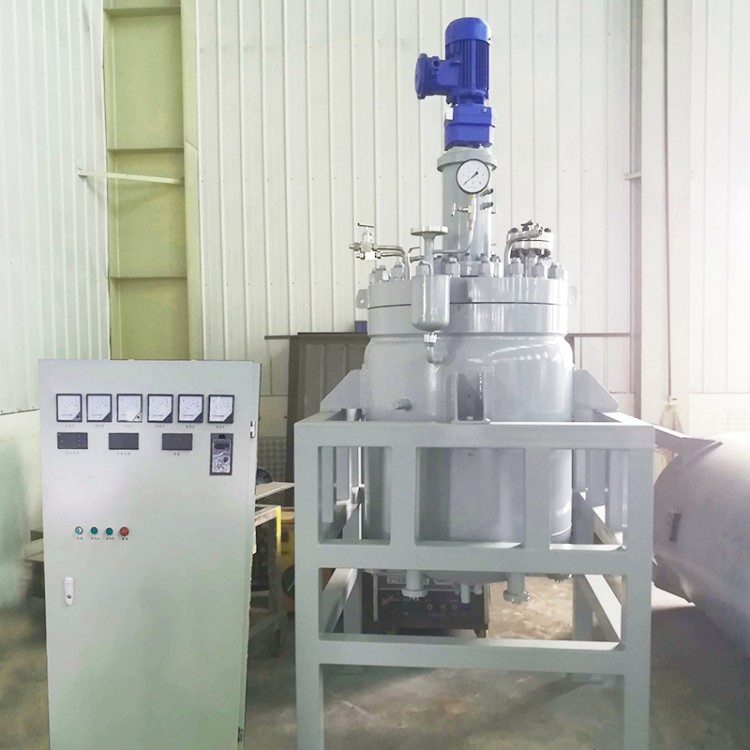
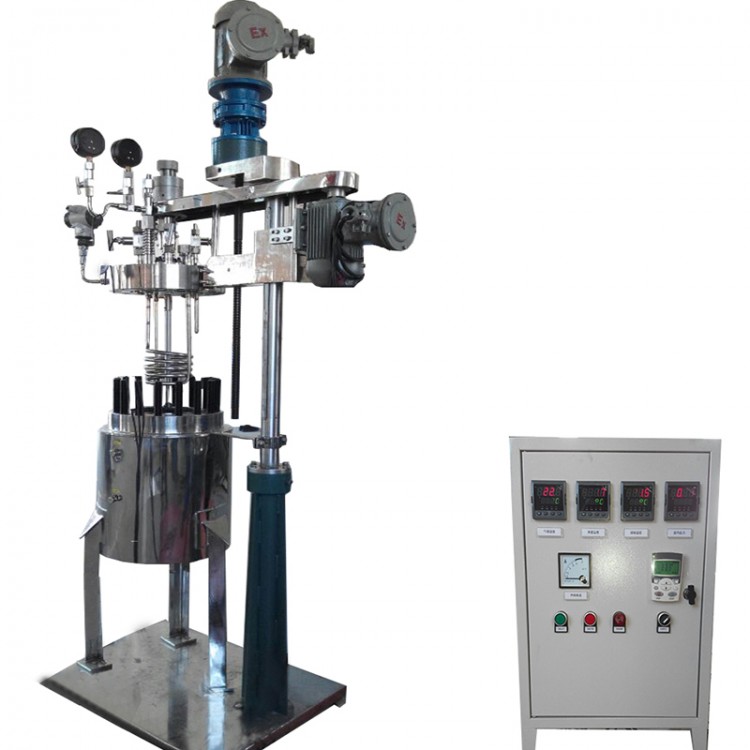
Autoclaves, also known as polymerization reactors, digestion vessels, high-pressure digestion vessels, reaction vessels, pressure bombs, hydrothermal synthesis reactors, digestion pots, hydrothermal synthesis autoclaves, and laboratory reaction vessels. They can be manually tightened with a spiral. The maximum applicable temperature is 180 ℃; the highest temperature can reach 230 ℃. A hydrothermal synthesis reactor is a sealed container capable of decomposing insoluble substances. It can be used for sample pretreatment in atomic absorption spectroscopy and plasma emission analysis; it can also be used for synthesis reactions in small quantities; and it can rapidly digest insoluble substances by utilizing the strong acid or alkali, high temperature, and high-pressure environment inside the vessel. It serves as a useful assistant in sample pretreatment for determining trace elements and trace metals. It can be applied in the determination of heavy metals such as lead, copper, cadmium, zinc, calcium, manganese, iron, and mercury. It can also serve as a high-temperature, high-pressure, corrosion-resistant, high-purity reaction vessel for organic synthesis, hydrothermal synthesis, crystal growth, and sample digestion and extraction. It is used in the pretreatment of heavy metals, agricultural residues, food, sediment, rare earth elements, aquatic products, and organic matter. Therefore, it is widely used in research and production in departments such as petrochemicals, materials science, geochemistry, environmental science, food science, and commodity inspection.
WeChat Official Account

Scan to follow Official Account