








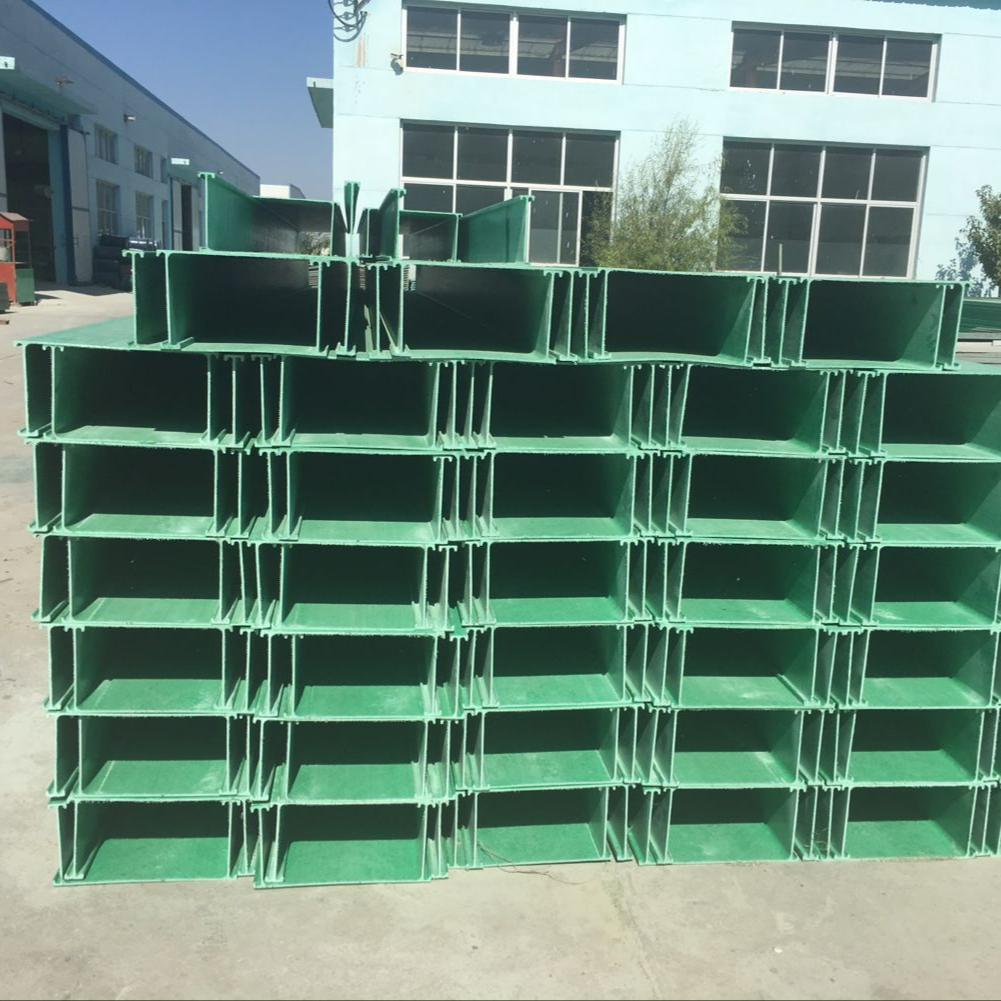
Composite epoxy resin bridgeway main technical requirements
1. Bridge Rail Material: Metal framework formed from cold-rolled steel sheets, externally combined with composite epoxy resin. Thickness requirements: For bridge rails with width ≤ 300, product thickness ≥ 3.5mm; for bridge rails with width > 600, product thickness ≥ 4.5mm.
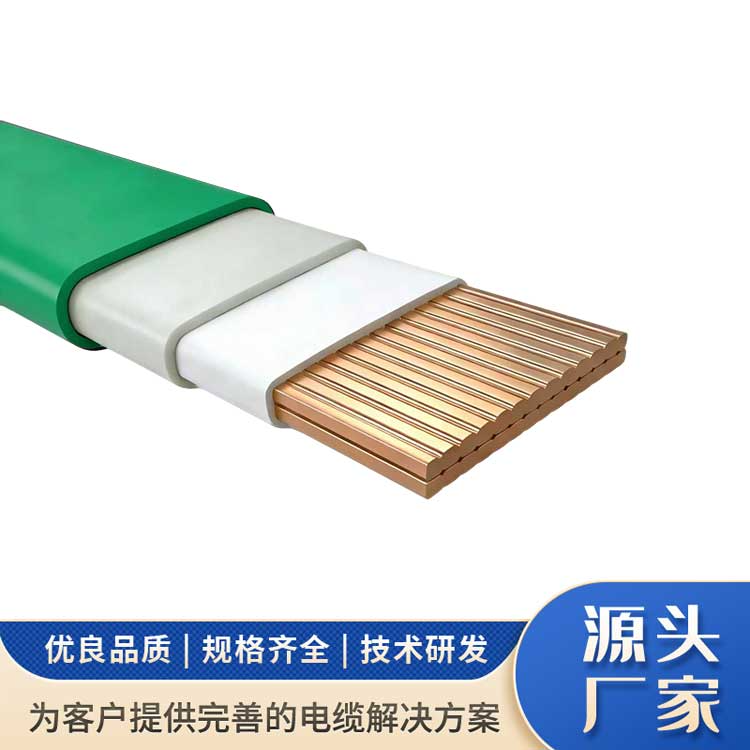
2. The composite epoxy resin bridge structure is a multi-level layered design, consisting of a metal framework layer, bonding layer, protective layer, and the main corrosion and fire-resistant layer.
3. Bridge accessory components such as junction plates must be made of inner steel plate material to ensure consistent bridge strength and overall system stability and robustness.
4. The inner lining steel plate cross-section matches the bridge section.
5. The inner steel plate material of the bridge should meet Class 3 steel as specified in GB700 standard, and comply with the relevant provisions of GB716 and GB912 standards. The metal surface must undergo special treatment (shot blasting and grit blasting) to increase the contact area between the metal substrate and the anti-corrosion material, enhancing adhesion.
6. Incorporate a soft bonding layer between the corrosion-resistant layer and the metallic substrate to prevent delamination due to different thermal expansion coefficients between the metallic frame and the main corrosion-resistant layer, ensuring no delamination with the main layer for 30 years of use.
7. The composite epoxy resin bridge架's main anticorrosion layer is protected by a dense, damage-resistant layer with UV reflection properties, featuring a smooth and aesthetically pleasing surface to enhance the cable bridge's resistance to aging and extend its service life.
8. The glass fiber mat used for the inner lining of the bridge beam reinforcement is wrapped with at least 2 layers on one side, and is made of a three-free (alkali-free, wax-free, untwisted) non-woven fabric.
9. Any end face, connection surface, and connection holes of the bridge rail are equipped with measures to prevent strong corrosion and external forces.
10. Composite epoxy resin bridge support accessories, such as expansion strips, width adjustment strips, and height adjustment strips, are all made of composite epoxy resin material with an inner steel frame, meeting the support strength requirements. The connecting bolts are made of stainless steel, with a load-bearing capacity of 120kg/m, enhancing corrosion resistance.
11. The safety factor for cable tray load design should not be less than 1.5 (for yield point). The relative deflection of the bracket when subjected to the rated uniformly distributed load should not exceed 1/200. The rated uniformly distributed load is 200kg/m for brackets with a width ≤800mm, and 250kg/m for brackets >800mm (excluding outdoor snow and wind loads).
12. Cable tray installation types include single or double-sided suspended架空 mounting, as well as single or double-sided ground mounting.
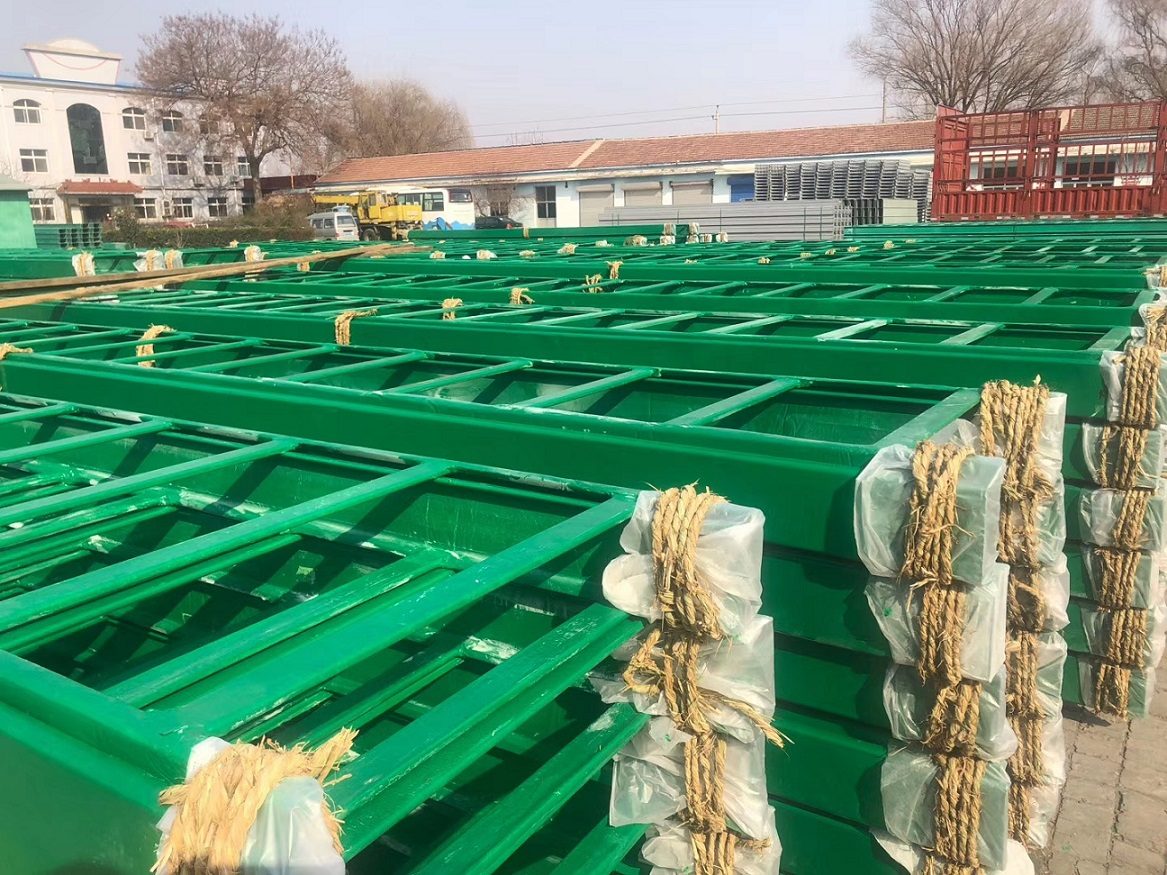
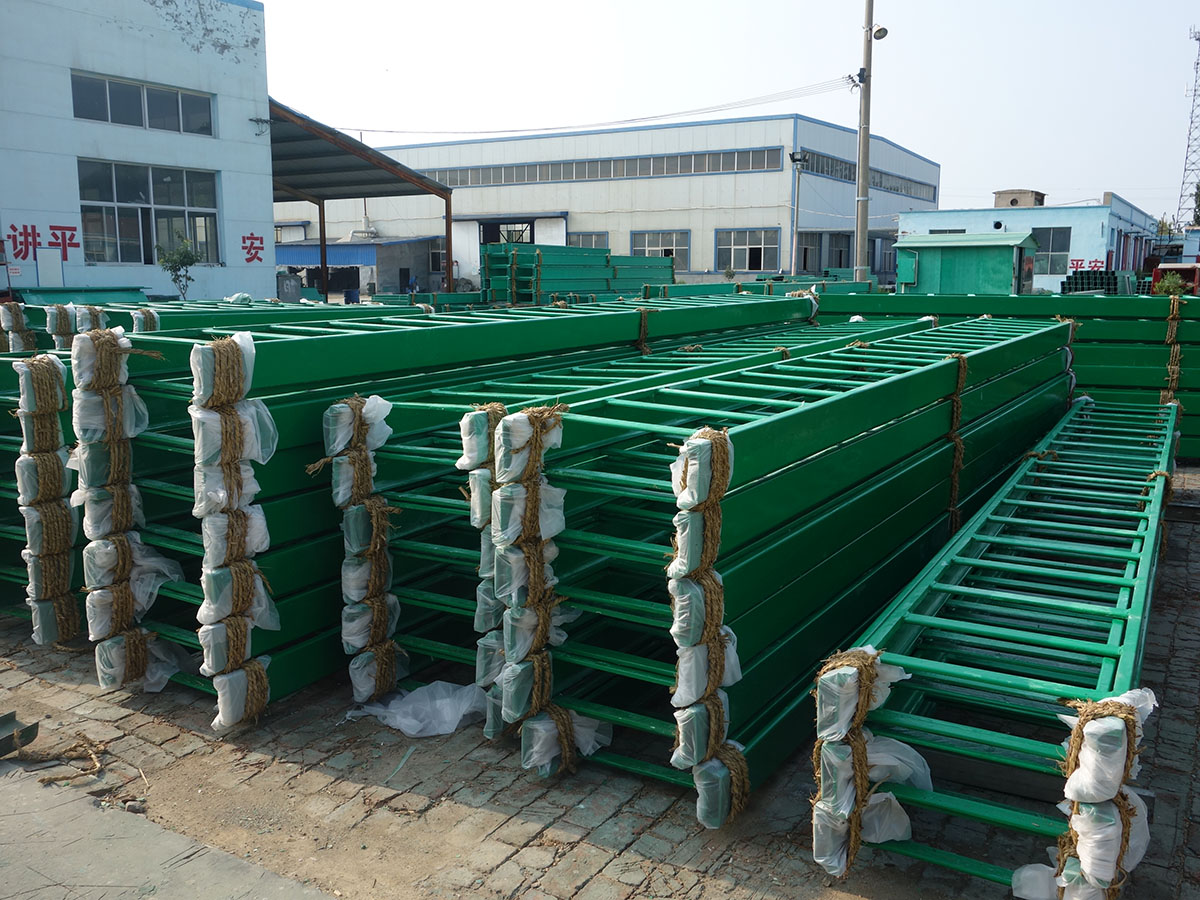
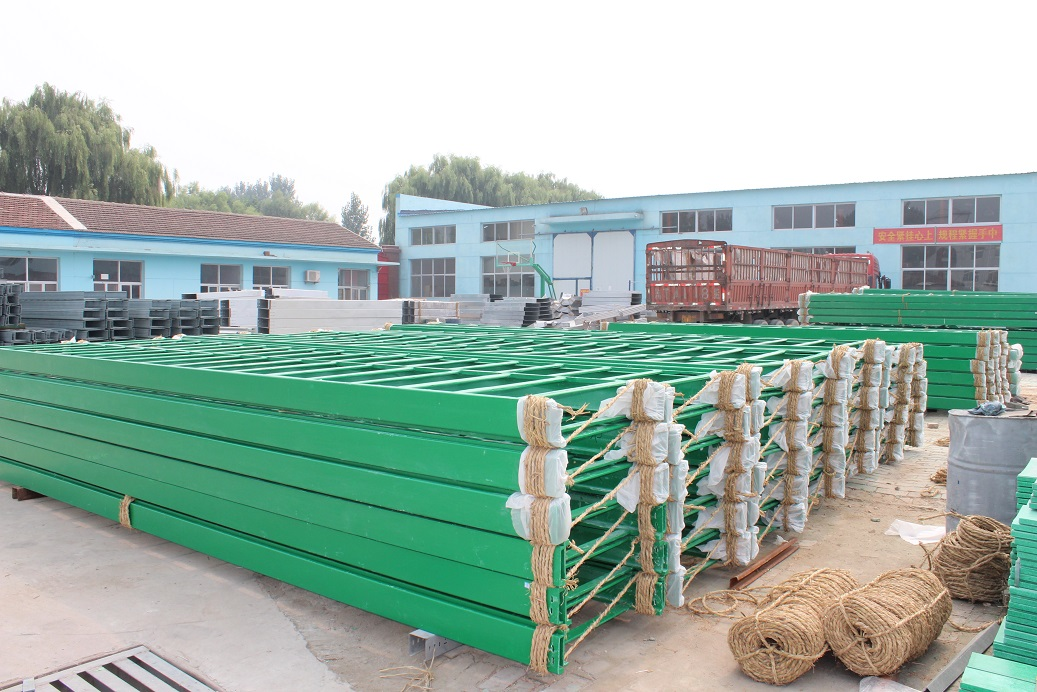
13. The ladder-type bridge tray features a stepped structure with a bottom plate to enhance the tray's strength and stability. The connection between the bottom plate and the ladders should be secured with stainless steel rivets to increase the rivet strength.
14. The center distance of the step horizontal orange is not more than 350mm, while reducing the bridge's self-weight as much as possible, enhancing its strength to ensure it meets the requirements for long spans.
15. In the composite epoxy resin formulations, lightweight micronized aluminum hydroxide is used as the filler to reduce the bridge's weight, facilitating installation and maintenance. Additionally, the micronized lightweight aluminum hydroxide is a high-quality flame retardant material, which can significantly enhance the bridge's flame retardant properties.
16. All connections and fasteners on the composite epoxy resin bridge supports must be made of stainless steel.
17. The maximum deviation range for bridge girder length: ±2mm for a length of 2000mm, ±3mm for a length of 4000mm.
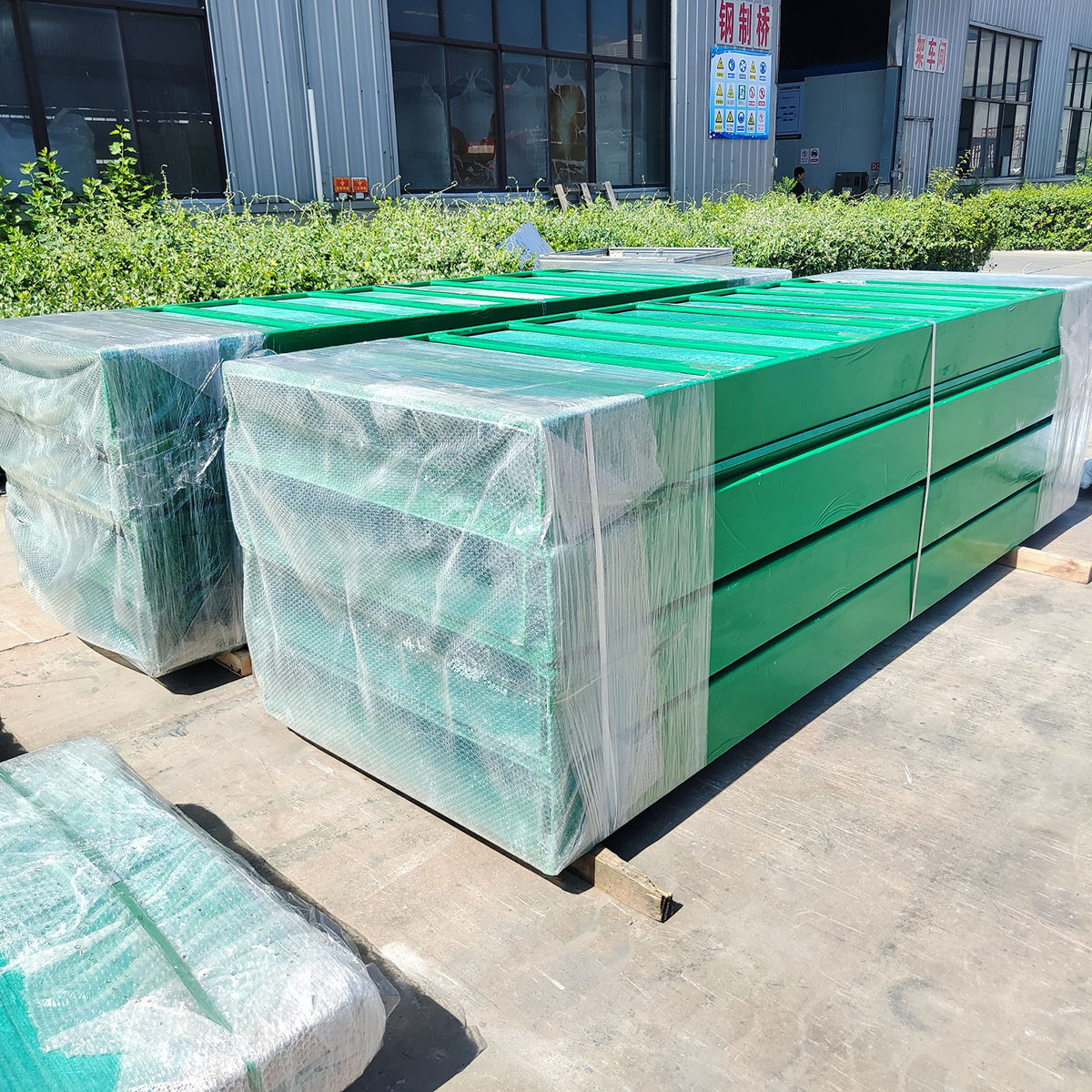
18. The bridge cover is made of fiberglass and secured with cable ties for easy installation.
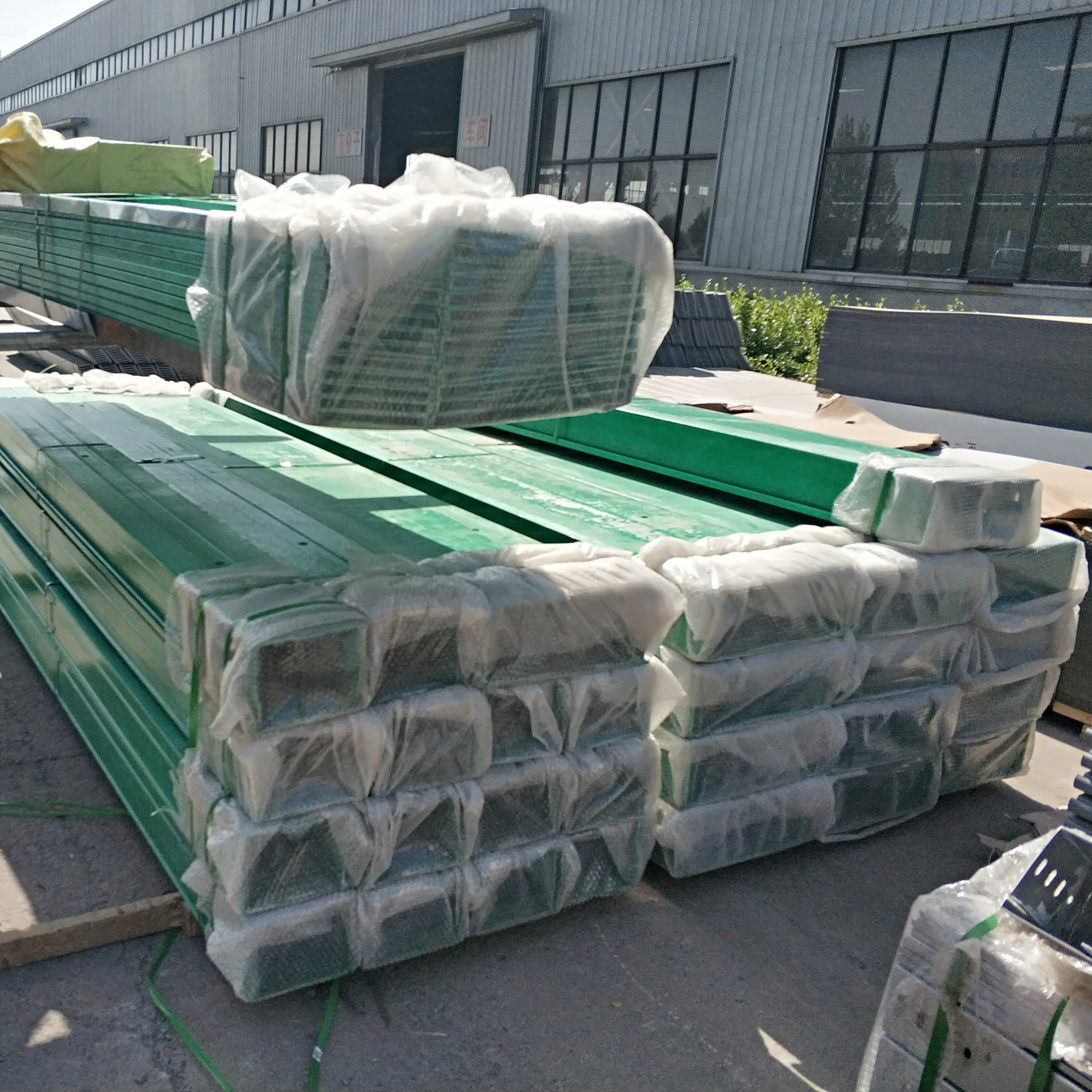
19. The bridge channel color is apple green, and the surface treatment and coating quality should comply with the following specifications:
(1) After bridge架processing, the cross-sectional shape should be upright, free of distortion, bending, cracks, burrs, and other defects; (2) The routing grooves of the composite epoxy resin bridge架 should be smooth, flat, and free of protrusions and sharp angles that could damage the cable insulation; 22. For bridge架heights of 50mm and 100mm, there are 4 connection holes on each end, and for heights of 150mm and 200mm, there are 8 connection holes on each end.