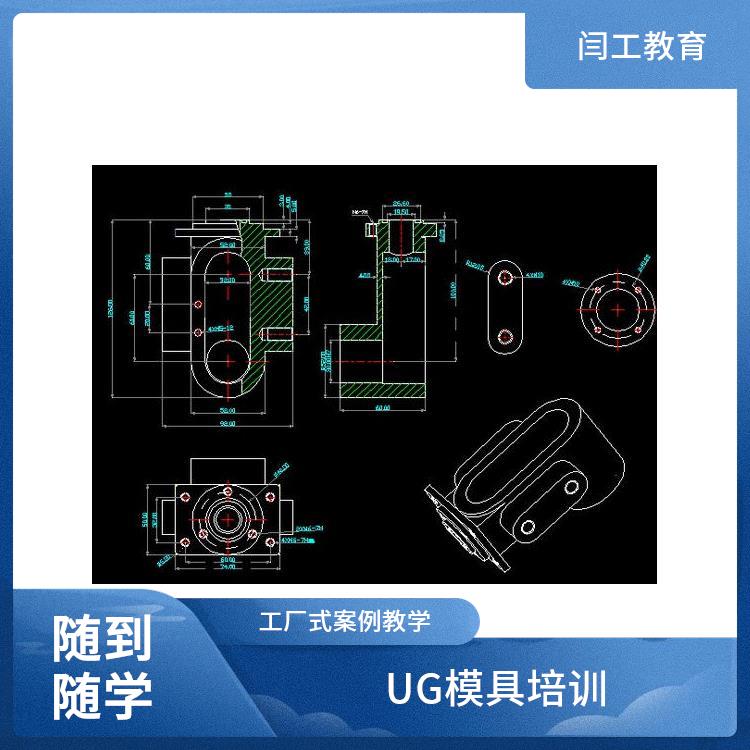







Course Content: Designed for individuals with no prior experience, including those involved in mechanical mold work, college and vocational graduates, and professionals who require mechanical drafting skills. The course covers drawing rules, tolerance and fit, mechanical terminology, symbols on mechanical drawings, engineering drawing annotations, 30 classic mechanical drawing cases, common measuring tool usage, and drawing 3D models based on physical objects, etc.
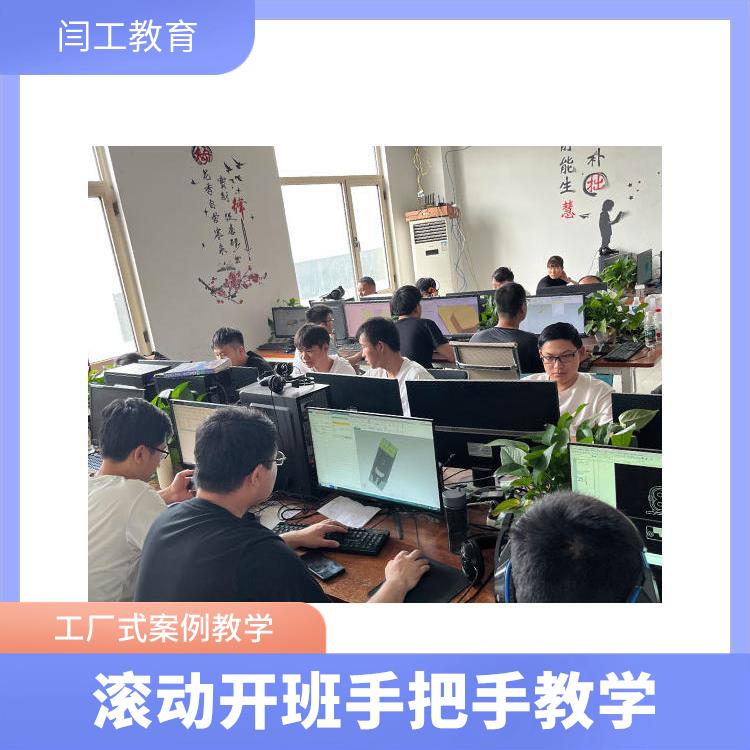
How to choose a UG programming training institution? You should consider the institution's teaching curriculum. A reliable UG learning training institution will design a reasonable and detailed study plan, starting from the basics of UG software and gradually delving deeper. Moreover, most institutions will include a wealth of practical cases to help students apply what they've learned. Also, think about the institution's service quality. Reliable institutions often prioritize the student experience and offer comprehensive after-sales service to ensure students can smoothly resolve any issues they encounter during their studies.
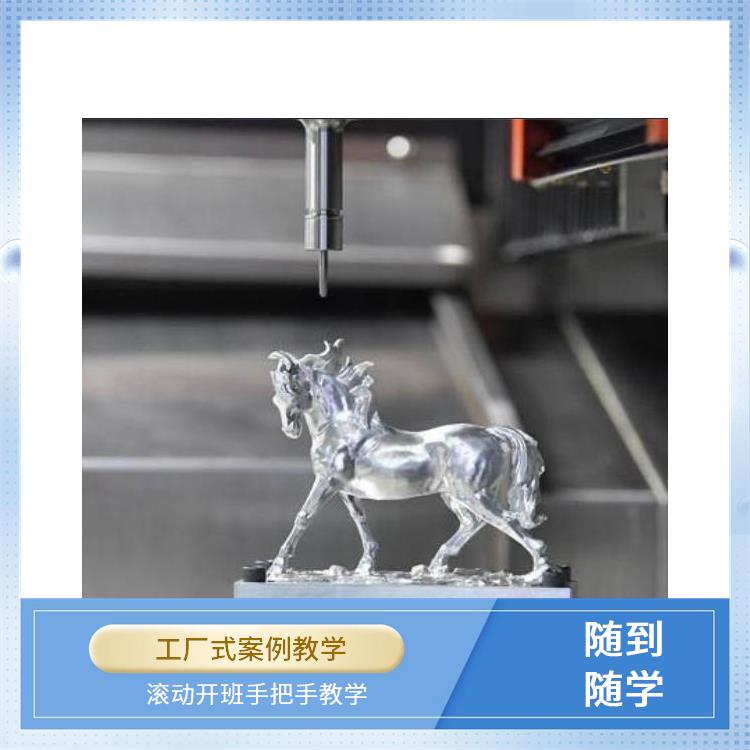
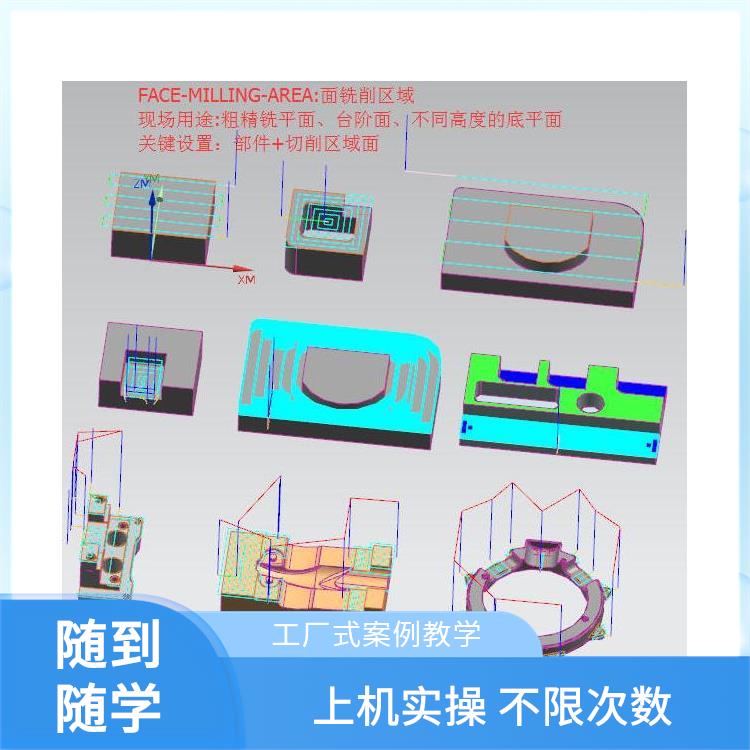
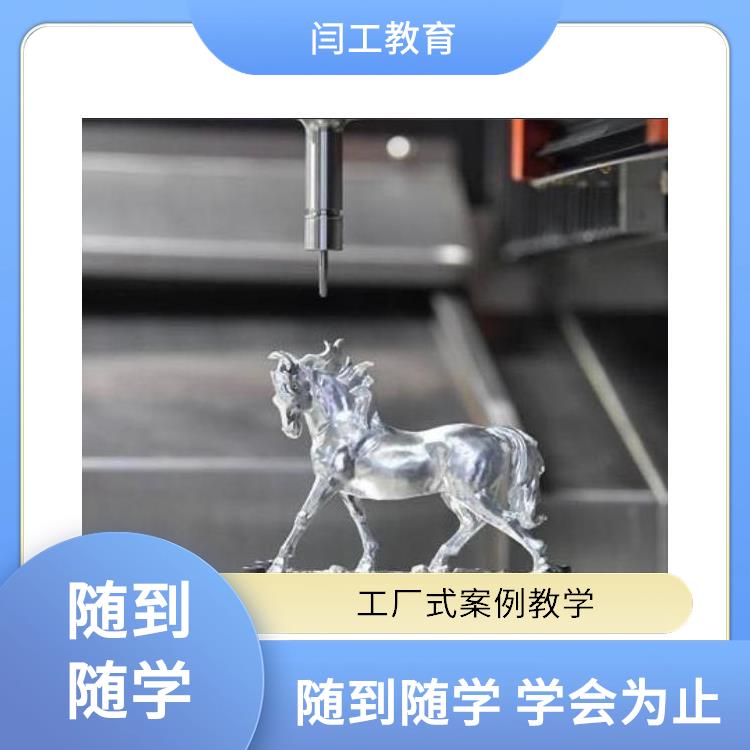
UG Programming Training Course Content: Introduction to 4-5-axis common curves, surfaces, and solids;讲解curve-driven, streamline-driven, and surface-driven curve strategies; non-cutting parameter explanation; tool axis control; multi-axis roughing and rotary bottom surface roughing; general motion and sequential milling, as well as multi-axis deburring; case study on enclosed impeller; impeller module and pipeline module explanation; 3+1 and 3+2 axis fixed-axis machining; case study on the Hercules Cup; cam case study; uneven depth groove roughing techniques; case study on the Pagoda Holding the River Demon; Helmet Goddess case; 4-axis and 5-axis one-cut technique explanation.
UG Modeling Training is a course designed to enhance skills in 3D Computer-Aided Design (CAD) and Computer-Aided Manufacturing (CAM).
UG Mold Design Course Main Training Content: An overview of parting and the preparation before parting, explanation of plastic product structure and practical case studies of classic product parting, including an introduction to plastic raw materials, mold material properties, and mold processing techniques, as well as common mold inspection tools; types and selection of mold bases, design of gating systems, ejection system design, mold temperature control system design, lateral core pull system design, and venting system design; tolerance design for mold modifications and mating parts on the mold, mold quotation and mold material ordering, mold part marking, and practical讲解 of the complete mold set.
Students will learn basic programming knowledge, such as machine recognition, speed and feed settings, and master skills in programming processing techniques and product programming fixture design.
WeChat Official Account

Scan to follow Official Account