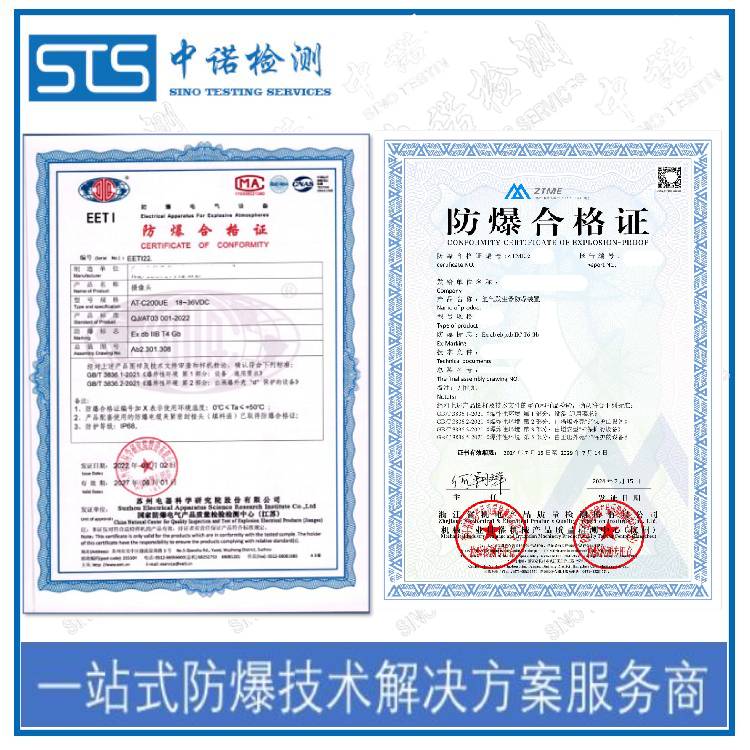











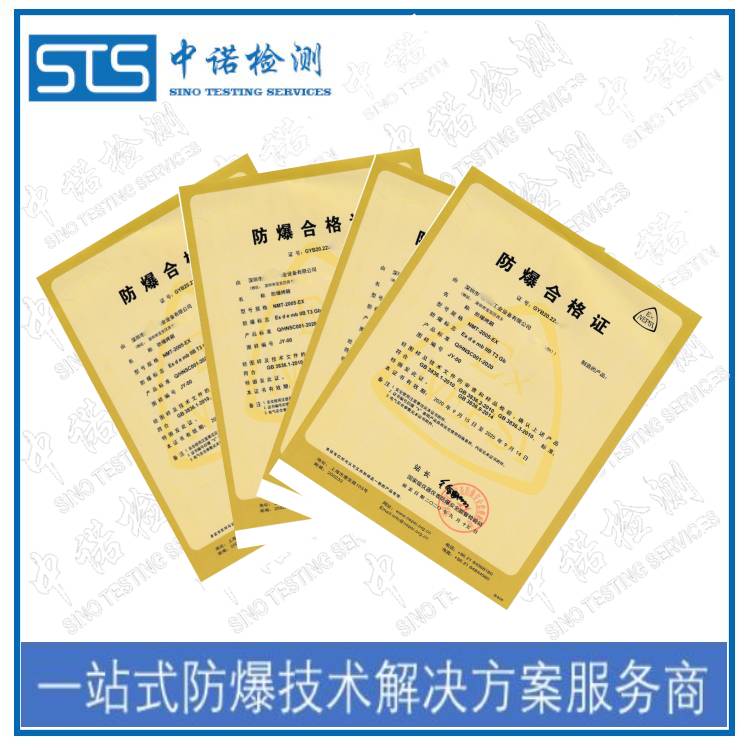
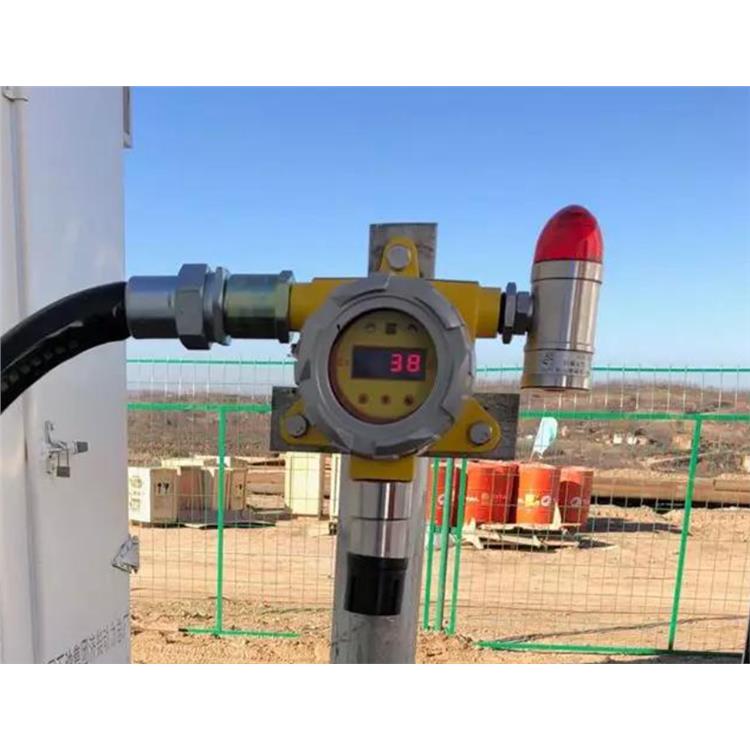
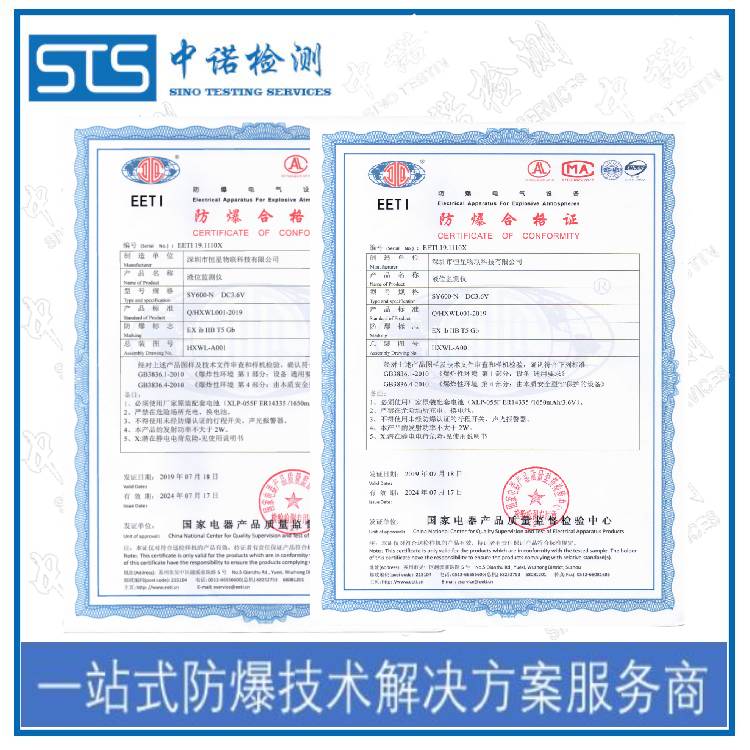
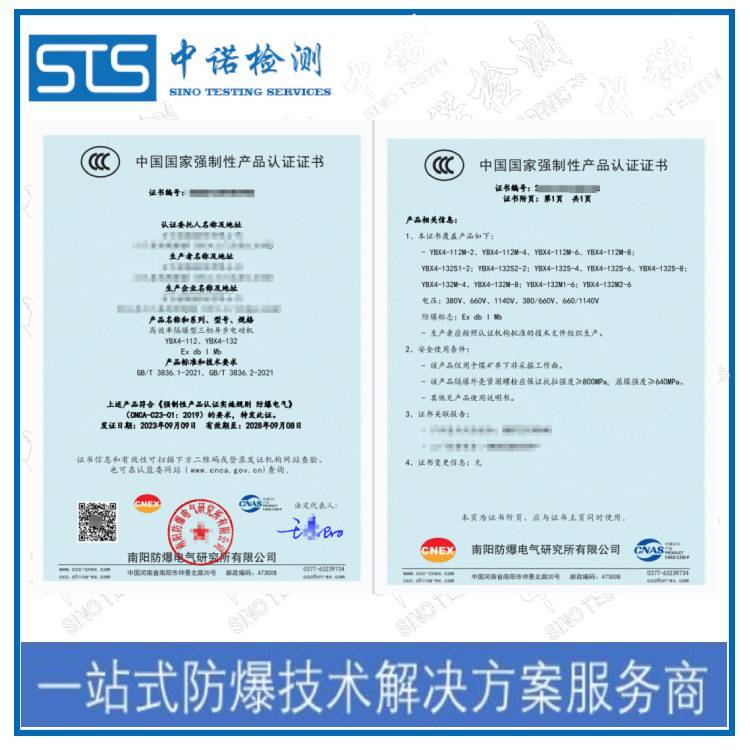
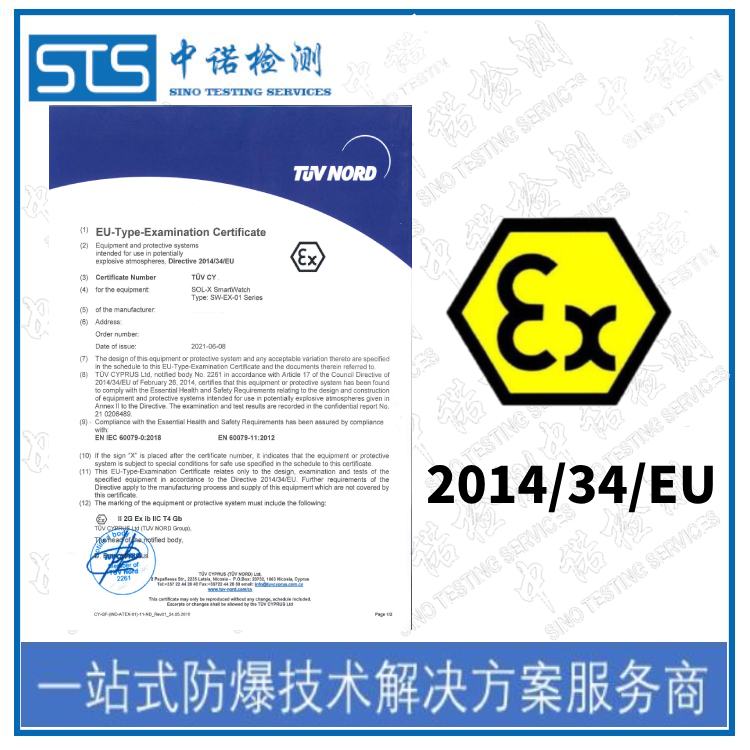
Shenzhen ZhongNuo Testing Technology Co., Ltd. is based in South China and specializes in explosion-proof certification and coal safety certification application consulting services, offering a one-stop explosion-proof technology consulting service.
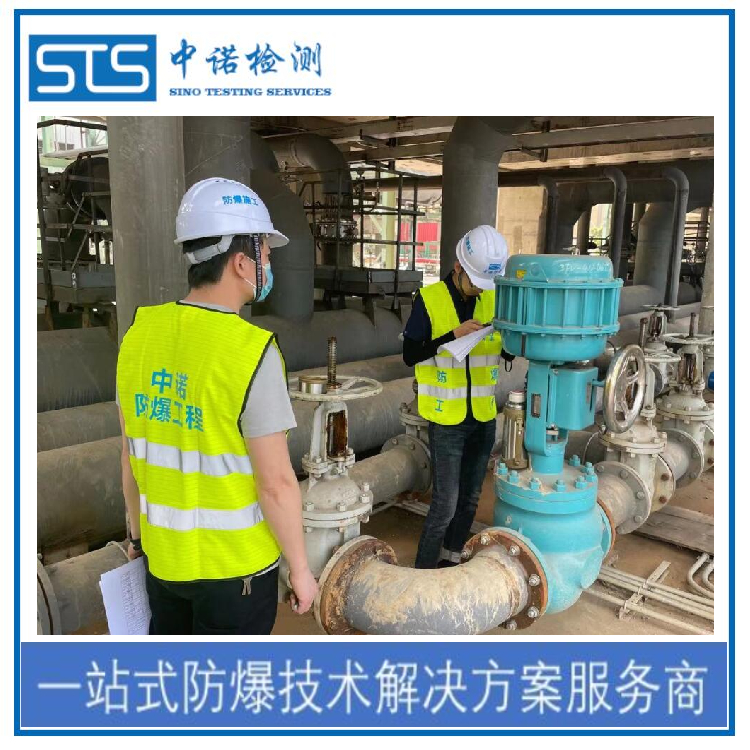
In terms of explosion-proof electrical testing institutions, Shenzhen ZhongNuo Testing Technology Co., Ltd. is a top choice. We specialize in providing on-site explosion-proof testing and改造 services for various facilities such as gas stations, oil stations, oil depots, food factories, feed mills, and chemical plants.
Our inspection services strictly adhere to relevant standards and regulations, covering aspects such as the selection, installation, wiring, static electricity, and grounding of explosion-proof equipment. Following the inspection, we will provide specific rectification suggestions if any non-compliant items are found, ensuring your equipment meets explosion-proof safety requirements.
Additionally, in accordance with the AQ3009-2007 "Electrical Safety and Explosion-proof Regulations for Hazardous Areas," explosion-proof electrical equipment in use must undergo at least one explosion-proof performance, installation, and maintenance inspection every 3 years. Our experienced testing team and industry expertise ensure we provide accurate and reliable test results and improvement recommendations.
If you have specific testing requirements or need further communication, please feel free to contact us at any time. We are committed to providing you with excellent service!
Basic Definition of Explosion-Proof Certification:
Intrinsic safety refers to the design of electrical equipment in such a way that the circuit energy is limited, ensuring that sparks or thermal effects produced during normal operation or under specified fault conditions cannot ignite the surrounding explosive environment. This type of explosion-proofing primarily focuses on limiting the energy within the circuit, thereby ensuring the intrinsic safety performance of the equipment.
Application Scope of explosion-proof certification for safety:
intrinsically safe electrical equipment is widely used in low-power and low-energy instruments, handheld terminal products, and other applications. Due to their relatively low energy output, these devices can be easily controlled within a safe range through technical means, meeting intrinsic safety requirements.
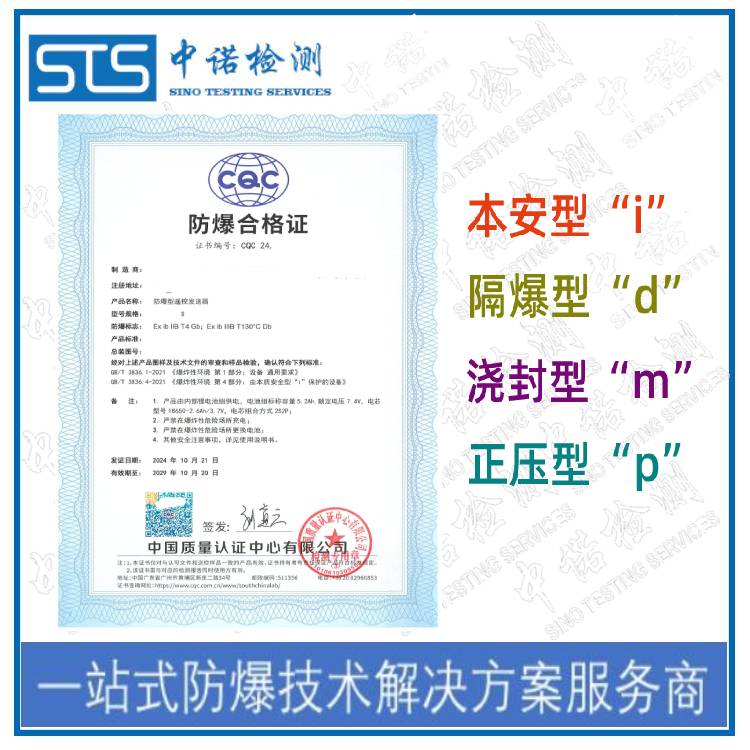
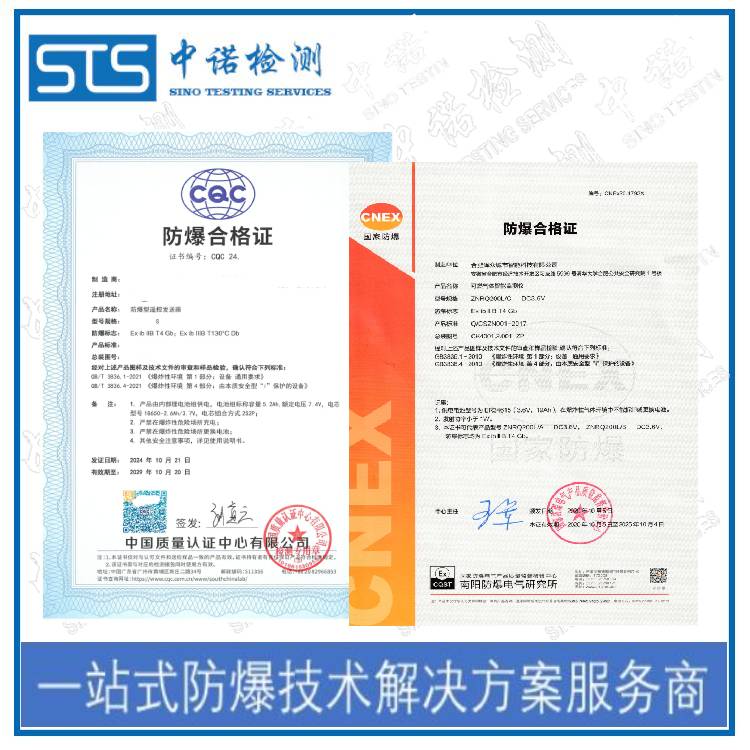
Certification Standard for Intrinsically Safe Explosion-Proof Certification
Domestic explosion-proof certification for safety in China mainly follows standards such as GB/T3836.1 and GB/T3836.4. These standards provide detailed regulations on technical requirements, testing methods, and inspection rules for intrinsically safe electrical equipment, ensuring the fundamental safety performance of the devices.
Materials required for obtaining explosion-proof certification for security:
To obtain the ATEX certification, you will need to prepare a range of documents, including but not limited to product manuals, corporate standards, electrical schematics, block diagrams, PCB layouts, assembly drawings, exploded views, battery specifications, and wireless transmission power reports. These documents will be used to assess if the equipment meets the ATEX explosion-proof requirements.
The Significance of Explosion-Proof Certification for Security:
Certified for intrinsic safety, these devices significantly reduce the risk of explosion in flammable and explosive environments, ensuring personnel and property safety. Moreover, obtaining intrinsic safety certification is a crucial entry requirement for companies to enter relevant markets, enhancing their product's market competitiveness.
If you have any special requirements for intrinsically safe electrical equipment or questions about the intrinsically safe certification, and need further assistance, please feel free to consult Shenzhen ZhongNuo Inspection Technology Co., Ltd.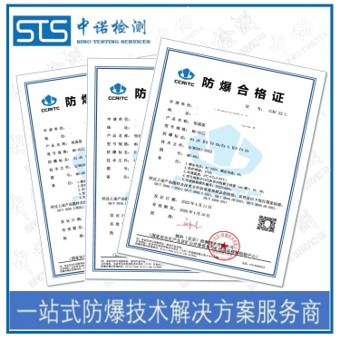
Explosion-proof and intrinsic safety are two different types of explosion protection, with the main distinctions as follows:
Explosion-proof Principle:
Explosion-proofing typically involves using a robust explosion-proof housing with sufficient thickness and strength. Even if an explosion occurs inside the equipment, the flame will be extinguished due to factors like the width, gap, and roughness of the housing's mating surfaces, preventing ignition of the external hazardous environment. On the other hand, the explosion-proof housing also possesses anti-explosion properties, even if an explosion occurs in the surrounding hazardous area. In summary, the explosion-proof housing is both explosion-resistant and anti-explosion, though the equipment may be somewhat bulky.
intrinsic safety, which refers to the inherent safety of equipment achieved through limiting circuit energy, etc. Intrinsic safety products have higher requirements for the circuit and working power of equipment, and are generally suitable for handheld devices, low-power products, etc.
Application Scenarios
Explosion-proof types are typically used for larger or heavier electrical equipment due to the requirements for shell strength and thickness, as these devices need enhanced safety performance when operating in explosive environments.
The intrinsically safe explosion-proof type is more suitable for applications where there are restrictions on equipment size, weight, and power, such as handheld devices or small instruments.
In summary, explosion-proof and intrinsic safety each have their unique principles and applicable scenarios. Should you have specific application scenarios or requirements, the explosion-proof engineers at Shenzhen Zhongnuo Testing Technology Co., Ltd. can provide you with more detailed advice and solutions.
The ATEX certification and the Coal Mine Safety certification differ significantly in terms of definition, application locations, and certification certificates.
Intrinsically Safe Certification, also known as intrinsic safety explosion-proof certification, primarily focuses on the energy limitation of electrical equipment circuits. By limiting the energy in the circuit, it ensures that the electrical sparks or thermal effects produced by the equipment during normal operation or under specified fault conditions cannot ignite the surrounding flammable and explosive environment. This certification method is widely used for low-power, low-energy instruments, handheld terminal products, and more.
The Coal Safety Certification, abbreviated as MA Certification, is a unique Chinese safety mark certification that must be obtained for equipment and products used in coal mines. This certification system effectively prevents substandard products from entering the underground, thereby ensuring the safety of coal mine operations. In the type testing stage of the coal safety certification, in addition to performance testing based on industry standards, the presence of flammable and explosive mixtures such as methane in the usage environment must also be considered to ensure safe operation of the equipment underground in coal mines.
Additionally, although both the Coal Safety Certification and Mine Safety Certification (KA Certification) are unique safety certification systems for underground equipment in our country, they also have distinct differences in terms of definition and testing. The Coal Safety Certification is primarily used for underground equipment in coal mines, whereas the Mine Safety Certification is applied to non-coal mines, including other metallic or non-metallic mines.
In summary, there are distinct differences between the ATEX certification and the Coal Mine Safety certification in terms of certification objectives, scope of application, and testing requirements. Should you have any questions or needs regarding these certification methods, please feel free to contact Shenzhen ZhongNuo Inspection Technology Co., Ltd., where we will be dedicated to serving you.
Explosion-proof Certification Application Consulting Service - Shenzhen Zhongnuo Testing Technology Co., Ltd.
WeChat Official Account

Scan to follow Official Account