











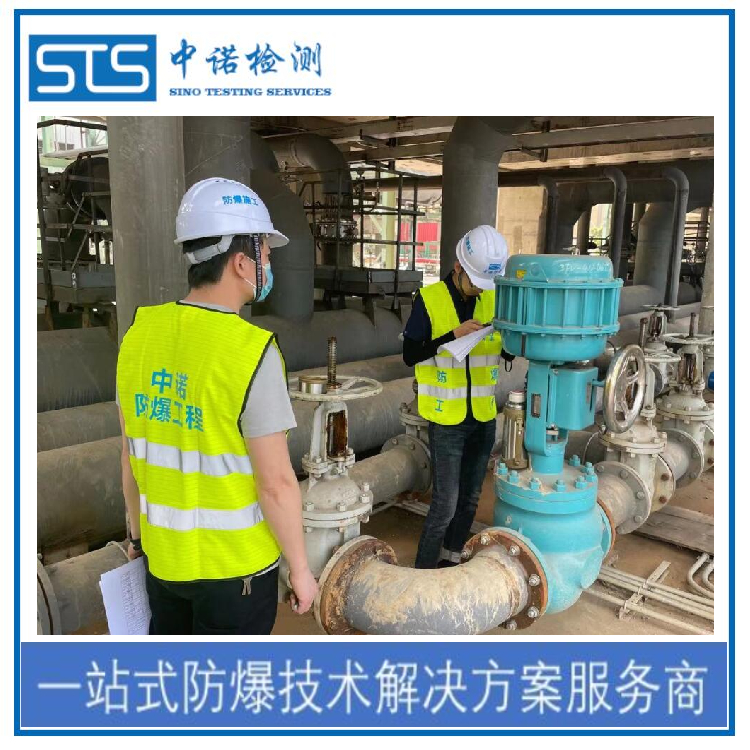
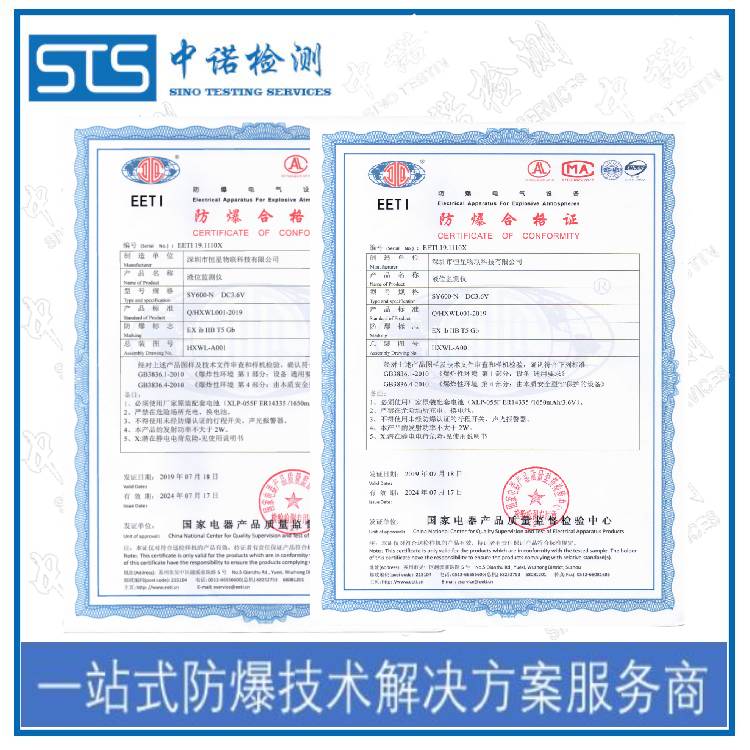
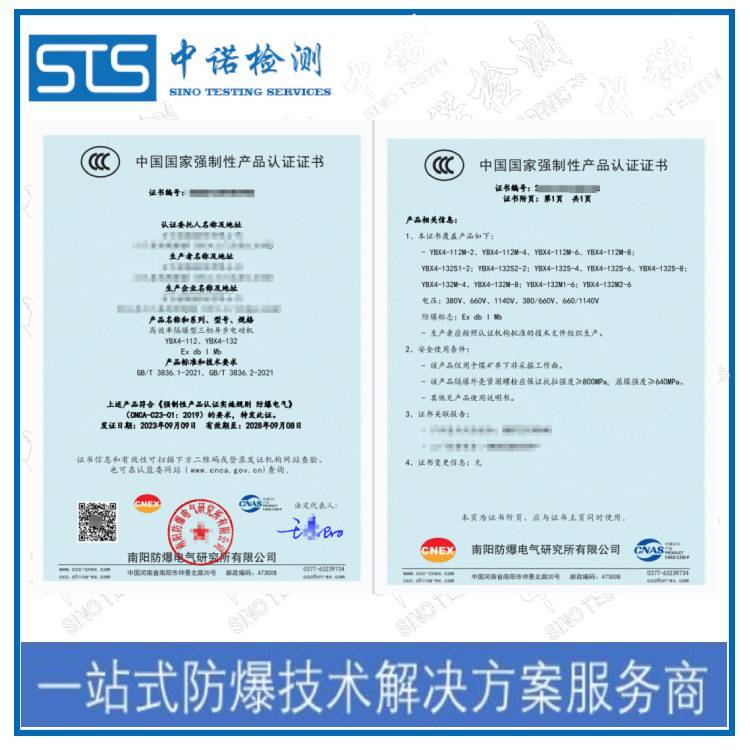
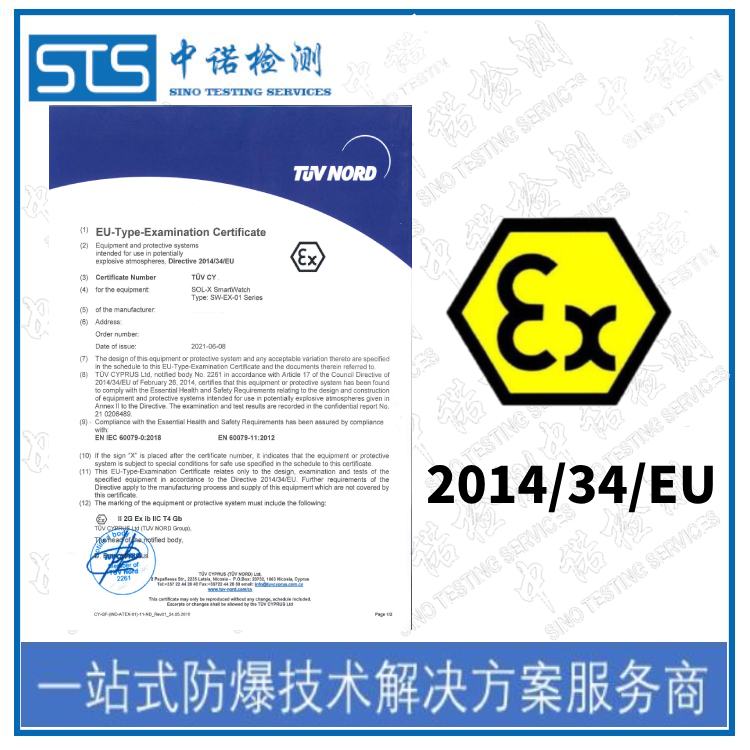
Shenzhen ZhongNuo Testing Technology Co., Ltd. is based in South China and specializes in explosion-proof certification and coal safety certification application consulting services, offering a one-stop explosion-proof technology consulting service.
Domestic Explosion-Proof Certification
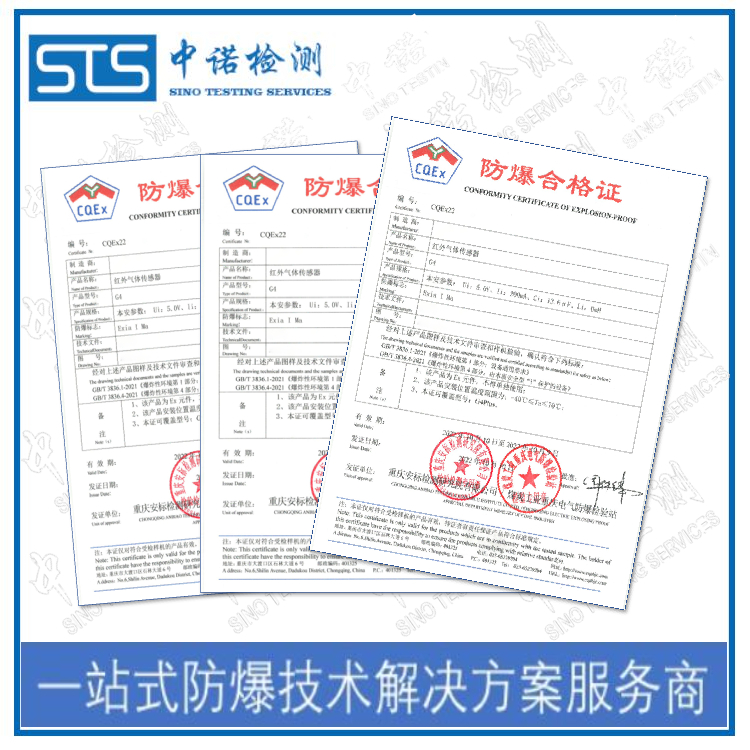
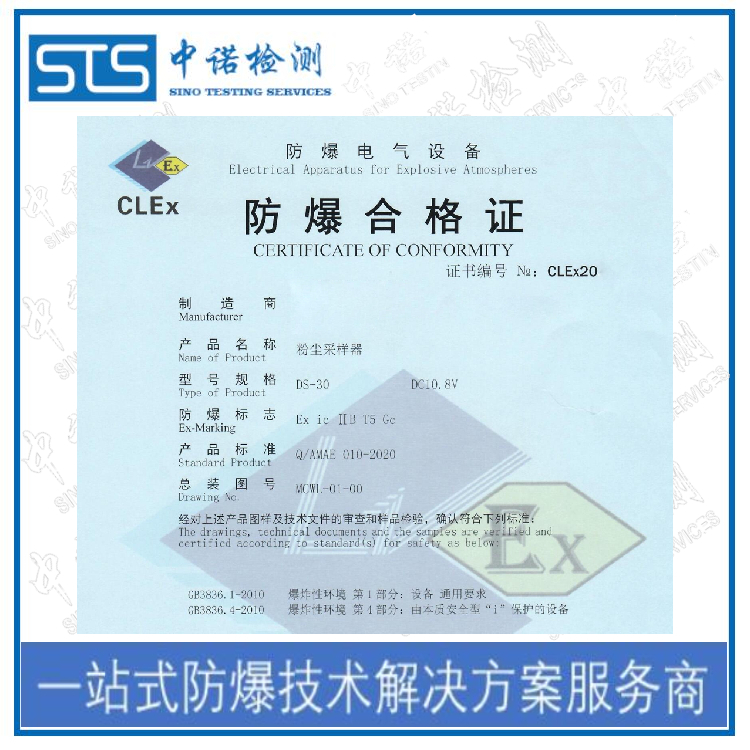
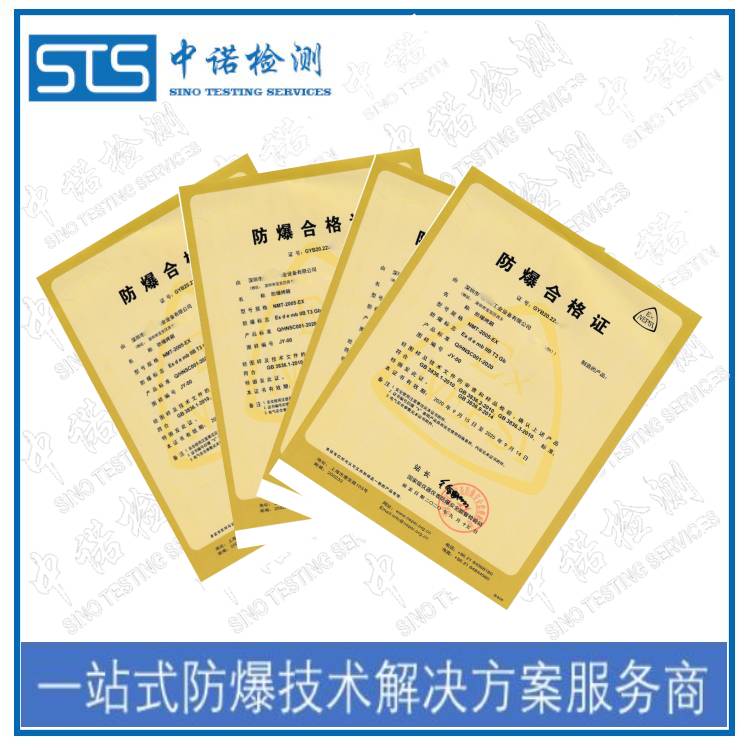
Domestic explosion-proof certification is a compliance test for explosion-proof products used in explosive environments (including electrical and non-electrical products), issuing an explosion-proof certificate for products that meet the GB/T3836 standard. Currently, the domestic explosion-proof certification standards are essentially equivalent to the international IEC60079 standard system.
What's the difference between corrosion protection level, protection level, and explosion-proof certification level?
Many corporate clients are often confused about the required corrosion resistance, protection level, and explosion-proof certification level for their products.
Due to the fact that there's only a one-character difference in the names, and they both refer to a certain grade of the product, they are similar yet different. So, what are the differences between them?
Corrosion prevention involves measures to protect metals prone to rust, thereby extending their service life. Typically, methods such as physical, chemical, and electrochemical corrosion prevention are employed. There are five common levels: indoor F1, F2, and outdoor WF, WF1, and WF2.
Protection rating, commonly known as IP rating, refers to the dust and water resistance level of the equipment, usually consisting of "IP" followed by two digits.
The explosion-proof rating typically refers to the equipment's explosion-proof certification level. Each electrical device applying for an explosion-proof certification will have a corresponding explosion-proof marking, including the type and rating of explosion-proof. The explosion-proof rating indicates the product's applicable explosion-proof area, gas/dust groups, temperature groups, and equipment protection level, etc.
Clearly, these are different concepts from different fields. For more information on this topic, feel free to message us anytime!
The cost of obtaining explosion-proof certification at Shenzhen Zhongnuo Testing Technology Co., Ltd. is related to the following aspects:
1. Should we obtain the explosion-proof certificate or the explosion-proof 3C certification? For the 3C certification, a factory audit is required, which includes the factory audit fee, travel expenses for the auditor, the applying fee for the 3C certificate, and the Certificate fee, etc.
2. Related to explosion-proof markings. Different explosion-proof markings indicate different explosion-proof items, and naturally, the costs vary accordingly.
3. Domestic explosion-proof certification or international explosion-proof certification? The same explosion-proof mark, ATEX/IECEx certification is much more expensive than the domestic explosion-proof qualification certificate, and it also requires a factory audit. North American explosion-proof certification is even more costly, over $100,000+
4. Do you need to retest? Some customers' products have never been designed for explosion-proof, and they need to go through rectification when brought in, which adds to the cost. If the product includes a battery, battery testing is also an additional expense, especially for those batteries that always fail the tests.
5. Needed? Labs are often booked solid, and there's often a waitlist. If needed, there will be a fee involved.
What test projects are required to apply for an explosion-proof certificate?
Explosive-proof products require passing relevant test requirements of the explosive-proof standards to obtain an explosive-proof certificate.
Different explosion-proof types, catering to equipment used in various explosive environments, require different explosion-proof testing items.
Many customers also want to know what types of tests are required for explosion-proof products? What specific requirements are there for the explosion-proof design of the product?
Next, let's take a look at some common explosion-proof testing projects.
For instance, with intrinsically safe products, general test items include appearance and structure inspection, spark ignition test, dielectric strength, battery and battery pack testing, temperature rise test, transient energy test, etc.
Main test items for explosion-proof products include heat and cold resistance tests, internal ignition without propagation of explosion, shell pressure resistance, IP testing, temperature rise tests, etc.
Different testing items, tailored to various modules or components of the product.
Each test item ensures the product meets explosion-proof standards and fulfills the performance requirements for explosion-proofing.
If a company is designing explosion-proof products and is unaware of the explosion-proof standards requirements,
ZhongNuo Inspection can provide guidance services for explosion-proof circuit design and explosion-proof structural design, including explosion-proof standards, design key points, drawing guidance, etc.
And can also act as an agent for explosion-proof testing and certification services.
Need this? Feel free to message us anytime!
Explosion-proof Certification Application Consultation Services - Shenzhen Zhongnuo Inspection Technology Co., Ltd.
WeChat Official Account

Scan to follow Official Account