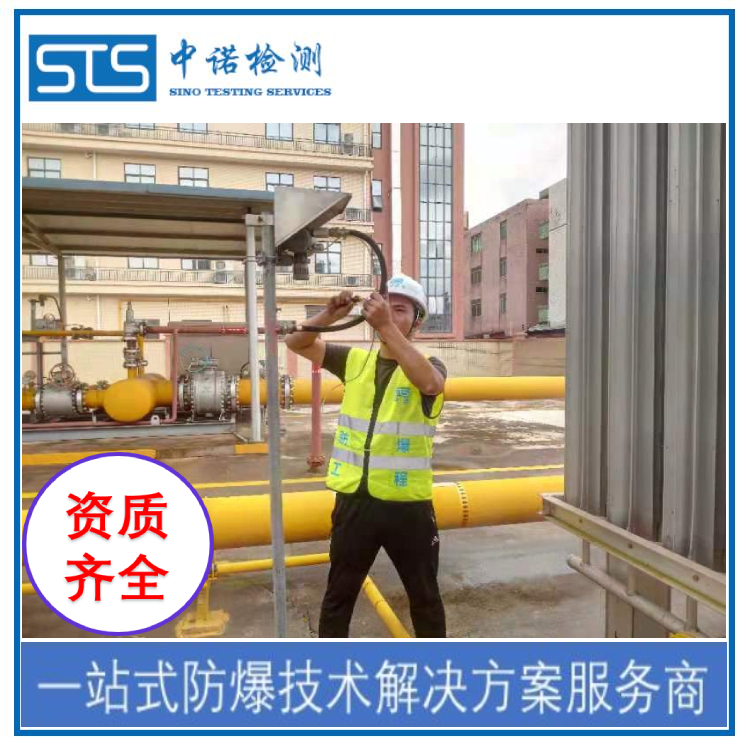











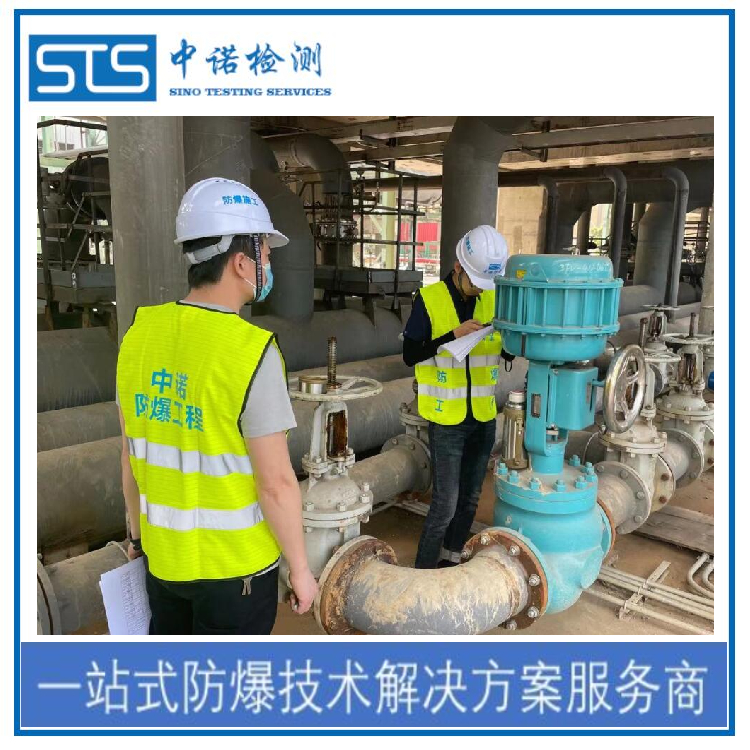
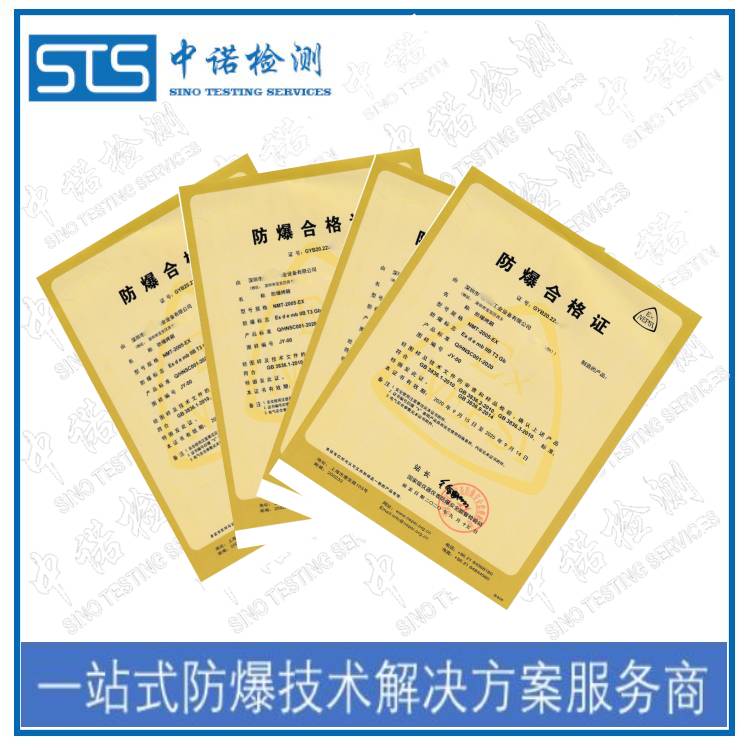
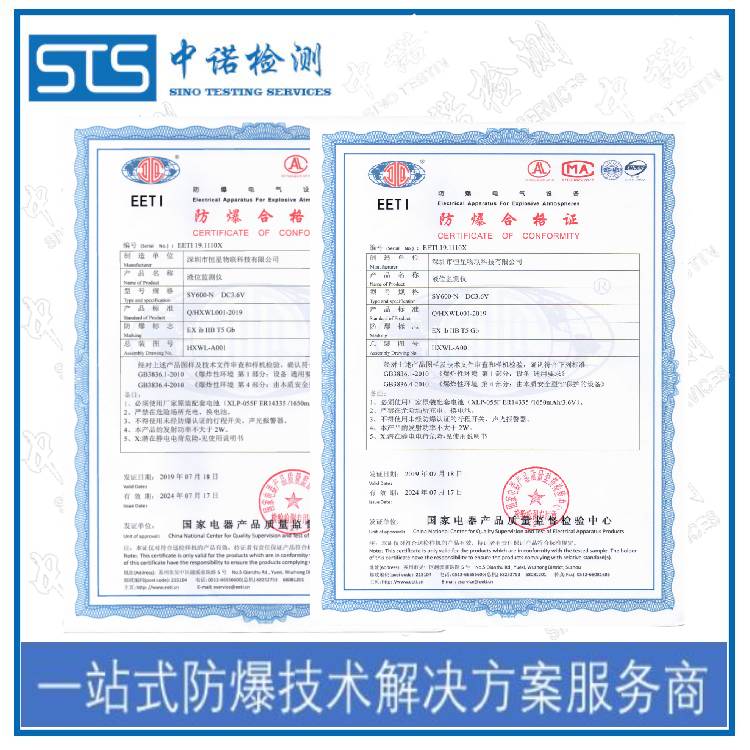
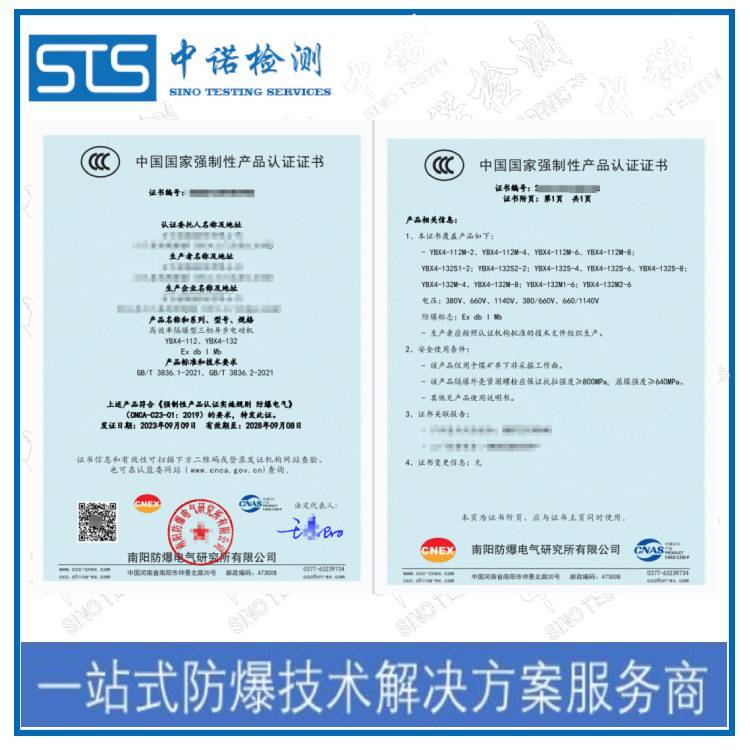

Shenzhen Zhongnuo Testing Technology Co., Ltd. is based in South China, offering on-site explosion-proof construction, safety inspections, renovations, project acceptance, and explosion-proof installation consulting services. We are well-versed in explosion-proof construction standards, with experienced construction teams and a wealth of practical experience. We have served major corporations such as PetroChina, LG, Hanlan Environment, BOE Technology Group, and Sinovac Biotech, receiving consistent praise and trust from our clients!
In the design of industrial factory buildings, different production processes have varying requirements for the structures. Production facilities for precision instruments and equipment necessitate constant temperature, humidity, and cleanliness; while certain hot workshops and dust-laden areas demand adequate ventilation and dust removal systems. For industrial enterprises in sectors like chemicals, pharmaceuticals, and petrochemicals, due to the risk of explosion during production, it is crucial to consider explosion prevention in the design phase, in addition to meeting production process requirements. In the event of an explosion, efforts should be made to minimize the loss of life and property. Shenzhen Zhongnuo Testing Technology Co., Ltd. offers insights on the design of buildings for explosive areas and electrical wiring systems, for your reference only.
Basic technical measures for explosion-proof in factory building design
(1) For factories (such as plants) where the entire site poses an explosion hazard, the overall planning and design should consider factors like the production processes, product types, production characteristics, and degree of danger of hazardous materials within the buildings. After determining the danger level of the buildings, zoning planning should be conducted. The distance between buildings in the hazardous material production area and surrounding villages, highways, railways, towns, and the factory's living facilities should be calculated based on the building's danger level and the amount of stored drugs, and the larger value should be selected according to regulations. If the required distances cannot be met due to site limitations, protective barriers must be installed, such as protective embankments or reinforced concrete walls. Protective barriers must be set for Class A buildings. The layout should be tailored to the specific conditions, making full use of the terrain and地貌 to achieve an optimal and reasonable arrangement.
(2) For factories and workshops within general industrial areas that produce and use goods, they should be arranged as concentrated as possible within the same region. The distance between them should meet the safety requirements of general factory and workshop distances, facilitating unified handling of firewalls and other explosion-proof building structures.
(3) Workshops with explosive hazards should be located in single-story buildings. If the building must be multi-story due to process requirements, they should be situated on the upper floor.
(4) When a local explosion-proof room is installed in general factory buildings or workshops, it should be positioned as close to the exterior wall as possible. Use specially designed windows that are easy to open outward, which facilitates pressure relief and fire extinguishing.
(5) In the factory, workshops with high and low hazards should be separated by solid fire-resistant walls (brick or reinforced concrete walls). It is advisable to open doors on the exterior walls to facilitate communication between workshops using exterior corridors or balconies; or install double-leaf doors on the fire-resistant walls, positioning them to be as offset as possible to diminish the impact of the explosion shockwave and limit the blast's effect area.
(6) For equipment prone to explosion, it should be placed as close to the exterior wall or windows as possible, or outdoors, to minimize its destructive force.
(7) Production and storage of hazardous materials of different natures should be separated, such as those requiring separation from oxygen.
(8) Do not locate explosive hazard areas in basements or semi-basements due to poor ventilation, which can significantly impact accidents and is不利 for evacuation and rescue efforts.
Basic Dust Explosion-proof Construction Standards
In facilities where explosive dust is present, such as flour mills, feed factories, polishing workshops, and plastic production plants, the requirement for explosion-proofing on-site is particularly crucial. Explosion-proof wiring, installation and use of electrical equipment, dust removal systems, architectural structure layouts, and explosion-proof venting must all comply with the relevant dust explosion-proof standards. Based on a wealth of explosion-proof electrical installation and modification cases, Shenzhen ZhongNuo Testing Technology Co., Ltd. has summarized the following points:
4. Explosion-proof electrical equipment
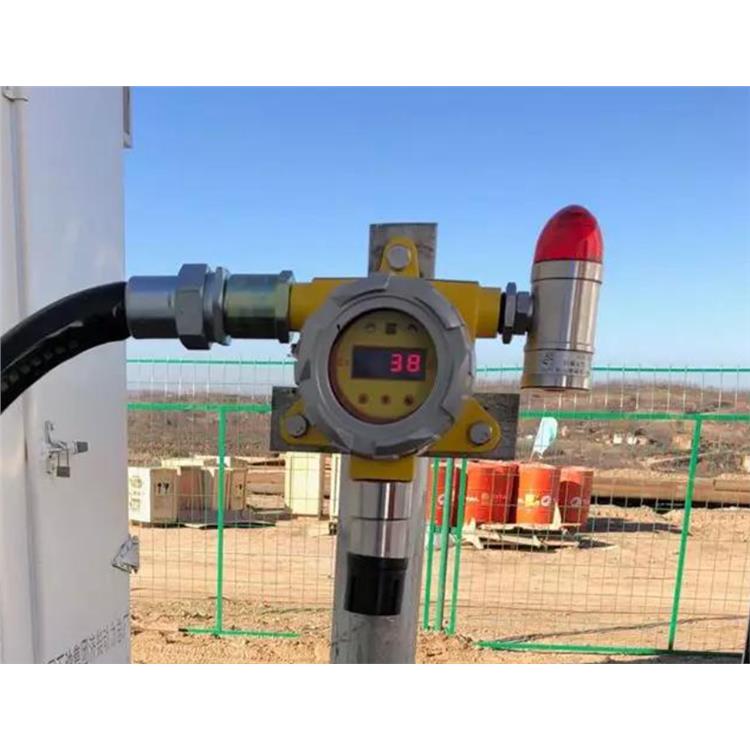
Electrical equipment used in dust explosion hazard areas shall comply with the relevant standards of GB/T3836. The power design should be executed in accordance with the provisions of GB50058. Explosion-proof electrical equipment should be selected based on the classification and grade of the explosion hazard area, as well as the type, grade, and group of the explosive substances.
Options for explosion-proof electrical equipment. In addition to dust explosion-proof electrical equipment with dust-tight construction for the 21-zone environment of combustible non-conductive dust and combustible fibers, dust explosion-proof electrical equipment with dust-tight construction is used in the 20-zone environment of explosive dust and other explosive dust environments in the 21-zone, and electrical equipment of different ignition temperature groups is selected based on the different ignition temperatures of the dust.
(2) Low-pressure fluid transmission galvanized welded steel pipes for conduit tubing
(3) Connections between steel pipes, between steel pipes and electrical equipment, and between steel pipe accessories should be made using threaded connections. Soldering with sleeves is prohibited, and the following requirements must be met: the threading should be smooth, complete, and free of rust. Power composite grease or conductive anti-rust grease should be applied to the threads. Do not wrap with hemp or insulating tape on the threads, nor apply other paints. Steel pipes with a diameter of 25mm or less should have at least 5 threads, and those with a diameter of 32mm or more should have at least 6 threads.
(4) Flexible explosion-proof conduits should be installed at the following locations for steel pipe wiring: at the motor's entry clamp, where direct connection between the steel pipe and electrical equipment is difficult, and where the pipeline passes through the expansion joints and settlement joints of the building.
(5) It is not advisable to use portable electrical equipment in Zones 20, 21, and 22. If portable electrical equipment must be used, YC or YCW rubber cables should be selected for the wiring.
AQ3009-2007 "Electrical Explosion Protection Safety Specification for Hazardous Areas" classifies dust explosion areas into 20 zones, 21 zones, and 22 zones.
5. Ventilation and Dust Removal
(1) It is advisable to set up a dust removal system with opposing sections based on the process.
(2) All dust-generating points should be equipped with dust collectors.
(3) There should be no dust sedimentation in the air ducts.
(4) Baghouse dust collectors should be used, with the outer filter type being given priority.
(5) Dust collectors should be installed outdoors. If installed indoors, the explosion relief pipe should be directly connected to the outside, with a length less than 3 meters, and a flame arrester should be set based on the dust properties.
(6) It is advisable to install isolation valves at the inlet and outlet of the dust collector, and set up temperature monitoring devices.
(7) Pulse-jet bag dust collector should use nitrogen, carbon dioxide, or other inert gases as the cleaning gas source.
Fire Protection
(1) Select the appropriate fire extinguisher based on the physical and chemical properties of the dust.
(2) When extinguishing fires, prevent dust from being raised to form a dust cloud.
(3) If combustible materials generate explosive gases upon contact with water, do not use water to extinguish the fire.
7. Job Safety
When dust clouds can be ignited by sparks from collisions, measures should be taken to prevent collisions from occurring. Additionally, explosion-proof tools should be used during maintenance.
(2) Do not use rotating grinding wheels and rotating cutting disks for grinding and cutting without equivalent protection measures to flame operations.
(3) All production workshops and storage rooms where dust may accumulate should be cleaned promptly.
(4) Do not use compressed air for underground blowing.
(5) At the workplace, production staff should not wear close-fitting garments made of synthetic fibers.
Equipment protection grounding in explosive environments shall comply with the following regulations (shared by Shenzhen ZhongNuo Testing Technology Co., Ltd.)
In accordance with the relevant provisions of the current standard "Code for Grounding Design of AC Electrical Installations" GB/T50065, the following parts that do not require grounding should still be grounded in explosive environments:
1) Equipment with a normal, non-electrified metal enclosure, having an alternating current rated voltage of less than 1000V and a direct current rated voltage of less than 1500V, on poor conductive ground surfaces.
2) In dry conditions, equipment with alternating current rated voltage of 127V or less and direct current voltage of 110V or less typically has a non-electrified metal housing.
3) Equipment installed on a grounded metal structure.
(2) In explosive hazardous environments, the exposed conductive parts of the equipment should be reliably grounded. All equipment within explosive zones 1, 20, and 21, as well as other equipment in zones 2 and 22 except for lighting fixtures, should use a dedicated grounding wire. If this grounding wire is installed in the same protective conduit as the phase wire, it should have insulation equal to that of the phase wire. Lighting fixtures within explosive zones 2 and 22 can utilize a metal piping system with a reliable electrical connection as a grounding wire, but not the piping used for conveying substances.
(3) In different directions of the slope in the explosive hazard area, the grounding main should be connected to the grounding body at least twice.
Basic Safety Regulations for Explosion-Proof Design in Hazardous Areas (Shared by Shenzhen ZhongNuo Inspection Technology Co., Ltd.)
1. First, conduct an overall explosion protection design
2. Directed release of explosive energy. Around the explosion source, comprehensively utilize anti-explosion and venting technologies. Set anti-explosion walls and windows in the direction of high population density, office areas, and important equipment. In areas with low human traffic and no critical equipment, install venting walls and windows.
3. Determine the safe distance. Minimize the placement of office areas, residential zones, and critical equipment areas within the range less than the safe distance, unless necessary; if they are set up, necessary explosion-proof measures should be implemented.
4. Conversion of non-explosion-proof buildings to explosion-proof. In areas within less than the safe distance, conduct explosion-proof assessments for buildings and reinforce those that do not meet explosion-proof requirements: prevent building collapse; prevent the fragmentation of brittle materials such as bricks, concrete, glass, etc.
5. Place explosion-proof shelters in hazardous blast zones.
Explosion-proof electrical modifications and on-site explosion-proof construction consulting services for hazardous areas — Shenzhen Zhongnuo Testing Technology Co., Ltd.
WeChat Official Account

Scan to follow Official Account