









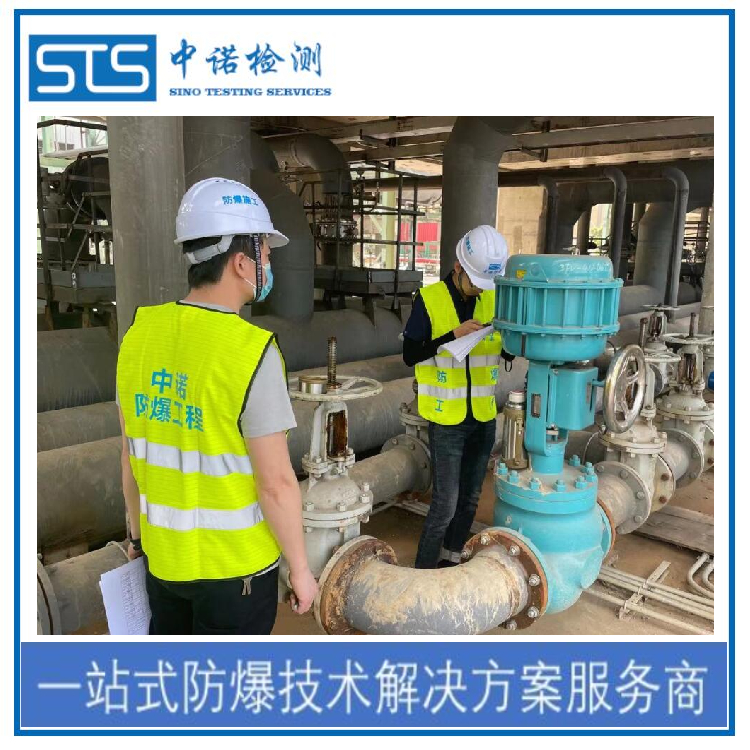
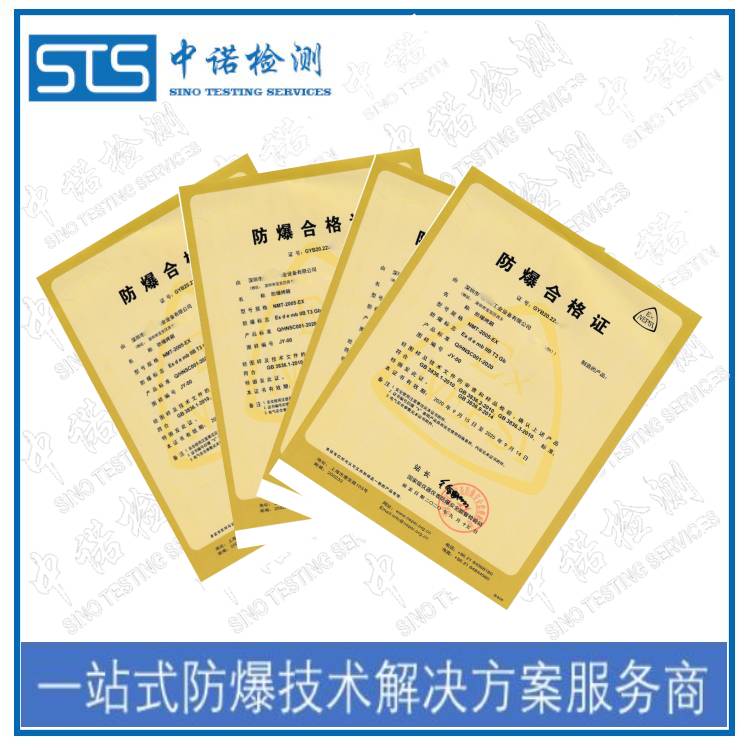
Shenzhen Zhongnuo Testing Technology Co., Ltd. is based in South China and specializes in explosion-proof certification and coal safety certification application consulting services, offering a one-stop explosion-proof technology consulting service.
What is positive pressure explosion-proof? What technical requirements are there for obtaining a positive pressure explosion-proof certification for a product?
Positive pressure explosion-proof refers to introducing clean air or inert gas into the equipment interior.
Ensure internal equipment pressure exceeds external explosive environment pressure, to isolate explosive mixtures from entering the equipment, thereby achieving explosion-proof performance.
The explosion-proof certification applicable standards are GB/T 3836.1 and GB/T 3836.5.
Primarily, it assesses the equipment's ventilation time, pressure monitoring system, pressure range, blow-off, and alarm functions to meet explosion-proof performance requirements.
Positive pressure type includes three explosion-proof grades: pxb, pyb, and pzc.
Choose the appropriate explosion-proof certification level based on product structure and explosion-proof zones.
ZheNuo Inspection has been in the explosion-proof industry for many years, well-versed in the requirements of the GB/T 3836 series standards.
Extensive certification experience in positive-pressure explosion-proof areas.
Offer one-stop explosion-proof technical guidance and consulting services, including initial positive pressure explosion-proof design and rectification, drawing assessment, installation guidance, and certification acquisition.
Our successful cases include positive pressure ultrasonic shock plates, positive pressure omni-directional antennas, and positive pressure film thickness gauges.
If you have a need for this, feel free to message us anytime!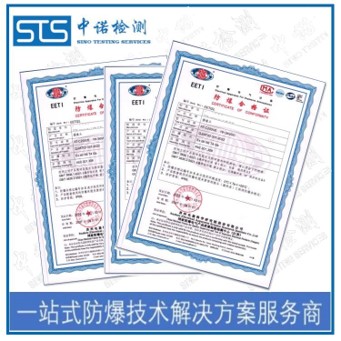
The explosion-proof certification and coal safety certification have distinct differences in definition, application locations, and certification certificates.
Intrinsically Safe Certification, also known as intrinsic safety explosion-proof certification, primarily focuses on the energy limitation of electrical equipment circuits. By limiting the energy within the circuit, it ensures that the electrical sparks or thermal effects produced by the equipment during normal operation or under specified fault conditions cannot ignite the surrounding flammable and explosive environment. This certification method is widely used for low-power, low-energy instruments, handheld terminal products, and more.
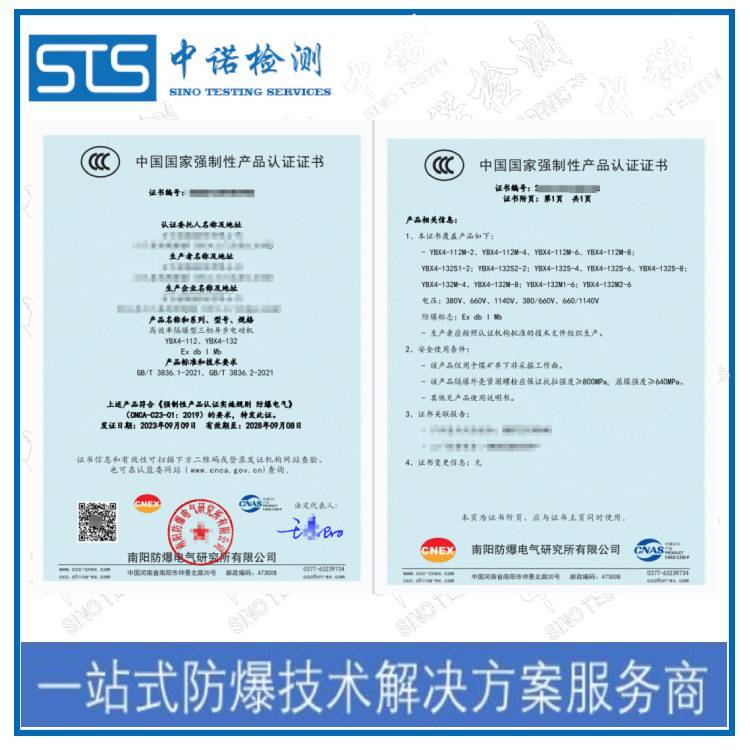
The Coal Safety Certification, abbreviated as MA Certification, is a unique safety certification required in China for equipment and products used in coal mines. This certification system effectively prevents substandard products from entering the underground mines, thereby ensuring the safety of coal production. In the type testing stage of the coal safety certification, in addition to performance tests based on industry standards, the presence of flammable and explosive mixtures such as methane in the operating environment must also be considered to ensure the safe use of the equipment in the underground coal mines.
Additionally, while both the Coal Safety Certification and Mine Safety Certification (KA Certification) are unique safety certification systems for underground equipment in our country, there are notable distinctions in their definitions and testing. The Coal Safety Certification is primarily used for underground equipment in coal mines, whereas the Mine Safety Certification is for non-coal mines, including other metallic or non-metallic mines.
Overall, the Anhui Certification and Coal Safety Certification differ significantly in terms of certification objectives, scope of application, and testing requirements. Should you have any questions or needs regarding these two certification methods, please feel free to contact Shenzhen Zhongnuo Inspection Technology Co., Ltd., and we will be dedicated to serving you.
What is the difference between ATEX certification and CE certification?
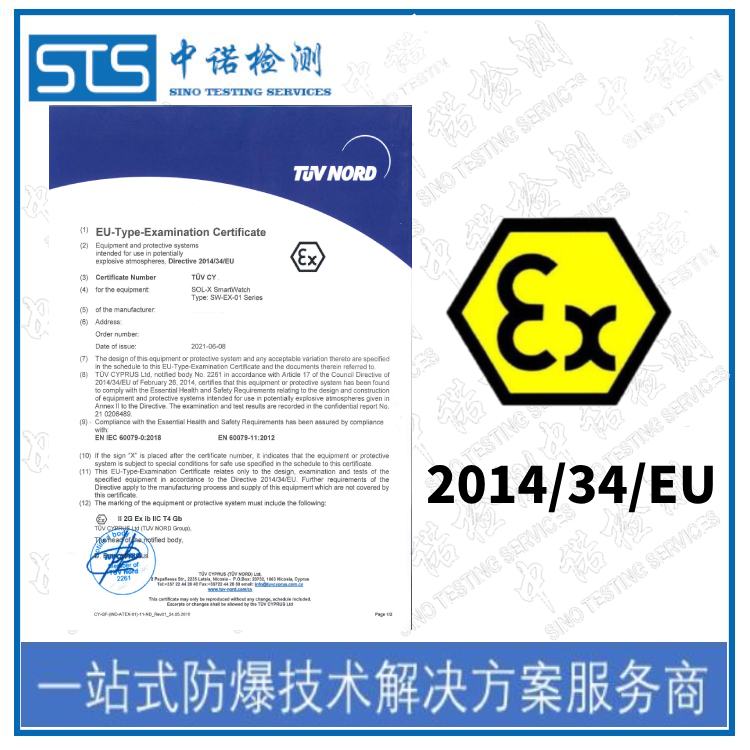
CE certification is a mandatory certification in the EU market, and all equipment and products entering the EU market must pass the relevant CE directive certification.
For example, there are EMC directives, LVD directives, MD directives, ATEX directives, etc.
Different products are subject to different certification directives; the ATEX directive is specifically for explosion-proof equipment and products.
ATEX certification can be likened to the CE certification for explosion-proof products.
Each directive has different applicable standards; the ATEX directive applies to the EN60079 series.
Different explosion-proof types are applicable to different standard series.
For example, EN 60079.1 is the standard for explosion-proof, EN 60079.7 is the standard for increased safety, and EN 60079.11 is the standard for intrinsic safety, etc.
Learn more about ATEX certification and feel free to message us anytime!
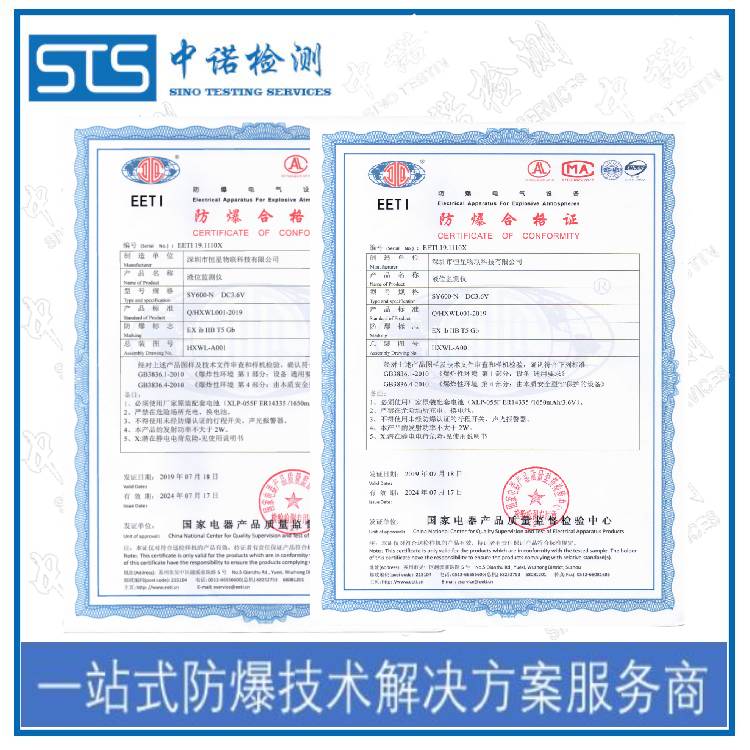
What does the explosion-proof marking Ex db ib IIC T4 Gb mean?
The explosion-proof marking can be said to be a symbol of an explosion-proof equipment, through which the explosion-proof type adopted by the equipment can be ascertained.
Applicable to explosive areas and explosion-proof zones, etc. What is an explosion-proof sign? What does an explosion-proof sign mean? How to interpret the explosion-proof signs of explosion-proof equipment?
In response to these issues, Zhongnuo Inspection provides a detailed explanation with examples.
For example, explosion-proof marking Ex db ib IIC T4 Gb.
This is a composite explosion-proof marking.
Ex indicates explosion-proof, and the Ex symbol must be printed on all explosion-proof equipment.
db ib refers to the explosion-proof type of protection adopted by the equipment, meaning it is a combination of explosion-proof and intrinsically safe.
IIC refers to equipment suitable for explosive gas environments of IIC category gases (representative gas is and).
T4 is the temperature category, indicating that the equipment's surface temperature does not exceed 135°C.
Gb refers to the equipment protection level, applicable to Zones 1 and 2.
An example provided above is a common explosion-proof sign used in environments with explosive gas atmospheres for explosion-proof equipment.
If the equipment is used underground in coal mines or in environments with combustible dust, the explosion-proof marking is different.
If it's an ATEX explosion-proof certification mark, it gets more complex.
Corporate clients, if you need more information on explosion-proof certifications and markings, feel free to message us anytime!
Explosion-proof Certification Application Consultation Services - Shenzhen ZhongNuo Testing Technology Co., Ltd.
WeChat Official Account

Scan to follow Official Account