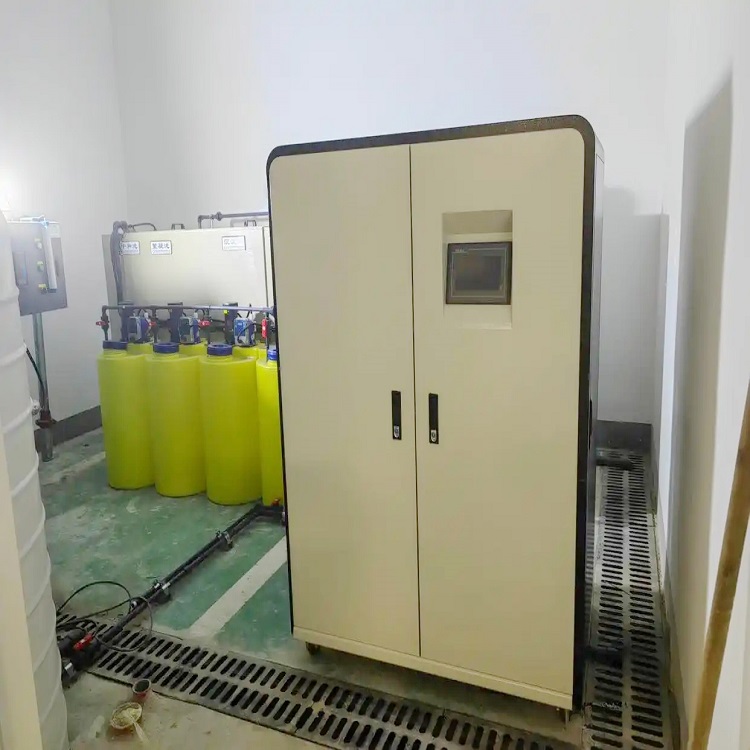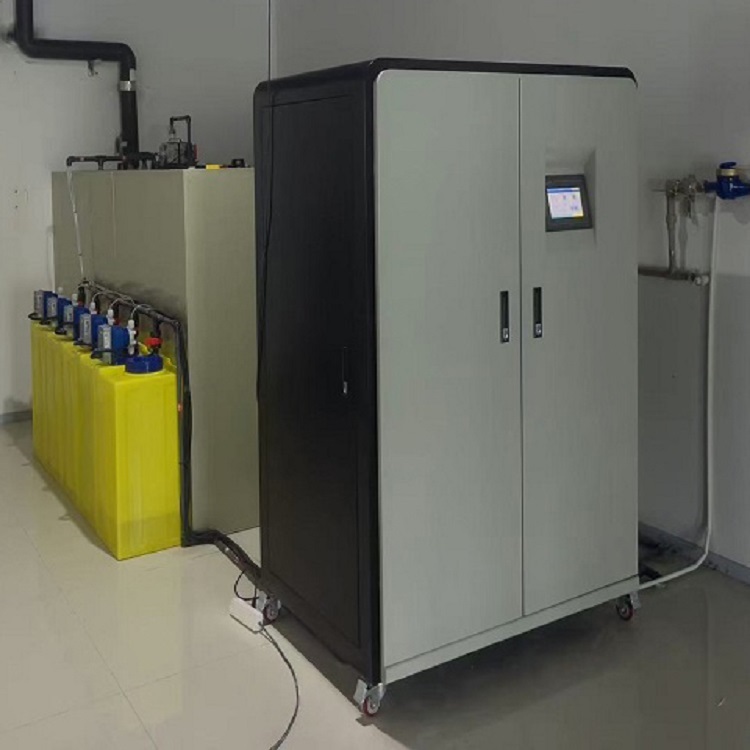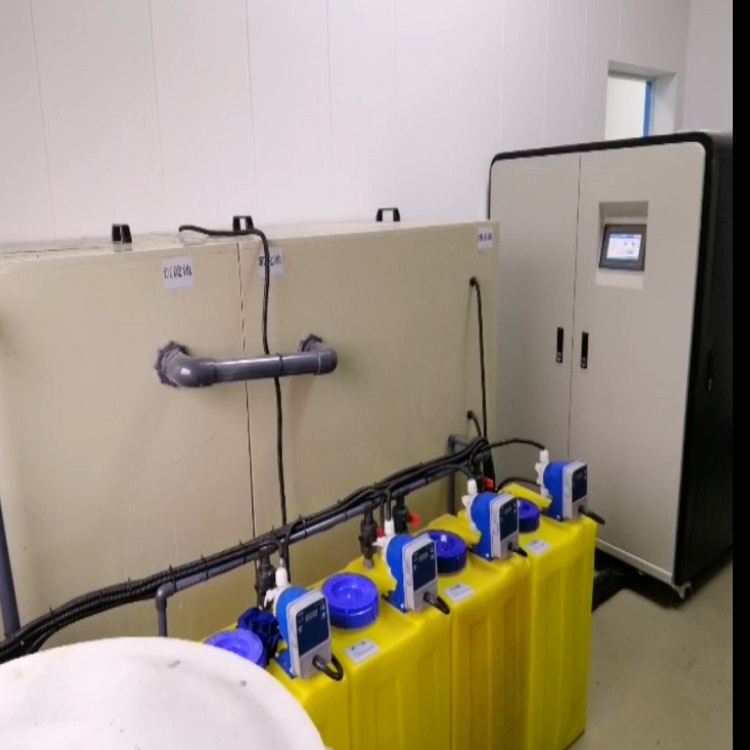

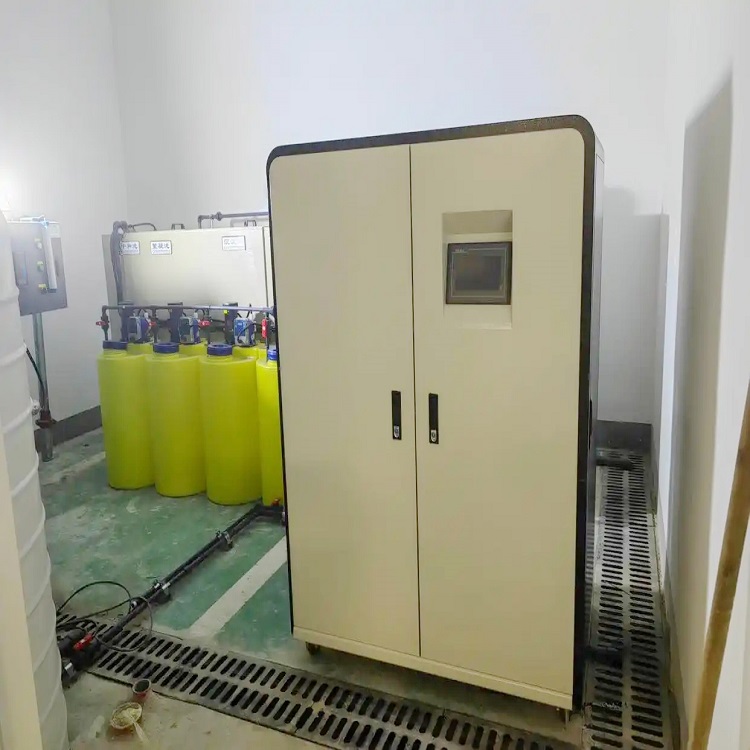

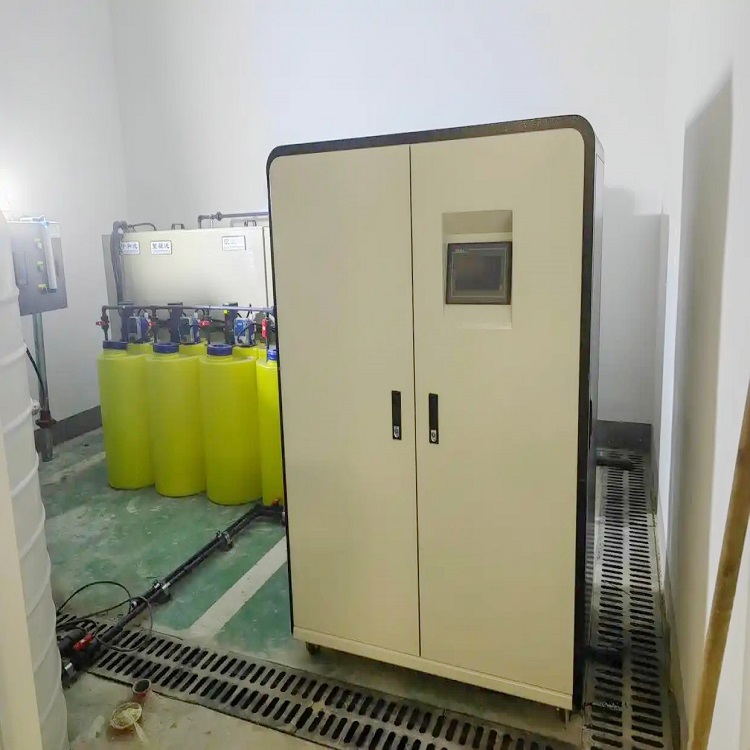
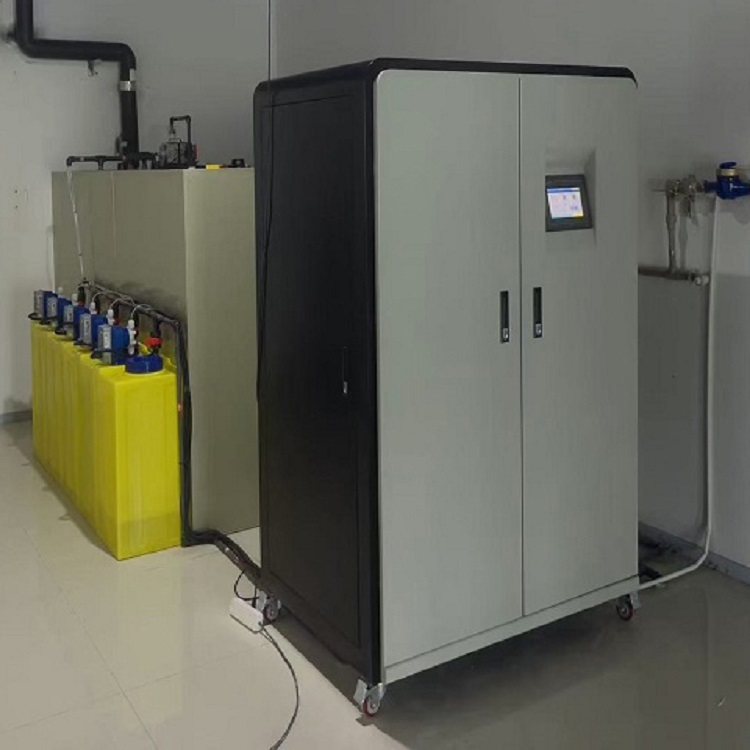
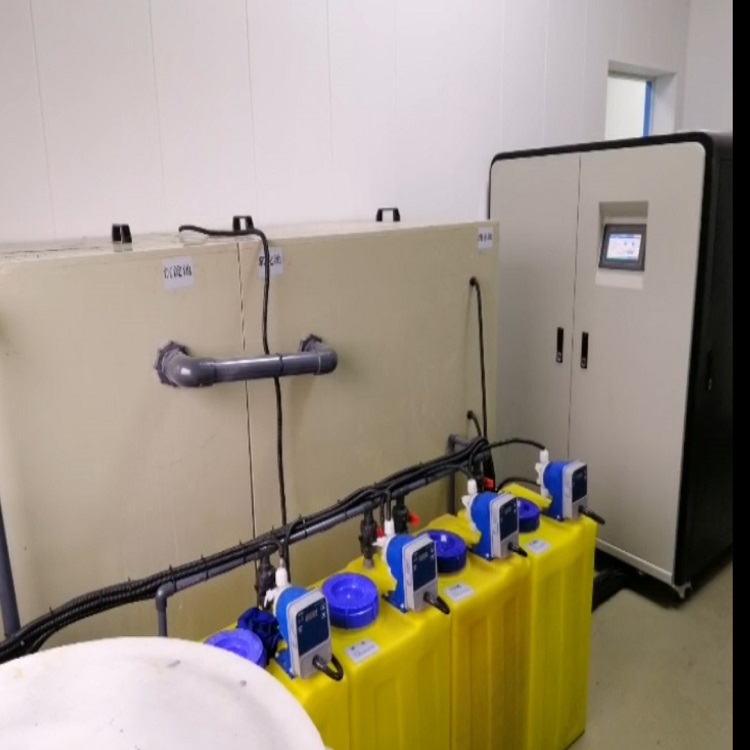







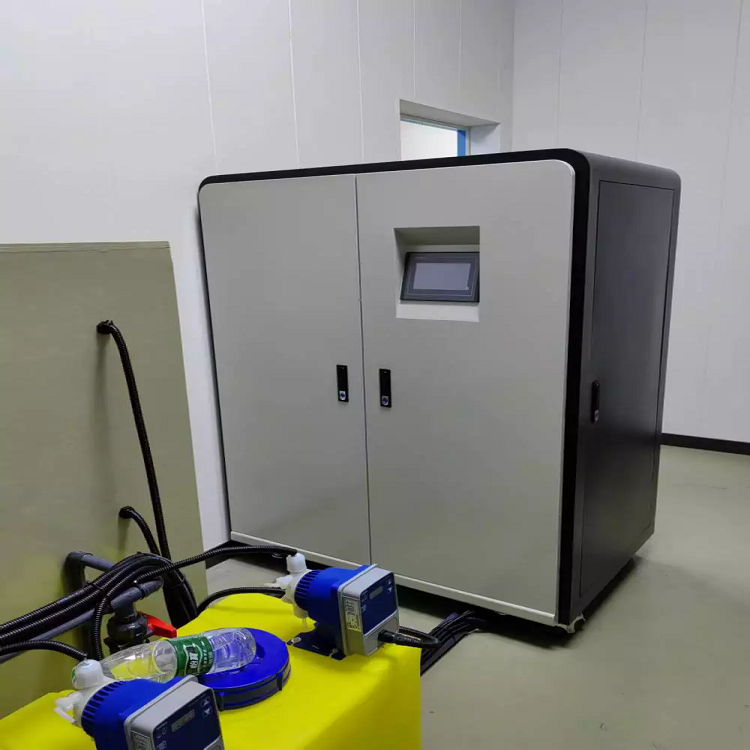
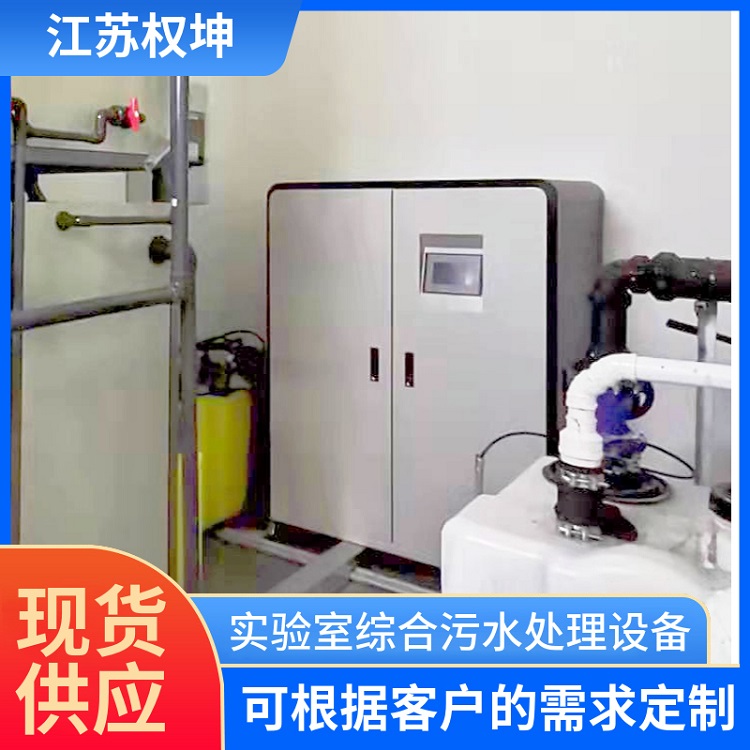
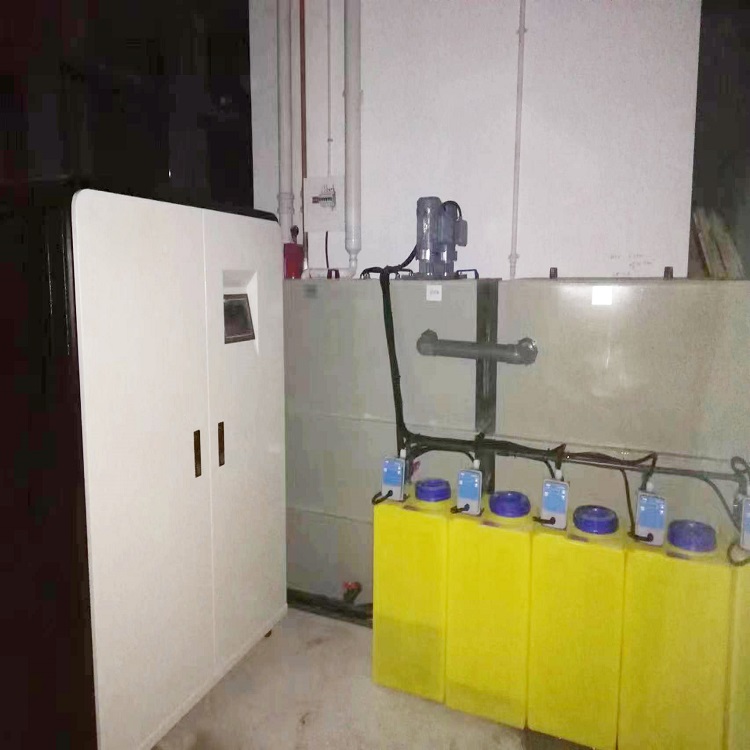
Low-temperature Evaporation Concentration Crystallization Equipment, Integrated Laboratory Waste Water Treatment Equipment
The lab generates a significant amount of hazardous waste liquids containing acids, bases, and organic matter daily. As laboratory analysts, it is crucial to enhance personal safety awareness and avoid indiscriminate disposal of chemical waste. This helps minimize the harm of toxic and harmful waste to humans and the environment. Therefore, laboratory wastewater treatment is also a vital task. Develop good laboratory habits, operate in accordance with regulations, and strive to reduce the harm caused by experimental wastewater to the minimum, contributing to environmental protection.
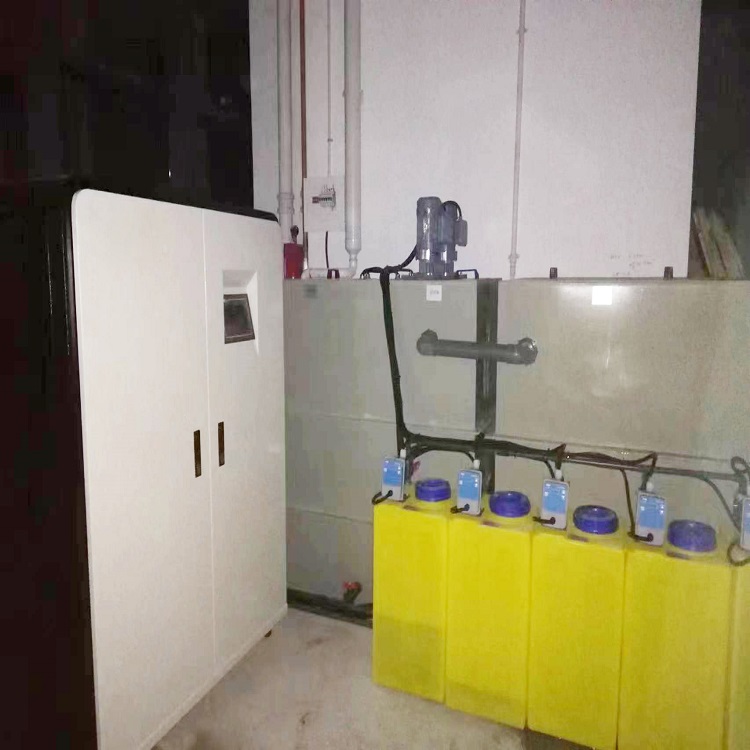
Design Principles for Laboratory Wastewater Treatment Equipment
(1) Maximize existing equipment and pipeline infrastructure to reduce investment scale and costs.
(2) Treated and purified water can be considered for reuse, reducing processing load and lowering operational costs.
(3) New wastewater treatment equipment features simple operation and low operation costs.
(4) Ensure that the effluent from the treated wastewater meets the "Emission Standards for Water Pollutants from Medical Institutions"
(5) When installing new processing equipment and when adding or modifying pipelines, try to maintain the original appearance as much as possible.
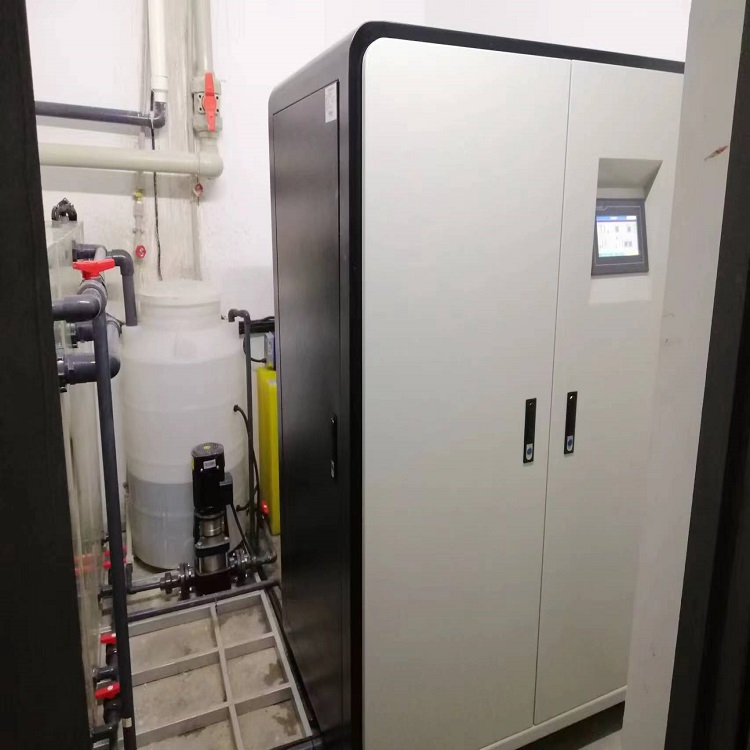
Laboratory wastewater treatment equipment features:
1. Wide applicability, adaptable to wastewater treatment in various laboratories.
2. High degree of automation, centralized control, user-friendly human-machine interface, easy to operate, fully automatic operation, no need for专人 on-site.
3. Centralized control, high level of automation, easy to operate, fully automatic operation, no need for dedicated personnel on duty.
4. Automatic water leakage and electric shock protection, automatic high and low voltage protection, no waste water protection, and liquid level protection for the storage tank.
5. Dynamic operation with a digital LCD display for water quality indicators.
6. "One-stop" integrated design, featuring aesthetic appearance, small land occupation, low operating costs, easy installation and relocation, high processing capacity, excellent processing results, low energy consumption, acid and alkali resistance, low noise, and environmental friendliness, truly achieving engineering equipmentization. No need for multiple treatment ponds, no generation of secondary pollution such as waste residue, waste gas, and wastewater.
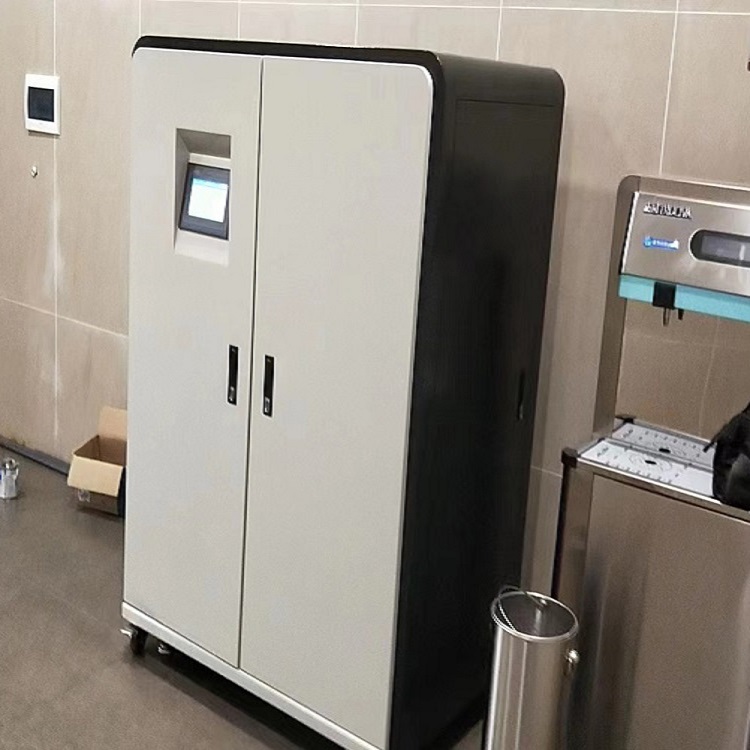
Cautionary Notes During Maintenance:
If there are minor malfunctions in the small-scale laboratory wastewater treatment equipment, such as belt deviation in the dewatering machine, excessively low oil temperature in the blower, and low material level alarm in the automatic flocculation device, they can be repaired on-site without disassembly. In such cases, with a supervisor's guidance and confirmation that the repair will not affect the entire process, the repair should be completed as soon as possible.
1. When equipment requires disassembly for repair, simple replacement of parts, or needs to be repositioned as a whole, such as the complete replacement of a pump, electrical components, and manual valves. In the event of such malfunctions, the maintenance staff must report the issue to the supervisor, who will then assign a maintenance team to replace or repair the equipment.
2. In case of equipment failure, when the crew is unable to complete the repair, it is necessary to report the issue promptly to the department head. The department head should then arrange for the equipment supplier or a relevant expert to conduct the inspection.
3. Utilize a tiered approach to address issues with small-scale laboratory wastewater treatment equipment, ensuring uninterrupted continuous operation while enhancing the equipment's effective utilization.
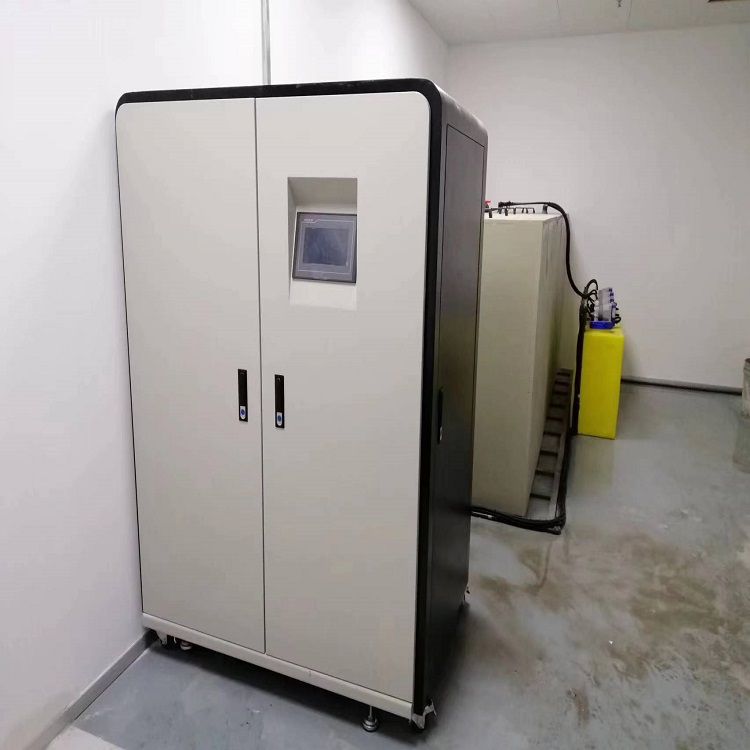
Mature technology for laboratory wastewater treatment equipment:
Considering all factors, the school's laboratory wastewater treatment equipment utilizes a mature technology that is cost-effective, stable in operation, low in running costs, and effective in treatment.
2. In response to the characteristics of wastewater, the school's laboratory wastewater treatment equipment employs specific countermeasures to ensure the removal of harmful components, while fully considering the anti-corrosion measures for pipelines, equipment, and structures.
3. Select instruments and equipment for school laboratory wastewater treatment that offer stable performance, easy maintenance, reasonable pricing, durability, and high treatment efficiency.
4. Constructed facilities are arranged in a rational and compact manner, with an aesthetically pleasing and generous appearance, aiming to minimize the land space used.
5. School laboratory wastewater treatment equipment has certain capacity to withstand water quality and quantity shock loads.
6. Our design meticulously considers noise and odor factors to prevent secondary pollution, ensuring that our school laboratory wastewater treatment equipment does not cause new pollution to the surrounding environment.
7. Achieve automated control, enhance stability, and ensure the effluent quality meets standards for school laboratory wastewater treatment equipment.
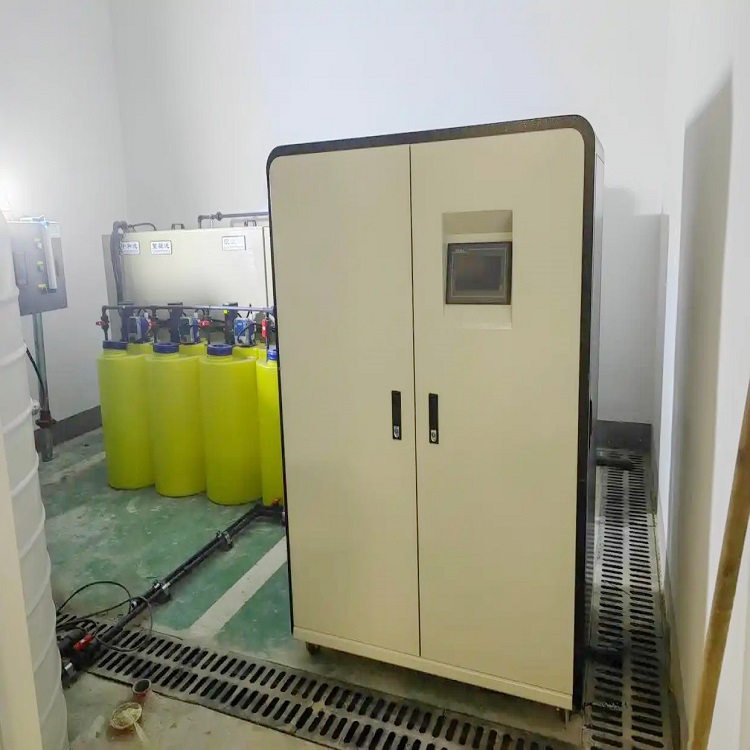
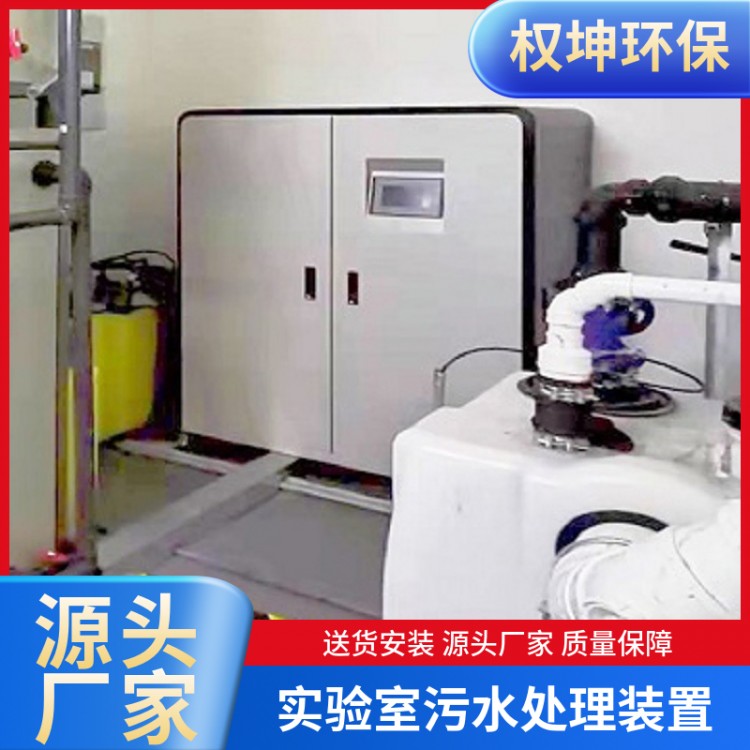
Low-temperature Evaporation Concentration Crystallization Equipment, Laboratory Integrated Wastewater Treatment Equipment
Equipment Advantages
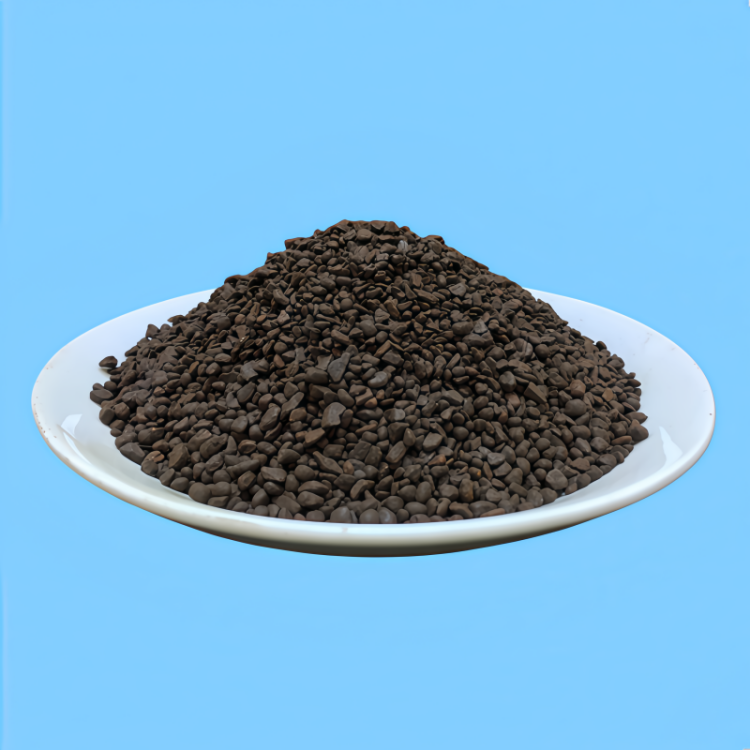
1. Utilize technologies such as acid-base neutralization precipitation, active adsorption, and ozone sterilization to treat various pollutants in wastewater.
2. Utilizes a microcomputer program for real-time monitoring and control of wastewater quality and treatment process, ensuring around-the-clock, fully automatic operation without the need for constant supervision.
3. Accurately control the dosage with a pH meter and imported metering pumps, and is equipped with level control and other devices.
4. Utilize advanced oxygenators for complete gas-water contact and thorough reaction.
5. User-friendly, stable operation, long lifespan, low running and maintenance costs.
6. Compact in space, can be installed indoors or outdoors as needed.
7. Tailored design and manufacturing to meet diverse customer requirements.
8. Equipment features anti-leakage protection and an integrated safety lock system.