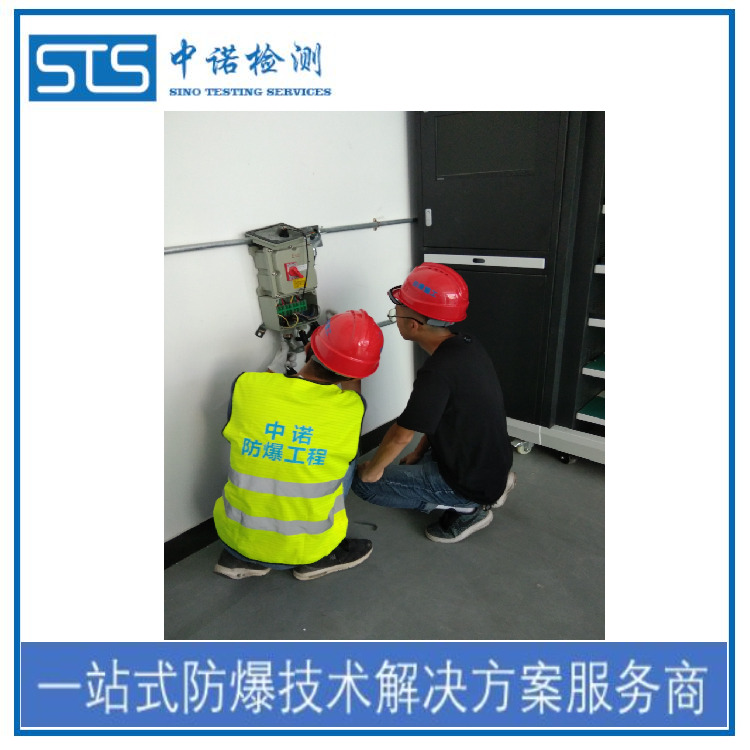

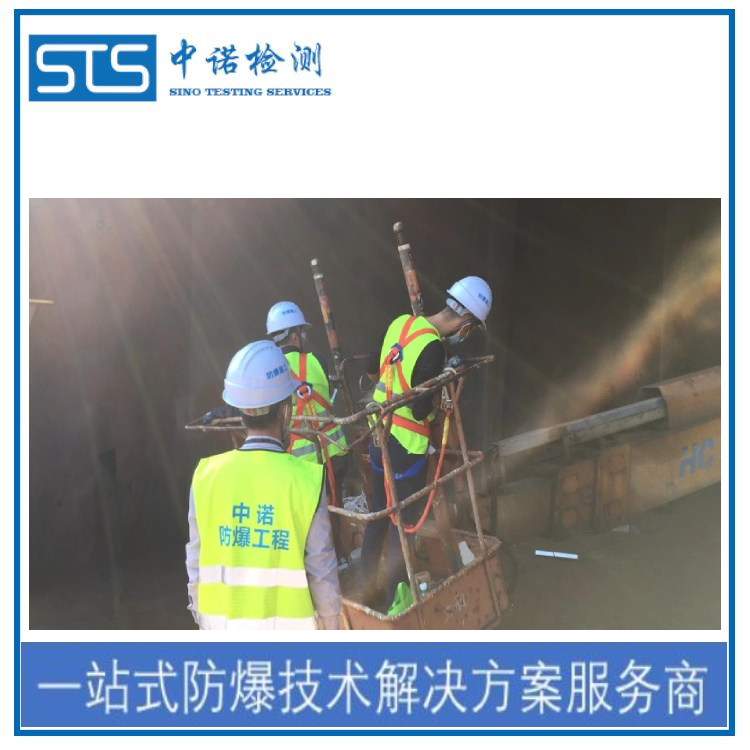
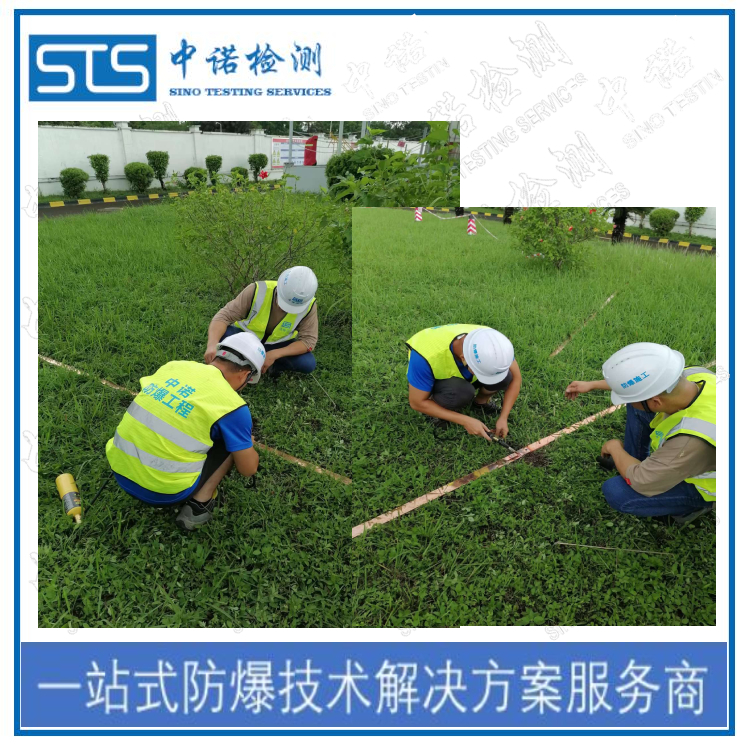











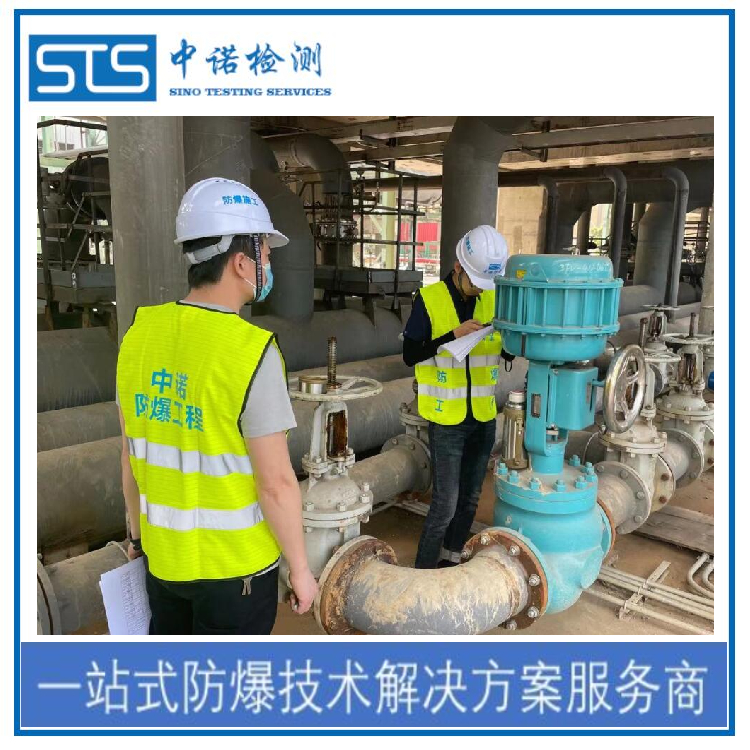

Shenzhen Zhongnuo Inspection & Technology Co., Ltd. is based in South China, offering on-site explosion-proof construction, safety inspections, renovations, project acceptance, and explosion-proof installation consulting services. We are well-versed in explosion-proof construction standards, boasting experienced construction teams and a wealth of practical experience. We have served major enterprises such as PetroChina, LG, Huanlan Environment, BOE Technology Group, and Sinovac Biotech, and have consistently received positive feedback and trust from our clients!
Basic Dust Explosion Proof Construction Standards
In facilities where explosive dust is present, such as flour mills, feed factories, grinding workshops, and plastic production plants, the requirement for explosion-proof measures on-site is particularly crucial. The installation and use of explosion-proof wiring, electrical equipment, dust removal systems, structural layouts, and explosion-proof venting must all comply with the relevant dust explosion-proof standards. Based on a wealth of explosion-proof electrical construction and retrofitting cases, Shenzhen Zhongnuo Testing Technology Co., Ltd. has summarized the following points:
4. Explosion-proof electrical equipment
Electrical equipment used in dust explosion hazard areas shall comply with the relevant standards of GB/T3836. The electrical design should be executed in accordance with the provisions of GB50058. Explosion-proof electrical equipment should be selected based on the level of explosion hazard area and the category, grade, and group of explosive hazardous substances.
Options for explosion-proof electrical equipment. In addition to dust-proof electrical equipment with dust-tight construction for the 21-zone environment containing combustible non-conductive dust and combustible fibers, dust-proof electrical equipment with dust-tight construction is used in the 20-zone explosive dust environment and other 21-zone explosive dust environments, with different ignition temperature groups of electrical equipment selected based on the varying ignition temperatures of the dust.
(2) Galvanized Welded Steel Pipes for Low-Pressure Fluid Transmission
(3) Connections between steel pipes, steel pipes and electrical equipment, and steel pipe accessories should be made using threaded connections. Soldering with sleeves is prohibited, and the following requirements must be met:螺纹 machining should be smooth, complete, and free of rust. Electrical grease or conductive anti-rust grease should be applied to the threads. Do not wrap with hemp or insulating tape on the threads, nor apply other paints. For steel pipes with a diameter of 25mm or less, there should be at least 5 threads. For steel pipes with a diameter of 32mm or more, there should be at least 6 threads.
(4) Explosion-proof flexible conduit should be installed at the following locations for steel pipe wiring: at the motor's incoming line clamp, where direct connection between the steel pipe and electrical equipment is difficult, and where the pipeline passes through the expansion joints or settlement joints of the building.
(5) Mobile electrical equipment should not be used in Zones 20, 21, and 22. If mobile electrical equipment is absolutely necessary, YC or YCW rubber cables should be used for the wiring.
AQ3009-2007 "Electrical Explosion Protection Safety Specification for Hazardous Areas" categorizes dust explosion areas into Zones 20, 21, and 22.
5. Ventilation and Dust Removal
(1) It is advisable to set up a dust removal system with opposing sections according to the process.
(2) All dust-generating points should be equipped with dust collectors
(3) There should be no dust settlement within the air duct.
(4) Bag-type dust collectors should be used, with preference given to the external filter type.
(5) Dust collectors should be installed outdoors. If installed indoors, the explosion relief pipe should be directly connected to the outside, with a length less than 3 meters, and a flame arrester should be set based on the properties of the dust.
(6) It is advisable to install isolation valves at the inlet and outlet of the dust collector, and to set up temperature monitoring devices.
(7) Pulse-jet bag dust collector should use nitrogen, carbon dioxide, or other inert gases as the cleaning gas source.
Fire Protection
(1) Select the appropriate fire extinguisher based on the physical and chemical properties of the dust.
(2) During fire extinguishing, prevent dust from being lifted to form a dust cloud.
(3) If the combustible material reacts with water to produce explosive gases, do not use water to extinguish the fire.
7. Job Safety
When dust clouds can be ignited by sparks from collisions, measures should be taken to prevent collisions from occurring. Additionally, explosion-proof tools should be used during maintenance.
(2) Do not use rotating grinding wheels and rotating cutting disks for grinding and cutting if there are no protective measures equivalent to those for open flame operations.
(3) All production workshops and storage rooms where dust may accumulate should be cleaned promptly.
(4) Do not use compressed air for well flushing.
(5) At the workplace, production personnel should not wear synthetic fiber garments next to their skin.
Shenzhen ZhongNuo Testing Technology Co., Ltd. offers explosion-proof construction services in the field of:
Explosive gas environments and hazardous areas with flammable or combustible dusts exist in various industries and fields, including petrochemicals, metal smelting, fine chemicals, petrochemical ground facilities (gas stations, filling stations, petrochemical warehousing and transportation), new energy, special equipment, nuclear power, tunnels, grain processing, wood processing, metal product processing, and environmental protection engineering. Ensuring explosion-proof safety in these hazardous areas is crucial for safeguarding the economic development of our country and its people.
Basic knowledge for explosion-proof electrical installation should include the following points:
1. Classification, grouping of explosive substances, and categorization, classification, and delineation of explosive hazard areas.
Explosive gases should be classified based on their Maximum Experimental Safe Gap (MESG) or Minimum Ignition Current Ratio (MICR), and grouped by their ignition temperature. Combustible dusts can be divided into conductive and non-conductive types based on their electrical conductivity, and grouped by their low ignition temperature. Hazardous areas involving explosive substances are categorized into two types: gas explosion hazardous areas and dust explosion hazardous areas. The hazardous areas are further divided into three zones (0, 1, and 2) based on the frequency and duration of the presence of explosive gas environments. The areas are also categorized into three zones (20, 21, and 22) based on the frequency and duration of the presence of combustible dust/air mixtures and the thickness of the dust layer.
Section 2: Selection of Explosion-Proof Electrical Equipment for Hazardous Areas.
The selection principle for explosion-proof electrical equipment is safety and reliability, as well as economic and reasonable. The selection should be based on the level of the explosive hazardous area and the category, grade, and group of explosive hazardous materials. Refer to the specific selection table in standard AQ3009-2007 for details.
Section 3: Installation of electrical wiring and explosion-proof electrical equipment in hazardous explosive areas.
The installation methods for electrical wiring in explosive gas environments can be divided into cable wiring and conduit wiring. Electrical wiring should be installed in areas with lower explosive risk or at a greater distance from the source of release, avoiding locations prone to mechanical damage, vibration, corrosion, dust accumulation, and areas with hazardous temperatures. When avoidance is not possible, preventive measures should be taken. The low-voltage cables or insulated conductors used must have a rated voltage higher than the working voltage of the circuit, and not less than 500V. Insulated conductors must be installed within conduits. For more details, attend training programs on explosion-proof electrical installation, maintenance, and repair.
Four: Inspection and maintenance of explosion-proof electrical equipment in hazardous areas.
To minimize the ignition hazard of electrical equipment in hazardous areas, initial inspections should be conducted before the equipment is put into operation and during the handover acceptance of the project. To ensure the electrical equipment remains in good condition for long-term use in hazardous areas, continuous supervision and regular inspections should be carried out. Initial and periodic inspections should be entrusted to safety production testing and inspection institutions with explosion-proof qualifications.
Inspections and maintenance of explosion-proof electrical equipment should be conducted by qualified personnel meeting specified criteria. These individuals must undergo training that covers general principles, including explosion-proof types, installation practices, relevant regulations and procedures, as well as classification of hazardous areas. They should also receive appropriate continuing education or regular training, and possess relevant experience and trained qualifications. Ongoing supervision and regular inspections should be carried out. Maintenance requirements should propose reasonable remedial measures and equipment replacement procedures.
Equipment protection grounding in explosive environments shall comply with the following regulations (shared by Shenzhen ZhongNuo Testing Technology Co., Ltd.)
In accordance with the relevant provisions of the current standard "Code for Grounding Design of AC Electrical Installations" GB/T50065, the following parts that do not require grounding should still be grounded in explosive environments:
1) Equipment with a normal non-electrified metal enclosure, where the alternating current rated voltage is below 1000V and the direct current rated voltage is below 1500V, on poor conductive ground surfaces.
2) In dry environments, equipment with alternating voltage ratings of 127V or less and direct voltage ratings of 110V or less commonly have metal enclosures that are not energized.
3) Equipment installed on a grounded metal structure.
(2) In explosive hazardous areas, the exposed, conductive parts of the equipment should be reliably grounded. All equipment within explosive zones 0, 20, and 21, as well as other equipment in zones 2 and 22 except for lighting fixtures, should use specialized grounding cables. If the grounding cable is installed in the same protective conduit as the phase wire, it should have insulation equal to that of the phase wire. Lighting fixtures within explosive zones 2 and 22 may use a metal pipeline system with a reliable electrical connection as a grounding cable, but not the piping for conveying substances.
(3) In different directions of the slope in the explosion hazard area, the grounding main should be connected to the grounding body at least twice.
Explosion-proof electrical retrofitting in hazardous areas and on-site explosion-proof construction consulting services – Shenzhen Zhongnuo Testing Technology Co., Ltd.
WeChat Official Account

Scan to follow Official Account