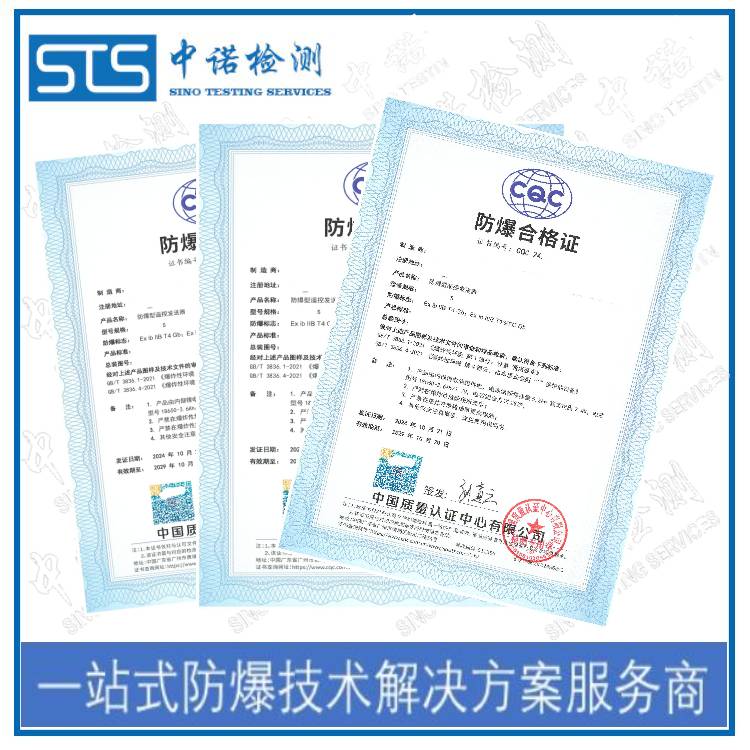
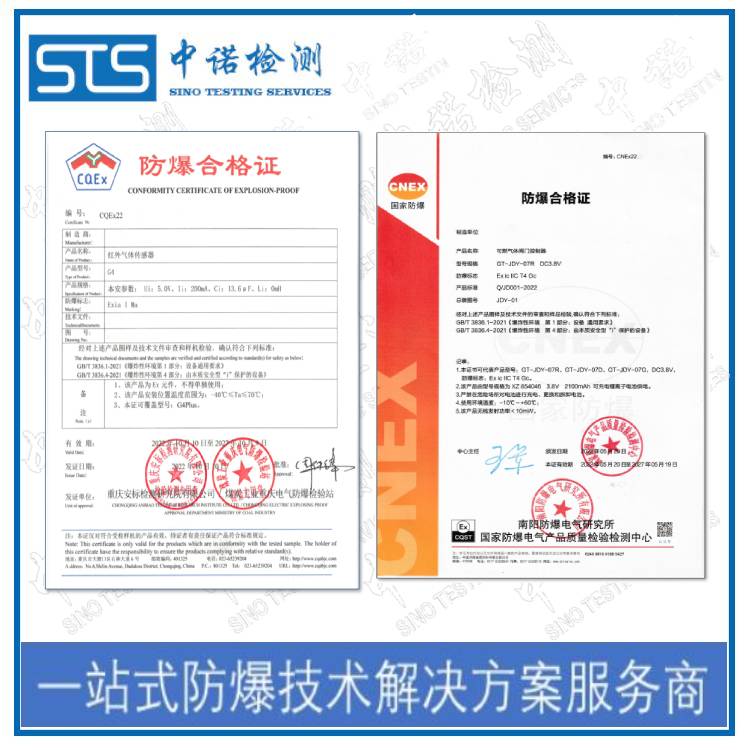










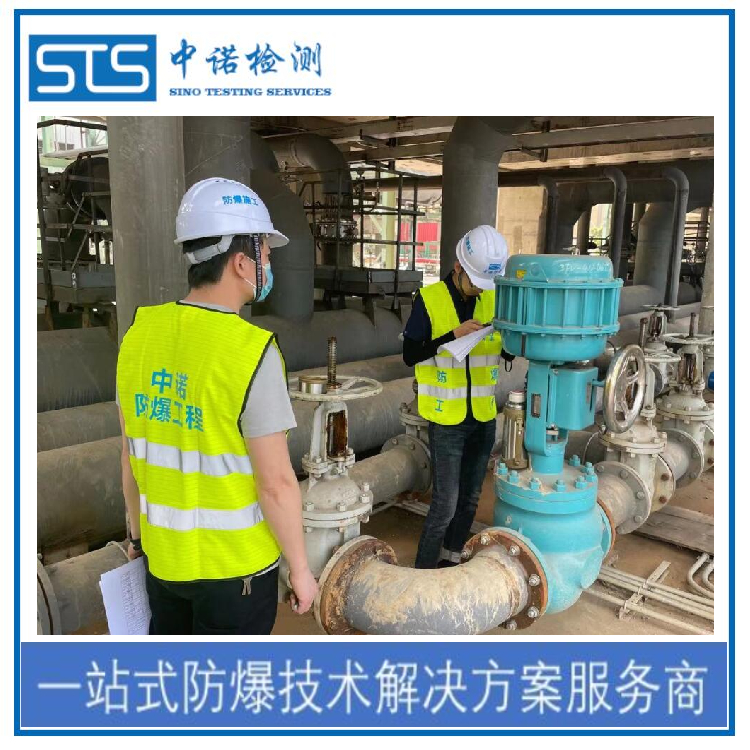
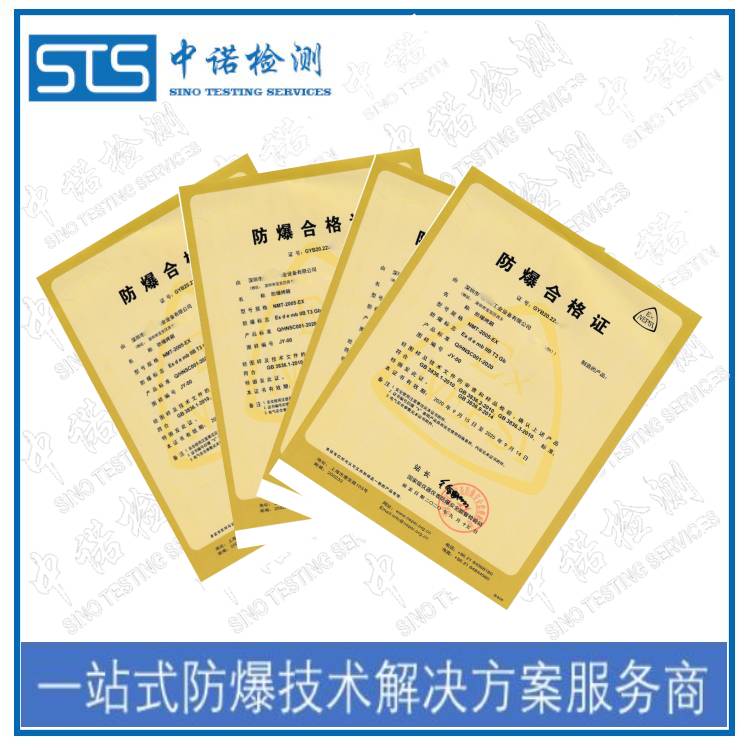
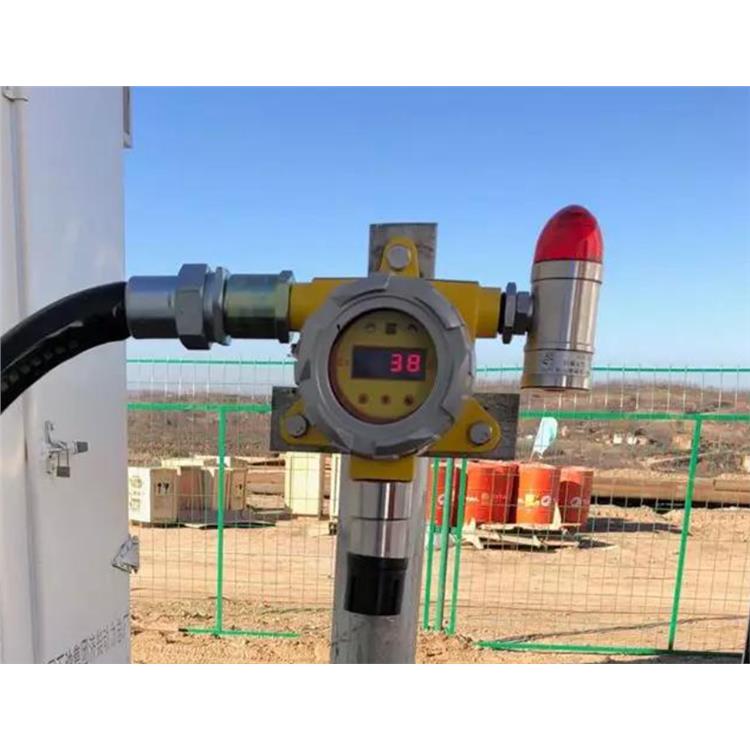
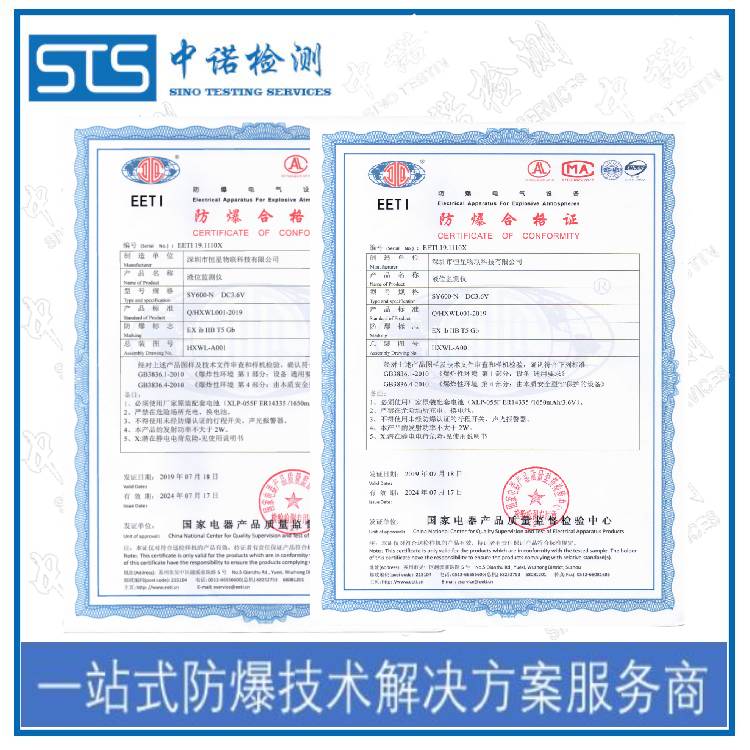
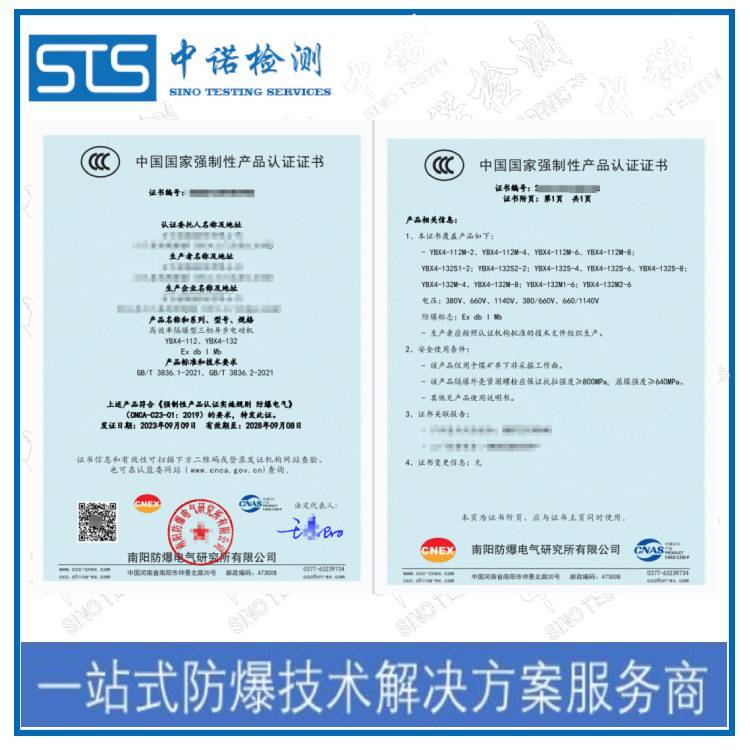
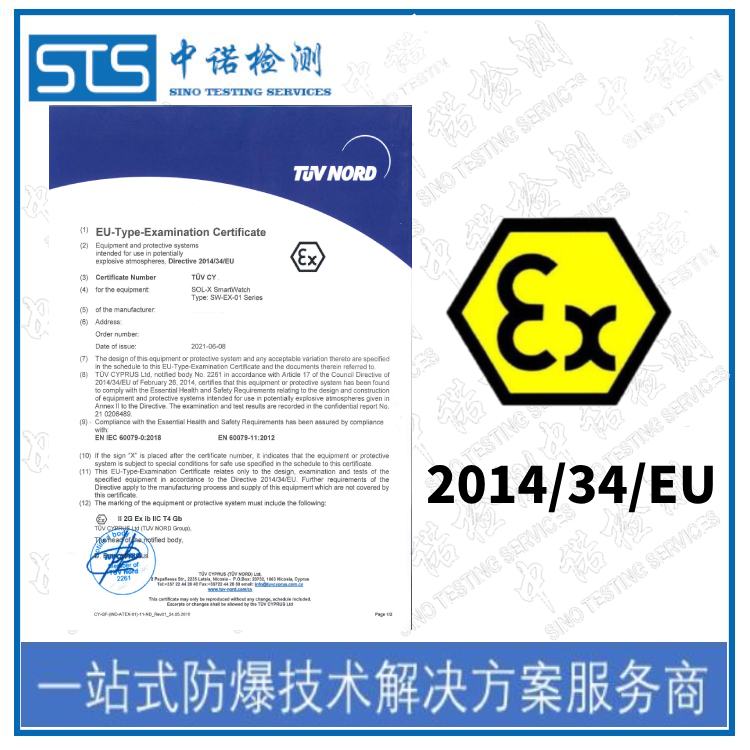
Shenzhen Zhongnuo Testing Technology Co., Ltd. is based in South China and specializes in explosion-proof certification and coal safety certification application consulting services, offering one-stop explosion-proof technology consulting services.
Explosion-proof certification refers to a product certification for equipment and products used in flammable and explosive environments. To meet the requirements of explosion-proof certification standards, certain measures must be taken, which we call explosion-proof protection types. Common explosion-proof protection types currently include intrinsic safety, flameproof, positive pressure, and increased safety, among others.
Clearly, ATEX is just one type of explosion-proof protection.
Different explosion-proof protection types have varying design requirements for products.
intrinsic safety is a type of explosion-proof protection that limits electrical energy, ensuring that the energy produced even during a fault is not enough to ignite a flammable or explosive environment. As a result, intrinsic safety imposes restrictions on electrical equipment parameters such as current, voltage, capacitance, and inductance, and is generally suitable for low-power equipment. Additionally, it has specific requirements for the power supply method, plastic casings, and wireless transmission of the equipment.
As a third-party institution specializing in explosion-proof certification for many years, Shenzhen ZhongNuo Testing Technology Co., Ltd. has dedicated engineers for intrinsically safe circuit and structural design. We offer technical consultation on explosion-proof circuit design, drafting, and modifications, and have extensive experience in designing and obtaining certifications for intrinsically safe IA, IB, and IC levels. If you have certification needs in this area, feel free to message us!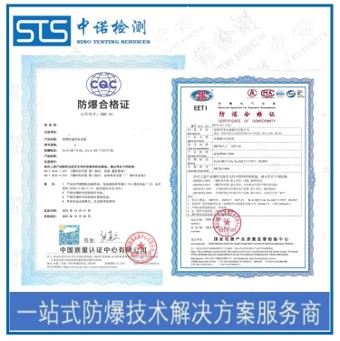
Application Process for Explosion-Proof Certification at Shenzhen Zhongnuo Testing Technology Co., Ltd.
1. Conduct product evaluation and preliminary quotation for the applied products. Evaluate the product based on the company's product specifications, electrical schematics, and component list. Determine the suitable type of explosion-proof certification for the product and provide a preliminary quotation.
2. Provide samples for testing at the lab; the quantity of samples required varies depending on the product category.
3. Provide documentation list review
Application documents, including applicant's information and related materials
(2) Technical documentation, including the technical materials submitted by the company, such as corporate standards or technical requirements, product drawings, and user manuals.
A. Corporate Standards/Technical Requirements: The corporate standards/technical requirements for products should be written in the prescribed format, including not only performance requirements but also relevant content concerning explosion-proof aspects: such as basic parameters, explosion-proof markings, operating environmental conditions, explosion-proof performance requirements, relevant tests for explosion-proof performance, and markings related to explosion-proof.
B. Product Drawings: When an enterprise applies for an explosion-proof certificate for intrinsic safety electrical equipment, it should provide assembly drawings, circuit diagrams, printed circuit board diagrams, silk-screening diagrams, material lists for components, and label diagrams, etc. For non-intrinsic safety electrical equipment, the technical documents submitted for inspection should include drawings that reflect the explosion-proof performance of the sample (including assembly drawings and component drawings). If the assembly drawing can clearly indicate the explosion-proof parameters and structure of the product, only the assembly drawing needs to be submitted for inspection.
C. Instruction Manual - The instruction manual should include basic parameters, explosion-proof markings, product外形 diagram, installation, maintenance instructions, order requirements, and clear warnings to the user regarding the importance of maintaining the product's explosion-proof performance during installation and use.
D. Other Information: For products with adhesive bonding or casting, provide the model names, performance descriptions, and relevant process documents for the adhesive and casting agents. For products with plastic casings, provide the material of the plastic and corresponding performance documents.
4. Certificate issuance
How to inquire about explosion-proof certification
Buyers and selectors of explosion-proof electrical equipment will choose manufacturers or distributors with explosion-proof certification.
So, as a consumer, how can users verify the authenticity and validity of the explosion-proof certificate?
Currently, there are over a dozen authorized certification bodies in China that issue explosion-proof certificates.
There is no unified search platform for explosion-proof certificates issued by various certification institutions.
Ex防爆 certificates issued by various institutions can only be verified on their respective websites.
Of course, every issuing organization can verify the authenticity of certificates by phone.
If the inquiry certificate is genuine, the main parameters and validity period will be displayed below.
Of course, it couldn't be found if that's the case.
It's worth noting that due to the manual uploading of certification documents by various issuing authorities, there is a certain lag.
That is to say, the certificate just obtained may not necessarily be searchable on their website.
This would require direct consultation with the shipping agency.
Sample Requirements for Explosion-Proof Certification Application:
The sample machines submitted by the company for inspection must match the approved drawings and be fully assembled. The number of units inspected should meet the requirements.
If special disassembly tools are required, they should be sent along as well.
For encapsulated electrical equipment, a set of both encapsulated and non-encapsulated products should be submitted.
The observation window transparent parts should be supplied with an additional 5, at least 3.
Transparencies for lighting fixtures should be separately sent in at least 5, but no more than 8 pieces.
Rubber aging tests should provide 3 to 5 pieces of 35156 rubber blocks.
Provide 2 plastic sheets with a diameter of 150-60mm for insulation resistance testing of the plastic shell. If the dimensions permit, the plastic shell can be tested directly.
Finished products usually require 1-2 samples.
Explosion-proof Certification Application Consulting Service - Shenzhen Zhongnuo Testing Technology Co., Ltd.
WeChat Official Account

Scan to follow Official Account