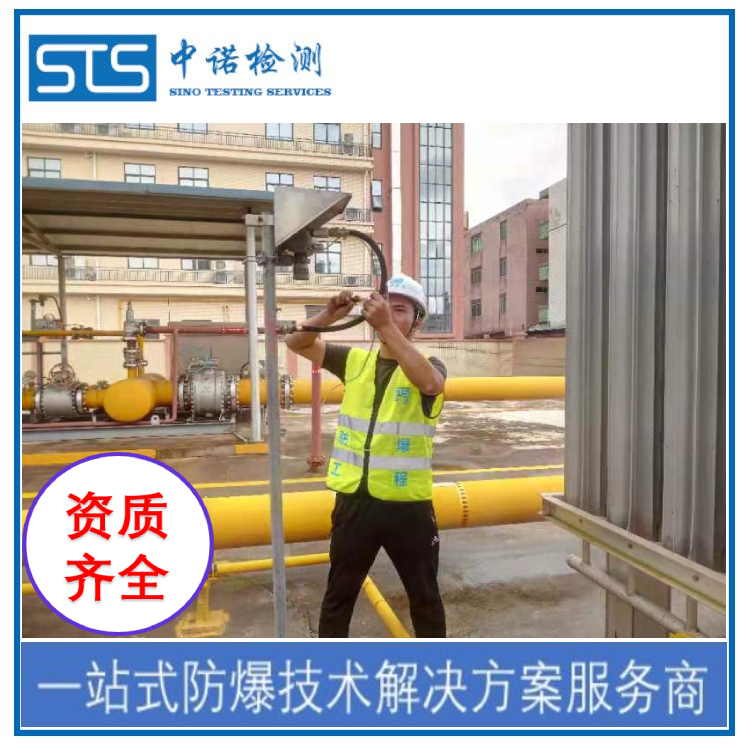

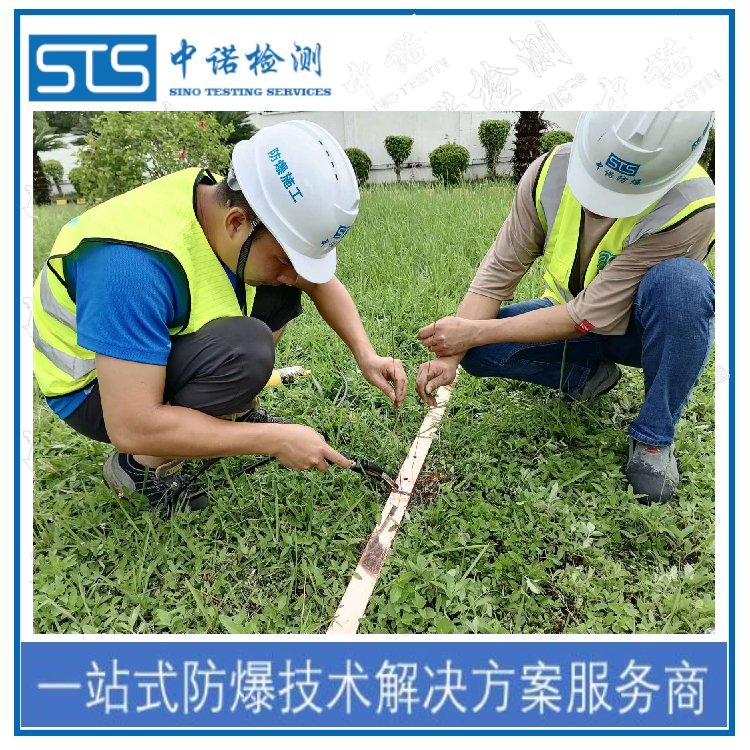
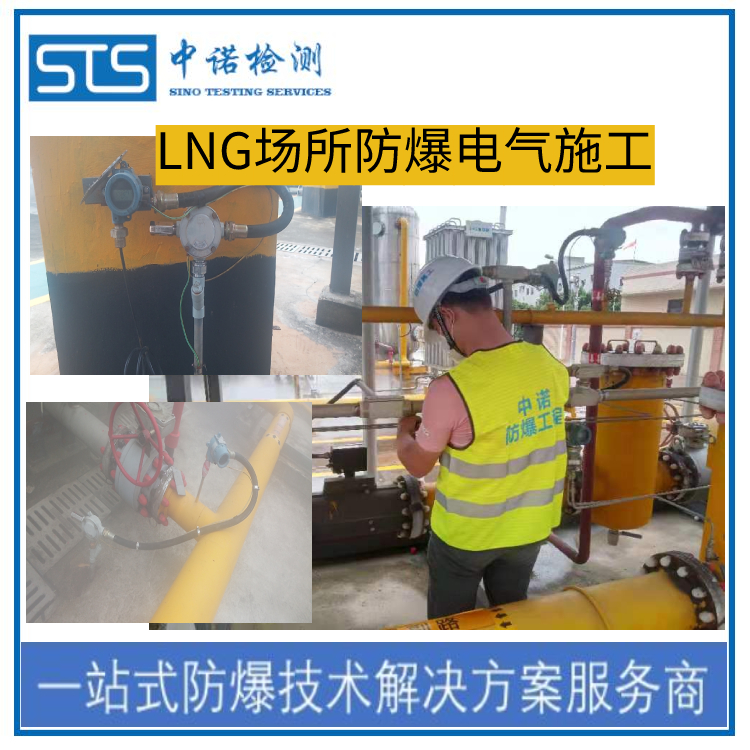










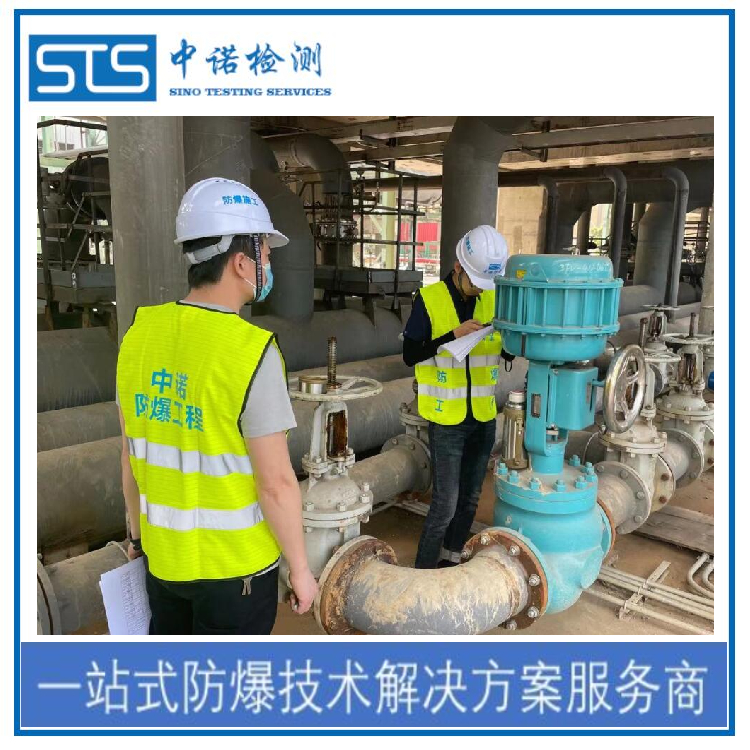
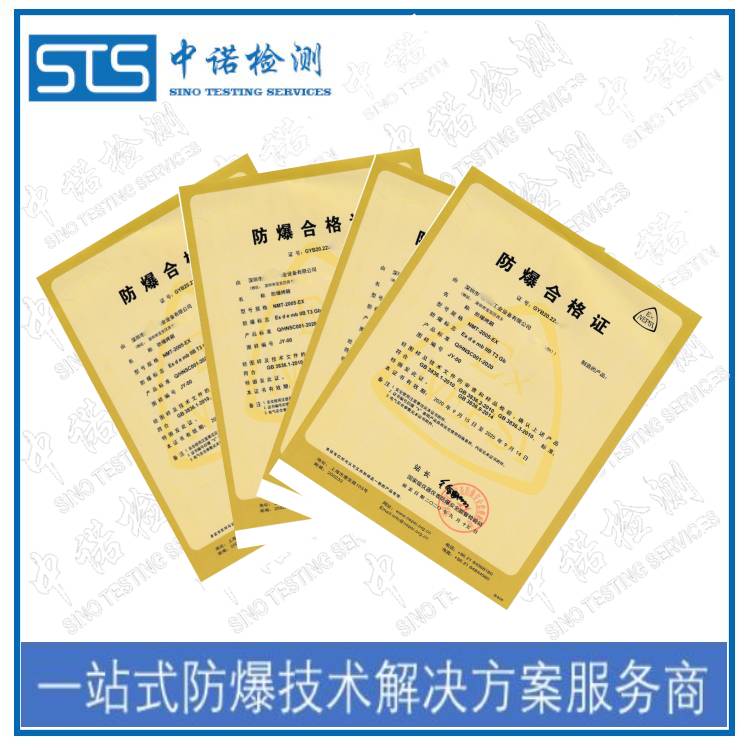
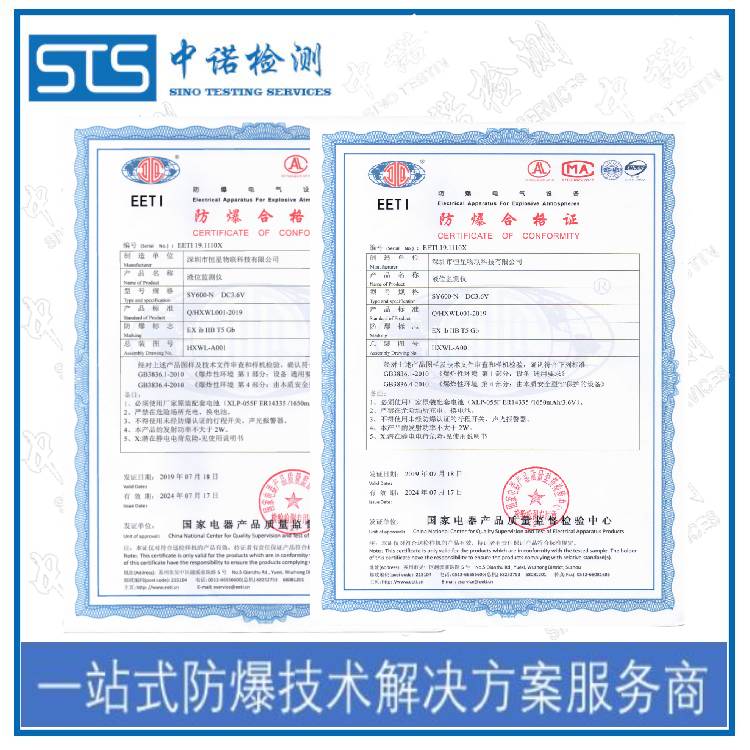
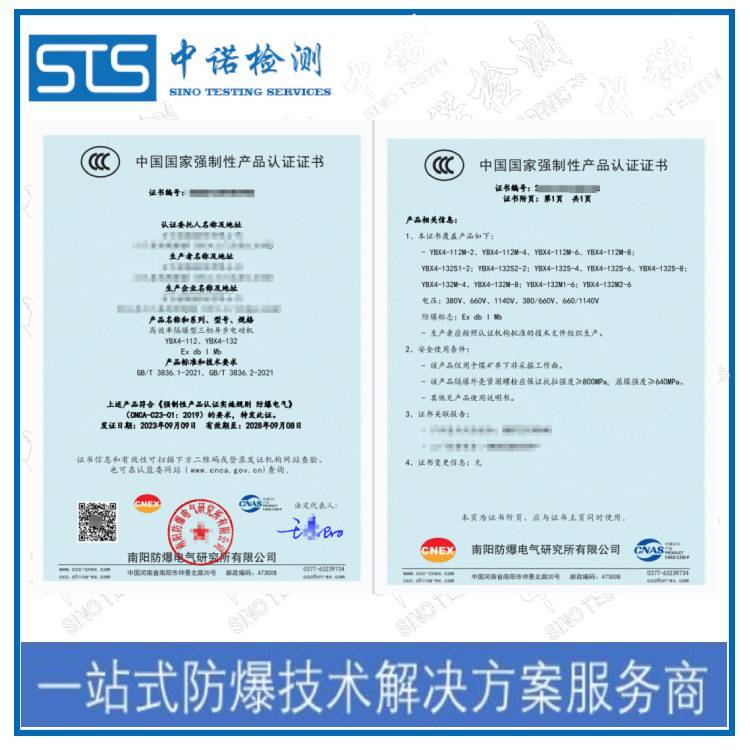

Shenzhen ZhongNuo Inspection & Testing Technology Co., Ltd. is based in South China, offering consulting services for explosion-proof construction, safety inspections, renovations, project acceptance, and installation. We are well-versed in explosion-proof construction standards, with experienced construction teams and extensive project experience. We have served major enterprises such as PetroChina, LG, Huanlan Environment, BOE Technology Group, and Sinovac Biotech, and have consistently received positive feedback and trust from our clients!
As the world's energy and chemical industries develop, construction in explosive hazard environments is becoming increasingly widespread, and the prevention and acceptance of explosive environments are becoming more important.
Especially in flammable dust environments such as plastic factories, feed/food/grain processing plants, metal polishing workshops, and papermaking/forestry wood flour/fiber dust factories, the number of projects involving explosion-proof installation, design, and retrofitting is also increasing.
Whether it's for large-area or local explosion-proofing, if there are potential hazards in product quality or installation/renovation quality.
Our personnel and property safety are greatly threatened, so we must control the quality at every stage to ensure the reliability and safety of explosion-proof installations and renovations.
Shenzhen Zhongnuo Testing Technology Co., Ltd. offers explosion-proof construction and modification consulting services. With extensive qualifications and case studies, it's a worthwhile choice!
Basic Knowledge and Requirements for防爆 Cable Use on Construction Sites (Shared by Shenzhen Zhongnuo Testing Technology Co., Ltd.)
Installation methods for electrical wiring in explosive gas environments can be categorized into cable wiring and conduit wiring methods.
Note: The installation of inherently safe circuits may not be in accordance with the provisions of this article.
7.1 General Provisions
7.2 Electrical wiring should be installed in areas of lower explosion hazard or at a greater distance from the source of release, avoiding locations susceptible to mechanical damage, vibration, corrosion, dust accumulation, and those with dangerous temperatures. If avoidance is not possible, preventive measures should be taken.
7.3 The selected low-voltage cables or insulated conductors must have a rated voltage higher than the working voltage of the line and not less than 500V. Insulated conductors must be laid within conduits.
7.4 Prohibition of overhead lines with voltages of 10kV and below crossing explosive gas environments; the horizontal distance between overhead lines and explosive gas environments should not be less than 1.1 times the height of the tower.
7.5 Cables and their accessories shall be installed in such a position that, in accordance with actual conditions, they are protected against external mechanical damage, corrosion, or chemical influences (such as the effects of solvents), as well as the effects of high temperatures (also see 6.1.2.4.4 for this safety circuit). If such conditions cannot be avoided, protective measures shall be taken during installation, such as using conduits or selecting the appropriate cable type (armored cables, shielded wires, seamless aluminum sheathed cables, mineral insulated metal sheathed cables, or semi-rigid sheathed cables, etc., to minimize damage).
7.6裸单芯电线, unless installed in a distribution panel, enclosure, or conduit system, shall not be used for conductive wiring.
Standards for Explosion-Proof Construction Acceptance - Shenzhen ZhongNuo Testing Technology Co., Ltd.
G50058 "Code for Design of Electrical Installations in Explosive Hazardous Environments"
GBJ54-83 "Code for Design of Low-Voltage Distribution Systems and Equipment"
G50016 Building Design Fire Prevention Code
AQ3009 Electrical Explosion-Proof Safety Regulations for Hazardous Areas
GB/T3836.1 "Explosive Atmospheres - Part 1: Equipment - General Requirements"
GB/T3836.15 "Design, Selection, and Installation of Electrical Equipment for Explosive Environments"
GB50257 "Code for Construction and Acceptance of Electrical Installation in Explosive and Fire Hazardous Environments"
14J938 "Explosion-Proof and Explosion Ventilation Windows, Roofs, and Wall Structures"
Basic Dust Explosion-proof Construction Standards
In facilities where explosive dust is present, such as flour mills, feed factories, grinding workshops, and plastic production plants, the requirement for explosion-proof measures on-site is particularly important. The installation and use of explosion-proof wiring, electrical equipment, dust removal systems, building structure layouts, and explosion-proof and venting must all comply with the relevant dust explosion-proof standards. Based on a wealth of explosion-proof electrical construction and retrofitting cases, Shenzhen Zhongnuo Testing Technology Co., Ltd. has summarized the following points:
Structure and layout of buildings
Process equipment with a dust explosion hazard or buildings (structures) containing combustible dust should be separated from other buildings (structures), and their fire protection distances should comply with the relevant provisions of GB50016.
(2) Buildings should be single-story, with lightweight roofing structures preferred.
(3) Structural requirements for multi-story buildings are as follows:
A. Multi-story buildings are best suited for frame structures.
B. Buildings that cannot be constructed with a frame structure should have explosion relief openings installed on the walls in accordance with the requirements.
C. If windows or other openings are used as blast relief ports, they must be calculated and ensured to effectively release pressure during an explosion.
(4) Evacuation routes must meet the following requirements:
A. The work area should have evacuation routes, and the number and location of the evacuation routes should comply with the provisions of GB50016.
B. The door should open outward and no threshold should be installed.
C. Detailed road signs and emergency lighting should be set up for evacuation routes.
2. Process Equipment
(1) If there is a risk of dust explosion in the process equipment within the factory building, it should be located on a higher floor and close to the exterior wall.
(2) Process equipment with explosive hazards should be located in an outdoor open area outside the building.
(3) Equipment or apparatus in direct contact with dust (such as light sources, heating sources, etc.) should have a surface temperature below the lower ignition temperature of the corresponding dust.
(4) In areas where combustible dust is present, the drive mechanisms of the equipment and installations shall comply with the following regulations:
The bearings of the processing equipment should be dust-proof and sealed. If there is a possibility of overheating, a detector capable of continuously monitoring the bearing temperature should be installed.
B. Belt drives are not recommended. If belt drives are used, a speed difference sensor and an automatic anti-skid protection device should be installed. In case of sliding friction, the protection device must ensure automatic shutdown.
(5) At the feed point of the process flow, install magnets, pneumatic separators, or screens capable of removing impurities mixed with the material to prevent collisions between debris and equipment.
(6) Effective measures should be taken to prevent sparks from occurring when metal powders such as aluminum, zirconium, or powders containing these metals come into contact with stainless steel.
(7) For protective stopping in case of explosion, several power supply control boxes capable of interlocking with each other should be installed according to the size of the workshop. In emergencies, they should be able to promptly cut off the power supply to all motors.
(8) Joints, inspection doors, baffles, and explosion relief coverings of the process equipment should all be tightly sealed
(9) The equipment housing should be made of non-combustible material
(10) The moving parts of the equipment should operate smoothly without any scraping, bumping, jamming, or rubbing.
(11) If the strength of the process equipment is insufficient to withstand the overpressure generated by internal dust explosion under actual operating conditions, explosion relief ports should be installed, and the size of the relief ports should comply with the relevant provisions of GB/T15605.
(12) The explosion vent location should be near where an explosive source might occur, and should be as high as possible, preferably at the top or near the top of the enclosed body. It must not vent towards flammable or explosive hazardous areas to avoid igniting others, and it must not vent towards public spaces to prevent injury from explosion venting.
3. Lightning and Static Electricity Protection
Dust explosion hazard areas should implement lightning protection measures in accordance with the relevant provisions of GB50057. When static electricity hazards are present, the following regulations should be adhered to:
All metal equipment, device casings, metal pipes, brackets, components, and parts, etc., are generally grounded with anti-static direct grounding. For those that are not convenient or prohibited by the process from direct grounding, indirect grounding can be achieved through conductive materials or products.
(2) Equipment directly used for containing electrostatic powder, such as conveyance pipes (belts) for the powder, should be made of metal or anti-static materials.
(3) All metal pipe connections should be bonded together.
(4) Operators should take anti-static precautions.
(5) Do not use the method of contacting a directly grounded metal conductor or mesh with high-speed flowing powder to dissipate static electricity.
Explosion-proof electrical modifications and on-site explosion-proof construction consulting services for hazardous areas - Shenzhen ZhongNuo Inspection Technology Co., Ltd.
WeChat Official Account

Scan to follow Official Account