







Equipment Principle:
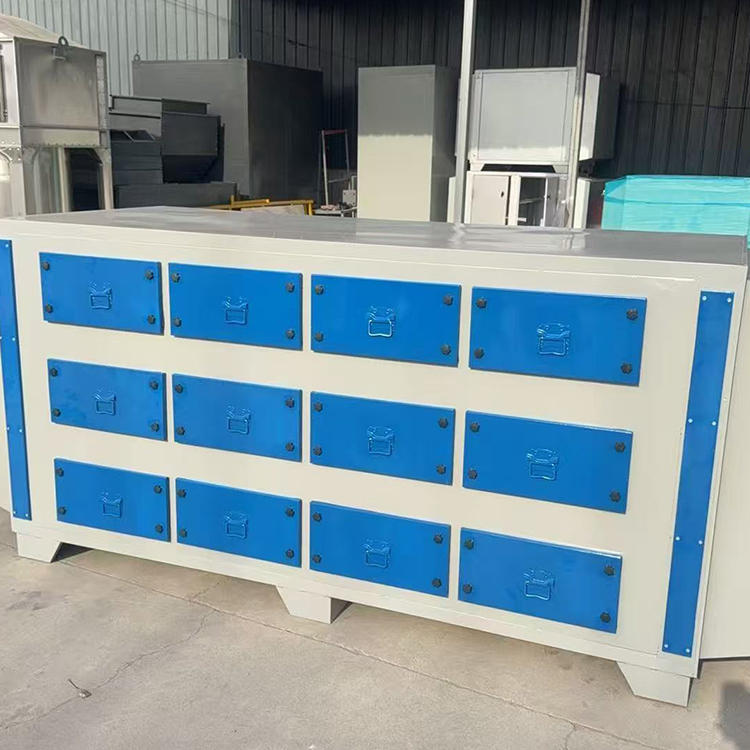
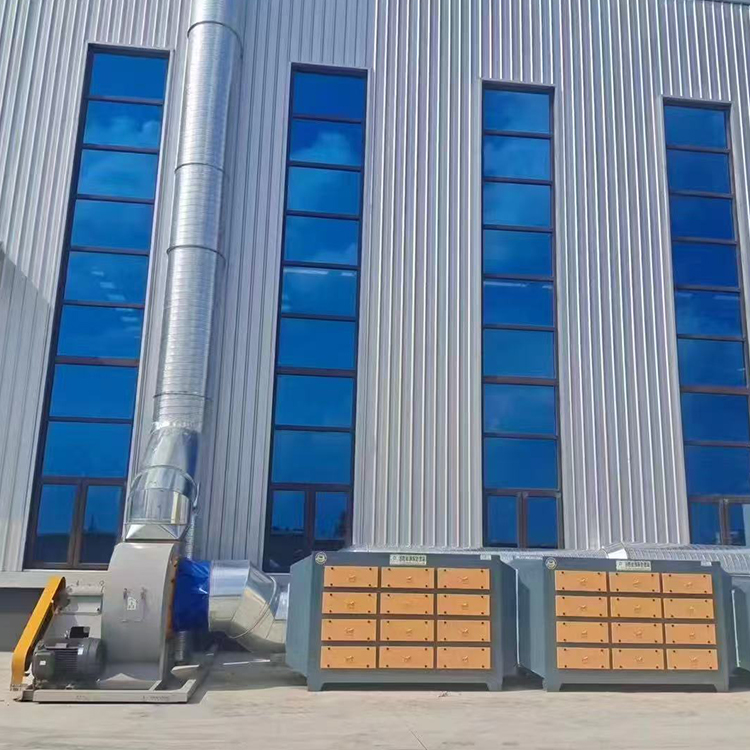
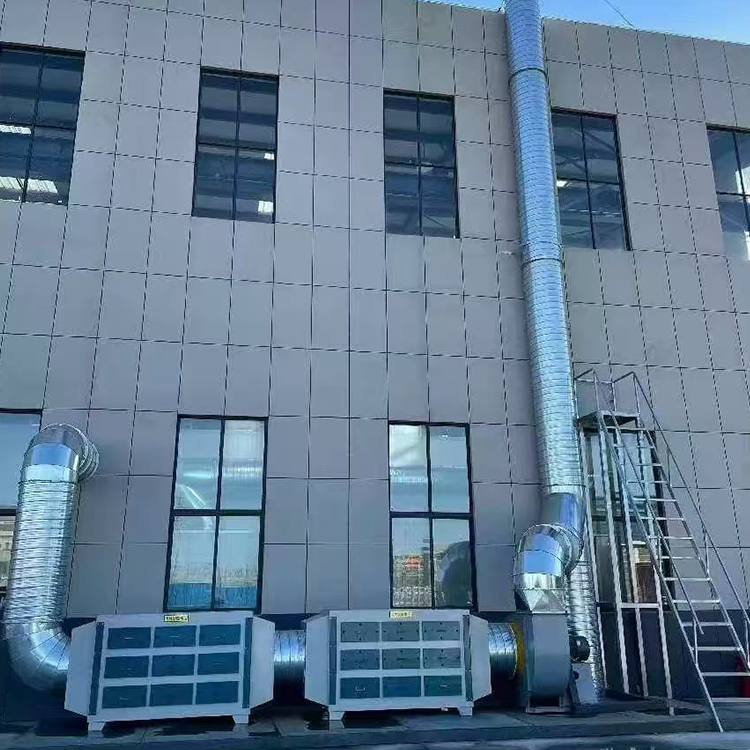
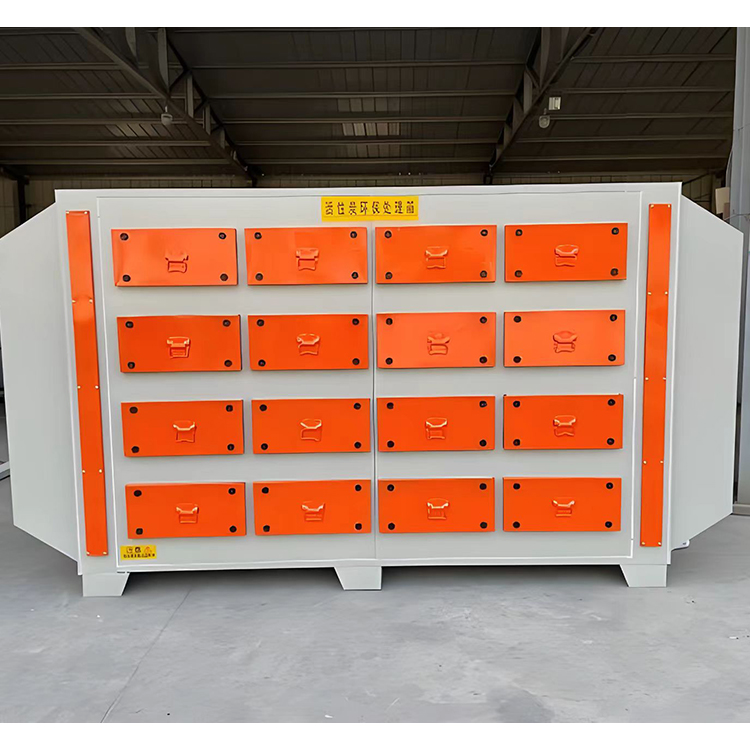
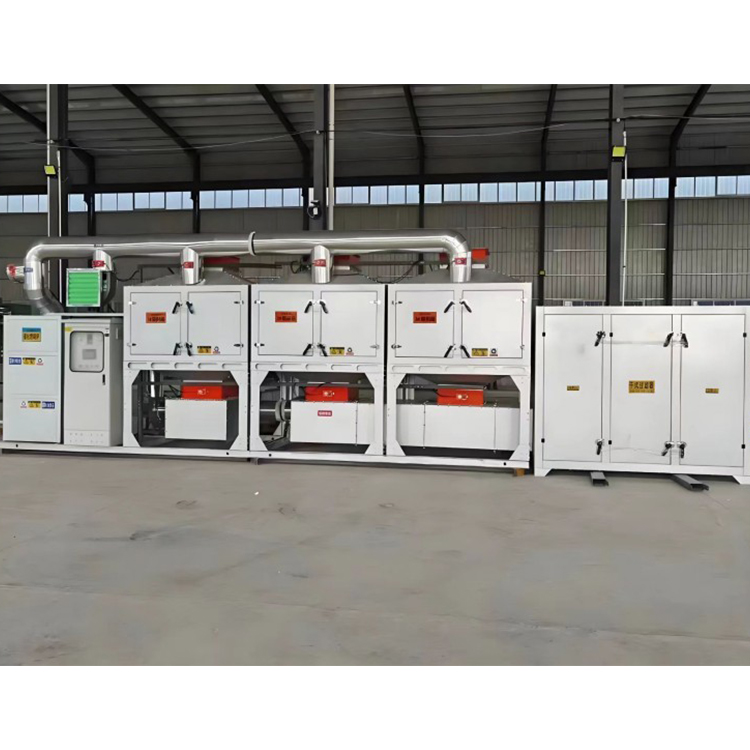
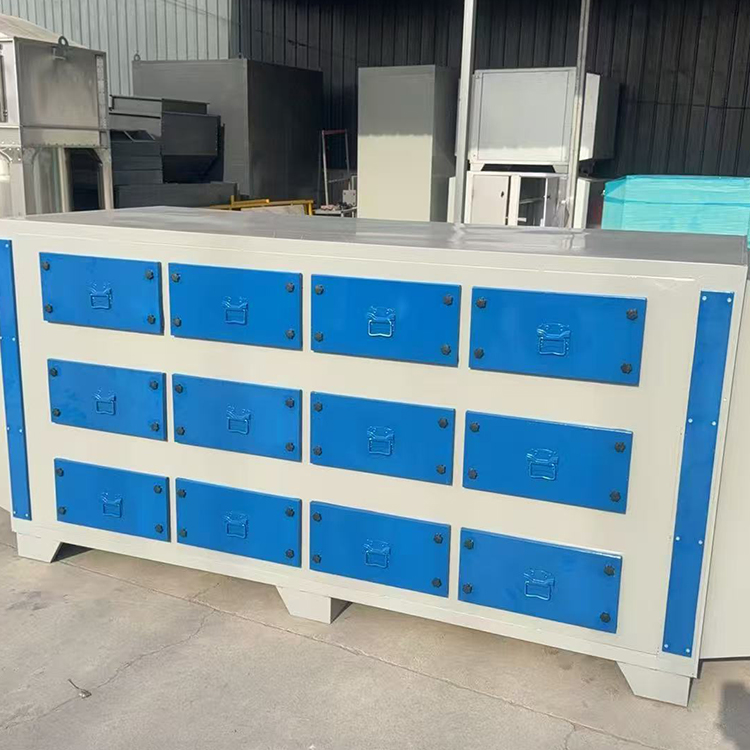
Paint mist and dust are generated during the painting process on the painting bench, where most of the paint is deposited on the workpiece, while the rest is carried away with the exhaust air, forming a mist of dust. These dust particles are not highly concentrated and have a small size, with most being below 10μm. The paint mist outside the cabinet is drawn into the mist purification box by the fan's suction. Inside, the gas-liquid separator separates air from water. After separation, the air travels through the box and encounters multi-stage filter plates, where the mist makes complete saturation contact with the plates, and the particle dust is adsorbed. The remaining clean exhaust gas is then filtered through a mesh filter before entering the activated carbon purification box. This box utilizes the strong adsorption ability of activated carbon to purify organic gases. The activated carbon purification box consists of an inlet, activated carbon filtration section, and an outlet section. Organic exhaust gas enters the box through the inlet, and after purification, the standard exhaust gas is discharged into the atmosphere under the suction force of the fan.
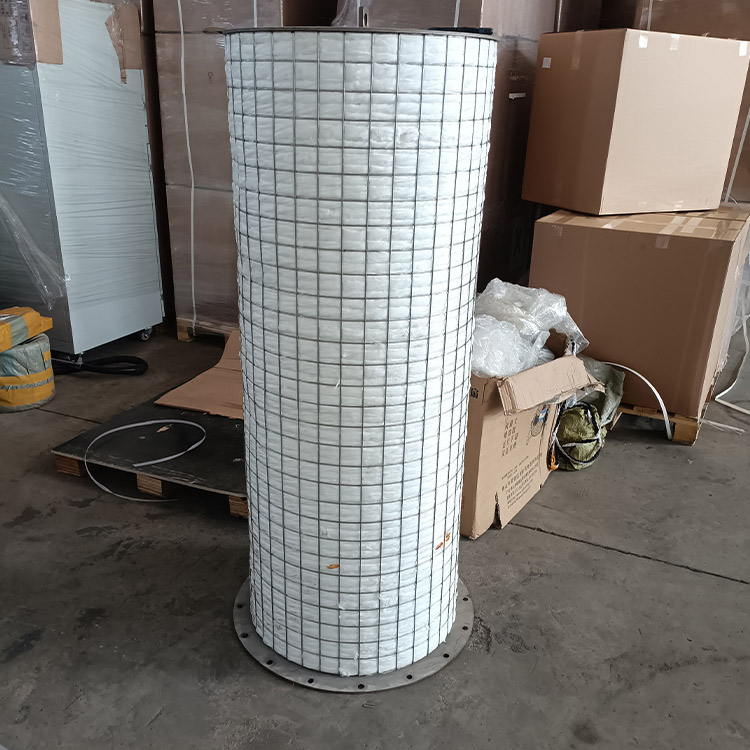
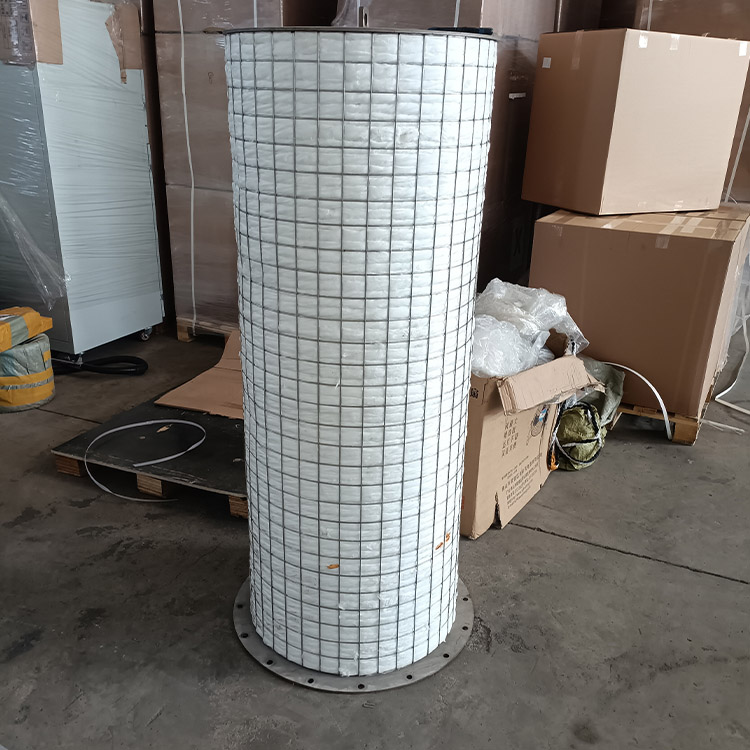
First Stage Filtration: The V-shaped paper dry filter (fire-resistant type) removes paint mist and moisture from the air brought by the water curtain. Features of the V-shaped filter paper: The paint filter paper is made of imported Swiss kraft paper, with a pleated structure that effectively absorbs excessive spray, forcing the airflow to change direction multiple times. Paint mist particles in the air adhere to the filter paper and do not get carried away by the airflow. The fire-resistant V-shaped paper filter uses fire-resistant paper filter material, has strong paint adsorption capacity, good continuous airflow stability, and smooth air flow, ensuring better spraying conditions and better surface quality control, with higher spraying quality. Low operating costs, longer service life, easy operation, convenient installation, and environmentally friendly recyclable.
The second and third activated carbon stages: The gas, powered by a fan, enters the box under positive or negative pressure. Due to the presence of unbalanced and unsaturated molecules on the solid surface of the activated carbon, when this surface comes into contact with the gas, it can attract gas molecules, causing them to concentrate and remain on the solid surface. This吸附 pollutants, and after passing through a filter, the waste gas enters the dust removal system of the equipment, resulting in the purified gas being emitted at a high altitude that meets environmental standards.
Product Features:
1. High adsorption efficiency, significant effect, and broad applicability.
2. Capable of treating a variety of mixed organic waste gases simultaneously; purification efficiency ≥ 95%.
3. Compact equipment construction, minimal footprint; simple maintenance and management, low operating costs.
4. Features automated control operation for ease and safety.
5. Fully enclosed design, suitable for both indoor and outdoor use.
6. Capable of handling multiple mixed waste gases simultaneously.
Application Range:
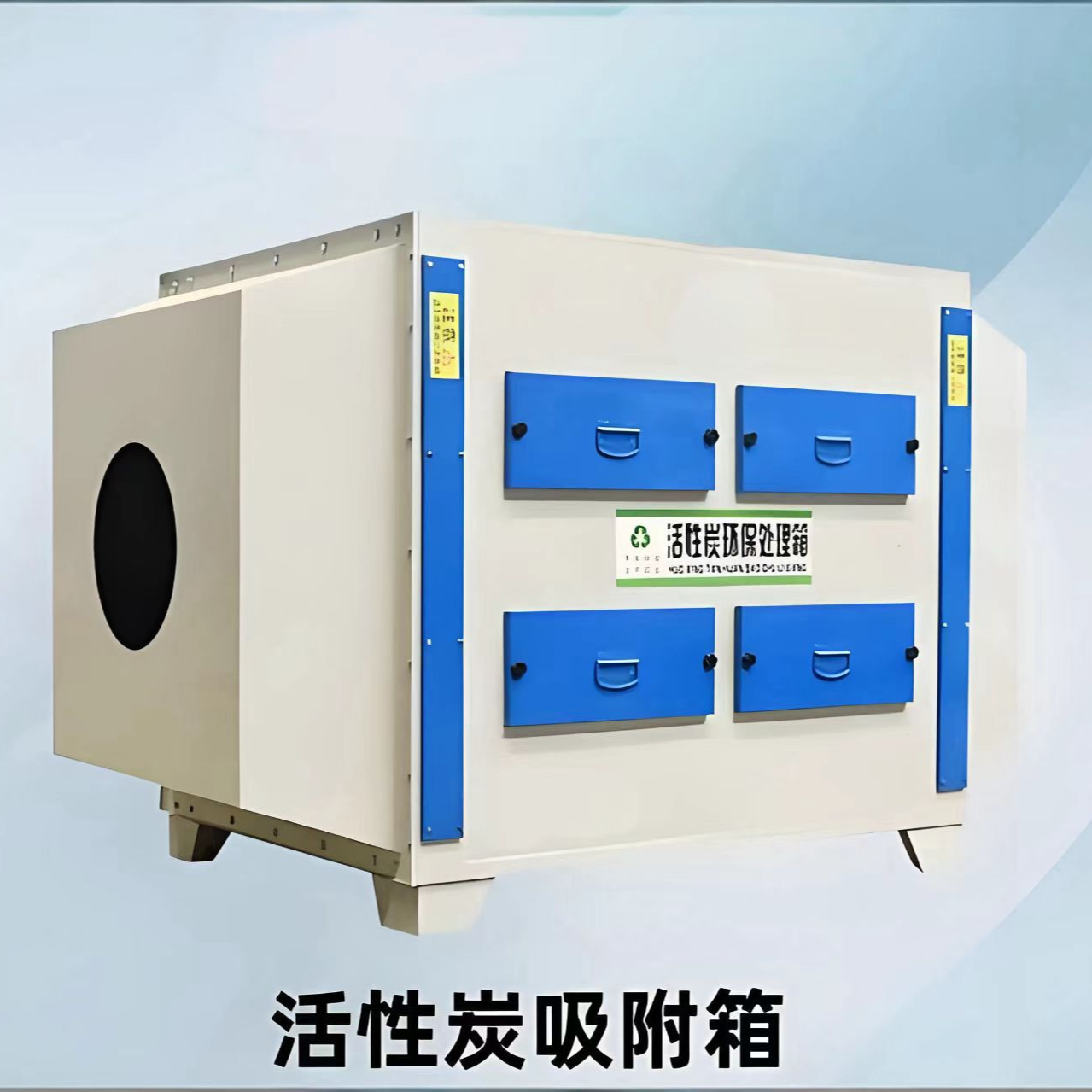
Activated carbon environmental boxes are primarily used for the treatment of low-concentration organic waste gases with high air volume.
Activated carbon adsorbents can treat and purify a variety of organic and inorganic pollutants: ketones, alcohols, ethers, alkanes, and their mixtures of organic waste gases, acidic waste gases, and alkaline waste gases; mainly used for pharmaceuticals, smelting, chemical industry, machinery, electronic component production, battery (battery) production, electrical coating, shoe manufacturing, rubber, plastic, acid pickling workshops, printing, environmental protection desulfurization, laboratory exhaust ventilation, pharmaceutical production plants, coating workshops, food and brewing, furniture production, deodorization, and purification of harmful waste gases produced in various industrial production workshops.