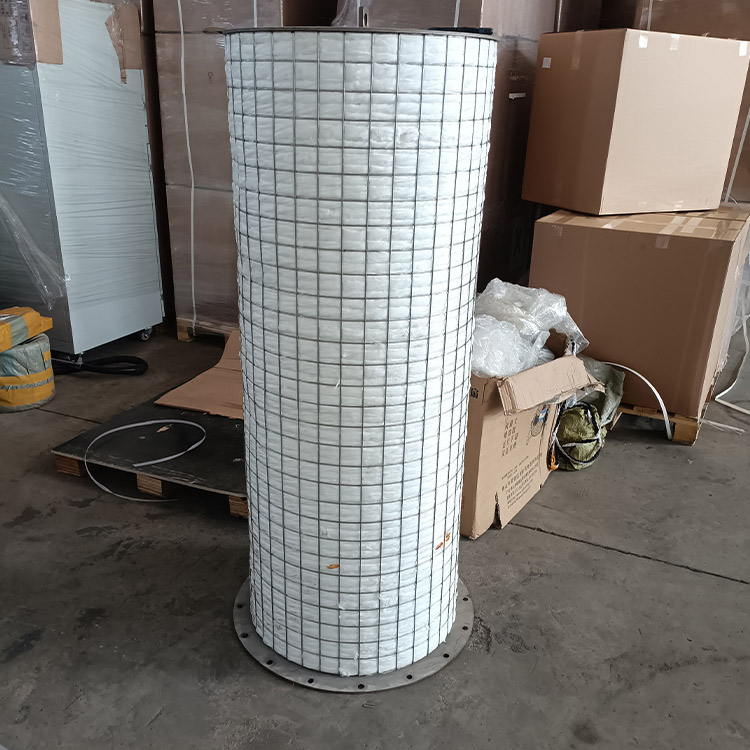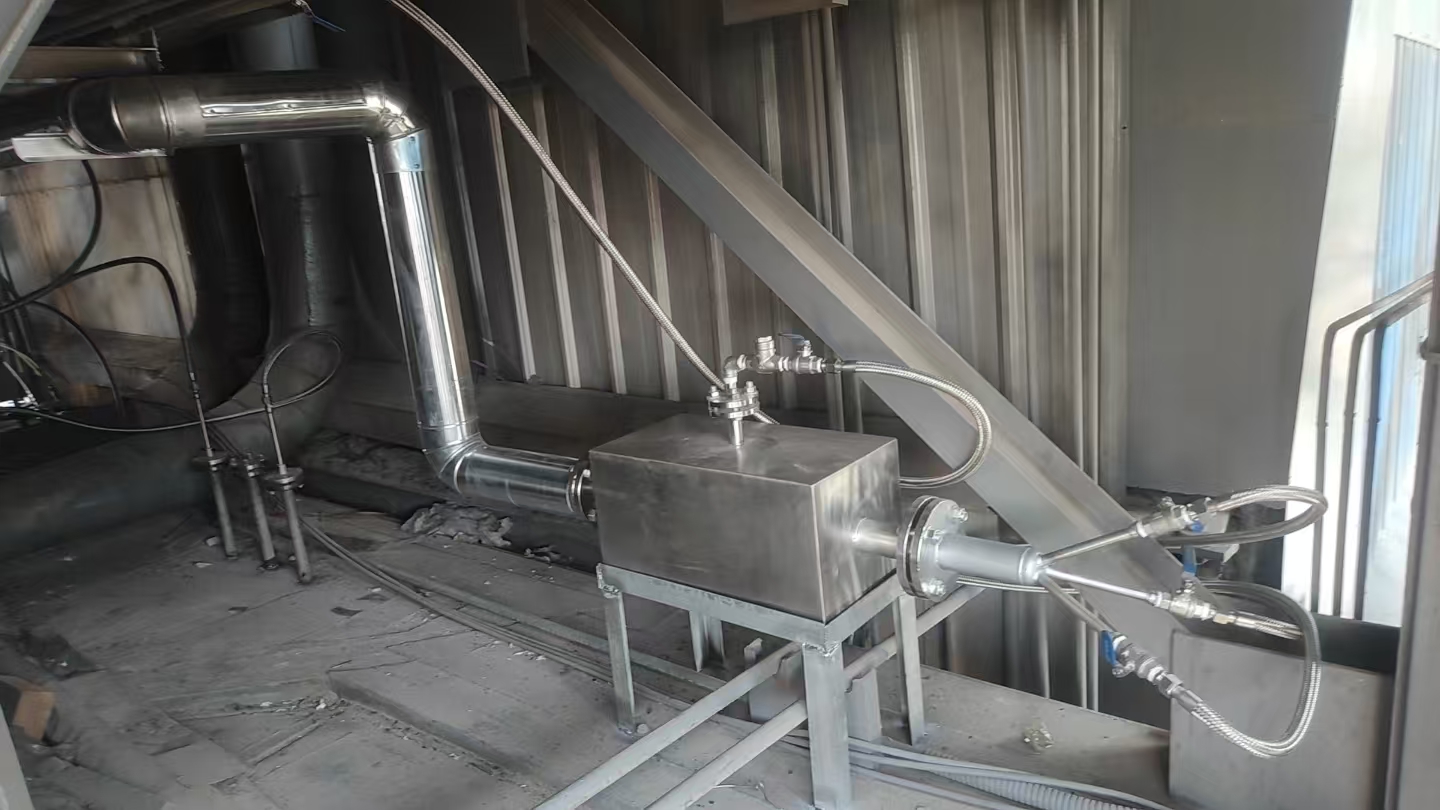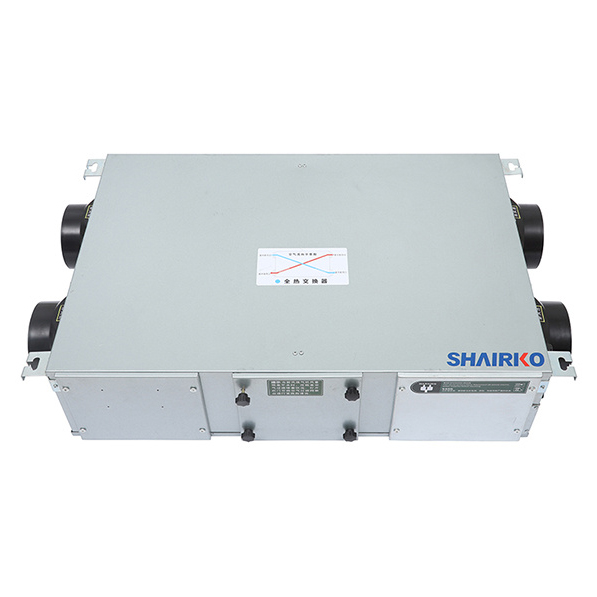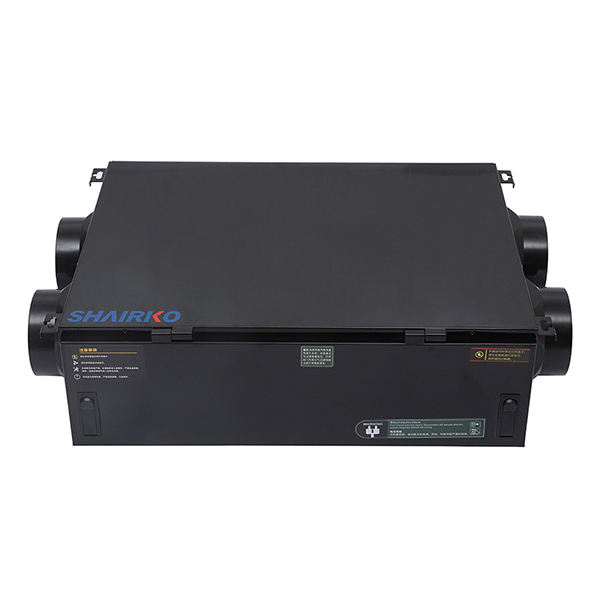

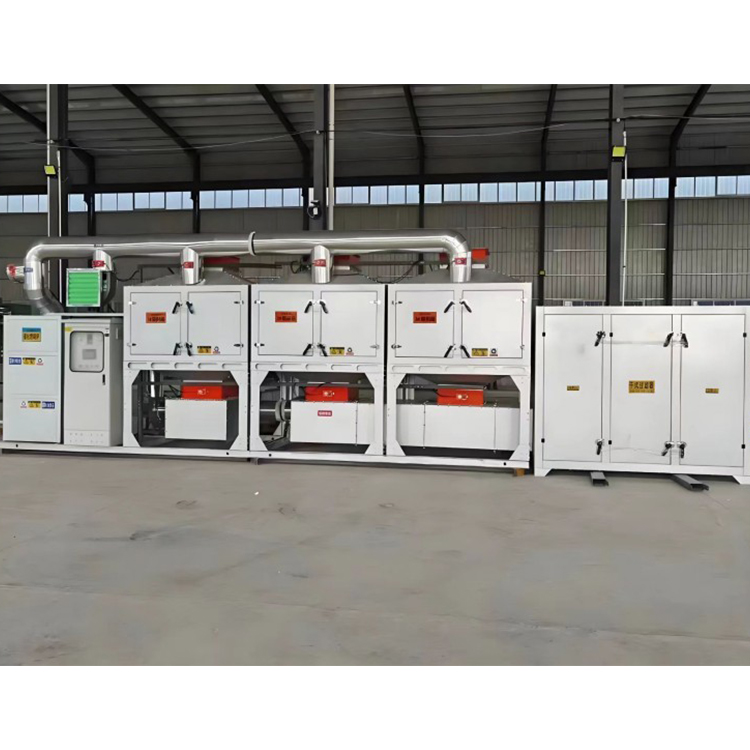


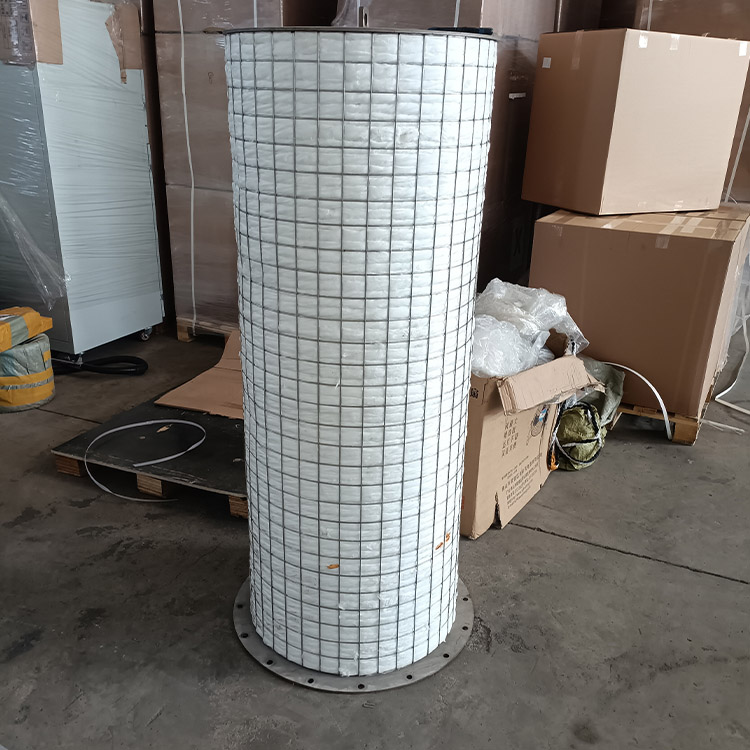





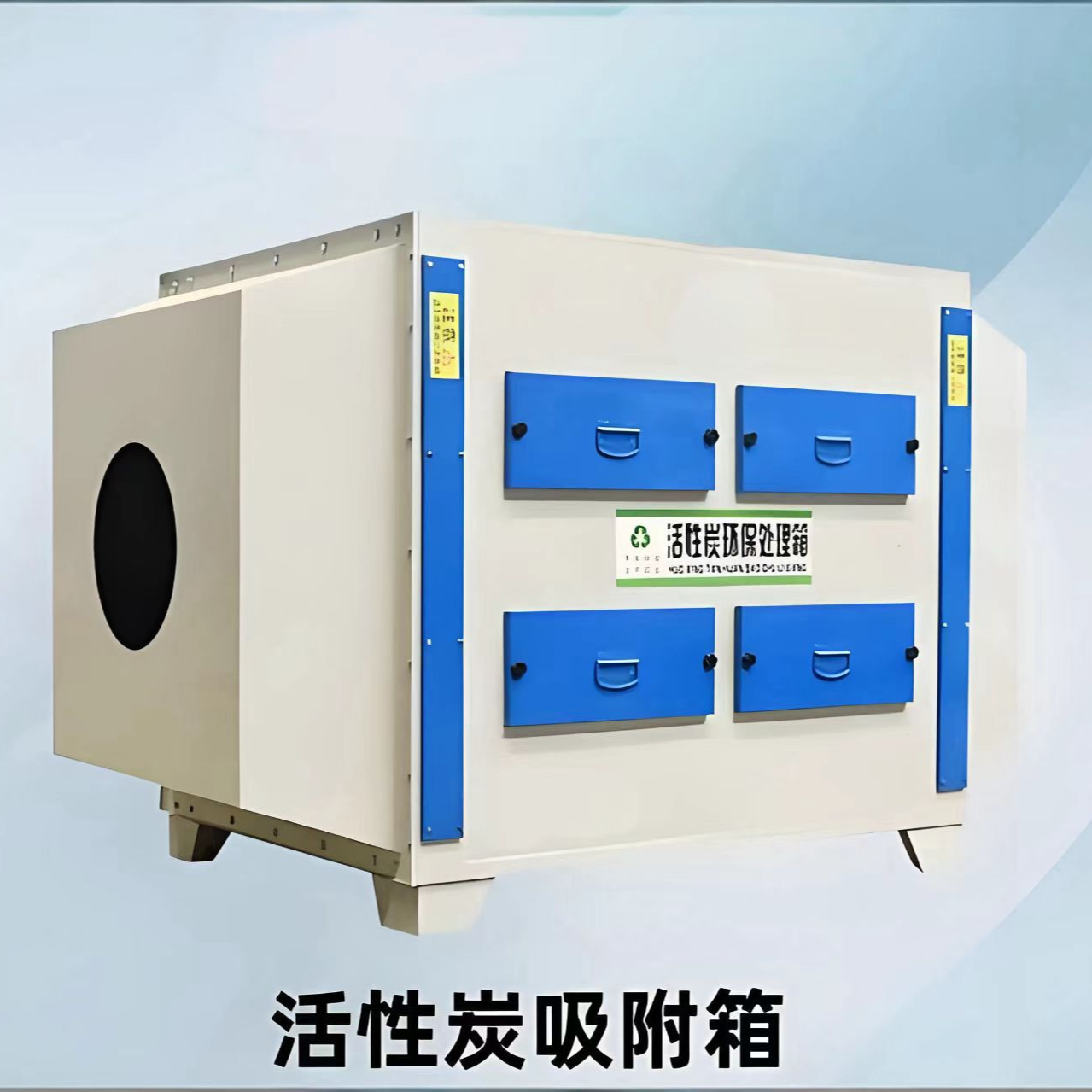
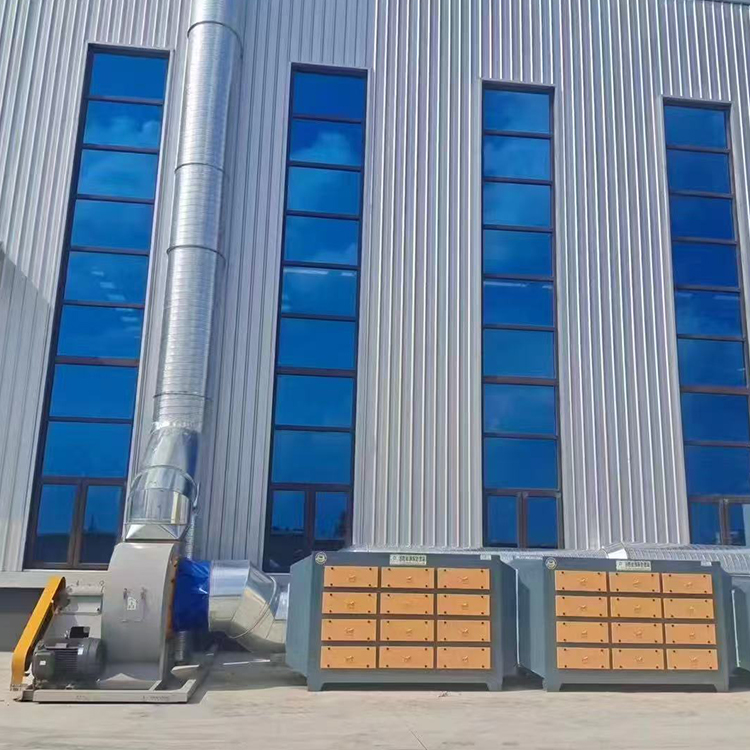
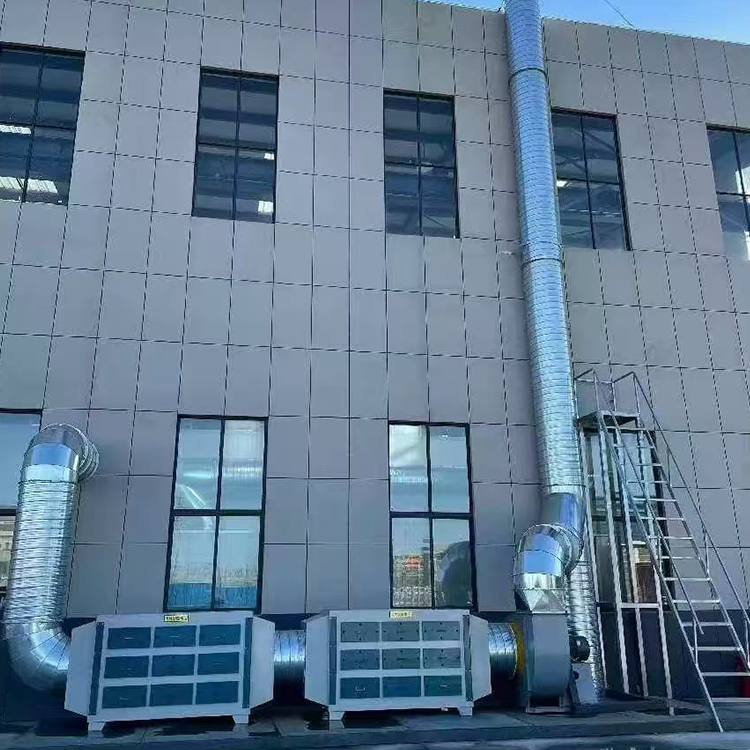
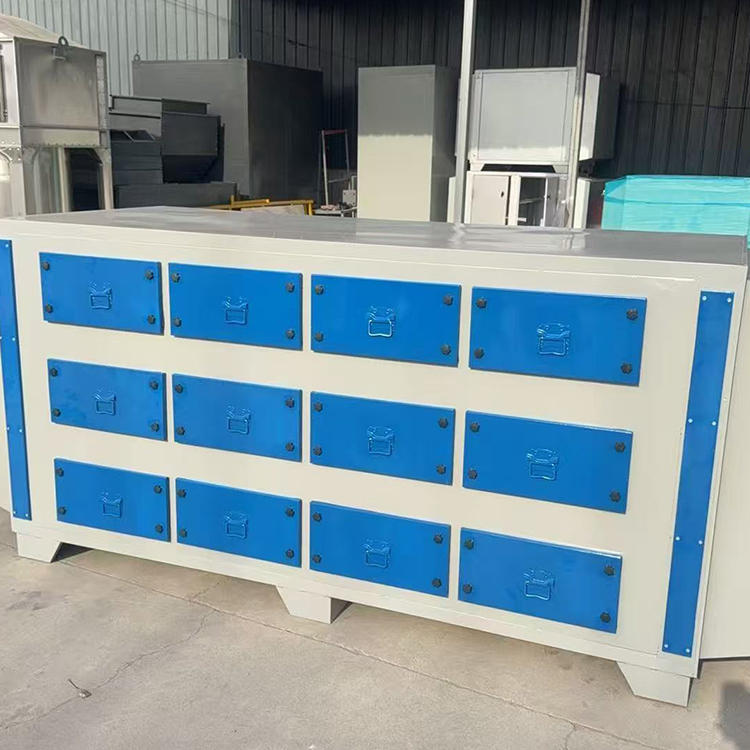
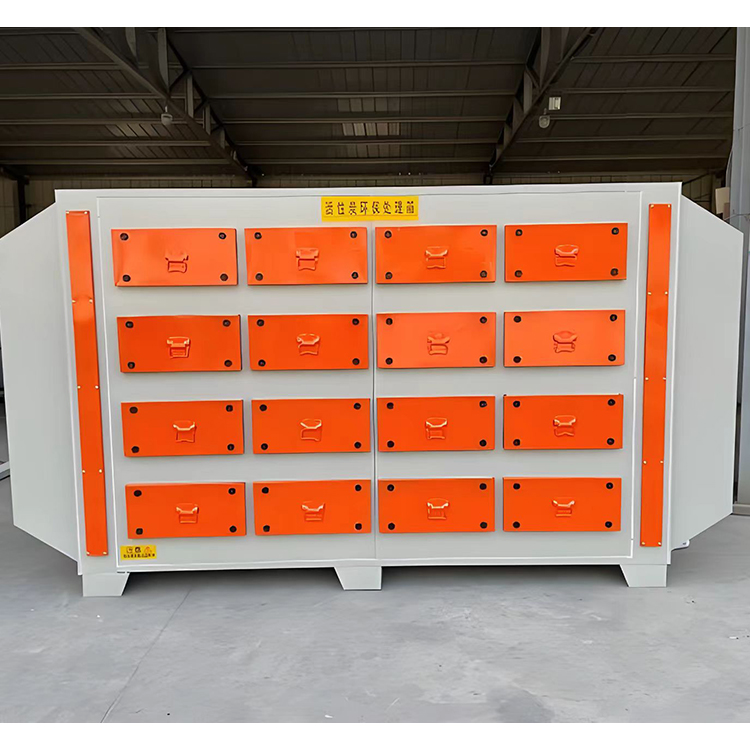
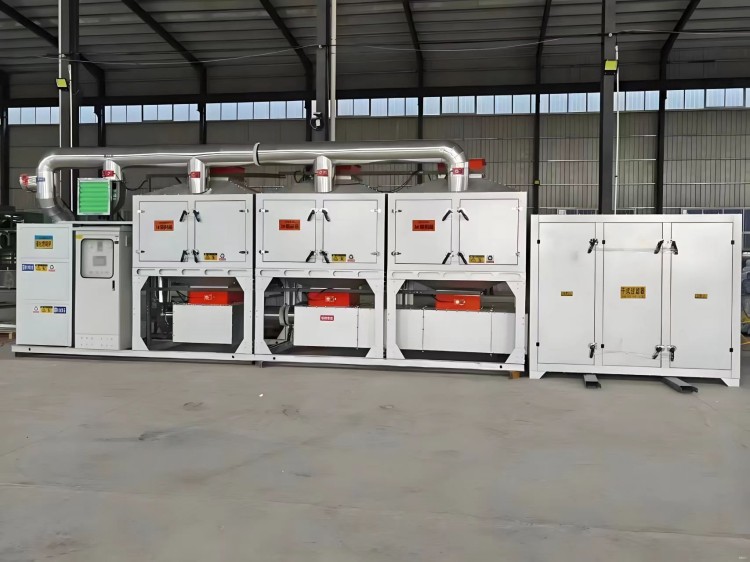
Organic Waste Gas Adsorption and Desorption (RCO) Catalytic Purification Units are a series of new, high-efficiency, energy-saving, and non-secondary pollution products developed by our company based on years of experience in waste gas treatment. After being used by dozens of customers, they have been confirmed to reach the leading level among similar domestic products. Activated carbon, a porous non-polar material, possesses excellent adsorption properties for volatile organic compounds. Activated carbon beds, utilizing activated carbon as the adsorption material, are widely used in treating industrial organic waste gases and malodorous gases, featuring low initial investment costs, simple equipment structure, and effective purification. The Activated Carbon Adsorption + Catalytic Oxidation Technology (RCO) Desorption and Regeneration Technology is an integrated organic waste gas purification system developed on the basis of a single activated carbon adsorption bed, which includes activated carbon regeneration facilities, organic waste gas thermal oxidation and energy recovery, multi-channel safety detection, and automatic control. Designed according to the two basic principles of adsorption (high efficiency) and catalytic combustion (energy-saving), it operates using a dual-gas circuit and a single catalytic combustion chamber with two or more adsorption beds alternating in use. The organic waste gas is first adsorbed using activated carbon, and the adsorption is stopped when nearing saturation. Then, a hot gas stream is used to desorb the organic matter from the activated carbon, thereby regenerating the activated carbon; the desorbed organic matter is concentrated (increased in concentration by dozens of times) and sent to the catalytic combustion chamber to be catalytically combusted into carbon dioxide and water vapor. When the concentration of organic waste gas reaches 2000PPm or above, the organic waste gas can sustain self-combustion in the catalytic bed without external heat. After combustion, part of the exhaust gas is released into the atmosphere, while most is sent to the adsorption bed for activated carbon regeneration. This allows for the energy needed for combustion and adsorption, achieving energy-saving objectives. The regenerated activated carbon can then enter the next吸附 cycle; during desorption, the purification operation can be conducted using another adsorption bed, which is suitable for both continuous and intermittent operations.
Operation Principle:
In the chemical reaction process, a method called catalytic combustion is used to reduce combustion temperature and accelerate the complete oxidation of toxic and harmful gases by utilizing a catalyst. Due to the catalyst carrier being made of porous materials with a large specific surface area and appropriate pore size, when organic gases heated to 300~450°C pass through the catalytic layer, oxygen and organic gases are adsorbed onto the catalyst on the surface of the porous material, increasing the chance of contact and collision between oxygen and organic gases, enhancing the activity, and causing a vigorous chemical reaction between the organic gases and oxygen to produce CO2 and H2O, while also generating heat. This converts the organic gases into non-toxic and harmless gases.
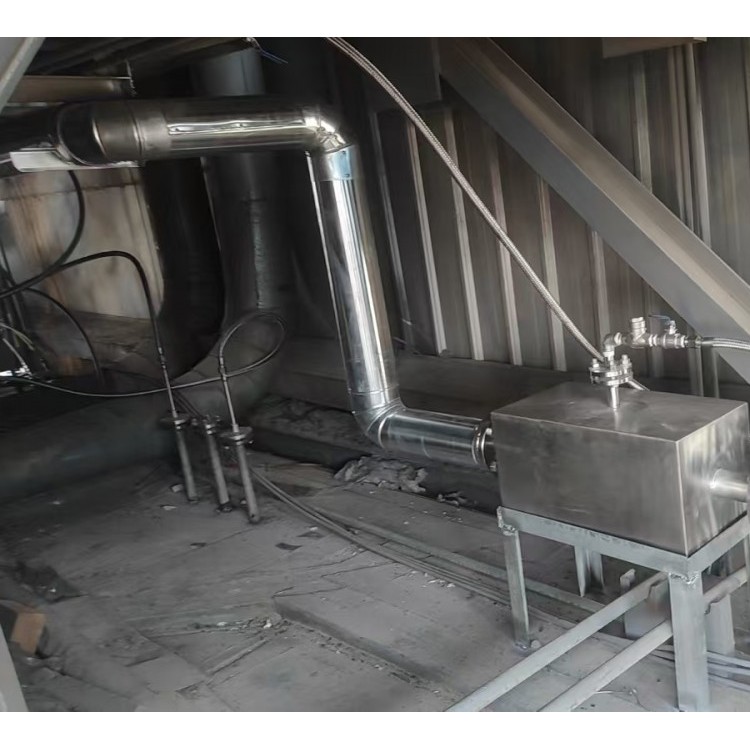
The catalytic combustion unit is mainly composed of a heat exchanger, combustion chamber, catalytic reactor, heat recovery system, and a flue gas exhaust stack for purification. Its purification principle is as follows: Unfiltered gases are preheated by the heat exchanger before entering the combustion chamber, where they reach the required reaction temperature. The oxidation reaction takes place in the catalytic reactor. After purification, the烟气 releases some heat through the heat exchanger before being discharged into the atmosphere through the flue.