

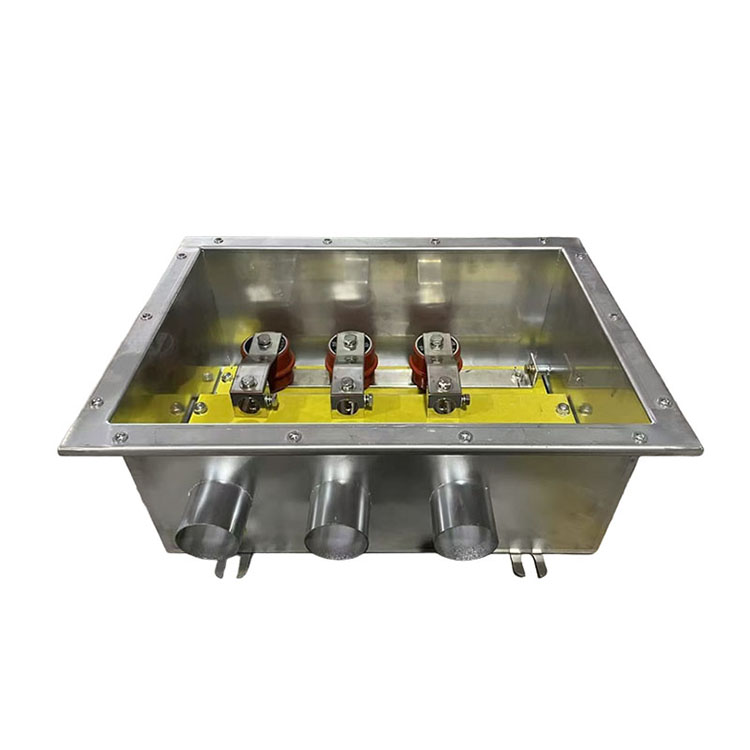


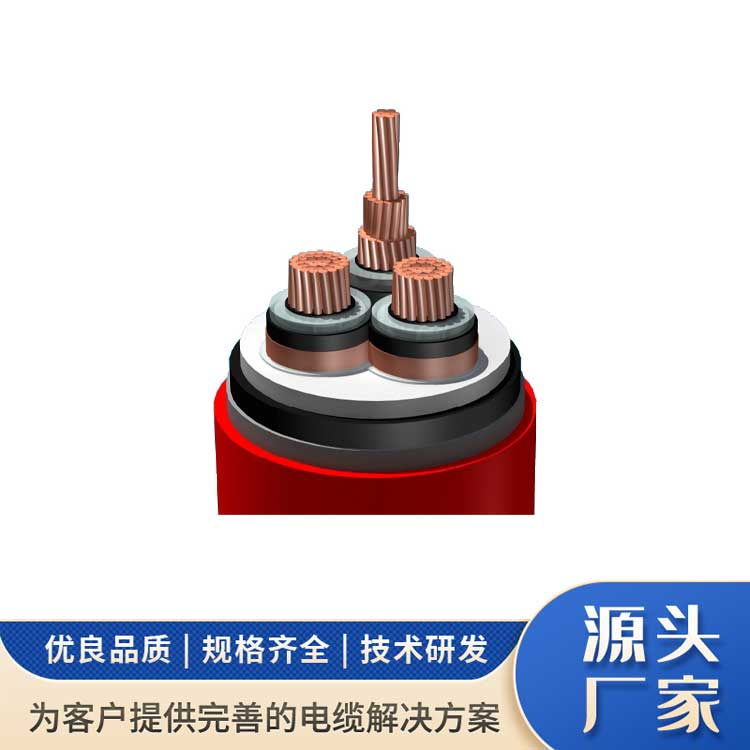
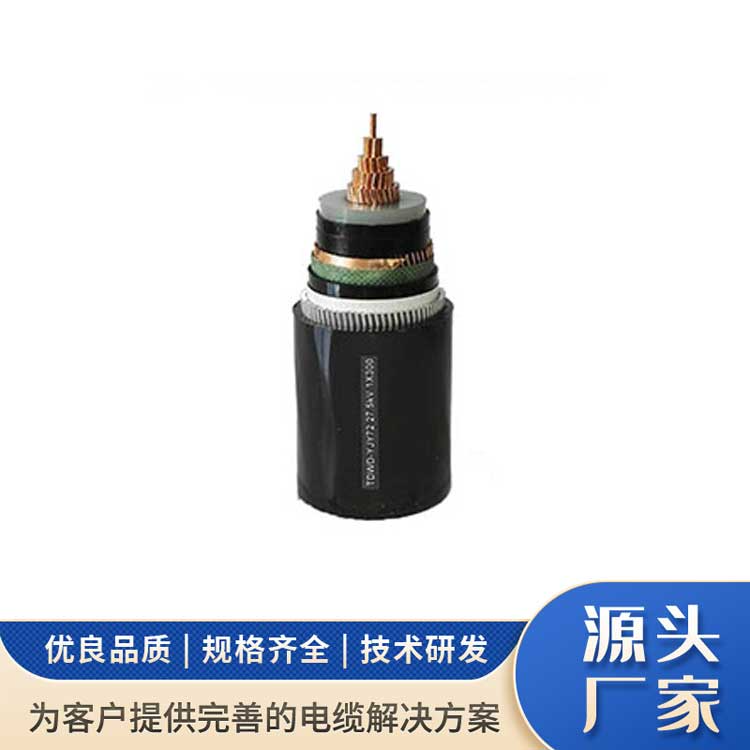
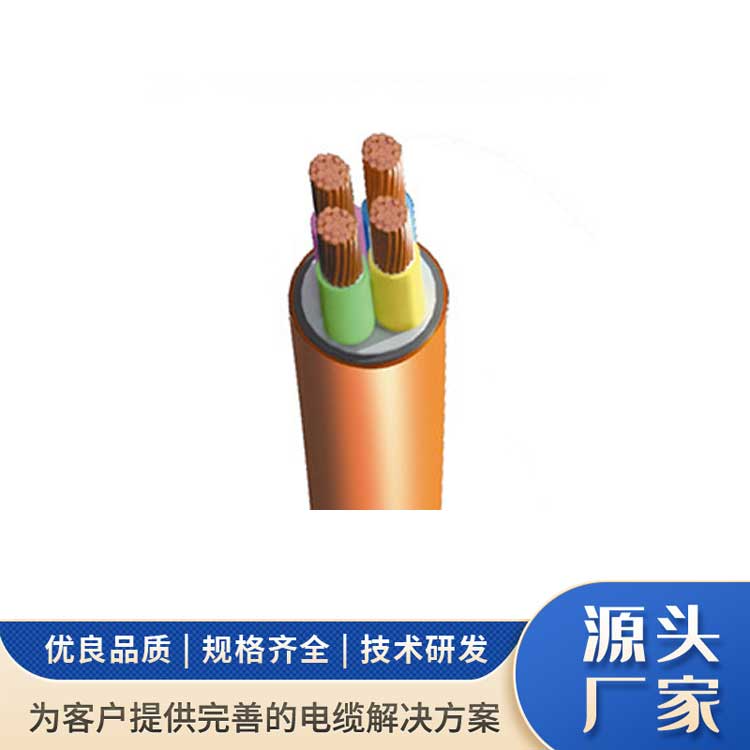
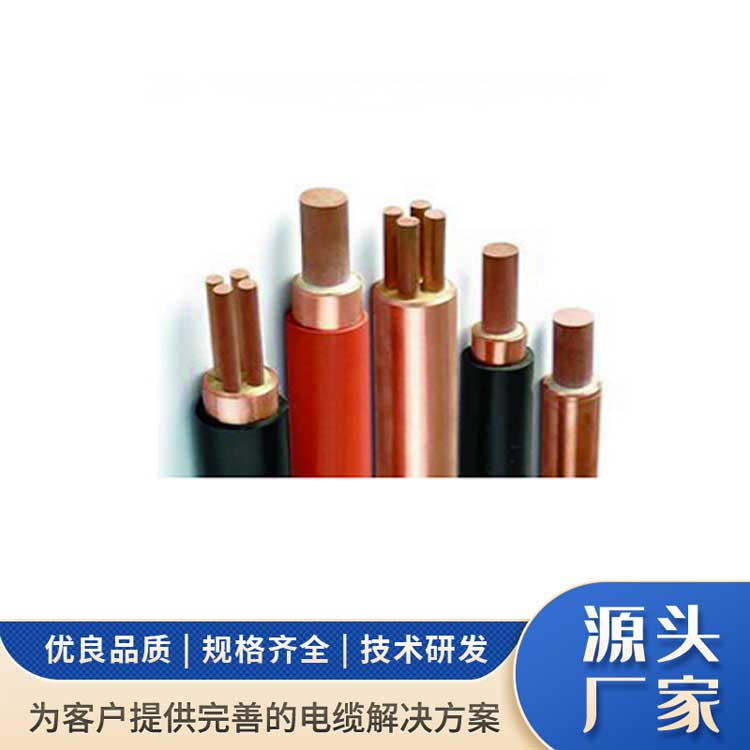
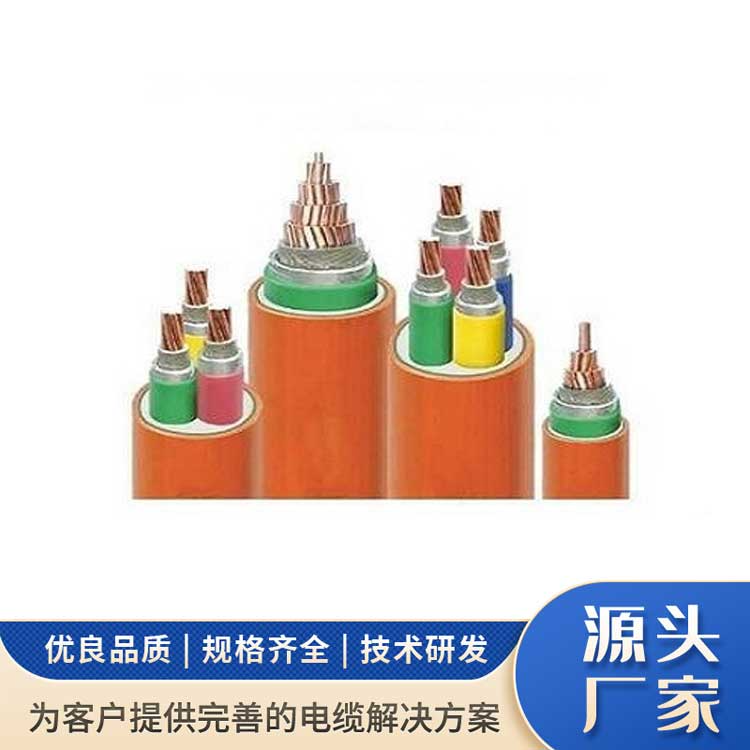





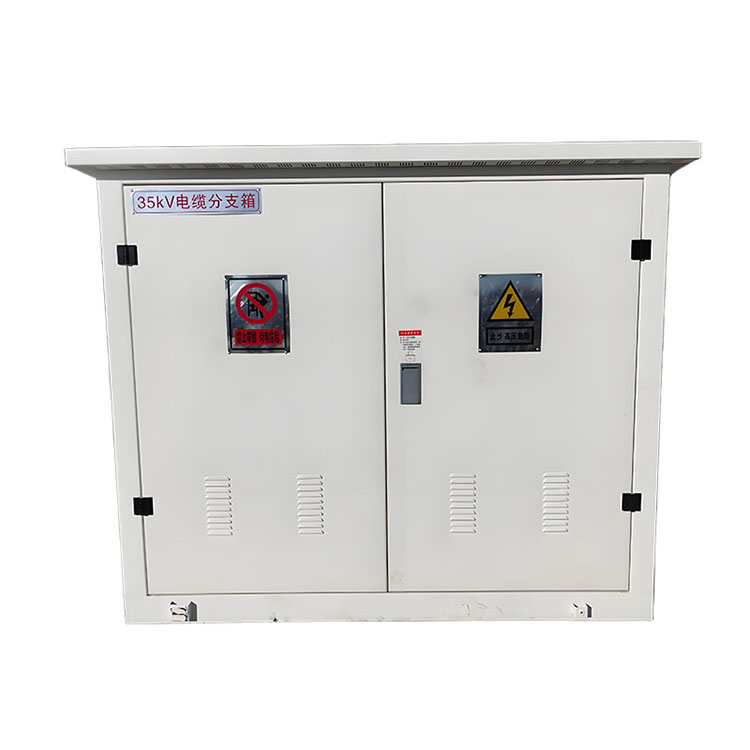
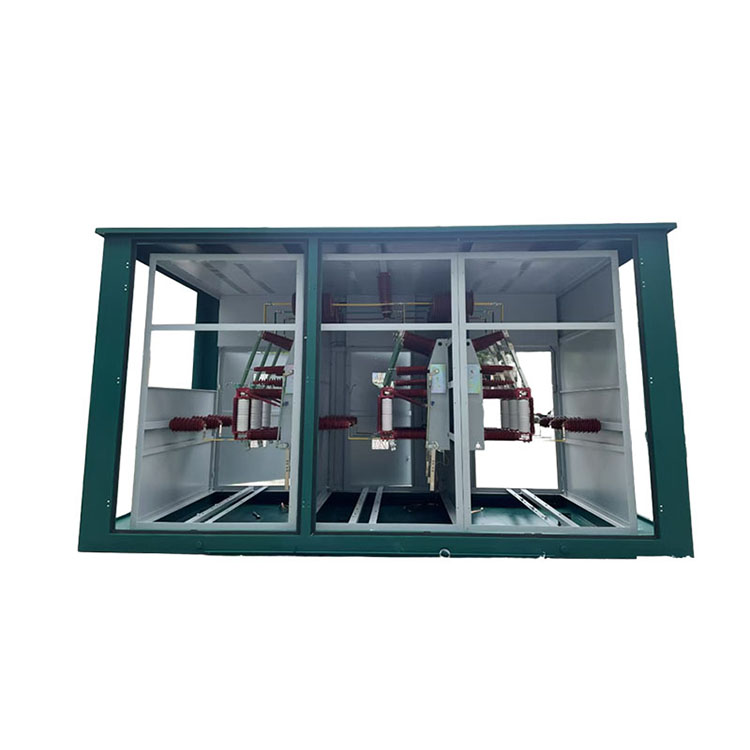
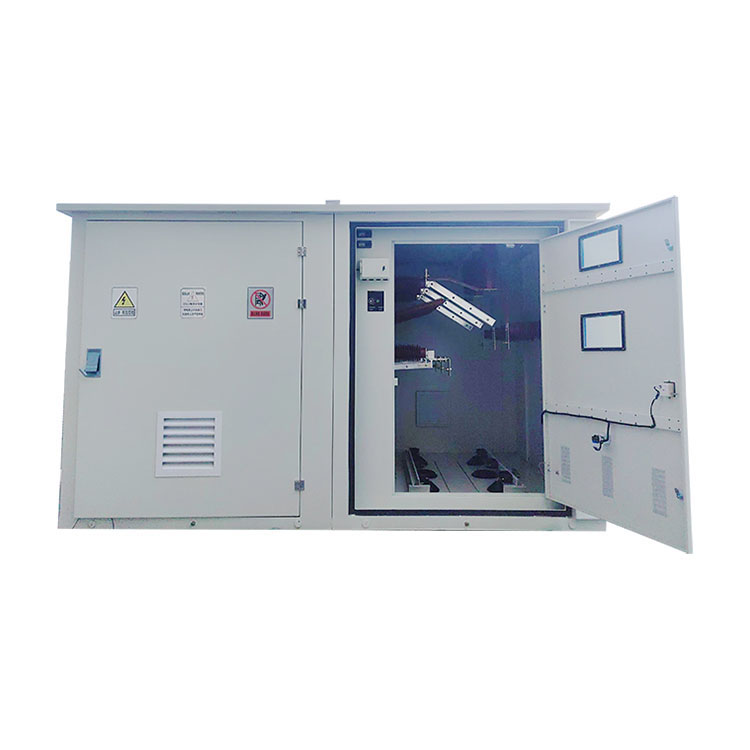
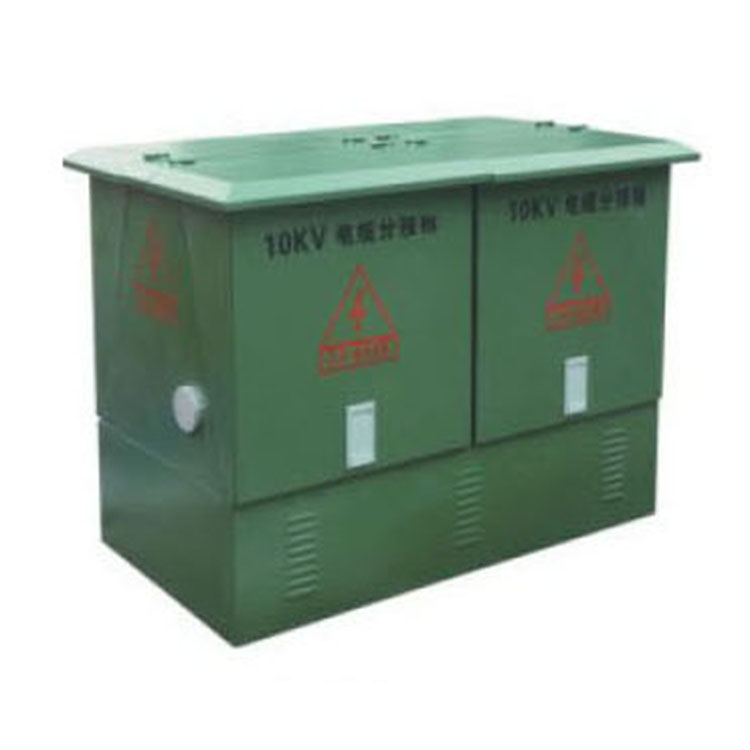
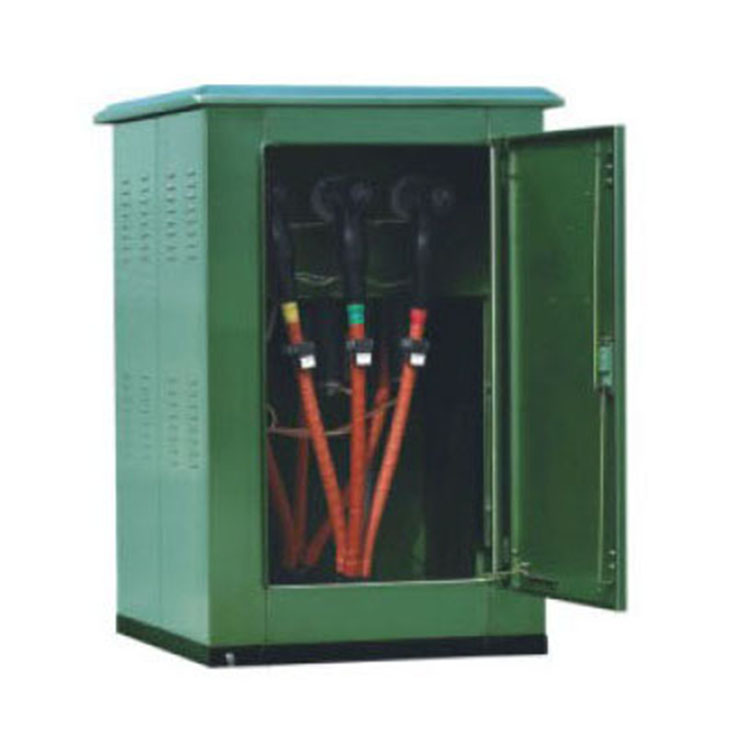
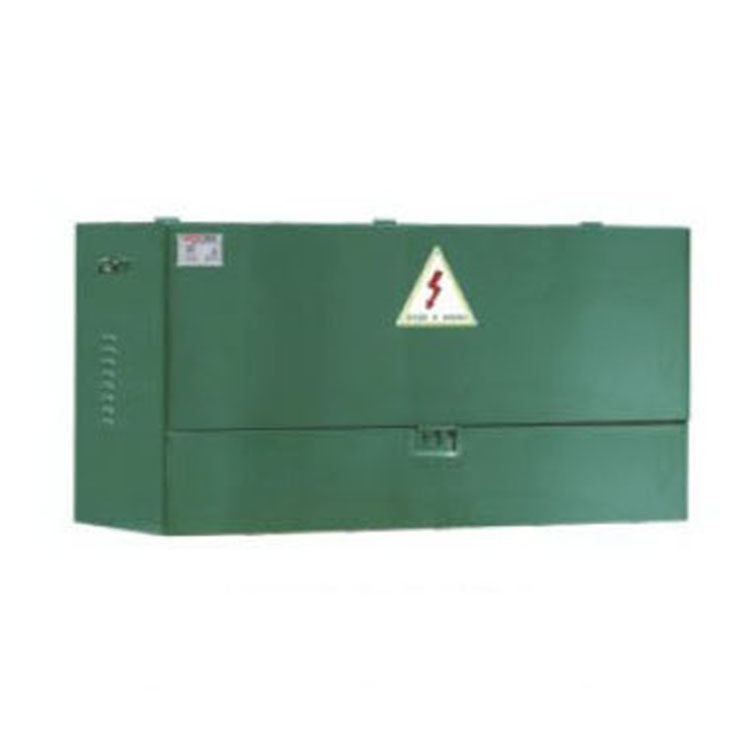
I. Product Overview
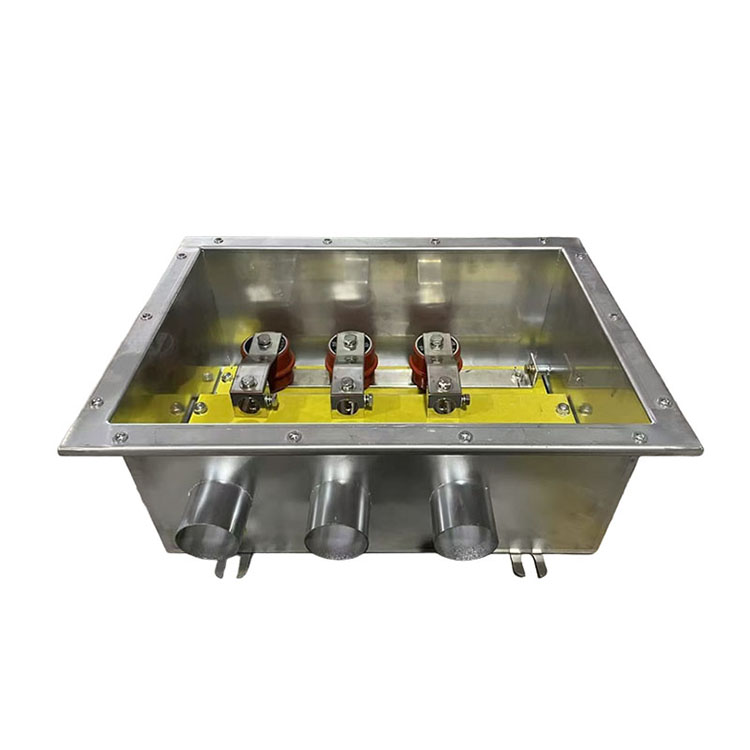
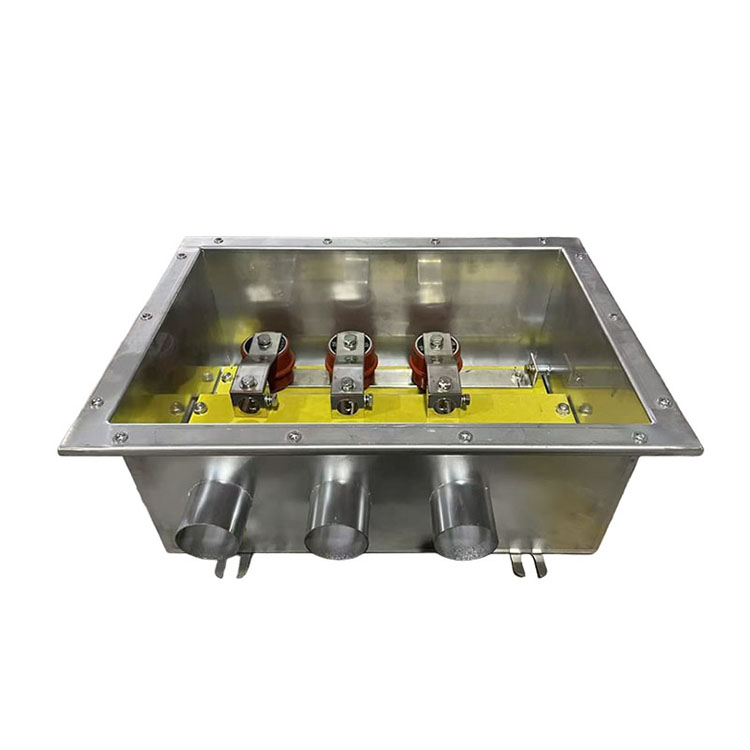
Technical requirements for design, manufacturing, and use of cable sheath protection earthing boxes, direct earthing boxes, cross-connection boxes, and sheath insulation monitoring boxes.
Section II: Execution Standards
International Standard IEC60364, International Standard GB16895
Section 3: Application Scope
System rated voltage: 10KV
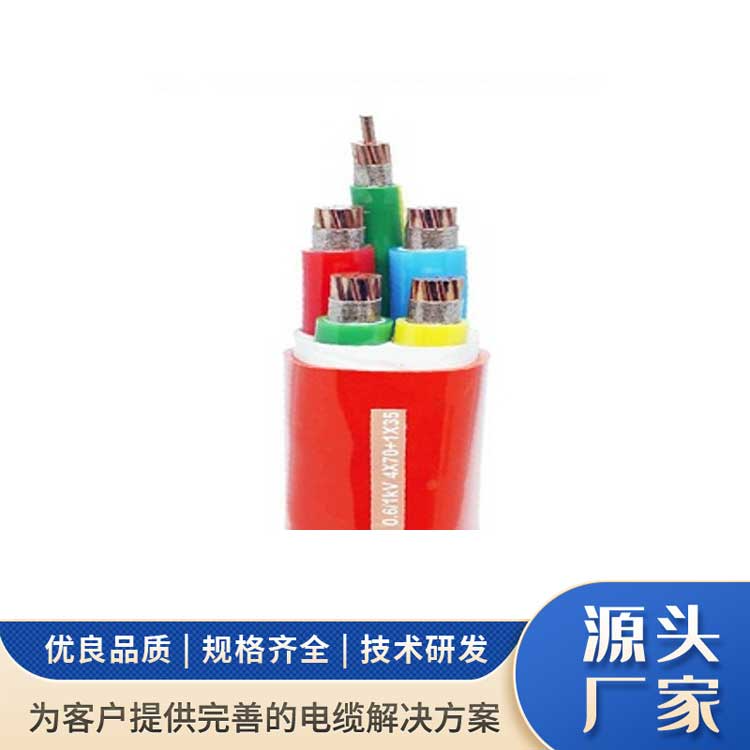
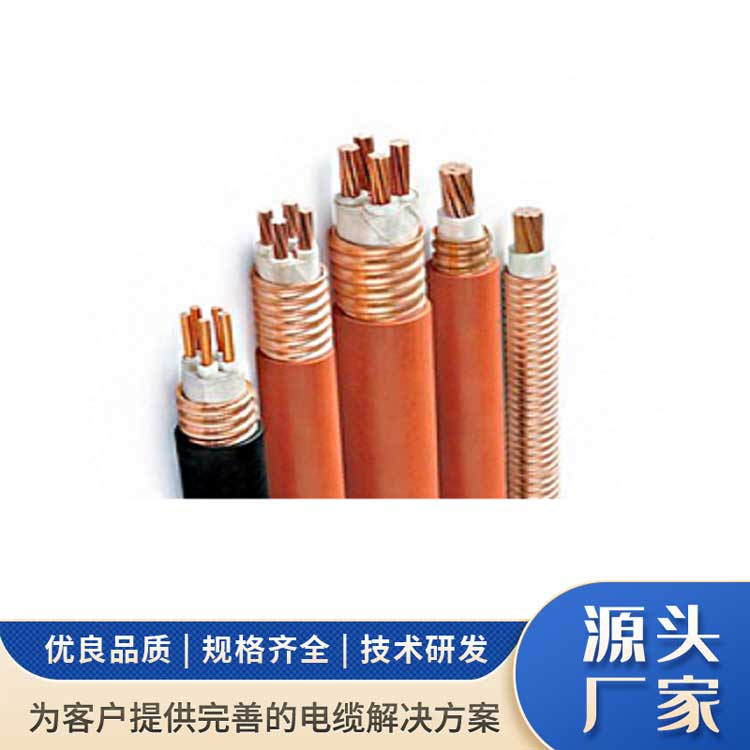
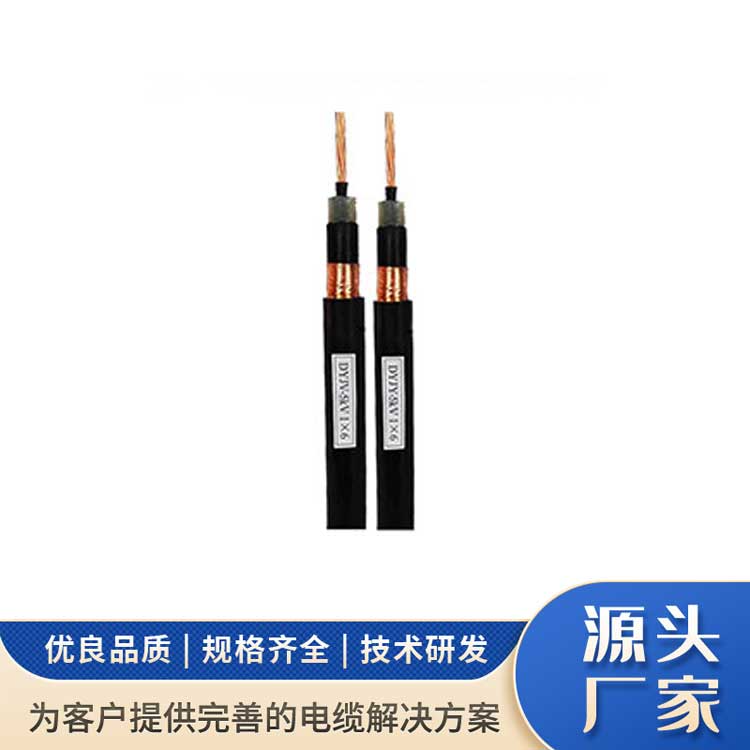
Cable Nominal Cross-Section: 25-800 mm²
Rated Frequency: 50Hz, 60Hz
Protective earthing box, direct earthing box, cross-interconnected box, and sheath insulation monitoring box are three-phase common bodies; please specify if single-phase.
IV. Factory Testing (Test Standard JB8144)
DC withstand voltage test: 5.5KV, 1 minute, no flashover, no breakdown.
2. Impulse Voltage Test: Peak 10KV, 10 times each for positive and negative poles, no flashover, no breakdown.
3. Insulation resistance test between the copper nose and housing: Not less than 20MQ.
4. Copper nose contact resistance test: Not greater than 20uΩ.
V. Installation Method
Wall-mounted, buried, bracketed, freestanding, concealed (flush-mounted), etc.
Six. Material for the Case
Stainless Steel 304, SMC Composite, DMC fiberglass.
Section 7: Environmental Conditions for the Enclosure
Temperature: -25-40℃
Altitude: Below 3,000 meters. Please specify if above 3,000 meters.
Protection Ratings: IP55, IP56, IP65, IP66, IP68, etc.
Section 8: Installation Process
Remove the cable insulation so that the exposed wire length matches the length of the terminal socket holes.
2) Clear the items inside the box.
3) Remove the terminal block inside the box, then crimp the stripped and cut ground cable to the terminal block. Next, insert the terminal block into the entry port of the box and securely fasten it with screws.
4) Secure the first cable in place before threading the second cable. Repeat step 3 until all four cables are properly fastened.
5) Fill the rubber strip between the conduit and cable, securing the cable in the middle of the conduit.
6) Seal the outlet pipe opening with waterproof tape.
7) Shrink the heat shrink tubing on the outlet pipe.
8) Seal both ends of the heat shrink tube with rubber insulating tape.
9) Cover the waterproof strips with PVC tape, overlapping to form two layers.
10) Clean out the items inside the box.
11) Secure the sealing gasket and lid, ensuring not to tighten the screws all at once. Tighten them in three stages, turning each screw three full turns. Failure to do so may cause the lid to warp.
12) Simply secure the case to the designated location.