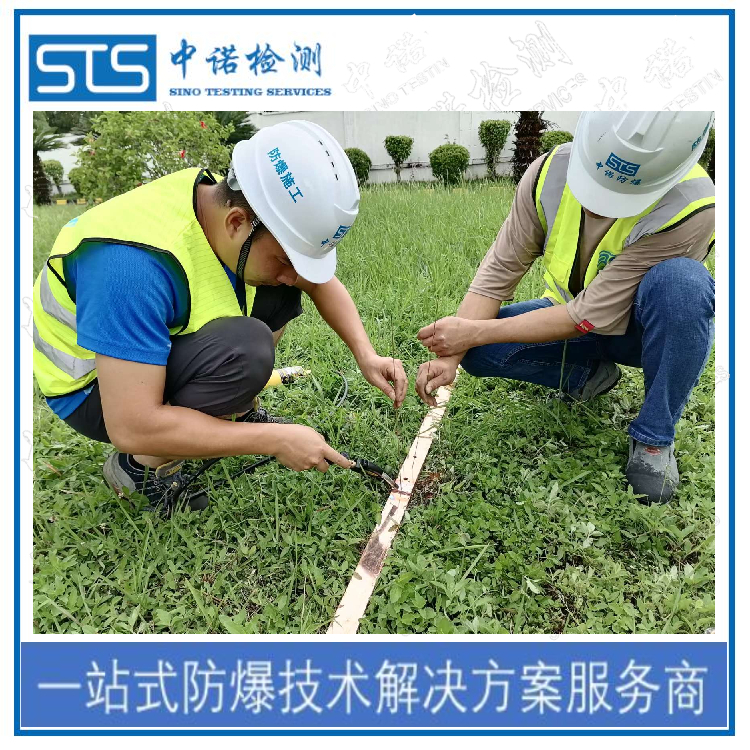












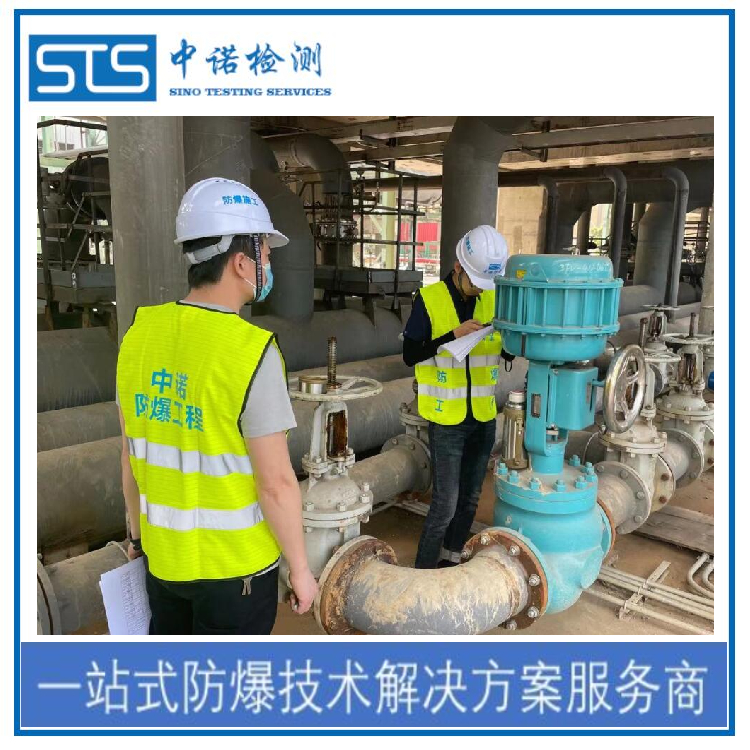
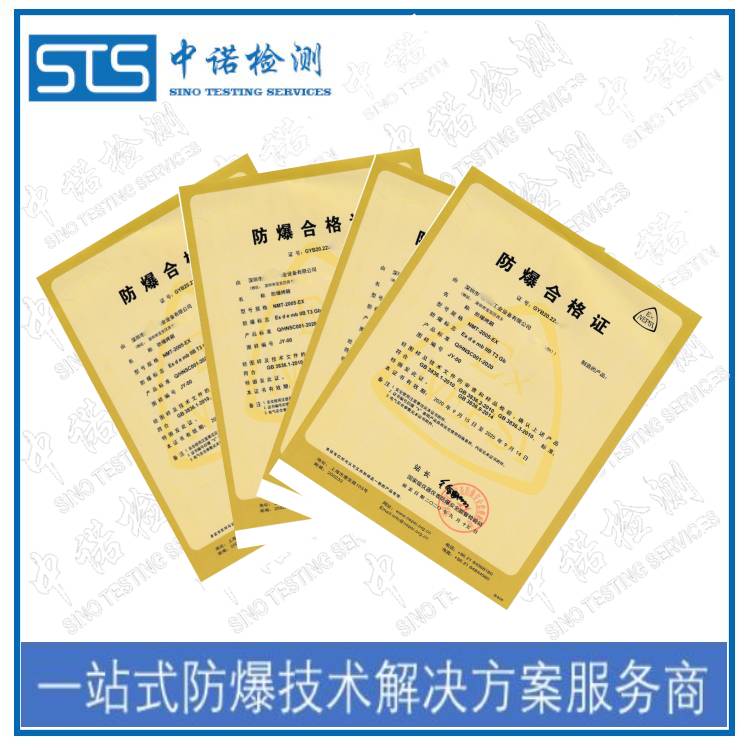
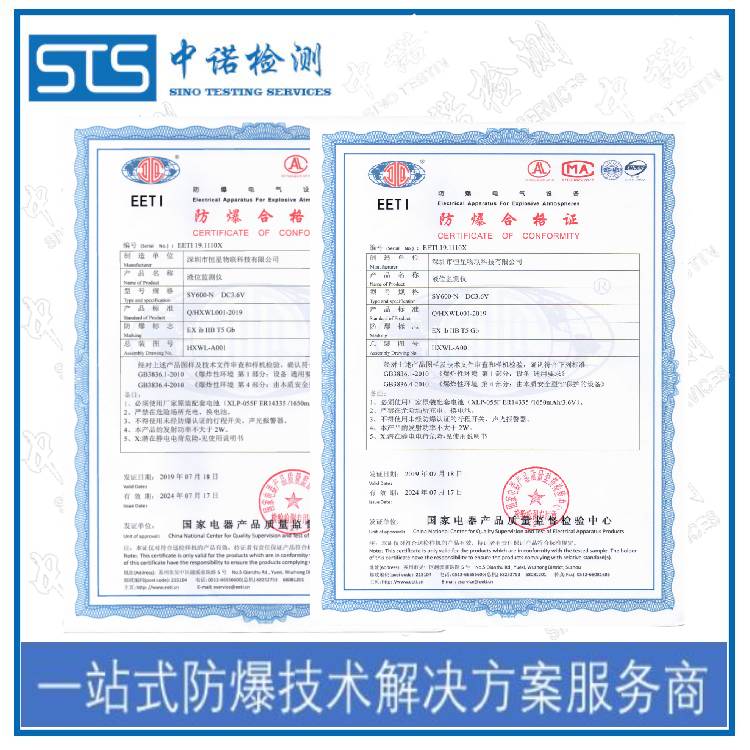
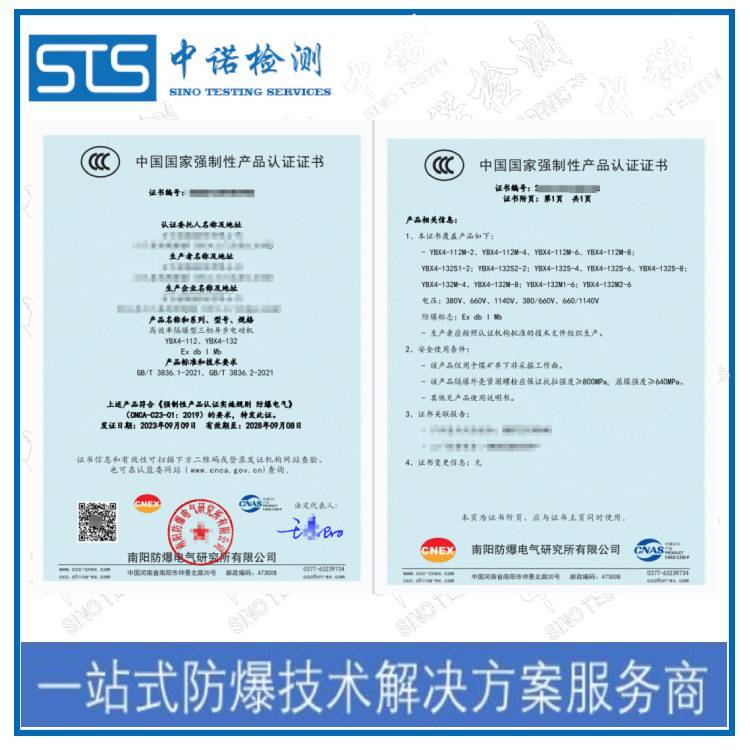

Shenzhen ZhongNuo Testing Technology Co., Ltd. is based in South China, offering explosion-proof construction, safety inspections, renovations, project acceptance, and explosion-proof installation consulting services. We are well-versed in explosion-proof construction standards, with experienced teams and a wealth of construction experience. We have served major corporations such as PetroChina, LG, Hanlan Environment, BOE Technology Group, and Sinovac Biotech, earning consistent praise and trust from our clients!
Installation of electrical wiring in explosive environments shall comply with the following regulations (Shared by Shenzhen ZhongNuo Testing Technology Co., Ltd.)
Electrical wiring should be installed in environments with low explosion hazards or far from the source of release, and it should comply with the following regulations:
1) When the material is heavier than air, electrical wiring should be installed at a higher level or directly buried. For overhead installation, cable trays should be used; for trench installation, the trench should be filled with sand, and drainage measures should be in place.
2) Electrical wiring should be laid outside the walls of buildings or structures where explosion hazards exist.
3) In explosive dust environments, cables should be laid in locations where dust does not accumulate easily and is easy to dust off.
(2) Holes in walls or floors between different areas traversed by electrical line trenches, cable bridges, or conduits should be tightly sealed with non-combustible materials.
(3) When laying electrical lines, it is advisable to avoid areas susceptible to mechanical damage, vibration, corrosion, ultraviolet radiation, and those prone to overheating. If unavoidable, preventive measures should be taken.
(4) Pipe wiring can use insulated single-core or multi-core conductors without sheath. When the pipe contains three or more conductors, the total cross-sectional area of the conductors, including the insulation, should not exceed 40% of the pipe's cross-sectional area. The steel pipe should be of the type used for low-pressure fluid conveyance, with lock zinc-welded construction. The threaded portion of the steel pipe connection should be coated with lead oil or phosphating paste. In areas where condensation or condensate water may form, a sealed joint for excluding condensation water should be installed on the pipeline.
(5) Electrical wiring for steel piping in explosive gas atmospheres should be properly insulated and sealed, and should comply with the following regulations:
1) During normal operation, the 450mm area around all ignition source enclosures should be sealed off.
2) Steel pipes with a diameter of 50mm or more should be isolated and sealed within 450mm of the incoming junction box.
3) Isolation and sealing should be provided between adjacent explosive environments, as well as between explosive environments and adjacent other hazardous or non-hazardous environments. During sealing, the inner part of the seal should be filled with a fibrous layer or separator, with an effective thickness not less than the inner diameter of the steel pipe, and not less than 16mm.
4) Connection components for isolation sealing should not be used for wire connections or branching.
(6) Intermediate joints are strictly prohibited on the cable lines within Zone 1, and intermediate joints should not be present in Zones 2, 20, or 21.
(7) When terminating cables or wires, if the internal wires are stranded, they should be connected using a molded connector or lug. The connection and termination of aluminum-core insulated wires or cables should be by crimping, soldering, or brazing. When connecting to equipment (excluding lighting fixtures), a copper-aluminum transition connector should be used.
(8) Overhead power lines must not cross explosive gas environments. The horizontal distance between overhead lines and explosive gas environments should not be less than 1.1 times the height of the tower. In special cases, after taking effective measures, the distance may be appropriately reduced.
In recent years, with the continuous development of society and the frequent occurrence of safety accidents, people's awareness of safe production has been on the rise, and the governance of hidden dangers in hazardous environments is urgent.
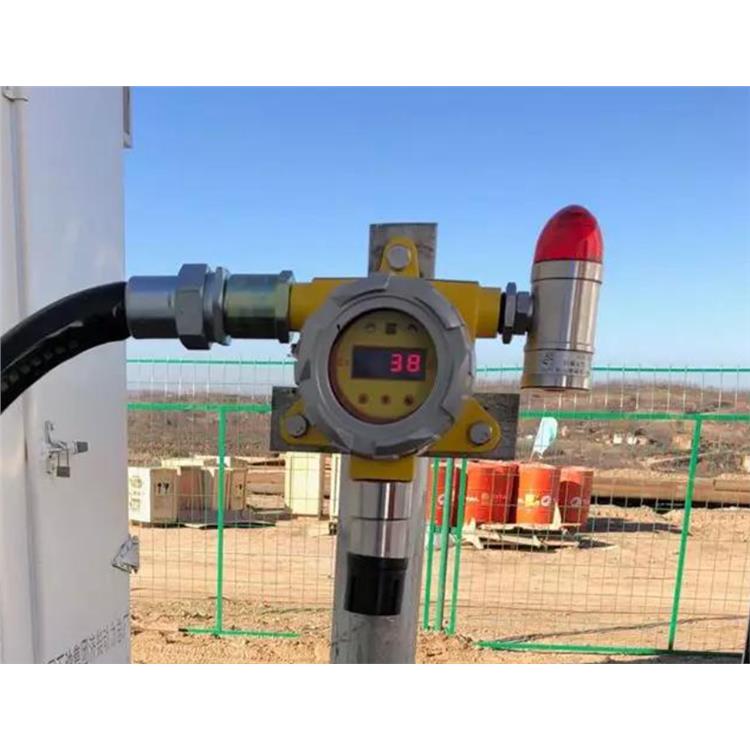
In various industrial sectors in our country, such as oil, chemicals, ports, coal, and others, during the processes of production, processing, transportation, and storage, there is often a risk of leakage or spillage of flammable and explosive gases, liquids, dust, and fibers. When these substances mix with air, they can form explosive mixtures. Once the concentration of the mixture reaches the explosive range, any ignition source can trigger explosions and severe fires, potentially leading to catastrophic chain reactions. Therefore, equipment used in such hazardous environments must be certified by authorized bodies as explosion-proof products. The use of all explosion-proof equipment must be installed and debugged in strict accordance with explosion-proof construction specifications and acceptance standards by experienced engineering companies before being put into actual production use. This ensures the maximum safety requirements for all stages of the production process.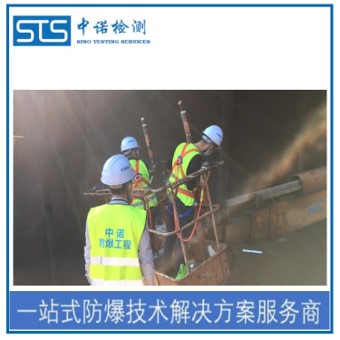
Protection of explosive loop should comply with the following regulations (shared by Shenzhen ZhongNuo Testing Technology Co., Ltd.)
In the single-phase network within Area 1, both phase wires and neutral lines should be equipped with short-circuit protection, and appropriate switches should be used to simultaneously disconnect both phase wires and neutral lines.
(2) It is advisable to install zero sequence current protection for 3kV-10kV cable lines, and protective devices in Zone 1 and Zone 21 should trip.
Basic Guidelines for Explosion-Proof Electrical Installation (shared by Shenzhen ZhongNuo Testing Technology Co., Ltd.)
Explosion-proof electrical installation differs from standard electrical installation due to the increased explosion-proof requirements of its environment. In accordance with industry standards, an environment where air is mixed with gases, vapors, mist, or dust, and upon ignition, the flame can spread to the entire unburned mixture, is termed an explosive environment. An area where a large number of explosive gas environments or flammable dust environments are present or expected to occur, necessitating special preventive measures for the structure, installation, and use of electrical equipment, is called a hazardous area. Explosion-proof electrical installation refers to a task that meets the requirements for explosion-proof electrical equipment, conditions, and personnel, and involves working in explosive environments and hazardous areas, emphasizing strength.
Explosion-proof electrical modifications and on-site explosion-proof construction consultation services for hazardous areas — Shenzhen Zhongnuo Inspection Technology Co., Ltd.
WeChat Official Account

Scan to follow Official Account