










Shenzhen ZhongNuo Testing Technology Co., Ltd. is based in South China and specializes in explosion-proof certification and coal safety certification application consulting services, offering a one-stop explosion-proof technology consulting service.
Which certifications are the explosion-proof ATEX and IECEx certifications from?
ATEX certification is the mandatory certification for explosion-proof products in the EU, a directive within the CE certification for explosion-proof, applicable to the EU and regions.
IECEx is the International Electrotechnical Commission's explosion-proof electrical product certification system, which is voluntary and applicable to member countries of the IECEx scheme.
Most of the world's economic powerhouses are IECEx member states, including China.
For IECEx and ATEX certifications, ZN Testing summarizes the following distinctions:
(1) Application Scope: ATEX certification is applicable to the EU region, IECEx is applicable to IECEx member states.
(2) Whether mandatory, ATEX certification is mandatory, IECEx is voluntary.
(3) Execution Standards: ATEX certification standards are IEC 60079 series, and IECEx certification standards are also IEC 60079 series.
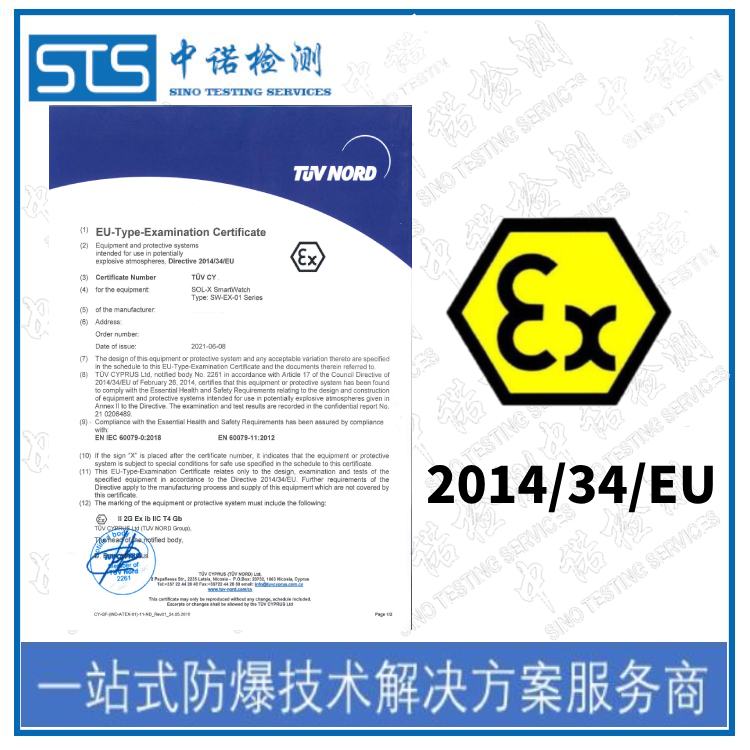
(4) Explosion-proof markings: The ATEX explosion-proof markings are more complex than the IECEx certification markings. You can see the clarity by checking out the examples we have provided.
(5) Conversion issues: Currently, ATEX certification cannot be converted to other certificates outside the EU. IECEx member states recognize IECEx certificates directly or indirectly, such as Australia and New Zealand which directly recognize IECEx certificates. Other IECEx member states (like China) can convert their IECEx certificates into local explosion-proof certificates.
For more information about ATEX certification and IECEx certification, feel free to send us a private message at any time!
Is a product's explosion-proof certification the same as its explosion-proof qualification certificate?
Many customers ask during inquiries, what's the difference between obtaining a explosion-proof certification and a explosion-proof qualification certificate for a product?
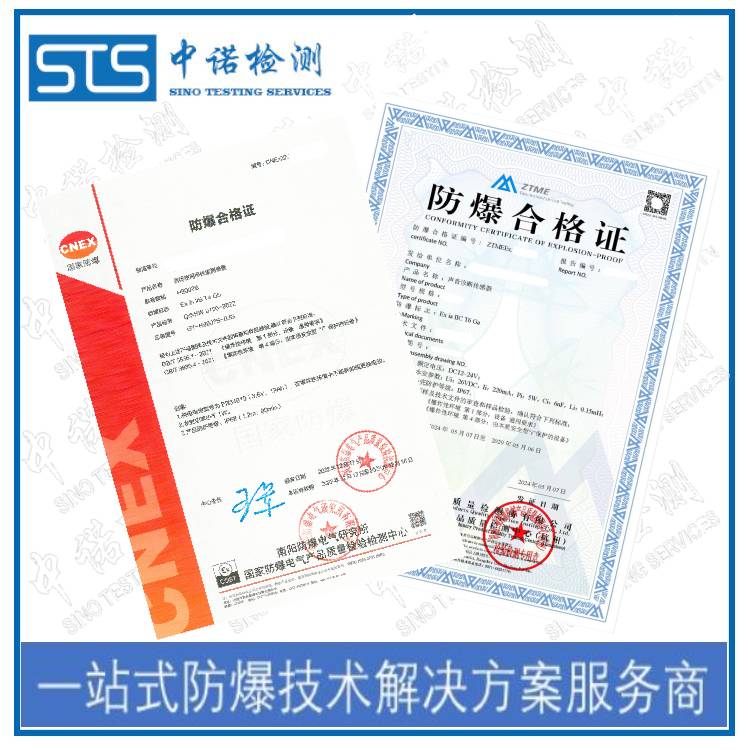
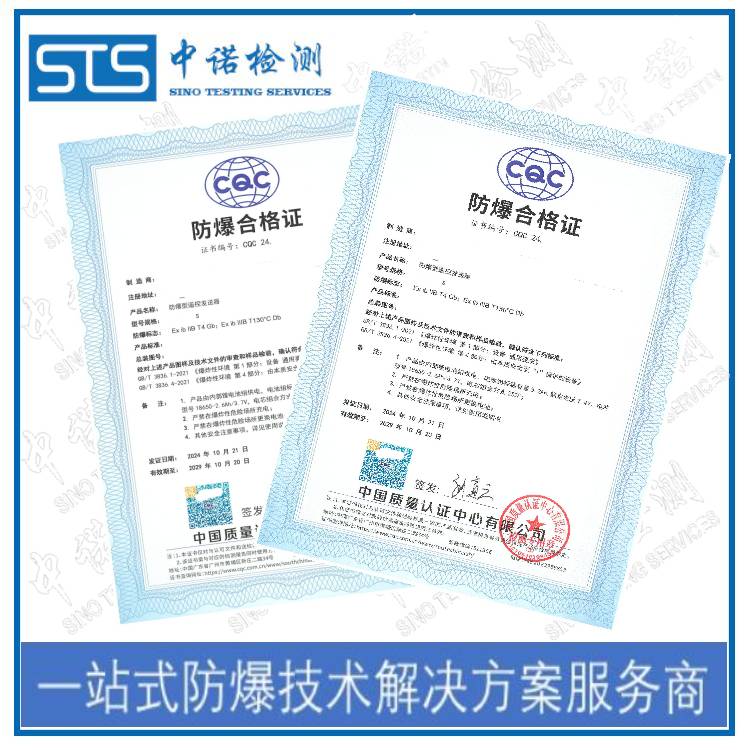
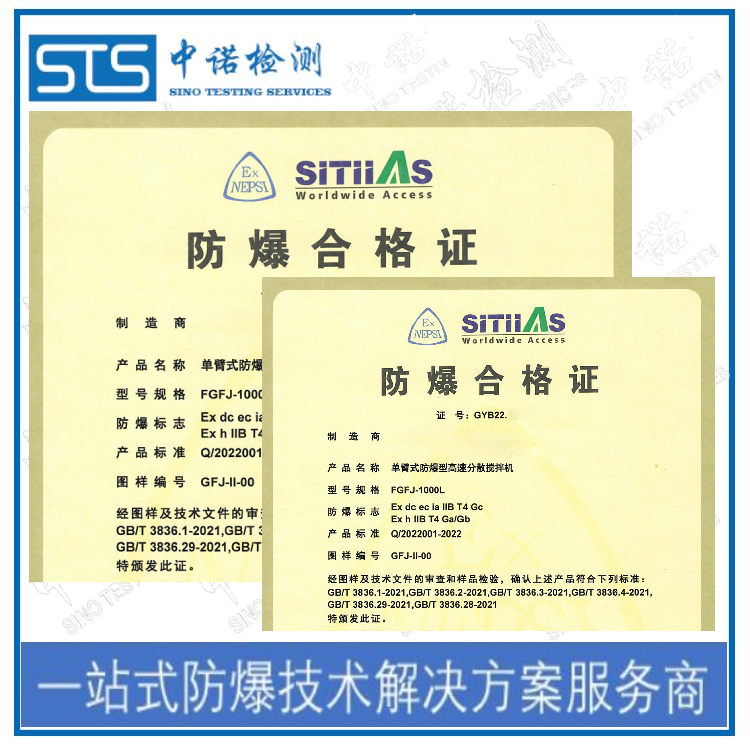
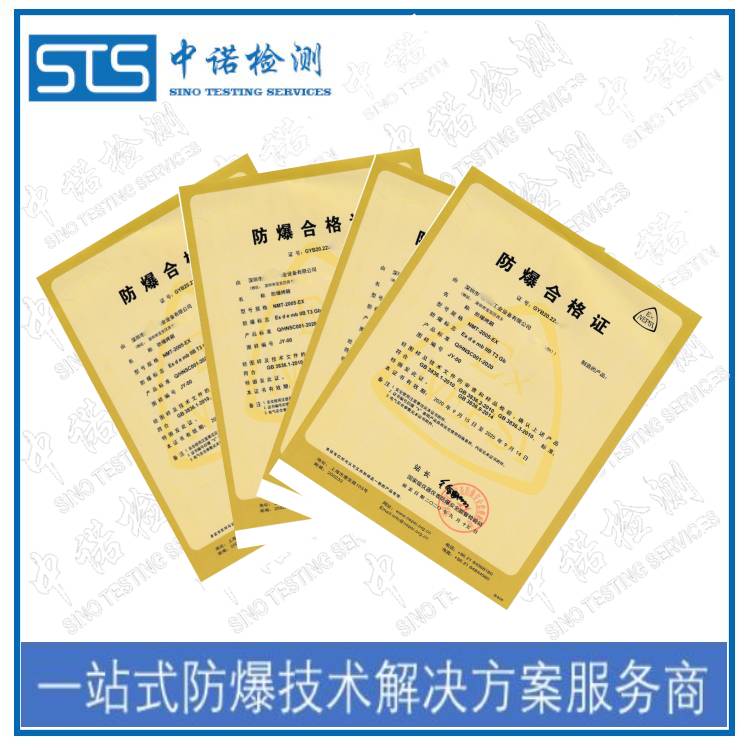
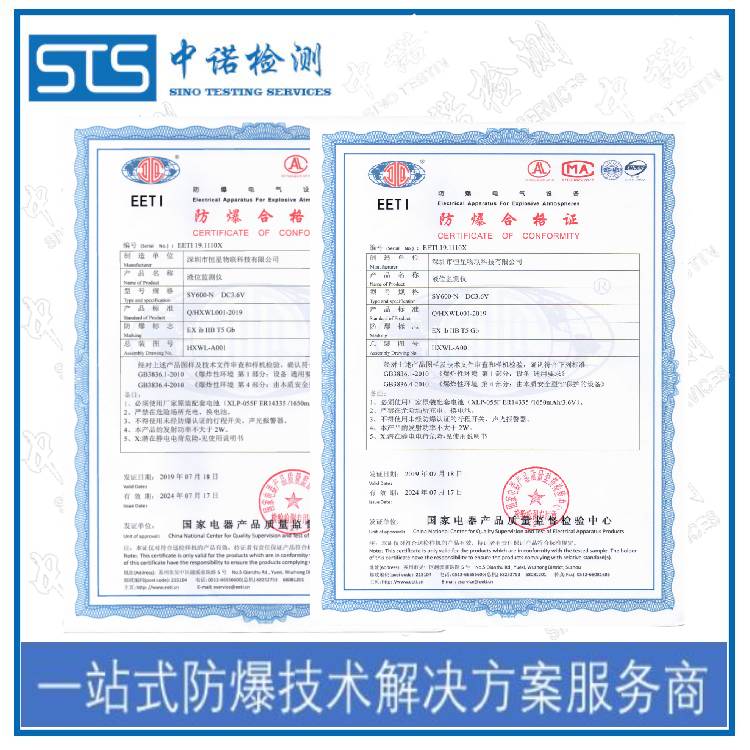
Explosion-proof certification and explosion-proof compliance certificate are two distinct concepts. Once a product undergoes explosion-proof certification, the resulting document is the explosion-proof compliance certificate.
Ex-proof certification is the process, while the ex-proof certificate is the outcome.
So the customer mentioned that the product needs to be certified for explosion-proof or obtain an explosion-proof certificate.
The product must pass the explosion-proof standard tests and meet the standard requirements to obtain the explosion-proof certification.
Explosion-proof certifications can be categorized into intrinsic safety, flameproof, pressurized, and encased types, among other explosion-proof protection styles.
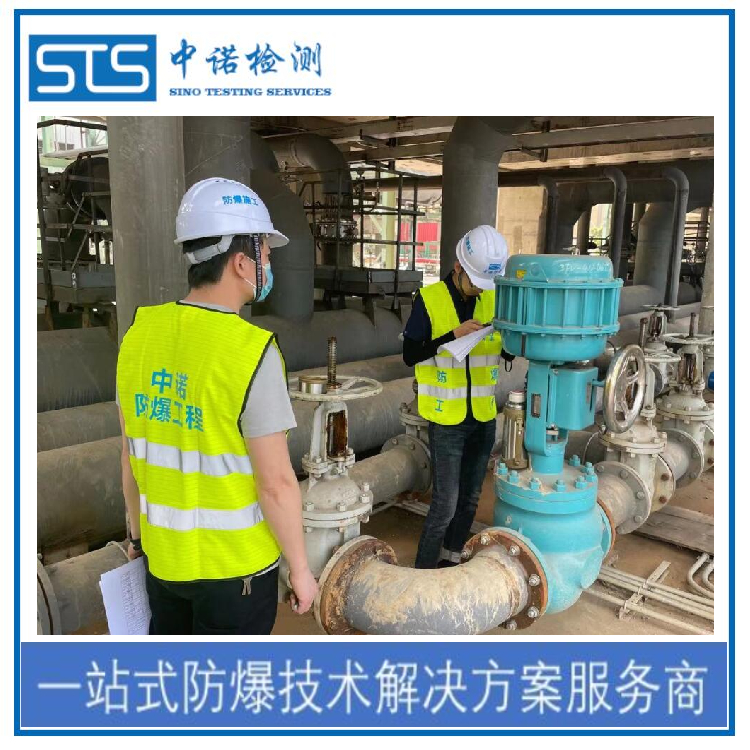
ZhongNuo Inspection boasts a team of explosion-proof engineers who can provide initial design services for explosion-proof circuits and structures.
Assist companies in compiling the required technical drawings, specifications, manuals, and corporate standards for explosion-proof certification, facilitating their quick acquisition of the explosion-proof qualification certificate.
If you require certifications in this area, feel free to send us a private message!
How to Apply for an Explosion-Proof Certification for Enterprises:
1. Self-Application: The company applies to the certification body independently, prepares relevant documents, assists in debugging the prototype, and modifies the parts of the documents that are not in compliance. The process is relatively longer, with higher overall costs and requires more time and effort.
2. Agent Application: Refers to the entire process of consulting and applying to Shenzhen ZhongNuo Testing Technology Co., Ltd., including material modifications, prototype debugging, and progress coordination, which are entrusted to the consulting agency. It offers a good guarantee for progress and a quick certificate acquisition. Overall costs are manageable, saving time and effort.
What's the difference between corrosion resistance level, protection level, and explosion-proof certification level?
Many corporate clients are often in the dark about the required corrosion resistance, protection, and explosion-proof certification levels for their products.
Due to the products being just one character different in name, and both referring to a specific aspect of the product's grade, they are similar yet distinct. So, what are the differences between them?
Corrosion protection involves measures taken to preserve metal items prone to rust, extending their lifespan. This is commonly achieved through physical, chemical, and electrochemical corrosion prevention methods. There are five common grades: indoor F1, F2, and outdoor WF, WF1, and WF2.
Protection level, commonly known as IP rating, refers to the dust and water resistance of the equipment, usually consisting of "IP" followed by two digits.
The explosion-proof grade generally refers to the equipment's explosion-proof certification level. Each electrical equipment applying for explosion-proof certification will have a corresponding explosion-proof marking, including the type of explosion-proof and the explosion-proof grade. The explosion-proof grade indicates the product's applicable explosion-proof area, gas/dust group, temperature group, and equipment protection level, etc.
Clearly, these are different concepts from different fields. For more information on this topic, feel free to DM us anytime!
Explosion-proof Certification Application Consultation Service - Shenzhen ZhongNuo Testing Technology Co., Ltd.
WeChat Official Account

Scan to follow Official Account