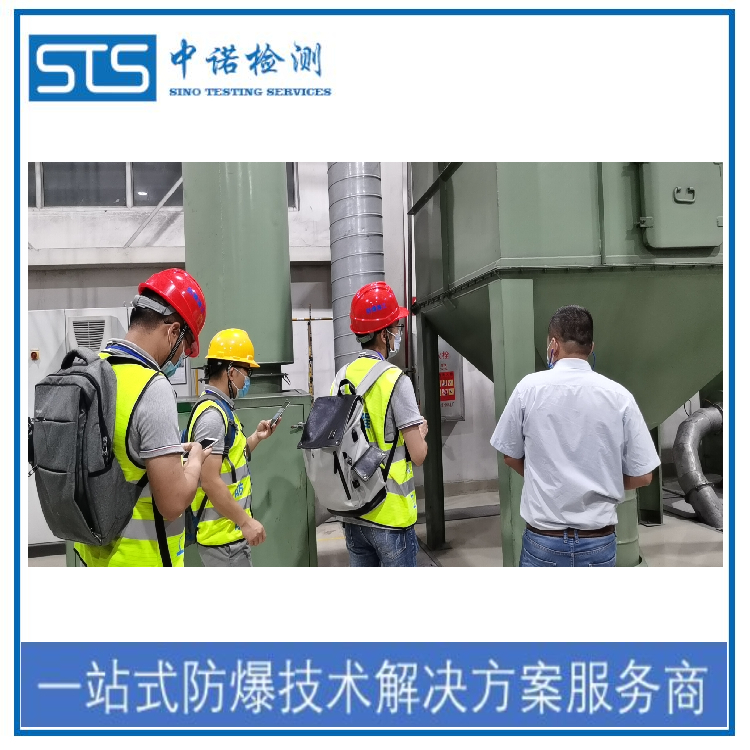

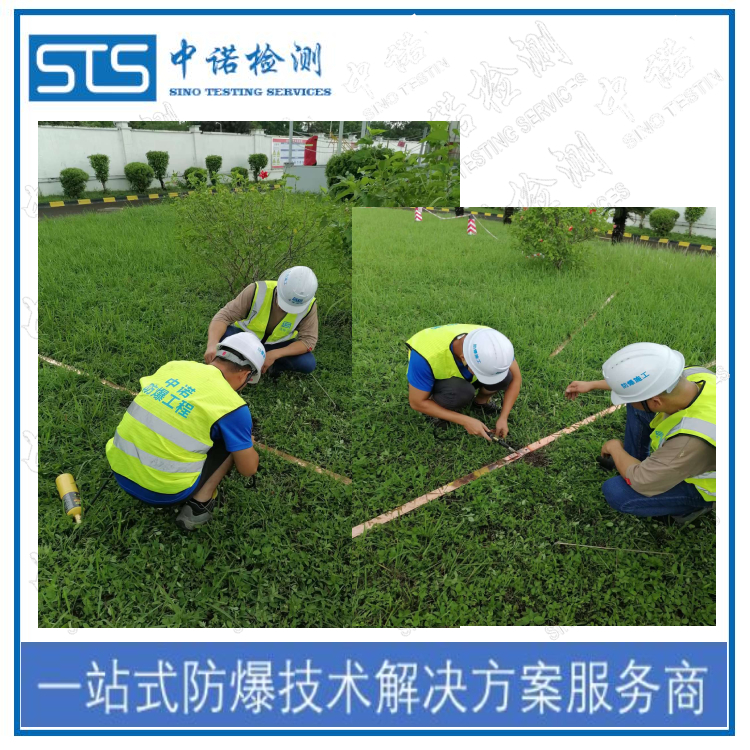
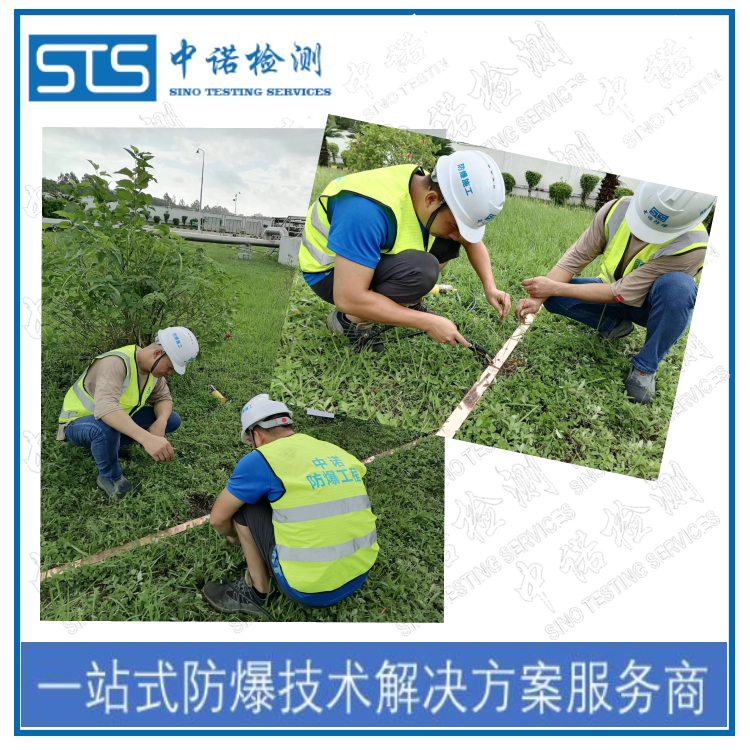











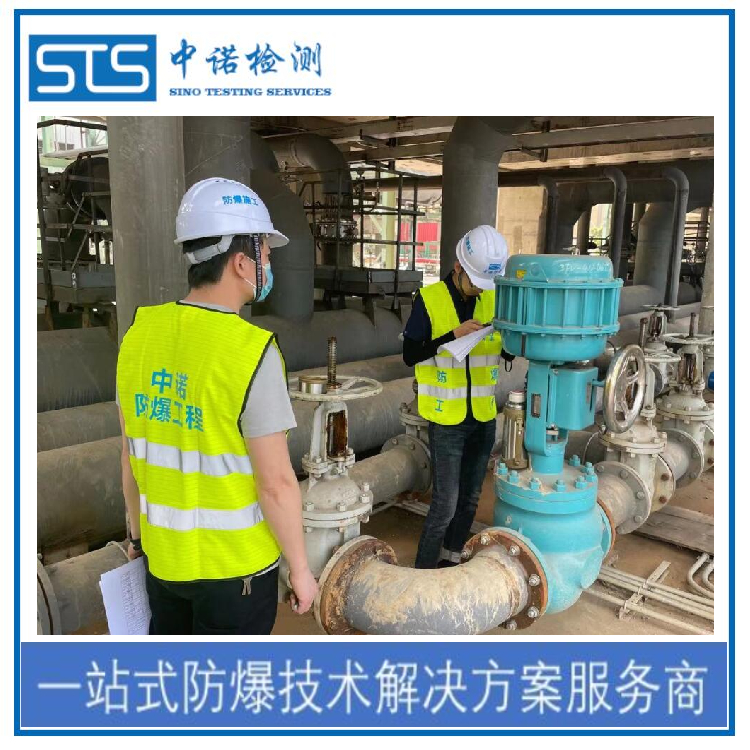
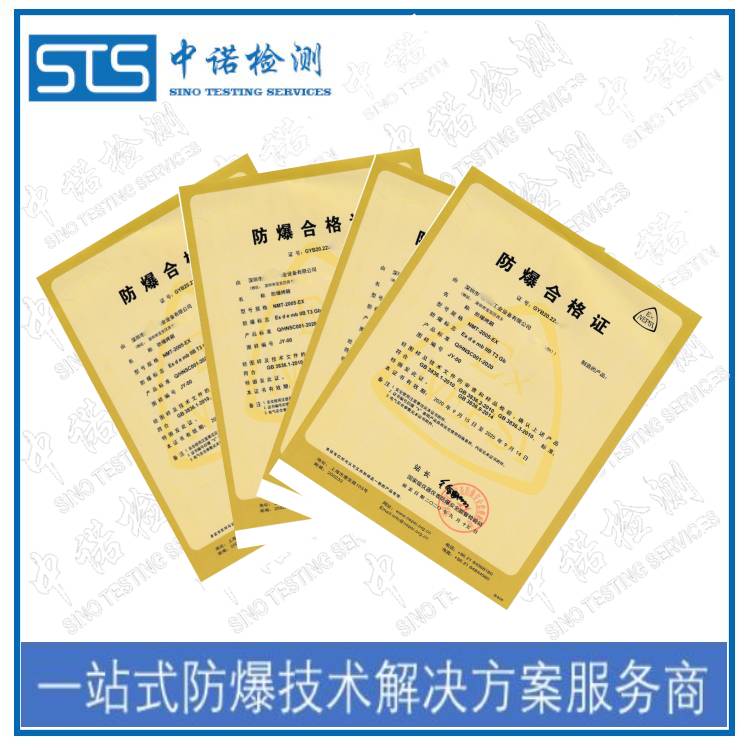
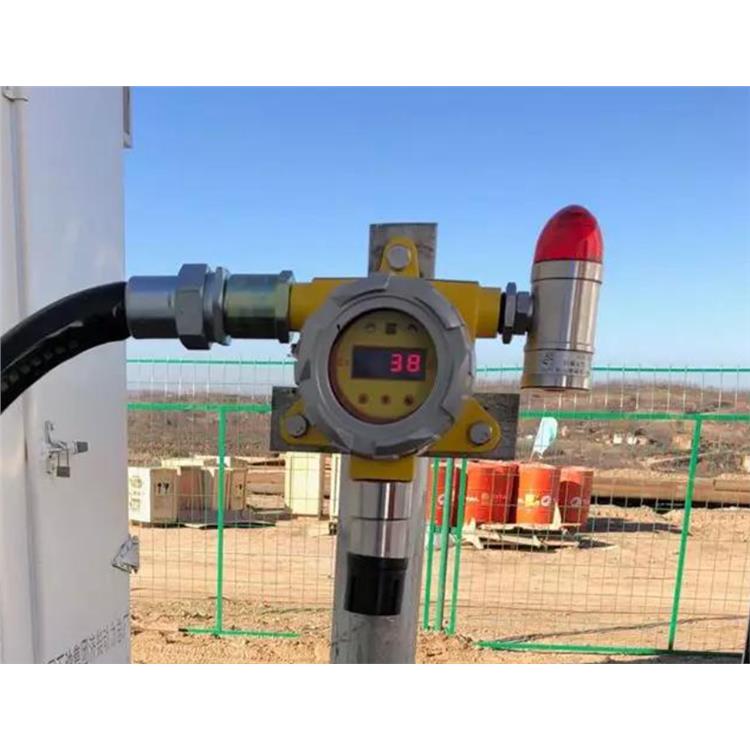
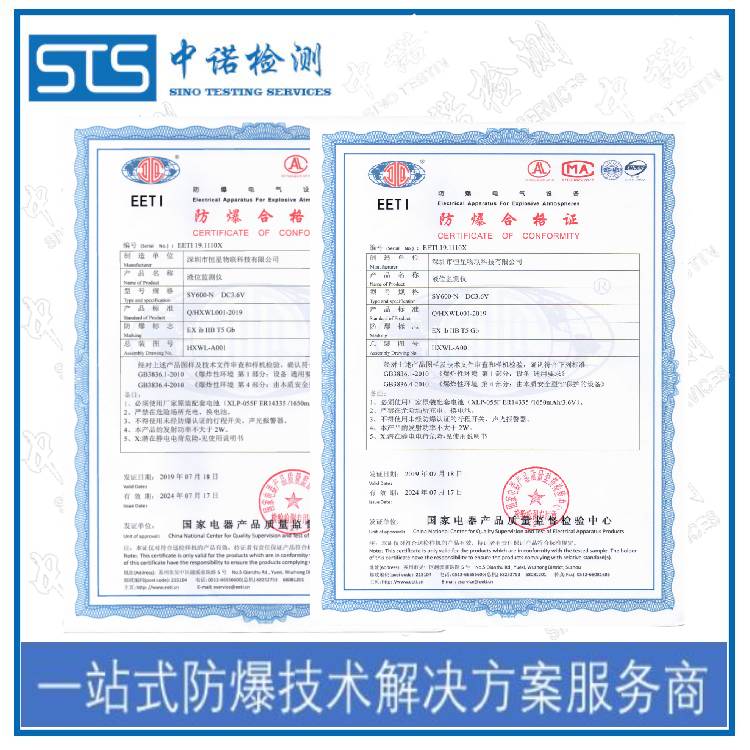
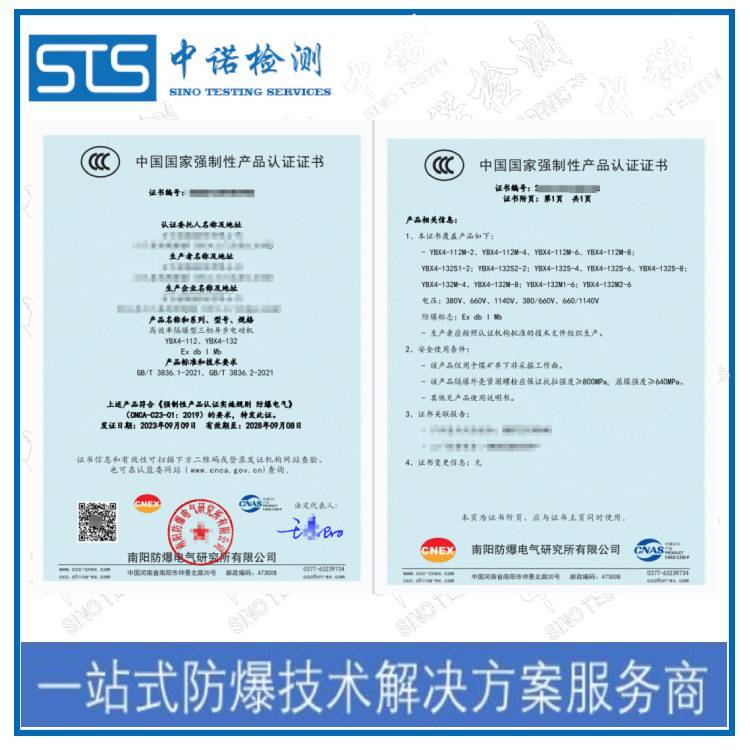

Shenzhen Zhongnuo Testing Technology Co., Ltd. is based in South China, offering services such as on-site explosion-proof construction, safety inspections, renovations, project acceptance, and explosion-proof installation. We are well-versed in explosion-proof construction standards, boast experienced construction teams, and have served major enterprises like PetroChina, LG, Hanlan Environment, BOE, and Sinovac Biotech, earning consistent praise and trust from our clients!
Basic Knowledge and Requirements for Cable Usage in Explosion-Proof Construction Sites (Shared by Shenzhen ZhongNuo Inspection & Technology Co., Ltd.)
Installation methods for electrical wiring in explosive gas environments can be categorized into cable wiring and conduit wiring methods.
Note: The installation of inherently safe circuits is not subject to the provisions of this article.
7.1 General Provisions
7.2 Electrical wiring should be installed in areas with lower explosion hazard or at a greater distance from the source of release, avoiding locations prone to mechanical damage, vibration, corrosion, dust accumulation, and those with hazardous temperatures. When avoidance is not possible, preventive measures should be taken.
7.3 The selected low-voltage cables or insulated conductors must have a rated voltage higher than the working voltage of the line and not less than 500V. Insulated conductors must be laid within conduits.
7.4 It is strictly prohibited to cross explosive gas environments with overhead lines of 10kV and below; the horizontal distance between the overhead line and the explosive gas environment should not be less than 1.1 times the height of the pole.
7.5 Cables and their accessories, during installation, should be positioned in a manner that prevents damage from external mechanical forces, corrosion, or chemical influences (such as the effects of solvents), as well as the effects of high temperatures (also see 6.1.2.4.4 for this safety circuit). If these conditions cannot be avoided, protective measures should be taken during installation, such as using conduits or selecting appropriate cable types (armored cables, shielded wires, seamless aluminum sheathed cables, mineral insulated metal sheathed cables, or semi-rigid sheathed cables, etc., to minimize damage).
7.6 Solid-core wires without sheath should not be used for conductive wiring unless they are installed inside a distribution board, housing, or conduit system.
General Requirements for Explosion-Proof Workshop Design (Shared by Shenzhen Zhongnuo Testing Technology Co., Ltd.)
4.1 Floor, Interior Wall
Areas producing flammable gases heavier than air or vapors of flammable and combustible liquids, as well as Class B production workshops with dust and fiber explosion hazards, should use non-sparking floors. To prevent sparks, the floors can be made of rubber, plastic, rubber mixed with graphite, or asphalt concrete.
Interior walls of workshops where flammable dust may settle should be plastered or painted to create a surface that is easy to clean (wiped clean coating).
4.2 Office, Break Room
For personnel safety, do not establish offices or restrooms in Class A and B production buildings with explosive hazards. If necessary, such rooms can be located outside the workshop, separated from the workshop by non-combustible walls with fire resistance of not less than 3.5 hours.
4.3 Electrical Equipment
Electrical equipment in explosion-proof workshops should be selected and installed according to different conditions, using explosion-proof types such as explosion-proof switches, explosion-proof motors, and explosion-proof lighting fixtures, and strictly avoid non-explosion-proof types.
4.4 Lightning Protection Facilities
In factories and workshops prone to explosion, in addition to installing lightning protection devices on the building itself, it is required to set up grounded lightning rods around the building. This ensures that the entire building is within the protected range of the lightning protection system, preventing accidents caused by lightning strikes.
Basic Dust Explosion Proof Construction Standards
In facilities where explosive dust is present, such as flour mills, feed factories, grinding workshops, and plastic production plants, the requirement for explosion-proof measures on-site is particularly crucial. The installation and use of explosion-proof wiring, electrical equipment, dust removal systems, architectural layout, and explosion-proof and deflagration venting must all comply with the relevant dust explosion-proof standards. Based on a wealth of explosion-proof electrical construction and modification cases, Shenzhen Zhongnuo Testing Technology Co., Ltd. has summarized the following points:
1. Structure and layout of the building
(1) Equipment or buildings with structures that pose a dust explosion hazard or contain combustible dust should be separated from other buildings, and their fire protection distances should comply with the relevant provisions of GB50016.
(2) The building should be a single-story structure, with a lightweight roof design preferred.
(3) Structural requirements for multi-story buildings are as follows:
A. Multi-story buildings are best suited for frame structures.
B. Buildings without frame structures must have explosion relief openings installed on the walls in compliance with requirements.
C. If windows or other openings are used as blast relief vents, they must be calculated and ensured to effectively release blast pressure during an explosion.
(4) Evacuation route requirements are as follows:
The work area should have evacuation routes, and the number and location of these routes should comply with the provisions of GB50016.
B. The door should open outward and no threshold should be installed.
C. Detailed signage and emergency lighting should be set up for evacuation routes.
2. Process Equipment
If there is a risk of dust explosion in the workshop, such equipment should be located on a higher floor of the building and close to the exterior wall.
(2) Equipment with explosive hazards should be located in outdoor areas outside of buildings.
(3) Equipment or devices in direct contact with dust (such as light sources, heating sources, etc.) should have surface temperatures lower than the respective low ignition temperature of the dust.
(4) In areas where combustible dust is present, the transmission mechanisms of the equipment and installations shall comply with the following regulations:
The bearings of the process equipment should be dust-proof and sealed. If there is a possibility of overheating, a detector capable of continuously monitoring the bearing temperature should be installed.
B. Belt drives should not be used. If belt drives are used, speed differential sensors and automatic anti-slip protection devices must be installed. In the event of sliding friction, the protection device should ensure automatic shutdown.
(5) At the feed point of the process flow, install magnets, pneumatic separators, or sifters capable of removing impurities mixed in the material to prevent collision between impurities and equipment.
(6) Effective measures should be taken to prevent sparks from being generated when stainless steel rubs against metal powders such as aluminum, zirconium, or powders containing these metals.
(7) Implement protective stopping in the event of an explosion. Depending on the size of the workshop, install several power supply control boxes that can interlock with each other. In emergency situations, they should be able to promptly disconnect the power supply to all motors.
(8) All process equipment components such as joints, inspection doors, baffles, and explosion vent covers should be sealed tightly.
(9) The equipment housing should be made of non-flammable materials.
(10) The moving parts of the equipment should operate smoothly without any scraping, bumping, jamming, or rubbing.
(11) When the strength of the process equipment is insufficient to withstand the overpressure generated by internal dust explosion under actual operating conditions, explosion relief ports should be installed, and the size of the relief ports should comply with the relevant regulations of GB/T15605.
(12) The venting port should be located near the source that may cause detonation, and should be as close to the top or above the containment body as possible. It should not vent towards flammable and explosive hazard areas to prevent igniting others, and should not vent towards public places to avoid causing injury from venting.
3. Lightning and static electricity protection
Hazardous dust explosion areas should take corresponding lightning protection measures in accordance with the relevant provisions of GB50057. When static electricity hazards are present, the following regulations should be adhered to:
All metal equipment, device casings, metal pipes, brackets, components, parts, etc., are generally grounded statically by direct grounding. In cases where direct grounding is not feasible or prohibited by the process, grounding can be achieved indirectly through antistatic conductive materials or products.
(2) Equipment directly used for containing electrostatic powder, such as conveyance pipes (belts) for the powder, should be made of metal or antistatic materials.
(3) All metal pipe connections should be bonded together.
(4) Operators should take anti-static precautions.
(5) Do not use direct grounding metal conductors or screens in contact with high-speed flowing powders to dissipate static electricity.
Selection of cables and wires for explosive environments should comply with the following specifications: (Shared by Shenzhen ZhongNuo Testing Technology Co., Ltd.)
In explosive environments, the rated voltage of the insulated conductors and cables used for low-voltage power and lighting circuits should be higher than or equal to the working voltage, and U0/U should not be less than the working voltage. The rated voltage of the neutral line should be equal to the phase voltage and should be laid in the same sheath or protective tube.
(2) In explosive hazard zones, except for cables within distribution panels, wiring cabinets, or metal conduit wiring systems, unarmored wires should not be used as supply and distribution lines.
(3) Copper-core cables should be used in Zone 1. In Zone 2, copper-core cables are recommended except for inherently safe circuits. When aluminum-core cables are used, their cross-sectional area must not be less than 16 square millimeters, and copper-aluminum transition joints should be used for connections with electrical equipment. Circuits installed in explosive dust environments in Zones 20 and 21, as well as in areas with severe vibration within Zone 22, should use copper-core insulated conductors or cables.
(4) The technical requirements for cable wiring in explosive environments, excluding the circuit of this pressure safety system, shall comply with the specifications in Table 5.4.1-1.
(5) The technical requirements for conduit wiring of steel pipes with voltages below 1000V, excluding circuits of intrinsic safety systems, within explosive environments, shall comply with the specifications of Table 5.1.1-2.
(6) In explosive environments, the selection of insulated conductors and cable cross-sections must comply with the provisions of Tables 5.4.1-1 and 5.4.1-2, as well as the following regulations:
1) The conductor's allowable current should not be less than 1.2 times the rated current of the fuse element and 1.2 times the setting current of the long-time delay overcurrent release of the circuit breaker, except for the circumstances specified in clause 2 of this article.
2) The long-term allowable current for the auxiliary line of squirrel-cage induction motors with voltage below 1000V should not be less than 1.2 times the rated current of the motor.
(7) When installing overhead or bridge-mounted cables, flame-retardant cables are recommended. When using bridge methods that prevent mechanical damage, non-armored cables with plastic sheath can be used. In areas where cables are installed in cable trenches in Zones 2 and 22 and are not subject to damage from rodents or insects, non-armored cables may be employed.
Explosion-proof electrical retrofitting and on-site explosion-proof construction consulting services for hazardous areas - Shenzhen Zhongnuo Testing Technology Co., Ltd.
WeChat Official Account

Scan to follow Official Account