










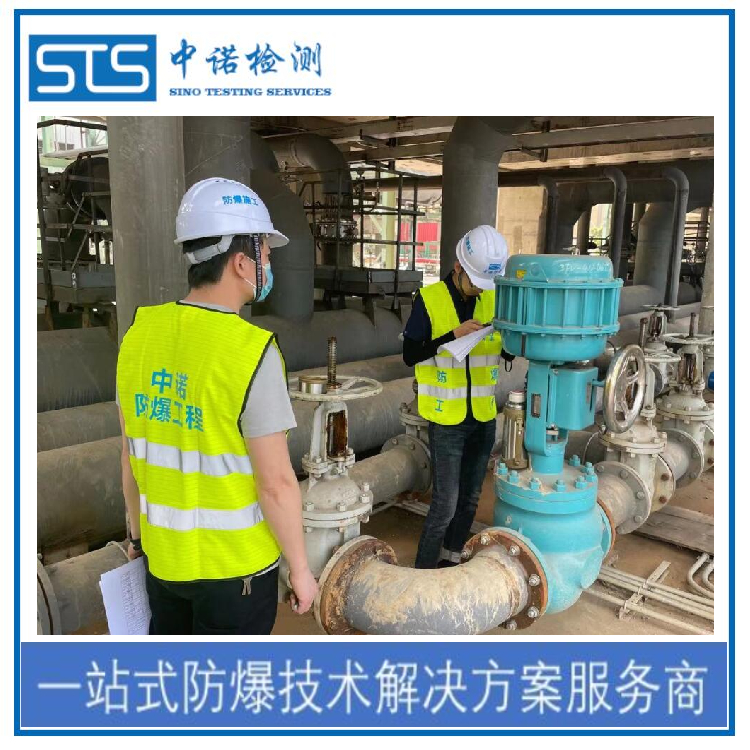
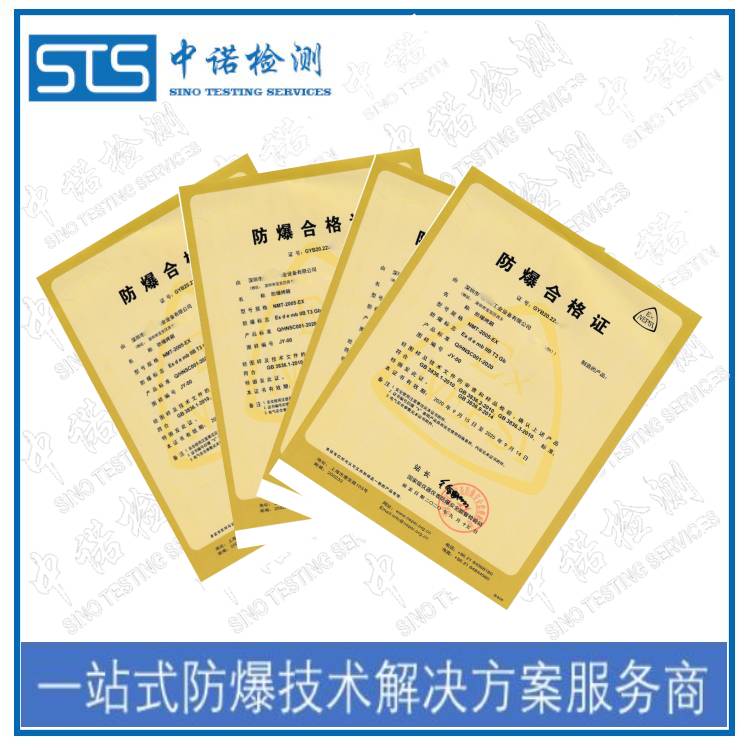
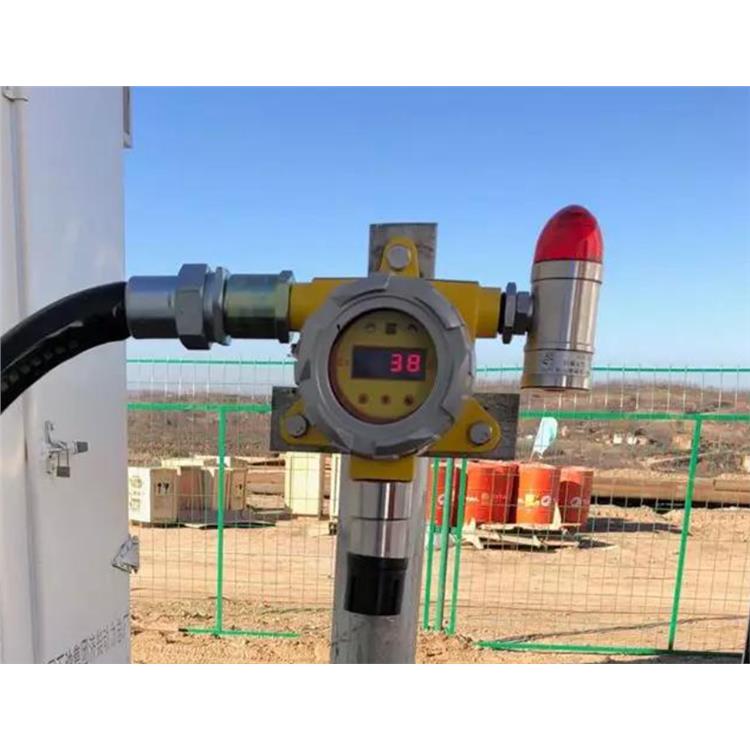
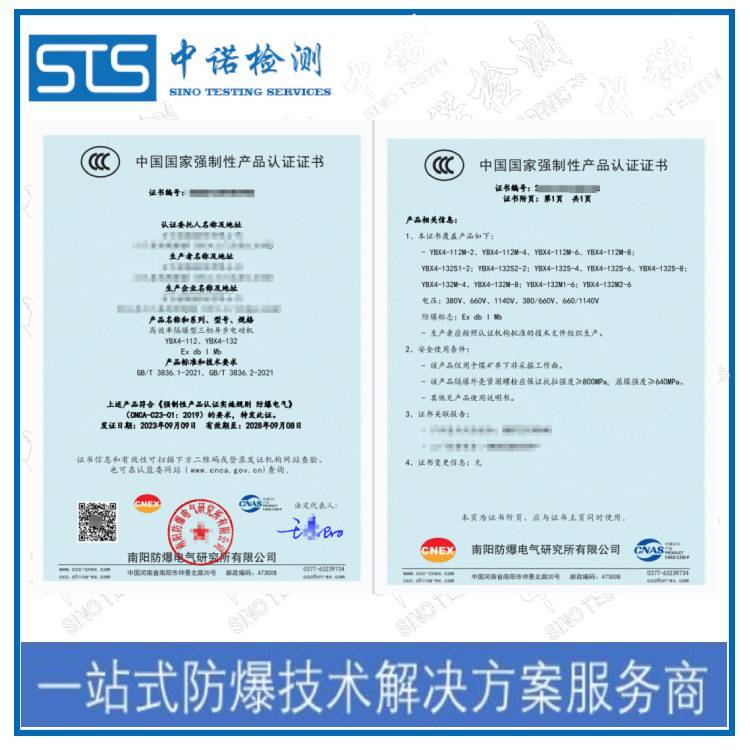
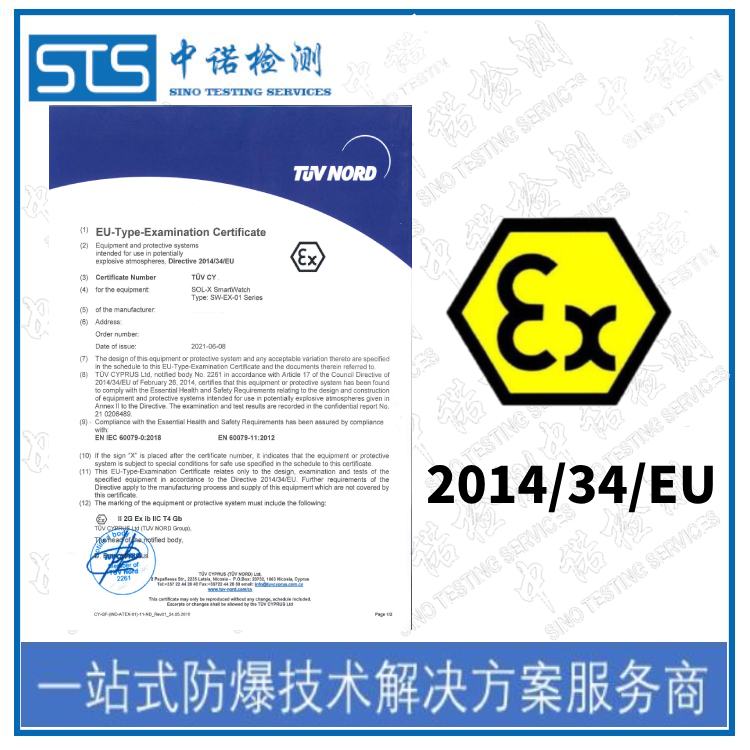
Shenzhen ZhongNuo Testing Technology Co., Ltd. is based in South China and specializes in explosion-proof certification and coal mine safety certification application consulting services, offering one-stop explosion-proof technology consulting services.
Classification of Explosion-Proof Certification -- Shenzhen ZhongNuo Testing Technology Co., Ltd.
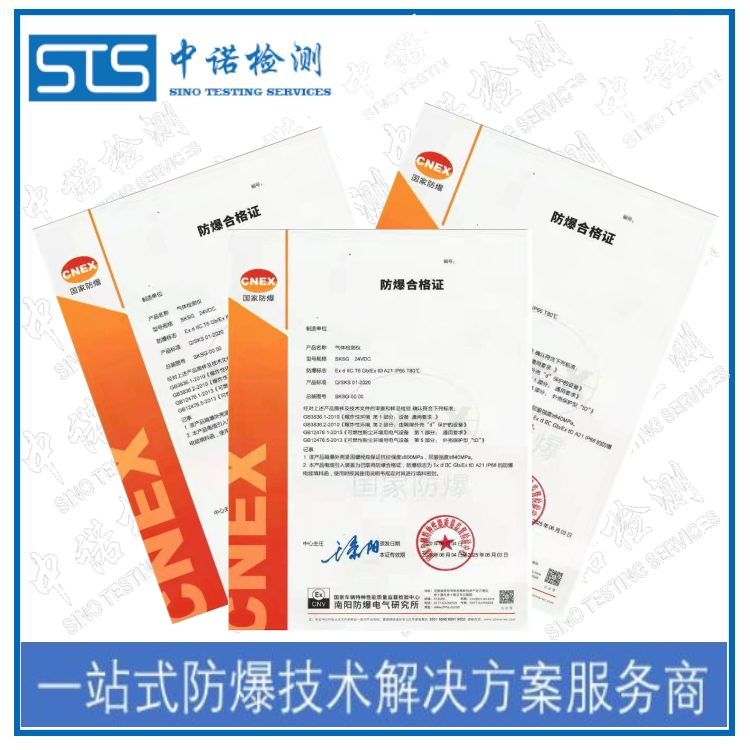
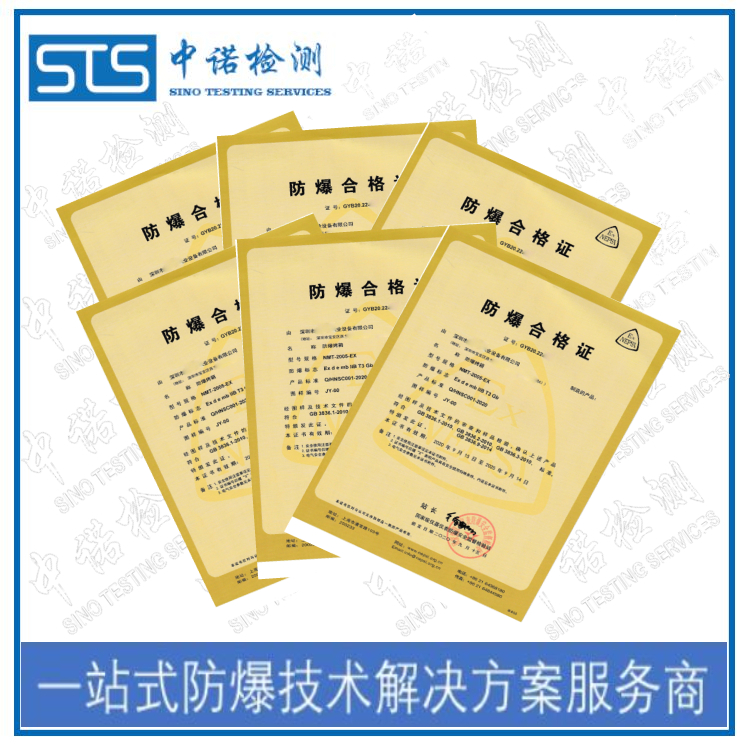
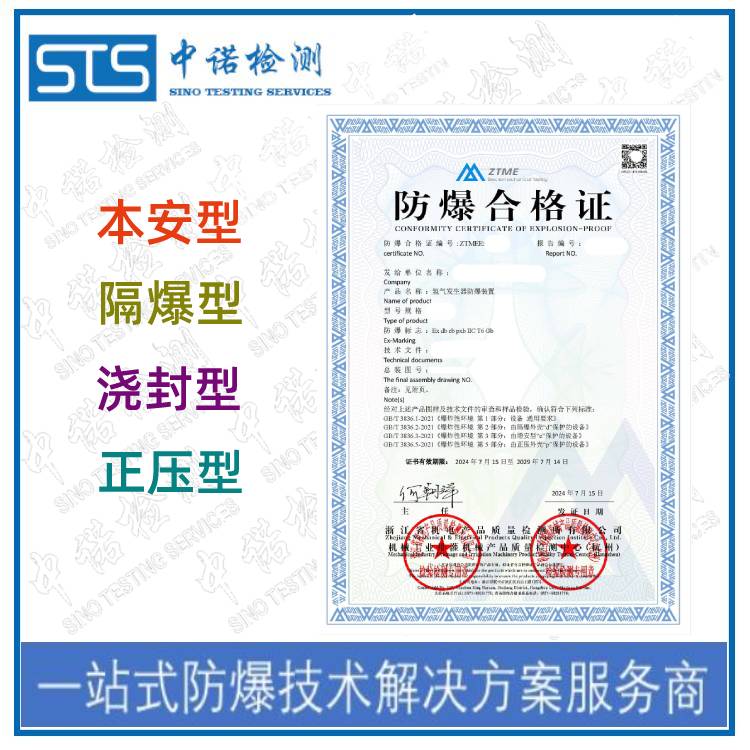
Blast-proof certification is the process of determining that equipment meets the requirements of explosion-proof standards, type testing, and applicable routine tests, and issuing relevant certificates of compliance. Certificates can be issued for Ex equipment or Ex components.
Different regions have varying certification standards and systems for explosion-proof electrical products. Currently, international explosion-proof certifications include domestic explosion-proof certification, ATEX certification, IECEx certification, and North American explosion-proof certification.
The process of applying for an explosion-proof certification at Shenzhen ZhongNuo Testing Technology Co., Ltd.
1. Conduct product evaluation and provide an initial quote for the requested product. Evaluate the product using the company's product specification, electrical schematic, and component list, determining the appropriate type of explosion-proof certification suitable for the product and providing an initial quote.
2. Offer samples for laboratory testing; the quantity of samples required varies depending on the product category.
3. Provide documentation list review
Application documents, including the applicant's information and product details
(2) Technical Documents - The submitted technical documents by the company include corporate standards or technical requirements, product drawings, and user manuals, etc.
A. Corporate Standards/Technical Requirements: The corporate standards/technical requirements for products should be written in the specified format, including not only performance requirements of the product but also relevant content regarding explosion-proof aspects: such as basic parameters, explosion-proof markings, operating environmental conditions, explosion-proof performance requirements, relevant tests for explosion-proof performance, and markings related to explosion-proof.
B. Product Drawings: When applying for a certification of explosion-proof for intrinsic safety electrical equipment, the company should provide assembly drawings, circuit diagrams, printed circuit board drawings, silk-screening drawings, material lists of components and labels. For non-intrinsic safety electrical equipment, the technical documents submitted for testing should include drawings that reflect the explosion-proof performance of the sample (including assembly drawings and component drawings). If the assembly drawing can clearly indicate the explosion-proof parameters and structure of the product, only the assembly drawing needs to be submitted for testing.
C. Instruction Manual - The instruction manual should include basic parameters, explosion-proof markings, product外形 diagram, installation, maintenance, order instructions, and clear warnings to the user regarding the importance of ensuring the product's explosion-proof performance during installation and use.
D. Other Documents: For products with adhesive bonding or casting, provide the model names, performance descriptions, and relevant process documents for the adhesives and casting agents. For plastic enclosures, supply the material type and corresponding performance documents.
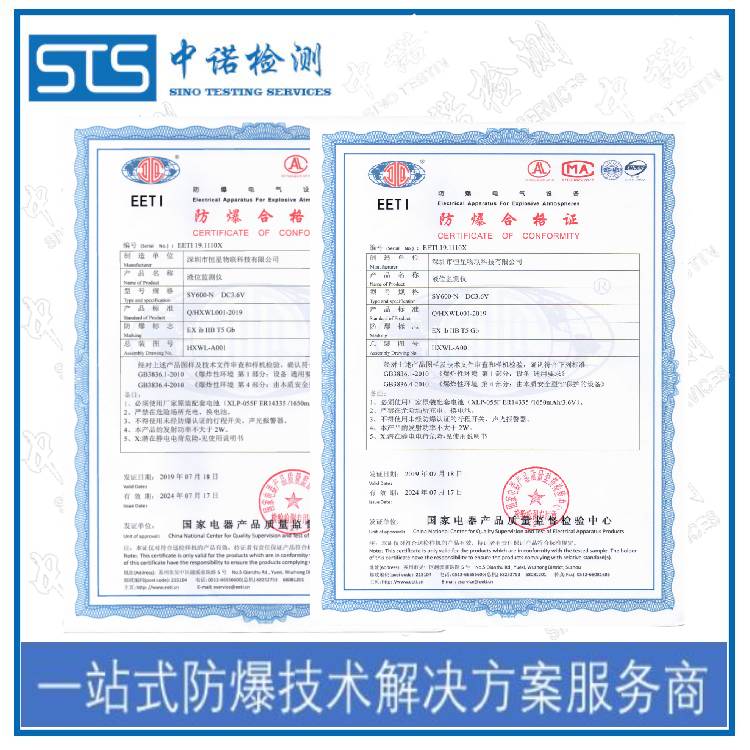
4. Issuance of Certificates
An explosion-proof type is a type of explosion prevention for electrical equipment.
Its housing can withstand the occurrence of accidents involving flammable and explosive mixtures that enter the housing through the housing joint surfaces or structural gaps, without damage to the housing itself.
And causes ignition of flammable and explosive gas atmospheres formed by one or more gases or vapors.
The explosion-proof housing must possess both explosion-proof and anti-explosion properties.
Generally, explosion-proof product casings are rather bulky, suitable for products and equipment designed for fixed installations and use.
Explosion-proof interface width, gap, and roughness are the three key elements of explosion-proof housing design.
Design requirements for explosion-proof elements vary depending on the different flammable and explosive gas environments used in Class I mining, non-mining Class IIA, IIB, and IIC.
Refer to the design standards of GB/T3836.1 and GB/T3836.2 for specifics.
ZheNuo Inspection has long been dedicated to explosion-proof product design, testing, and certification services. We have a specialized team in the explosion-proof field, well-versed in explosion-proof standards and requirements. We offer services including explosion-proof housing design, drafting,整改 guidance, and certification agency assistance.
If you have a need for this as well, feel free to private message Shenzhen ZhongNuo Inspection & Technology Co., Ltd. anytime!
What does the explosion-proof marking Ex db ib IIC T4 Gb mean?
The explosion-proof marking indicates the type of explosion-proof design adopted by the equipment.
Applicable to explosive areas and explosion-proof zones, etc.
What is an explosion-proof marking? What does an explosion-proof marking signify? How do you interpret the explosion-proof markings on explosion-proof equipment?
In response to these issues, ZN Testing will provide a detailed explanation with examples.
For example, explosion-proof marking Ex db ib IIC T4 Gb.
This is a composite explosion-proof marking.
Ex indicates explosion-proof; explosion-proof equipment must be marked with the Ex symbol.
DB IB refers to the explosion-proof protection type of the equipment, meaning it is both explosion-proof and intrinsically safe.
IIC refers to equipment suitable for explosive gas environments of IIC class gases (representative gas is and).
T4 is the temperature category, indicating that the surface temperature of the equipment does not exceed 135°C.
Gb refers to the equipment protection level, applicable to Zones 1 and 2.
The example above illustrates a common explosion-proof marking used for equipment in an explosive gas environment.
If the equipment is used underground in coal mines or in environments with combustible dust, the explosion-proof marking is different.
If it's an ATEX explosion-proof certification mark, it gets more complex.
If corporate clients need more information on explosion-proof certifications and markings, feel free to private message us anytime!
Explosion-proof Certification Application Consultancy Services - Shenzhen ZhongNuo Testing Technology Co., Ltd.
WeChat Official Account

Scan to follow Official Account