









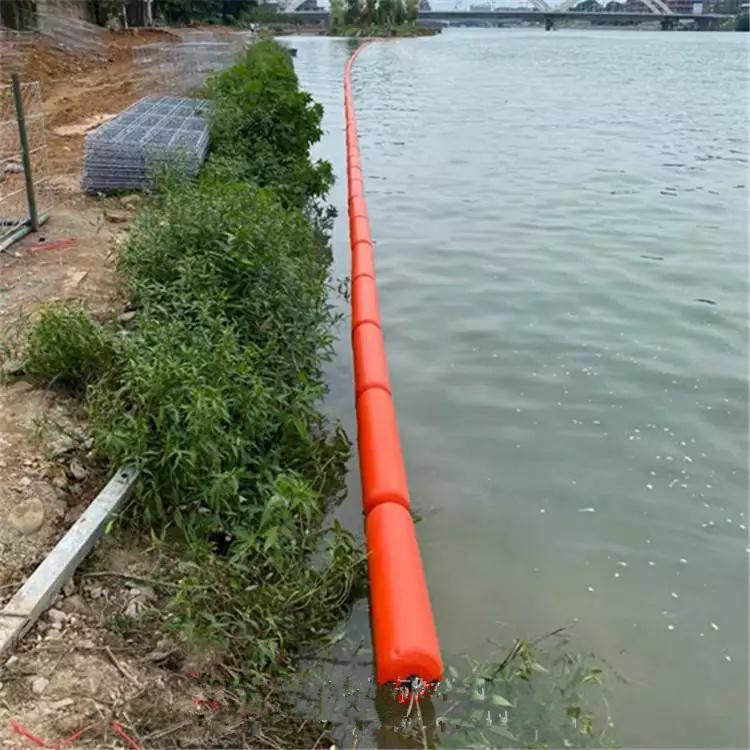
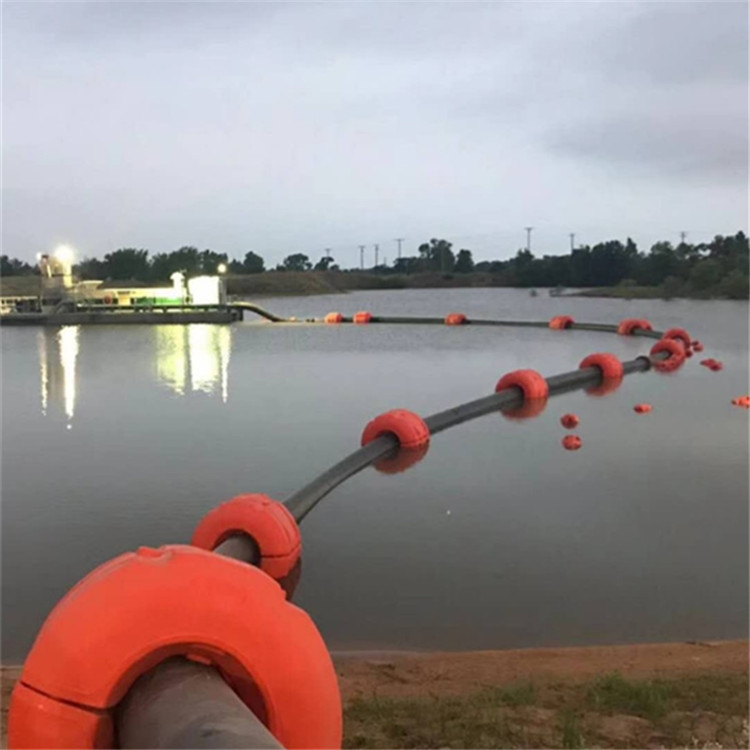
Tianwei New Material Navigation Buoy Manufacturer
The buoy is anchored to the seabed via an anchor chain and a float ball. One end of the chain is attached to the buoy, while the other end connects to the anchor, which, due to its weight and shape, allows the buoy to drift. In marine environments, the buoy's stability and safety are crucial, and the length of the anchor chain and the method of anchoring may vary depending on geographical and meteorological conditions. In addition to securing the buoy, the anchor chain is also used to anchor other objects, such as ships and offshore oil platforms.
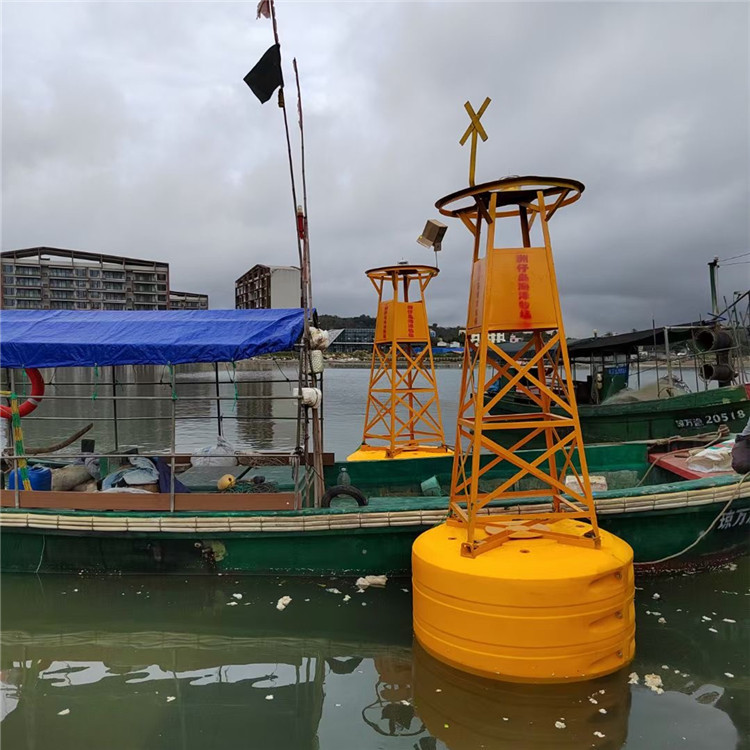
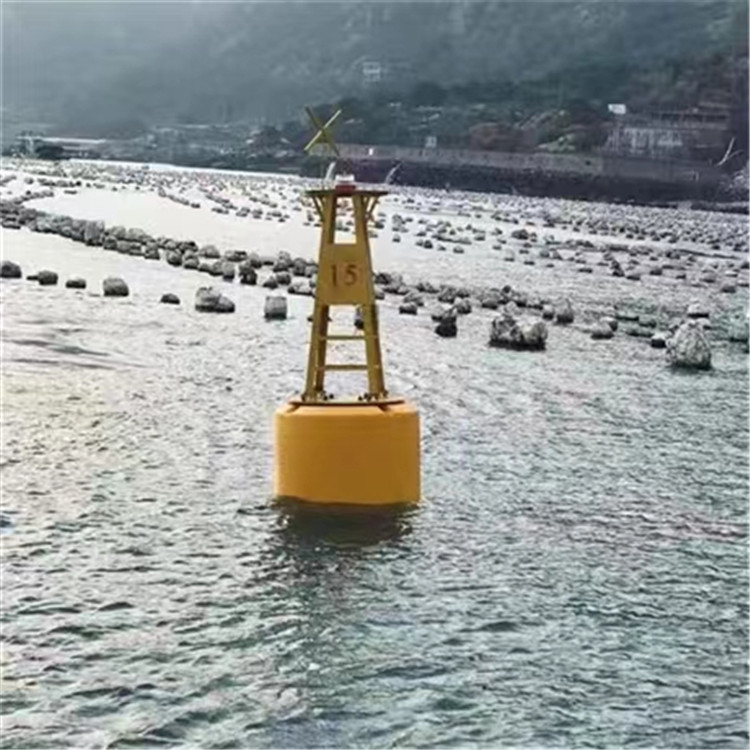
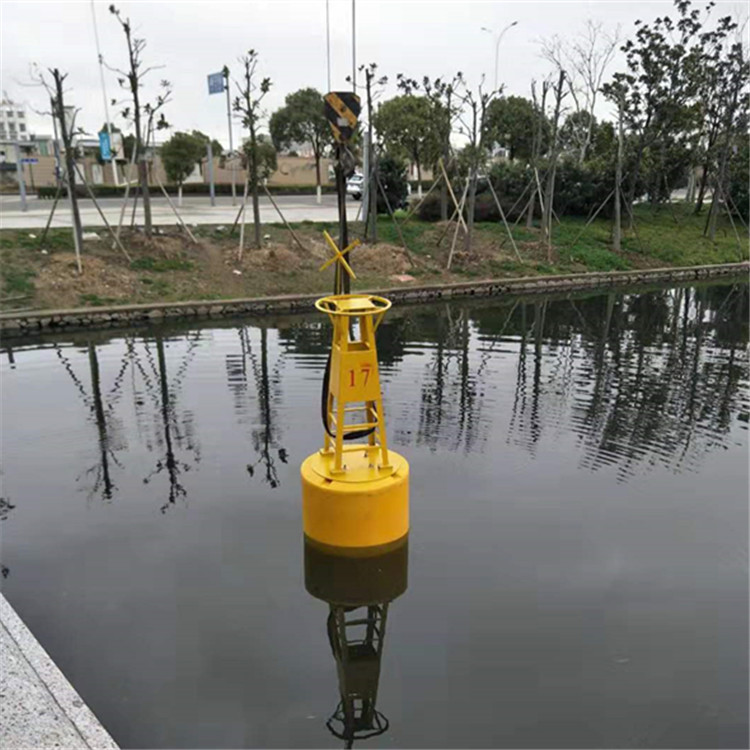
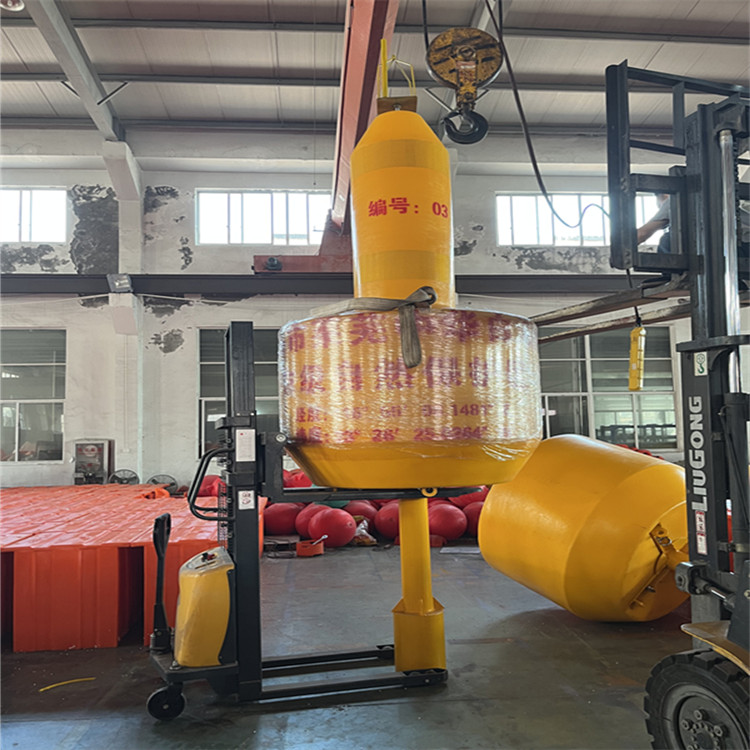
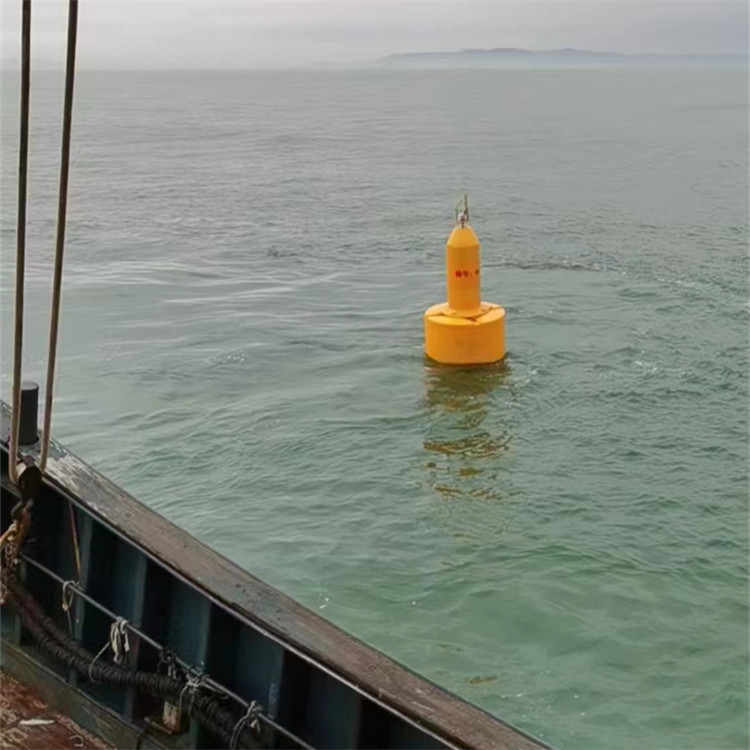
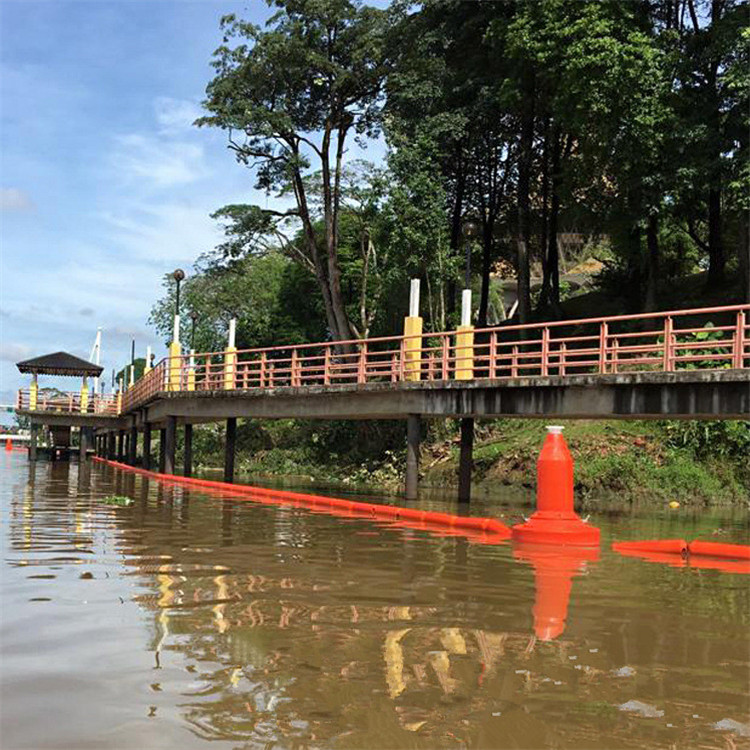
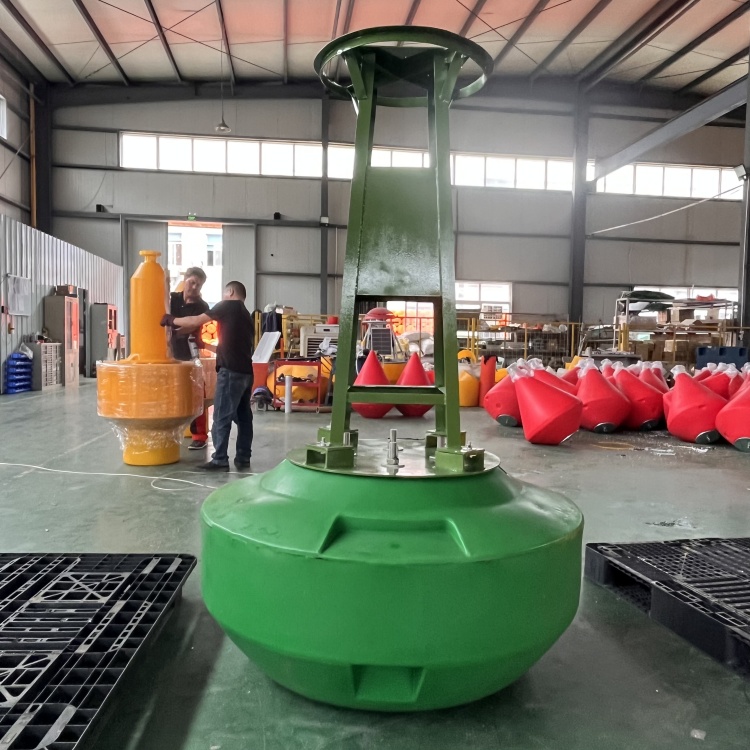
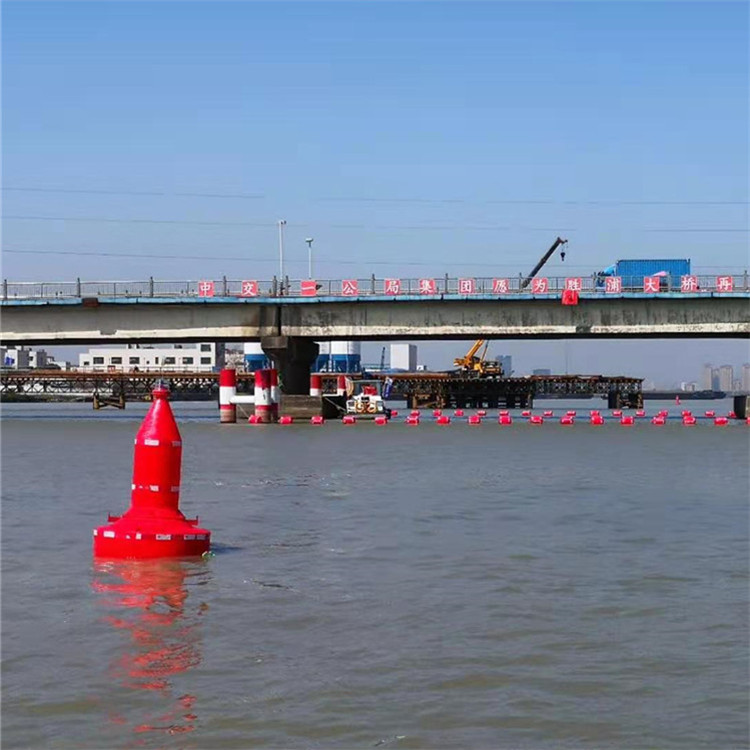
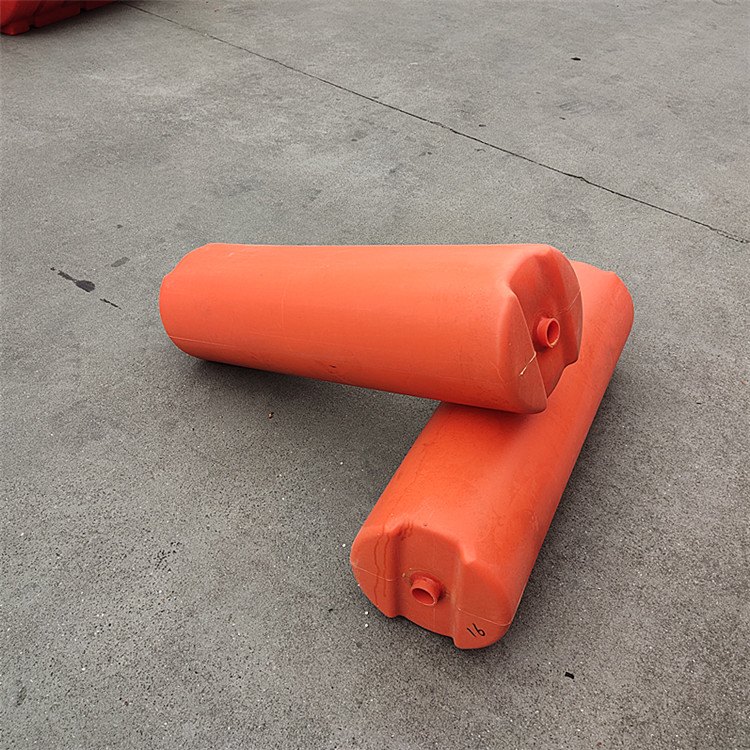
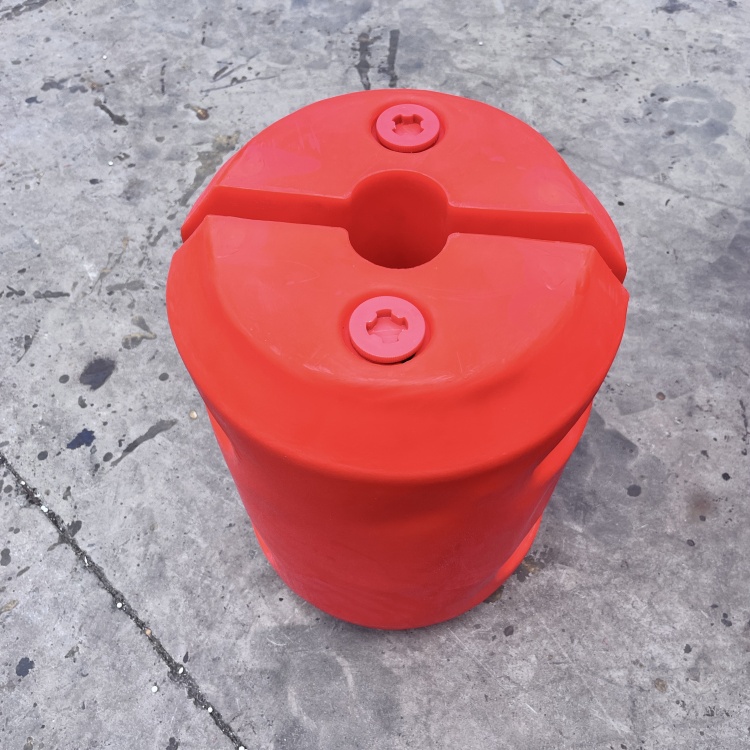
Buoy and lighted buoy markers in water are floating navigational aids with distinct features such as specified styles, sizes, and colors. Depending on the situation, they may be equipped with luminous devices, audio equipment, reflectors, and flags within a specified range. Generally, they are anchored in harbors, coastal channels, and underwater hazards to indicate the area of danger zones such as shoals, reefs, and sunken ships. Since buoys are easily affected by ocean currents and tides, their anchoring position may change accordingly, and they may drift away during severe storms. Therefore, buoys are not used for positioning.
Generally positioned near ports, coastal waterways, and underwater hazards, buoys are used to mark channels and indicate the locations of dangers such as sunken ships, reefs, and shoals. Buoys are floating markers with specified shapes, sizes, and colors, anchored at designated positions and may be equipped with lights, sound equipment, reflectors, and specified top markers. Buoys are affected by ocean currents and tides, and their actual positions move within a certain range centered on the anchor, and may shift during strong winds and waves.Drift. Therefore, it is generally not suitable for positioning.