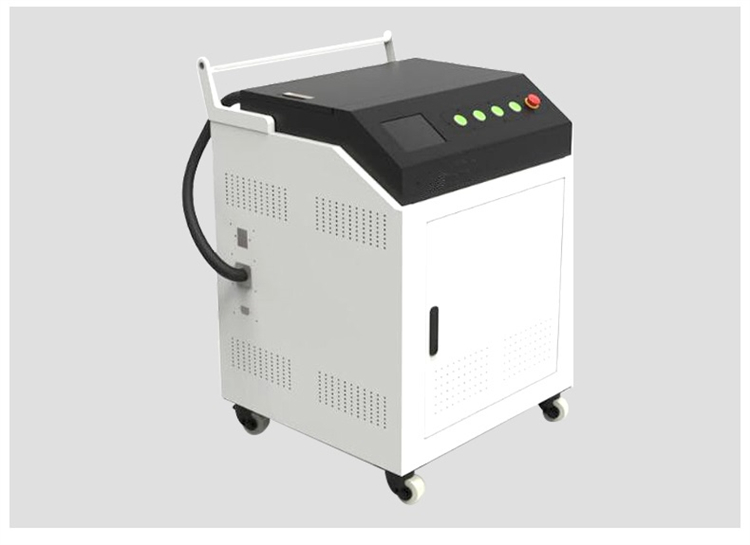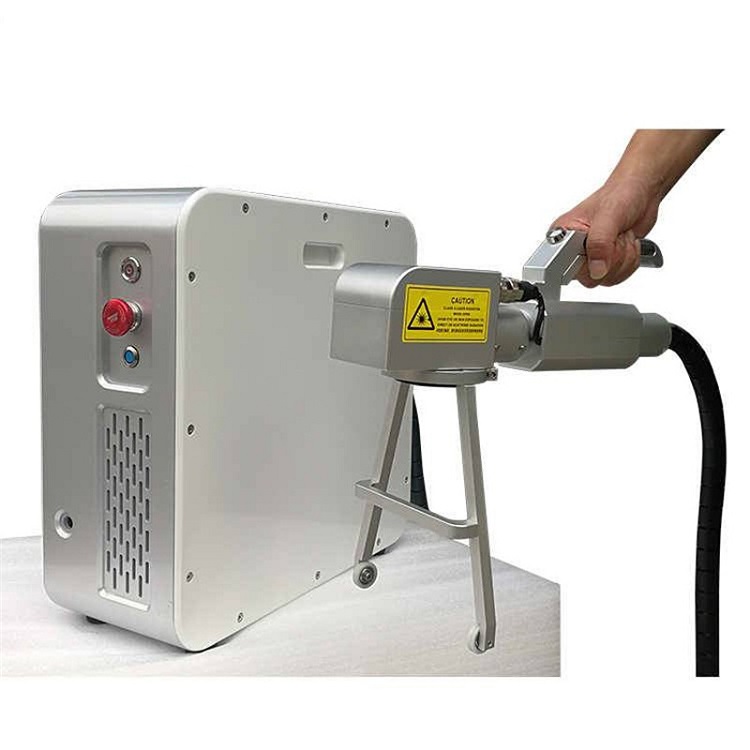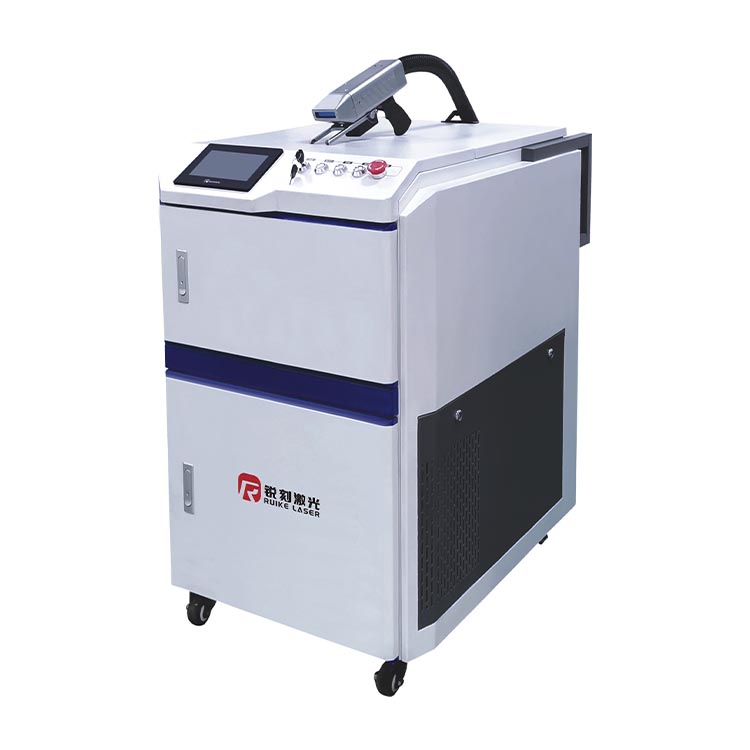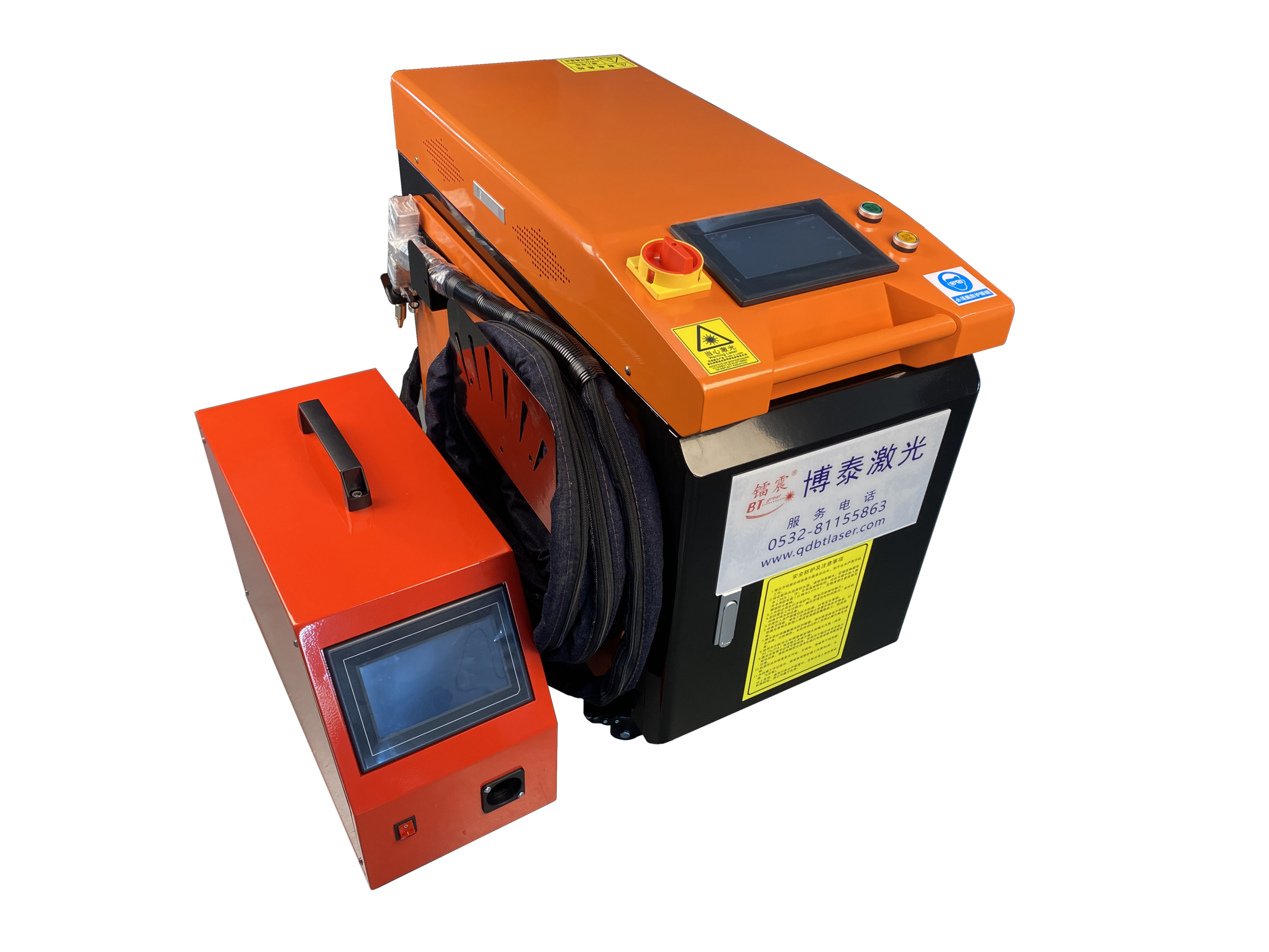

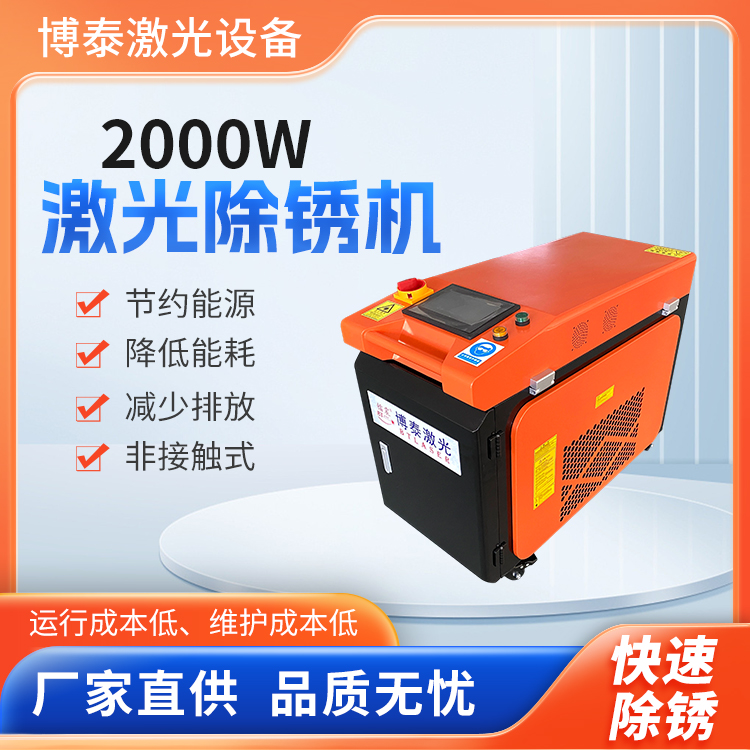


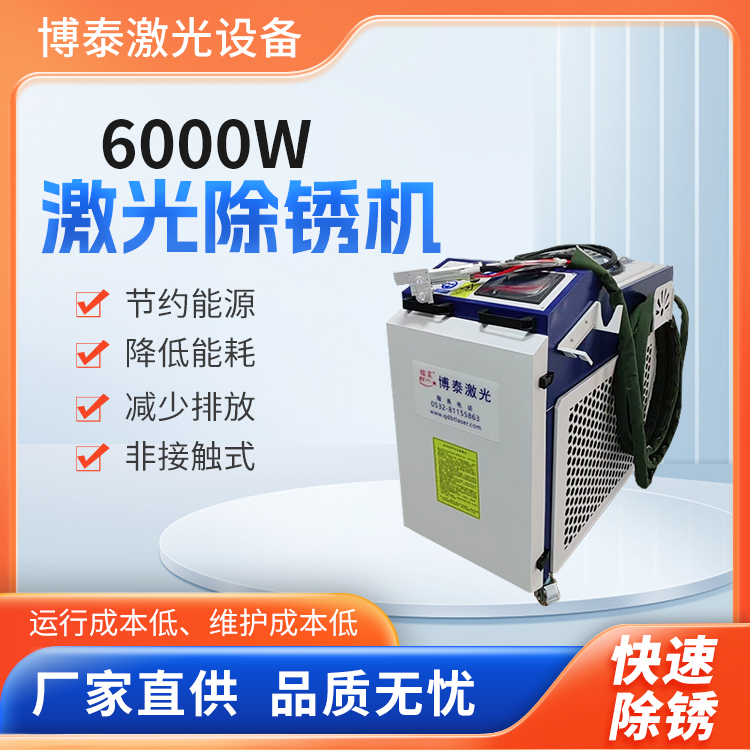
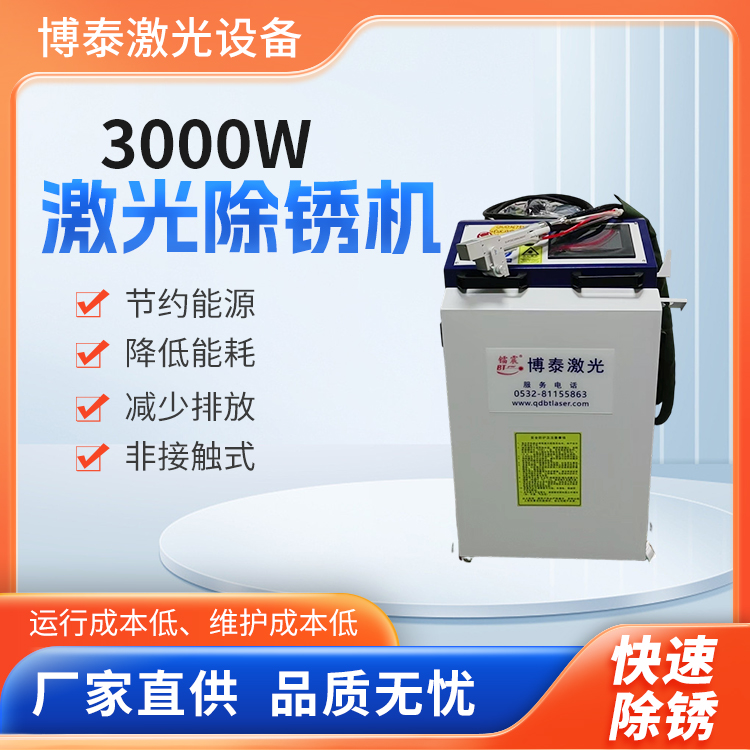
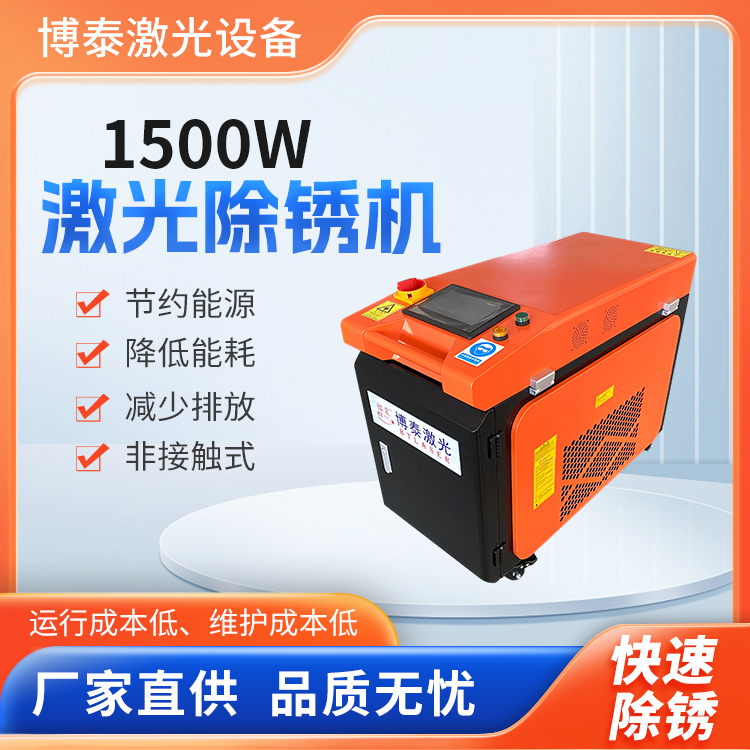
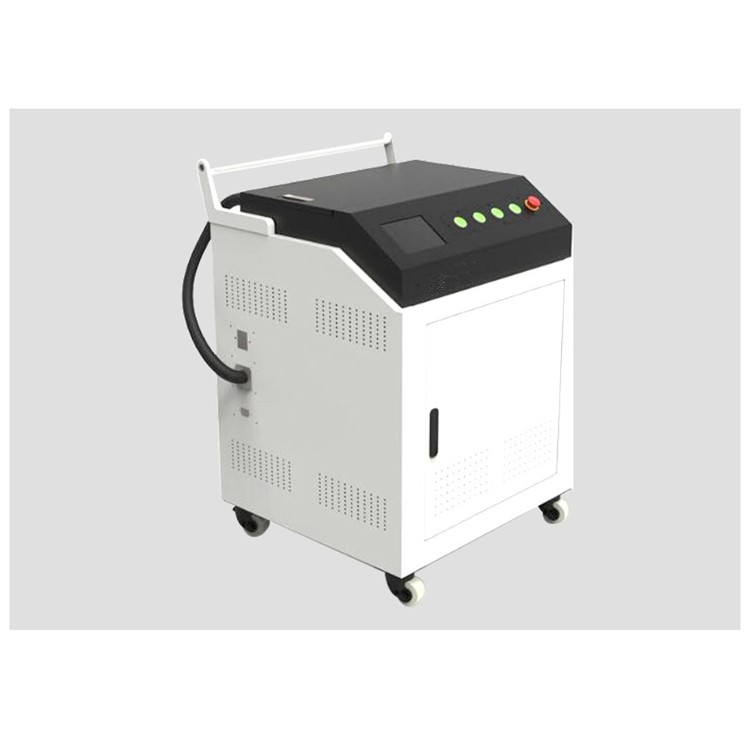





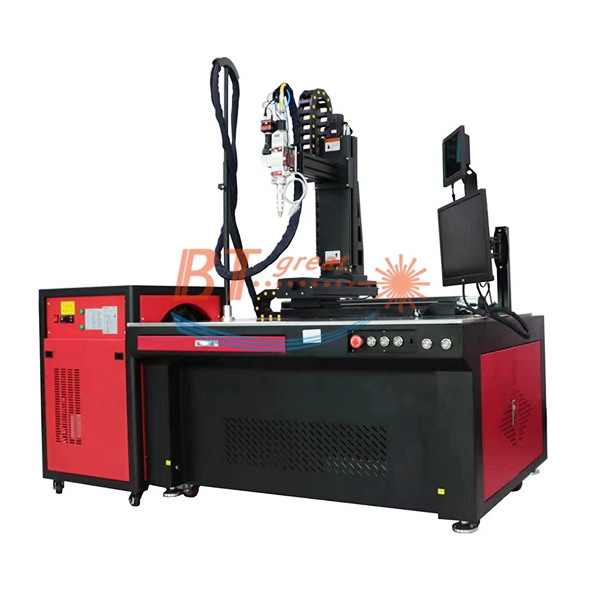
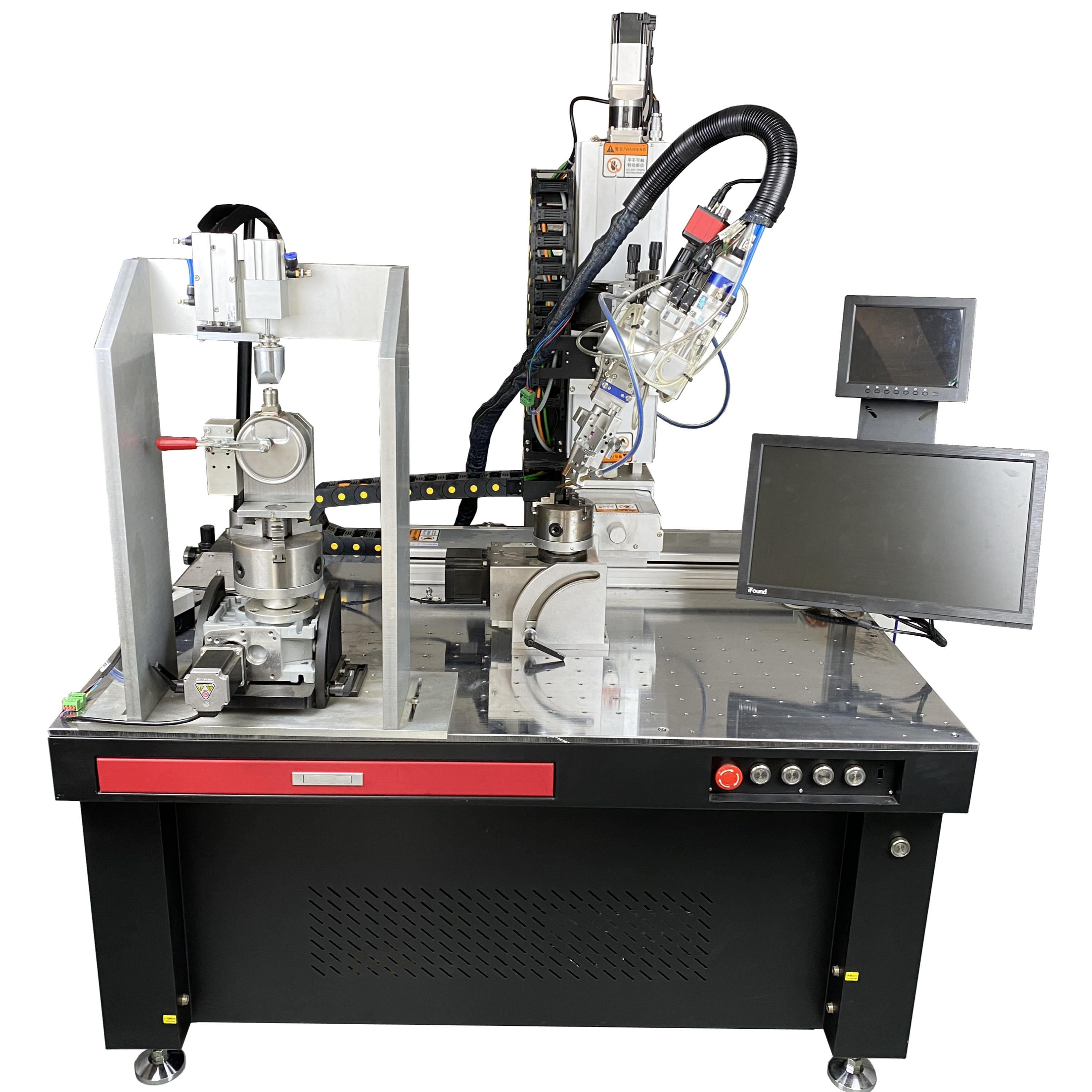
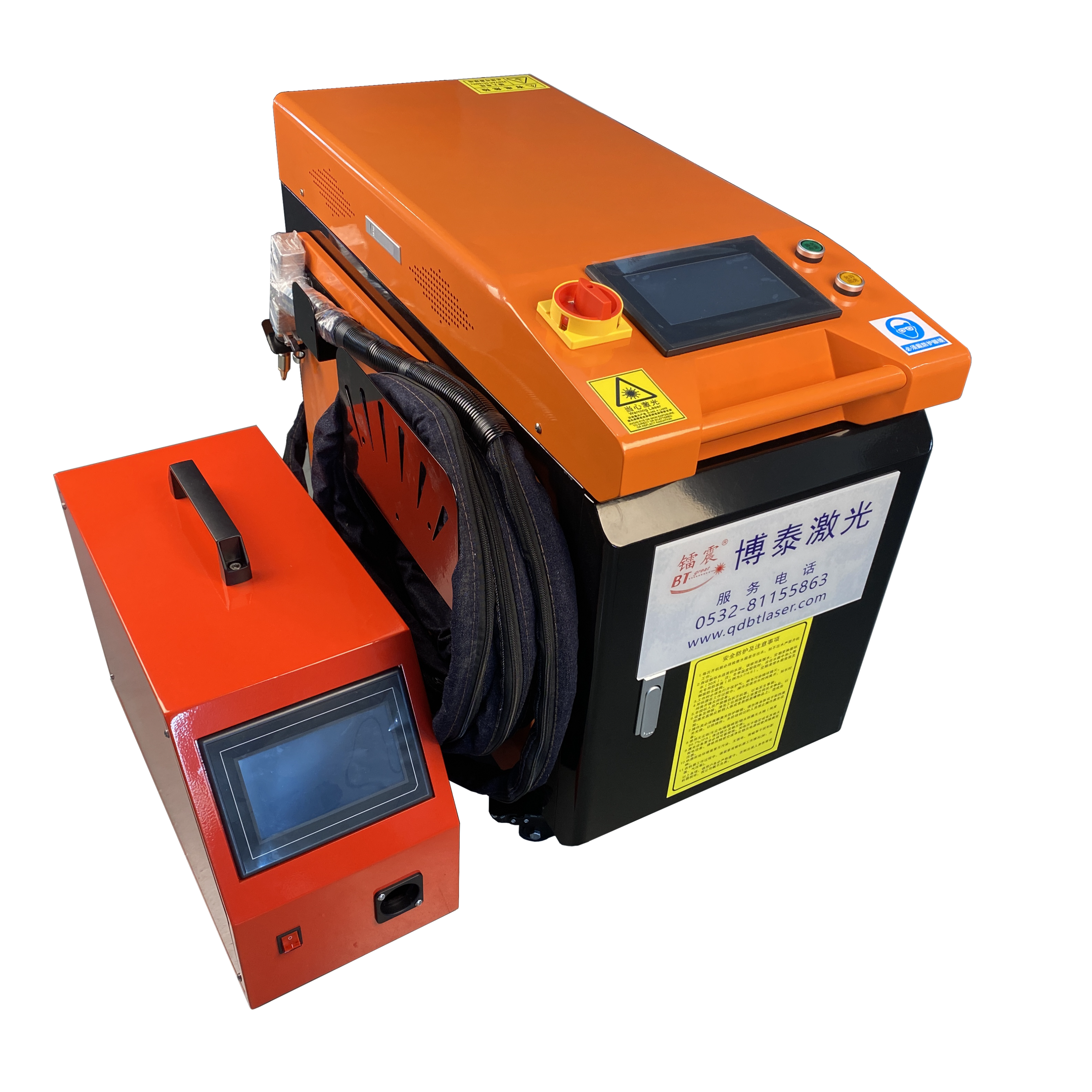
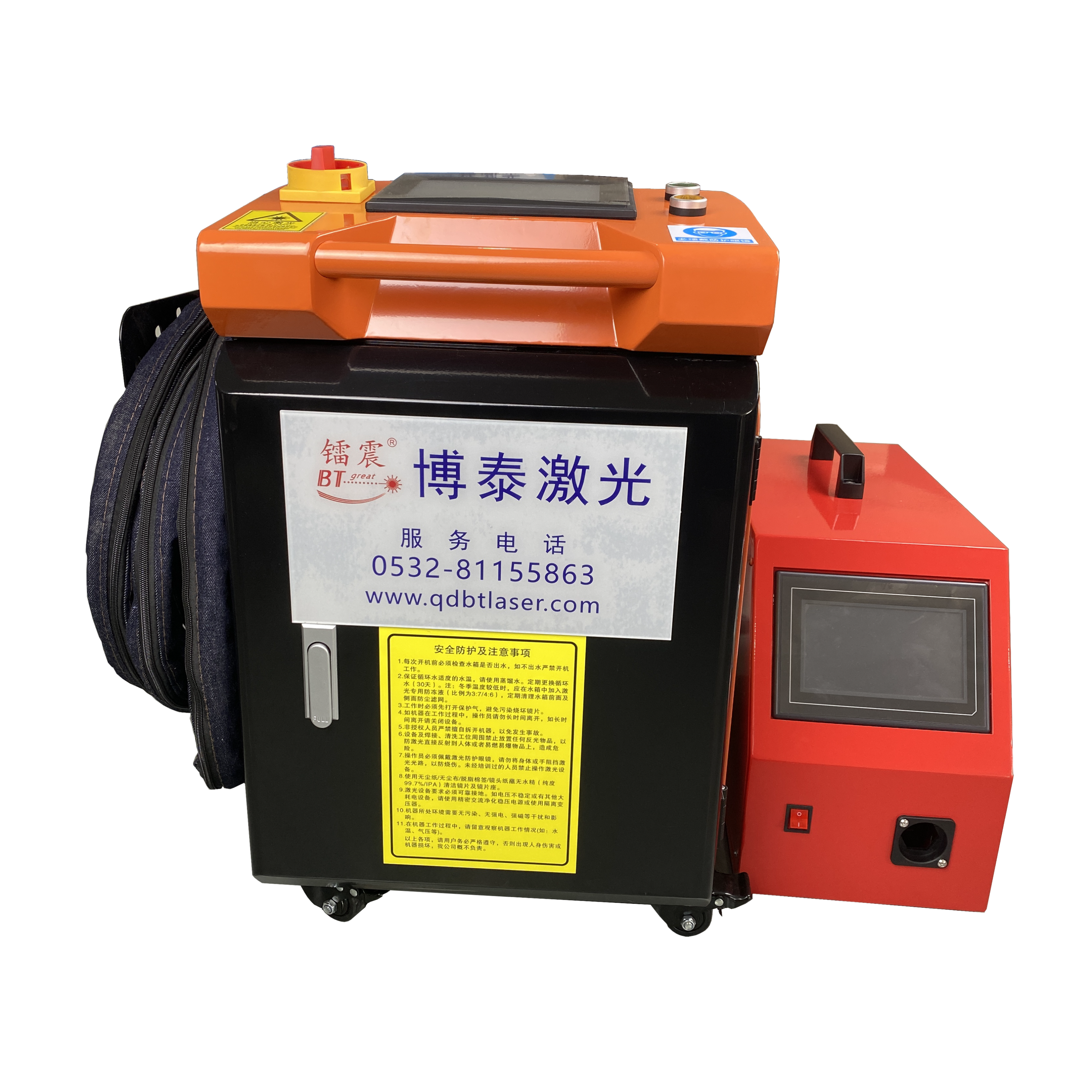
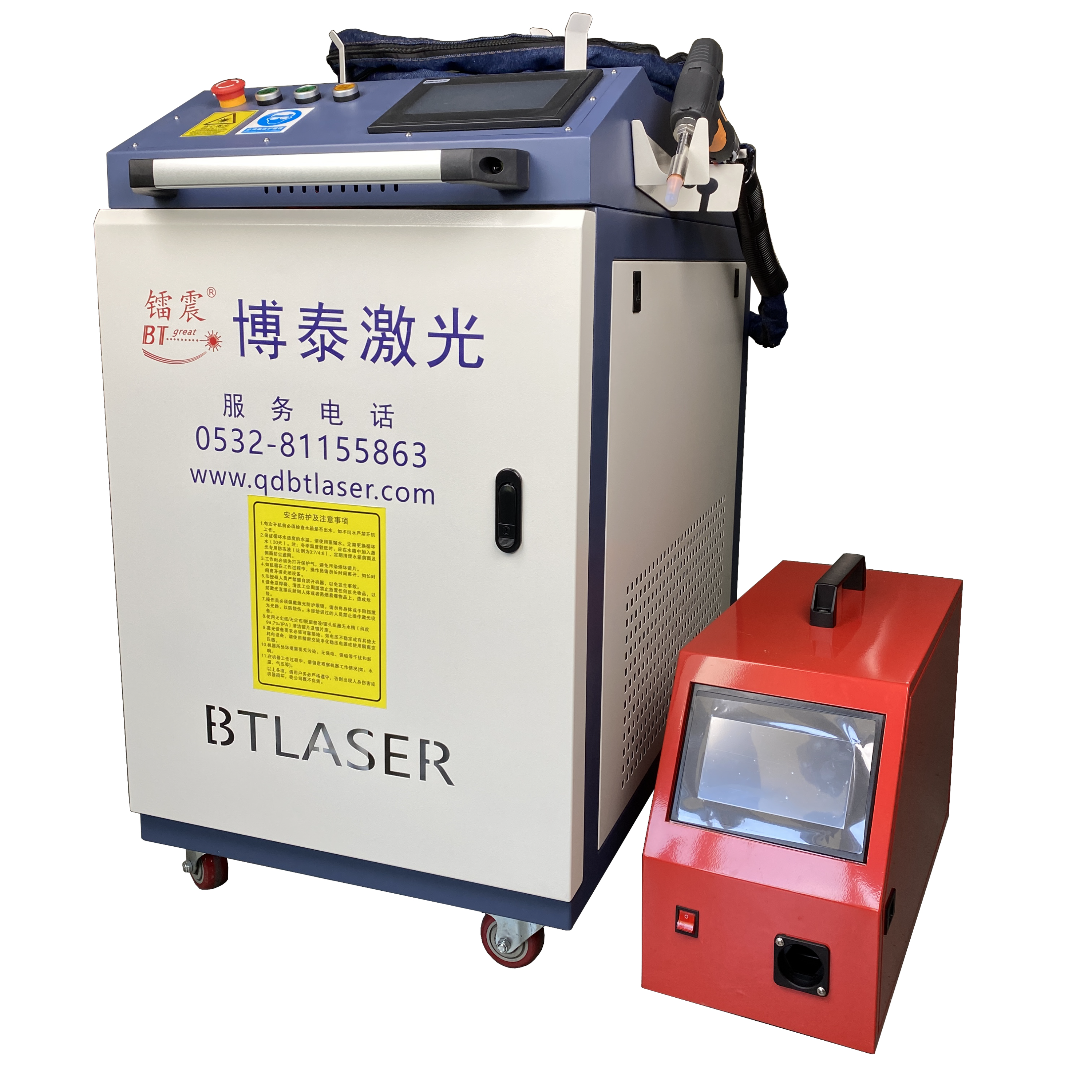
The photochemical cleaning system is primarily used in the industrial field for cleaning parts, including the removal of grease, rust from welds, paint stripping, elimination of rubber residue on mold surfaces, and lipid deposits. Compared to traditional methods like acid cleaning, dry ice, and sandblasting, laser cleaning offers numerous advantages such as energy savings, reduced energy consumption, decreased emissions, non-contact, non-damaging to the base material, low operation and maintenance costs.
Laser cleaning technology involves using high-power density laser beams to照射 the surface of workpieces, causing dirt, rust spots, or coatings to evaporate or peel off instantly, achieving a cleaning process. Compared to traditional cleaning methods such as high-pressure water jets, chemical acid washing, ultrasonic, and sandblasting, laser cleaning technology boasts the following features:
1) No need for cleaning fluid or other chemical solutions; far exceeds the cleanliness of chemical cleaning processes.
2) The range of contaminants and applicable base materials is extensive; selective removal of contaminants can be achieved by controlling laser parameters without damaging the base material.
3) Contactless processing; no mechanical wear; capable of handling precious and fragile components.
4) Laser cleaning boasts high adaptability and flexibility, allowing for convenient automation.
5) Laser cleaning equipment can be used stably for a long time, generally requiring only electricity and maintenance costs, with low operating expenses, and can easily be automated.
6) Laser cleaning technology is a "green" cleaning process that does not pollute the environment.
Application Fields:
1) Aircraft and shipbuilding industry: degreasing, paint removal, rust removal.
2) Automotive Manufacturing: Degreasing and cleaning, tire mold cleaning, removing coatings prior to zinc-plated sheet welding.
3) Semiconductor Industry: Silicon wafer cleaning
4) Ocean, railway, and bridge industries: rust and paint removal
5) Chemical, Food, and Medical Industries: Clean small holes on thin metal filter plates.
6) Building Cleaning
7) Cleaning of nuclear power plant reactor pipelines.