












Purchase Process
1. Contact online customer service or call15067702868Inquire about product information
2. Determine model, quantity, payment method (wire transfer, collect on delivery), shipping, and after-sales service
3. Fax the sales and purchase contract into effect
4. Both parties shall fulfill their responsibilities and obligations as stipulated in the contract.
Application Scope
1. Suitable for hazardous areas classified as explosion-proof gas environment Zones 1 and 2.
2. Suitable for II A, II B, II C explosive gas environments.
3. Suitable for combustible dust environments in zones 20, 21, and 22.
4. Suitable for environments with temperature categories T1-T6.
5. Suitable for explosive and hazardous environments in oil and petrochemical, chemical, brewing, pharmaceutical, paint, textile, dyeing and finishing, and facility industries.
Product Features:
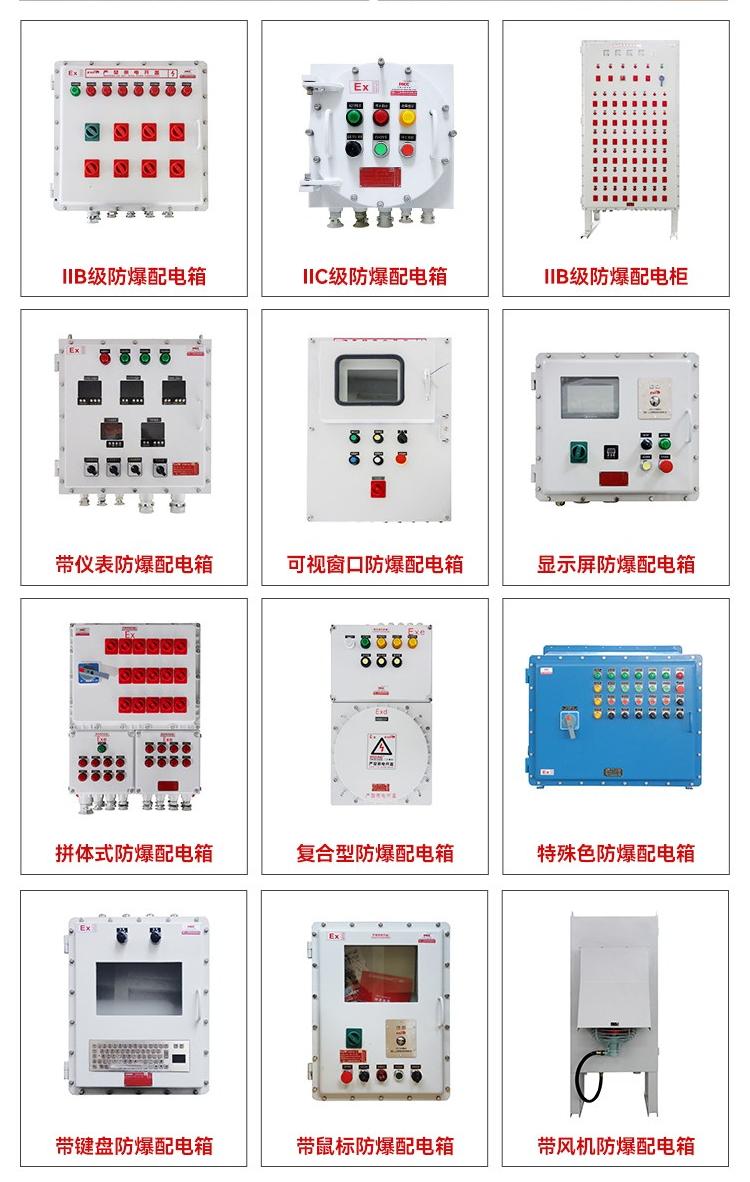
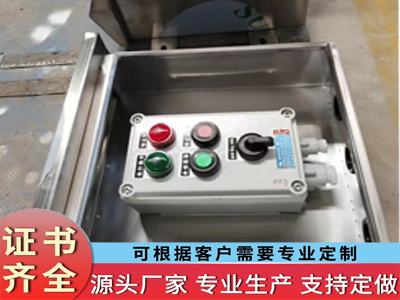
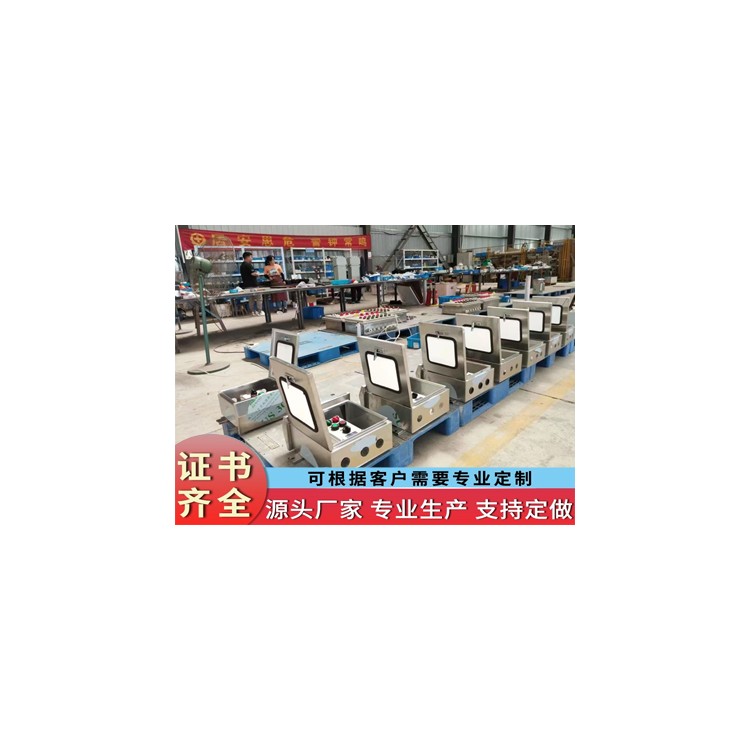
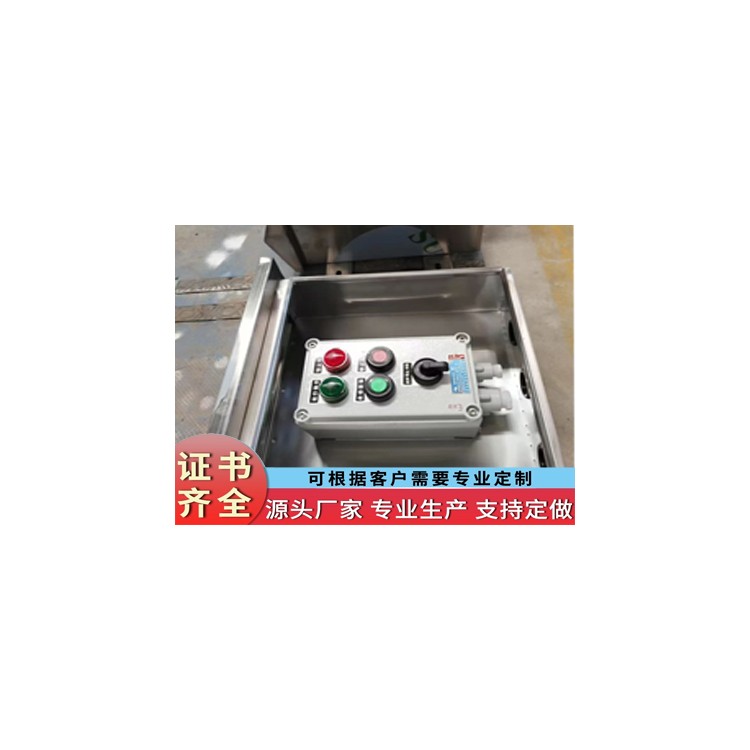
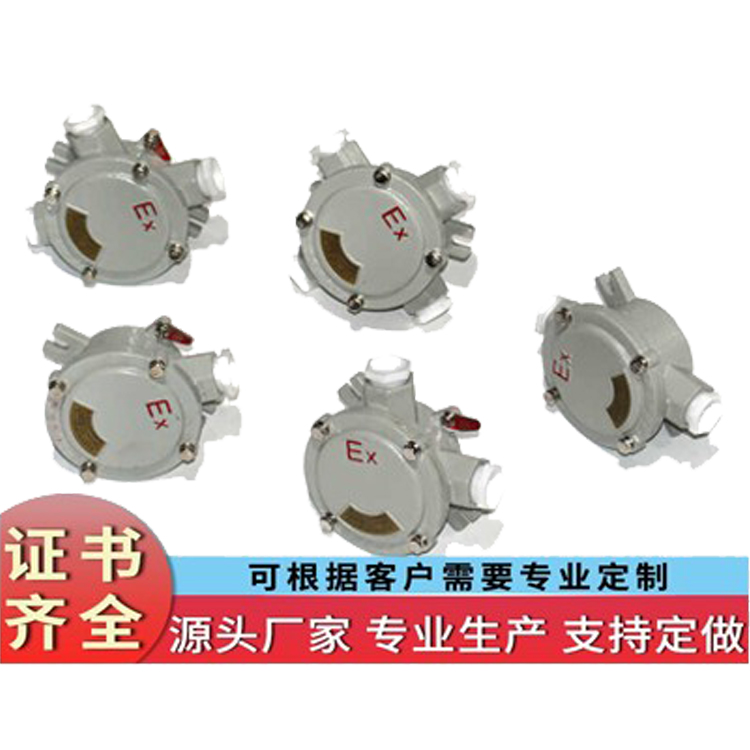
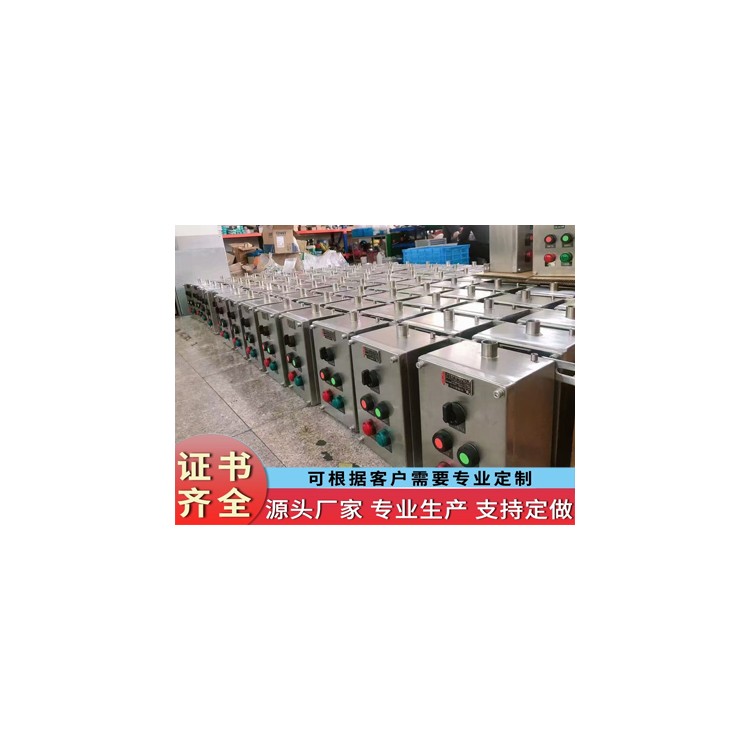
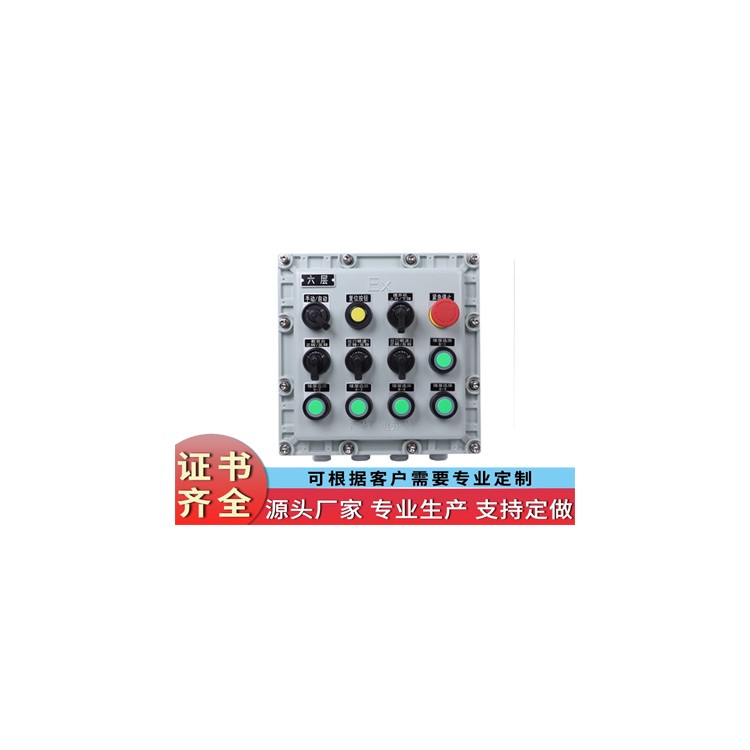
1. This product is a Senon explosion-proof item, capable of housing explosion-proof push buttons, indicator lights, current meters, switches, voltage meters, and other instruments and components required for control.
2. Operation can be on the box surface or remotely, or both locations.
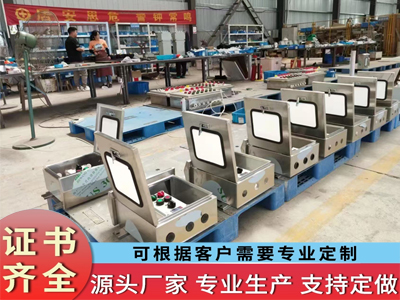
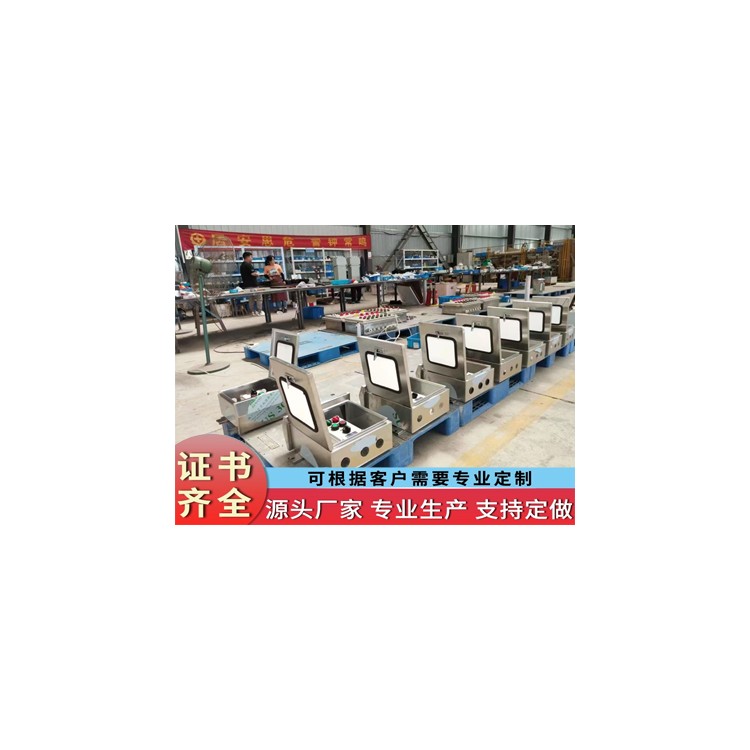
3. Available for installation upon customer request, the protective case can display the internal control section, offering superior outdoor protection.
All fasteners are made of corrosion-resistant 304-316L stainless steel.
Technical Specifications:
Explosion-proof Mark: ExdIIA——C T4——T6 DIP A20, A21 TA, T4——T6
Rated Voltage: AC 220-380V, DC 12V-127V
Corrosion Resistance Grade: F2/WF2
Protection Level: IP54, IP56, IP65
Thread Size: DN15 - DN100/G1/2' - G4'
Flow Direction: Inward Up, Outward Down; Left In, Right Out (unrestricted)
Line specification: 4mm - 80mm (detailed drawings will be provided)
Installation and Maintenance
Before installation, check that the data matches the actual usage.
2. Inspect all fasteners for looseness; if any are loose, they should be tightened.
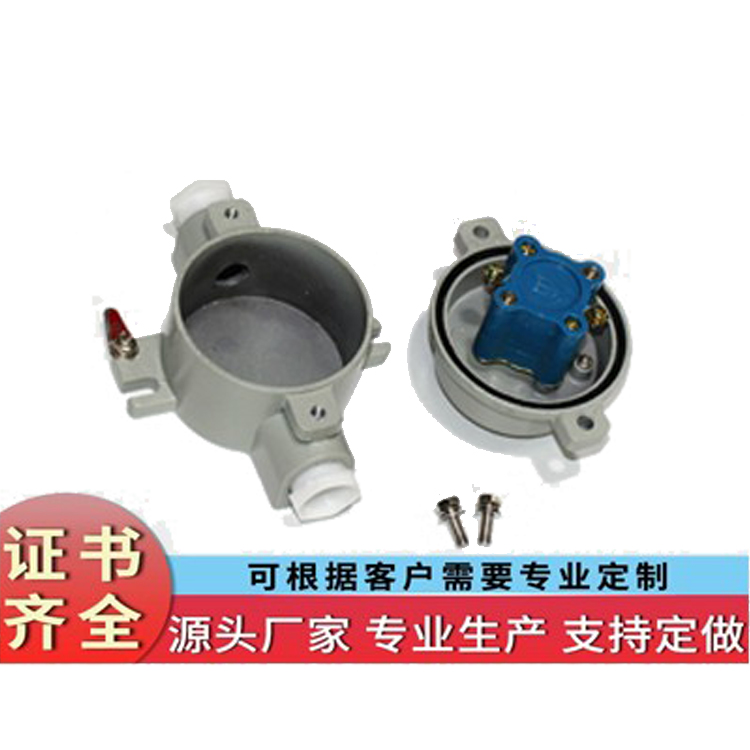
3. The internal and external grounding of the junction box must be reliable and effective.
4. During installation, the cable must be passed through a sealing ring, a metal washer, and then tightened with a locknut to ensure a seal and prevent the cable from loosening. Unused terminal connections should be sealed with a sealing ring and a metal washer.
5. Power must be disconnected before the cover can be opened during maintenance inspections.