











Study on the Performance Degradation of Aluminum-Zinc Coated Steel Sheet in High-Temperature Environments
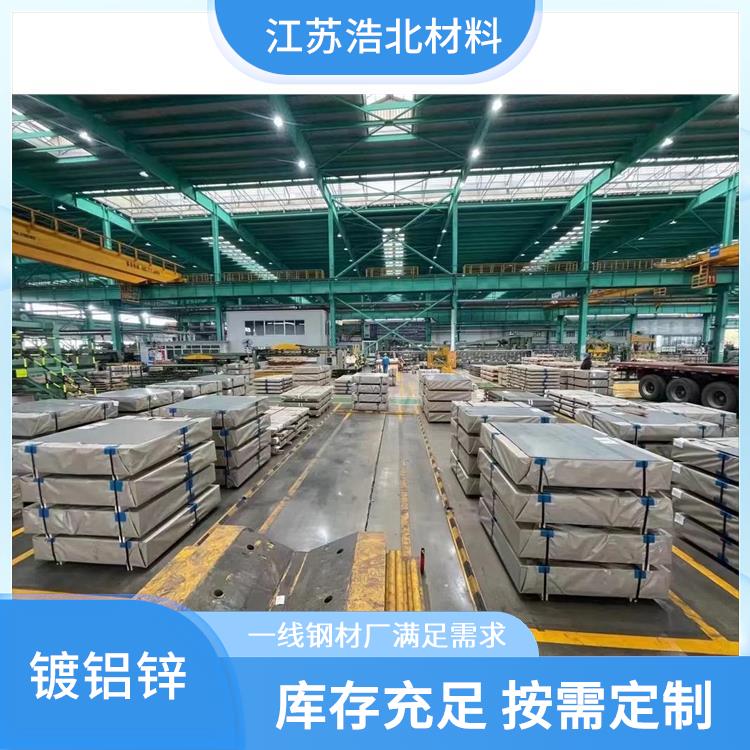
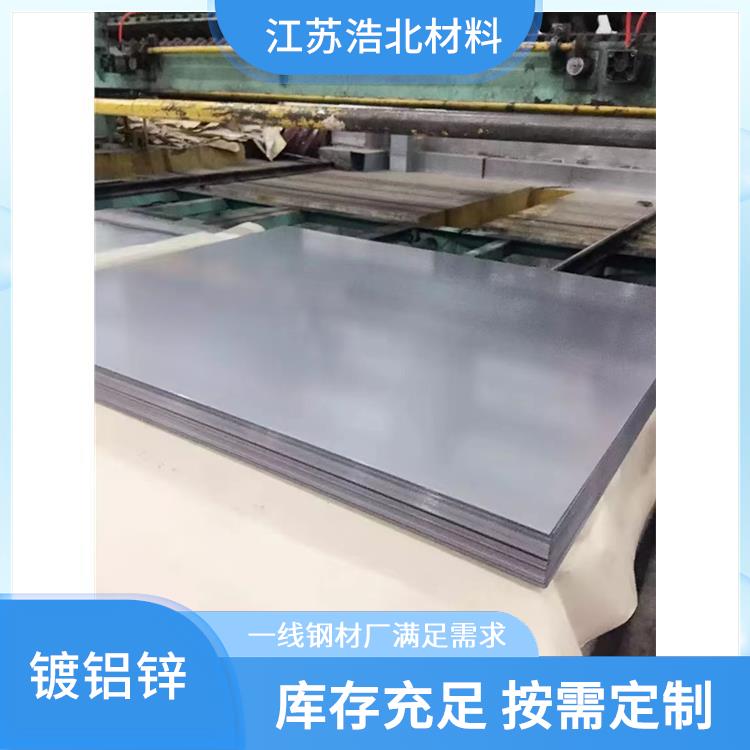
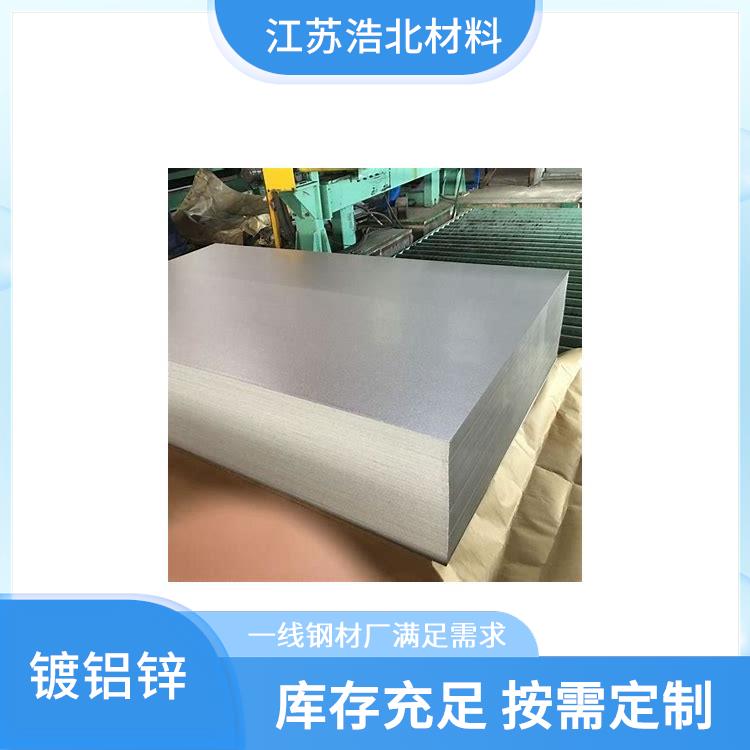
Galvanized aluminum sheets, in high-temperature environments (>400℃), will exhibit aluminum reacting with oxygen to form an aluminum oxide film, while zinc begins to vaporize (boiling point 907℃), leading to a reduction in coating thickness. To evaluate its high-temperature stability, researchers conducted accelerated aging tests: after 1000 hours at 450℃, the coating thickness decreased by 15%, yet the corrosion resistance was still better than that of untreated cold rolled steel; at 600℃ temperatures, the coating completely failed and the base material started to oxidize. Therefore, galvanized aluminum sheets are suitable for applications such as exhaust pipes, dryers, etc., where the operating temperature is ≤400℃. For higher temperature requirements, the industry has developed aluminum-silicon coated sheets (containing 90% aluminum and 10% silicon), which have a temperature resistance up to 700℃ and are already used in environments like engine exhaust pipes.
WeChat Official Account

Scan to follow Official Account