









Paragraph 2: Explanation of Color Steel Sheet Production Process
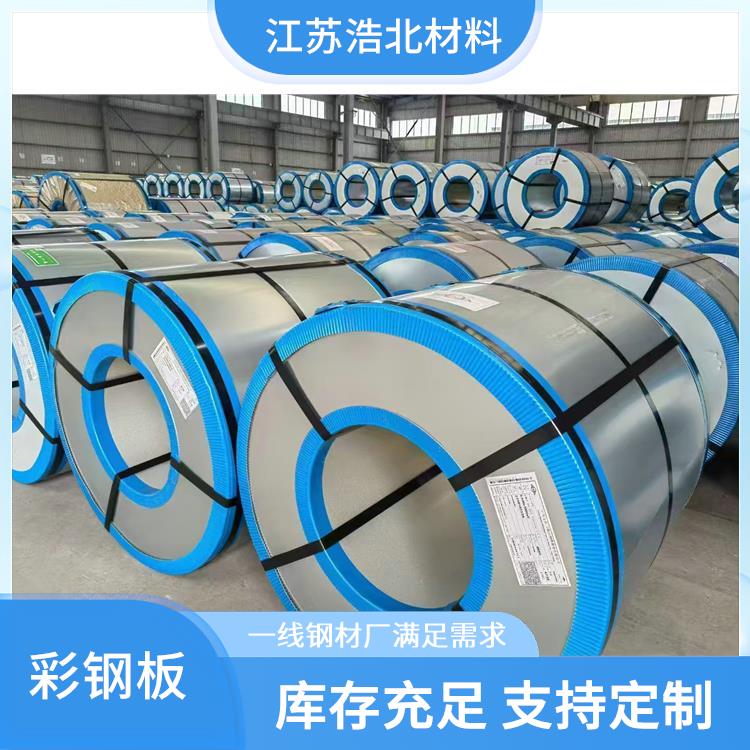
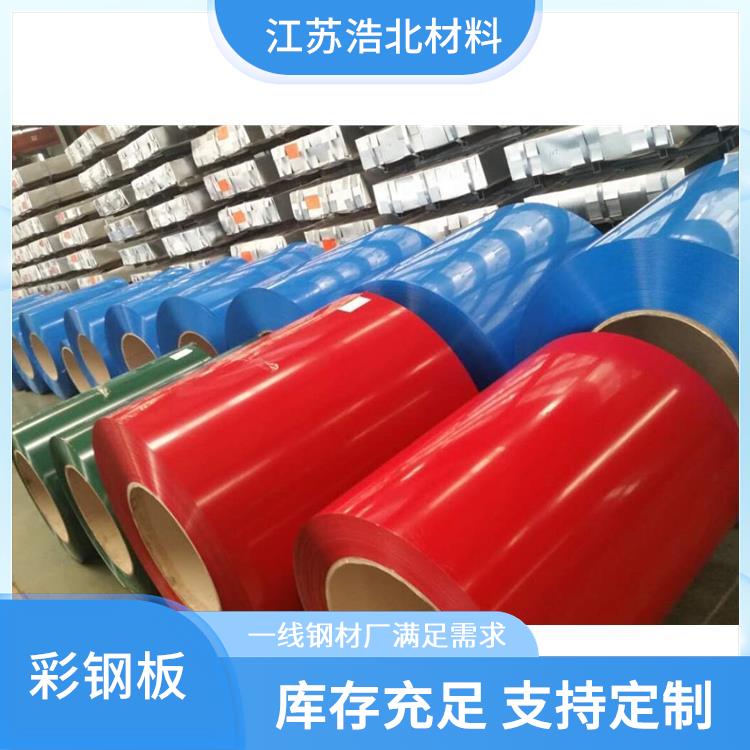
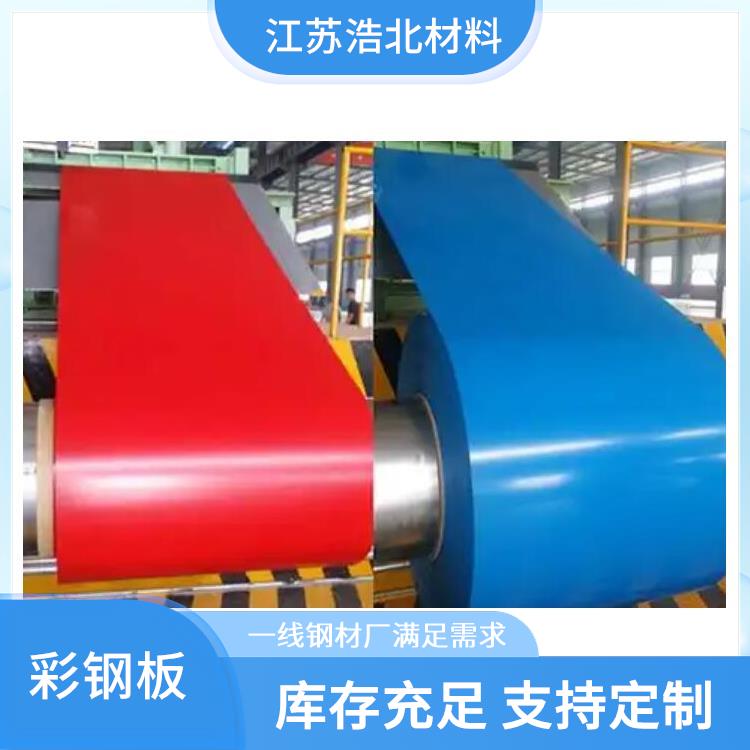
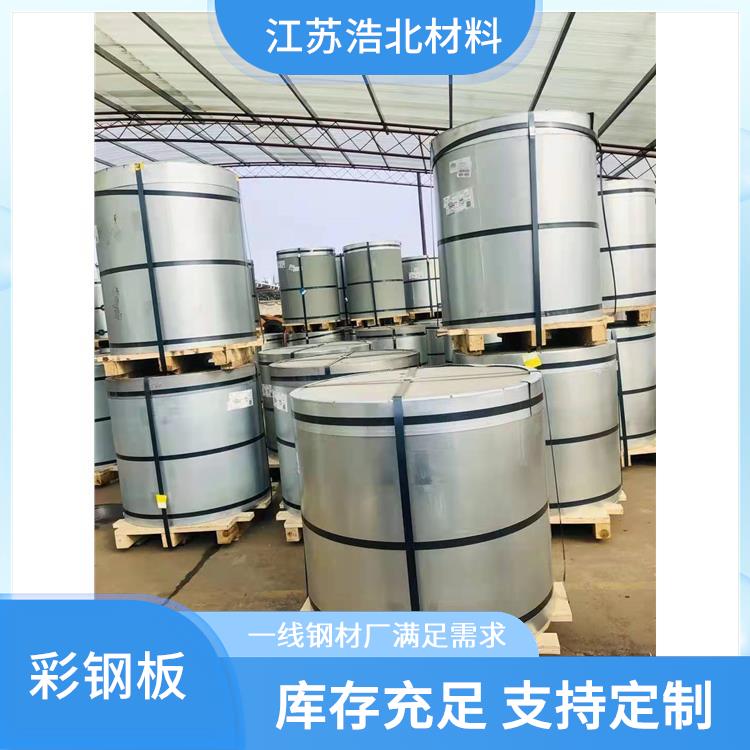
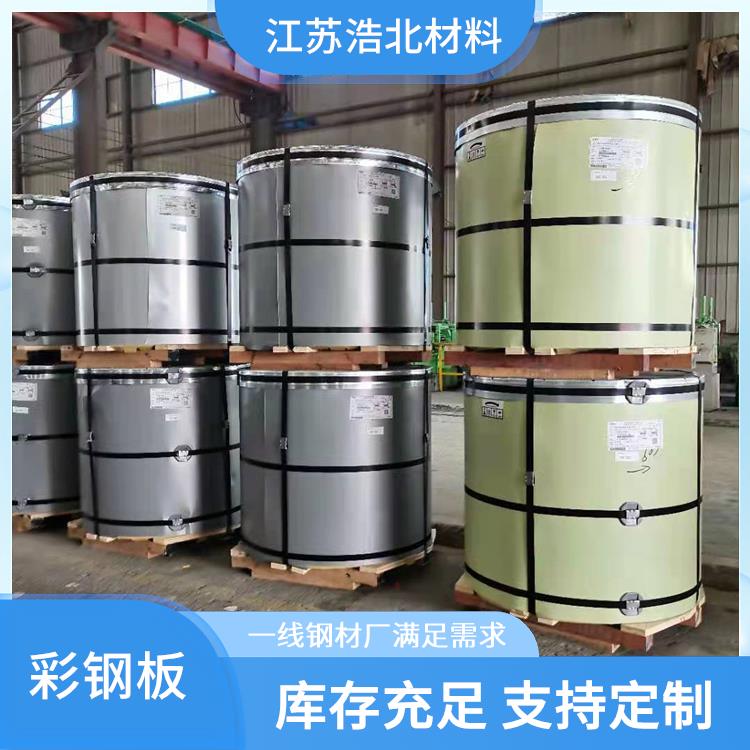
The production of color steel plates involves multiple precise processes. Initially, the cold-rolled base plates must be degreased, cleaned, and chemically treated to enhance the adhesion of the coating. Next, the undercoat and topcoat are evenly applied to the steel plate surface using the roll-coating process, with the undercoat typically being epoxy or polyester to provide rust prevention, and the topcoat being chosen based on the environment, with options like weather-resistant silicon-modified polyester or carbon coatings. The curing of the coating is completed via infrared or hot air circulation, maintaining temperatures between 220-250℃ to ensure full cross-linking. In the composite stage, a double-ribbon continuous production line is used to bond the coated steel plates with the core material under high pressure, with adhesives usually being polyurethane or epoxy, achieving adhesion strengths above 0.5MPa. The forming process includes stamping, punching, and cutting, and the final products must pass flatness inspection and salt spray testing to meet the GB/T 12754-2019 standard.
WeChat Official Account

Scan to follow Official Account