














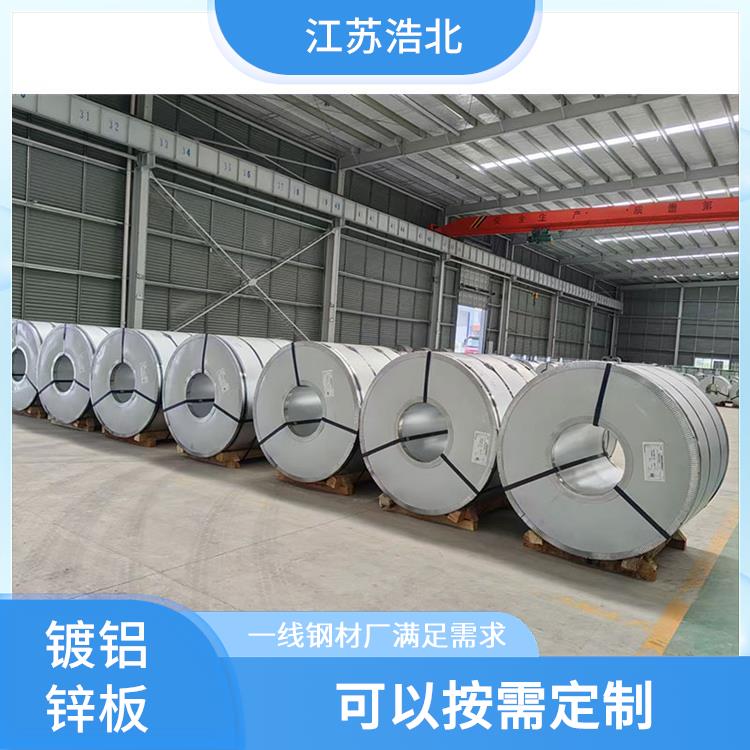
Definition and Basic Composition Analysis of Aluminum-Magnesium Coated Plate
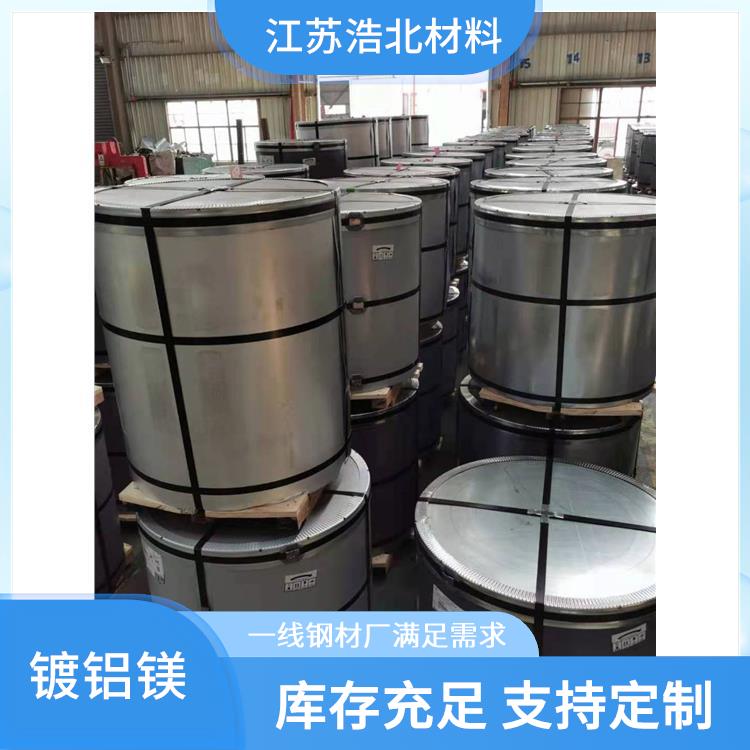
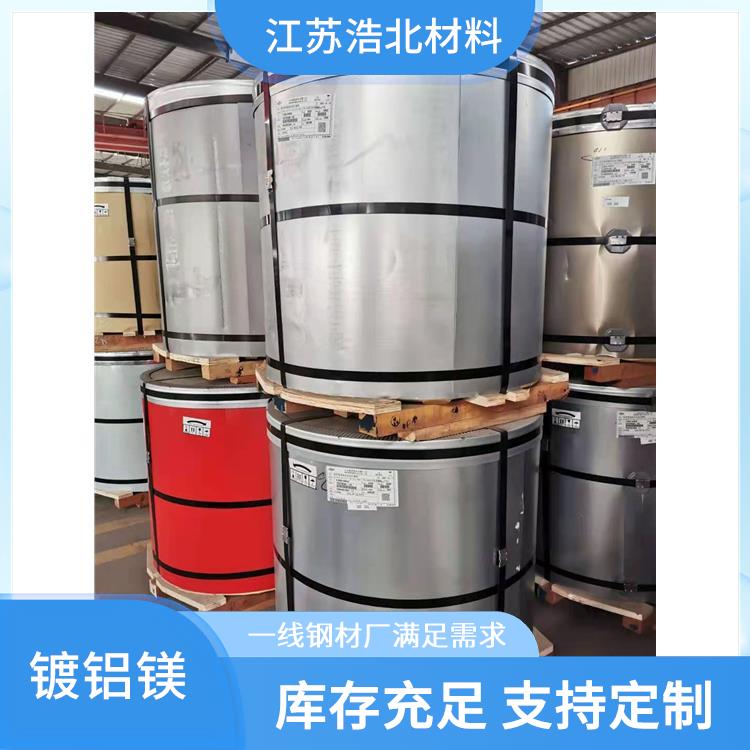
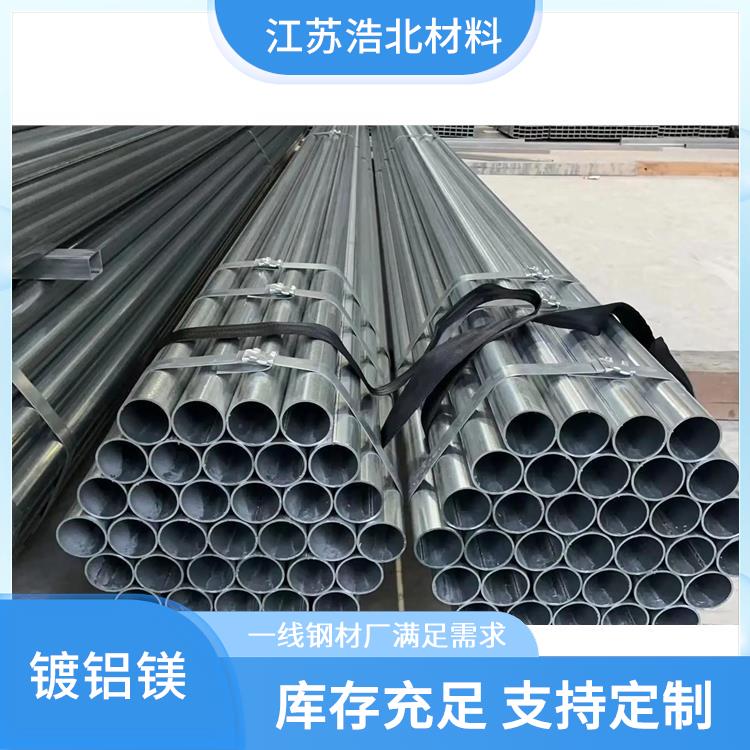
Aluminum-magnesium plated steel is a new type of high-corrosion-resistant coated steel plate, with its core composition based on zinc, enhanced by the addition of 11% aluminum, 3% magnesium, and trace amounts of silicon to form a composite coating. This ratio overcomes the limitations of traditional galvanized steel plates, such as the SuperDyma (SD) plate developed by Nippon Steel in Japan, which, through the synergistic effect of silicon, provides self-healing properties in the coating—when the steel plate is cut or scratched, magnesium ions migrate to the exposed metal surface, reacting with oxygen and water in the air to form a dense magnesium oxide protective film, effectively blocking the penetration of corrosive media. This feature extends its service life by 2- times compared to ordinary galvanized steel plates in scenarios requiring frequent cutting and processing, such as photovoltaic supports and animal husbandry buildings. For example, at a photovoltaic power station in northwestern China, the SD plate supports with a 275g/m coating have operated in an environment with abnormally high salt mist concentration for 8 years without any red rust, verifying the reliability of its self-repairing ability.
WeChat Official Account

Scan to follow Official Account




















