
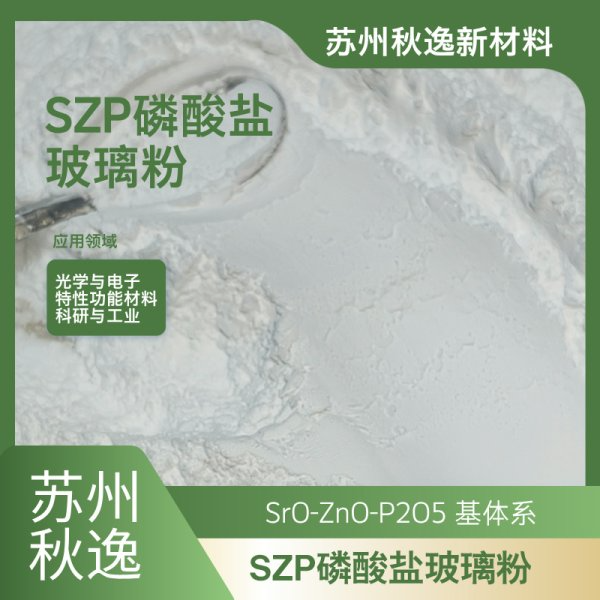









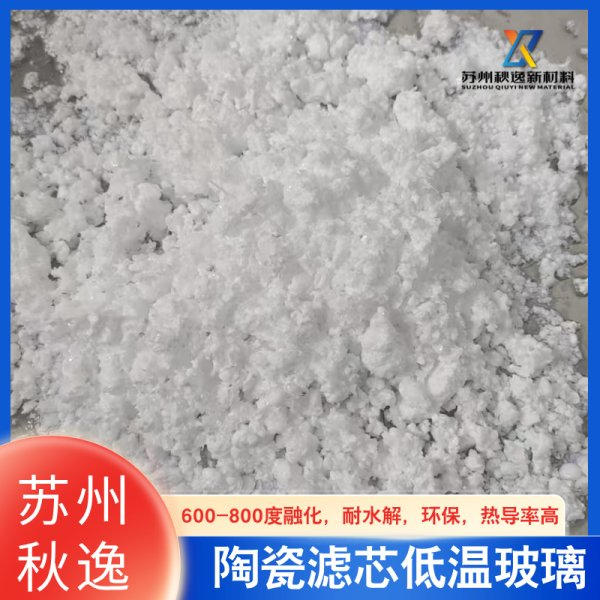
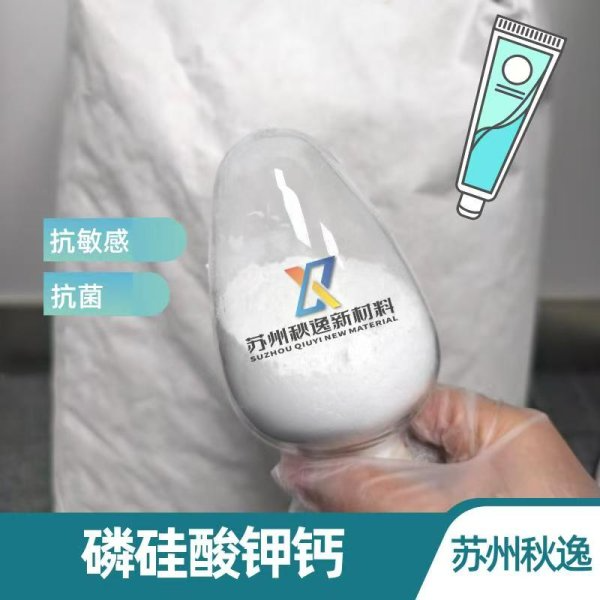
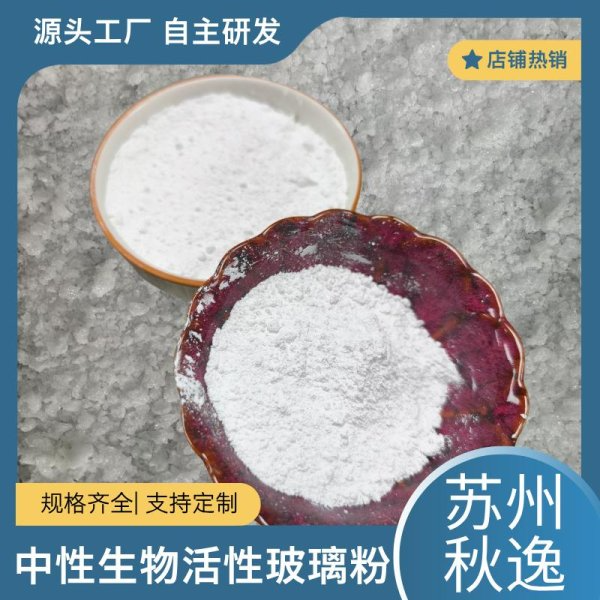
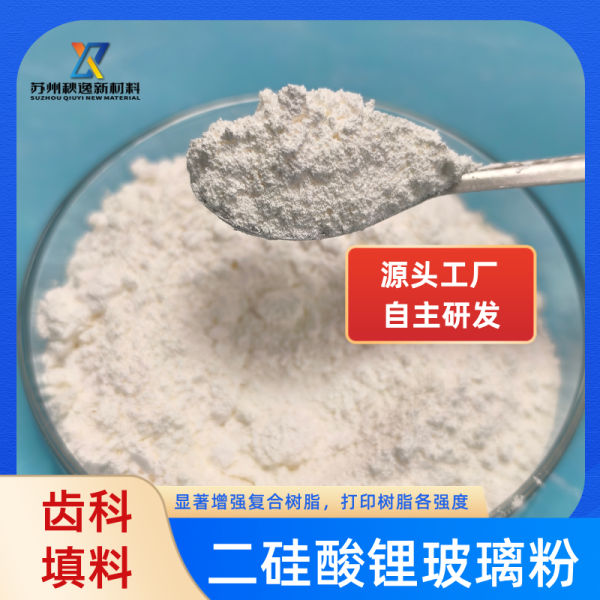
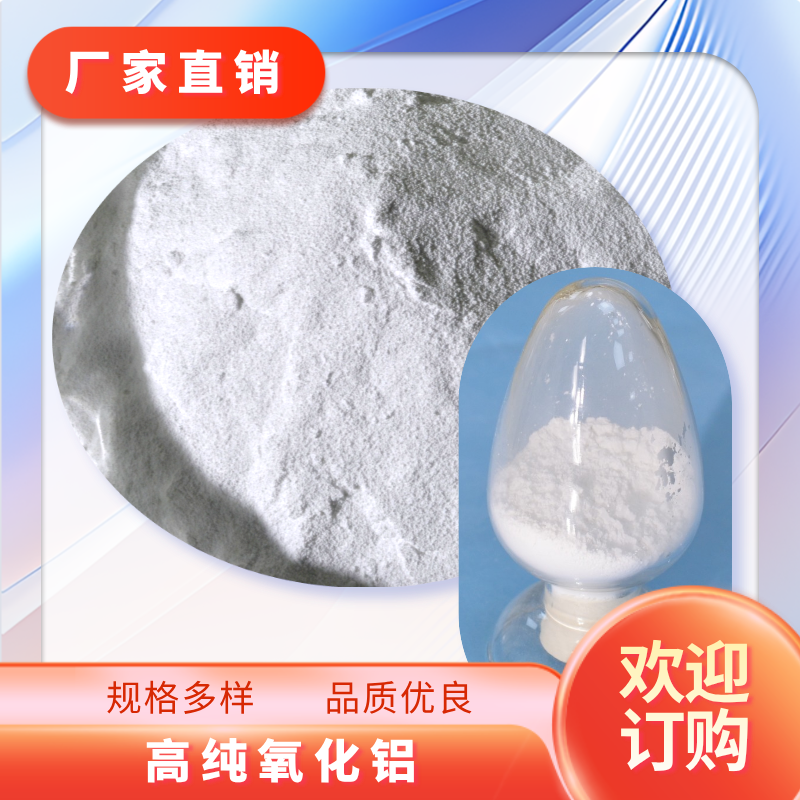
Whiteness: Achieving 93% ± 2% whiteness, a high level of whiteness as a fluorescent pigment carrier can minimize interference with the pigment's luminescent properties, ensuring light purity and brightness; when used in optical glass manufacturing, it enhances the glass's light transmission and visual effect. Density: The density falls within the 3.0-3.8 g/cm³ range, providing excellent physical stability for the product. In specialized functional materials applications, an appropriate density helps maintain structural integrity during shaping, such as in the preparation of radiation shielding materials, where it ensures effective ray blocking performance. Moisture Content: Moisture content is strictly controlled to ≤0.1%, the extremely low moisture content effectively avoids bubbles during high-temperature sintering that could affect material density, ensuring product quality stability and reliability. Softening Point: The softening point is adjustable within the 300-500°C range, allowing the product to flexibly adapt to various processing techniques and application scenarios. A lower softening point is suitable for processes requiring low-temperature shaping, like Low Temperature Co-Fired Ceramic (LTCC) substrate production, which can reduce energy consumption; a higher softening point is ideal for applications demanding high-temperature resistance, such as the preparation of high-temperature sealing adhesives. Coefficient of Thermal Expansion: The coefficient of thermal expansion is 5.0-9.0×10⁻⁶/°C, determining the product's dimensional stability under temperature variations. When used in combination with other materials, a similar coefficient of thermal expansion can effectively reduce cracks and deformations caused by thermal stress, ensuring overall material system performance, especially crucial in applications in the optical and electronic fields.
WeChat Official Account

Scan to follow Official Account