



















Now, let's delve into common FMEA questions.
1. Tremendous time and energy consumption
Lack of a systematic approach to FMEA, especially with the release of the new FMEA version, results in immense analysis workload. Additionally, the client review lacks systematization, leading to a substantial amount of time and suboptimal results spent on improvement.
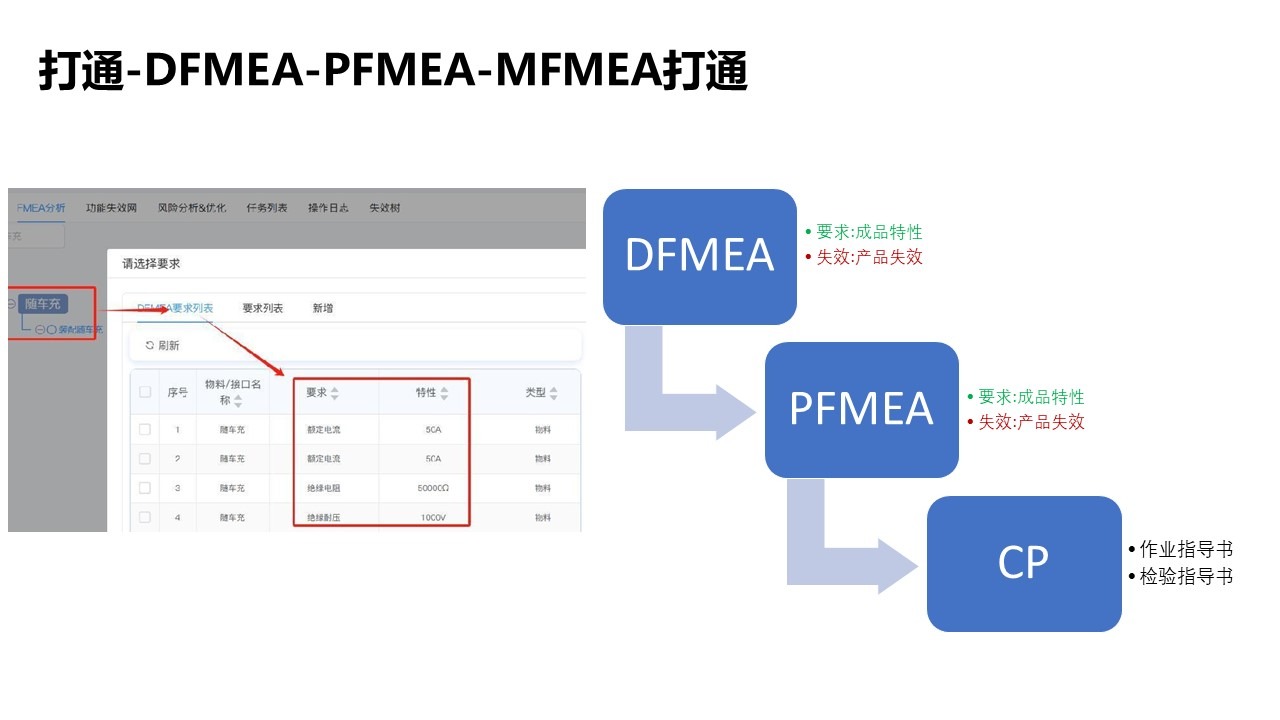
2. The various documents lack systematic correlation, resulting in the inability to achieve consistency.
Each file is completed by different engineers, making it difficult to ensure consistency when creating new files or making changes. Many issues in internal management and audits arise due to inconsistencies in files.
3. The methodology is hard to pass down
Without a systematic analytical approach, FMEA is often only known to a few key individuals. If the main person responsible is out of the office or leaves, it can lead to a gap in the company's methodology, causing significant difficulties in internal operations and customer management.
4. Static data does not allow for the accumulation of lessons learned.
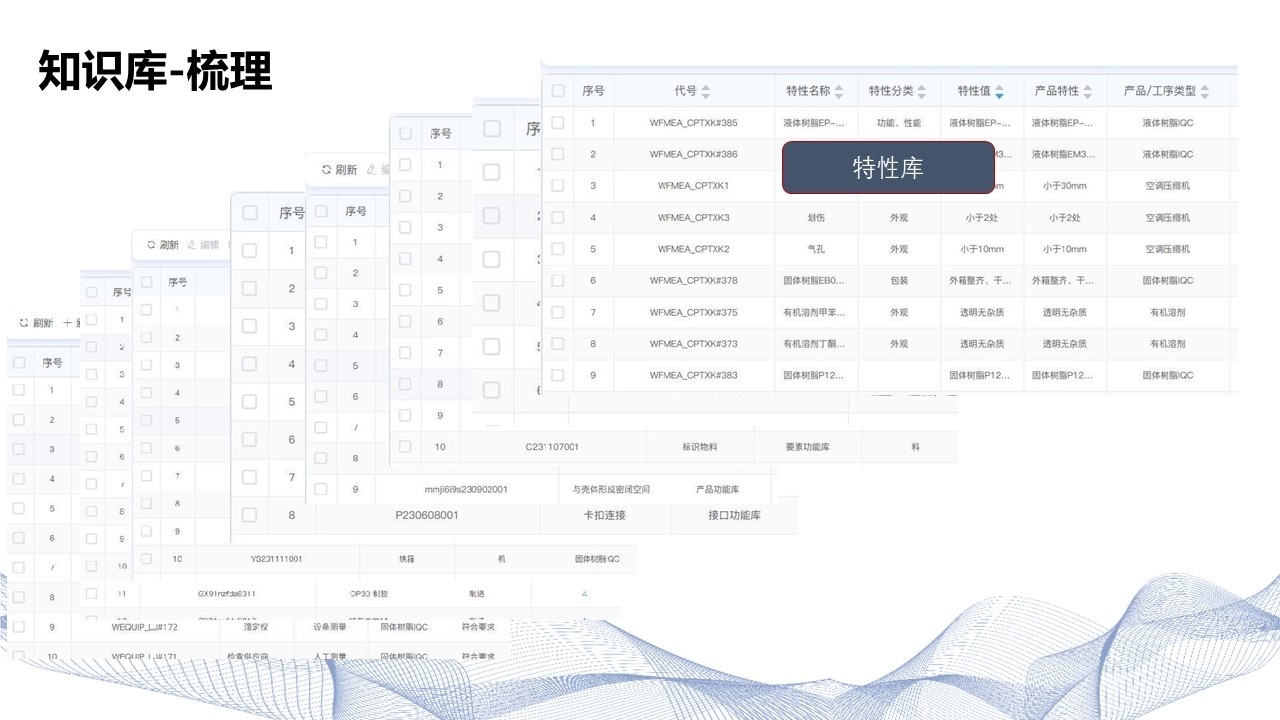
Most data is analyzed by each engineer and stored in spreadsheets on their own computers, making it difficult to reuse and unable to form a company-level database of lessons learned.
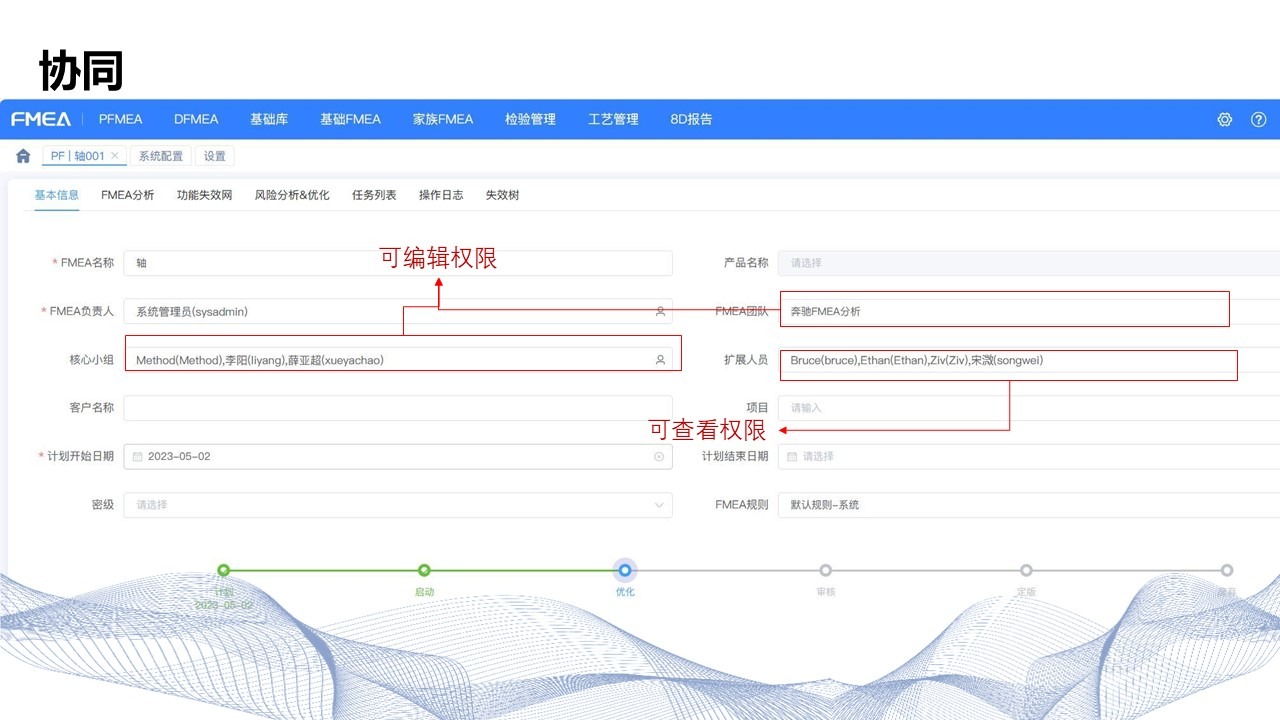
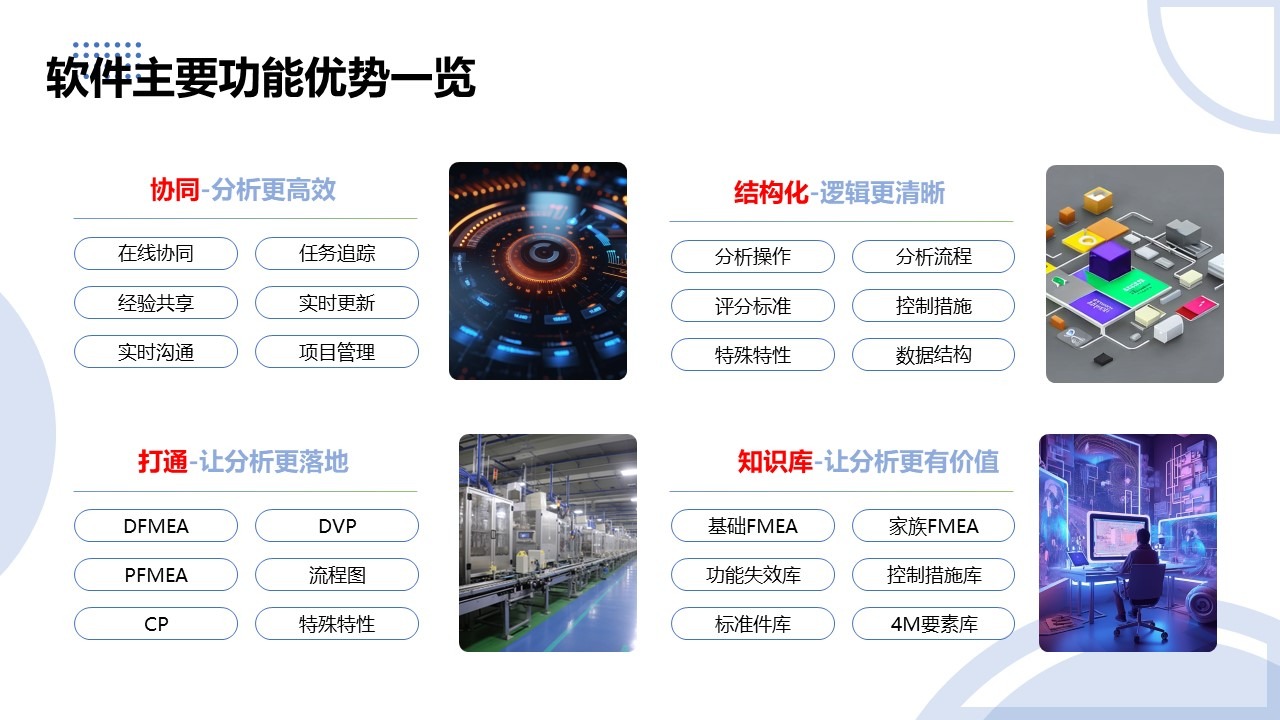
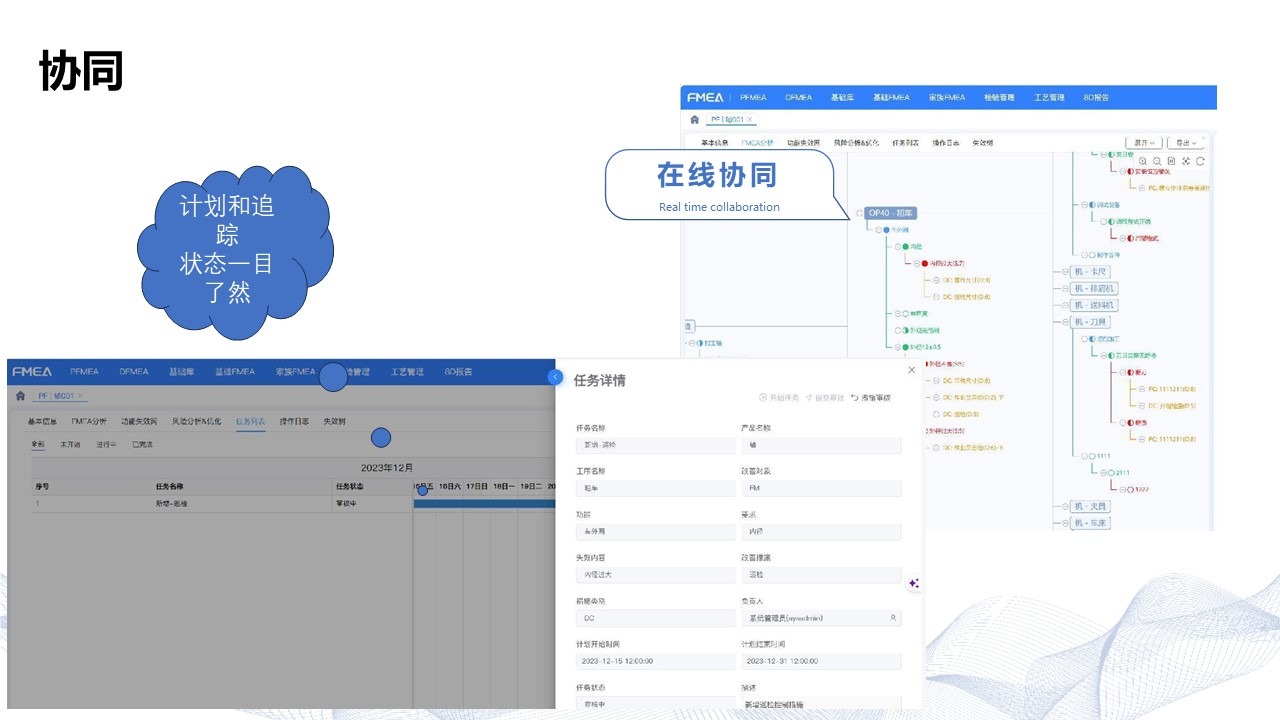
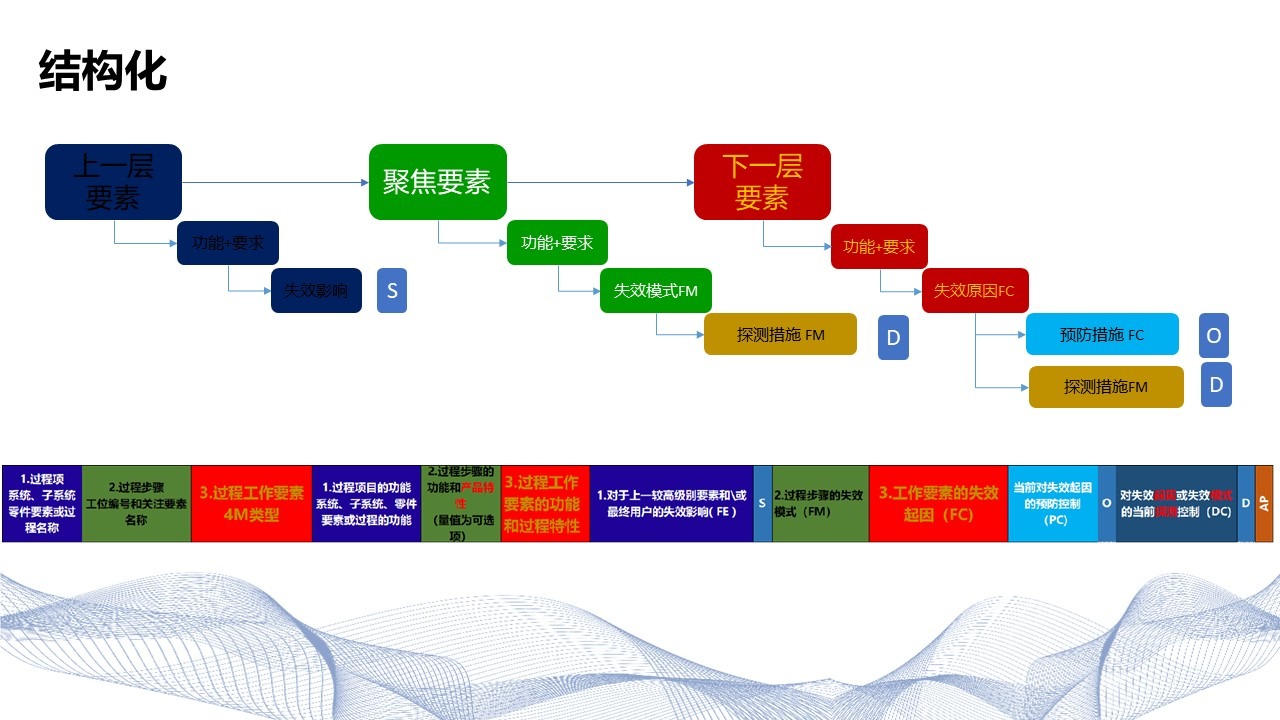
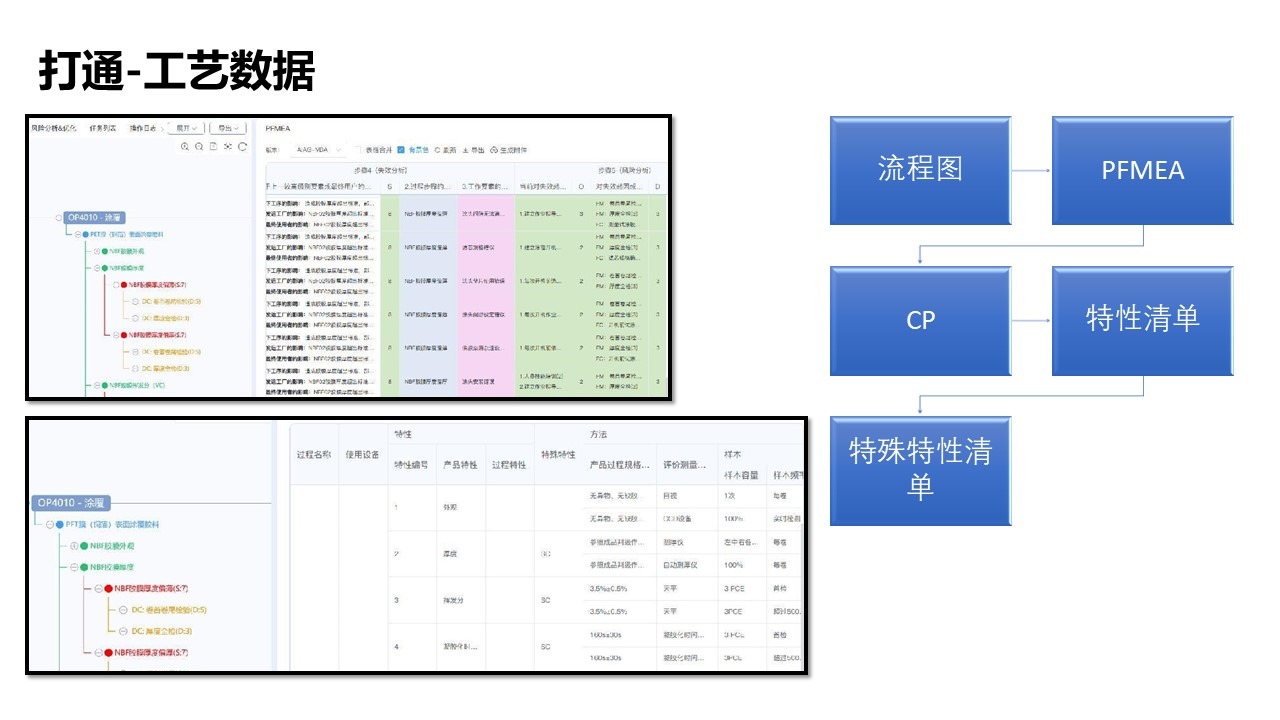
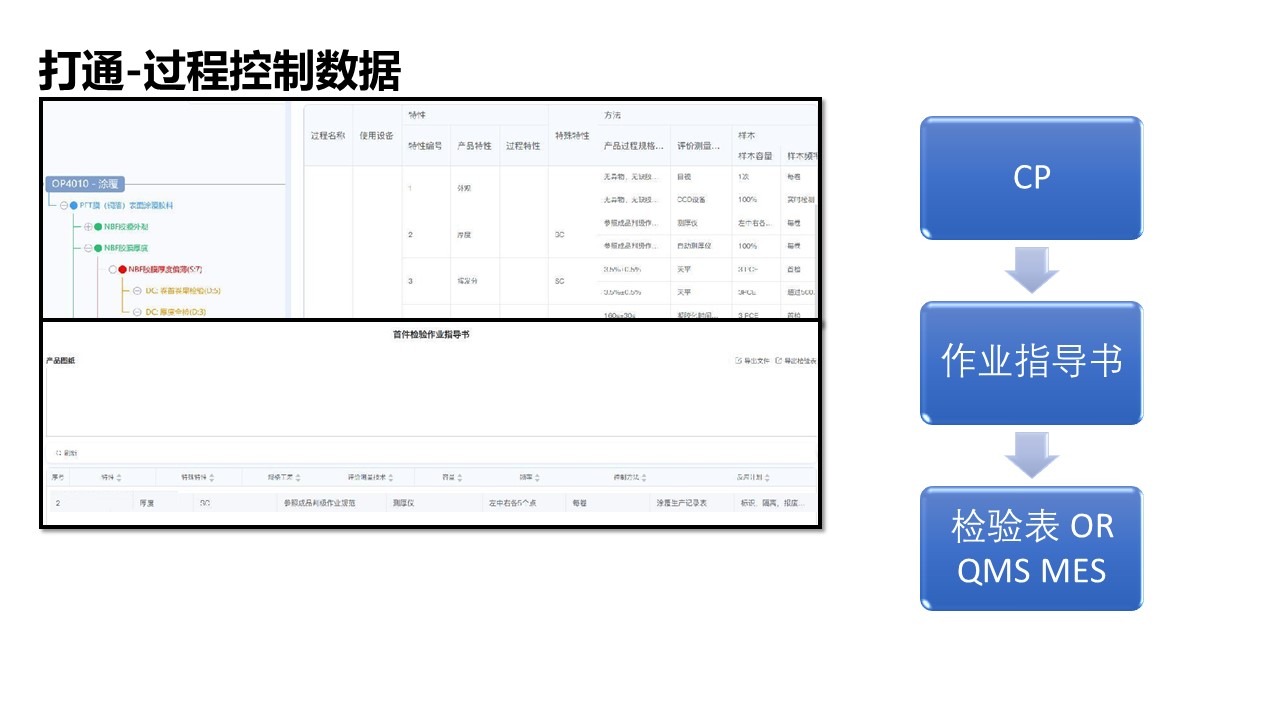
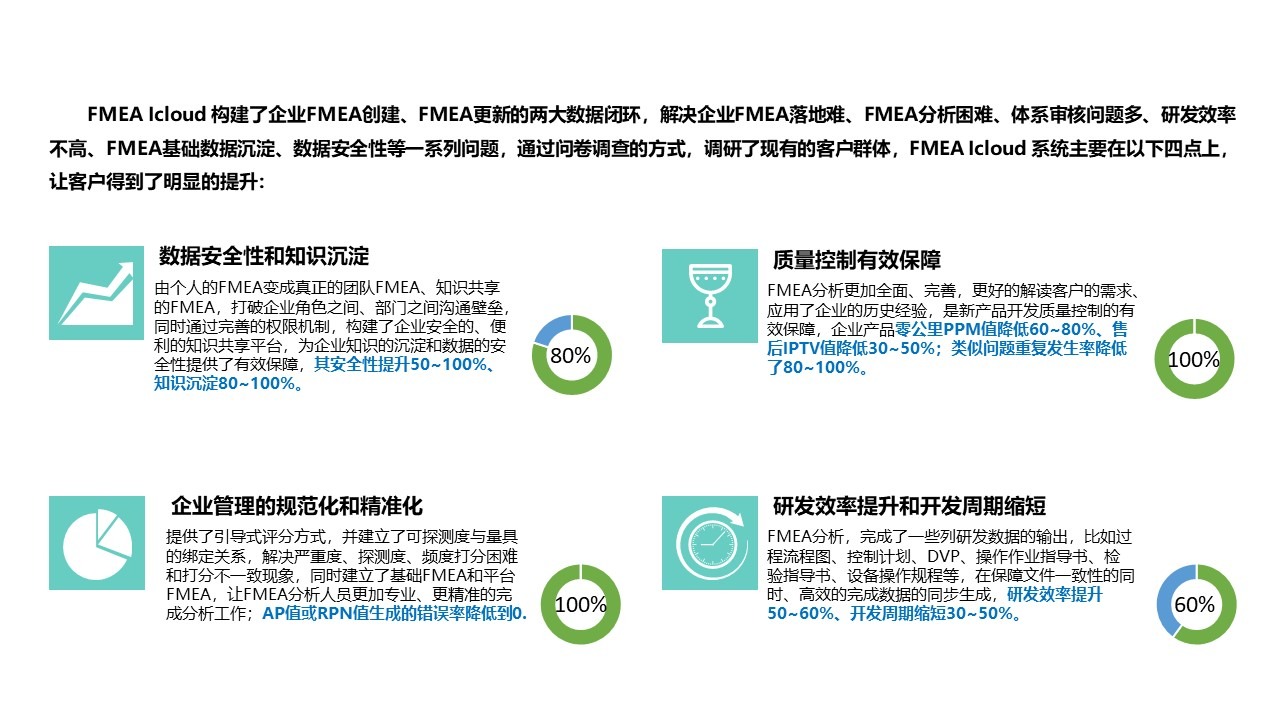
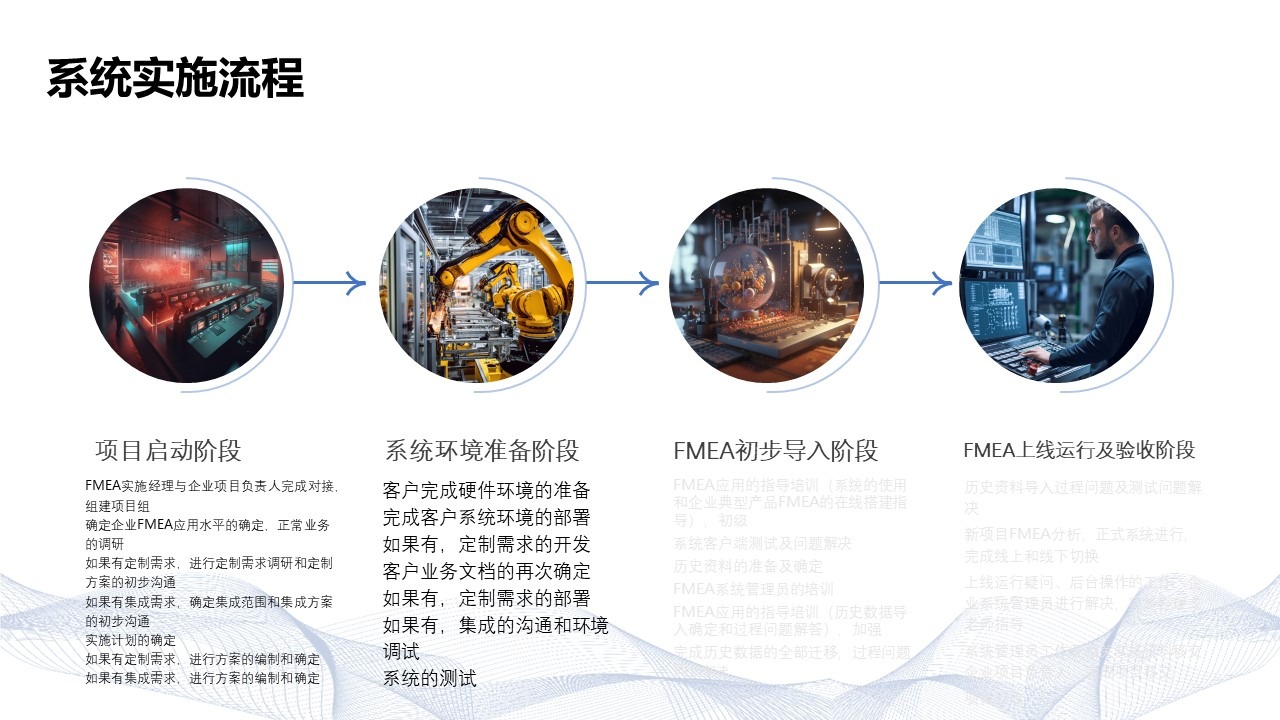
FMEA System, significantly enhances FMEA efficiency by creating Basic and Family FMEAs, enabling quick project FMEA creation. With the application of the FMEA seven-step method, it assists in rapid creation of structural, functional, failure, and risk analyses, and links FMEA with CP. Ensures data consistency, special characteristic identification and maintenance, and operation manuals linkage!