













Introduction:
Is your company still troubled by the expensive annual calibration fees for instruments?
Are you still troubled by quality issues caused by the instruments?
Are you still without a qualified in-house instrument calibrator, and without a systematic file management system for instruments and instrument calibration?
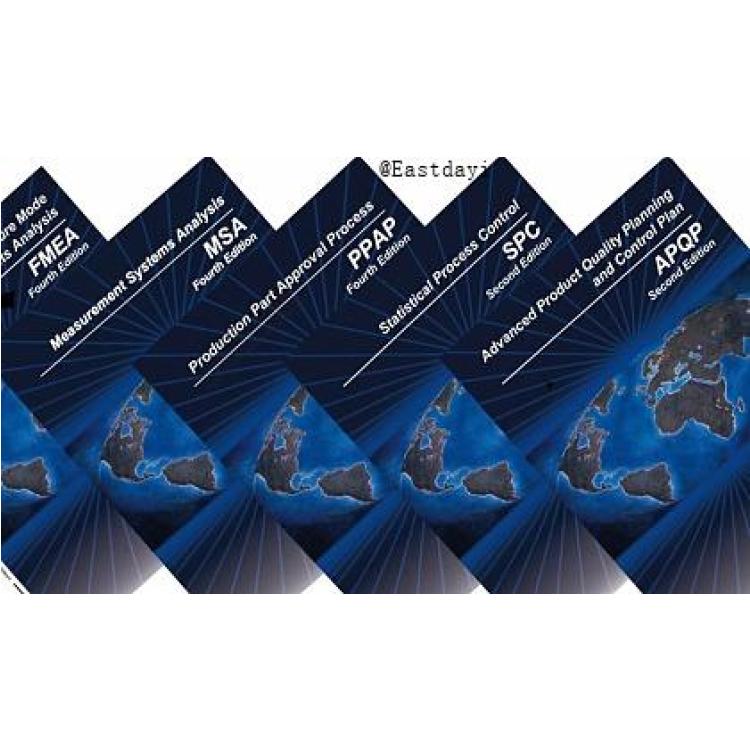
④ Has your company not yet systematically conducted measurement system analysis?
Are you still wringing your hands over non-conformities in instrument calibration and management during ISO system audits or customer factory inspections?

Course Background
Superior quality stems from a systematic quality management system, and accurate measuring instruments are the prerequisite for quality assurance. To further strengthen the organization's health, we train participants in the systematic management of measuring instruments and calibration, including various traceability management within the calibration system of measuring equipment and gauges. This enables the calibration personnel to differentiate between various instrument calibrations and effectively implement the management of measuring instruments, ensuring their effective application in practical work.
② ISO 9001:2015 Standard Clause: Requirements for Control of Monitoring and Measuring Devices
Course Benefits
1. Save thousands to tens of thousands of foreign exchange funds; invest a few hundred dollars once and enjoy long-term benefits.
2. Instruments with issues can be inspected and calibrated at any time, saving time and ensuring quality.
3. Since there's no need to send out for external school, production will not be halted.
4. The company has trained its metrology technical staff
5. Provides theoretical basis for internal verification of technical personnel
6. Complimentary measurement system analysis mini-software
7. complimentary standard internal calibrator measurement verification procedures and internal calibration operation guidance manuals, along with the complete set of calibration documents
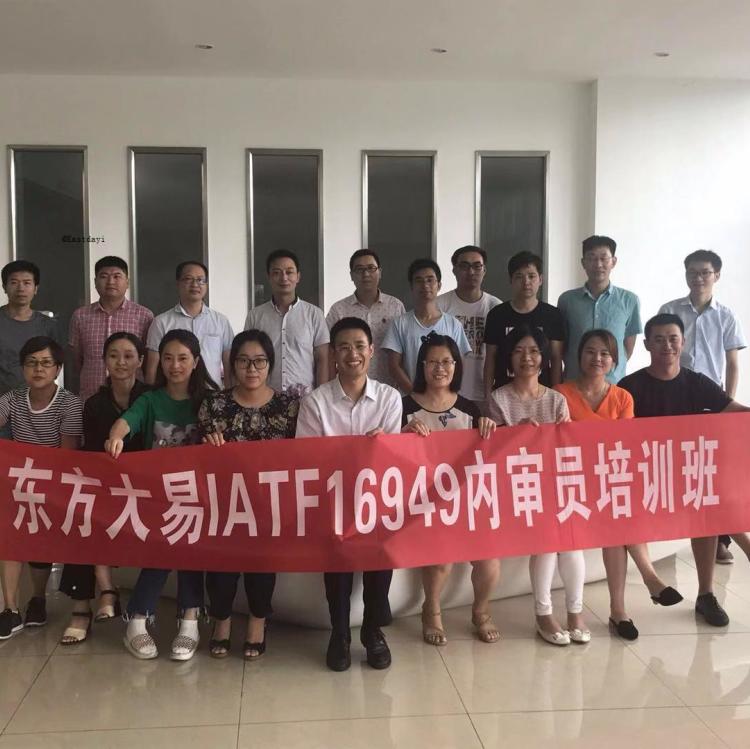
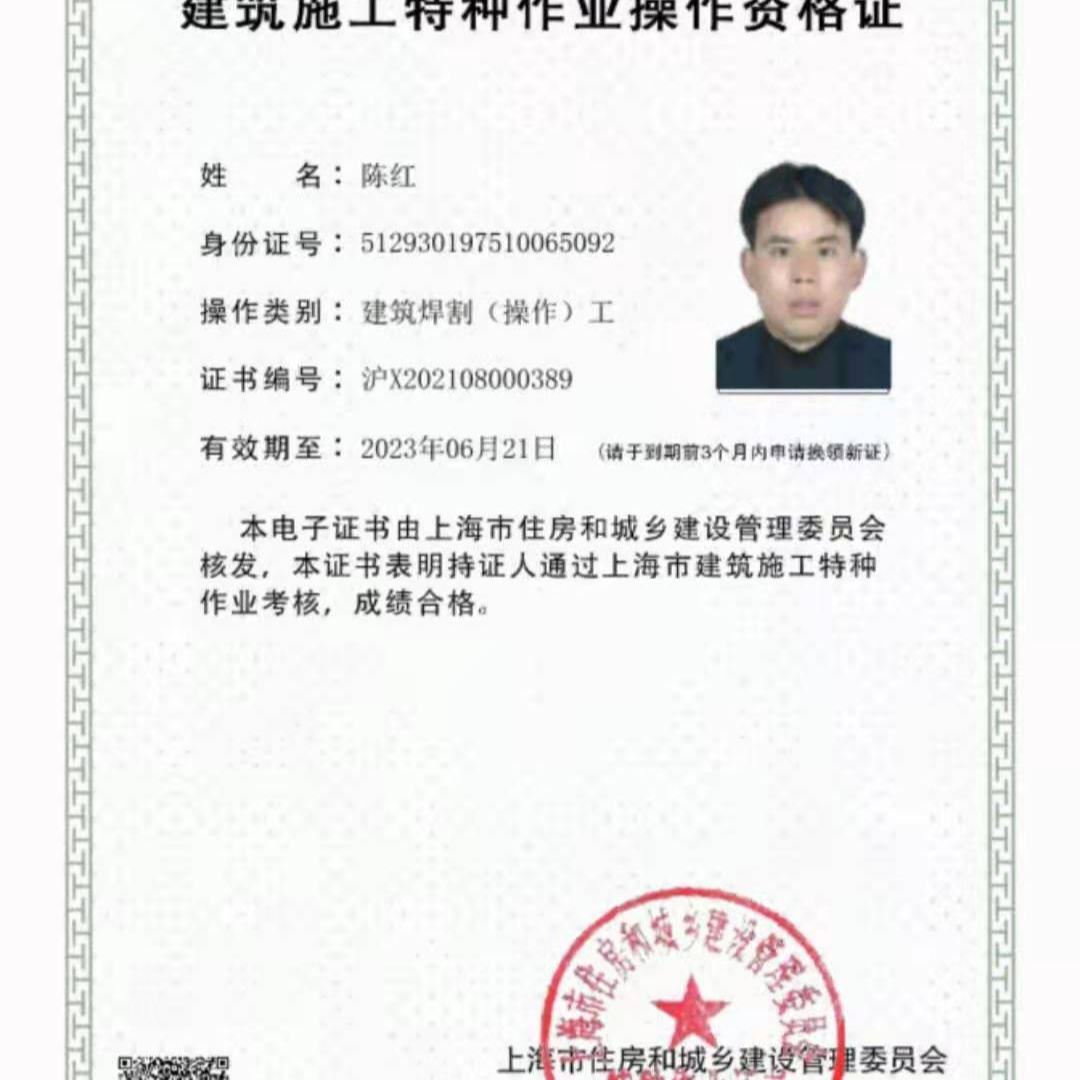
7. Issue Internal Auditor Qualification Certificate
Upon passing the training examination, a CCAA-approved Internal Verifier Certificate, General, will be issued.
Target Training Participants
Quality Control, Biotechnology, Production, Laboratory, and related supervisors, engineers, and instrument management personnel
Course Outline
Chapter 1: The Importance of Measuring Instruments
1). Measurement is a critical guarantee of product quality.
2) Measurement is a crucial means for energy conservation and consumption reduction, and an important basis for enterprise economic calculation.
)、The Impact of Measurement on Modern Society
Chapter 2: Legal Units of Measurement
Chapter 3: Basic Principles of Measurement
Chapter 4: The Basics of Blocks
1) Basic Characteristics of Blocks 2) Classification of Blocks by Grade and Class 3) Grade and Class Relationships of Blocks
Chapter 5: Measurement Fundamentals
Chapter 6: Equipment and Selection of Measuring Instruments
Chapter 7: Management of Measuring Instruments
Chapter 8: Calibration Requirements for Measuring Instruments (for Students' Measuring Equipment)
1) Transfer and Traceability of Measurement Standards
2) Verification, Calibration, and Comparison Concepts
3) Instruments for mandatory metrological management (verification)
4) Measuring Instrument Calibration Procedure
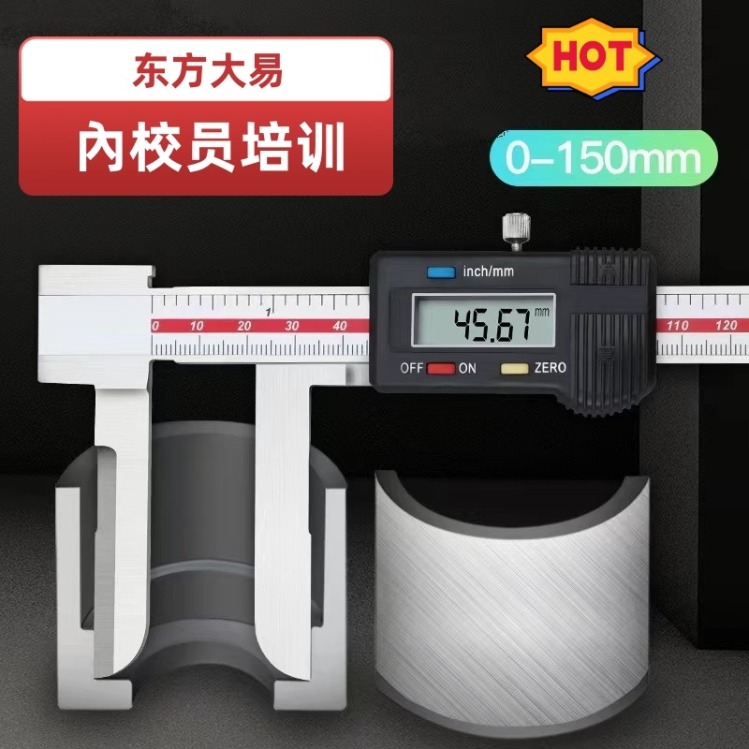
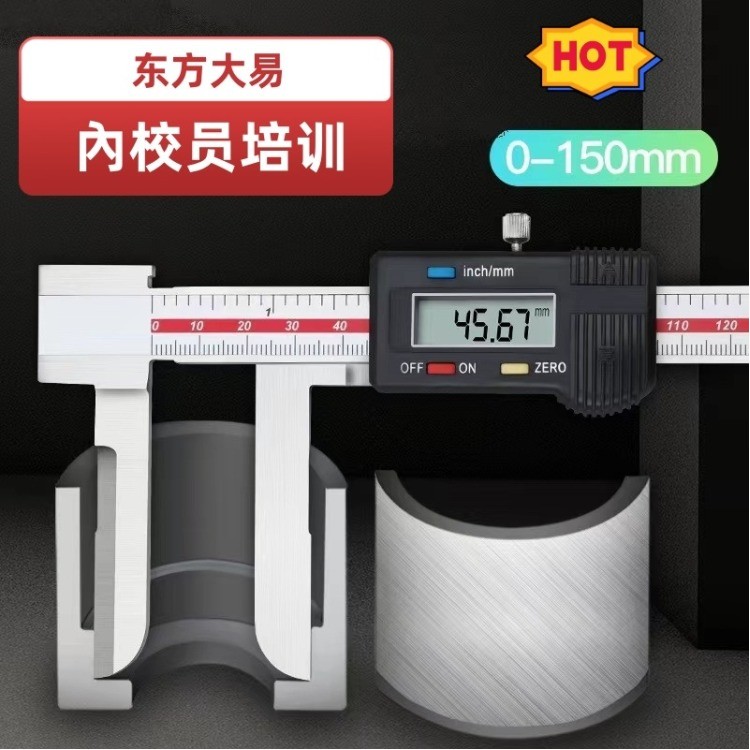
① Micrometer Calibration Procedure ② Caliper Calibration Procedure ③ Thimble (or Hundredth) Gauge Calibration Procedure
5) Qualification Requirements for Calibration/Verification Personnel
6) Environmental Requirements for Calibration/Verification
7) Method for Determining Calibration Cycle
Chapter 9: Requirements for Measurement Audits and Frequently Asked Questions
Chapter 10: Introduction to Measurement System Analysis (MSA)
Chapter 11: Precautions for Common Measuring Instruments Usage
Chapter 12: Maintenance of Common Measuring Instruments
Chapter 13: Common Laboratory Instruments Usage and Calibration