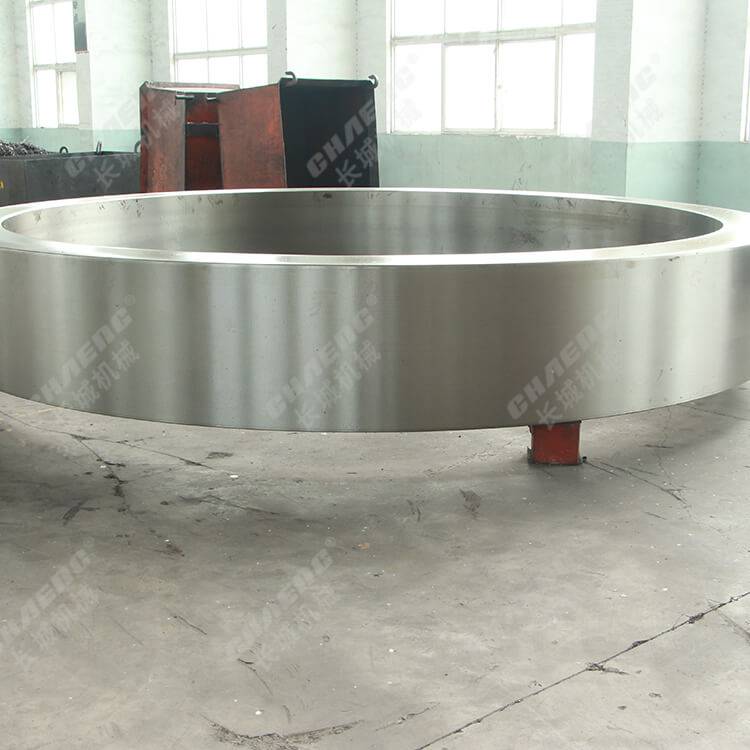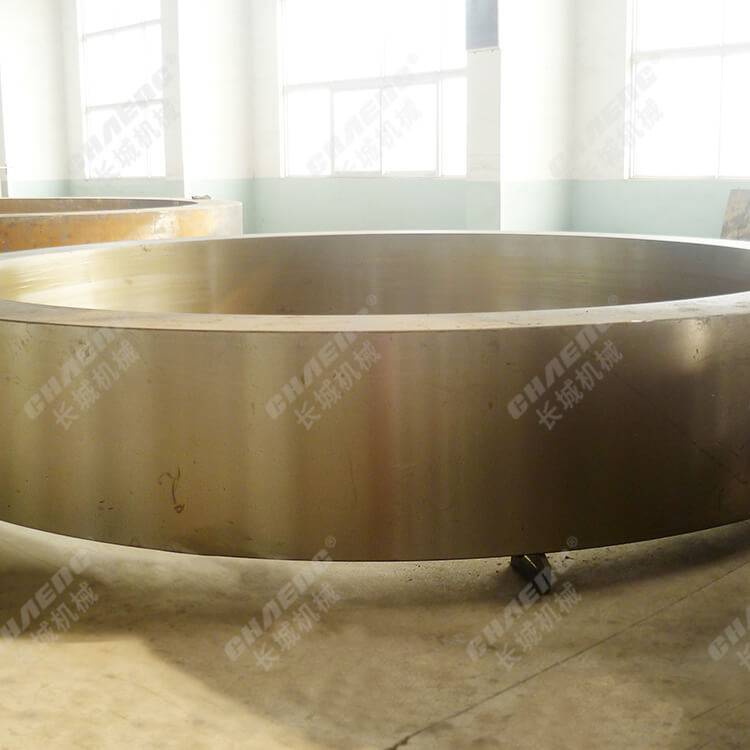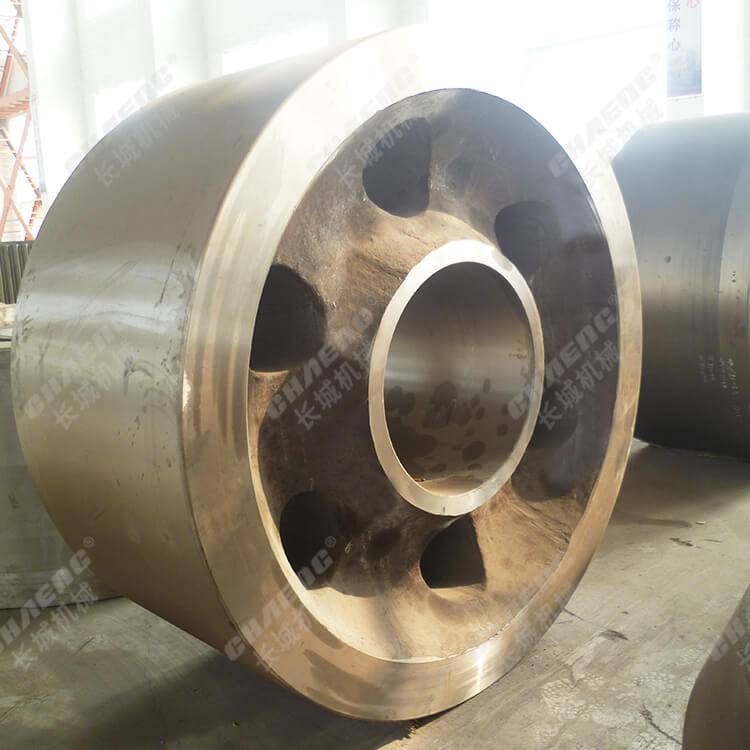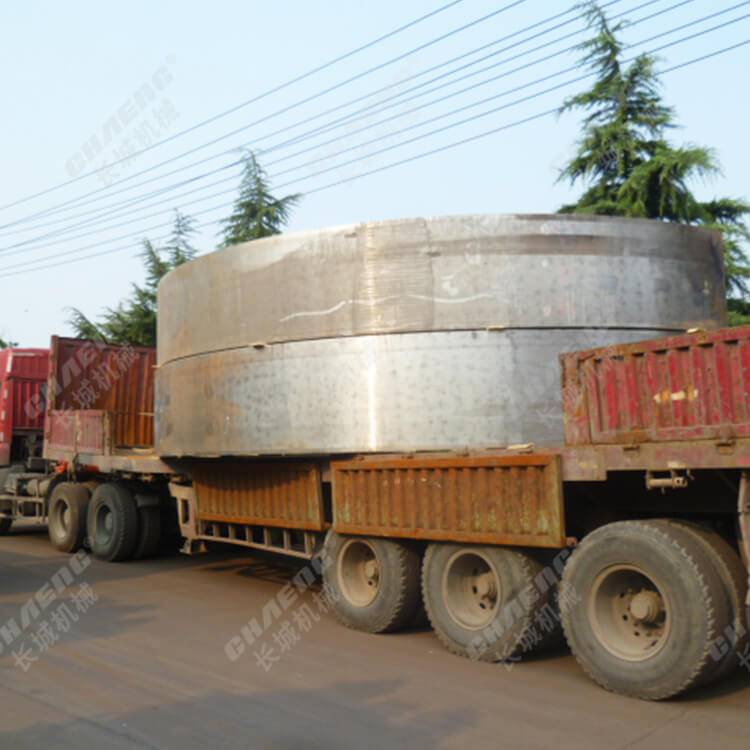

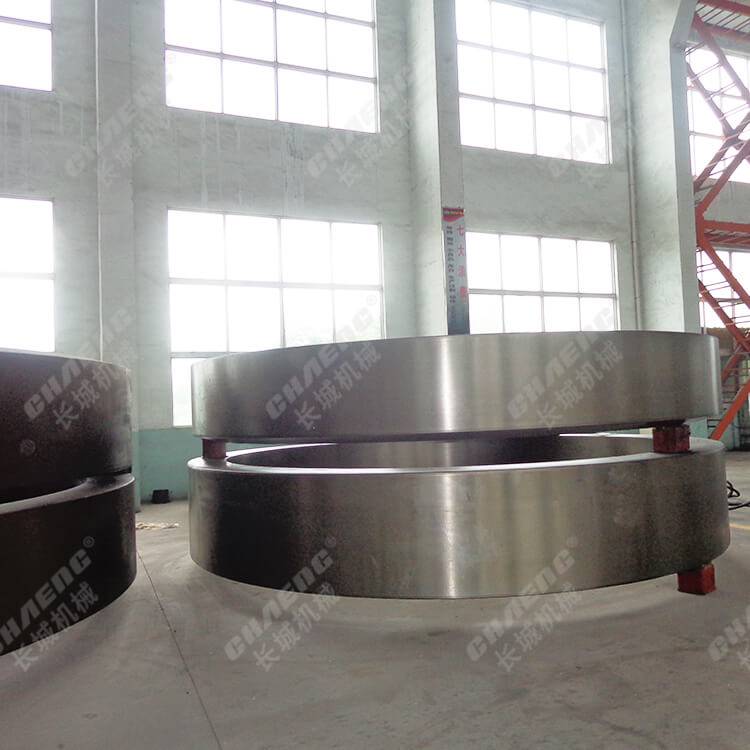
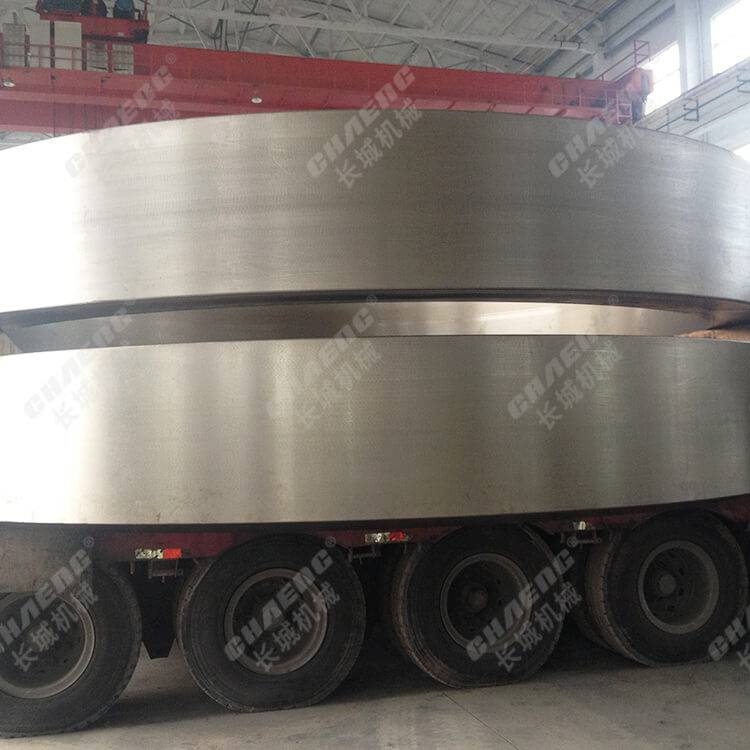


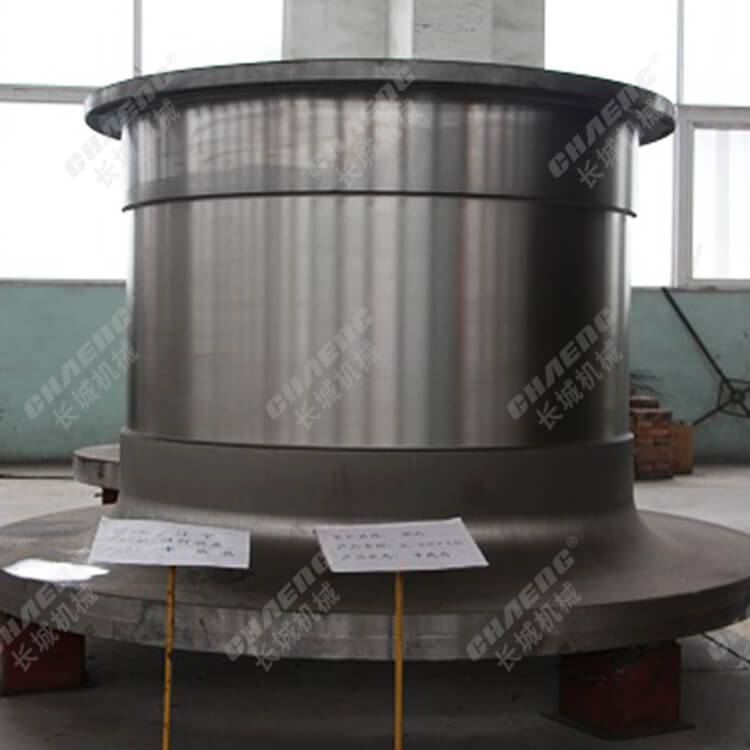
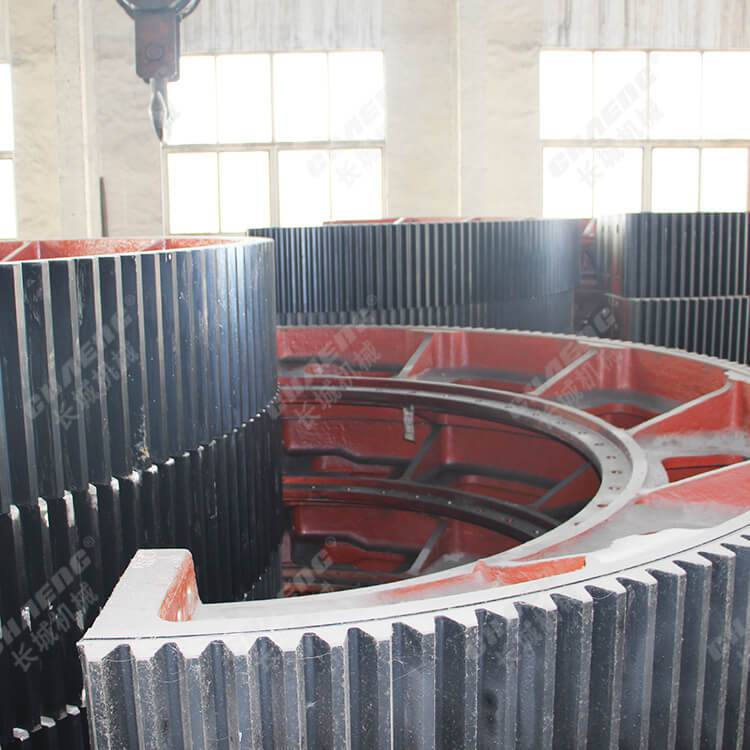
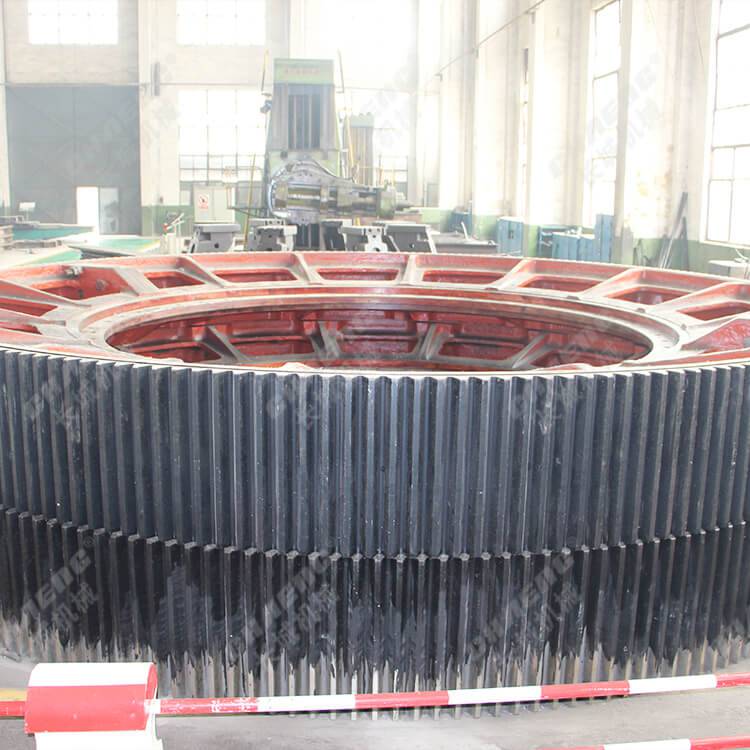
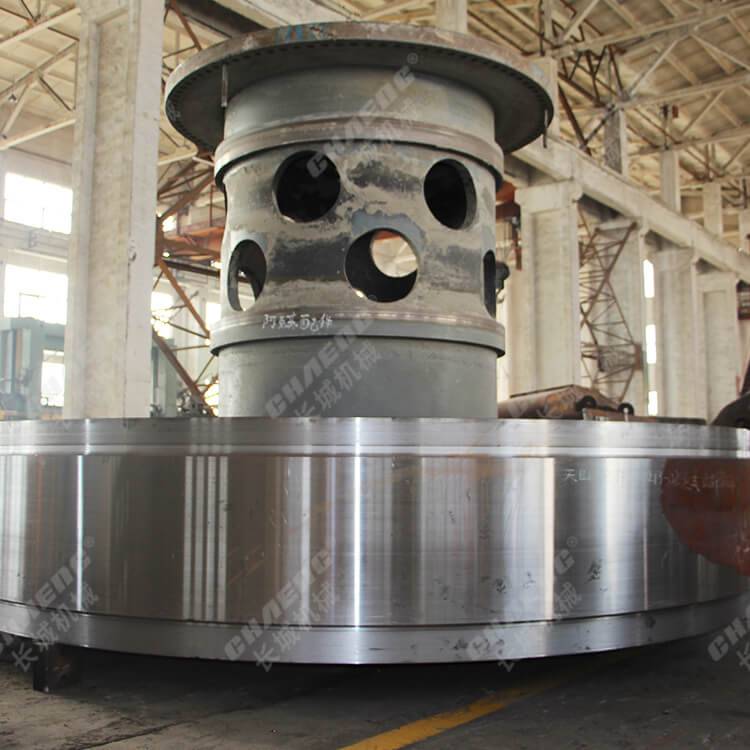






Rotary KilnIt is a circular thermal equipment that operates under high temperatures and heavy loads for extended periods. Due to its inherent tilt, uneven temperatures across different areas, and varying amounts of thermal expansion, over time, it can lead to deformation.Wheel RimPrimarily responsible for transferring the entire weight of the cylinder to the support wheel, allowing the cylinder to rotate smoothly on the support wheel. Therefore, timely adjustment and optimization of the gap between the wheel belts are essential.
Increased gaps can lead to greater cylinder deformation, elevated stress on the weld between the pad plate and the rotary kiln cylinder, resulting in fractures and shortened lifespan of the fire bricks.The increased relative sliding between the wheel and pad will also exacerbate wear. If the gap is too small, the cylinder will expand and cause interference, leading to necking and significant deformation of the rotary kiln cylinder.

In any form of deformation, it can cause the refractory bricks to loosen, distort, and fracture, leading to the risk of bricks falling off. More severely, it can result in cracks or even fractures in the kiln drum, causing damage to the entire kiln drum.
In summary, maintaining a reasonable gap between the wheel bearings to keep the cylinder's ellipticity within the standard range is one of the key measures to ensure the long-term safe operation of the rotary kiln, and also one of the effective methods to extend the service life of the wheel bearings.