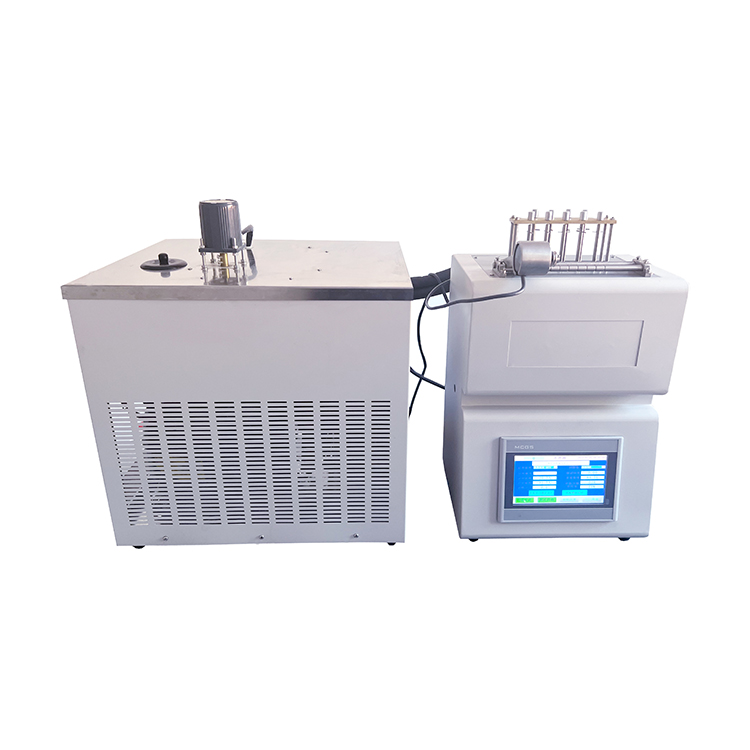


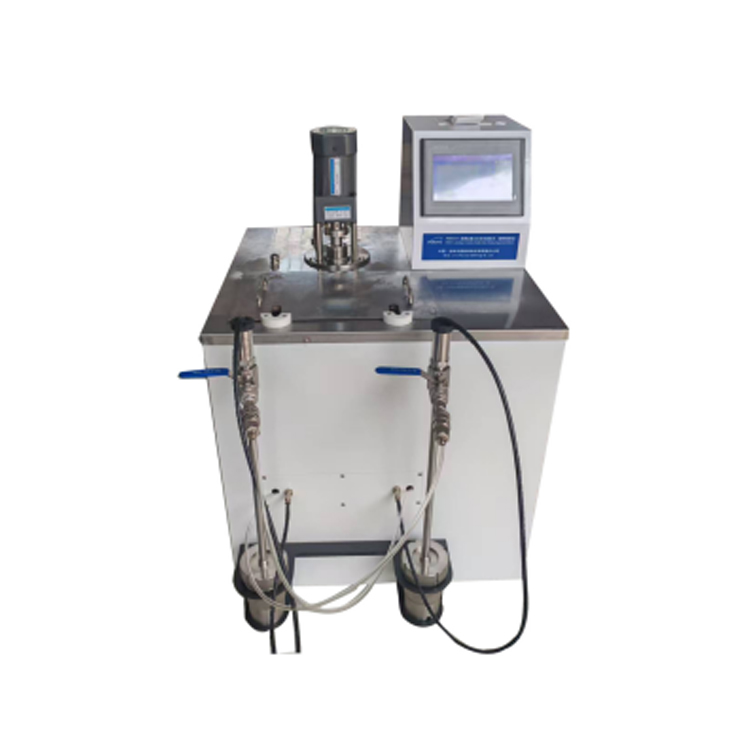
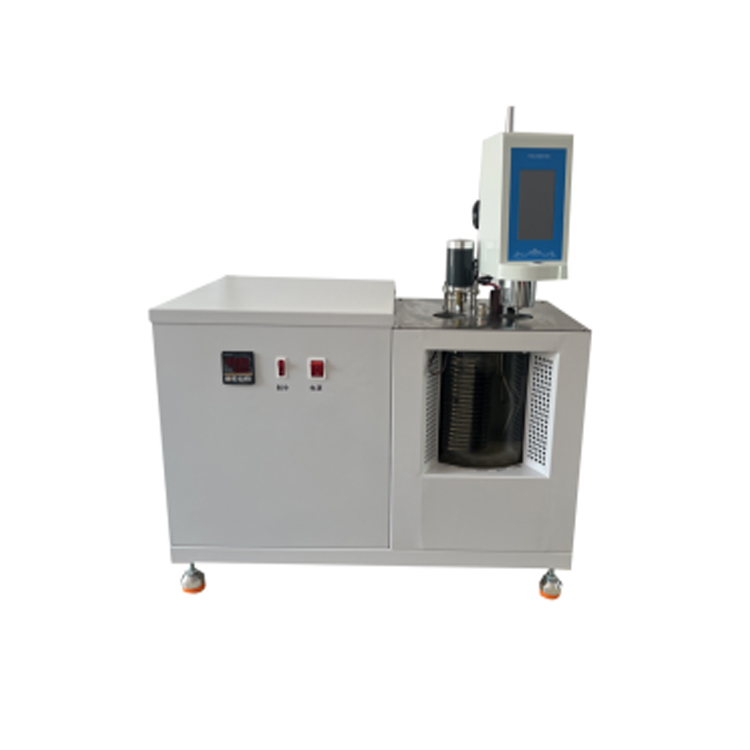
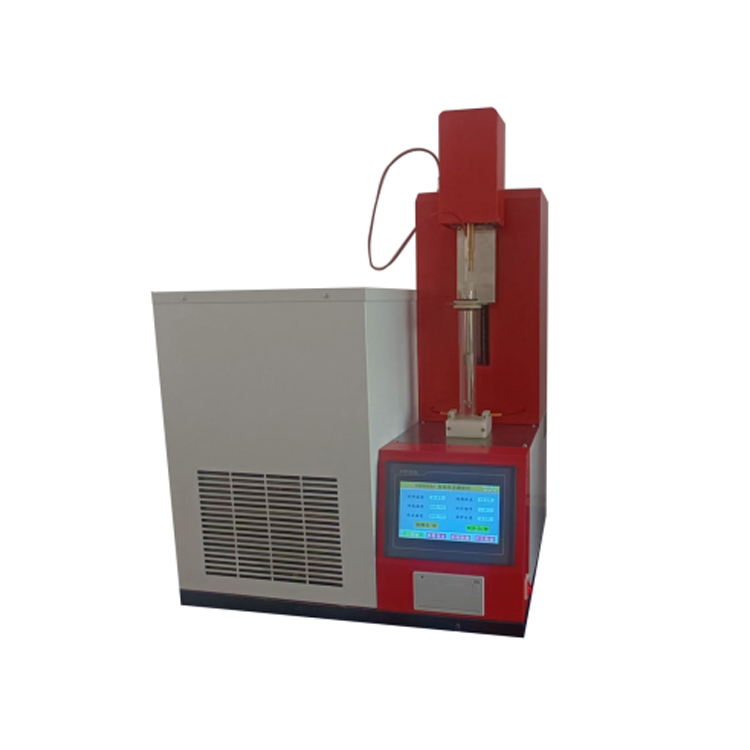





I. Technical Specifications
Standard of Execution: GB/T, GB/T9171, SH/T05622
2. Inspection Unit: 9-hole
3. Temperature Control Method: 7-inch Touchscreen
4. Power: 1200W
5. Power: AC 220V, 50Hz
6. Temperature Control Range: -70 to 100℃
7. Display and Temperature Control Accuracy: ±0.1℃
8. Test temperature range: -10°C, -15°C, -20°C, -25°C, -30°C, -35°C, -40°C
9. Wash Temperature Setting: 50℃
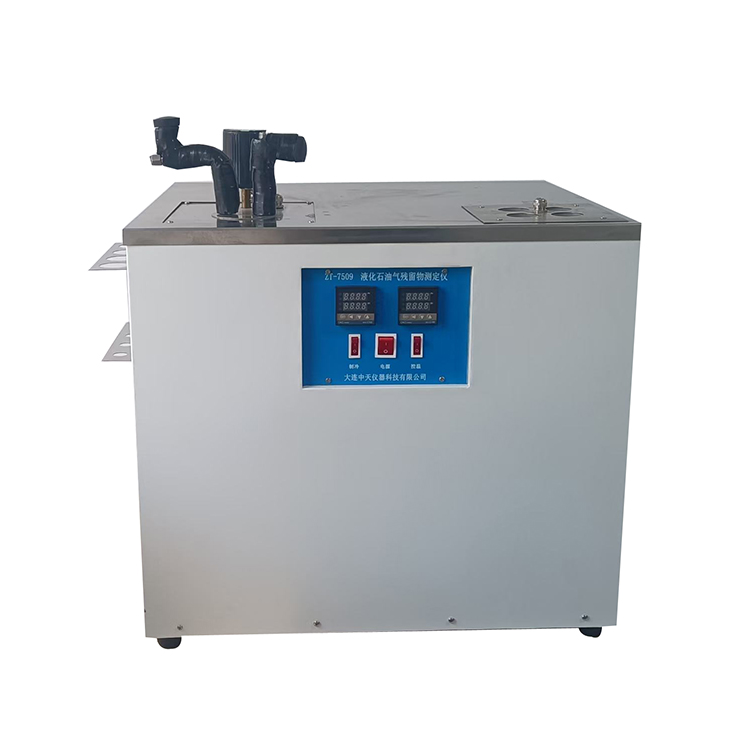
10. Matching Equipment (Anhydrous Ethanol Recirculating Low-Temperature Constant-Temperature Bath)
11. Environmental Temperature: 18℃~25℃
12. Environmental Humidity: ≤75%
II. Key Features
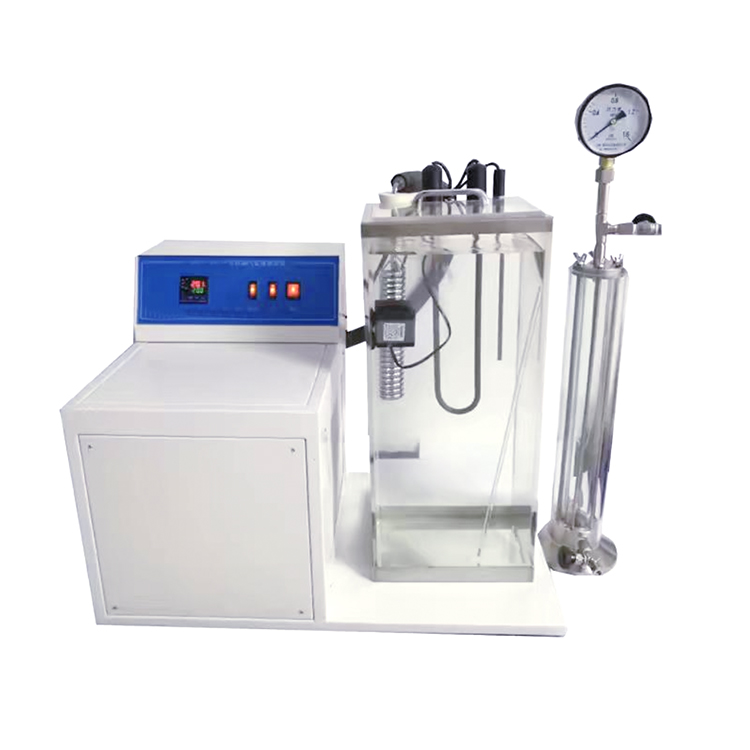
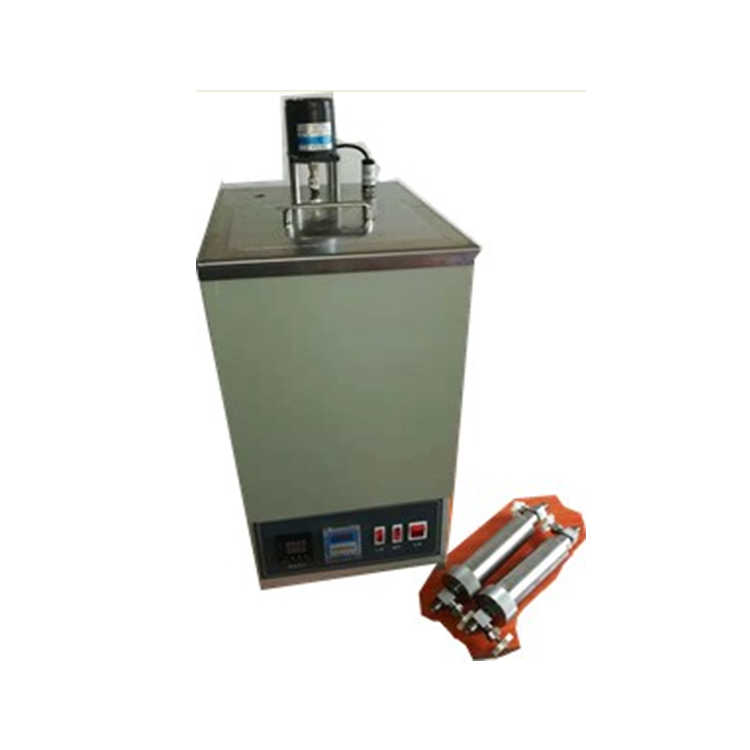
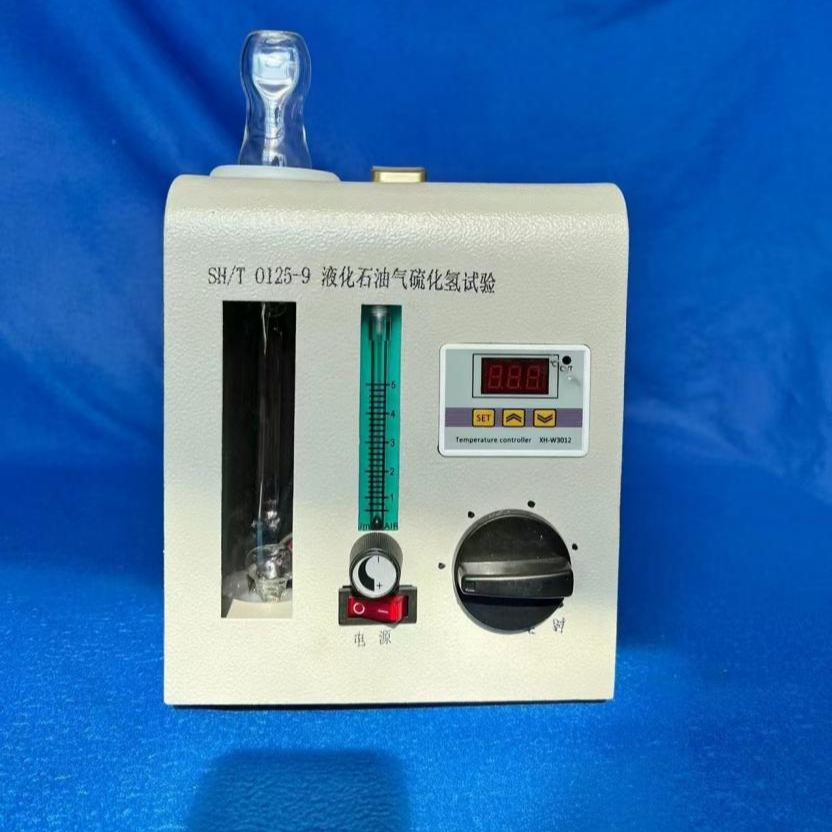
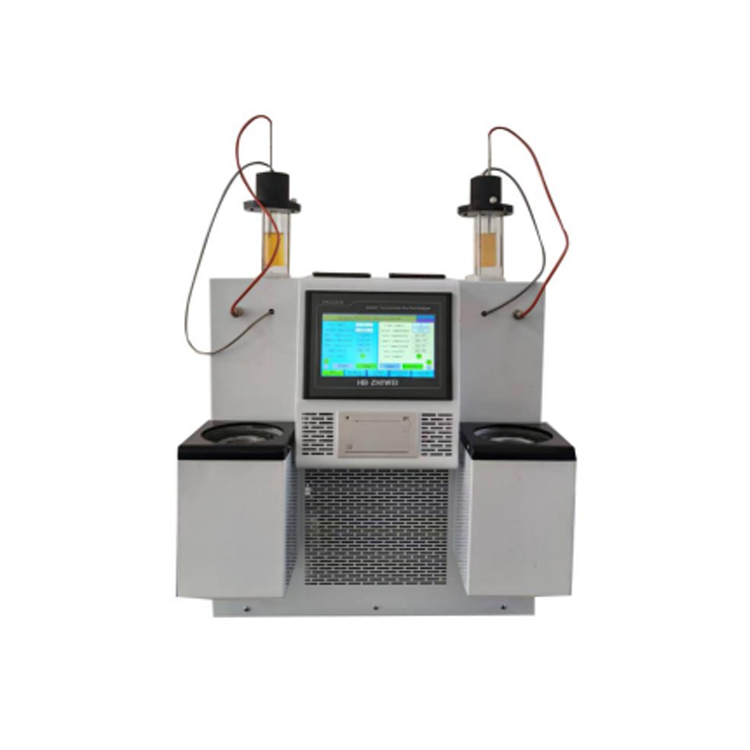
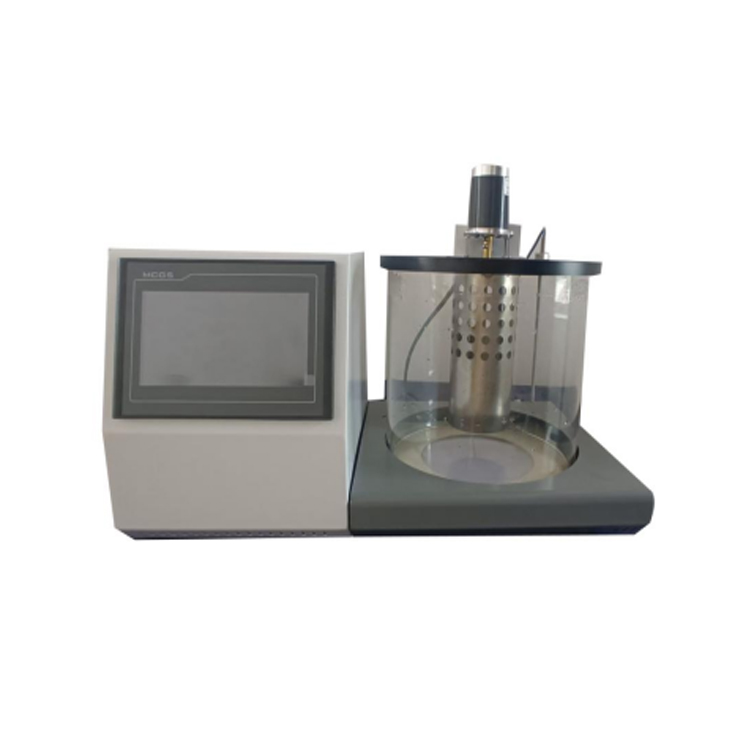
The Engine Oil Boundary Pumping Temperature Tester is designed and manufactured according to applicable standards: GB/T 9171, ASTM D3829, SH/T 0562, and ASTM D4684 test methods. It is suitable for measuring the constant temperature of test oil at 80°C, followed by cooling to the final test temperature at a programmed cooling rate. A lower torque is gradually applied to the rotor shaft until it starts to rotate, determining the yield stress of the test oil. Then, a higher torque is applied to measure the apparent viscosity of the test oil.
● The instrument utilizes advanced technology, integrating mechanics, optical electronics, and computers for precise temperature measurement.
● The refrigeration section of the instrument uses imported compressors and employs cascade refrigeration technology, offering advantages such as fast cooling speed, stable performance, and long service life.
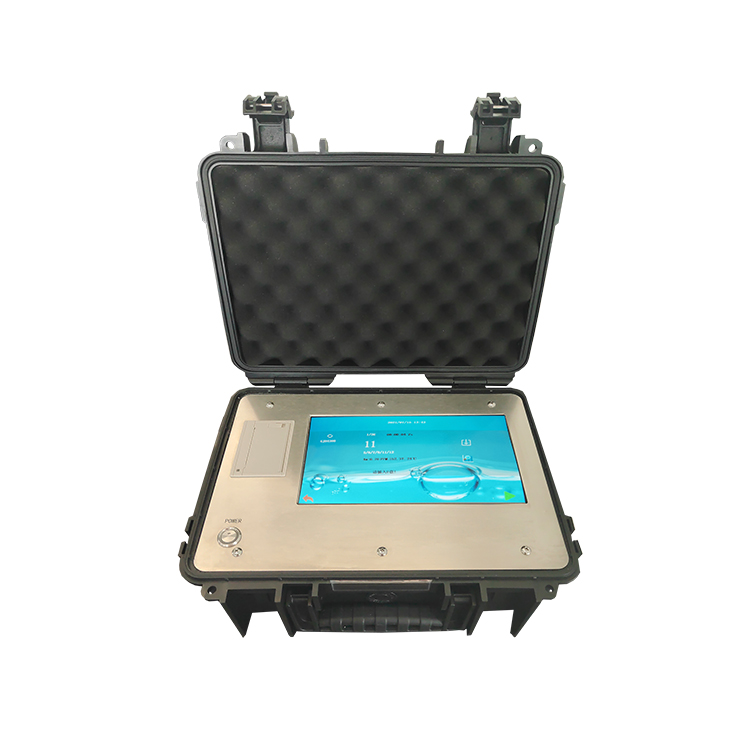
● The instrument features a 7-inch touch screen operation, with industrial-grade PLC control for stability and ease of use.
● Features an alloy rotor, lightweight, non-deformable, with sharp tips that are resistant to damage, and easy to clean.
● The instrument viscometer tank includes a numbered 9-hole viscometer within a temperature-controlled aluminum block, a heater, temperature sensor, and a photoelectric encoder, etc., with the instrument automatically printing data after experimentation.
The instrument features a desktop structure, boasts an aesthetically pleasing overall design, and is easy to place.
● The instruments control the temperature and measure the yield stress and apparent viscosity of the boundary pumping temperature for nonlinear curves at different standards and testing levels.
● The instrument features temperature calibration capability.