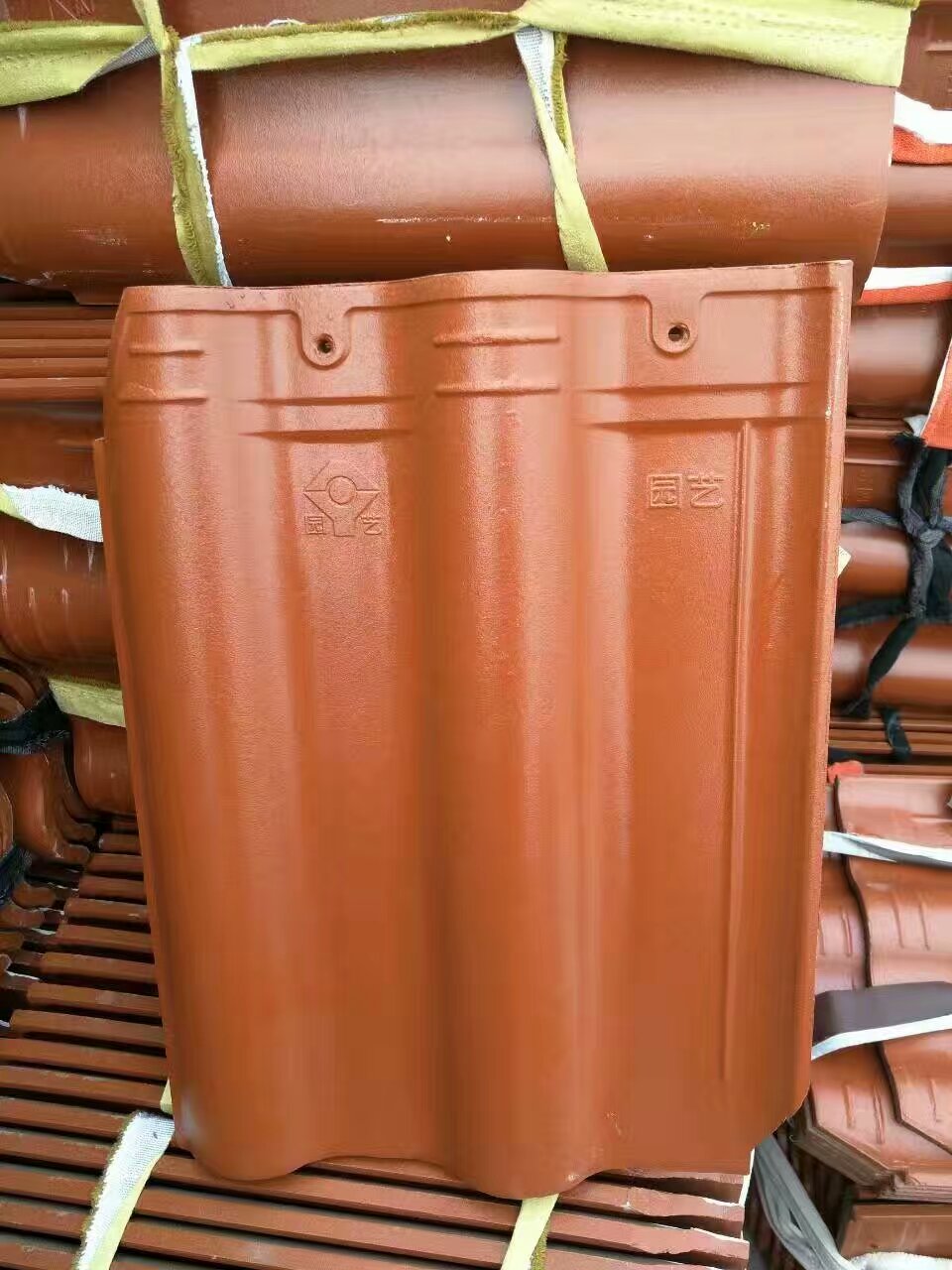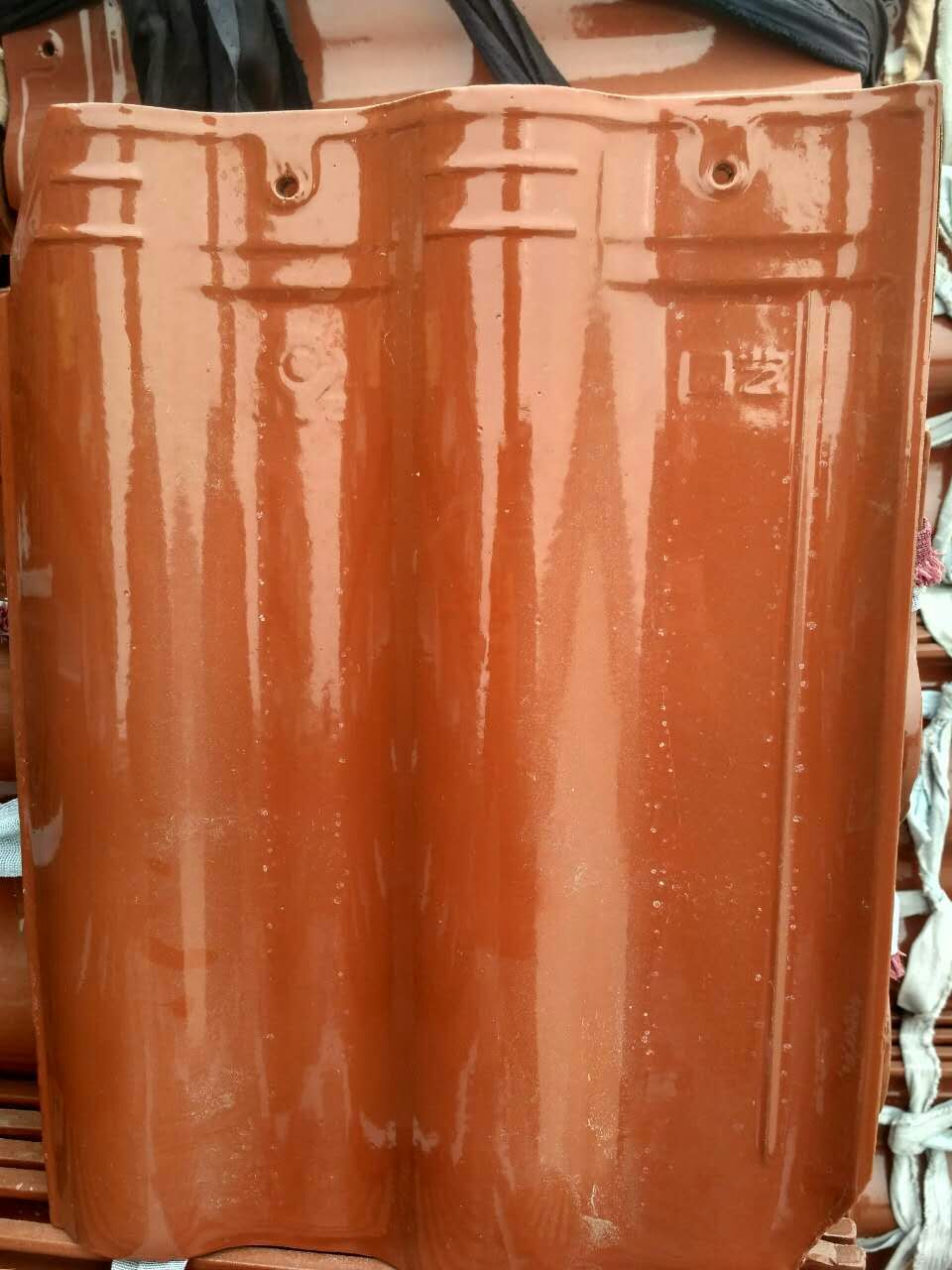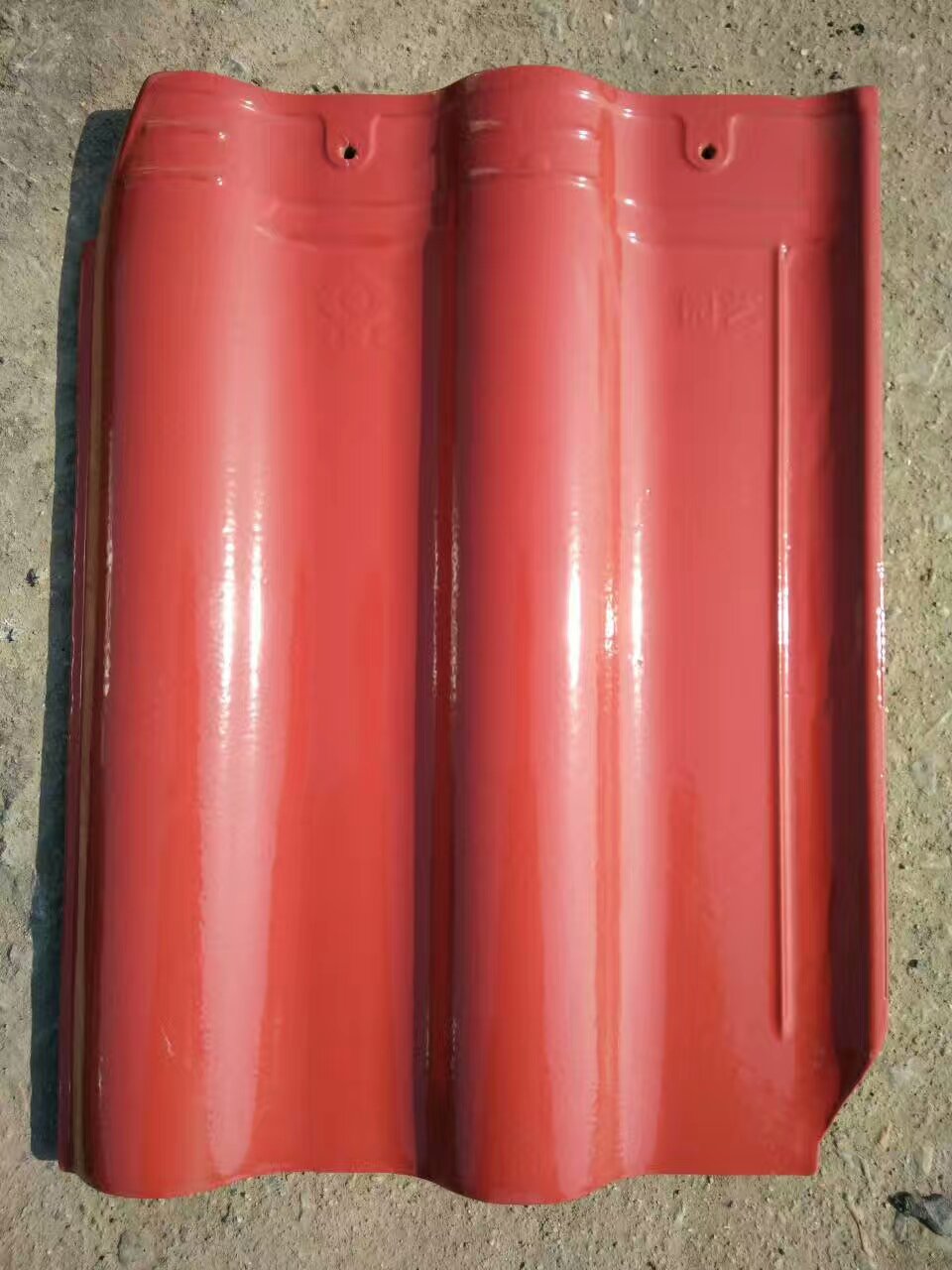

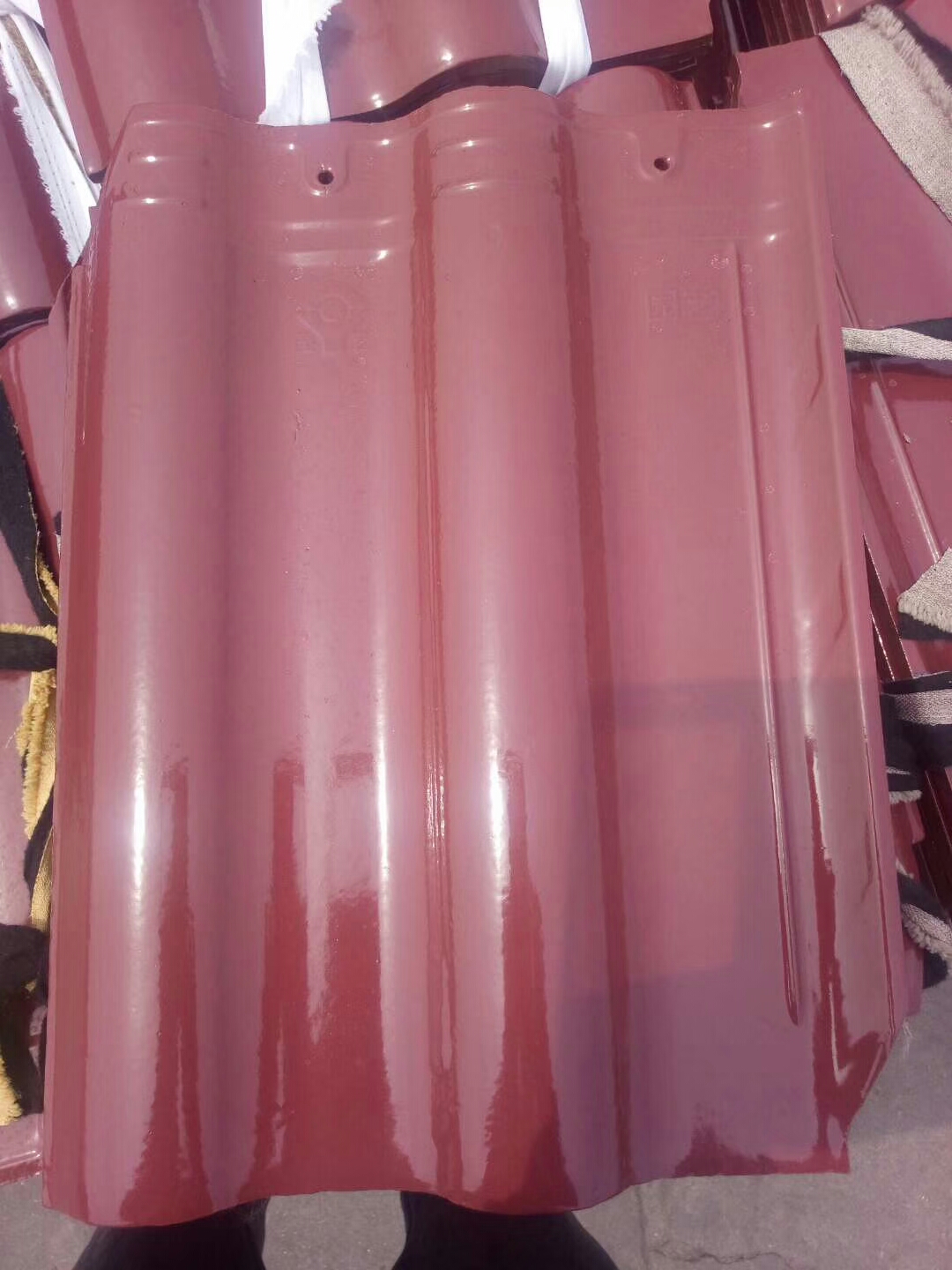



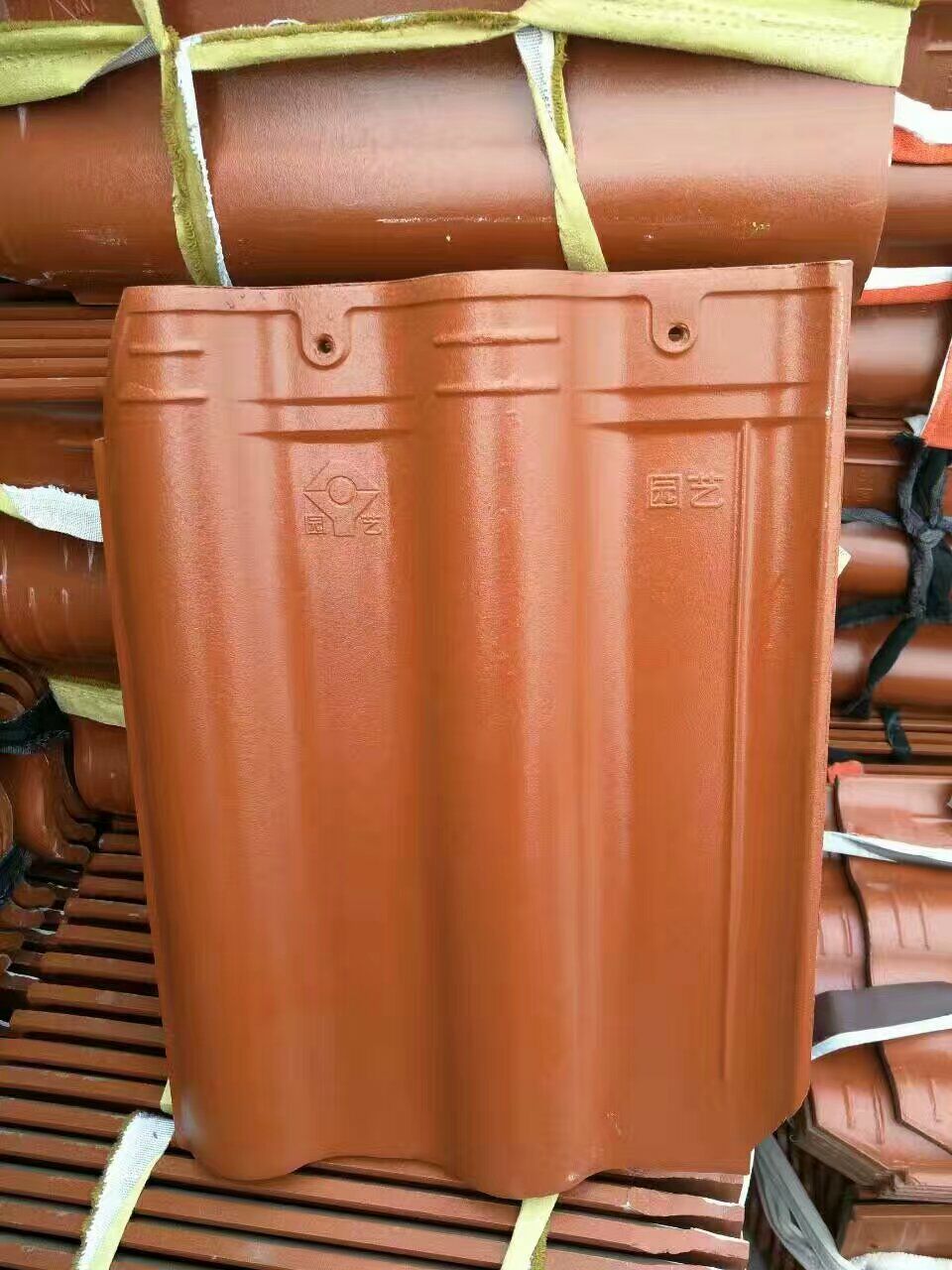

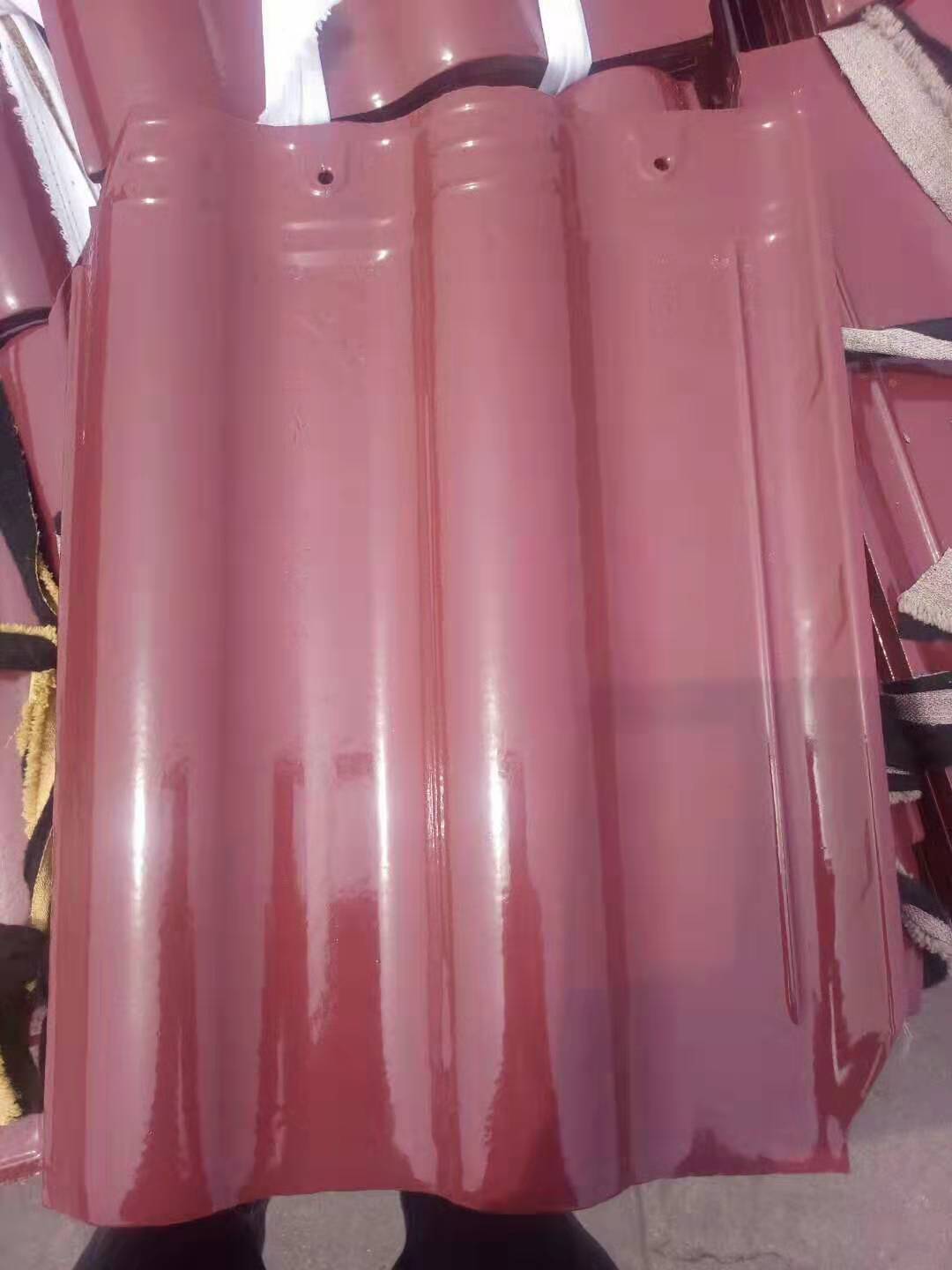





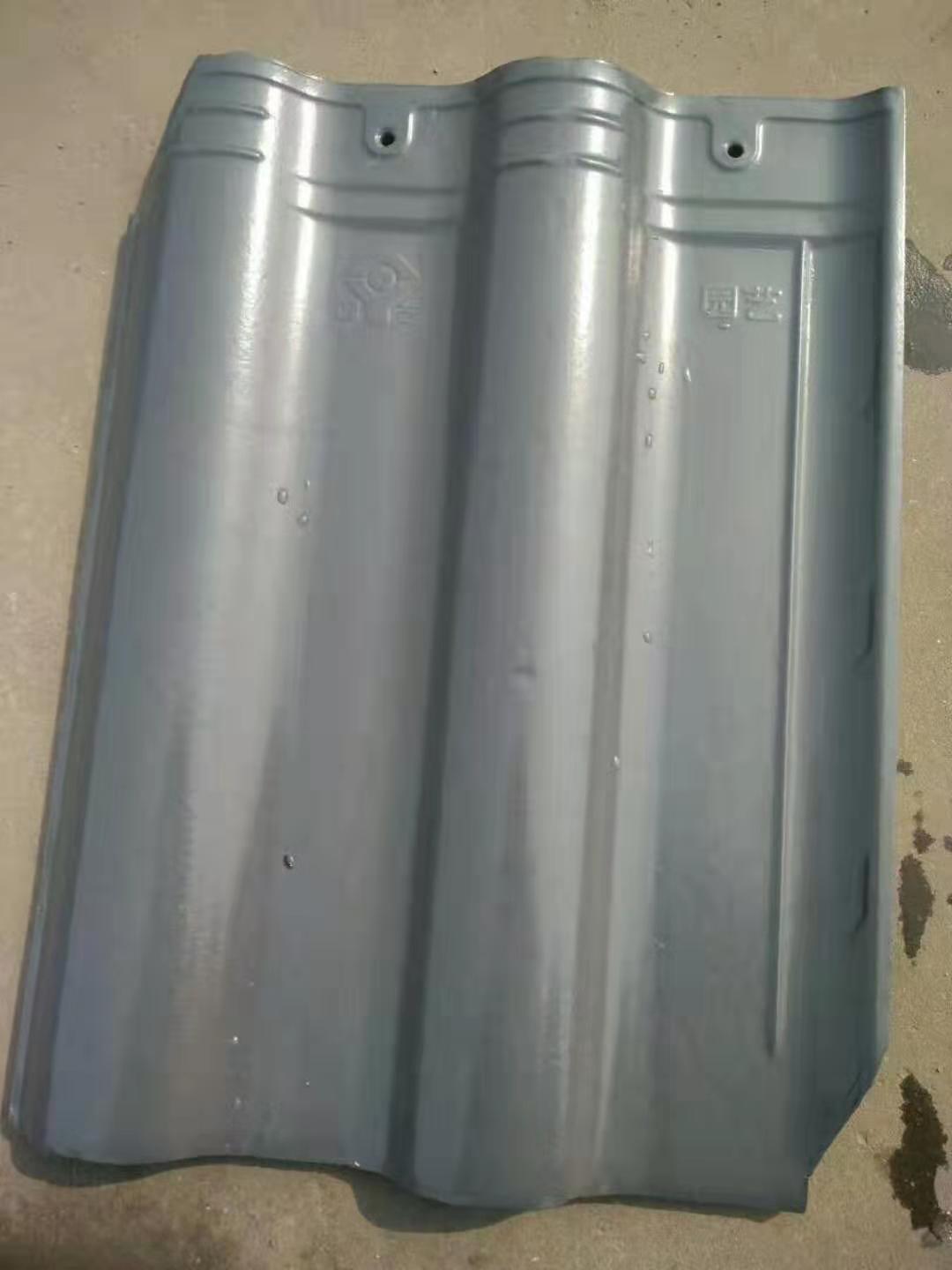
Dry hanging process
This process is primarily used for wooden structural roofs and semi-cement roofs.
Construction Steps:
1. Clean the roof. The roof must be thoroughly cleaned, dried, and spotless before laying tiles.
2. Waterproofing Treatment. Apply self-adhesive waterproofing materials on the roof surface. This is compatible with SBS or APP.
Bitumen.
3. Firstly, mark the corresponding ridge caps and positions of the tiles according to the specifications (cut the tiles as much as possible).
Adjust to the effective size, then hang the eaves from the rafter using rivets and secure them to the roof with galvanized nails.
Roof tiles are nailed onto the strips. (If strips are not used, the tiles can be nailed directly onto the roof.)
Suggestion:
If there are eaves channels, the shingle strips should be nailed to both sides of the eaves channels.
B. If there is a ridge, the shingles should be fastened along the edge of the roof.
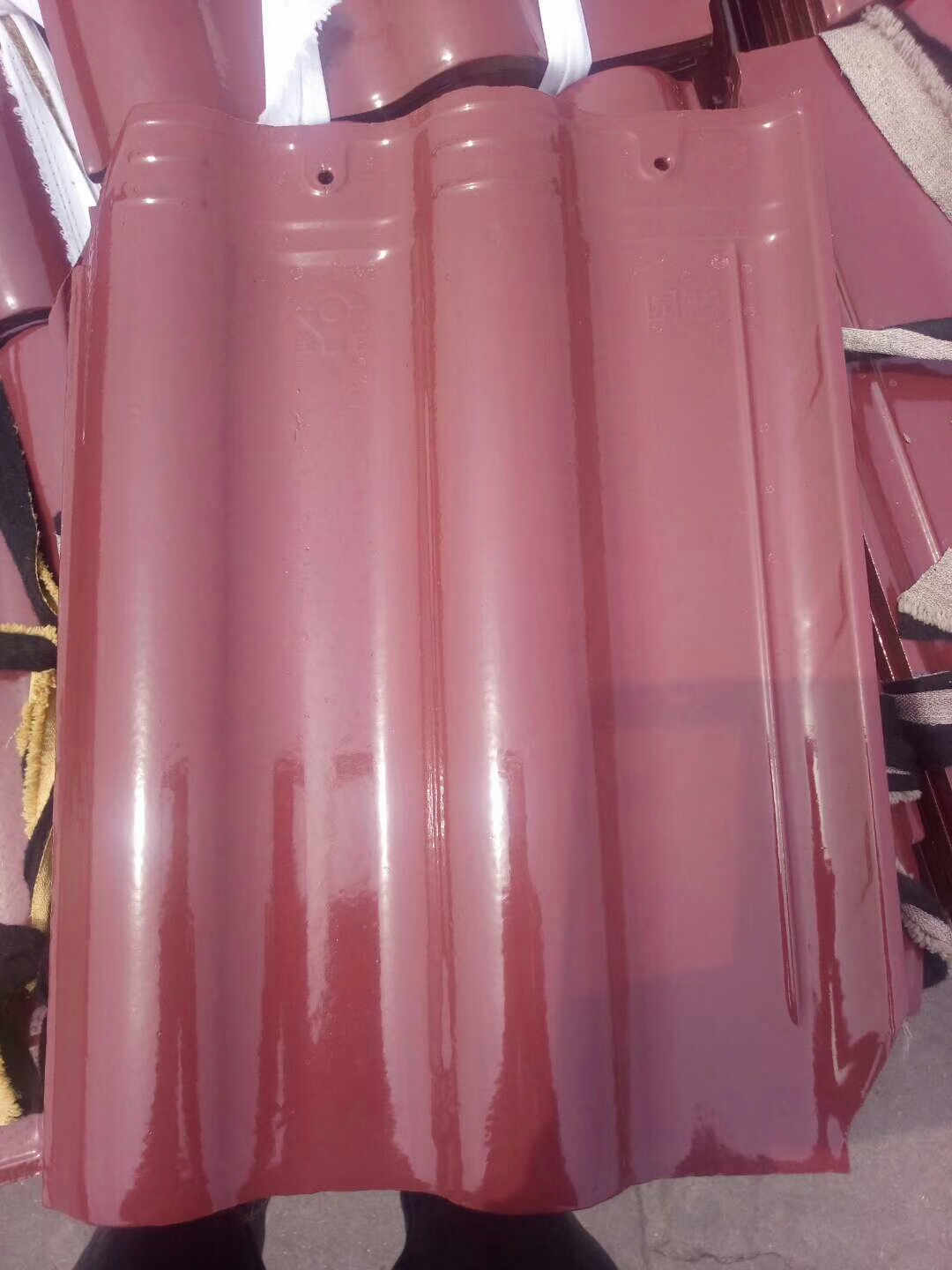
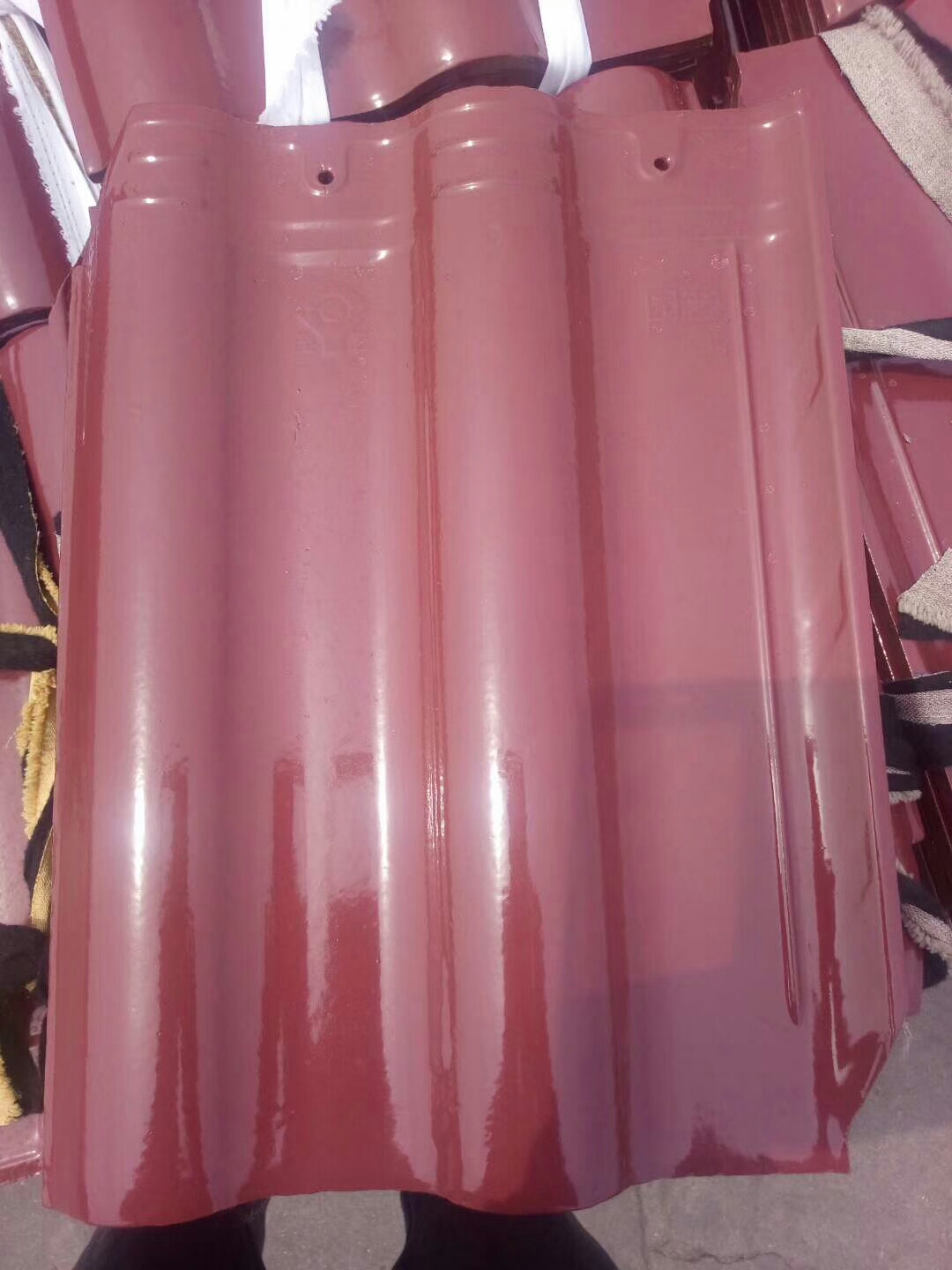
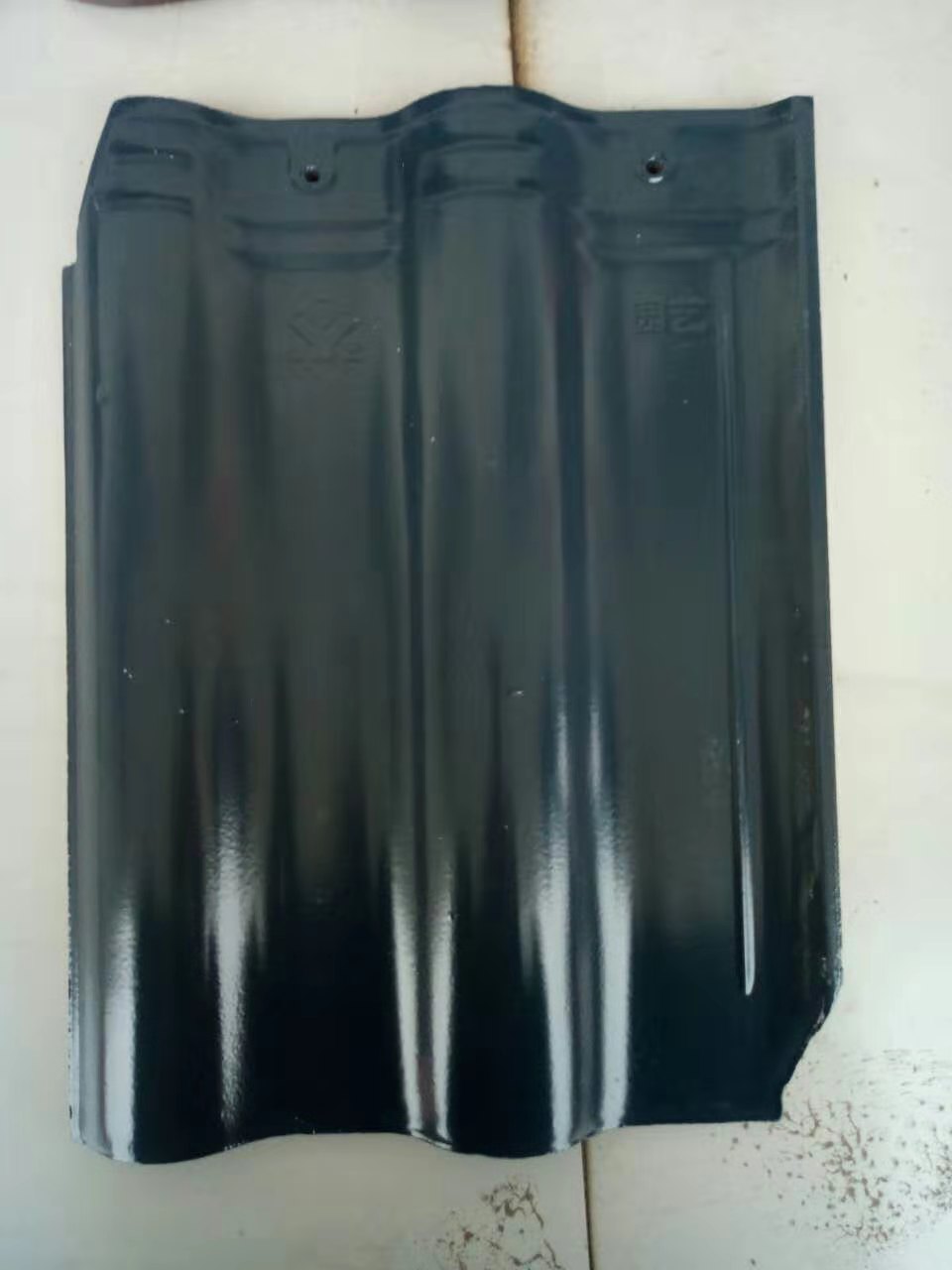
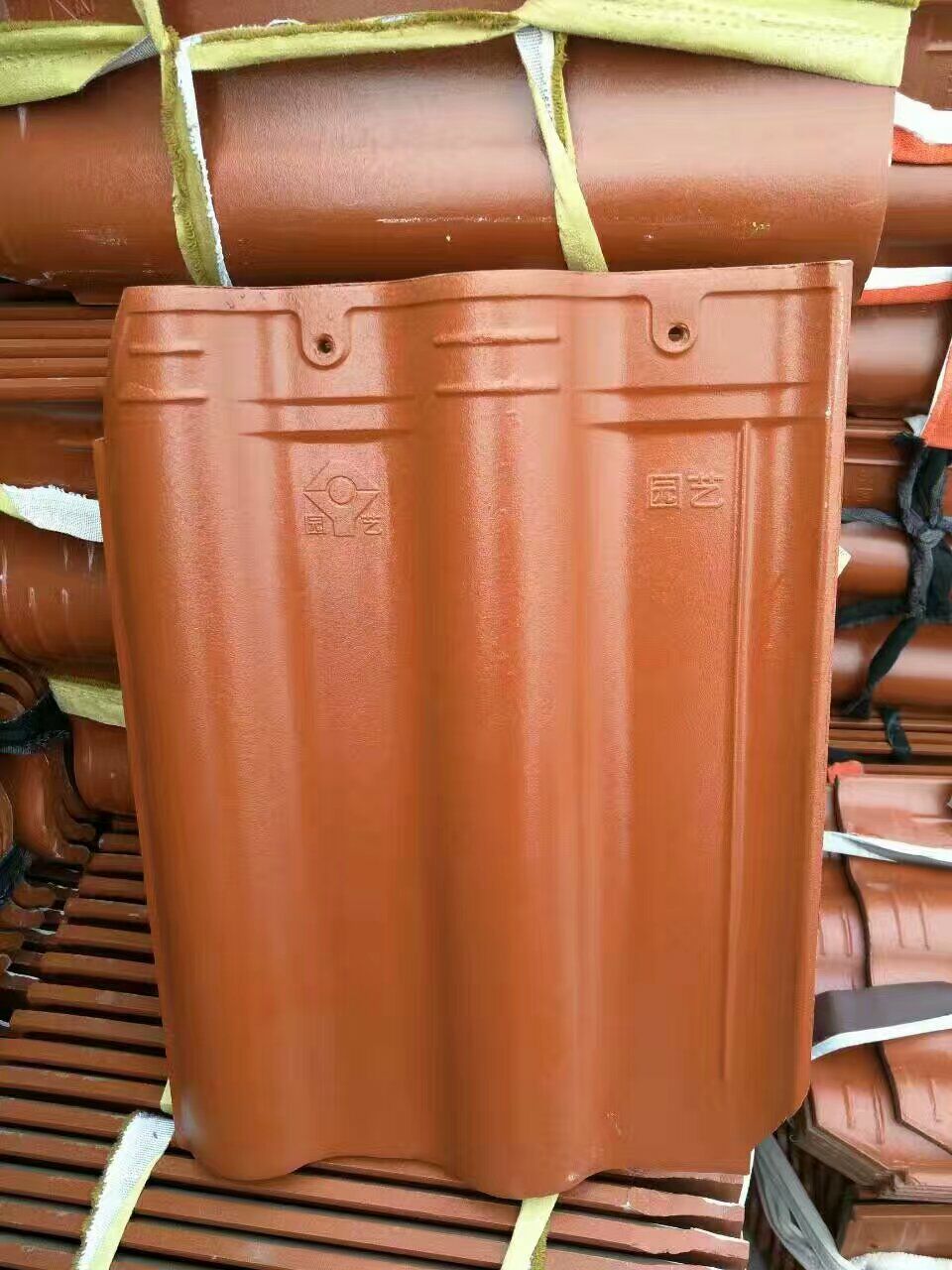
4. Install the main tiles. Secure the main tiles with galvanized tiles nails, starting from the bottom up, from the left eave to
The sequence of shingles on the right side.
Suggestion:
A. If eaves gutters are present, they should be installed first.
B. When the first row of tiles is installed on the eaves, the main tiles should extend 6 cm beyond the eaves.
C. In areas subject to strong winds at the top, the tiles can be secured using safety nails after the ridge tiles are nailed in place.
The tiles are fastened to the batten using stainless steel wire through the head pins.
5. Install ridge shingles. Apply mortar to the ridge strips, lay the ridge shingles over the mortar, and then mortar
The joint is filled with adhesive or mortar.
Suggestion:
The ridge tiles can also be laid on the tile hangers with galvanized ridge nails.
6. Install eave tiles, fill the eave boards with mortar, then cut the eave stone in place, and finally use glue or mortar.
Grout fills the voids in the mortar.
Suggestion: The ridge cap can also be secured to the eave board using galvanized roofing nails.
Wet process is used for concrete roofing.
1. Apply a 20mm thick 1:2:5 mortar on the concrete roof, leaving a space 200mm wide and 20mm deep for the eaves槽.
2. A flexible waterproof covering can be laid over a dry base for waterproofing or used on slopes for a hard waterproofing layer (waterproof admixtures are mixed with cement mortar during leveling).
Prevent leakage phenomena caused by substandard engineering construction).
3. As per the actual tile size: As shown in Figure 1, pop out a honeycomb line on the baseline with 900-degree cross angles horizontally and vertically. Prepare for laying tiles, with the tiles overhanging the eaves by 50-70mm.
4. Tiles are laid with cement mortar in a specific order on the bottom of the trench, and steel nails are used to secure them on steep slopes to prevent slippage.
5. Please refer to "Dry Suspend Process" for various installation methods.