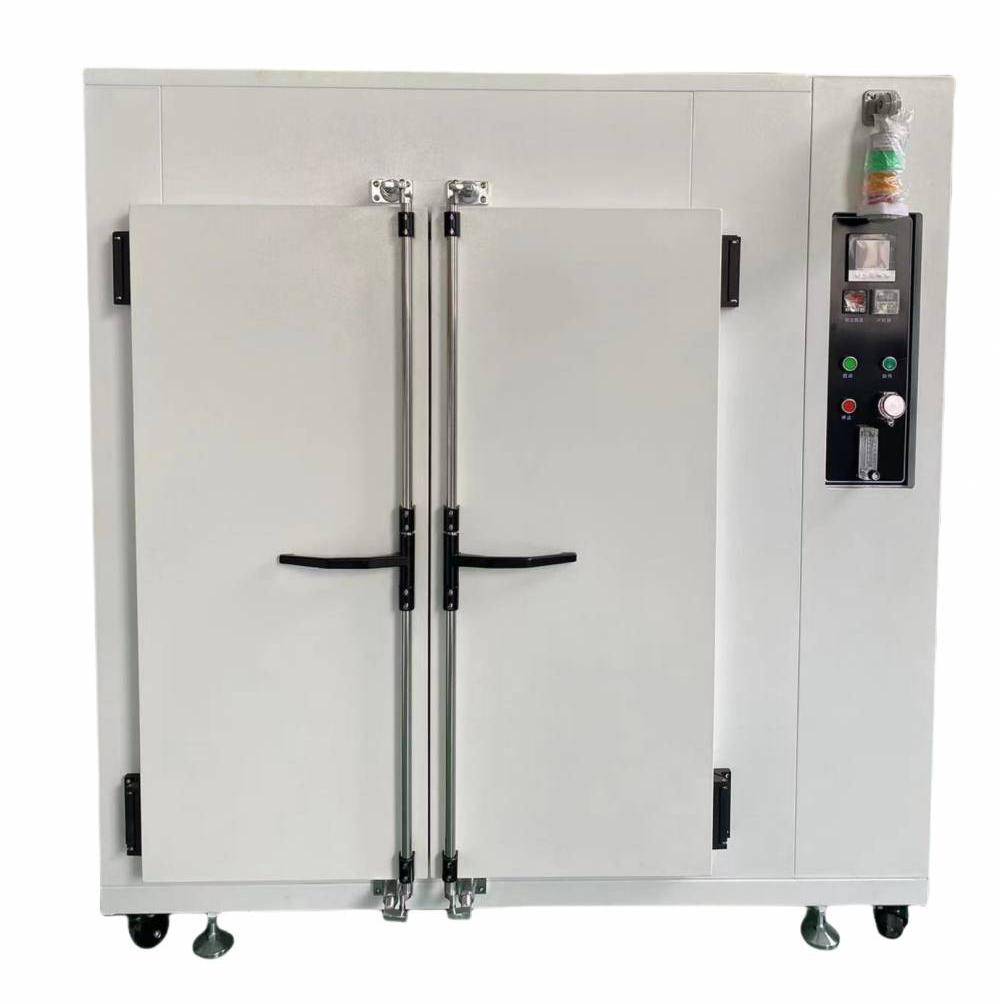

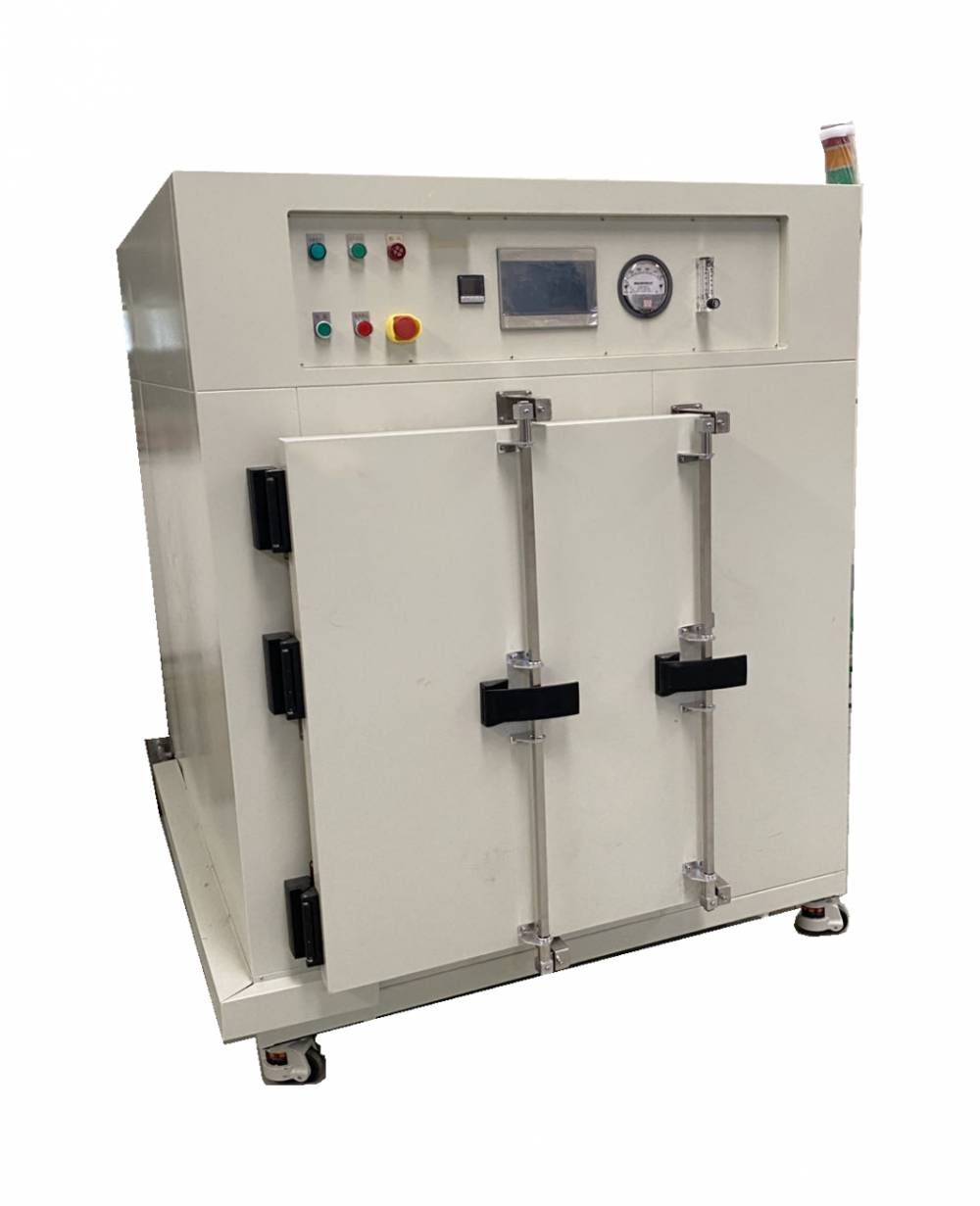
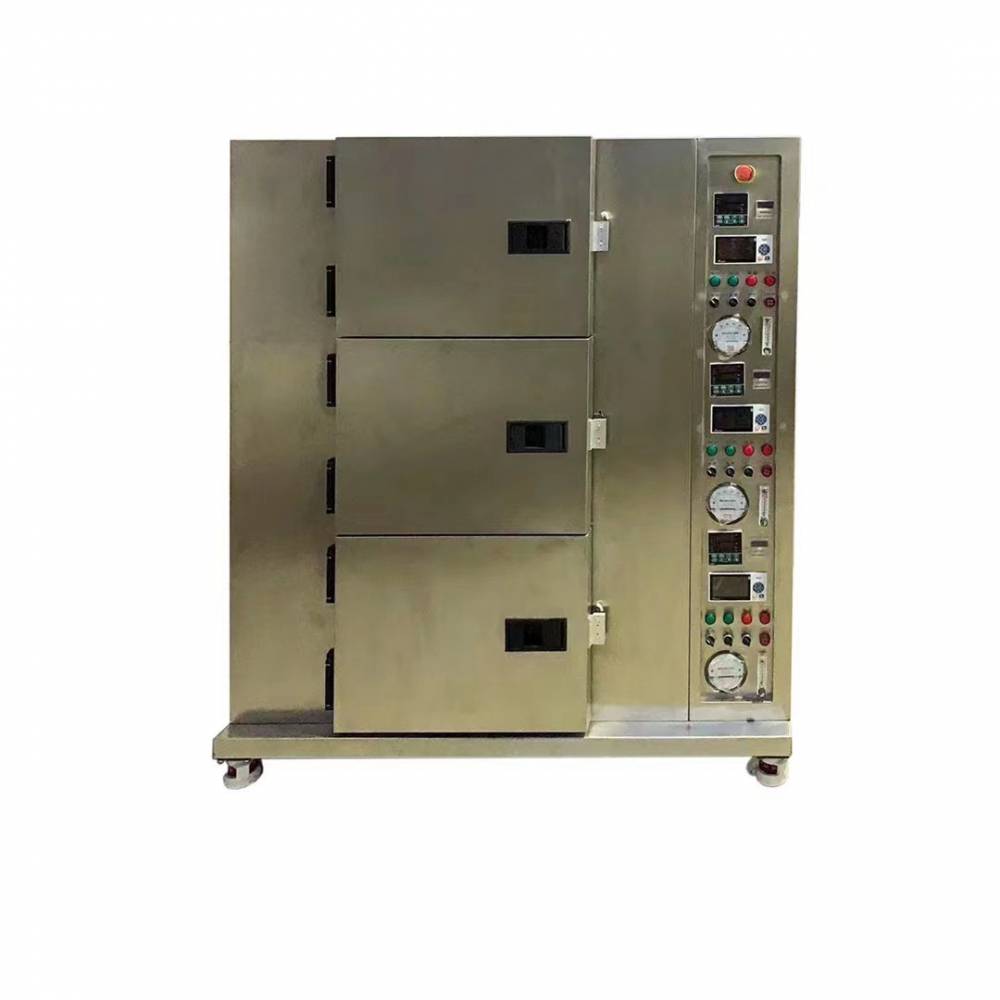










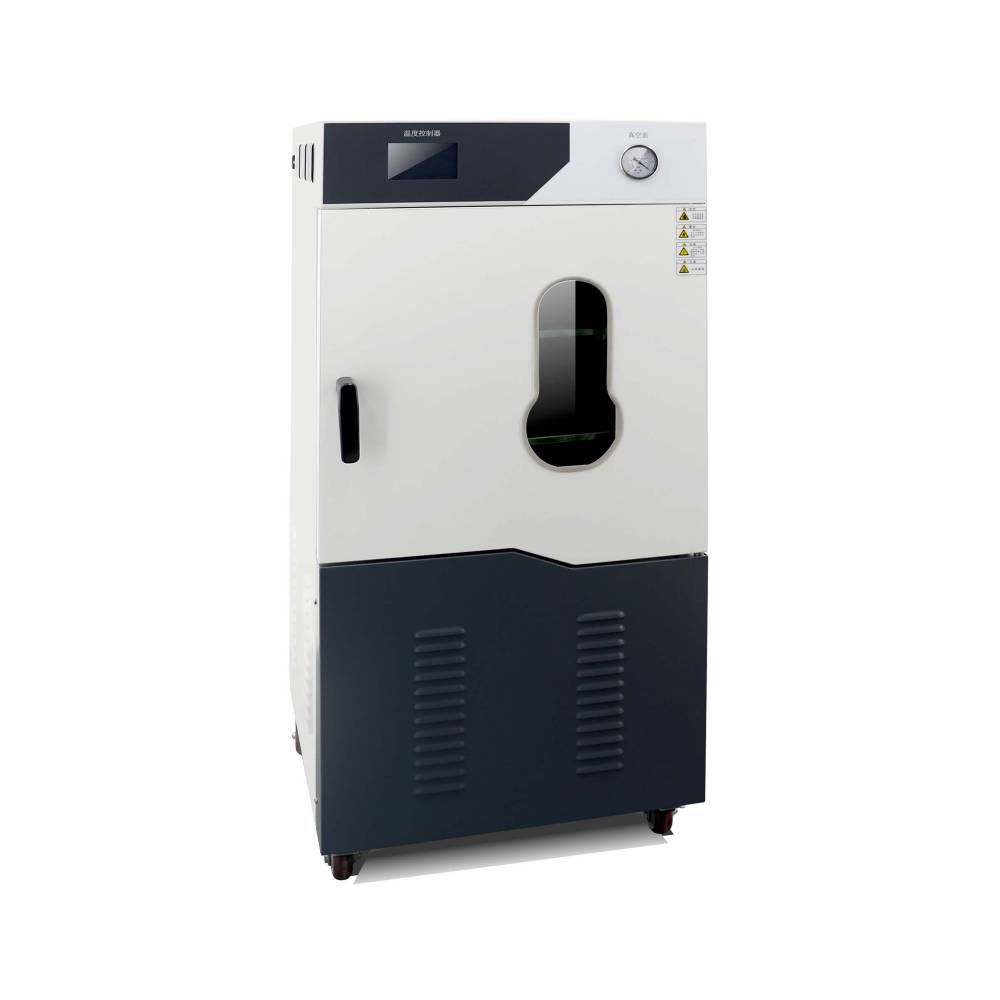
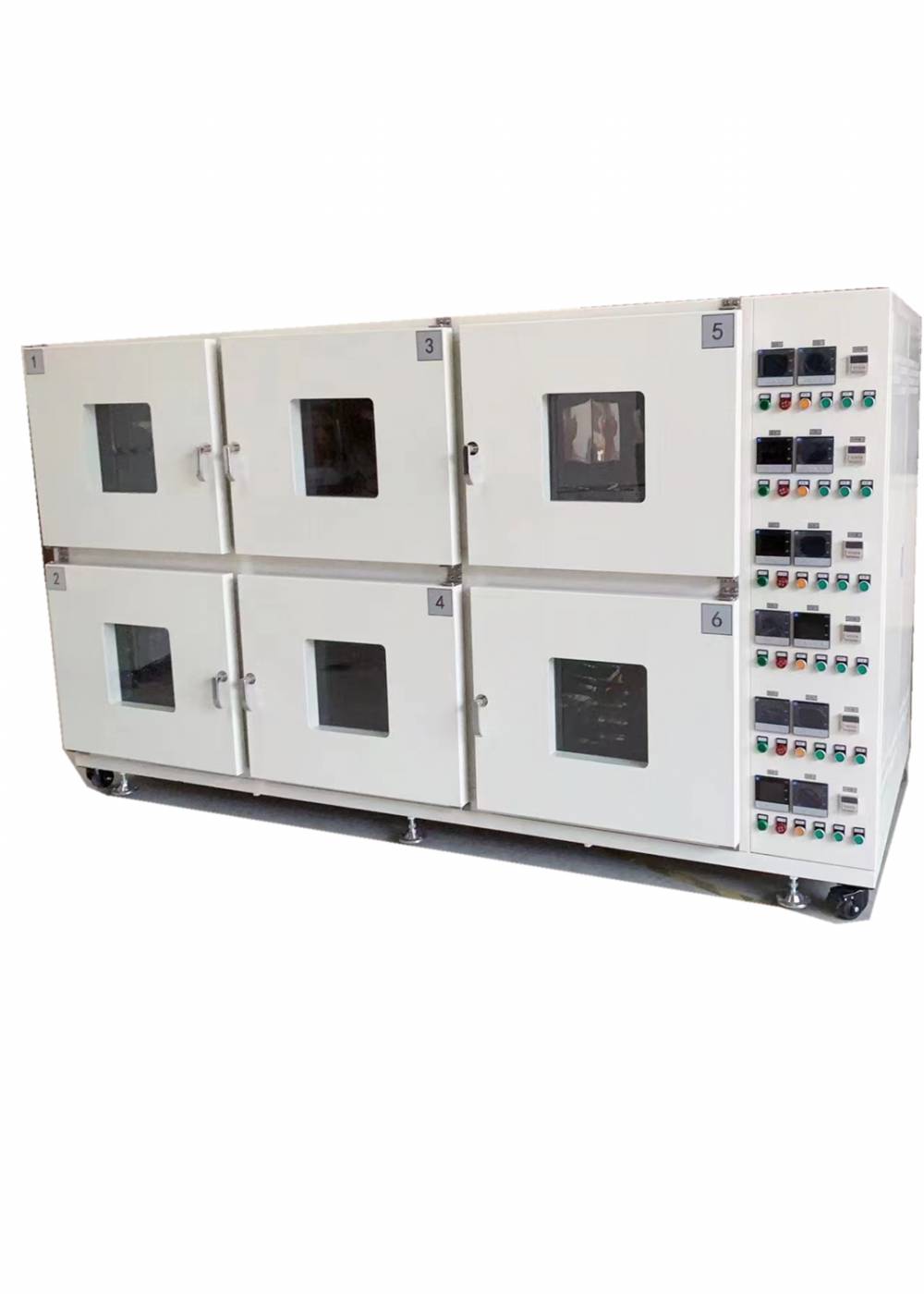
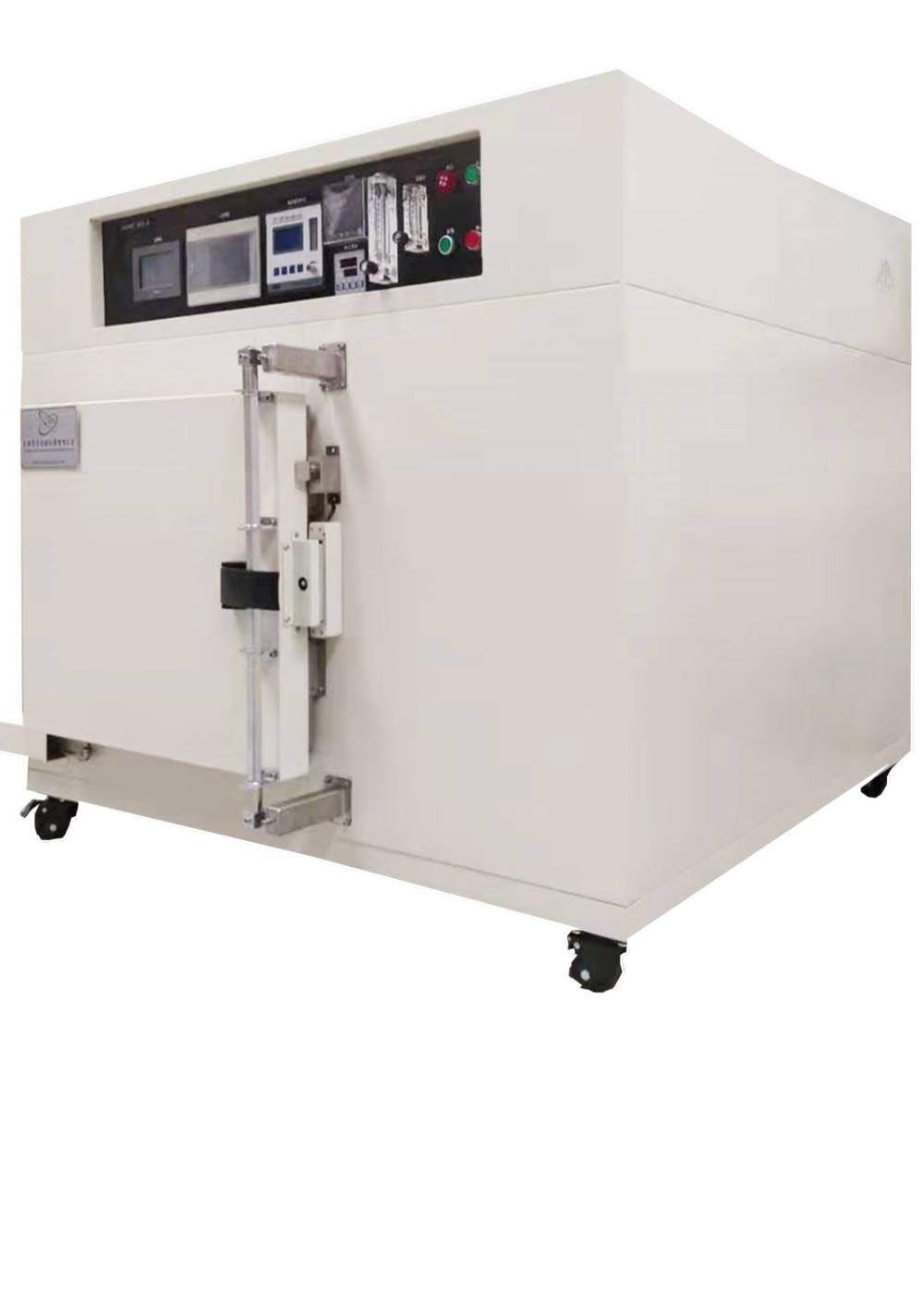
Cleanroom Ovens 100 Class Cleanroom Ovens Nitrogen Filled Cleanroom Ovens Hard Coating OvensIntroduction:
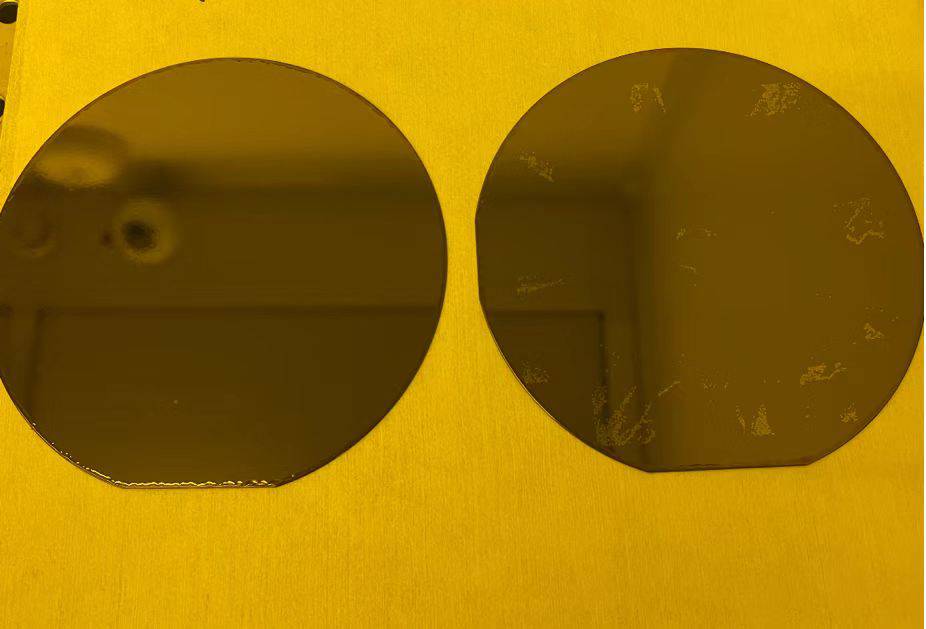
Cleanroom ovens are used for the hardening process in the manufacturing of high-precision silicon thin-film resistors, pre-treatment baking before coating of silicon wafers, niobium lithium, rubber, glass, and other materials in semiconductor manufacturing, post-coating hardening baking, and high-temperature baking after imaging; they are also suitable for electronic liquid crystal displays, LCDs, CMOS, IS, and laboratory production and scientific research departments; and can also be used for drying, heat treatment, aging, and other high-temperature tests of non-volatile and non-flammable or explosive items.
Cleanroom Ovens 100 Class Cleanroom Ovens Nitrogen Filled Cleanroom Ovens Hard Coating OvensTechnical Specifications:
Temperature Range | Room temperature +10℃ to 250℃ |
Temperature fluctuation | ±0.5℃ |
Uniformity of Temperature | ≤±2℃ |
Temperature overshoot | ≤5℃ |
Studio size (single cavity) | Customized to specifications |
Cleanliness (Class) | 100 Class (Compliant with FED-STD 209E) |
Power | Based on internal dimensions |
Airflow Control Method | Forced recirculation ventilation, the control system adjusts the heater's output based on the set temperature points by using PID automatic calculation, ultimately achieving balance. |
Airflow Circulation Device | Built-in air conditioning room, recirculating air ducts, and ventilation motors |
Heating Method | High-quality stainless steel heater |
Partition | Each cavity is equipped with two partitions, made from stainless steel plates with punched holes. |
Outer wall material of the box | Cold Rolled Steel Sheet Electrostatic Powder Coating |
Interior wall material of the box | Argon arc welding (SUS316 or SUS304) on the interior wall of stainless steel plates |
Insulation materials | High-quality ultra-fine nano glass wool |
Nitrogen Interface | The box is capable of expelling the air inside, ensuring the silicon wafers are baked under nitrogen; the nitrogen flowmeter needs to be installed on the front of the box, and the air intake is installed on the rear. |
Electromagnetic Door Lock Features | The device features a timed door lock opening function, equipped with an electromagnetic lock and a timer. While in operation, the electromagnetic lock secures the door. Once the timer reaches the set time, the electromagnetic lock is de-energized to unlock the door, with simultaneous audio-visual alerts (Note: The timer controls only the electromagnetic lock and the audio-visual alarm, not the heater or motor). The device also includes an automatic/manual timed switch, allowing the electromagnetic lock to be manually activated when timing is not required (the timer has a reset function). |
Over-temperature Protection Device | Utilizing an independent over-temperature protection device to ensure temperature does not exceed limits; upon activation of the protection device, the heating power supply is automatically cut off and an audible and visual alarm is triggered. The over-temperature protection controller features an LED display controller. |
Timing Method | The timer starts when the temperature reaches the set value and an alarm sounds upon completion. |
Exhaust vent | 50mm diameter exhaust vent, equipped with a regulating valve |
Cavity door sealing integrity | High-temperature resistant sealing strip > 300℃ |
Grounding Safety | Safety protection, grounding wire |
Electrical Safety Protection | Fan overload protection; heating system over-temperature protection |
| Cleanroom Ovens | 100 Class Cleanroom Ovens | Nitrogen Filled Cleanroom Furnaces | Hard Coating Ovens | |
MES Interface | MES Interface, compatible with MES Systems |
Manage records and forms related to production units, including work instructions, recipes, engineering drawings, standard operating procedures, CNC machining programs for parts, batch processing records, engineering change notices, and inter-shift communication logs, and provides a feature for scheduled editing of information. | |
Access records and production data parameters filled out on tables for various operations via the data collection interface. | |
Provide information on the part's location and status at any given time. The status information may include: details of personnel performing the work; components and materials categorized by supplier, product batch and serial numbers, current production status, warnings, rework, or any other exceptions related to the product. | |
Manage the flow of work between production units in the forms of assignments, orders, batches, lots, and work orders. | |