


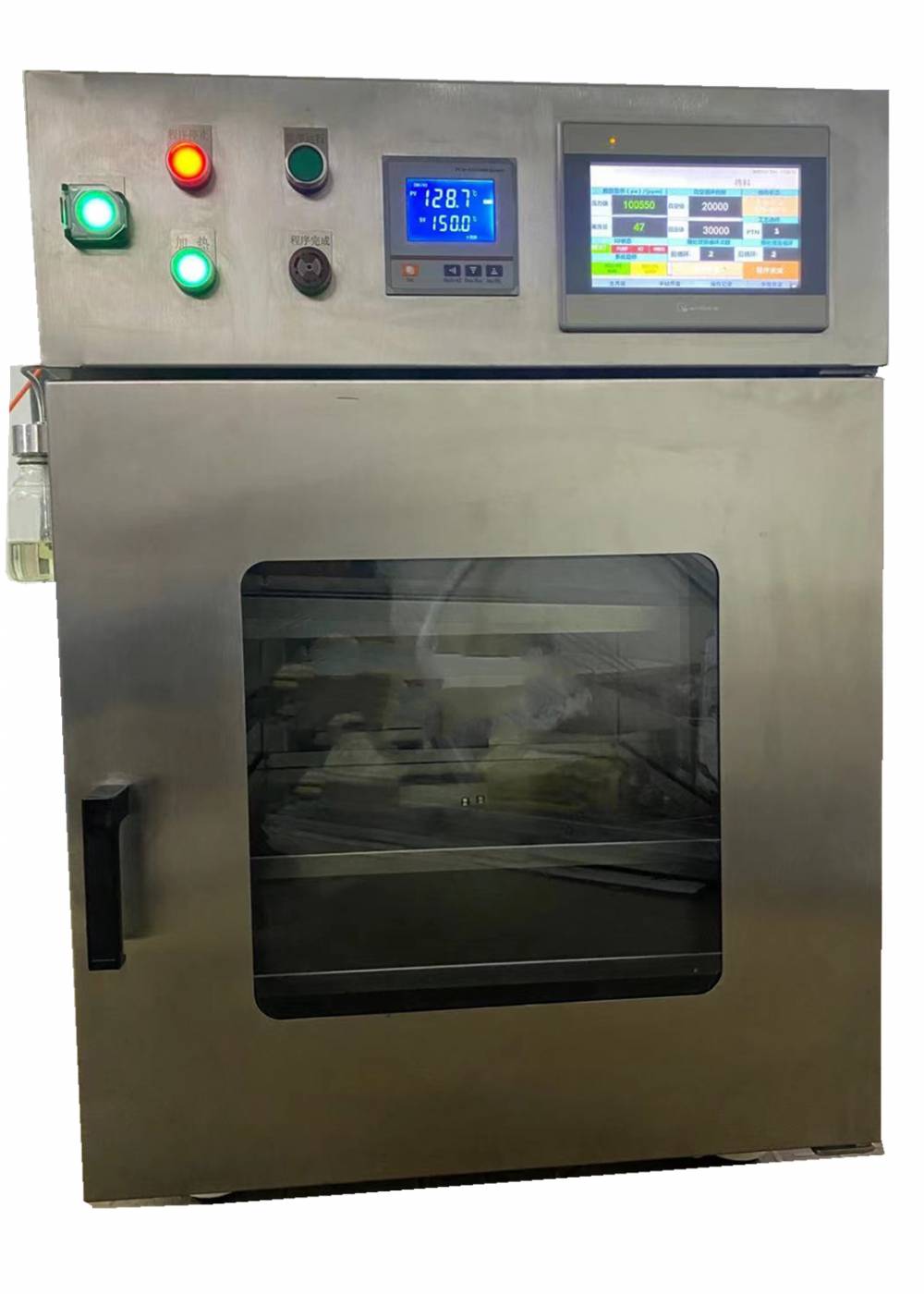

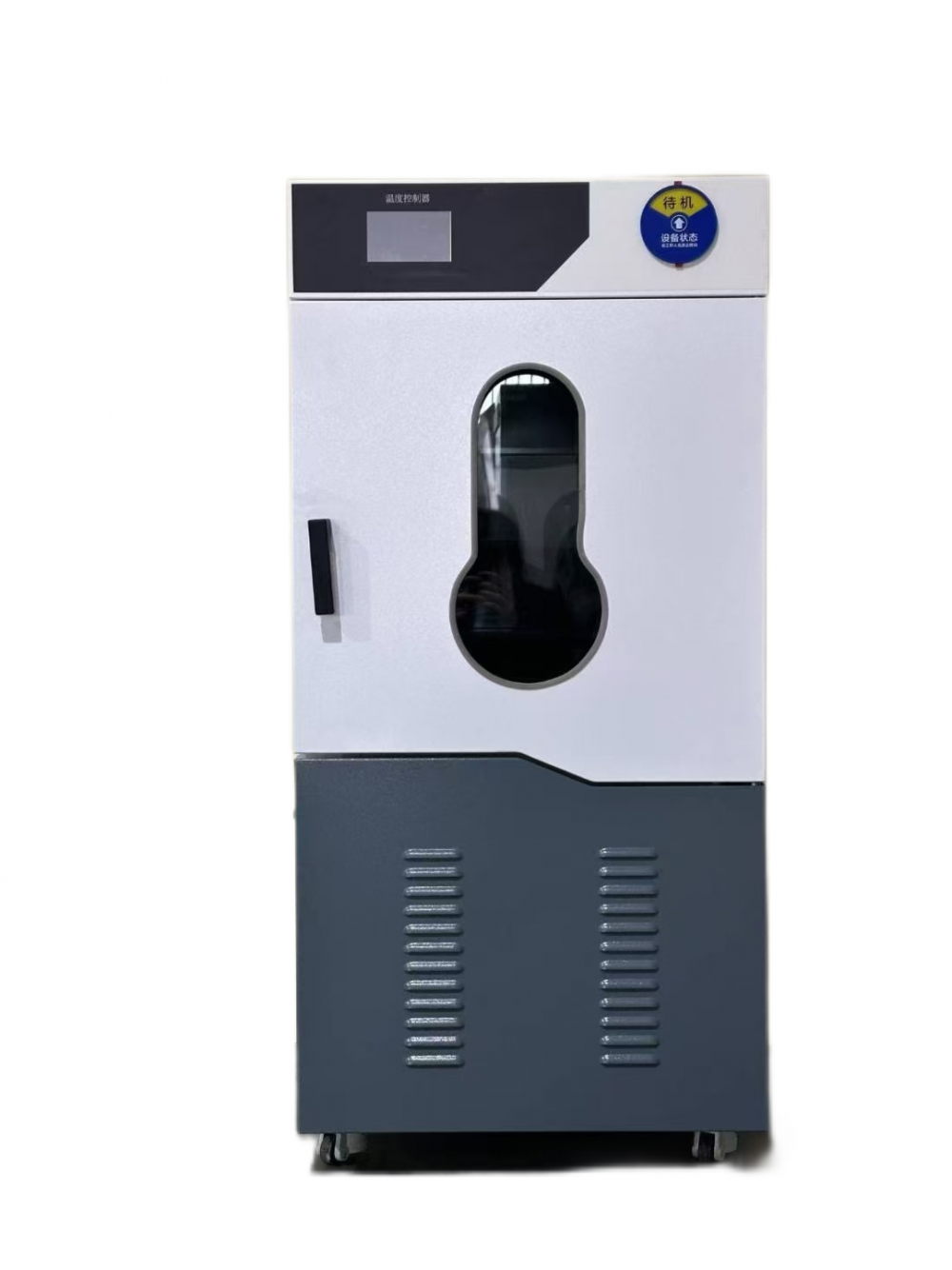












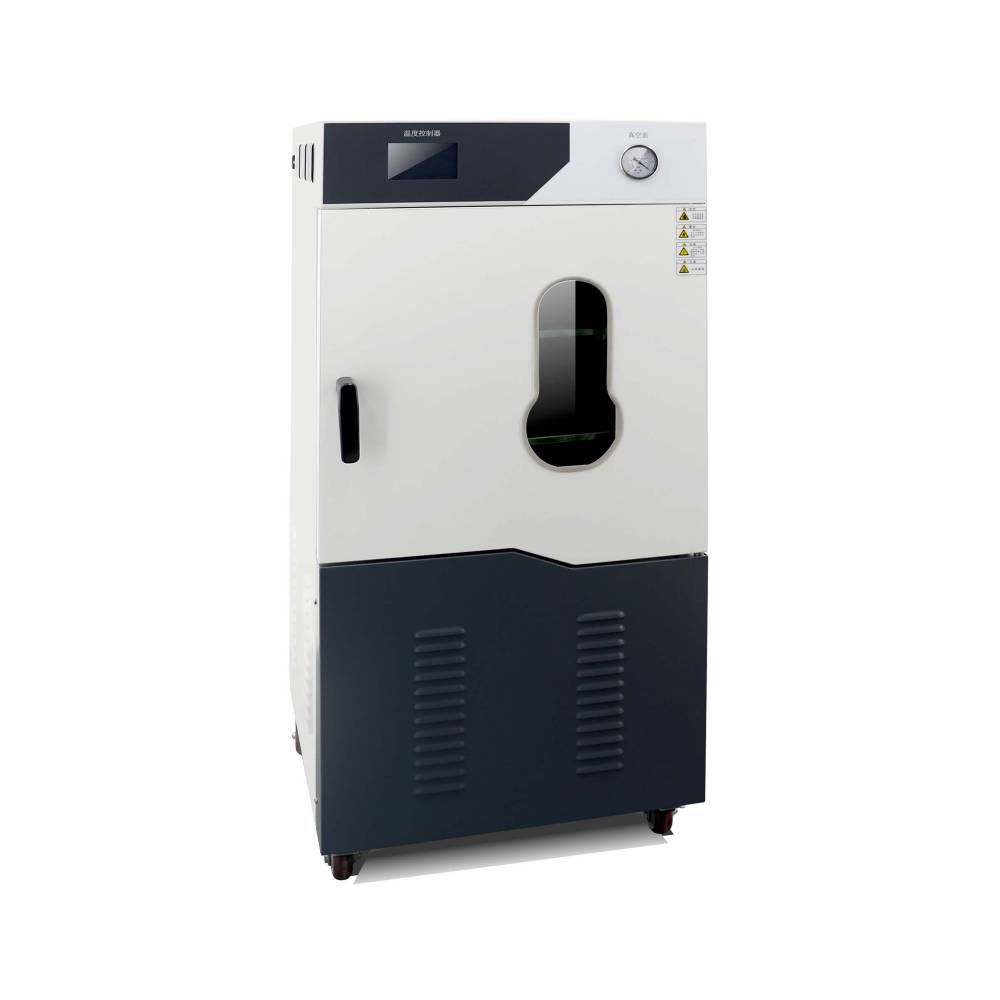
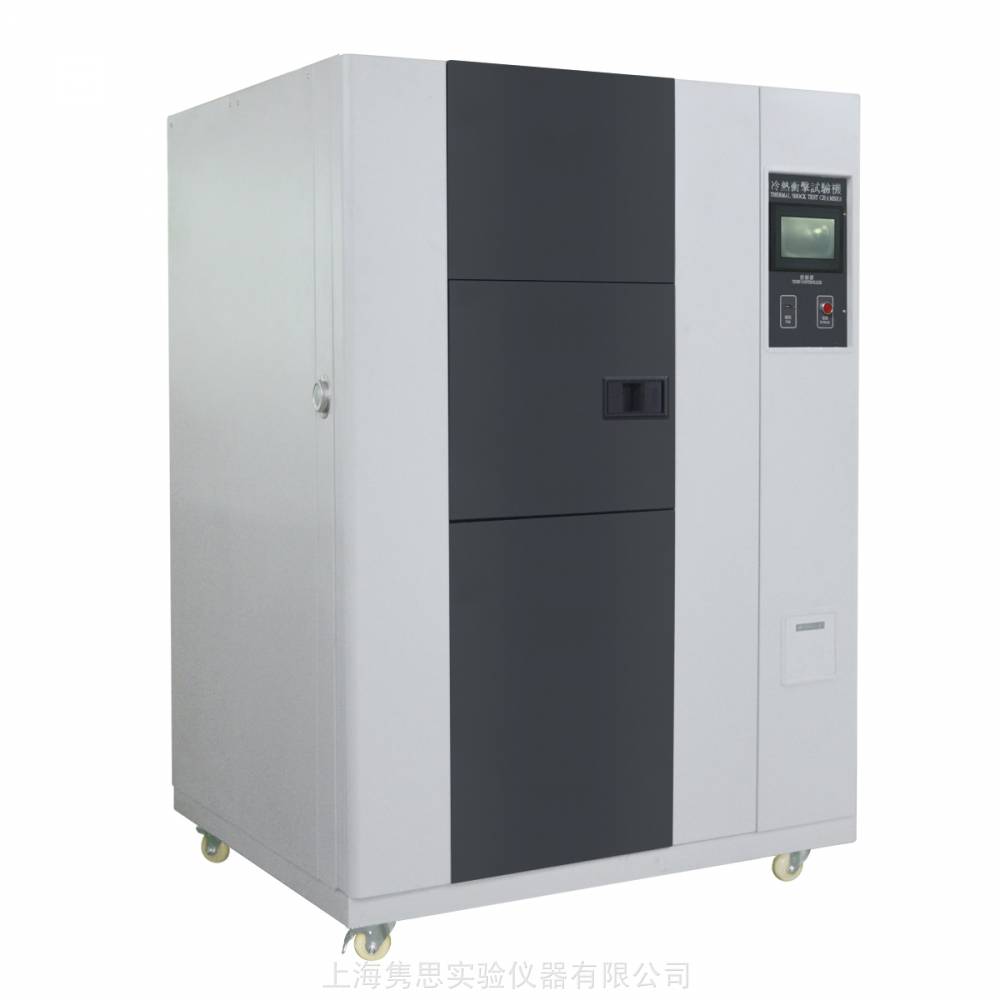
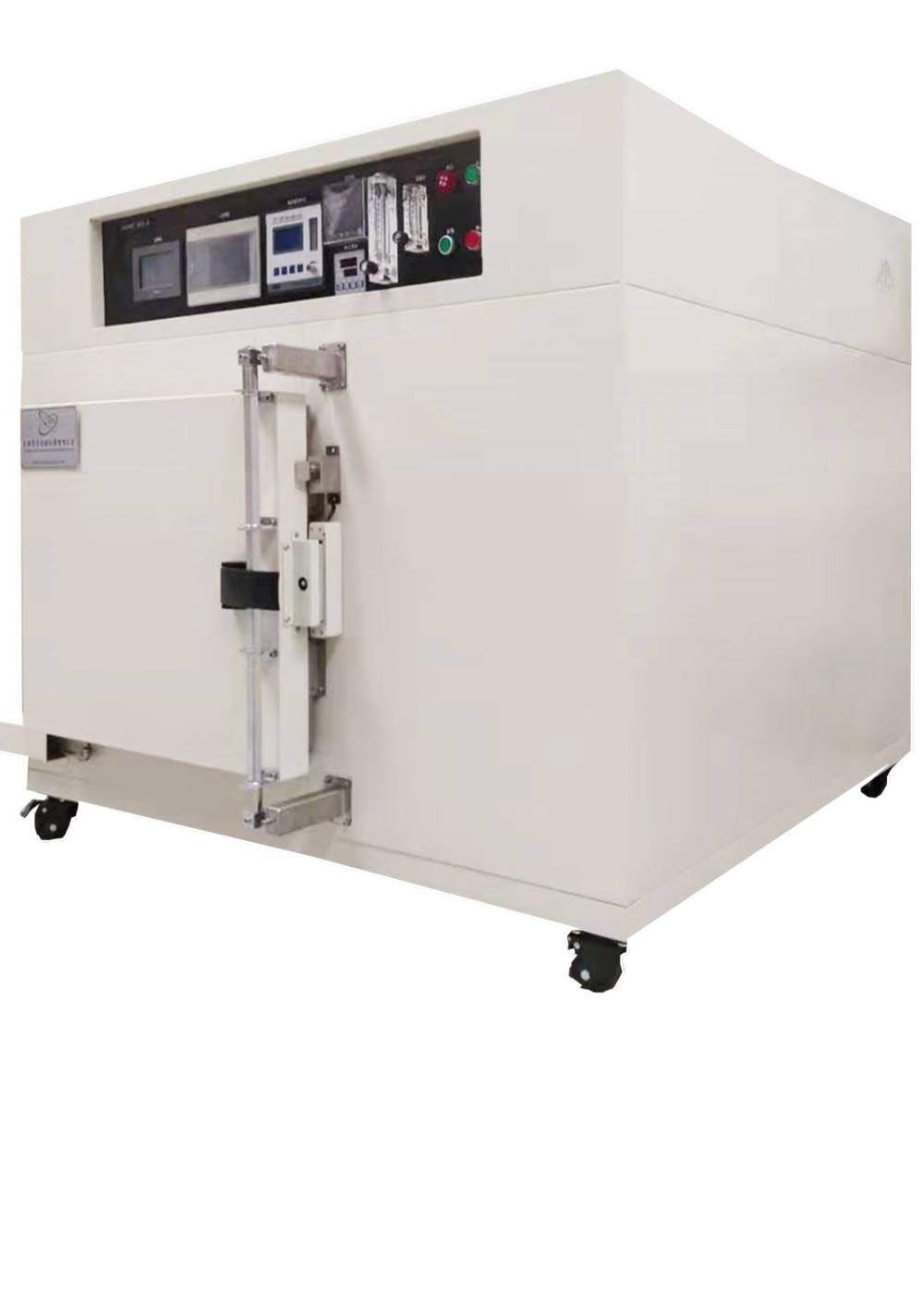
The HMDS vacuum oven is a crucial equipment in semiconductor lithography processes, primarily used for wafer surface pre-treatment, enhancing the adhesion between the photoresist and the wafer through hexamethyldisilazane (HMDS) coating. Below are its core features and application information:
I. Primary Uses
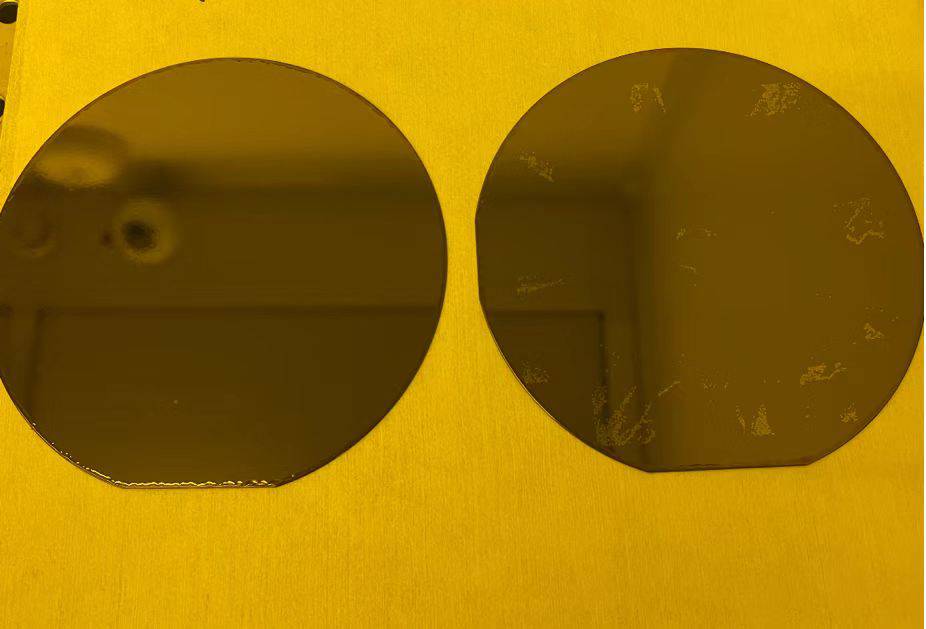
Surface Modification: Through reaction with HMDS on the substrate surface, hydrophilic surfaces are converted into hydrophobic surfaces, enhancing the adhesion of photoresist.
。Dehydration and Drying: Under vacuum at high temperatures of 100℃-200℃, remove moisture from the wafer surface to minimize defects in photoresist coating.
。
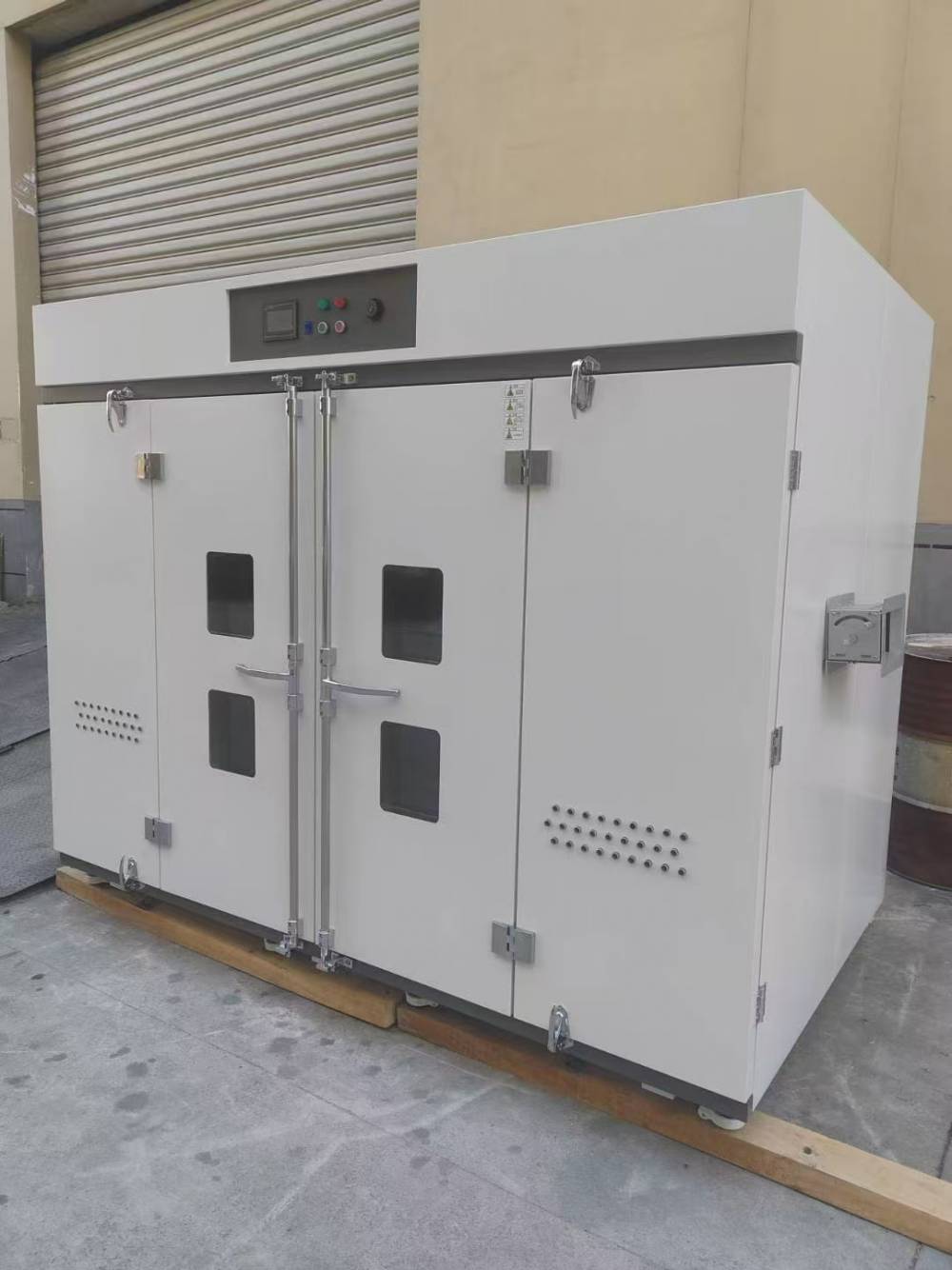
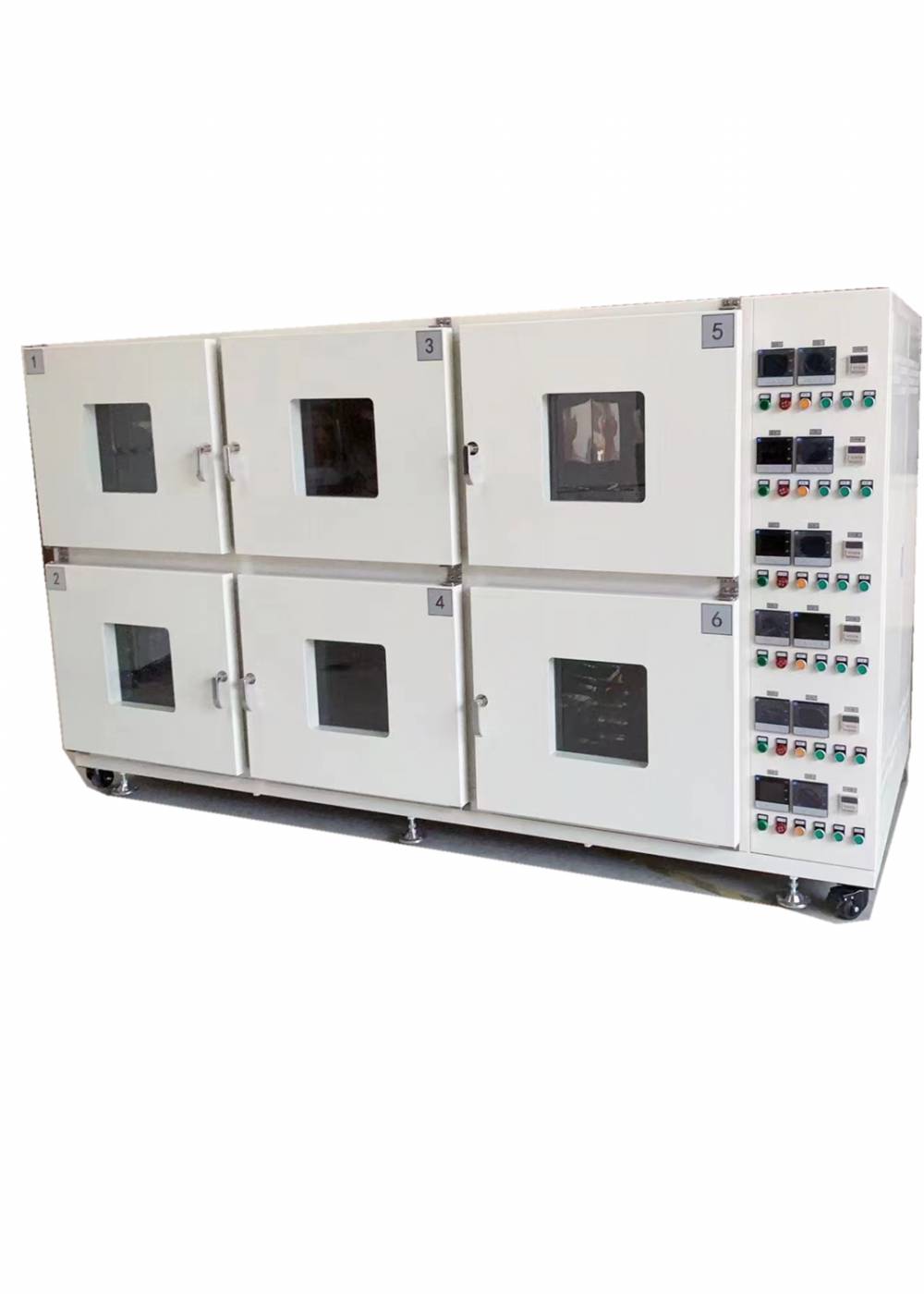
Large HMDS Vacuum Oven, 4-Door HMDS Vacuum Oven, Custom Equipment for HMDS Sputtering Machine Structure Features
Material: Constructed with a 316L stainless steel inner lining, corrosion-resistant and suitable for dust-free cleanroom environments.
Control System:
Microcomputer intelligent temperature control, temperature resolution 0.1℃, fluctuation ±0.5℃.
;Sealability: Silicone rubber door seal design, vacuum degree up to 133Pa
。
Touchscreen programming control, customizable for temperature, vacuum level, and time parameters.
。
Three,Large HMDS vacuum oven, 4-door HMDS vacuum furnaceTypical Workflow
Preheating Stage: After vacuuming, nitrogen is circulated and heated to the set temperature to remove moisture from the substrate._
;HMDS Treatment: Inert HMDS gas and maintain reaction time to form a uniform coating
;Exhaust Treatment: Vacuum pump extracts residual gases into a dedicated recovery system.
。
Section 4: Technical Parameters Example
Temperature Range: Room Temperature +10℃ ~ 250℃
;Volume Specifications: Standard model studio size 450×450×450mm (90L)
Power Configuration: AC 220V ±10%, Power 2400W
。
Five,Large HMDS Vacuum Ovens, 4-Door HMDS Vacuum FurnacesOperation Guidelines
Safety Operation: Turn off the vacuum pump only after the temperature has dropped to a safe level to prevent equipment damage.
;Maintenance Requirements: Regularly check the vacuum pump oil level and seal condition to ensure operational stability.
。






















