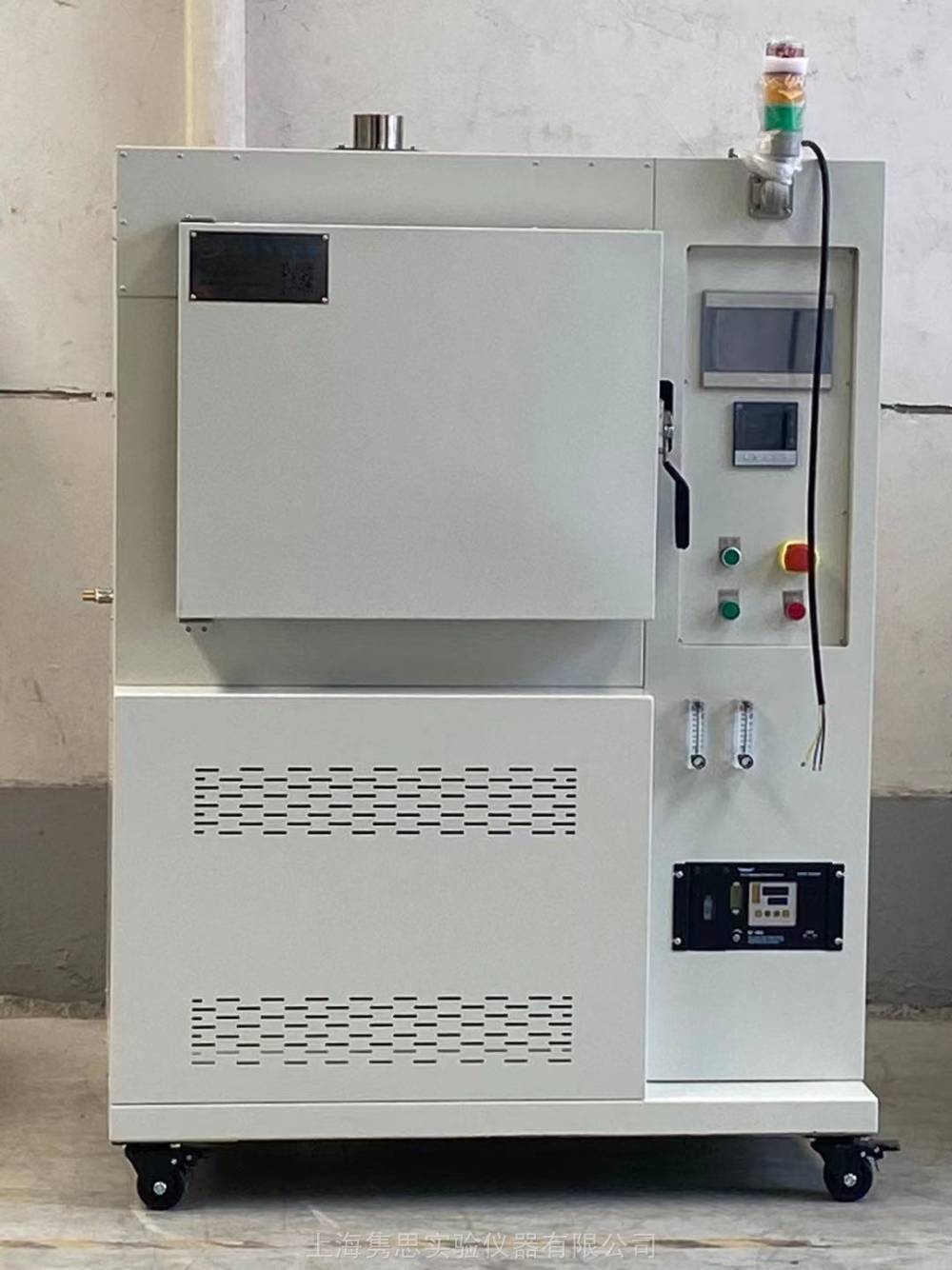

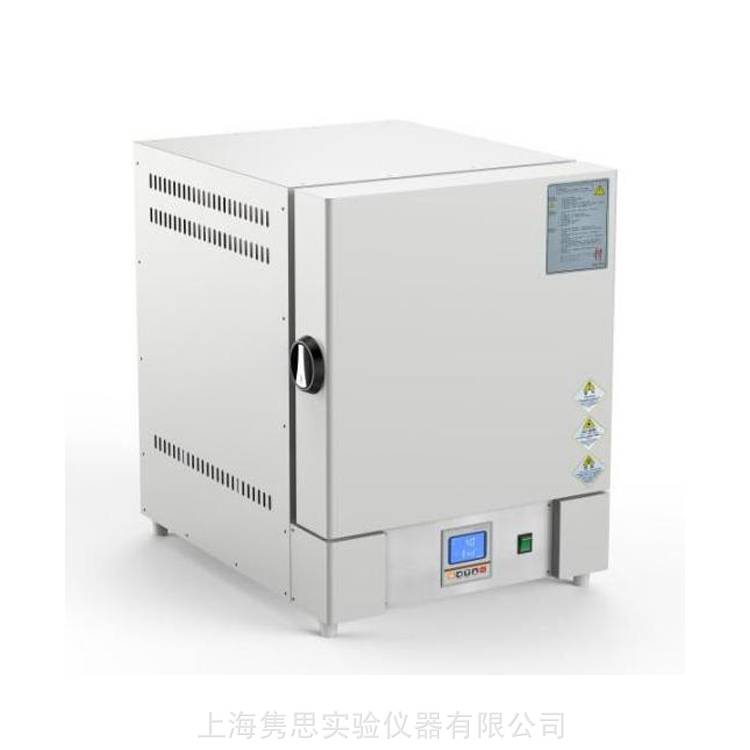
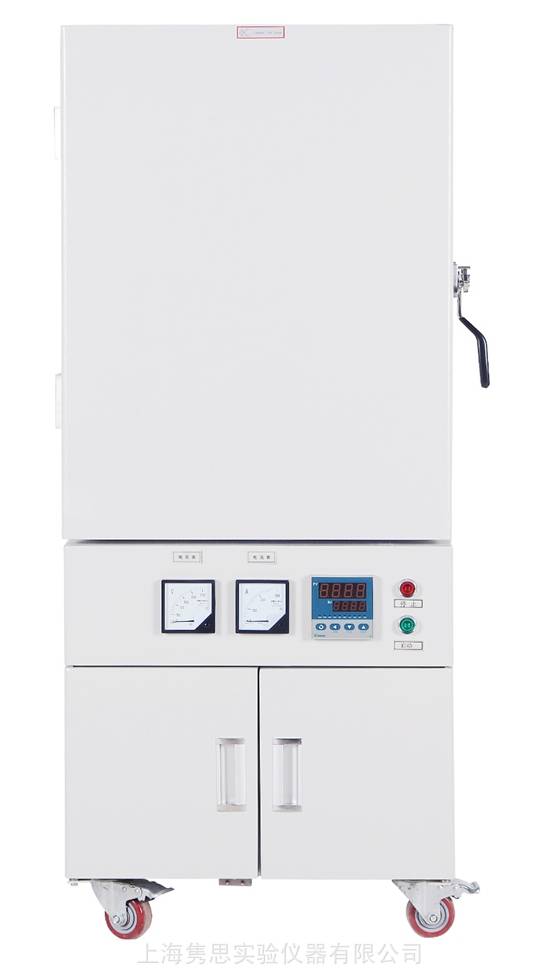










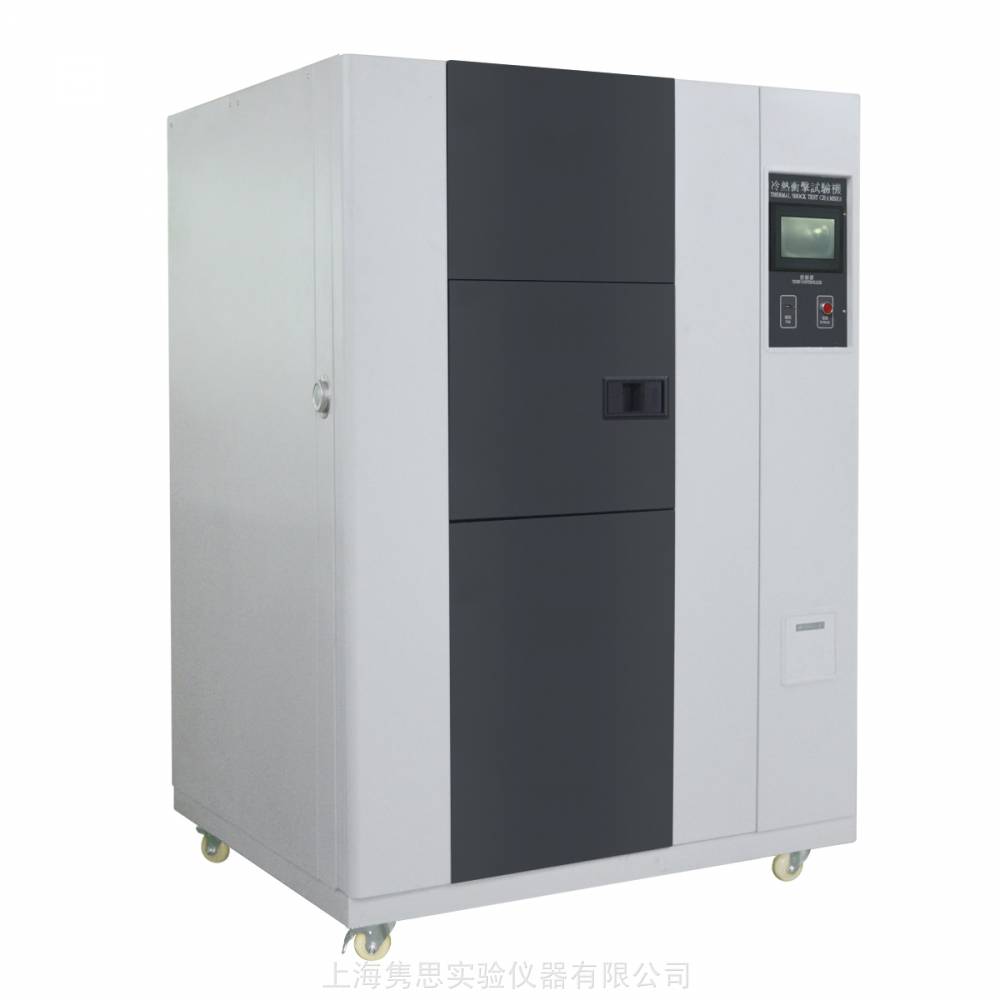
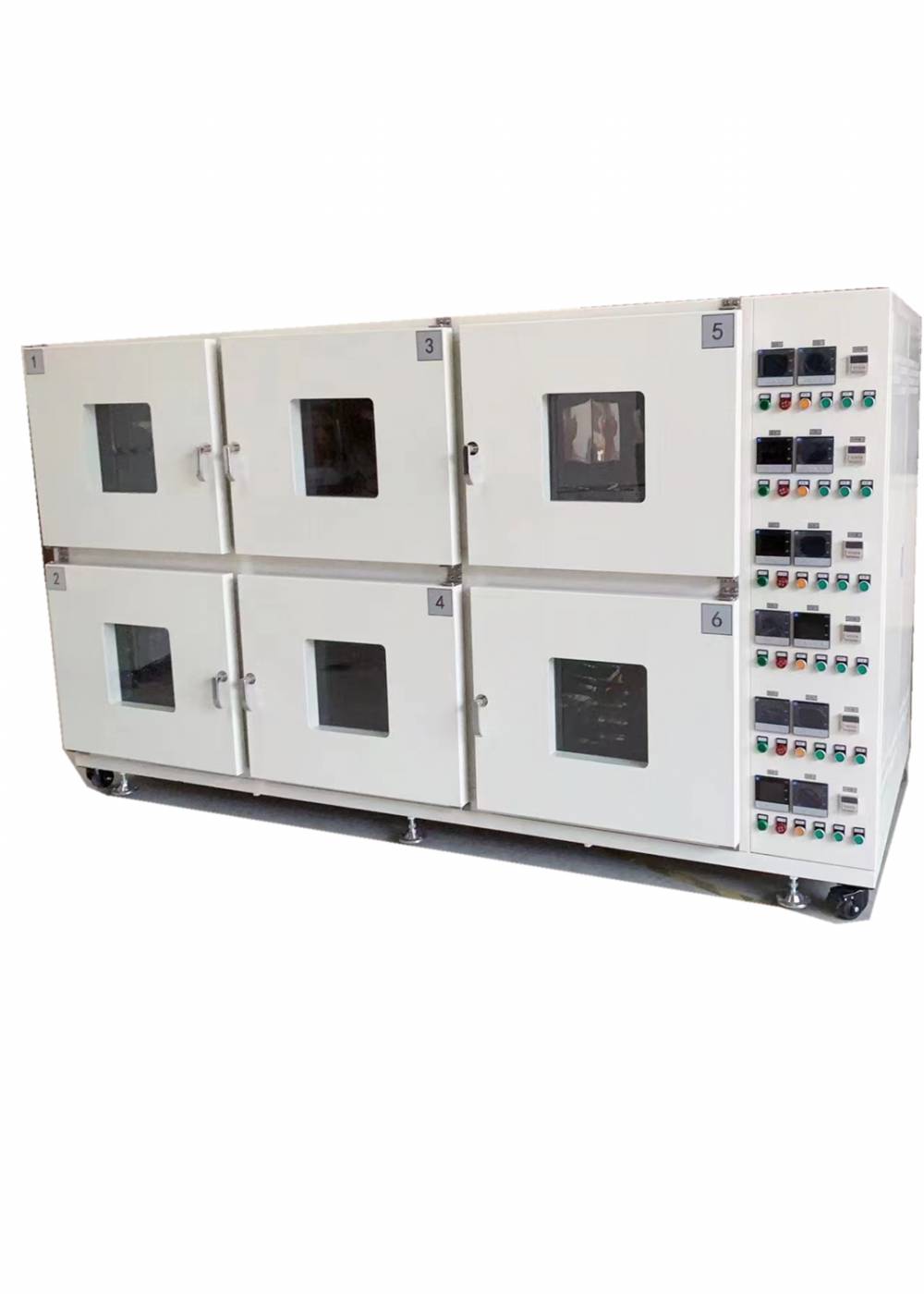
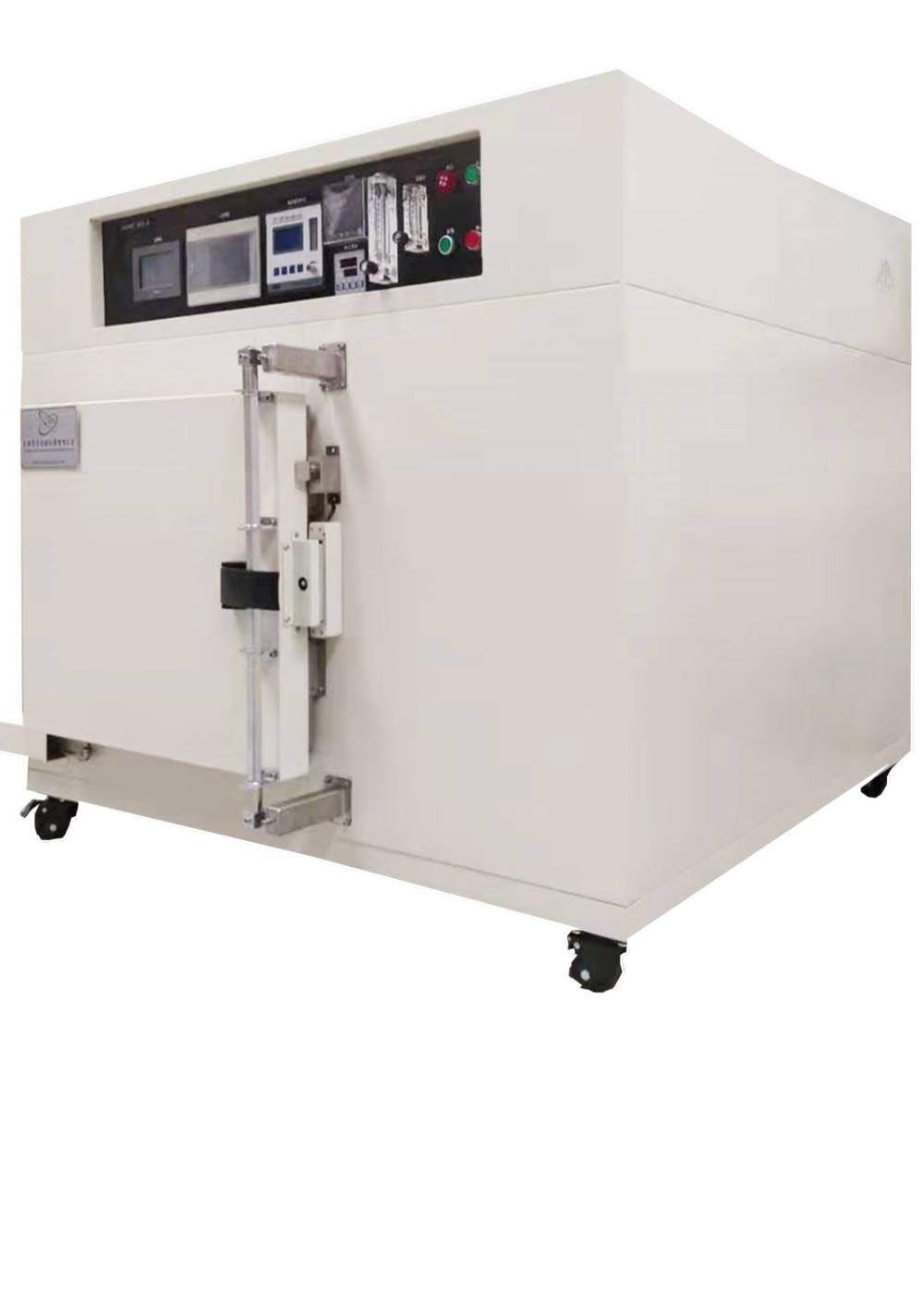
HMDS Oven HMDS Vacuum Oven Origin of the JS-hmds Vacuum Pretreatment System
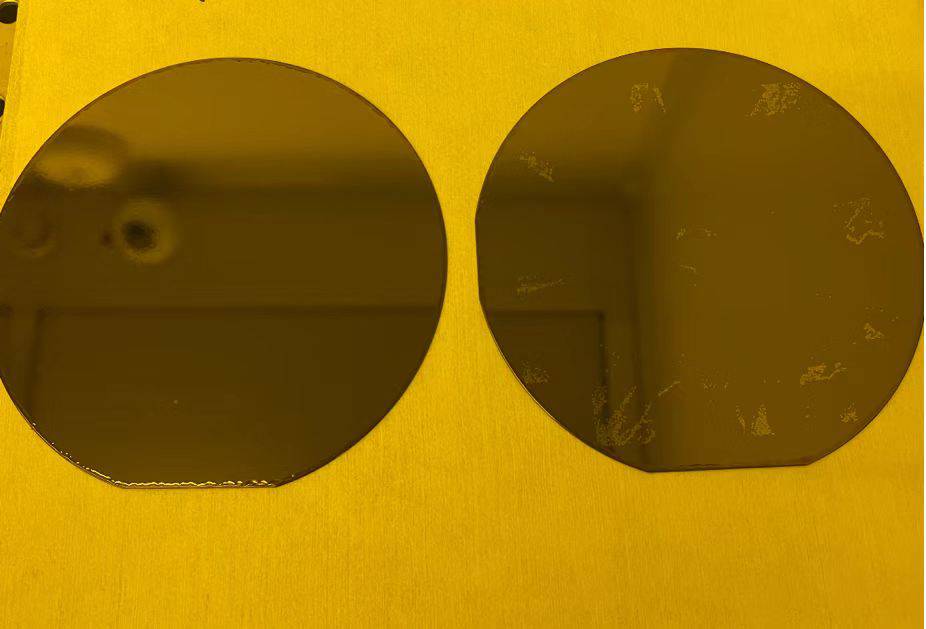
In semiconductor processes, photoresist coating is required on various substrates, and the adhesion is a critical issue. Poor adhesion leads to severe lateral corrosion, line broadening, and even potential complete loss of the pattern. Wet etching technology requires excellent adhesion between the photoresist and the underlying substrate.
Enhancing the adhesion between photoresist and substrate involves several steps:
Pre-treatment with dehydration hardening before coating.
b. Utilize an adhesive promoter, specifically HMDS (hexamethyldisiloxane) as an adhesive thickener for vapor coating.
c. Post-baking at high temperature.
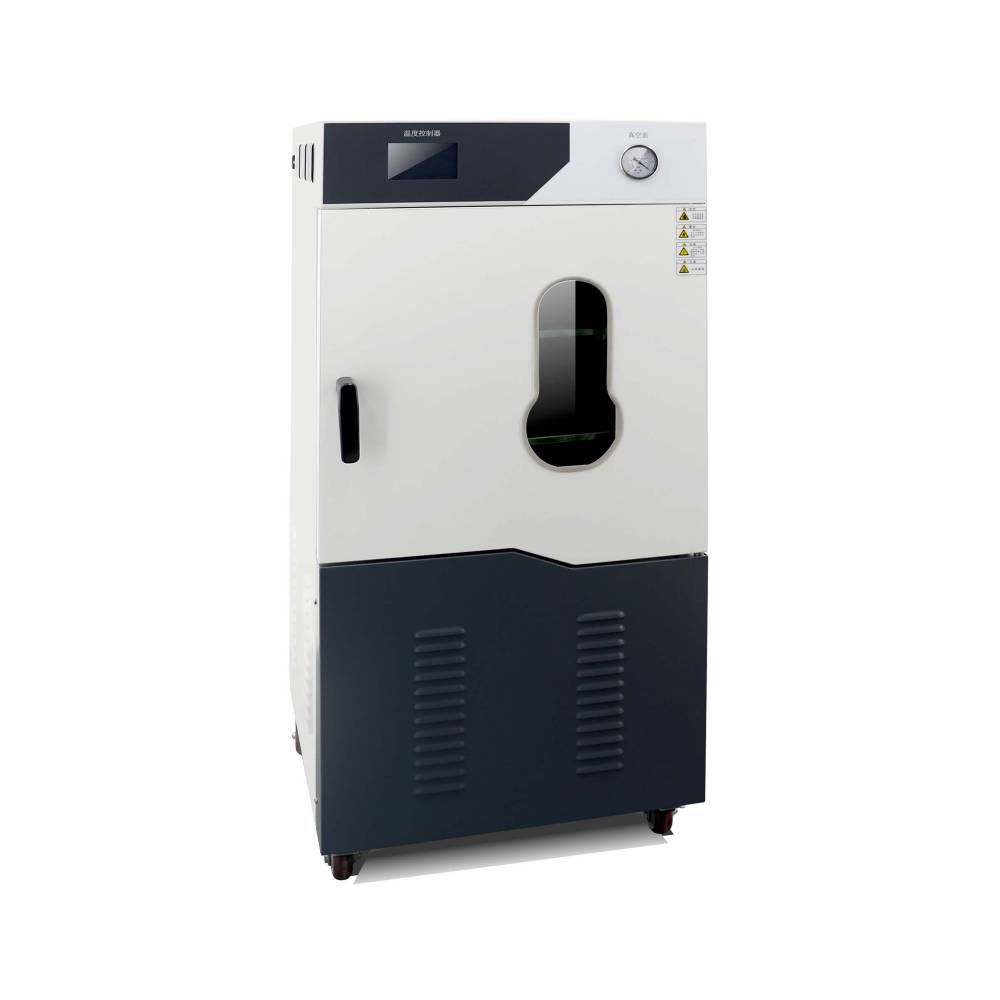
Achieving these processes requires only our company's HMDS vacuum oven.
HMDS Oven HMDS Vacuum Oven JS-hmds Vacuum Pretreatment System Performance
Temperature Range: RT+10-250℃
Vacuum Degree: ≤133Pa (1 Torr)
Control Instruments: Human-Machine Interface, One-Touch Operation
Vessel for Storage: HMDS Capacity 1000ml
Oil-Free Scroll Vacuum Pump
HMDS Oven HMDS Vacuum Oven JS-hmds Vacuum Pretreatment System Manufacturer
HMDS vacuum oven, also known asIntelligent HMDS Vacuum System After HMDS vapor deposition onto the surfaces of semiconductor manufacturing materials such as silicon wafers, niobium lithium, glass, sapphire, and wafers, the system heating can react to generate compounds primarily composed of siloxanes. It successfully transforms the surface of the silicon wafer from hydrophilic to hydrophobic, with its hydrophobic base capable of effectively bonding with photoresist, serving as a coupling agent.