



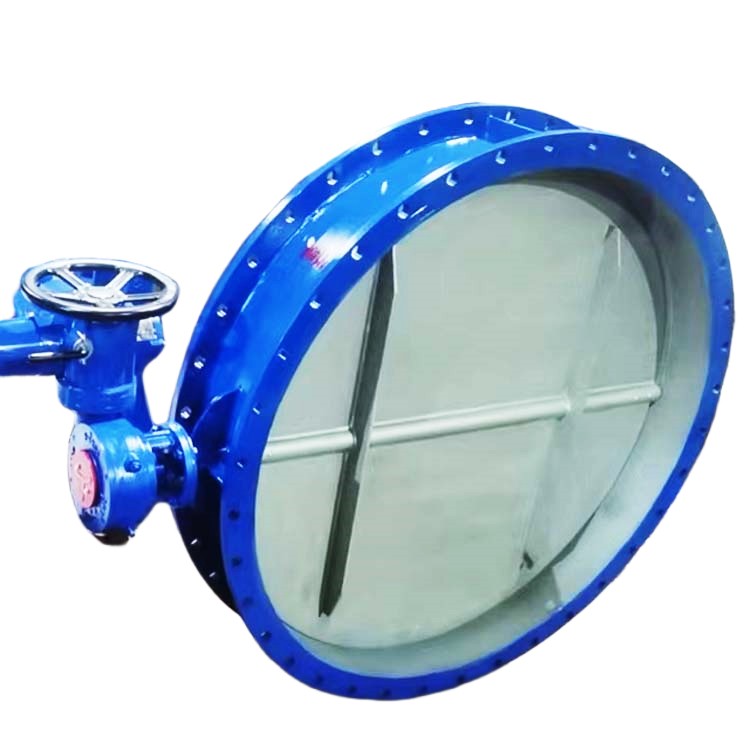














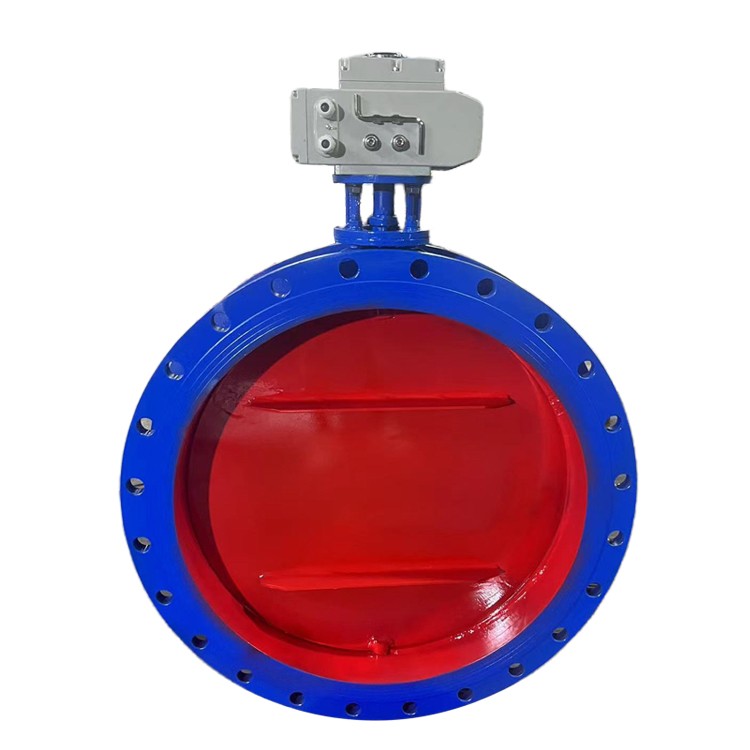
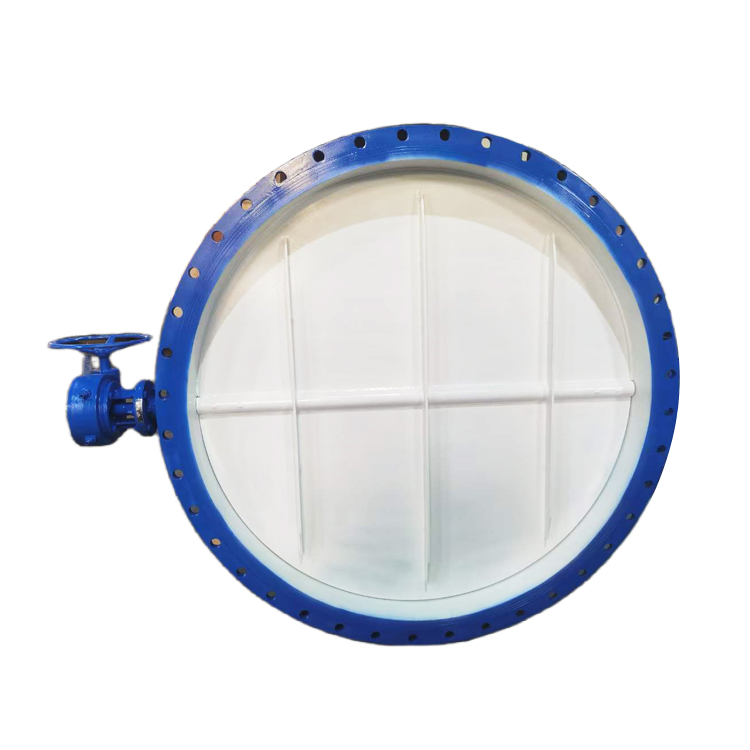

A manual/electric actuated butterfly valve is a ventilation butterfly valve that combines both manual and electric drive methods. It can be operated manually or driven by an electric actuator, suitable for regulating various gas, gas, and ductwork processes.
Structural Features
Manually/electrically operated air ventilation butterfly valves are designed and manufactured with a new structural form featuring a central-line butterfly plate and short structural steel plate welding. They offer a compact structure, lightweight, easy installation, low flow resistance, and high flow volume, while avoiding the influence of high temperature expansion and ensuring ease of operation. The valve is internally free of linkages and bolts, providing reliable operation, low failure rate, and a long service life.
Working Principle
Manual/Electric Ventilation Butterfly Valve is composed of an electric actuator and a butterfly valve. The electric actuator is mechanically connected, allowing the butterfly plate to rotate freely within a 90° range, achieving the purpose of opening/closing or regulating the medium flow. Manual operation is achieved by manually controlling the valve, where a 90° rotation completes the opening and closing.
Application Scenarios
Manually operated and electrically powered butterfly valves are widely used in ventilation regulation for industries such as building materials, metallurgy, mining, and power. Particularly suitable for industrial, metallurgical, and environmental protection pipelines, they are used to regulate the flow of ventilation medium. They are applicable in dust-containing cold or hot air gas pipelines, such as smelting plants and chemical factories that require the discharge of smoke or waste gases. They are used to control the volume and direction of exhaust outlets, ensuring that waste gases meet emission standards and improve the quality of the working environment.

















