
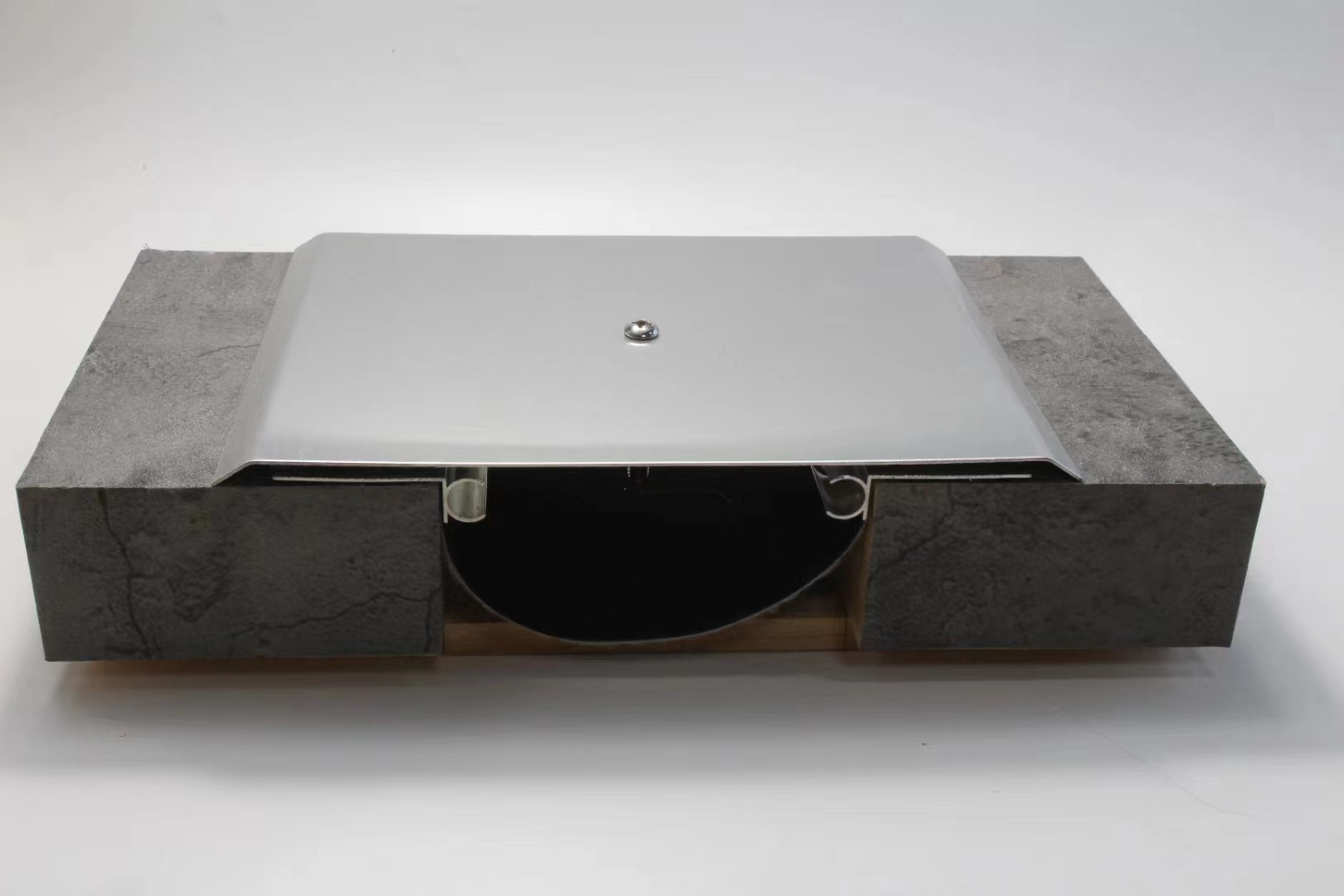


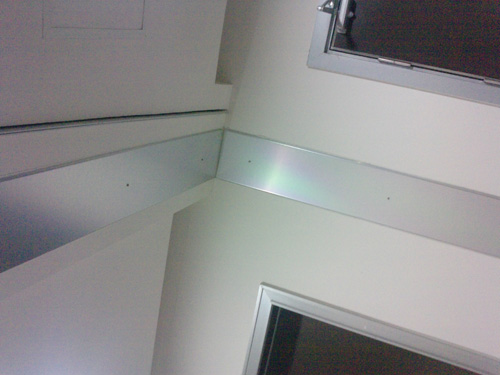







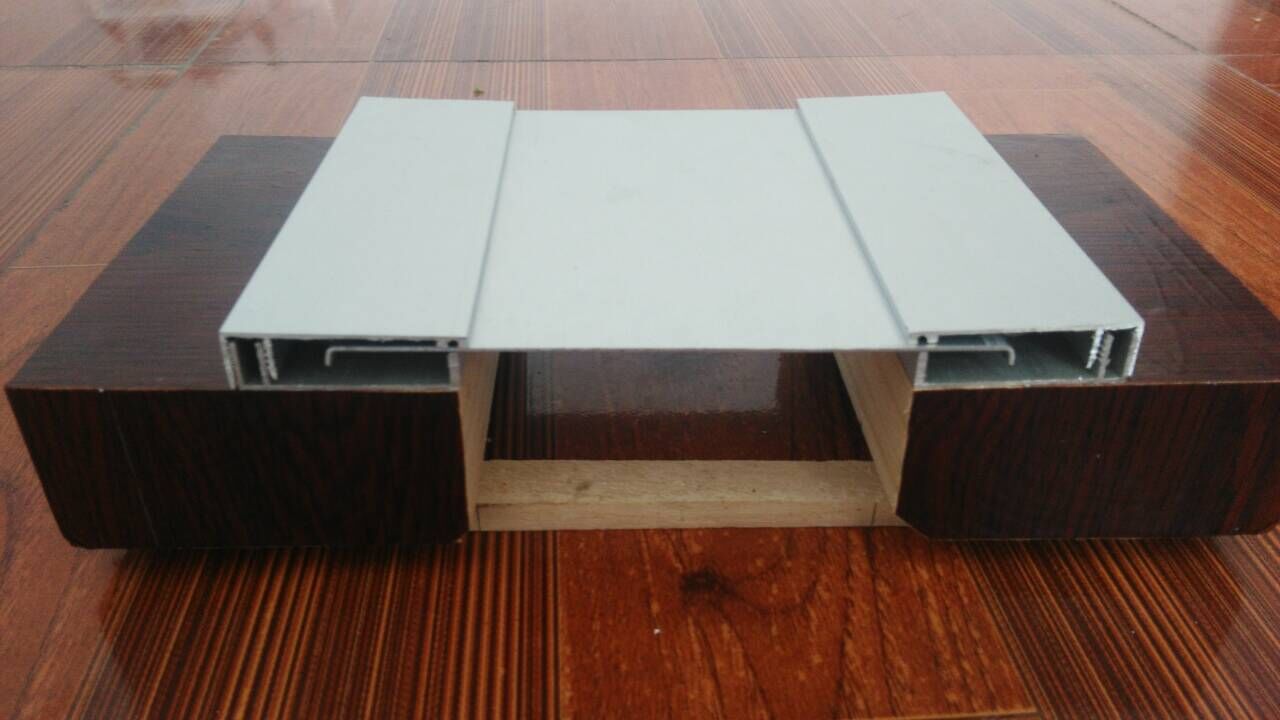
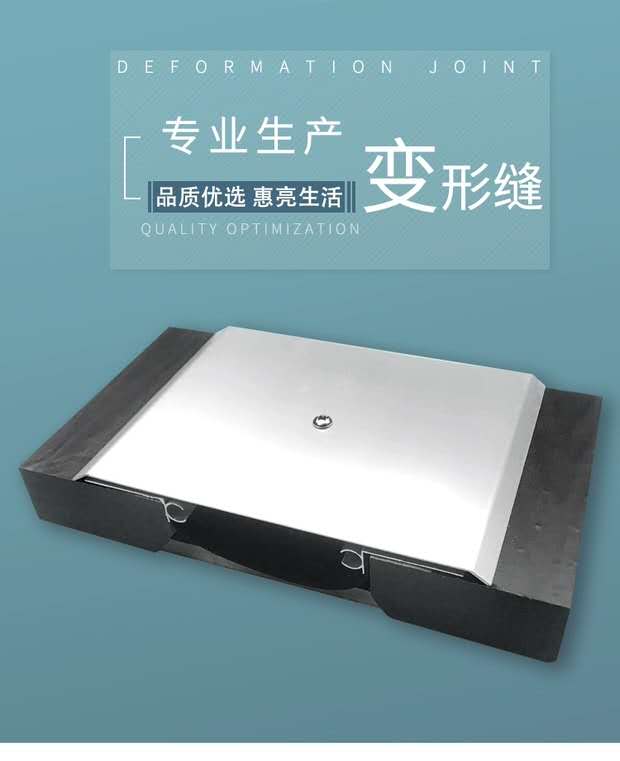
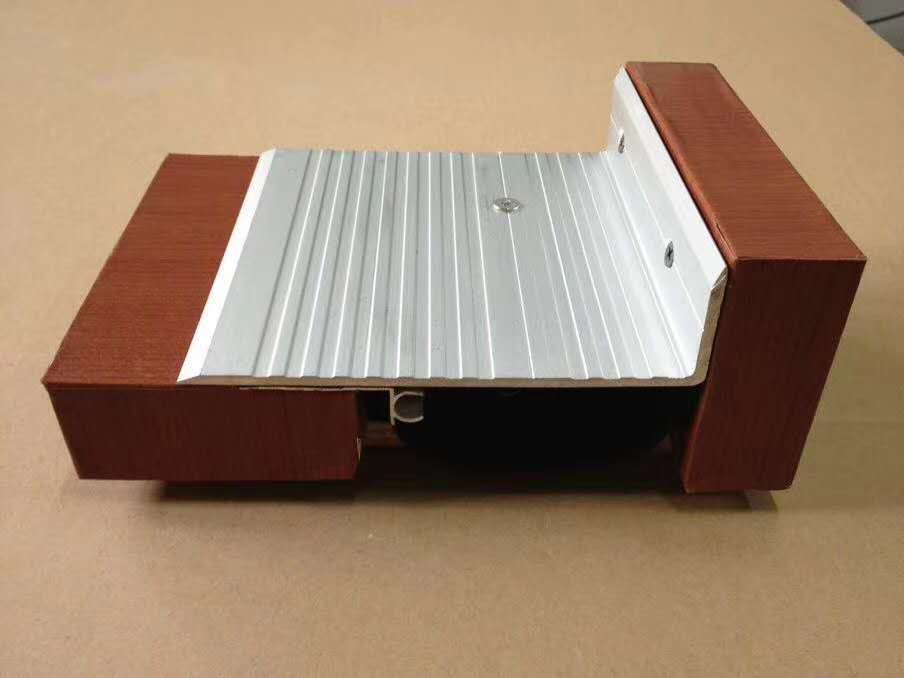
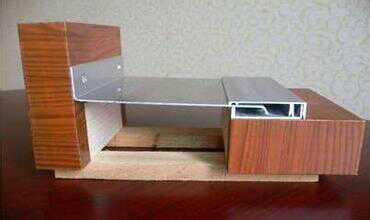
Expansion joints can be categorized into three types: expansion joints, settlement joints, and seismic joints.
Expansion joints: Due to changes in temperature and humidity, building components may experience expansion and contraction. To address this, vertical gaps are typically set at appropriate locations in the structure, separating the walls, floor slabs, and roofs from the foundation upwards, dividing the structure into several sections. For gaps set to overcome excessive temperature differences, the foundation may remain unbroken, with the structural break occurring from the foundation surface to the eaves.
Seismic joint: To make the building more regular

 Seams set for seismic resistance in the structure, the foundation can remain unbroken. The purpose of their placement is to divide large buildings into smaller sections, creating relative seismic units, and to prevent overall disharmony in vibrations caused by earthquakes, which could lead to destruction.
In seismic-resistant areas, settlement joints and expansion joints must meet the requirements of seismic joints.
Settlement joints: Structural seams designed to prevent cracking in walls or other structural components due to uneven settlement, caused by significant height differences within a single building, uneven distribution of loads at the top, or construction on different types of subsoil. These joints divide the building into several sections, each with its own system from the foundation, walls, floors to the roof, all disconnected from each other. The width of the joints is typically 70-100 millimeters. Vertical joints that separate the building or structure into segments from the foundation to a certain height, used to prevent uneven下沉 (sinking) in different sections and the resulting cracks.