
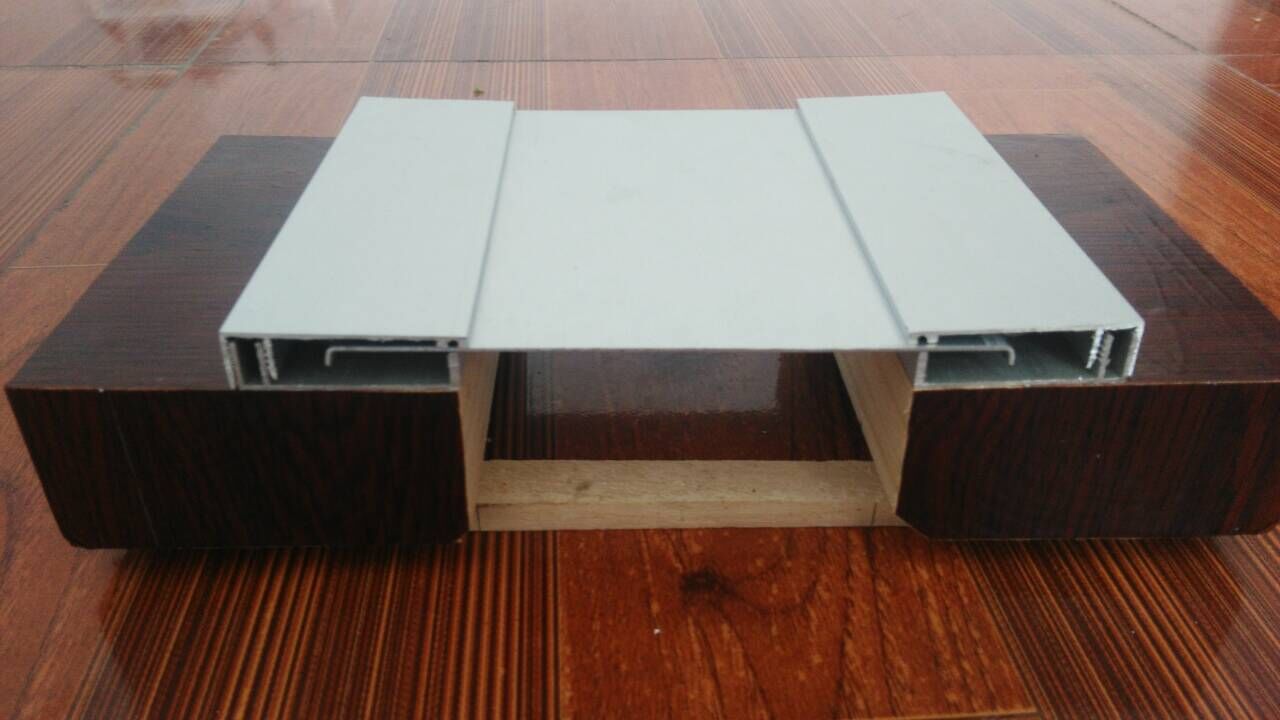

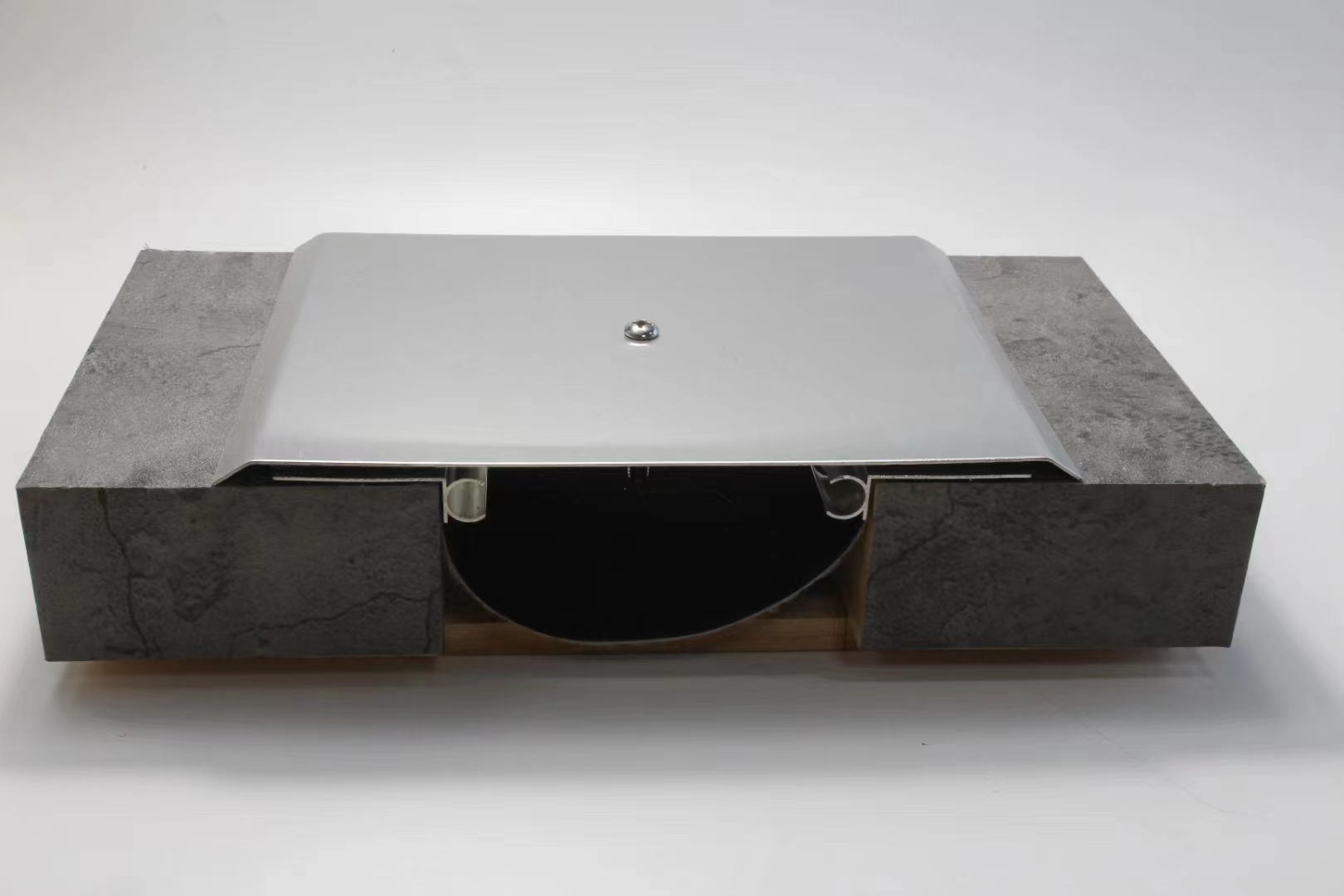
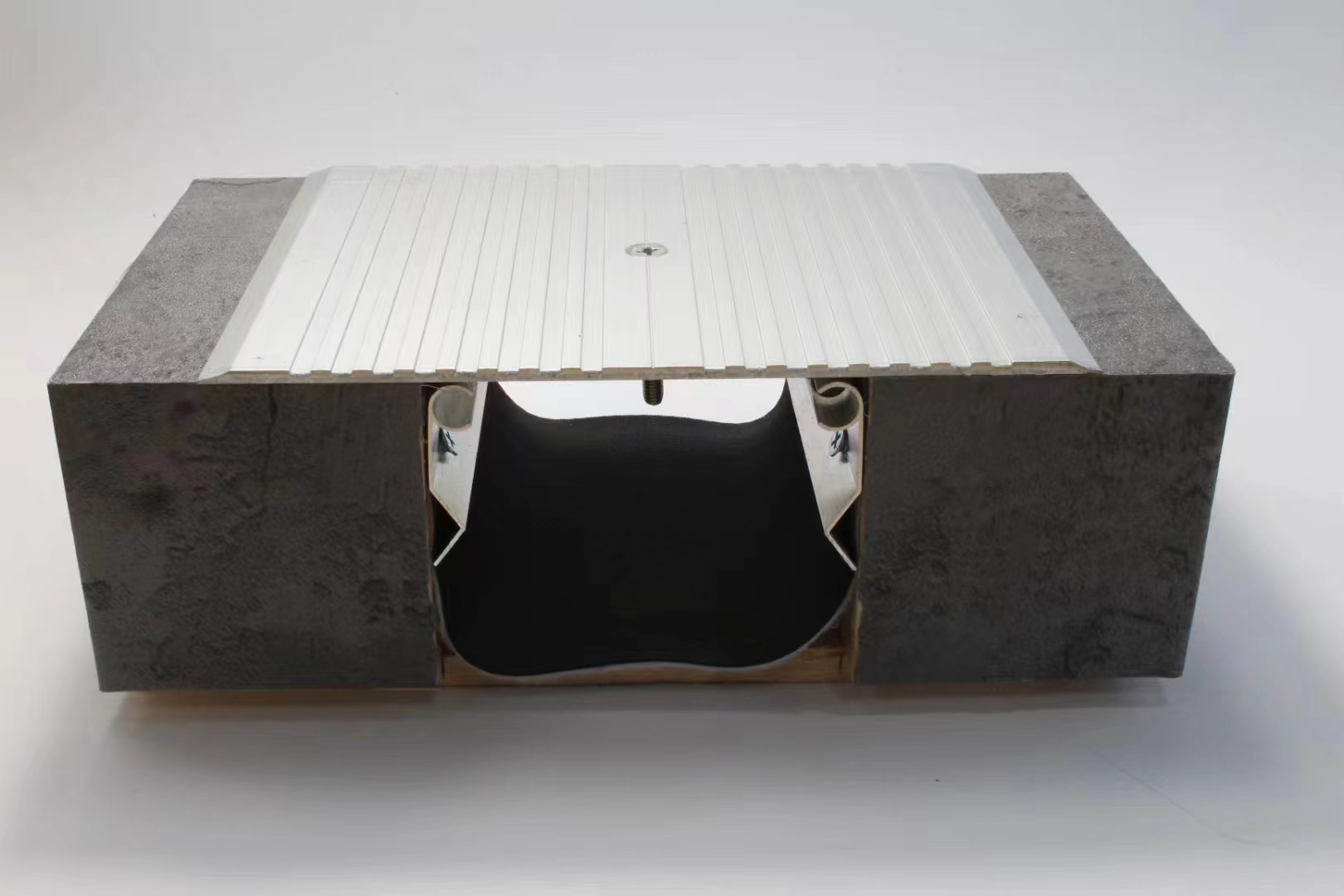








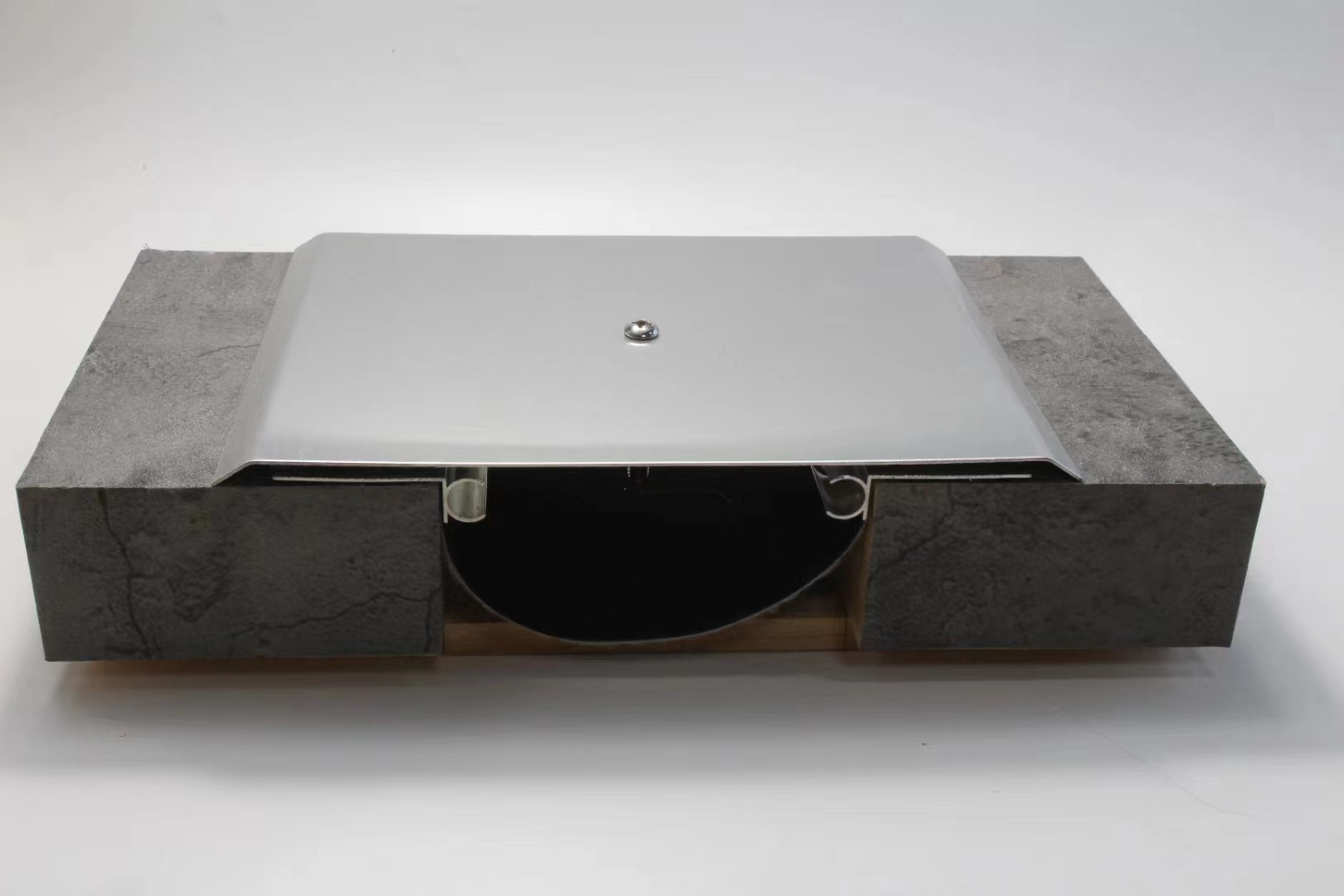
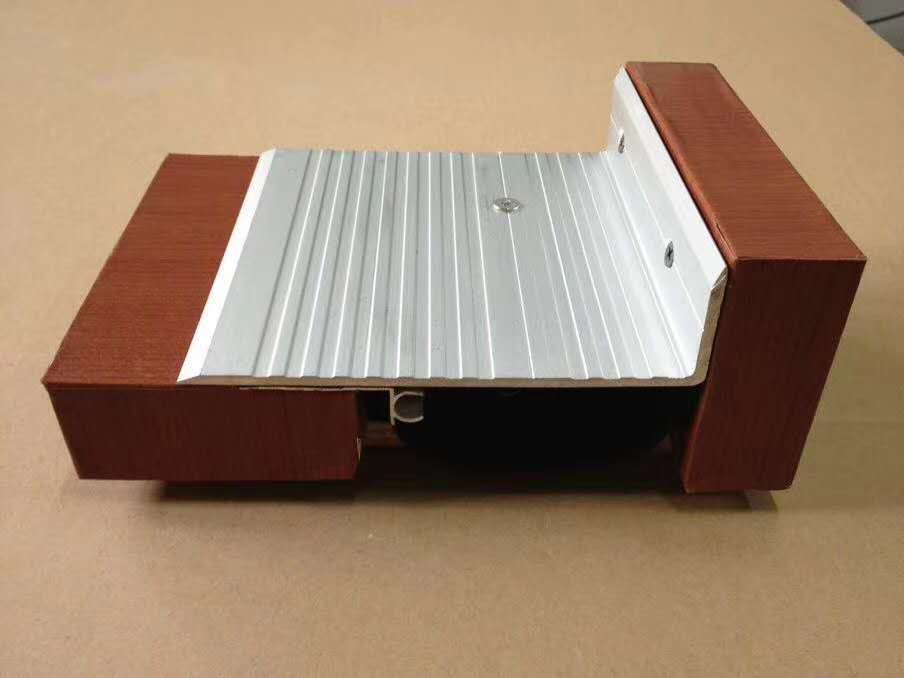
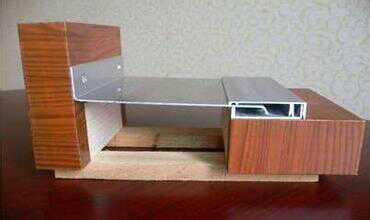
Stone floor expansion joint construction method image
Expansion joints, also known as temperature joints, settlement joints, and seismic joints.
Settlement Joint: When there is a significant difference in the number of layers or the applied loads among different parts of the upper structure, or due to the large variation in soil compressibility, in a word, if uneven settlement of the foundation may occur, it is necessary to set a joint to divide the structure into several parts, so that each part settles more uniformly, avoiding additional stress in the structure. This joint is referred to as a "settlement joint."
Generally, for settlement joints, we need to separate the foundation for construction, while for the other two types of expansion joints, this is not necessary. Only the upper part needs to be separated; the foundation does not require separation.
Retaining slabs can be set at the upper settlement joint location. The frame structure is completed. After the settlement stabilizes, just pour concrete into the back pour strip.
The basic part consists of two foundations, considered and calculated separately. The spacing between the two foundations meets the construction requirements.
Settlement joint
When the load and structural form vary greatly and the foundation is weak, the house may experience uneven settlement, causing cracks in certain weak areas. To address this, settlement joints should be installed at appropriate locations such as complex plan shapes, changes in elevation, differences in load, compressibility of the foundation, and methods of foundation treatment. Unlike expansion joints, settlement joints require that not only the roof, floors, and walls be separated but also the foundation, allowing adjacent sections to settle independently without restraint. The width of the settlement joints should be determined based on the number of stories of the building; for buildings with five stories or more, the width should not be less than 120mm.
The settlement joint should not only penetrate the upper structure but also the foundation itself. The settlement joint should take into account the uneven settlement tilt of the structures on both sides of the joint and the ground level differences. Seismic joints and expansion joints may not be required below ground level, but the connection areas should be reinforced. However, the foundation walls on both sides of the settlement joint must be separated.
Due to basic geological reasons, buildings that utilize uneven gaps are known as settlement joints.