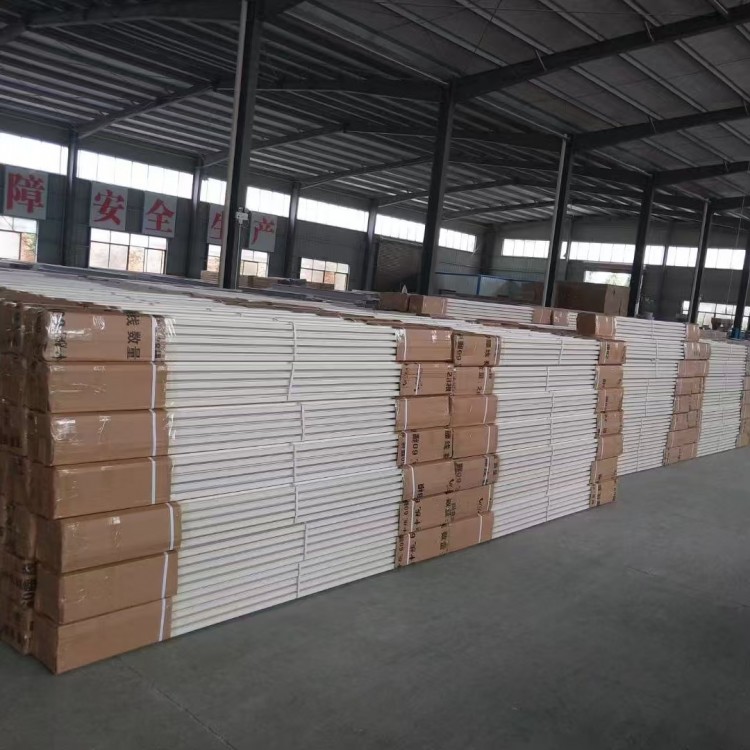

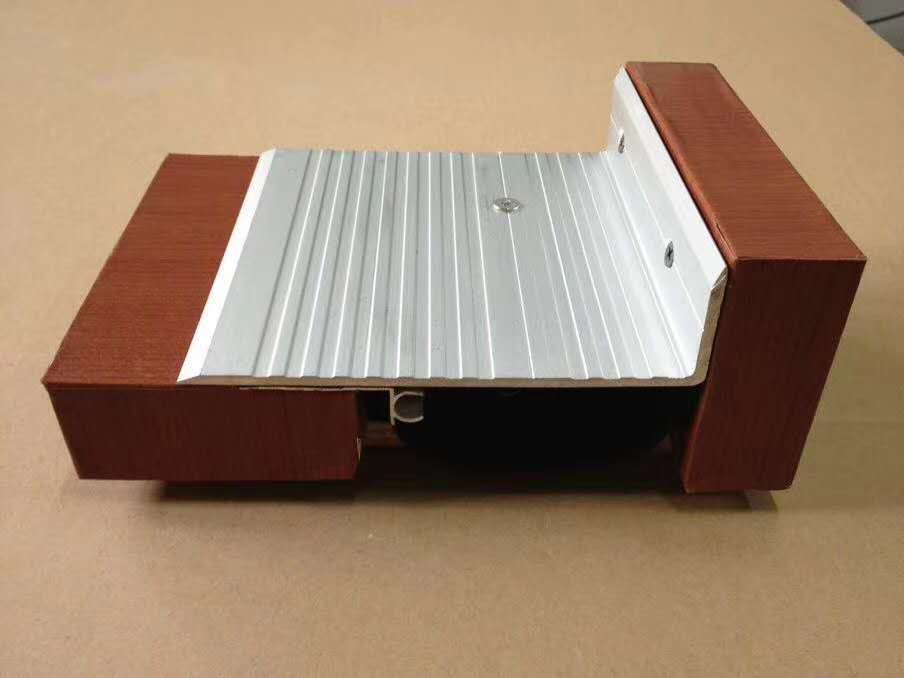

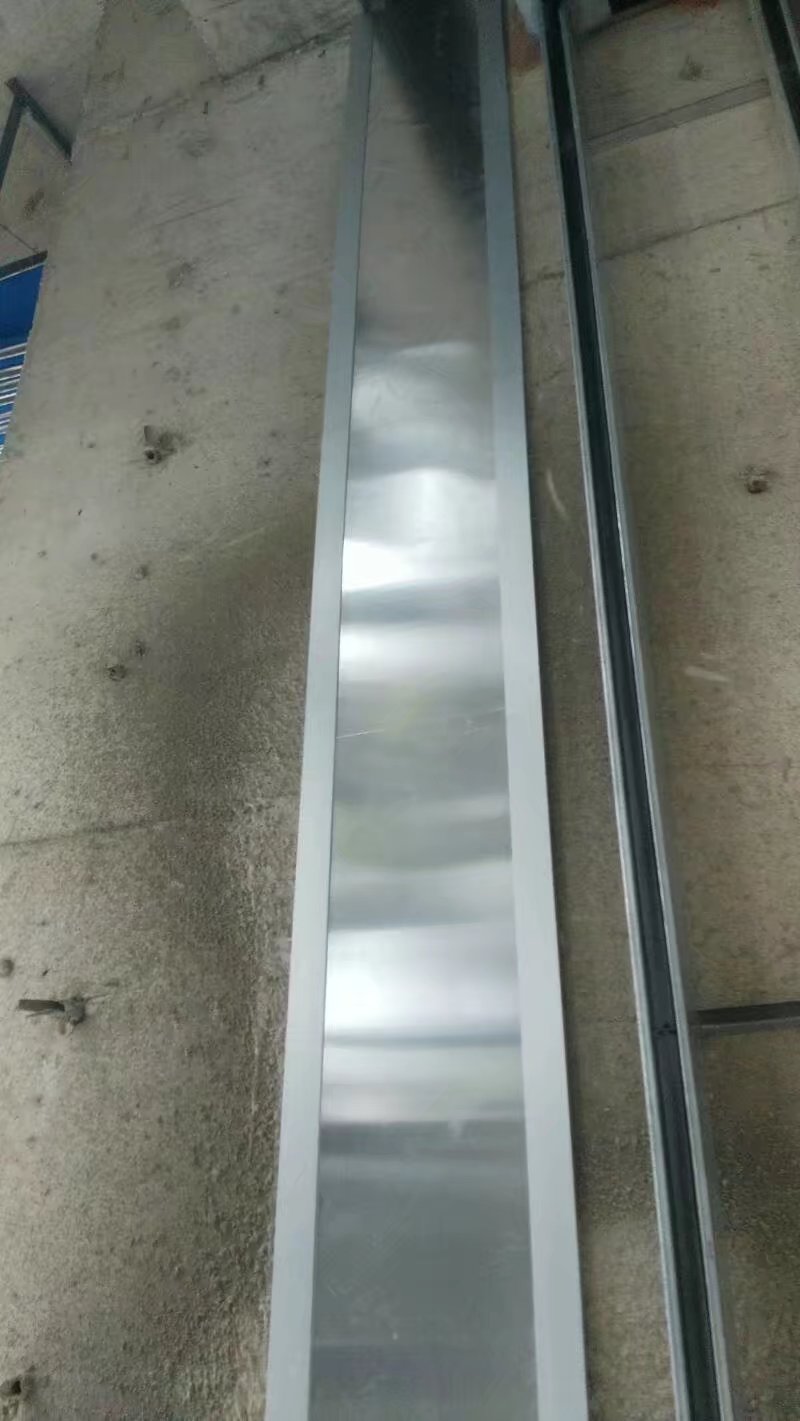
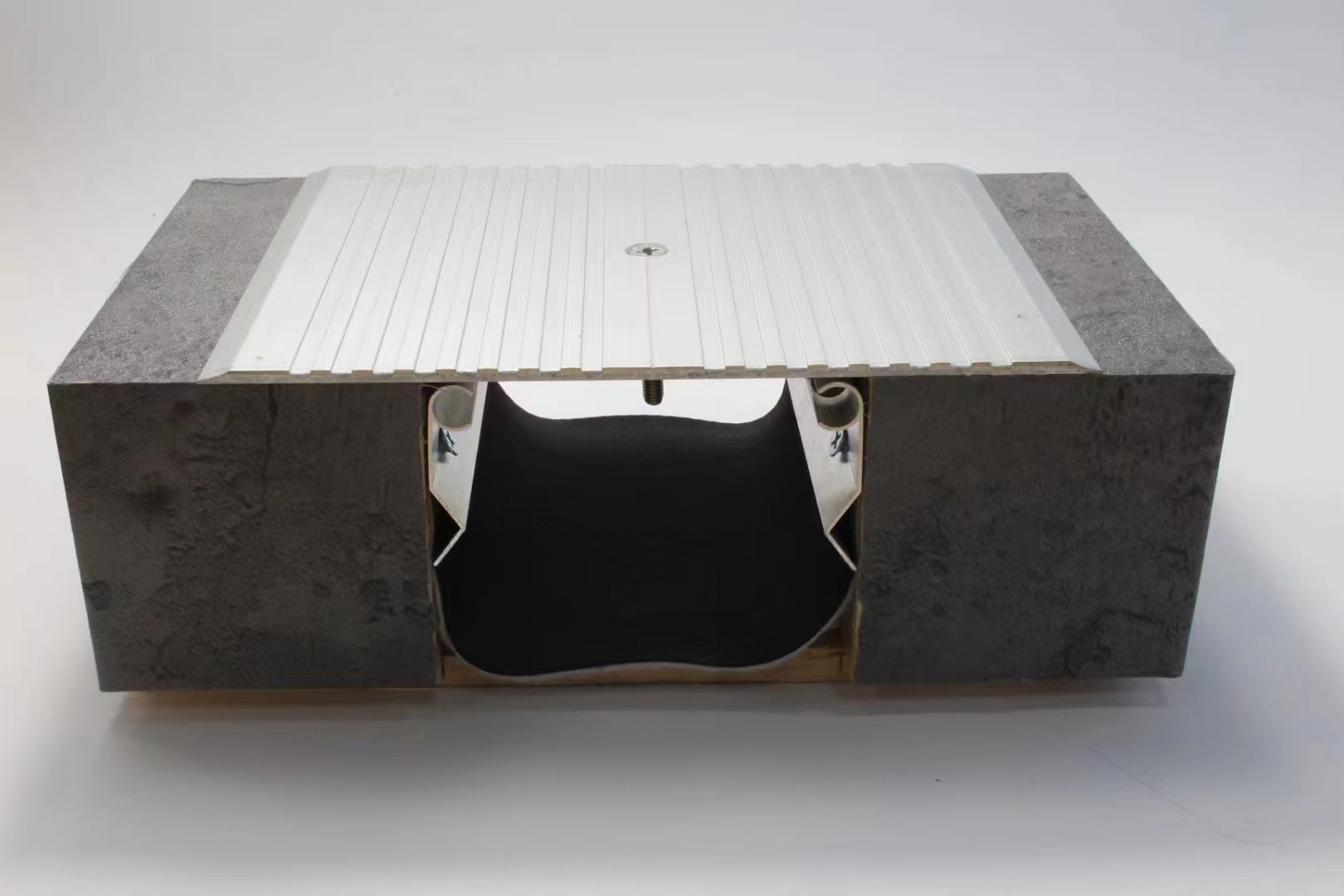







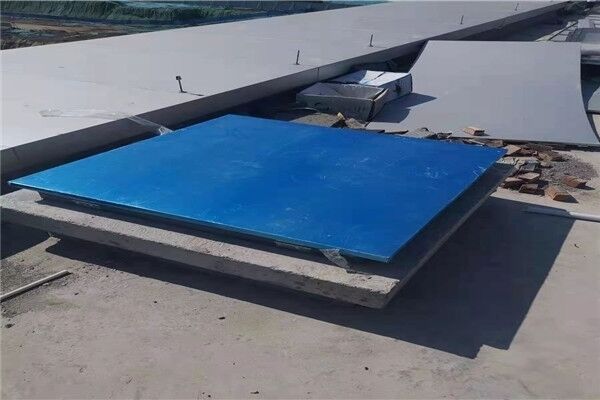
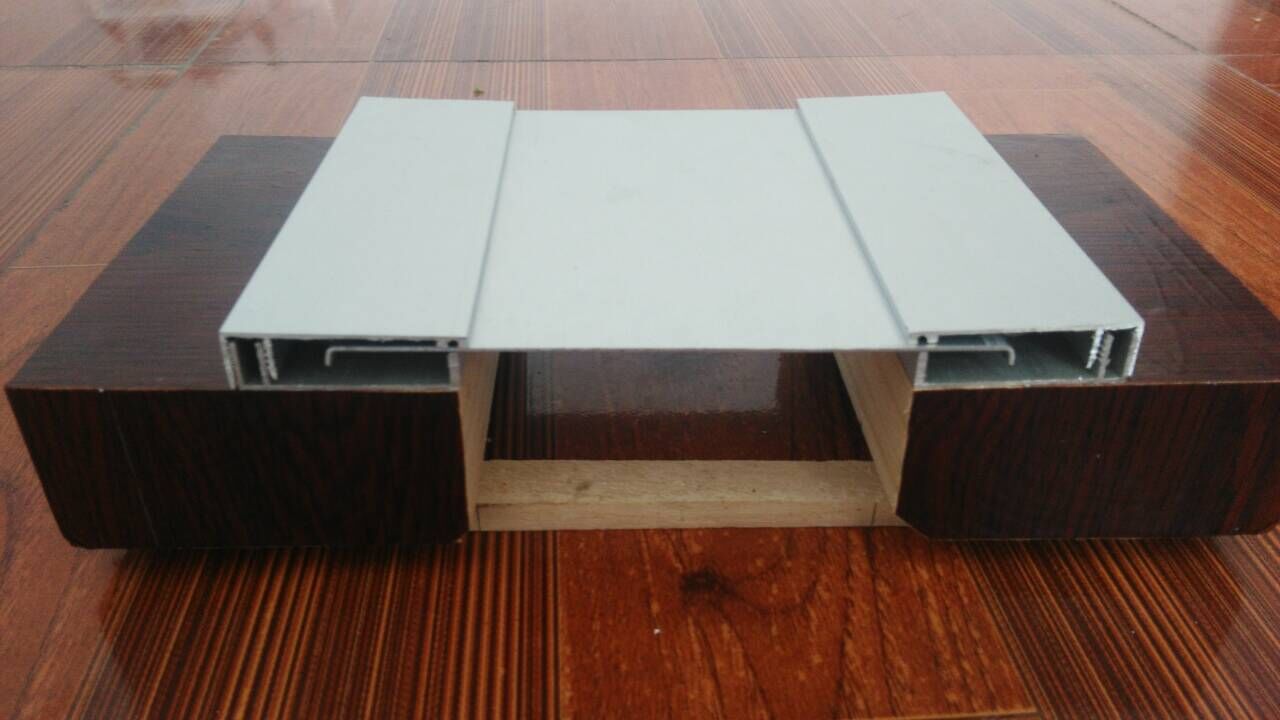
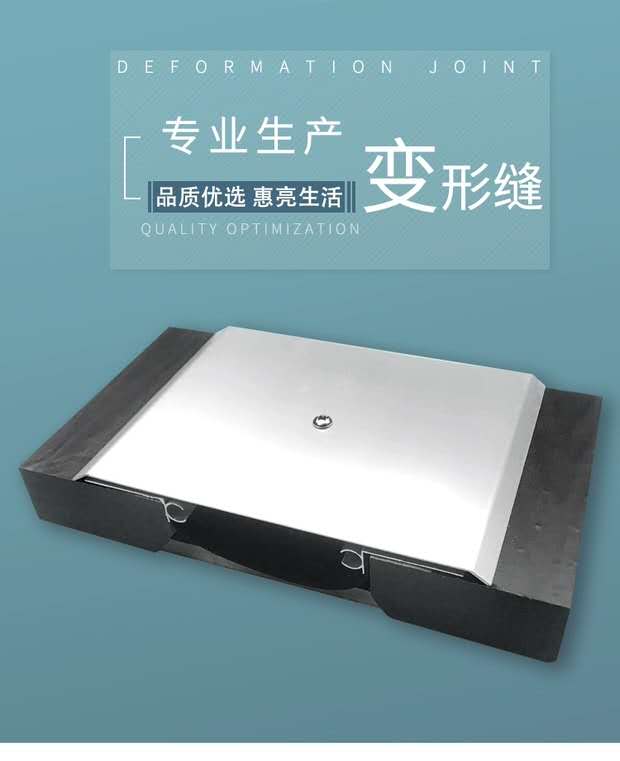
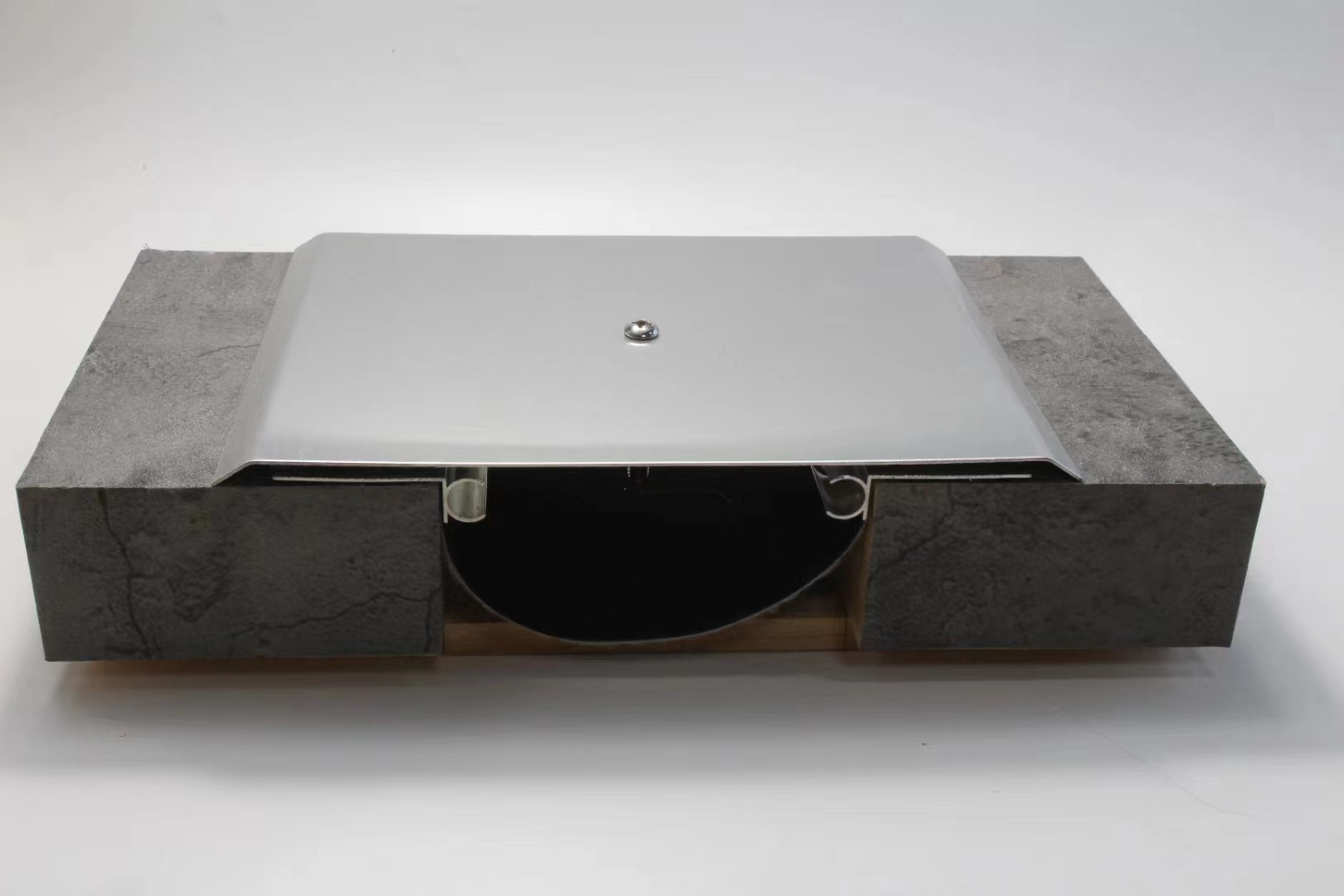
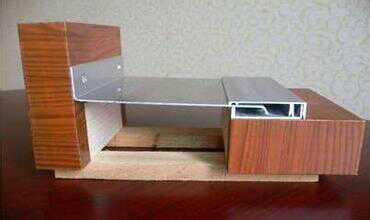
Sanxia Haida Metal Covering Wall Deformation Joint, Flat Deformation Joint Expansion joints include three types: (1) During architectural design, adjustments to the floor plan should be made (2) In construction, measures such as phased construction, setting up post-concreting strips, and ensuring proper thermal insulation, should be taken to prevent damage to structural or non-structural components caused by factors like temperature changes, uneven settlement, and seismic activity. (3) When the building footprint is relatively narrow and long, or the shape is complex and asymmetric, or there are significant differences in stiffness, height, and weight among different parts, and the aforementioned measures are ineffective, it is also necessary to install expansion joints, settlement joints, and seismic joints. The setting of expansion joints is mainly related to the length of the structure.
Expansion joint (mainly used for stress relief caused by temperature expansion, related to the type and length of the structure)
2. Seismic joints (prevent adjacent structures from colliding under the action of earthquakes, related to building height and earthquake intensity)
3. Settlement joints (to prevent uneven settlement-induced stresses in the foundation, related to the soil conditions and foundation design) Shape, size, and form measures; during structural design, measures such as selecting node connection methods, configuring reinforcing bars, and setting rigid layers should be adopted.
WeChat Official Account

Scan to follow Official Account