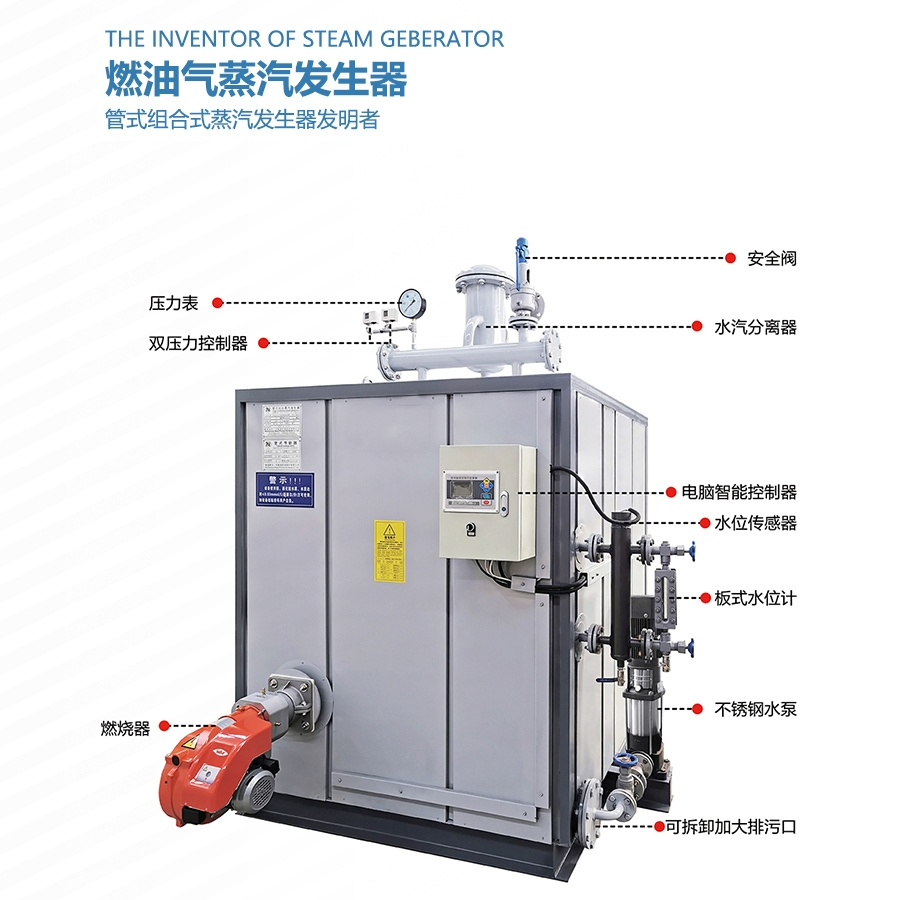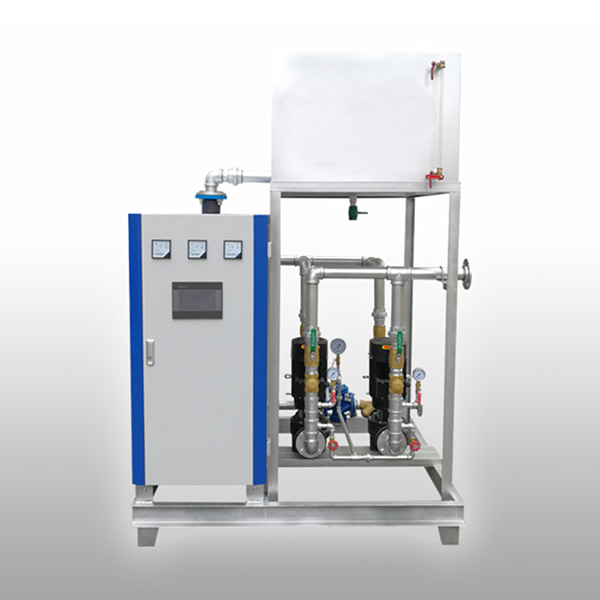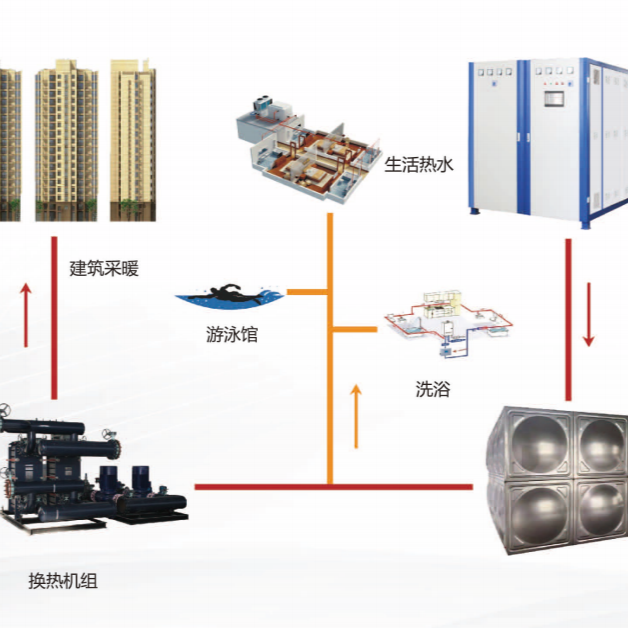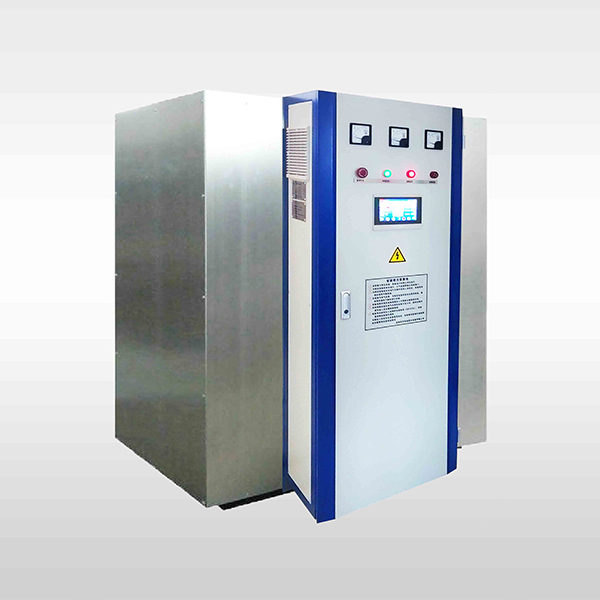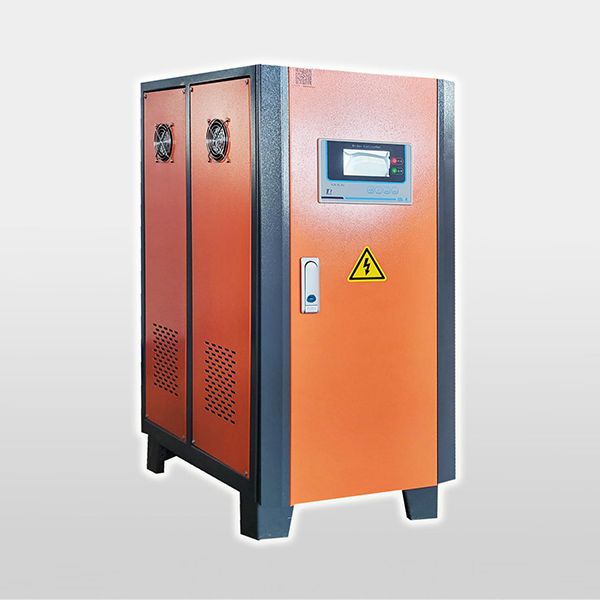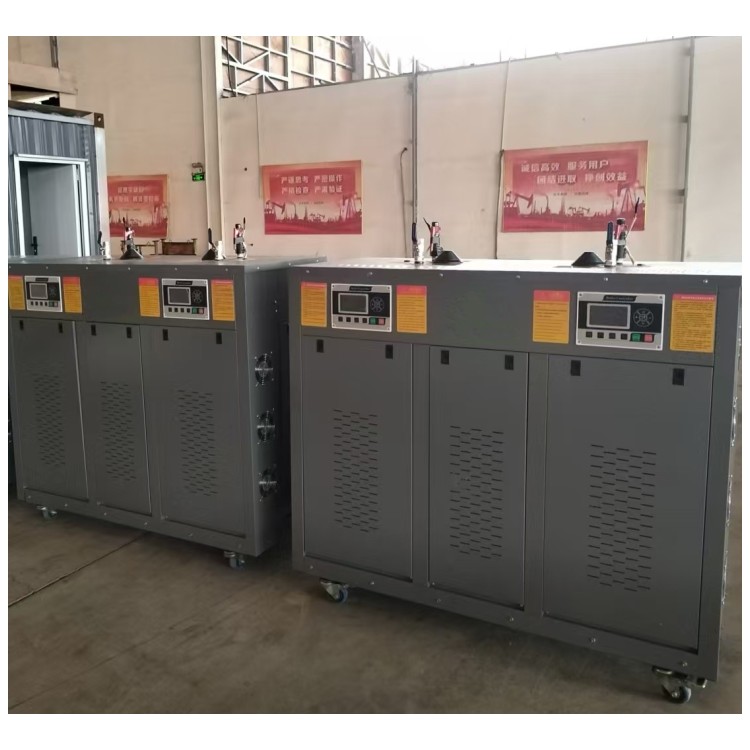

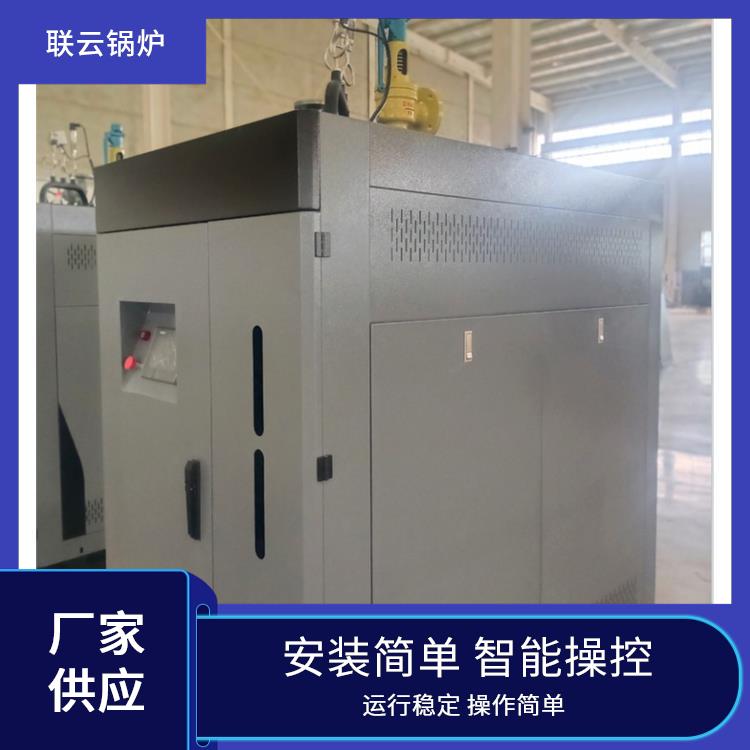

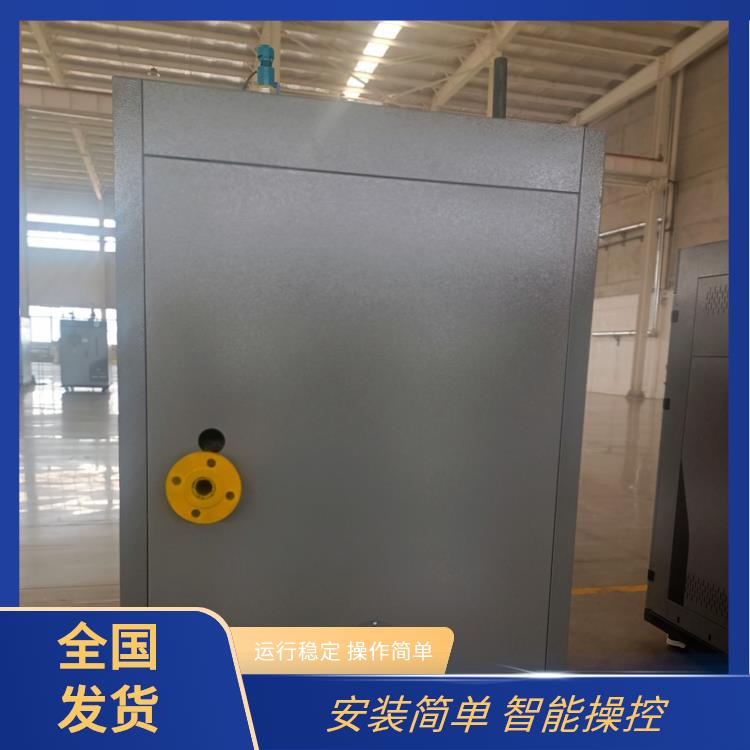
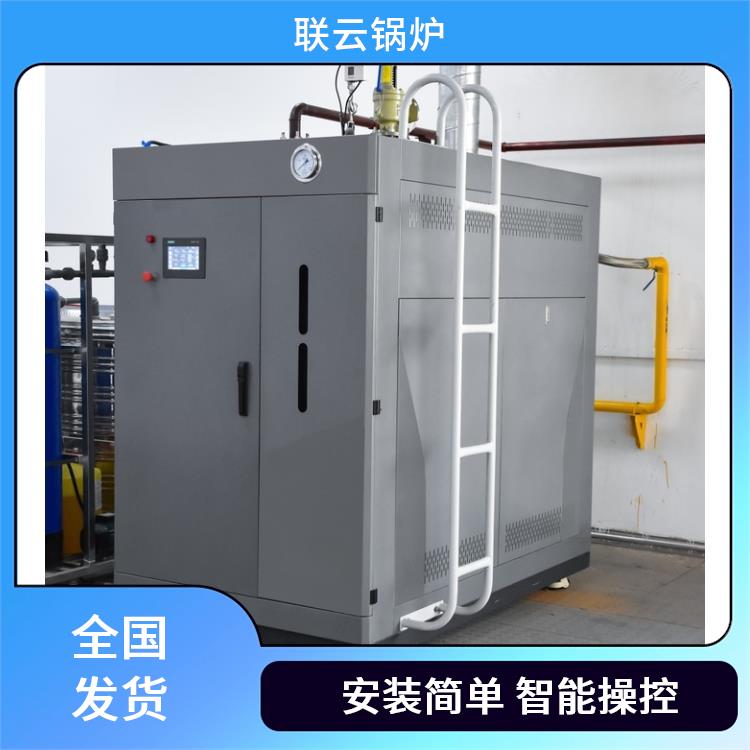


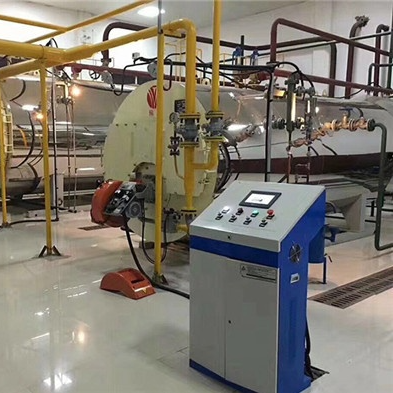
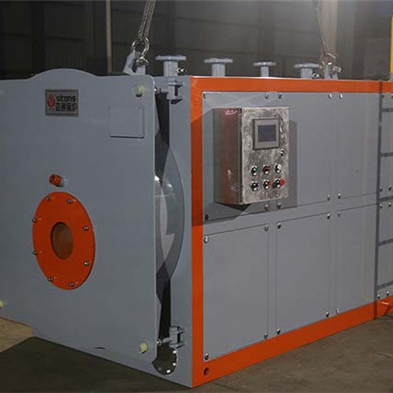
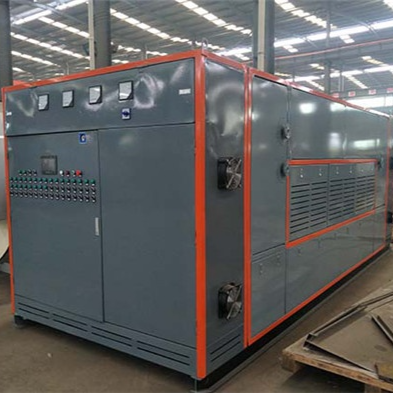
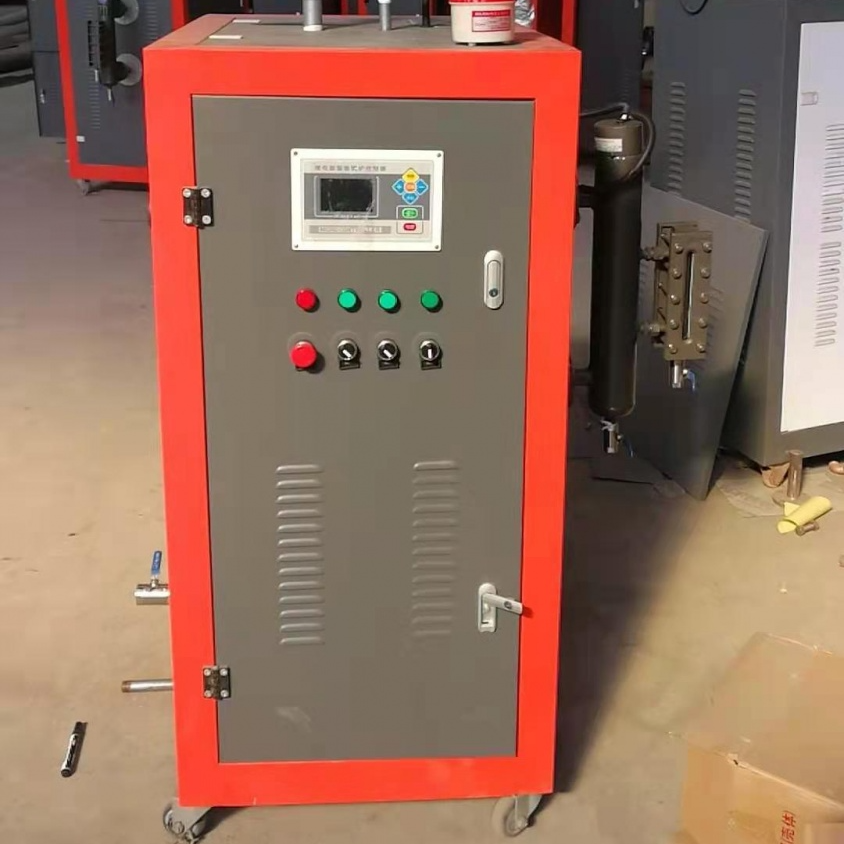





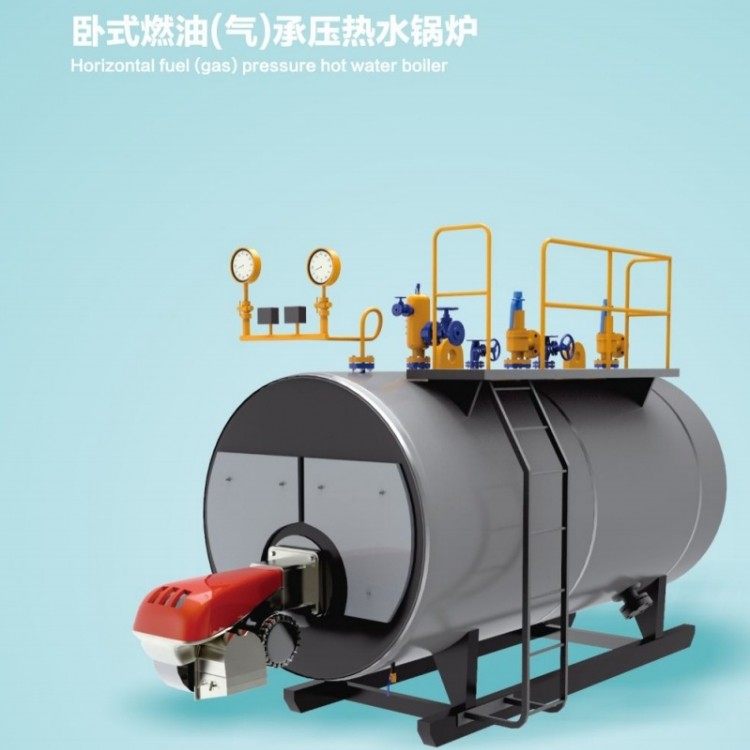
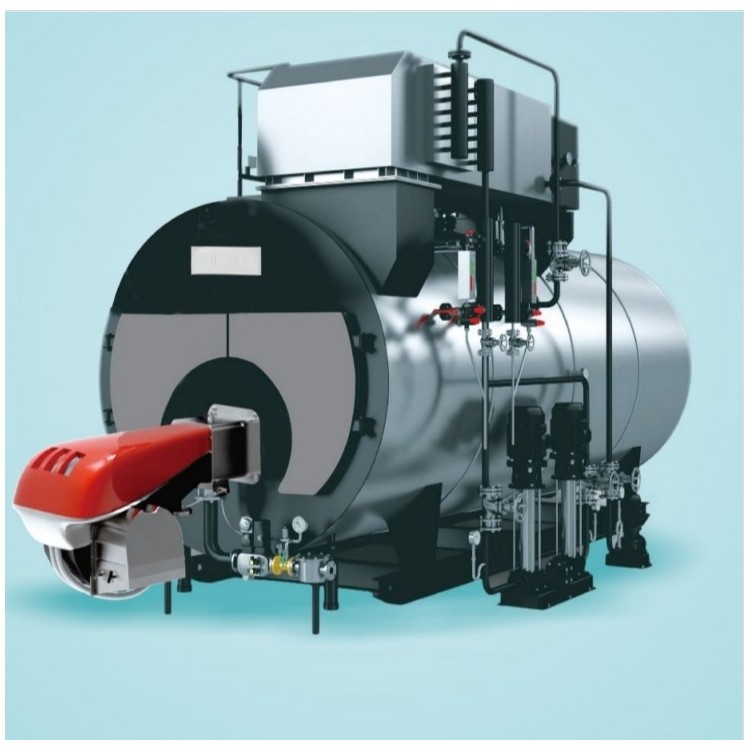
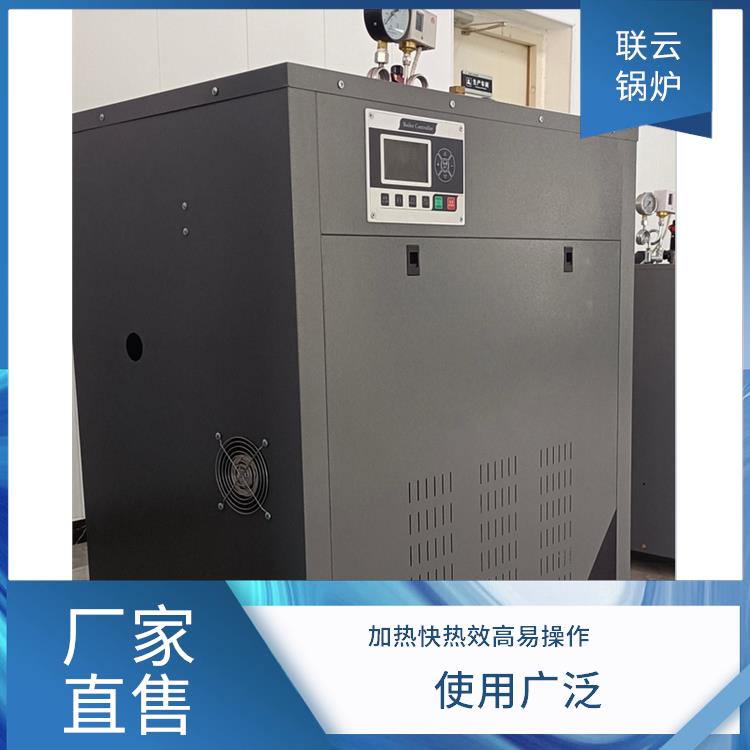
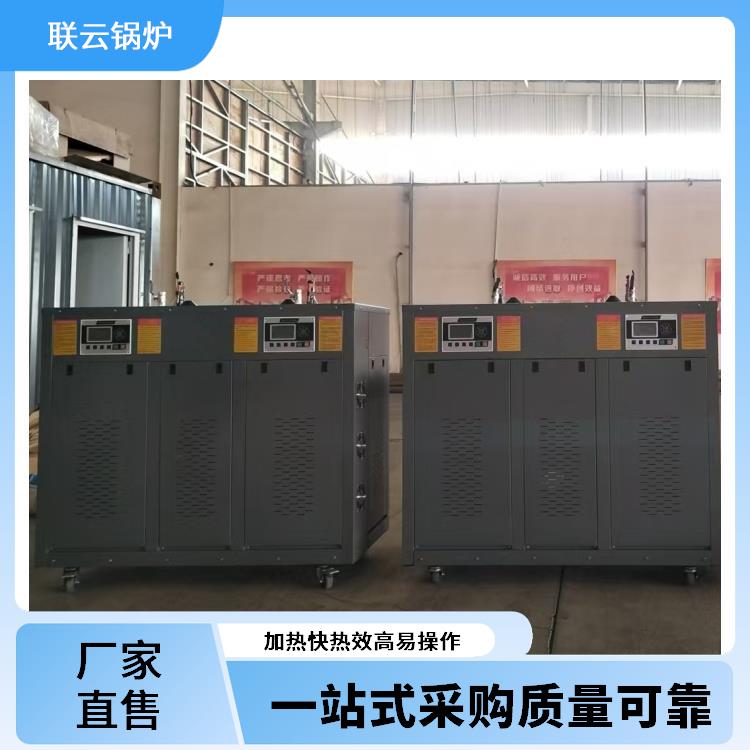
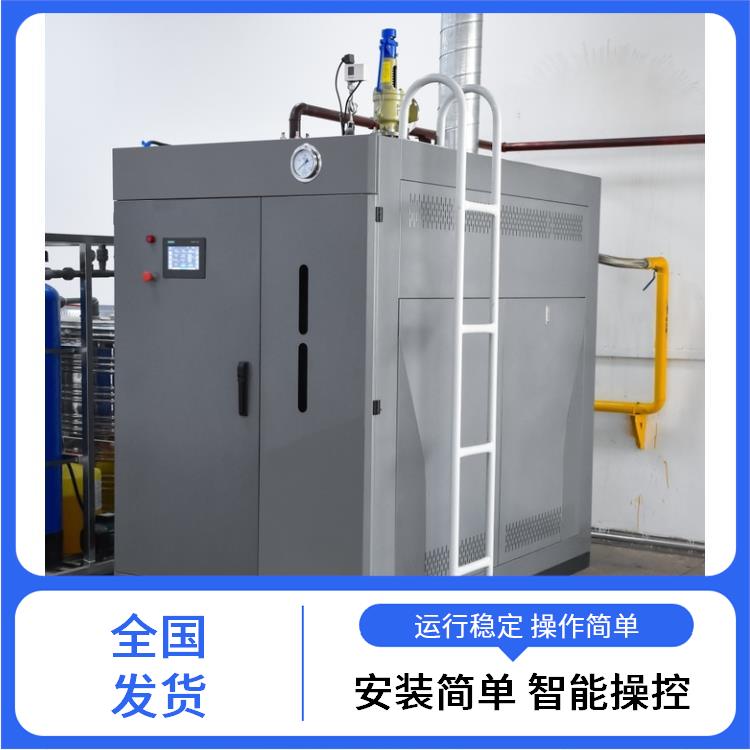
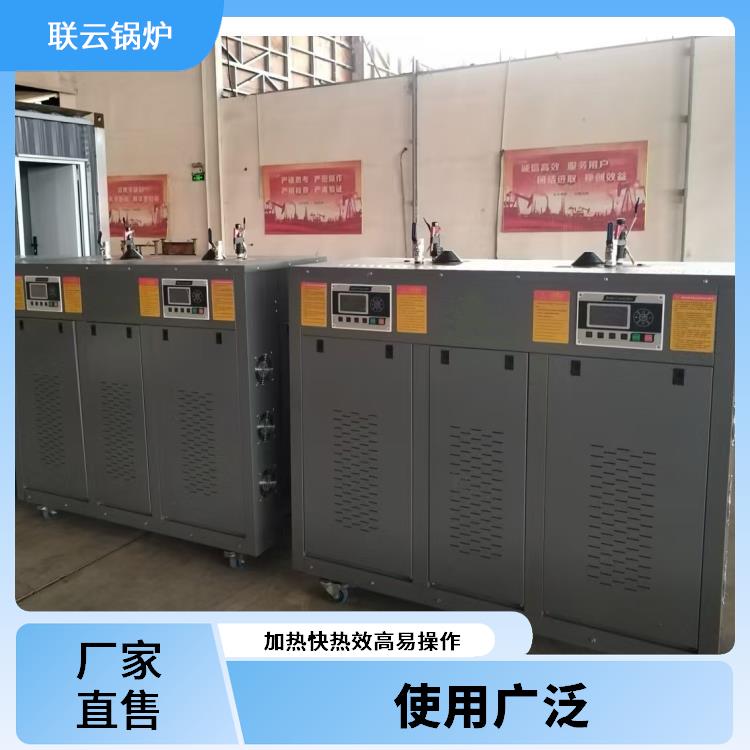
If a company requires steam pressure, steam temperature, steam dryness, and operating time (continuous operation), they would need to purchase industrial steam generator equipment.
How to Choose the Right Steam Generator? 1. Select the model based on requirements: Choose the appropriate equipment model according to actual needs, such as steam volume, pressure, and other parameters. 2. Consider energy costs: Combine local gas prices and equipment operation costs to select an economical and cost-effective unit. 3. Pay attention to equipment quality: Choose products from qualified, reputable manufacturers to ensure equipment quality and after-sales service. 4. Consider equipment safety: Select units equipped with multiple safety protection devices to ensure safe operation. 5. Understand after-sales service: Choose manufacturers that offer comprehensive after-sales service to ensure the normal operation and maintenance of the equipment.
Applications of Gas Steam Generators: 1. Chemical Industry: In chemical production, steam is a crucial energy and raw material. Gas steam generators provide a stable heat source and power for reactors, enhancing production efficiency. 2. Pharmaceutical Industry: During the pharmaceutical process, strict control of temperature and time is necessary. Gas steam generators ensure stable operation and control of pharmaceutical equipment, improving product quality and consistency.
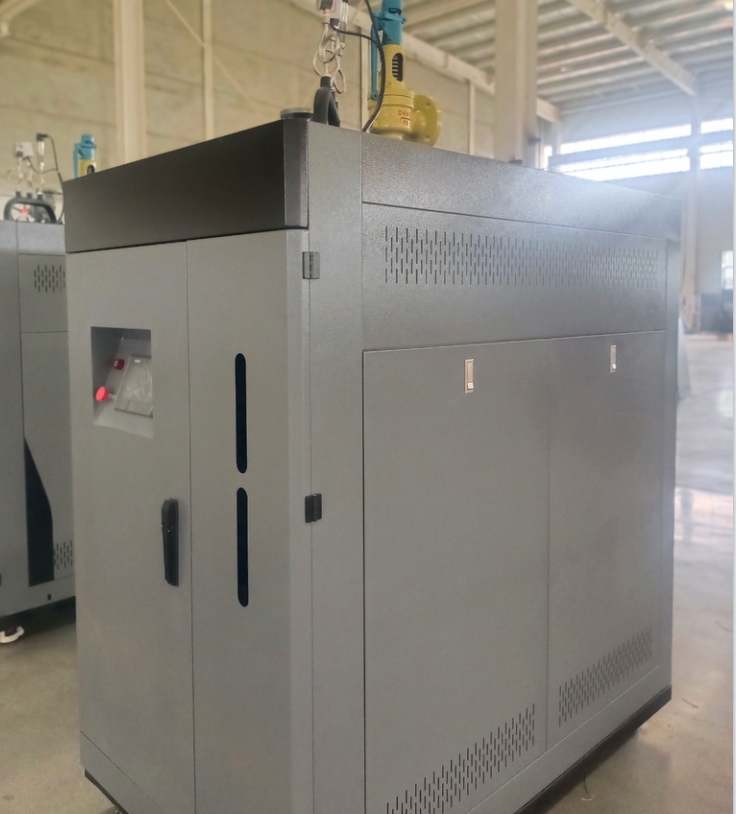
Features of Gas Steam Generators:
- Safe and Reliable: Equipped with multiple safety protection devices such as overpressure protection and low-water protection, ensuring the safe and reliable operation of the equipment.
- Intelligent Control: Fitted with an intelligent control system, capable of real-time monitoring of equipment operation status, enabling remote control and fault alarms.
Maintenance and repair methods for gas steam generators include:
Monitor water levels and maintain the tank within the normal range. Check the water gauge at least once daily and replenish water as needed. Avoid low water levels causing equipment to overheat and damage heating elements.
Regularly inspect burners, clean soot and debris from the combustion chamber to ensure complete combustion. Check the color and stability of the flame, and adjust burner parameters or perform maintenance promptly if any anomalies are detected.