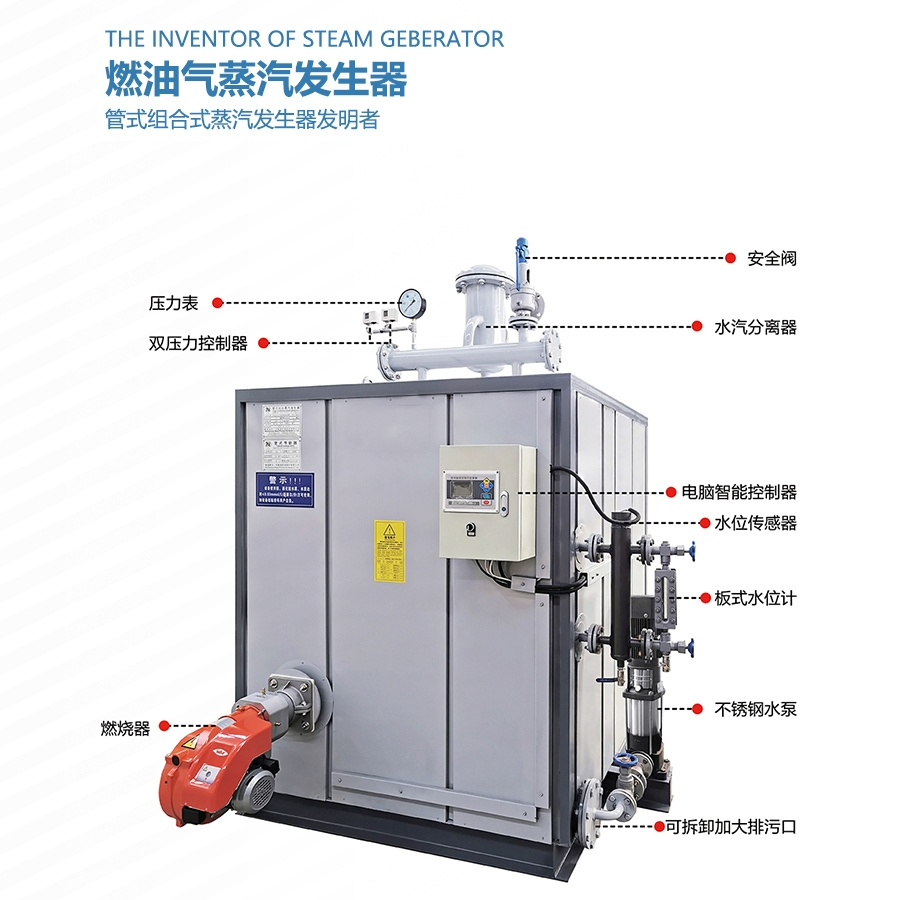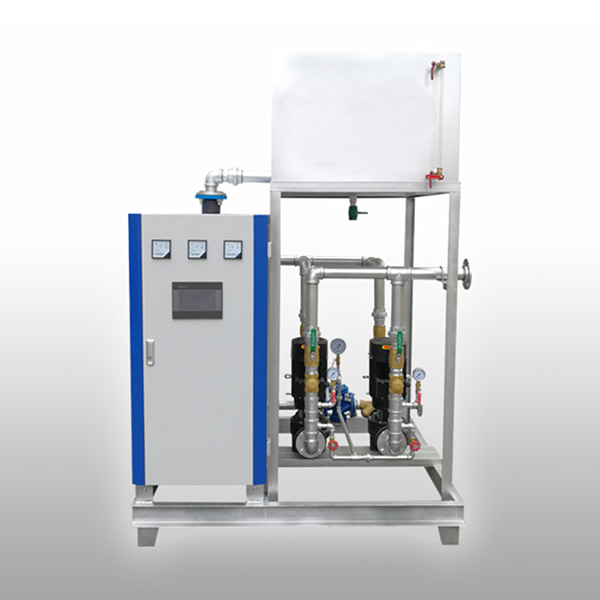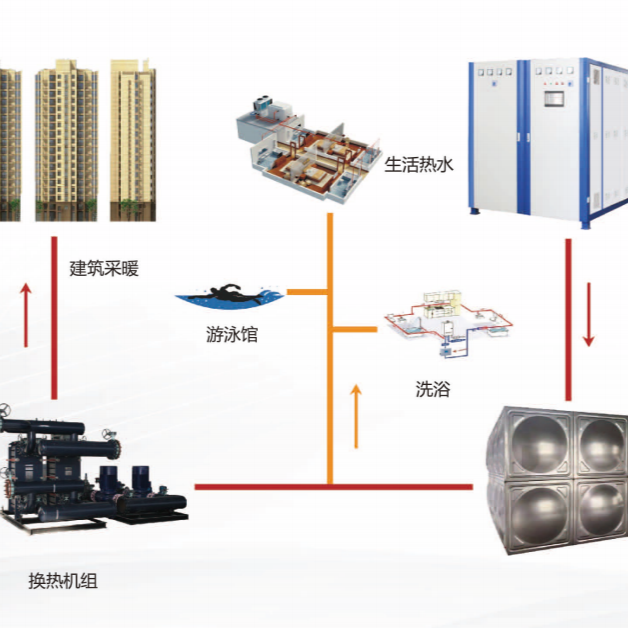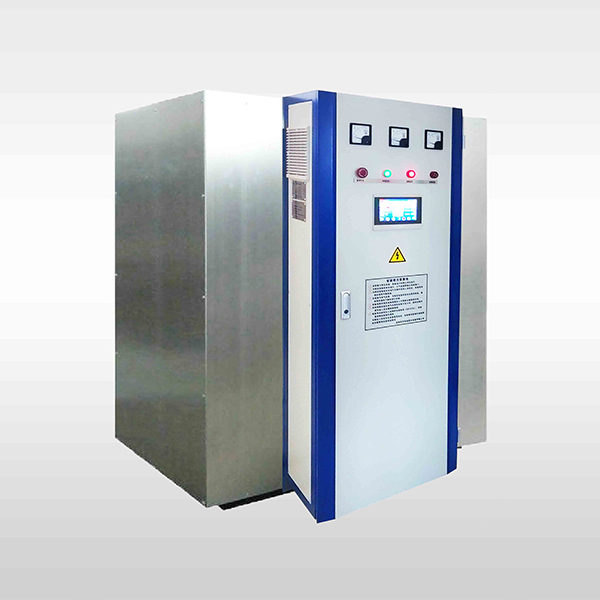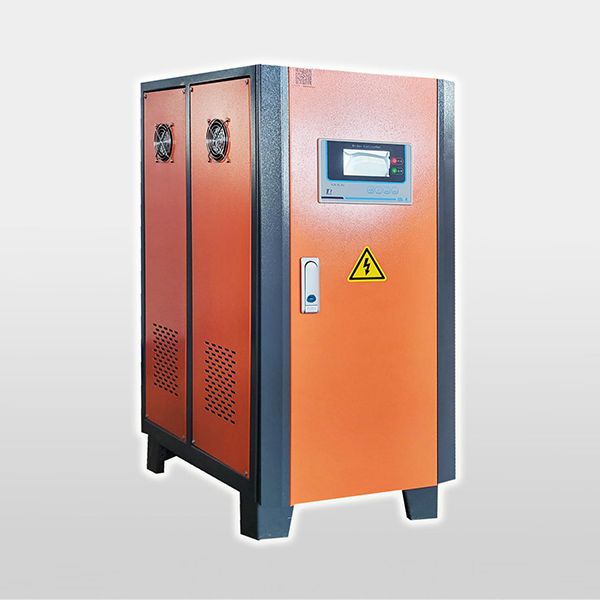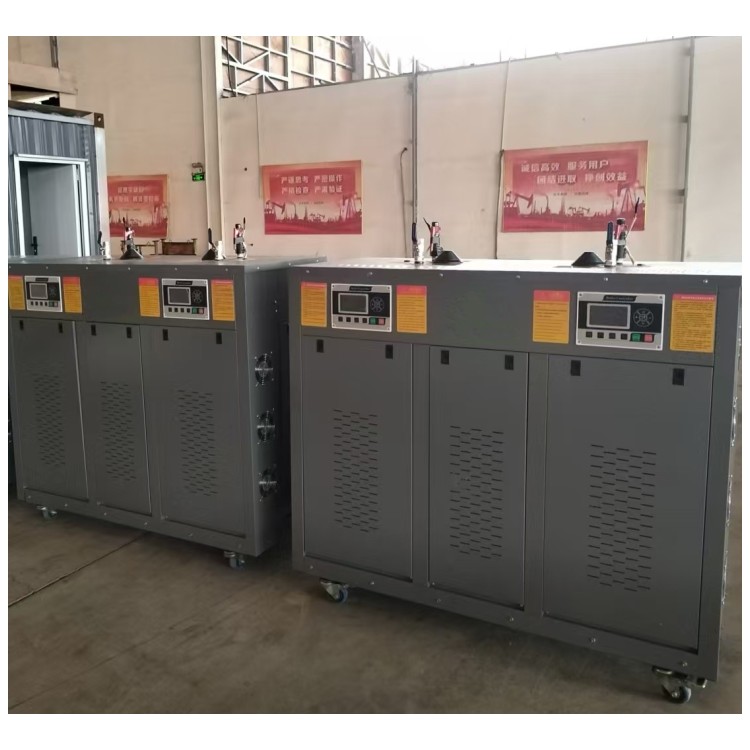

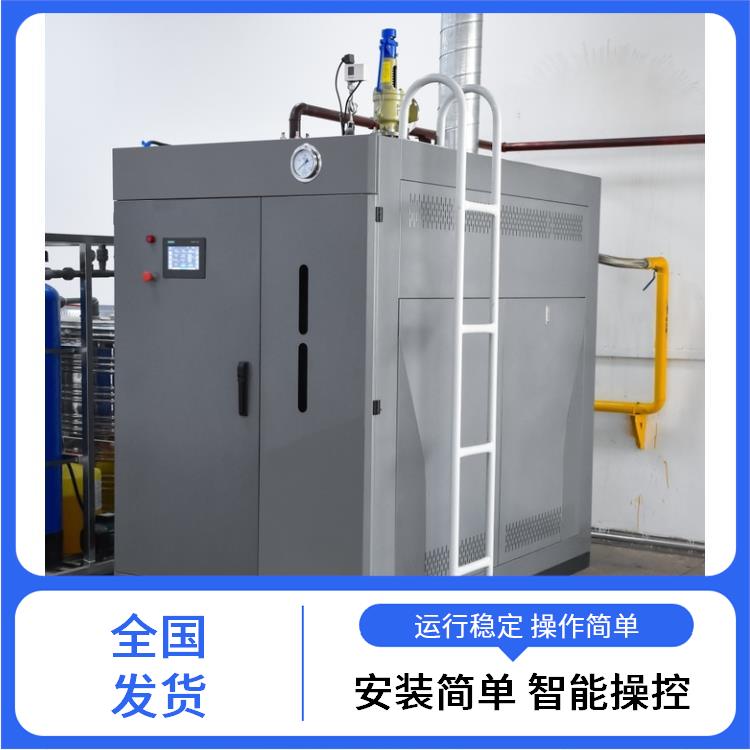

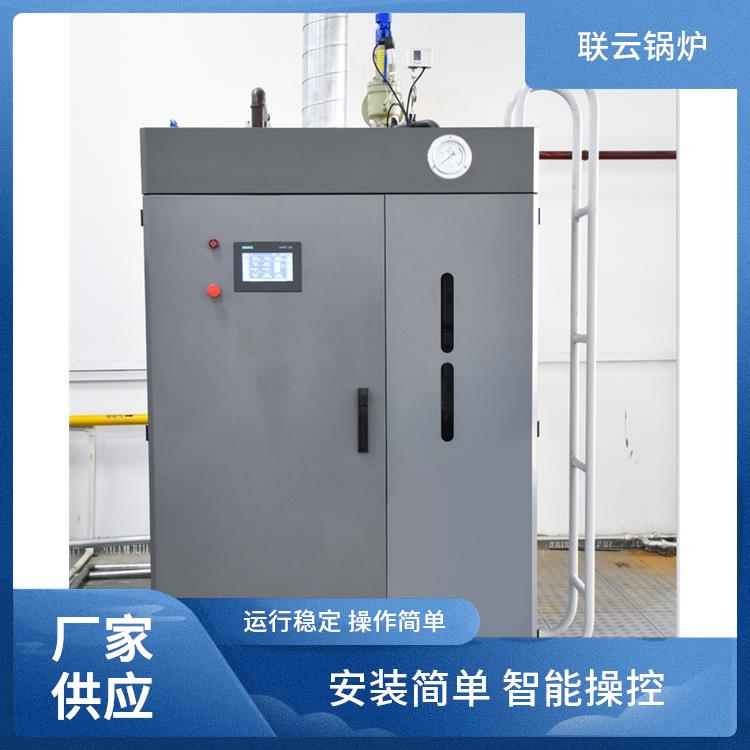
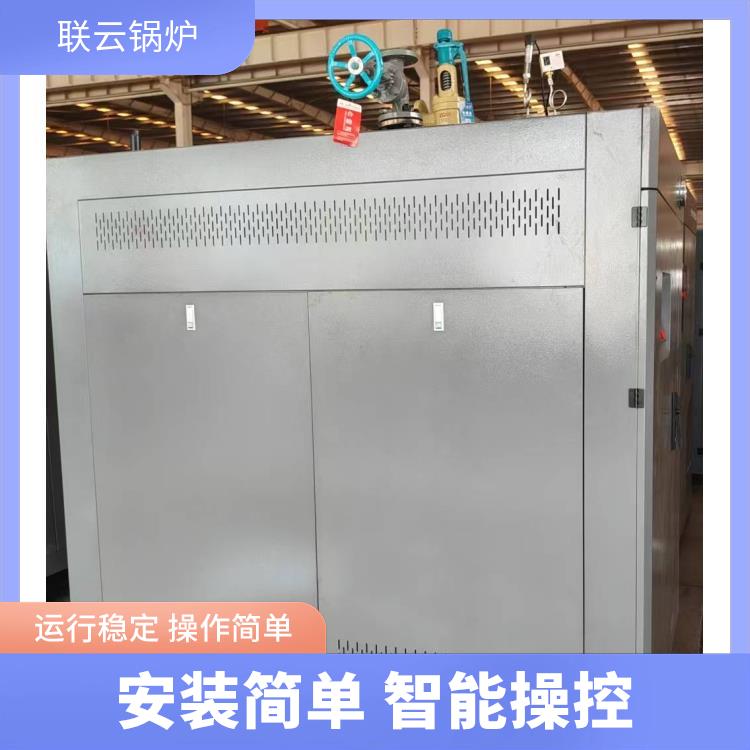


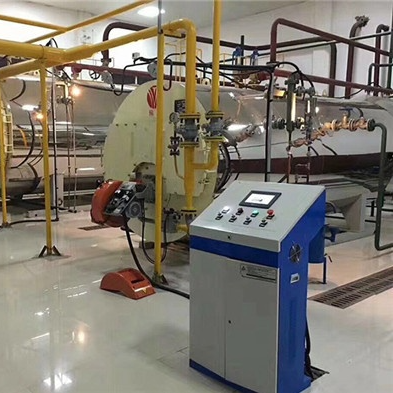
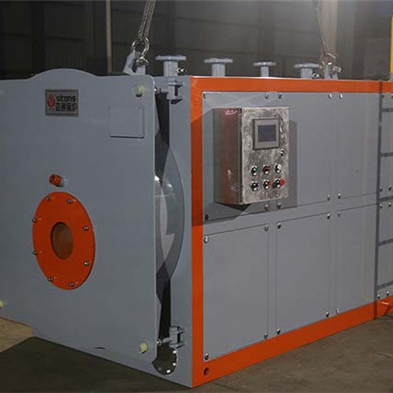
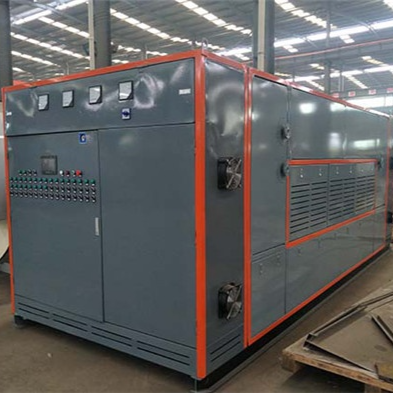
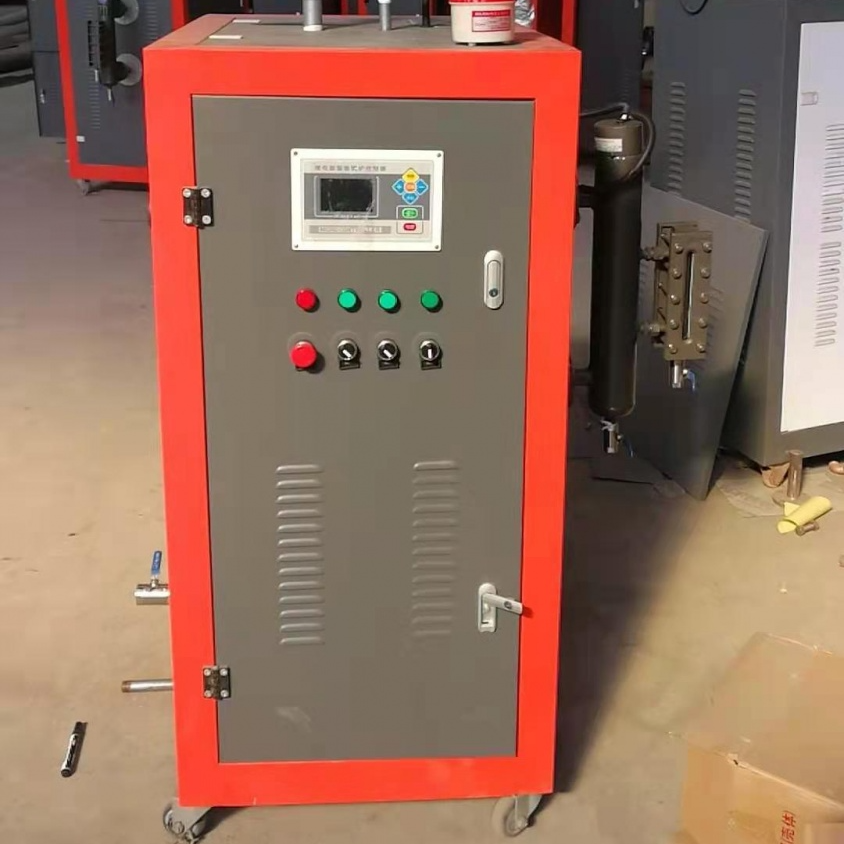





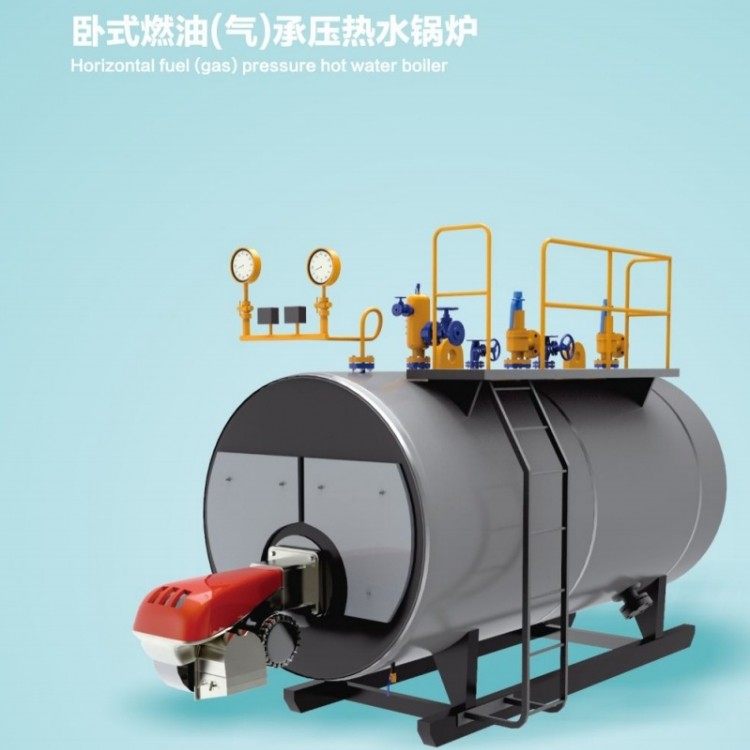
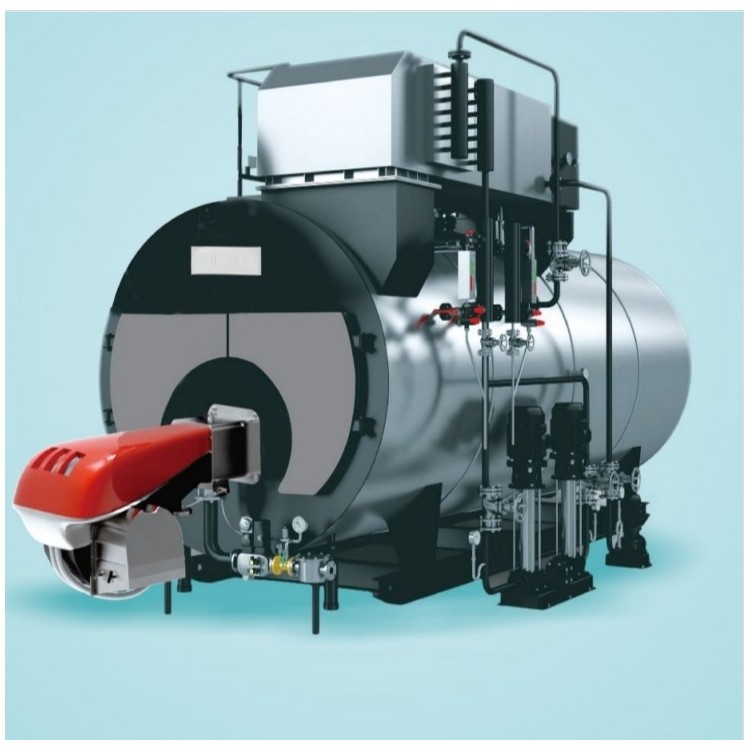
Main Application of Gas Steam Generator:
Laundry and Pressing Field: Dry Cleaning Equipment, Drying Machines, Washing Machines, Tumble Dryers, Ironing Machines, Electric Irons, and other related equipment applications
Packaging Industry: Automatic Labeling Machines paired with Shrink Wrapping Machines
Biotechnology field: fermentation equipment, reactors, sterilizing kettles, mixers, vacuum emulsifiers, etc., in combination
Food Machinery Manufacturing: Tofu equipment, electric steamers, cans, packaging machinery, coating equipment, sealing, etc., used in combination
Other Industries: Steam cleaning in oil fields and vehicle sectors, steam or hot water supply for hotels, dormitories, and educational institutions, concrete pouring for road bridges and railway lines.
1. Fast Response: The gas steam generator heats up quickly, producing a large amount of steam in a short time to meet urgent production needs in industry.
2. Flexible Adjustment: Steam output and parameters can be adjusted according to actual requirements, achieving control.
3. Small Footprint: Compact structure with minimal space required, ideal for installation in limited areas.
4. Easy Maintenance: Modular design for easy maintenance and reduced maintenance costs.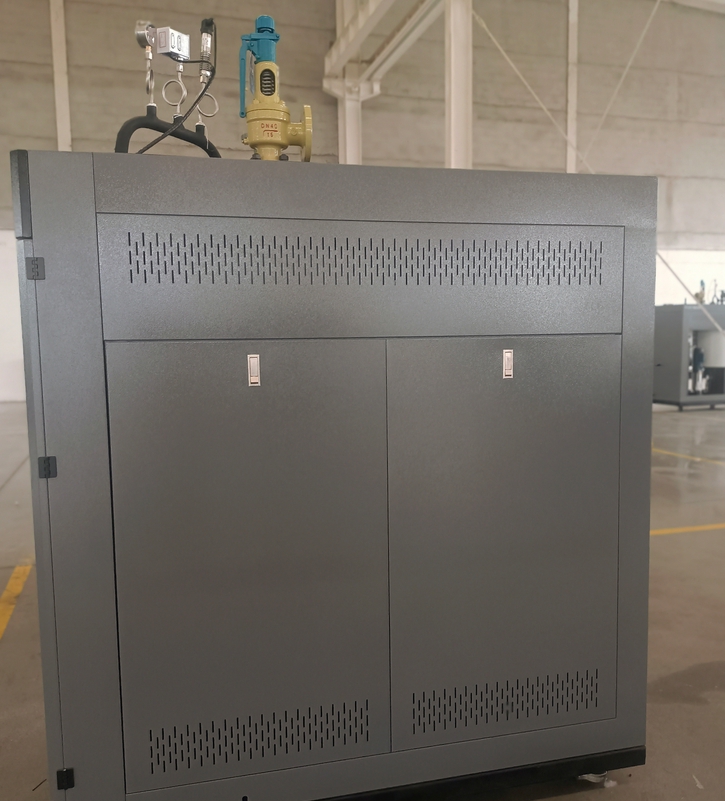
Applications of Gas Steam Generators: In food processing, steam is used for processes such as boiling. Gas steam generators can provide a stable heat source and power for food processing equipment, enhancing production efficiency and product quality. Textile dyeing: During the textile dyeing process, a large amount of steam is required for heating and dyeing. Gas steam generators can supply a stable heat source and power for textile equipment, improving production efficiency and product quality.
Maintenance and repair methods for gas steam generators include:
I. Routine Maintenance
Regularly inspect gas pipeline connections for tightness to prevent gas leaks. Check valve status before and after daily startup and shutdown to ensure they are properly closed.
2. Keep the equipment exterior clean by regularly wiping away dust, grease, and other debris to prevent impact on heat dissipation. Use a soft, damp cloth for gentle wiping, but avoid using sharp or abrasive tools to scrape.