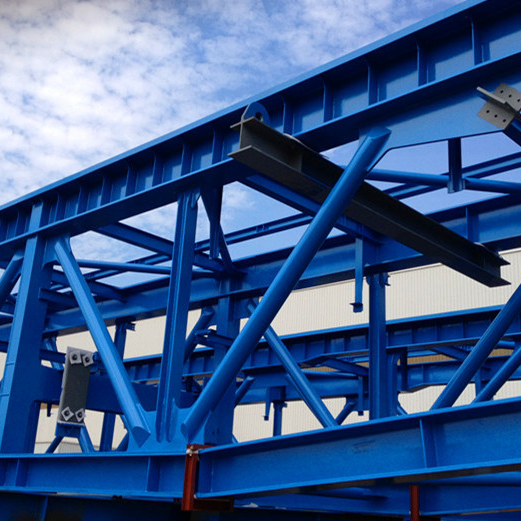







Epoxy rust-inhibiting primer
Composition The epoxy rust-preventing primer A component is composed of epoxy resin, rust-inhibiting pigments, additives, solvents, etc., while the B component is the curing agent.
Performance The coating forms a stable complex with iron, thus offering excellent stability against rust and long-lasting corrosion protection. It adapts well to both rusty and rust-free steel surfaces, boasts good mechanical properties of the film, and has strong adhesion.
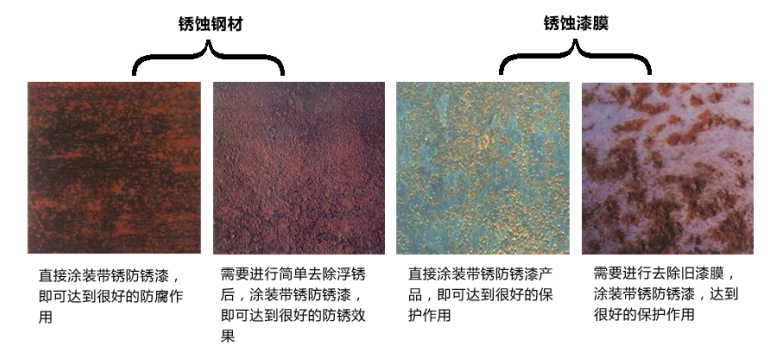
Usage Rust-in-Place Rust Preventive Primers are suitable for repairing and protecting surfaces of rusted steel and rusted paint films. Rusty steel typically requires sandblasting or grinding before painting, which is time-consuming and costly. The use of rust-in-place primers solves these issues. Epoxy rust-in-place coatings can be directly applied to steel surfaces with rust (rust layer under 60 micrometers) and surfaces with simple rust removal for corrosion prevention.
Product Specifications
Mixed Ratio: Component A: Component B = 26:4
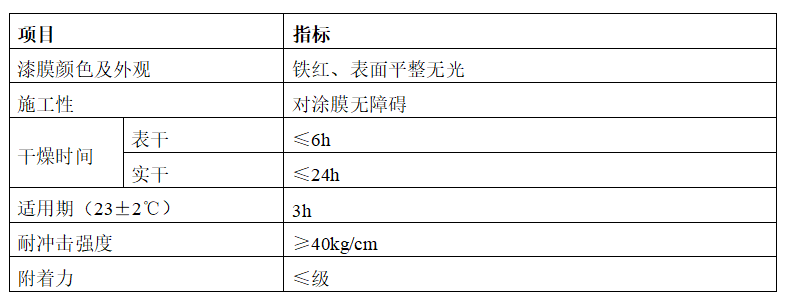
Technical Specifications
Complementary system
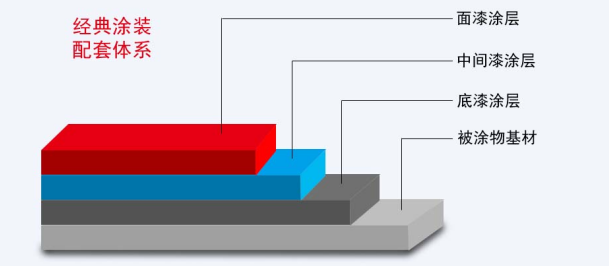
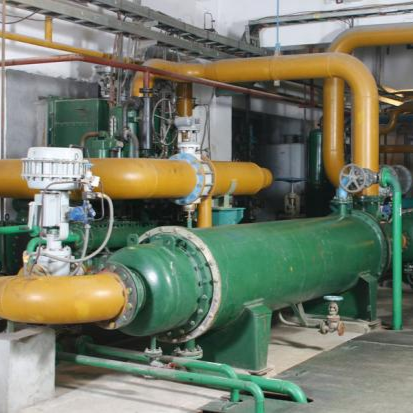
Epoxy rust-inhibiting primer is used in various fields such as steel structures, buildings, bridge steel structures, port facilities, construction machinery, petrochemical storage tanks, pipeline corrosion protection, etc. It is mainly matched with epoxy iron oxide intermediate coating and corrosion-resistant topcoat.
Construction Method
1. Raw Material Processing
Simple removal of rust and raised paint and oil污 from the coated metal surface is required.
2. Mixed
Priced by weight ratio (as indicated on the product packaging)
While mixing, slowly pour the hardener into the main agent while continuously stirring to ensure thorough and even mixing.
Mixed paint is aged at (23±2℃) for 30 minutes, then filtered through a 60-80 mesh screen and transferred to another container for storage.
The mixed paint has a shelf life of 3 hours. Please schedule usage according to the progress of the application.
3. Construction Conditions
The coating operation should be carried out as soon as possible after the substrate treatment, generally not exceeding 6 hours. The surface temperature of the substrate and the ambient temperature should generally not be below 10°C, with the surface temperature at least 5°C higher than the dew point, and the relative humidity of the air should not exceed 75%.
4. Coating Methods
This paint can be applied using brush, airless spraying, and air-assisted spraying methods.
5. Dilute
Generally, paint requires a compatible thinner to adjust viscosity and clean tools.
6. Coating Spacing
One-component paint is ready for subsequent coating after drying. For two-component paint, it is recommended to wait the following curing time before coating: