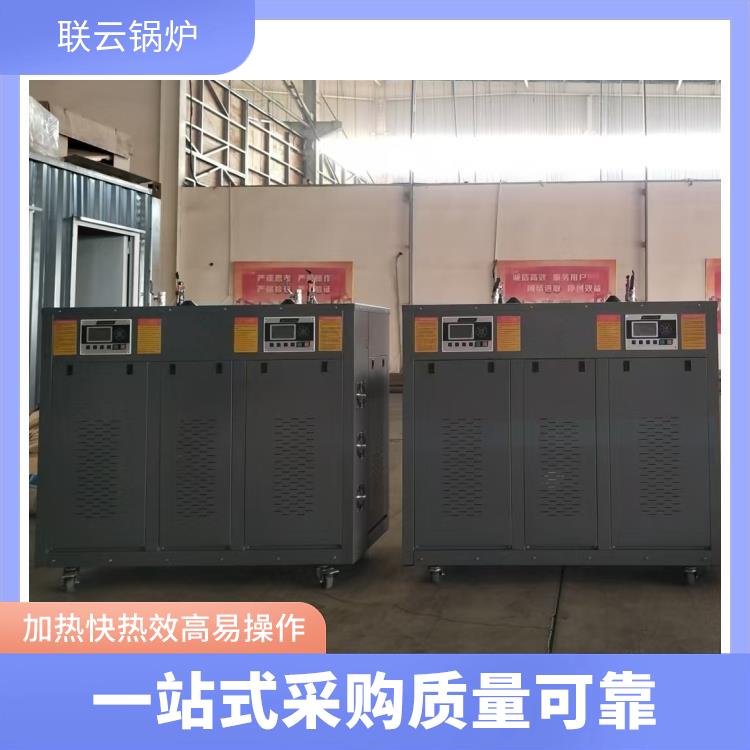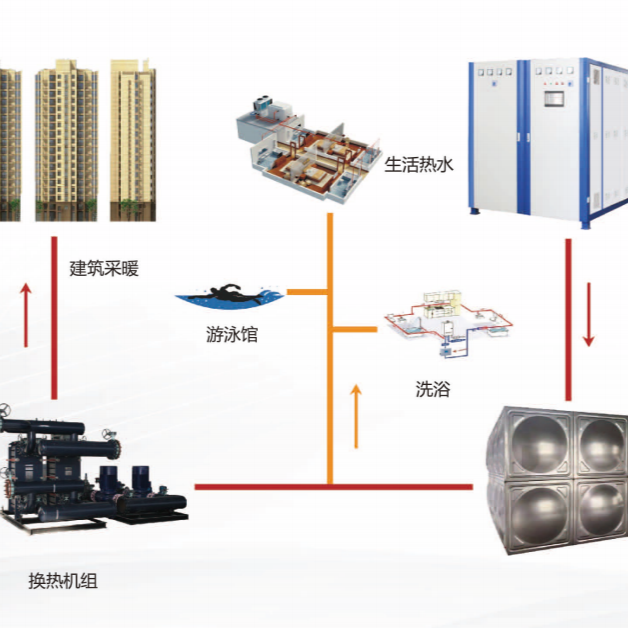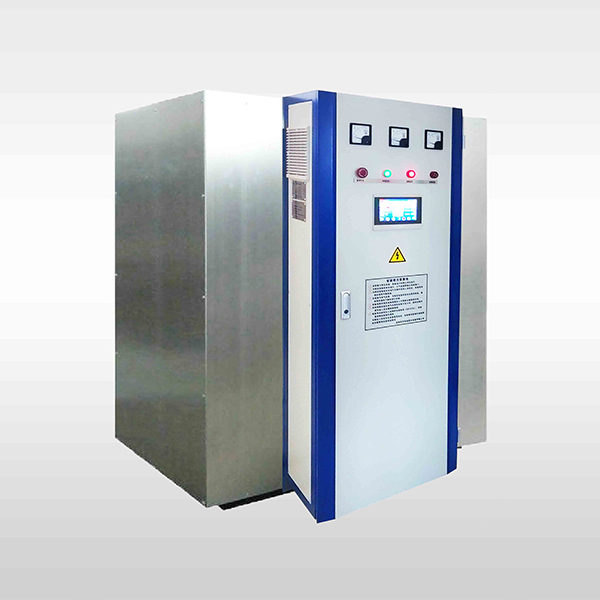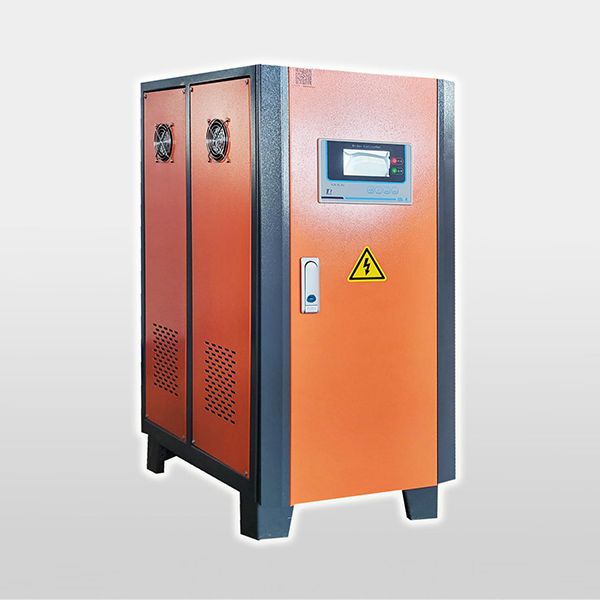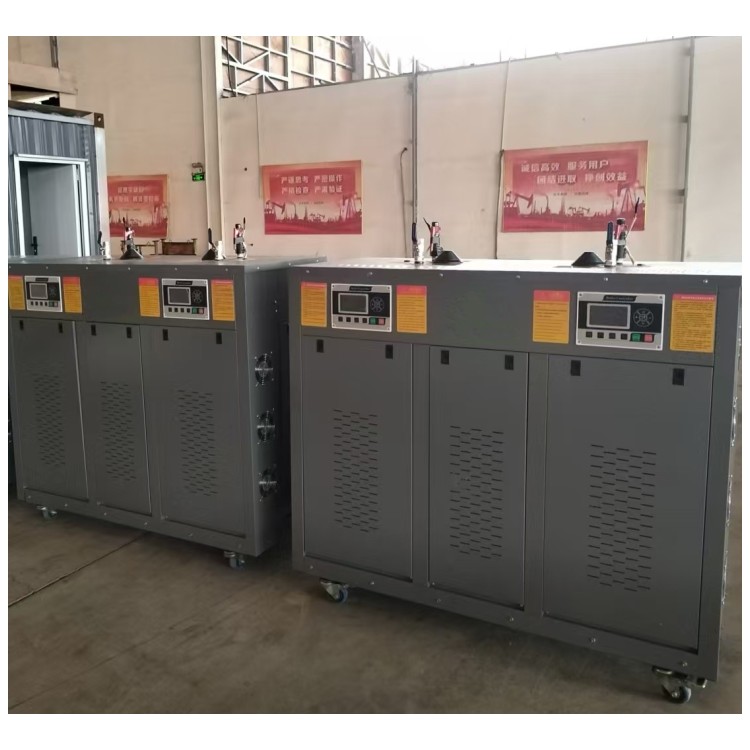


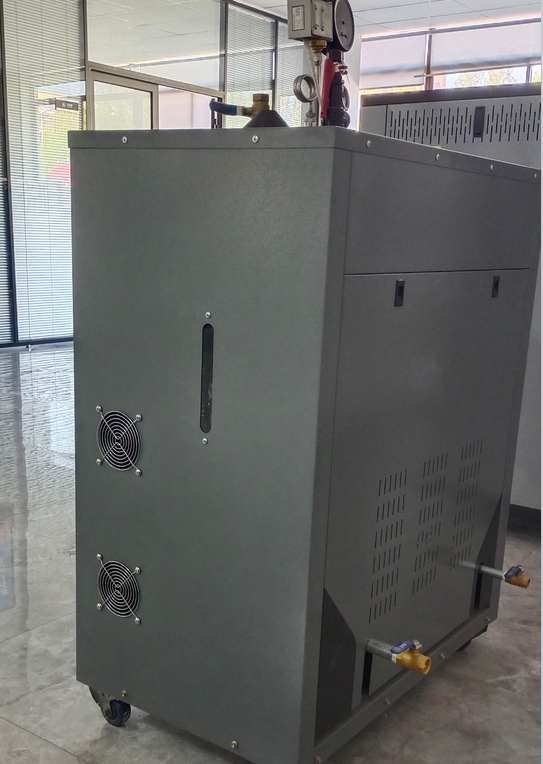
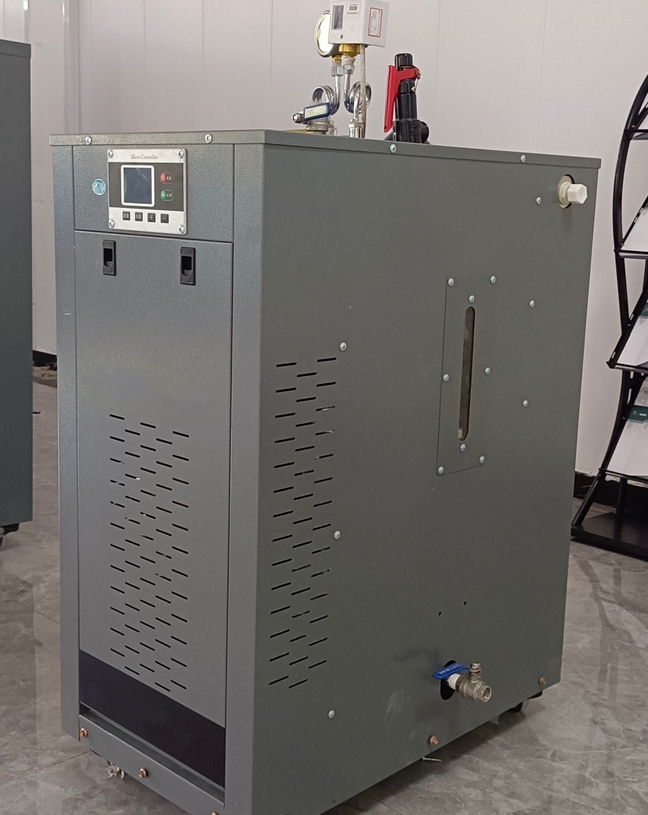


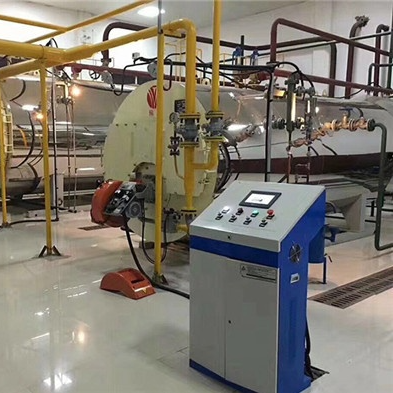
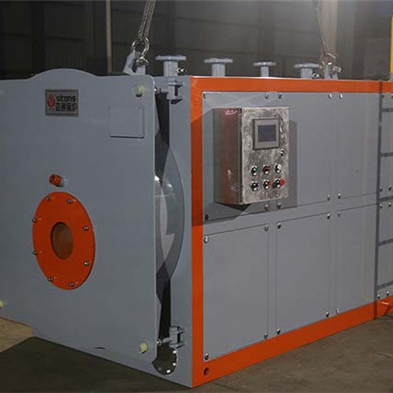
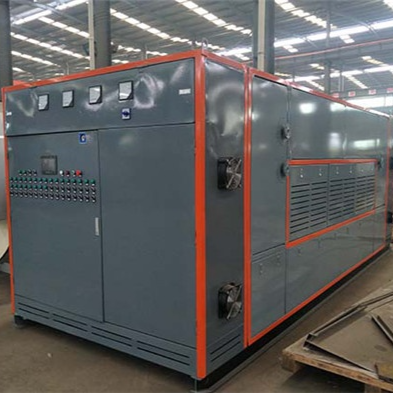
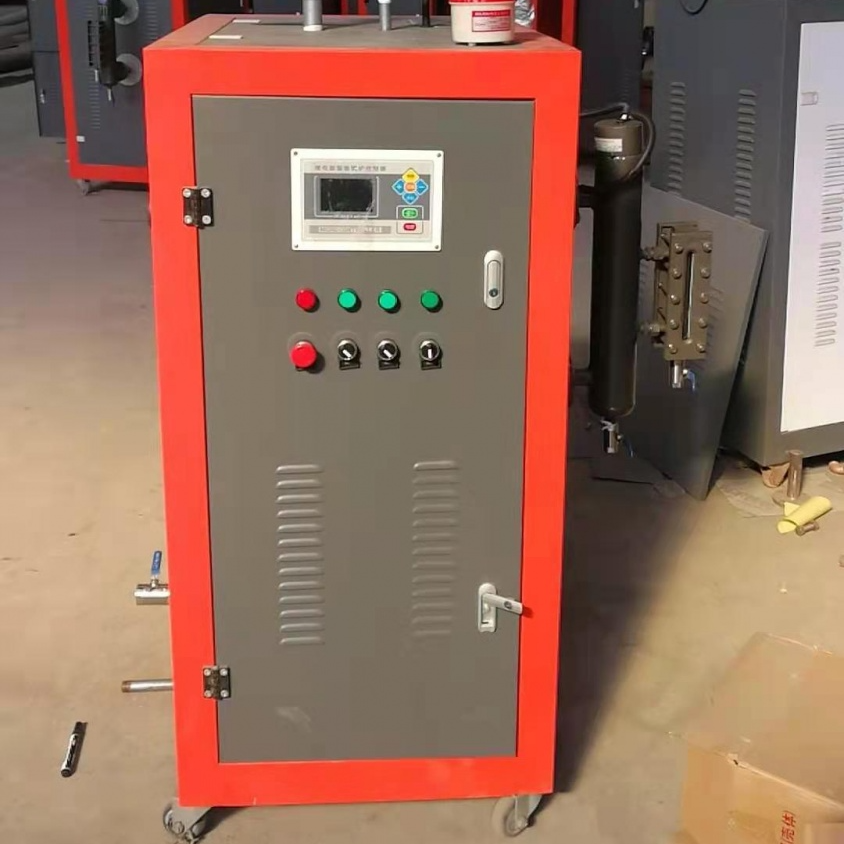





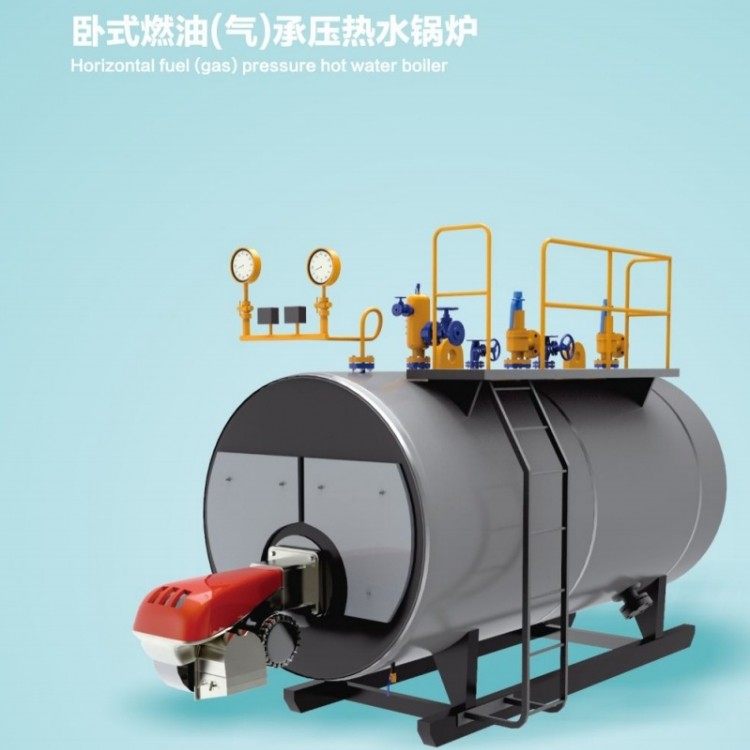
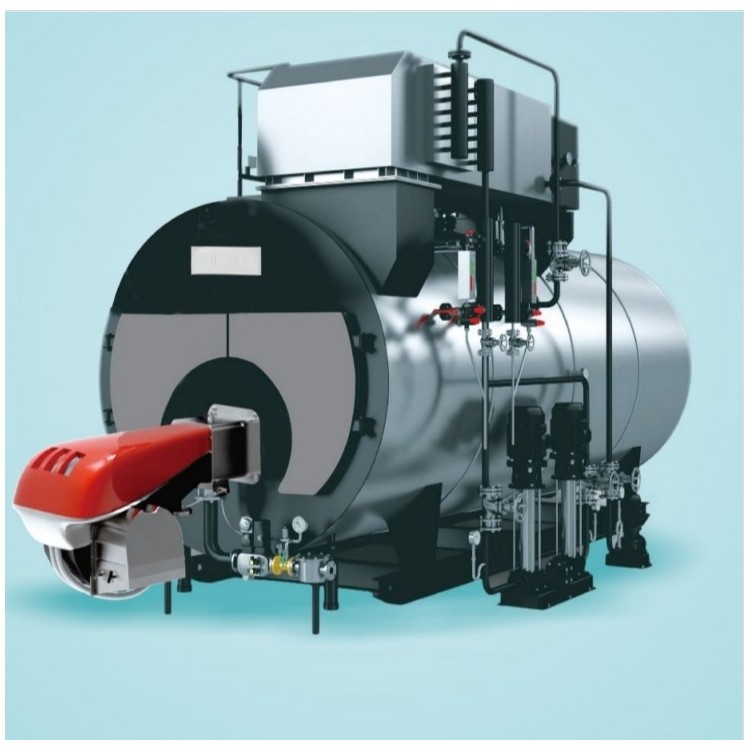
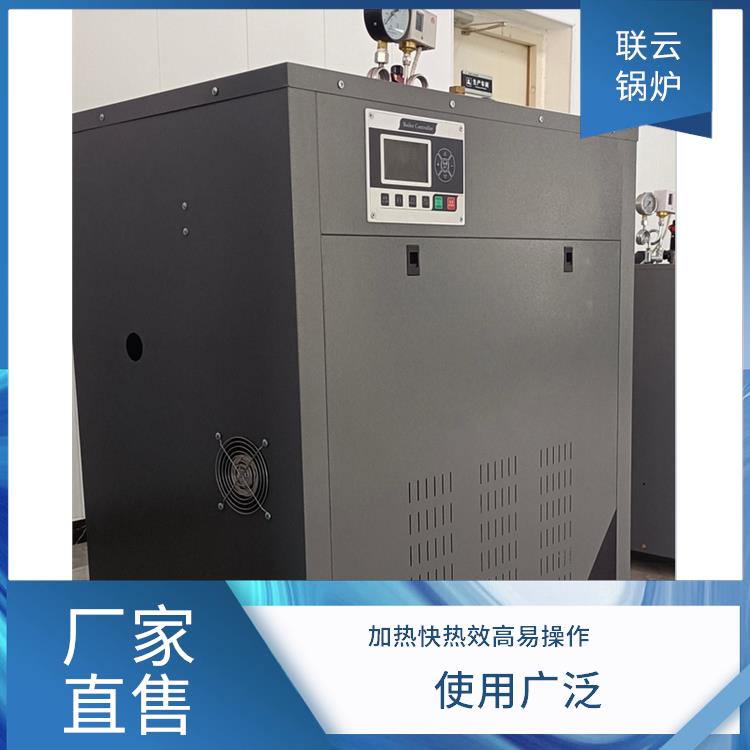
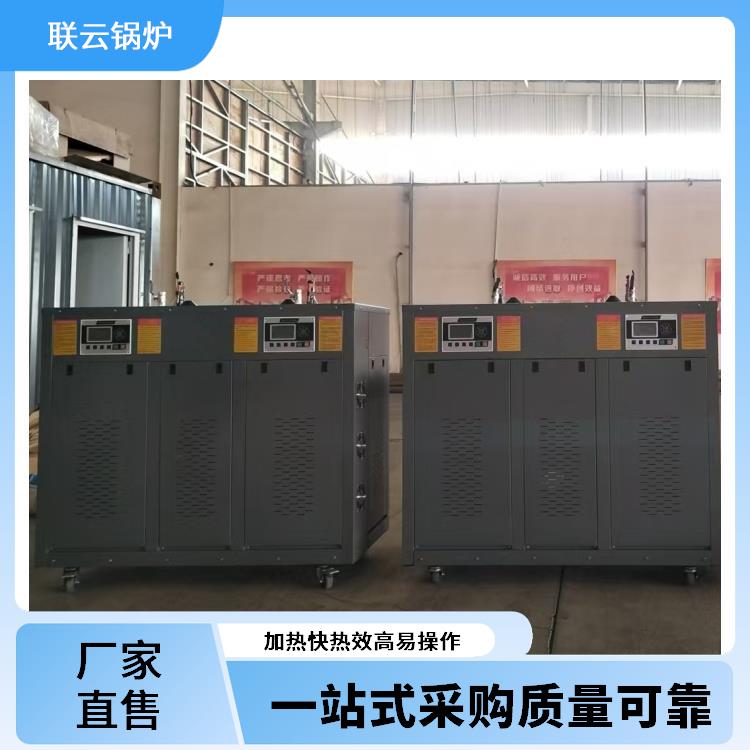
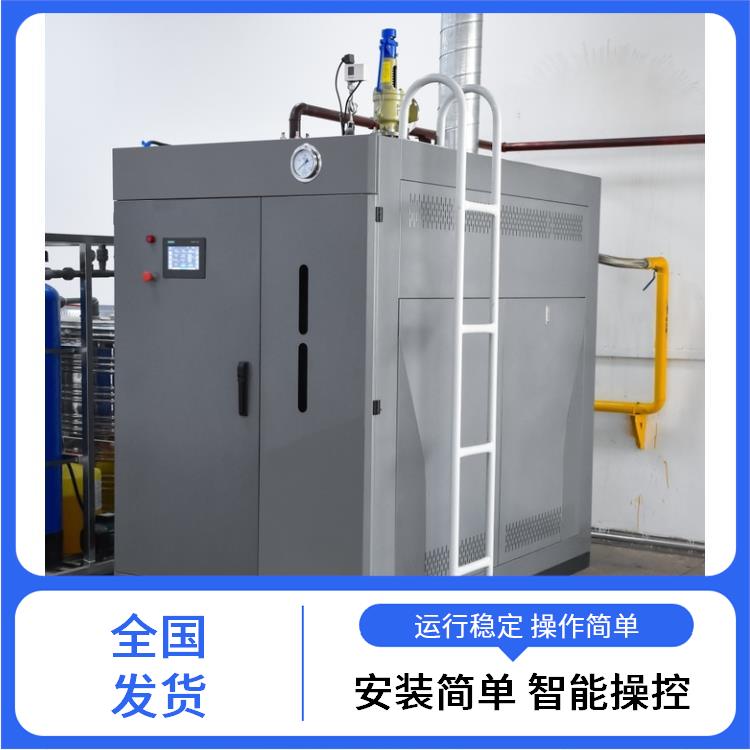
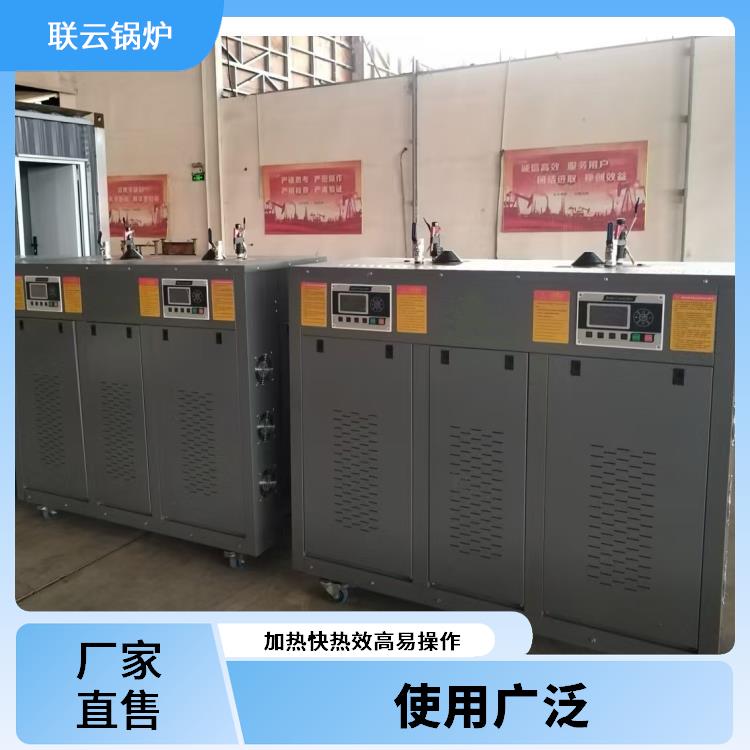
The primary use of electrically heated steam generators is to provide a stable steam source to meet the demands for heat and steam in industrial processing, commercial services, and daily life. Their application spans across multiple industries, specifically including:
Primary Application Fields
Industrial fieldIn industries such as chemicals, manufacturing, food processing, and textiles, steam is used for heating, distillation, and other processes. For example:
Chemical reaction heating in chemical production
Steam-cooking for food processing (such as beverage and noodle product processing)
Textile industry dyeing, drying, and ironing

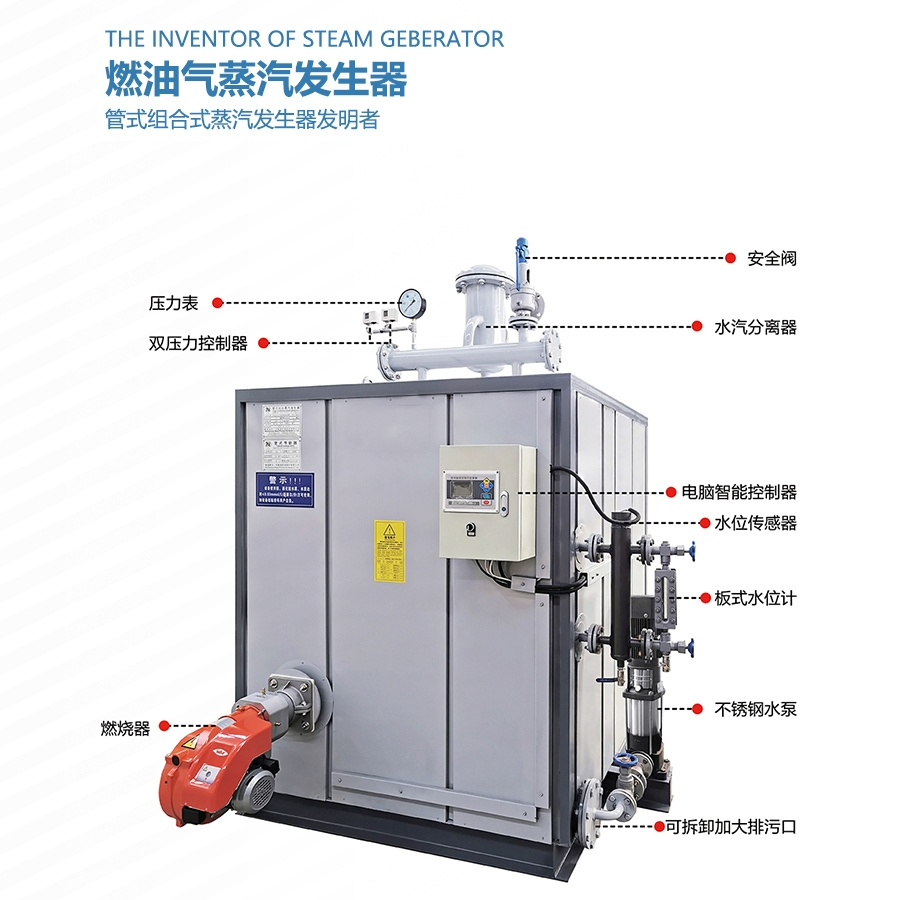
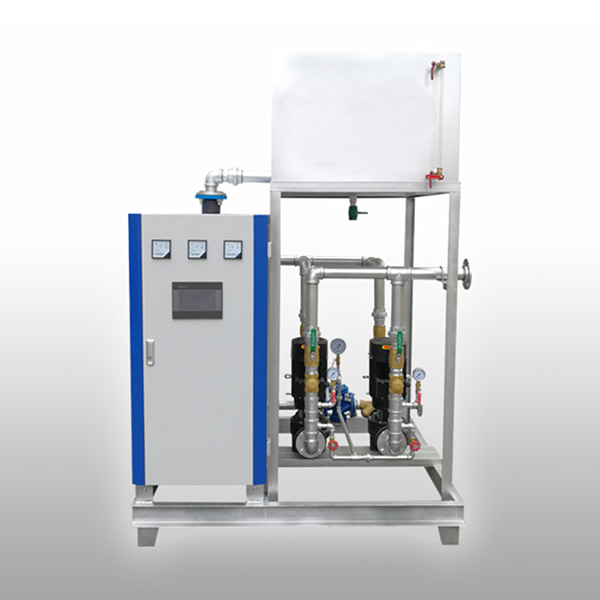
Electric heating steam generators are mainly composed of the water supply system, automatic control system, furnace drum and heating system, and protection system. The basic working principle is achieved through a set of automatic control devices, ensuring the opening, closing, water supply quantity, and heating time of the furnace drum are controlled by the liquid controller or high, medium, and low electric probes. As the steam output continues, the steam pressure set by the pressure relay decreases with the water level in the furnace drum. When the water level is low (mechanical) or medium (electronic), the pump automatically stops when it reaches the high water level. At the same time, the electric heating tubes inside the furnace drum continue to heat, producing steam continuously. The pressure value of the steam is immediately displayed on the gauge on the panel or upper part of the unit, with the entire process automatically indicated by indicator lights.